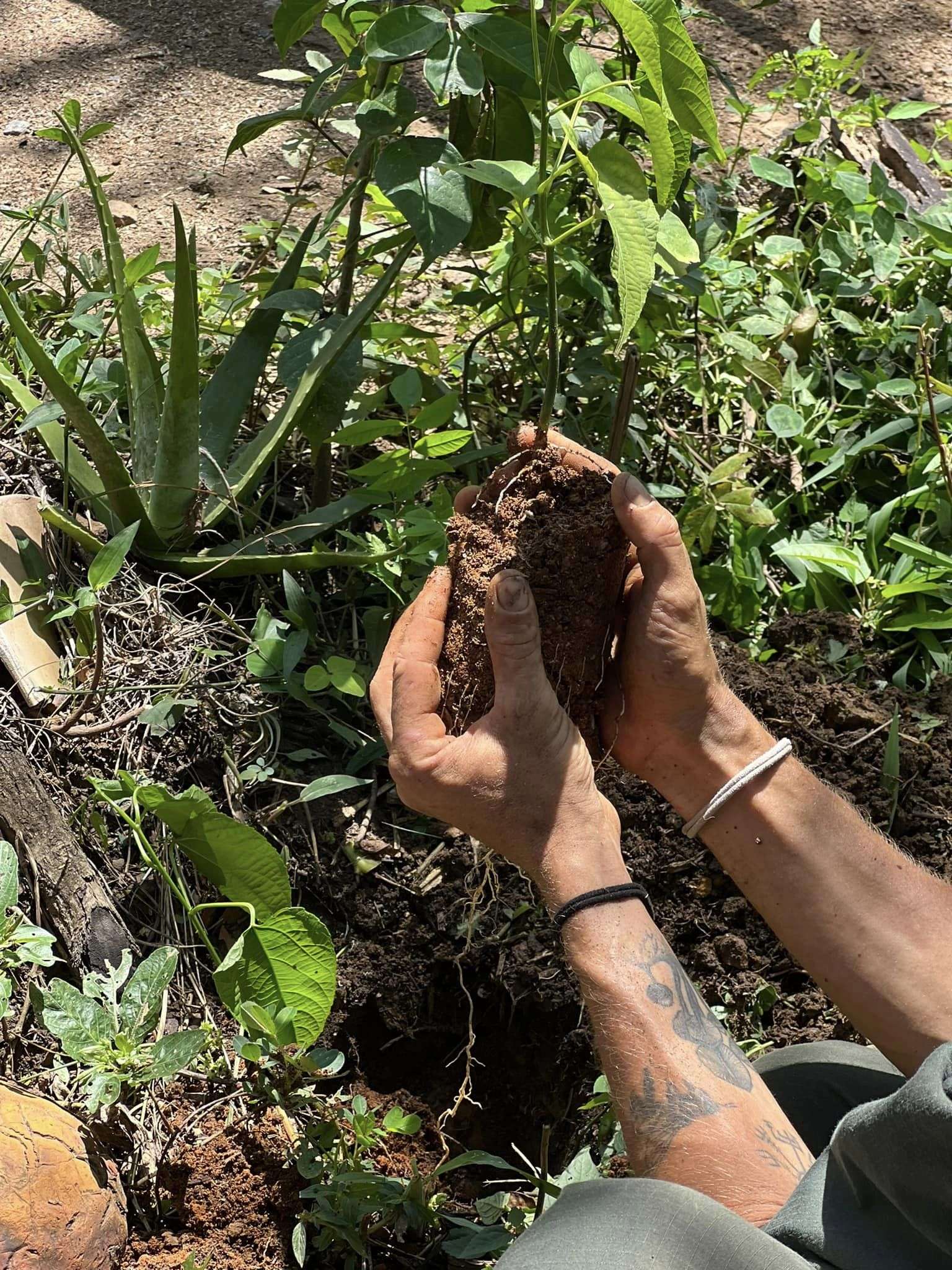

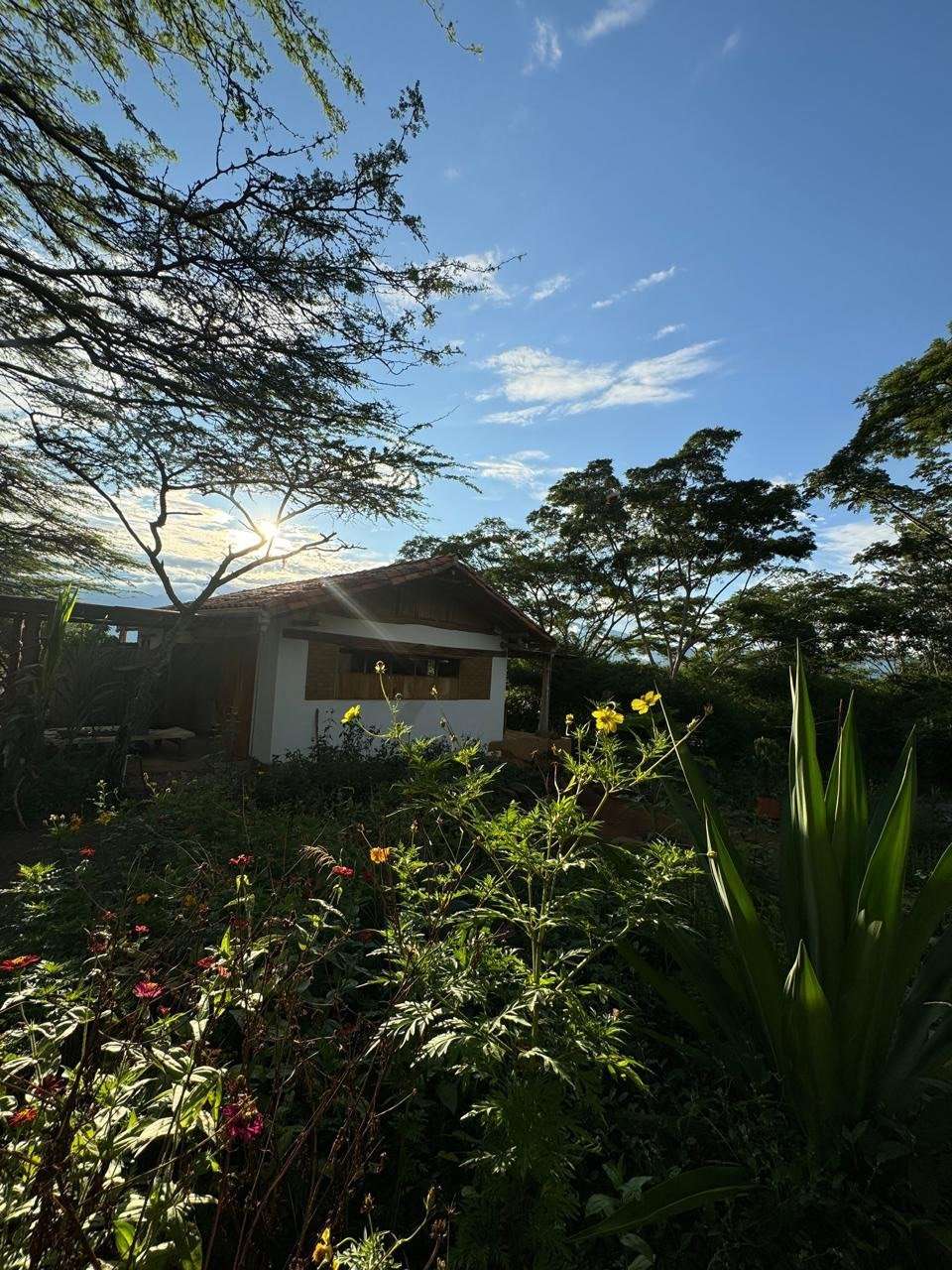
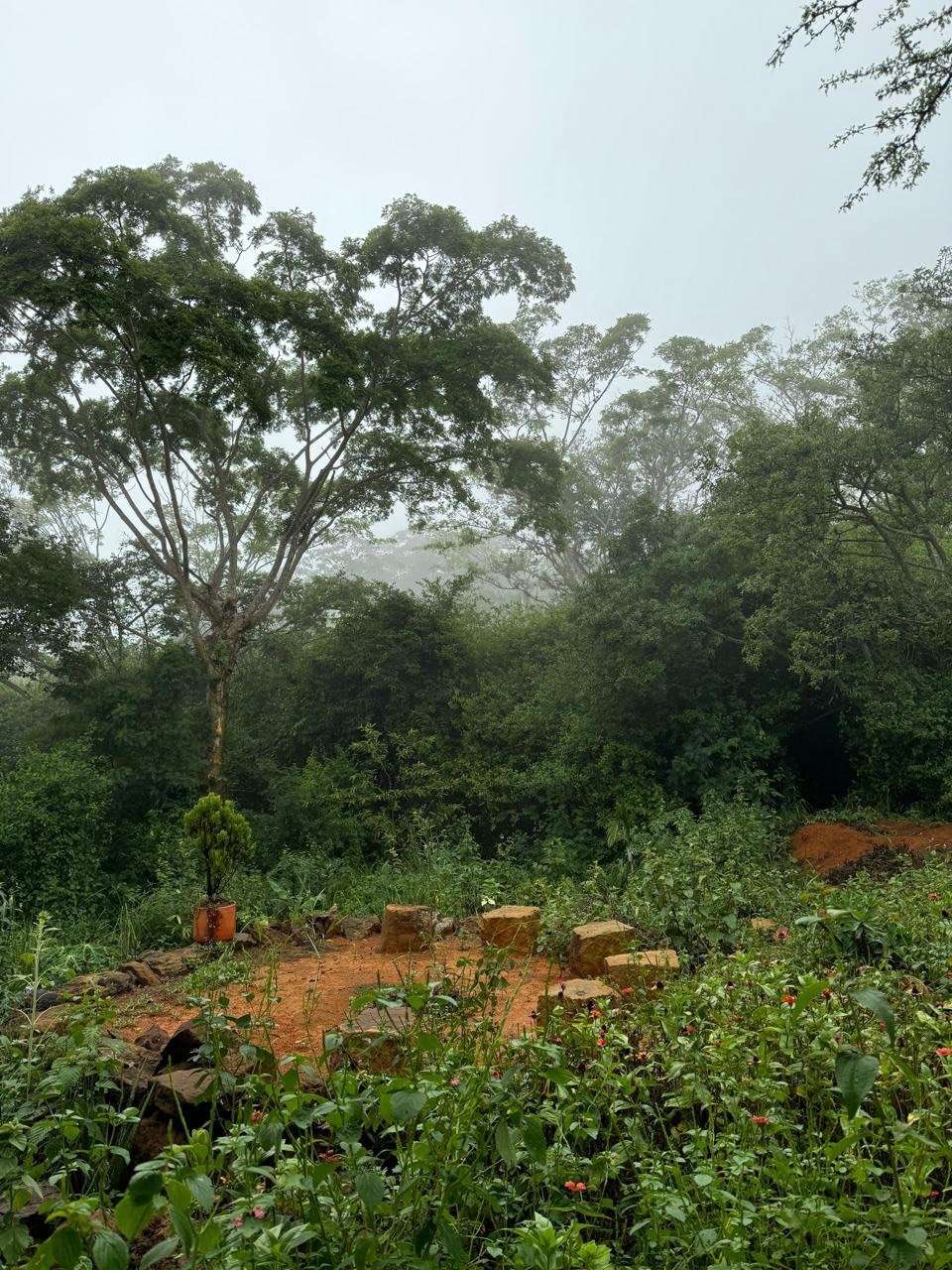
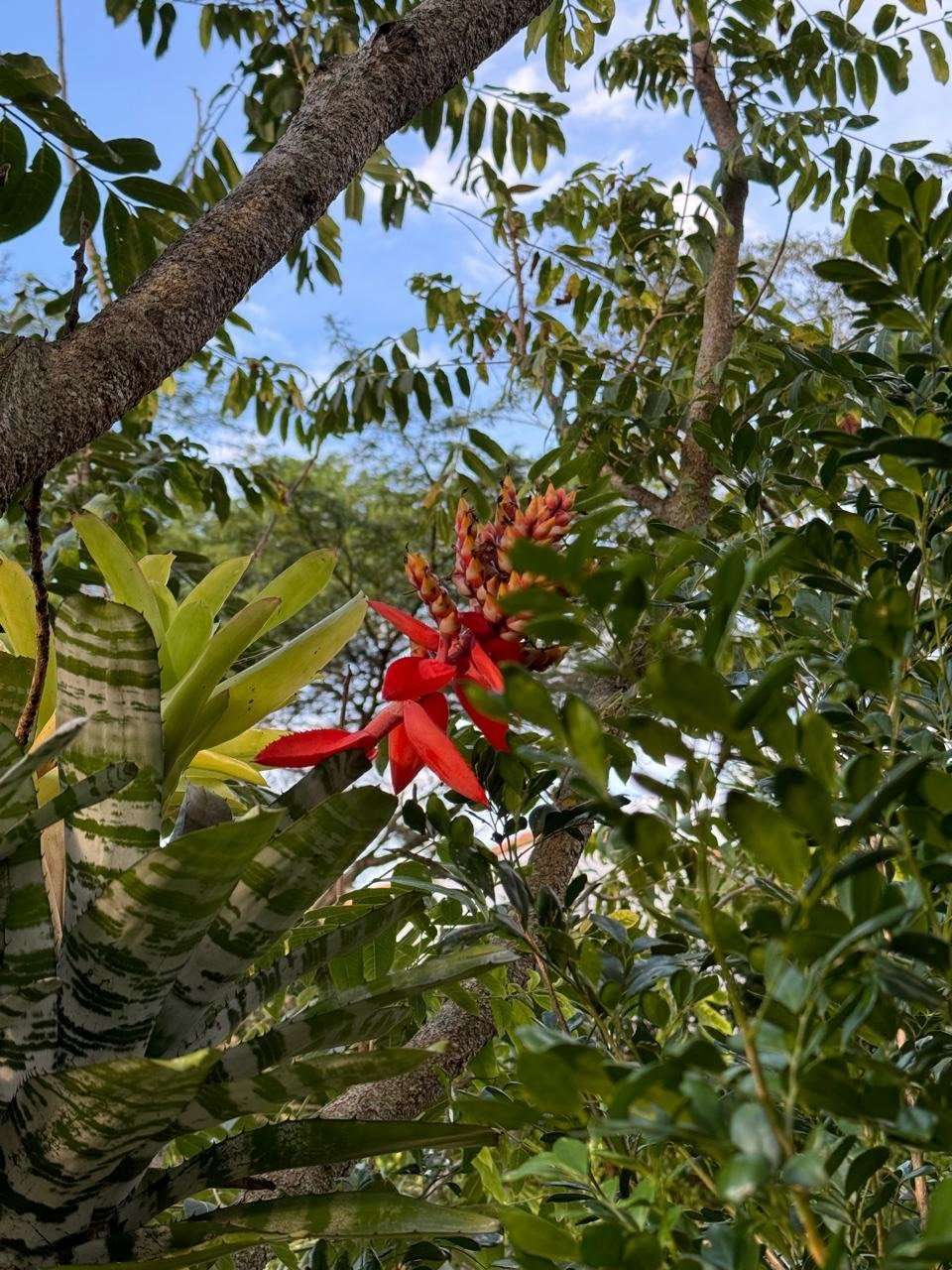
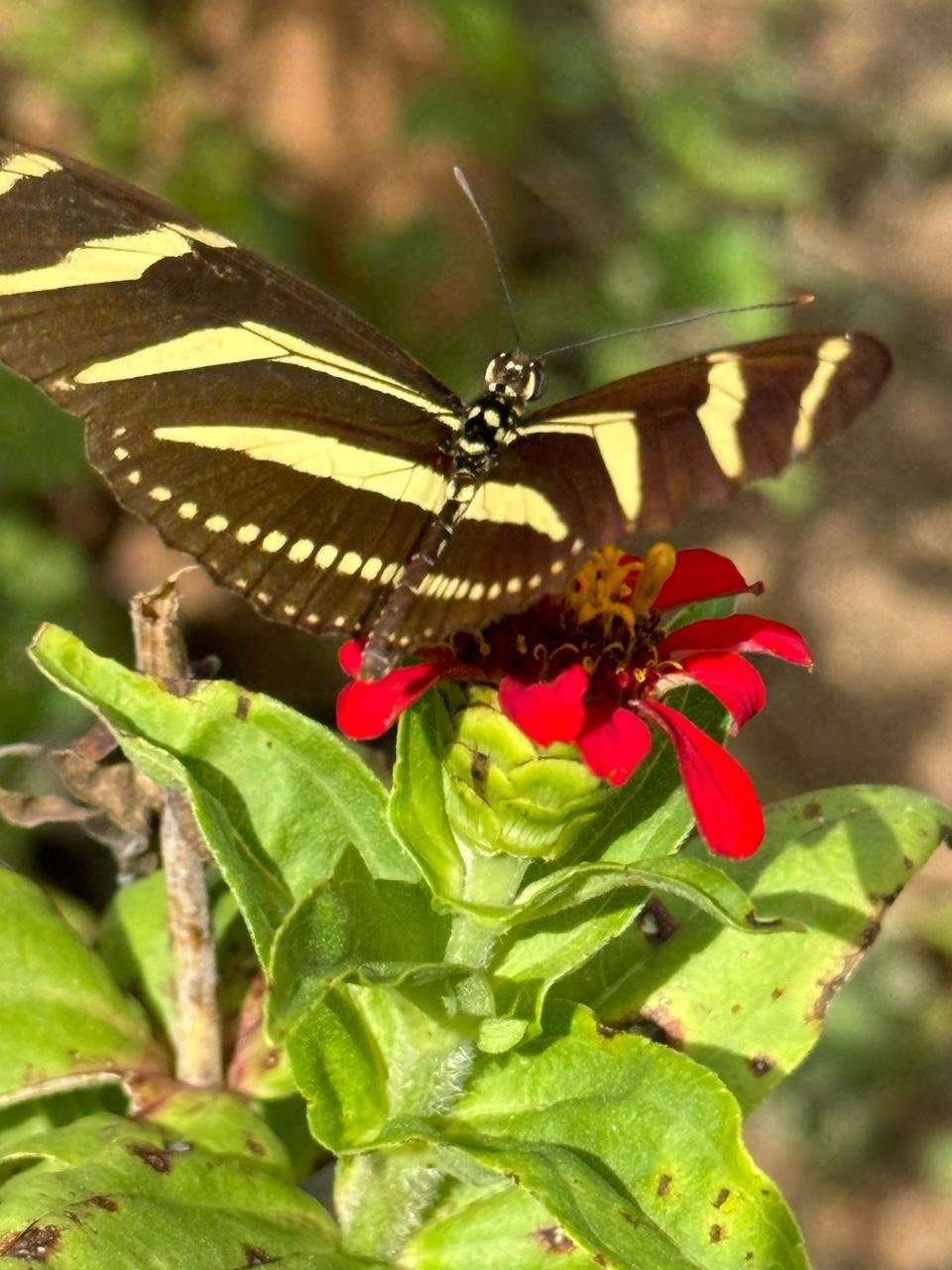

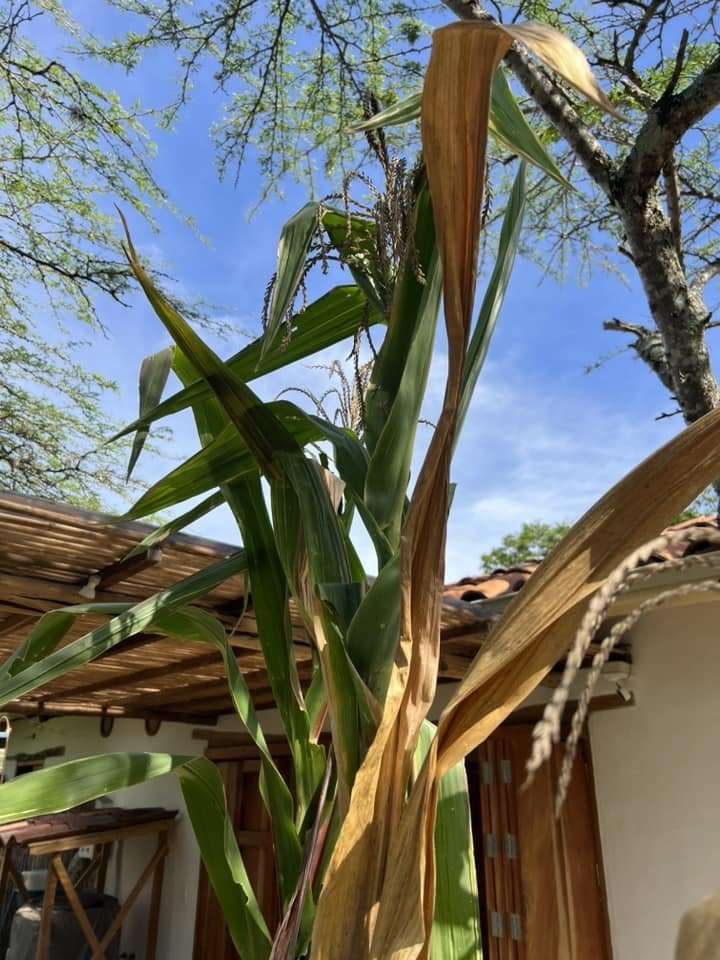
Where we are in the Andes, most of the original forest is gone. It has been cut down for timber and firewoood and to make space for grass and grazing animals.
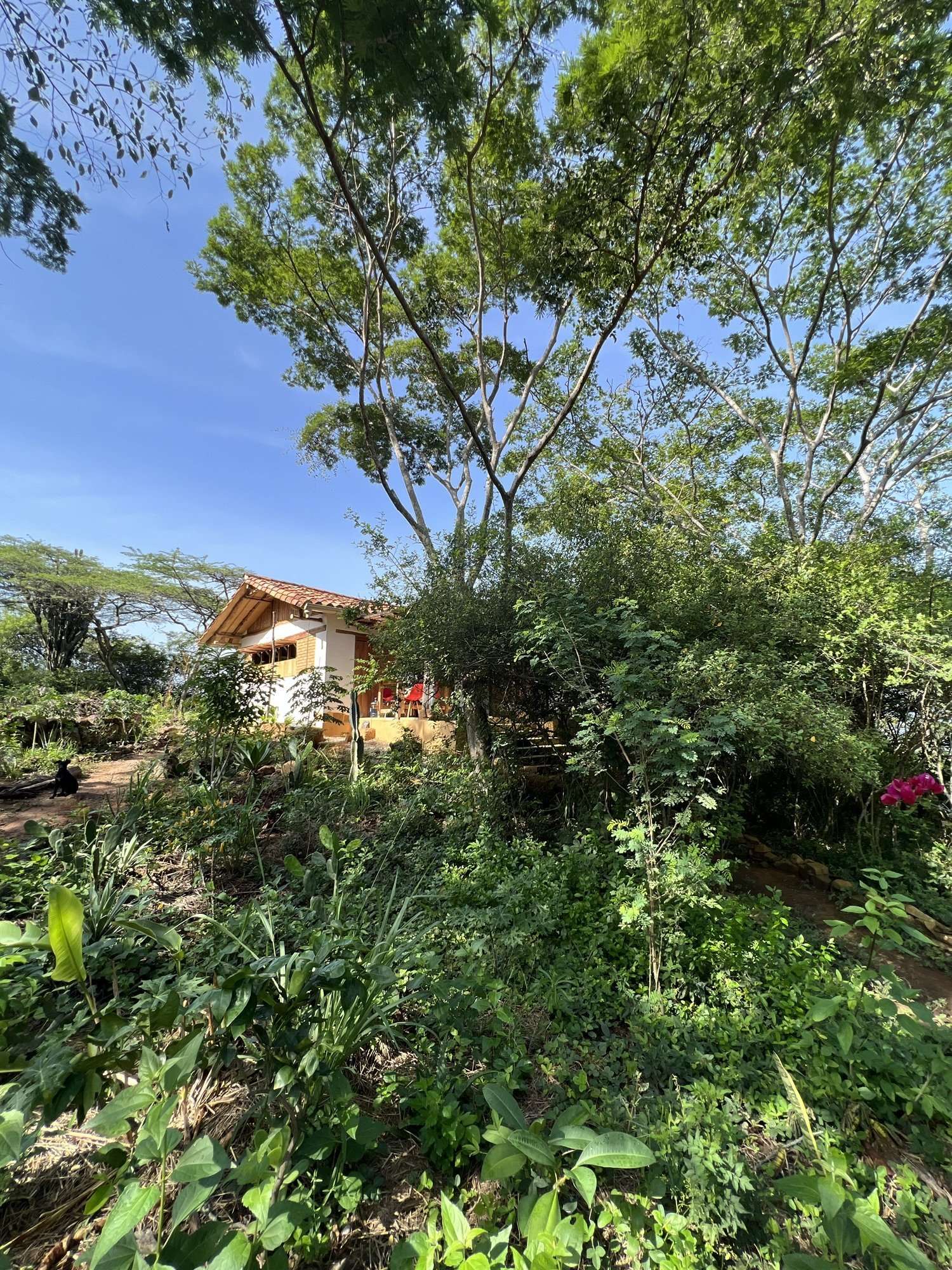
We are doing the opposite. We bought degraded land and are reforesting it.
Why? It’s not just because we love nature and it seemed the right thing to do. It’s because it’s also profitable.
MAYA NUTS
Right now, we are seeking out local maya nut (guáimaro) seeds and hope to plant as many as possible over the next year.
One mature Maya Nut tree can produce 100-300 kg of nuts every two years on average and can remain productive for a century. This may give USD 50-200 in annual income for each tree, and perhaps half of that in profit. We can easily fit a few hundred guaímaros into our forest. This may give an annual income of a few tens of thousands of dollars.
There is some initial work in collecting and planting the seeds and planting out the saplings. After that, the work is to collect the fruits on the ground, remove and clean the seeds, dry the seeds, and either sell the seeds or roast/grind to make a finished product. Since they are native, the trees mostly take care of themselves. (Apart from a heavy pruning when they are a couple of years old.)
Here is my rough calculation based on my current understanding:
-> DENSITY & NUMBERS
- With free seeds, may cost about 1000 USD in labor (ChatGPT) to plant
- Can fit 750-1000 guáimaros into a native forest on 15 hectares, 12.5m apart which is quite dense
- 500 trees may be realistic for 15 hectares, for a diverse dry tropical forest
-> INCOME POTENTIAL
- 2.5 USD / kg nuts
- 100-350 kg each 1-3 years = 50-175 kg gross annually
- 1 tree -> 2.5 USD x 50-175 kg = 125-438 USD gross / 62-219 USD profit annually
- 100 trees -> 12,500-43,800 USD gross / 6,250-21,900 USD profit annually
- 500 trees -> 62,500-219,000 USD gross / 31,250-109,500 USD profit annually
- 1000 trees -> 125,000-438,000 USD gross / 62,500-219,000 USD profit annually
- Realistic
- (1 tree x (125+438)/2) / 2 = 140 USD profit annually
- 500 trees x 140 USD = 70,000 USD profit annually / 5,800 USD monthly
FOOD FOREST
This is just one potential income of several from a food forest.
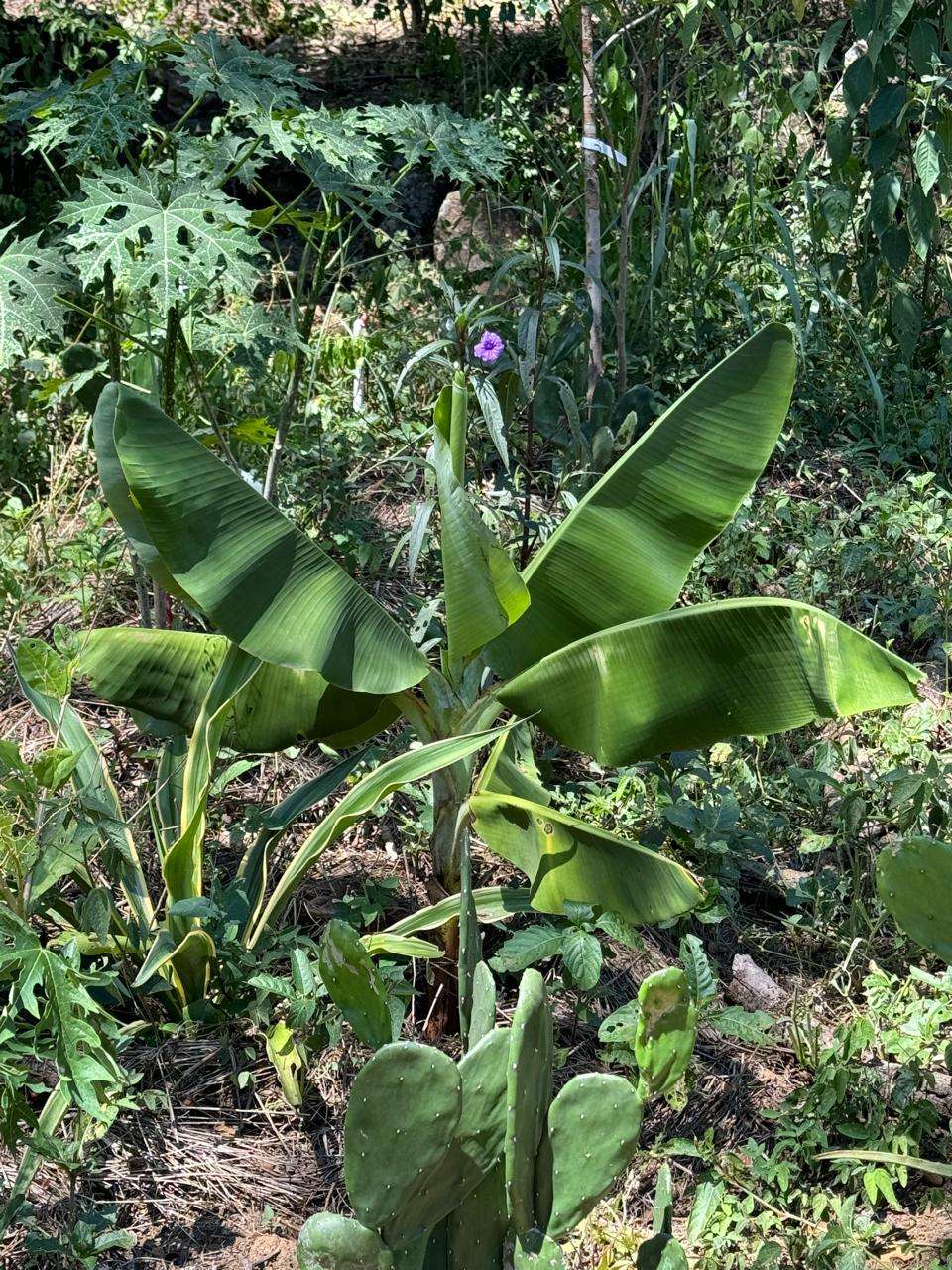
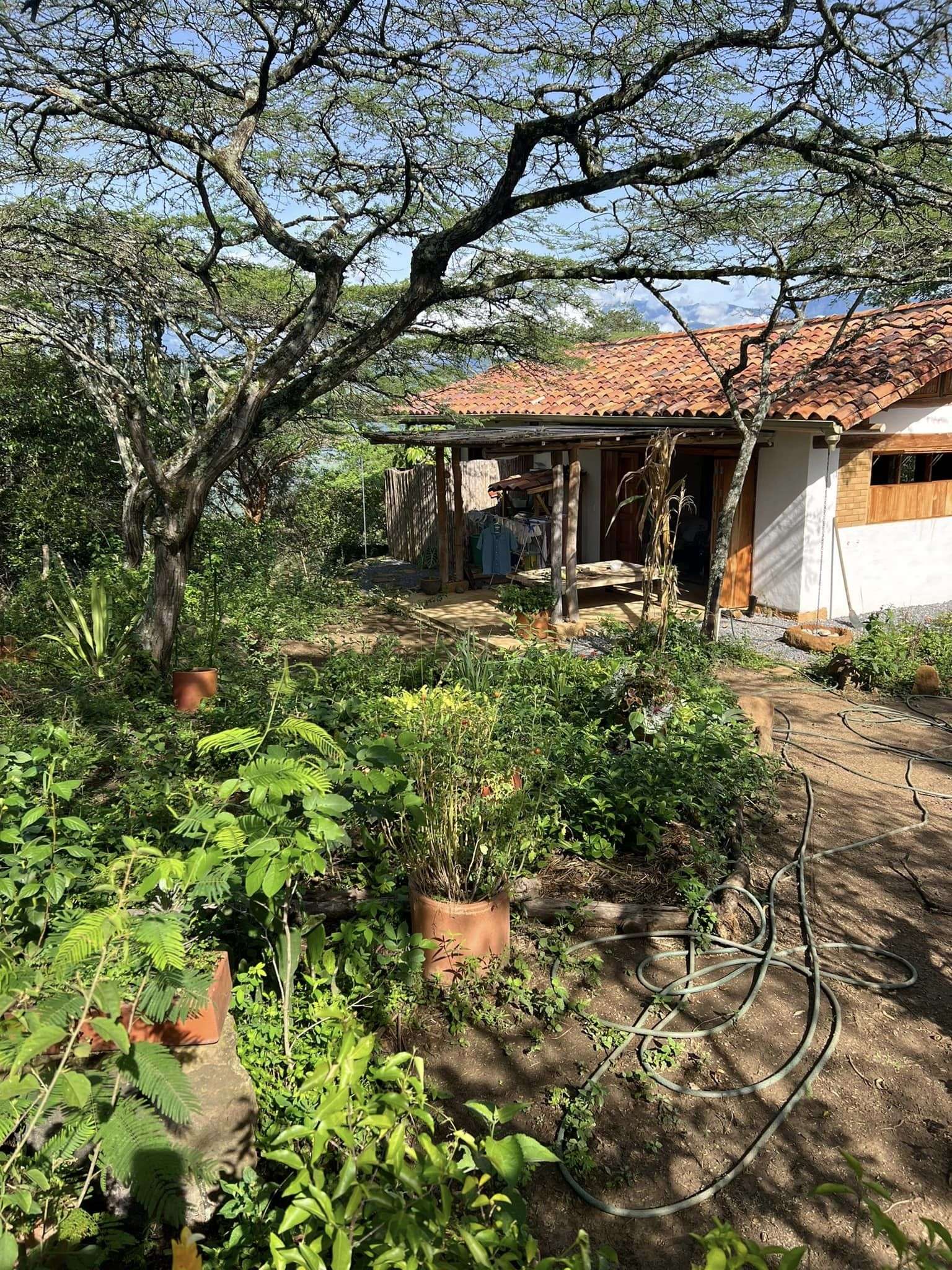
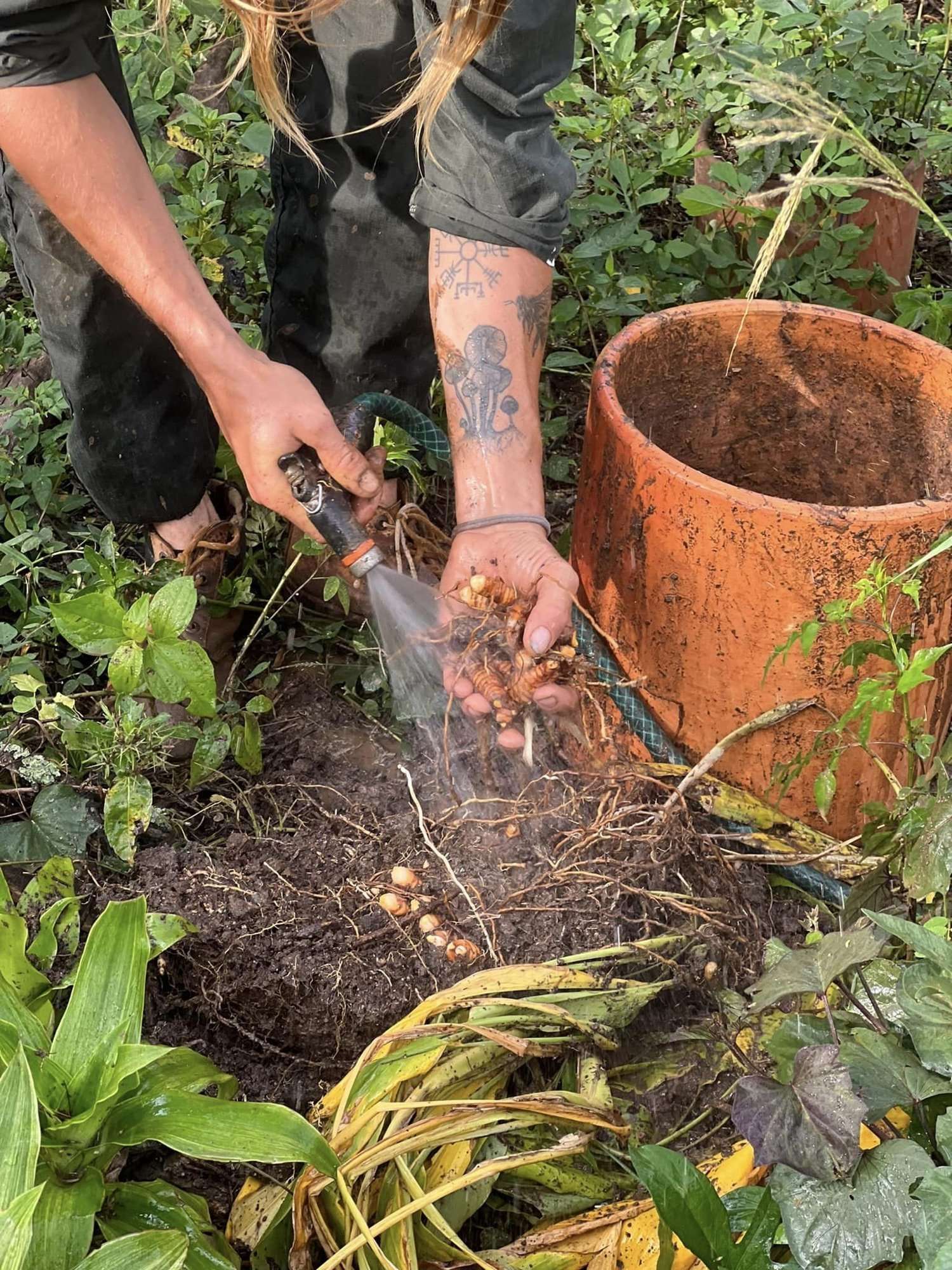
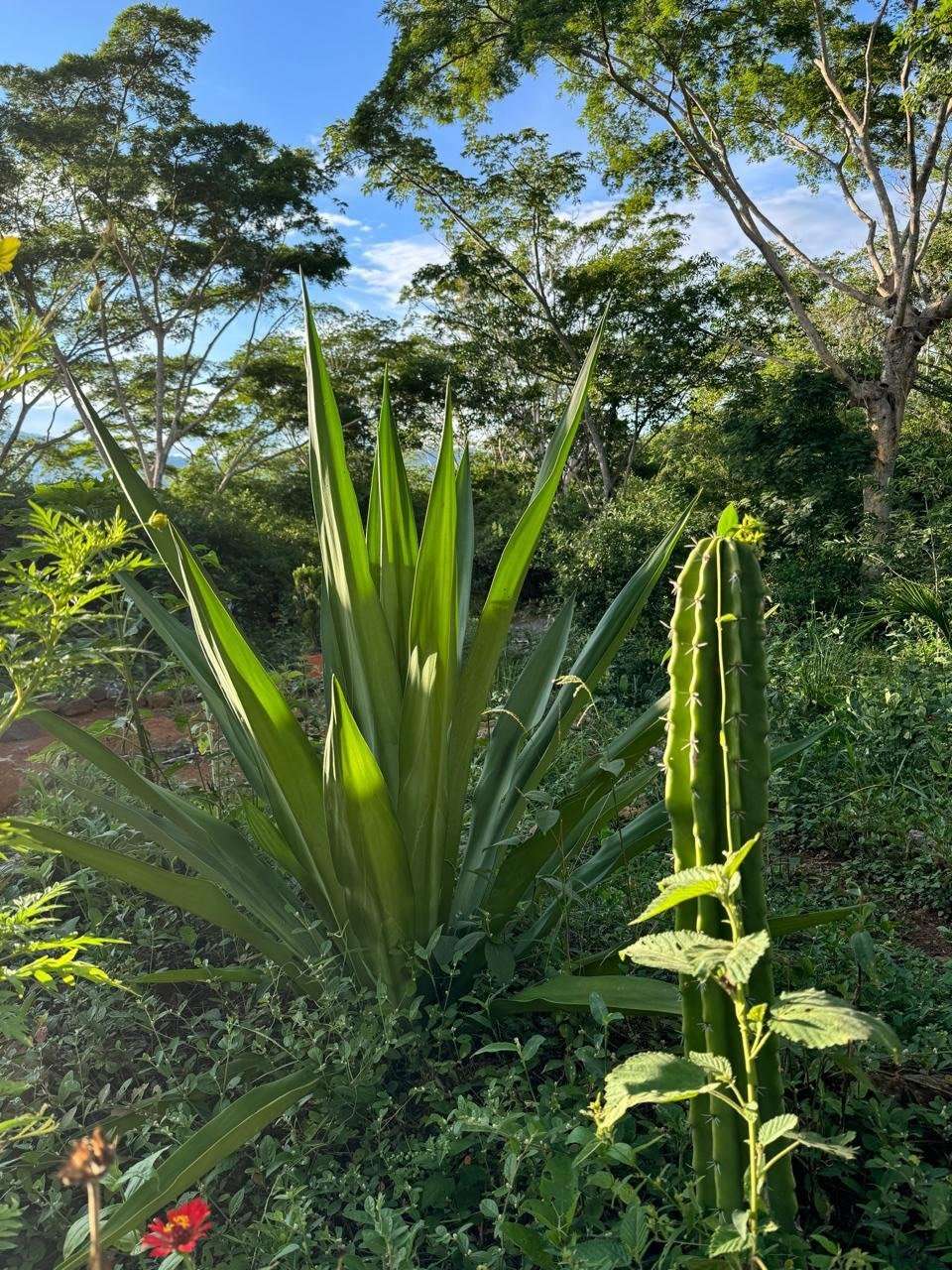
We are planting a wide variety of food-producing plants around the houses. Some of these require some watering during the dry periods but mostly manage on their own. At first, most of this food will be for ourselves and the wildlife, alhough as we produce more, we will sell to local markets. If we eventually have a decent production of something more specialized, we may also sell internationally.
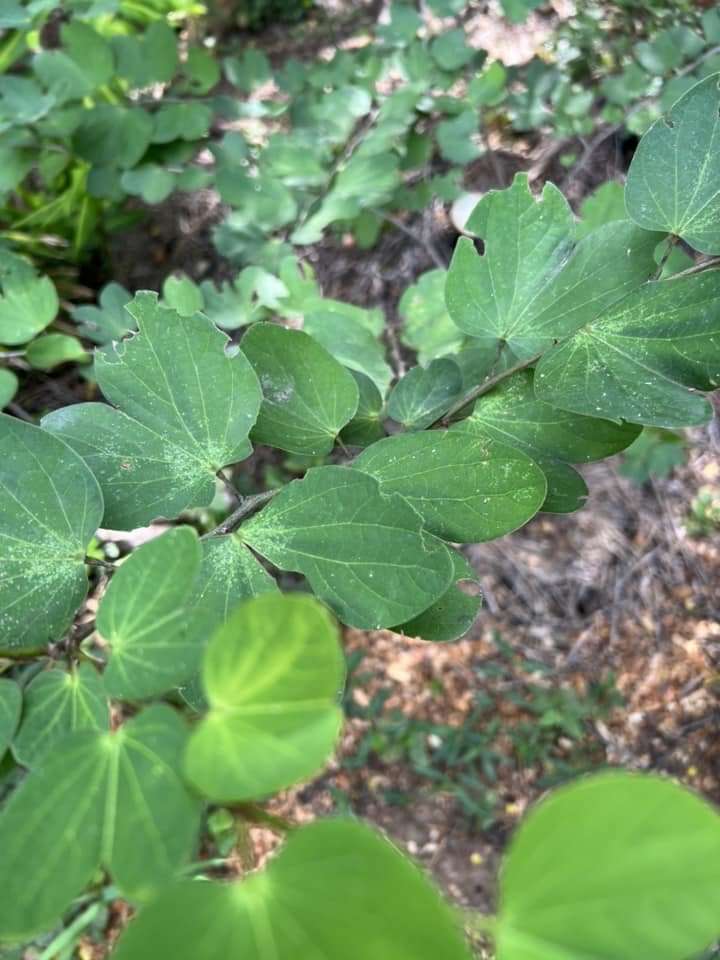
The rest of the land is mostly native forest at different stages of regrowing. With the help of an organization, we are in the process of planting a variety of native trees to make it more diverse. We plan on including a variety of food-producing trees and bushes along the main paths and in the areas closer to the houses. Many of these will be native to the area or the region, like the maya nut tree.
Combined, these trees will produce quite a lot of food for the wildlife and us, and also for sale.
CACAO AND COFFEE
The climate in our neighborhood is slightly too dry and hot for cacao and coffee, although many in this area – at a slightly higher altitude – grow them.
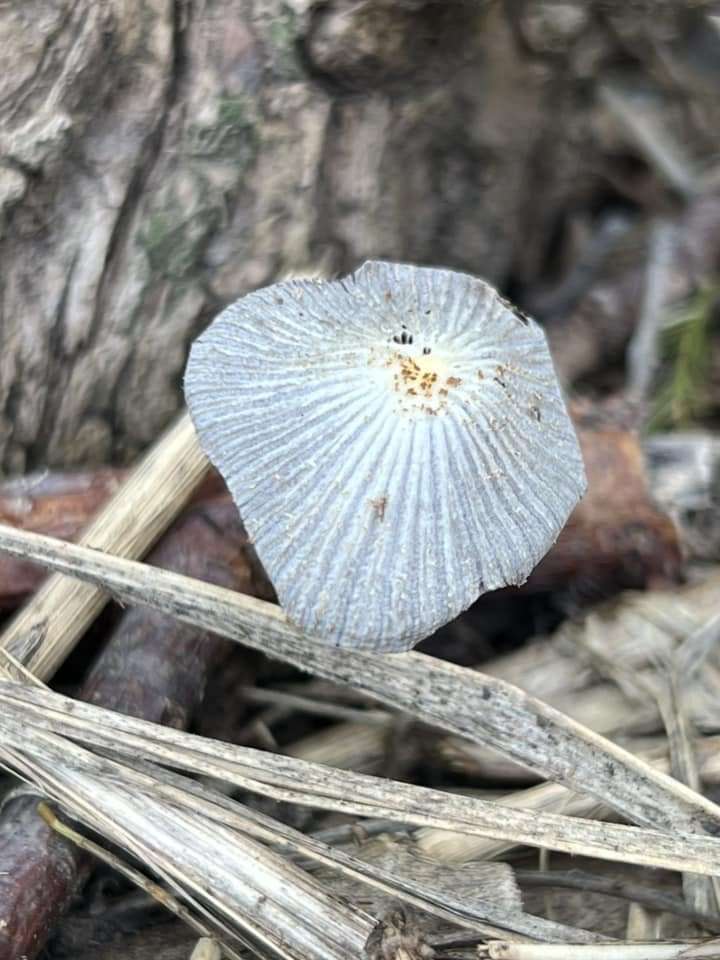
We already notice a change in the microclimate around the house. Where it was hot and dry, it’s now cooler and more humid, and we even have mushrooms growing. That means that we may be in a position to grow cacao and coffee. We plan on planting both soon to test it out.
As the native forest and food forest grows, it will only continue to make this microclimate cooler and more humid, which allows us to grow different plants. In this climate, those changes are very welcome for us too.
NURSERY
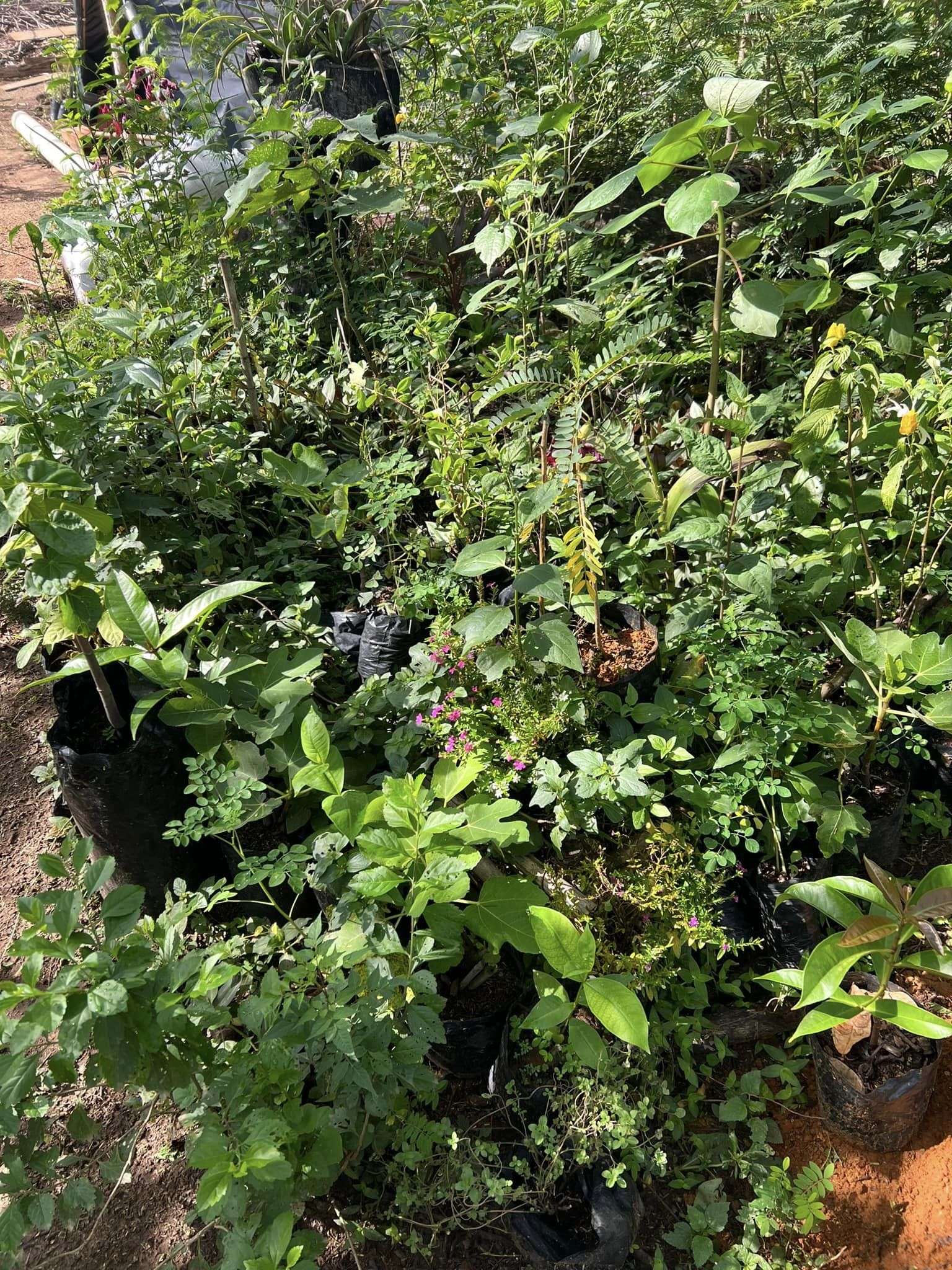
We have a small nursery with a few dozen plants. These are for our own use since we are still in the initial establishing phase of the food forest.
In the future, it’s likely that we will sell seeds and seedlings of native and/or food-producing plants. It’s possible we may also create a kind of cooperative where several people grow plants and sell it at a central location, perhaps once or twice a month to start with.
Local nurseries have a very limited selection of food-producing plants, and very few native plants, so there is a market for these kinds of nurseries.
ECO-TOURISM
In the future, it’s possible we can include eco-tourism in our activities. The main path through the land has beautiful views, and we are planning to plant food-producing trees and a wide variety of flowering natives along that path.
Within the end of the year, we will likely have three houses here, including a guest house. We may rent out one or more of these. We may also build one house specifically for renting out. I imagine that renting a house in a reforestation project with a food forest will be attractive to some.
TRAINING & WORKSHOPS
We may offer trainings and give workshops on the land in the future, either led by others or even ourselves as we gain more experience.
ANIMALS
We may include some animals in the future as well, possibly starting with a few chickens for eggs and fertilizer. This can also contribute to the overall income from the land.
In theory, we could do silvopasture – graze animals among the trees – although that’s less likely. We prefer to have a forest.
CARBON CREDITS
We are working with an organization that will plant some thousands of native trees here. This summer, they planted two thousand in the most arid areas. It’s free for us, and they sell the carbon credits to multinational corporations.
There are ways for us to plant trees and sell the carbon credits, although it does require a solid verification process. It could be done through a local cooperative of land owners planting trees, going through the certification and verification process, and selling the carbon credits.
INCREASED VALUE
We don’t plan on selling Milagros. It will hopefully remain a nature preseve long after we are gone.
Still, the value of the land is significantly increasing as the forest is returning and we are creating a healthy and mature food forest.
FOR THE WILDLIFE & ECOSYSTEM
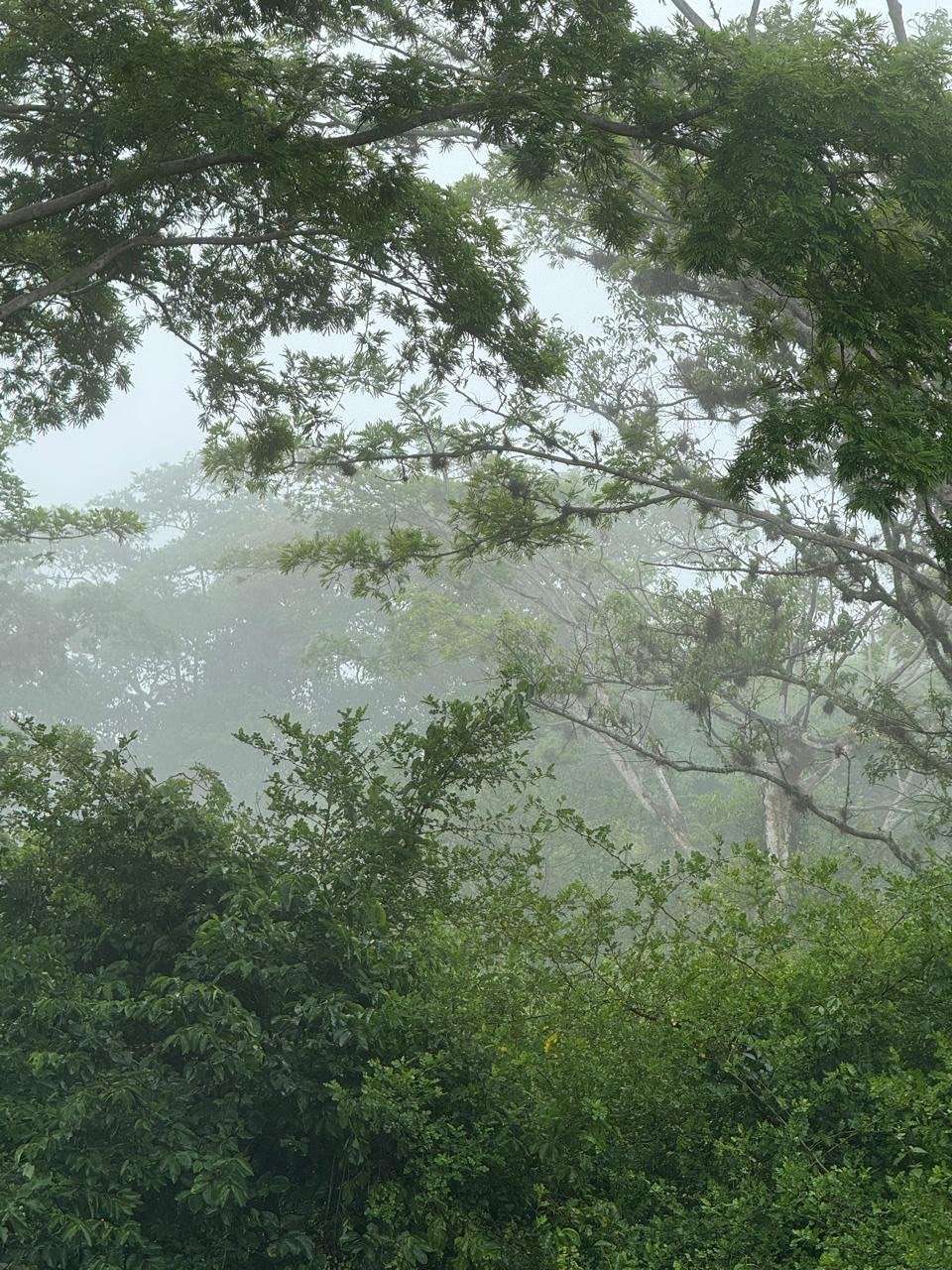
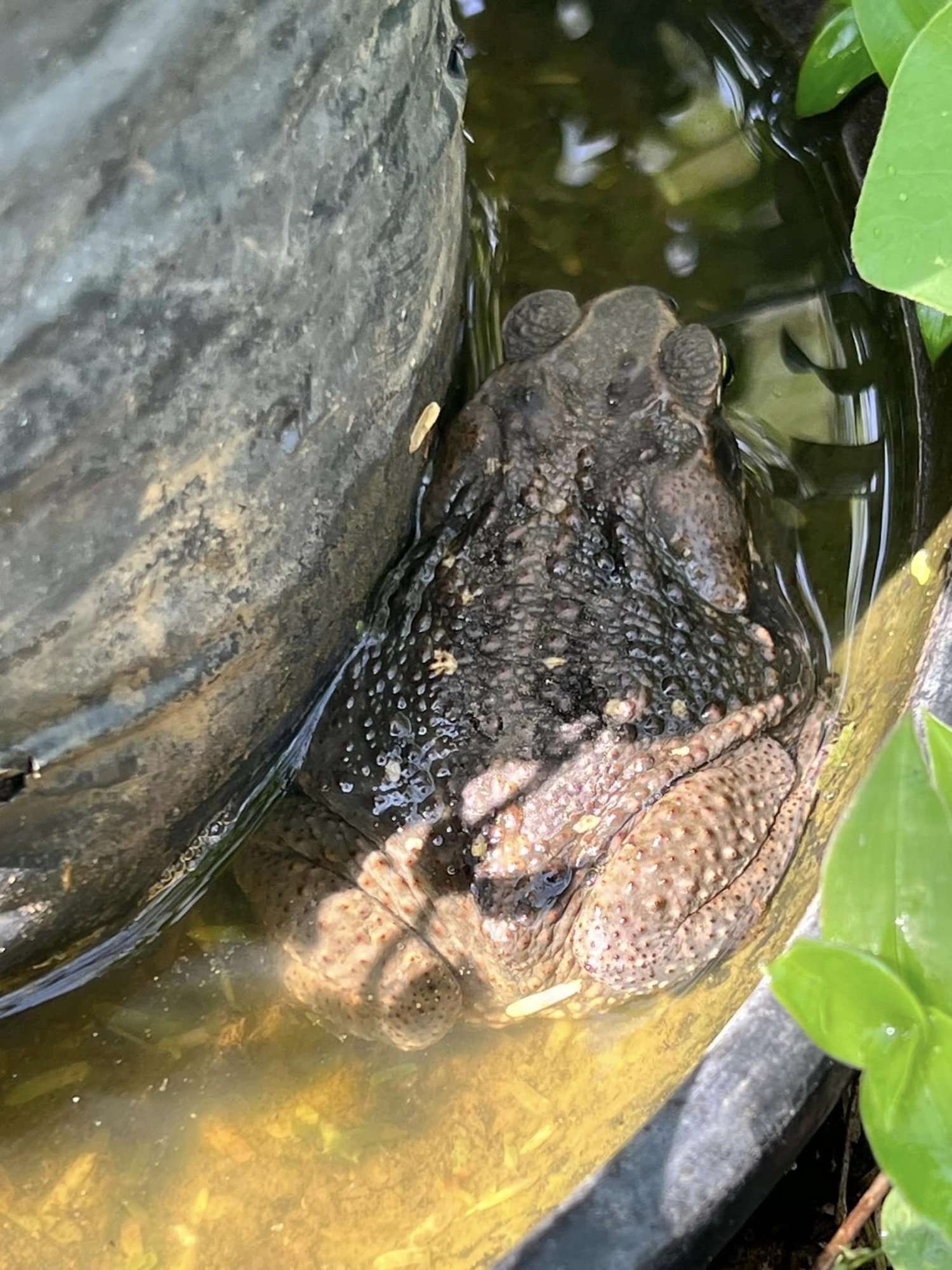
For the millions of beings living on Milagros, this forest is obviously more worth standing. It’s their home. They depend on it. It’s their world and their life.
As human beings – individually and collectively – we depend on a healthy local, regional, and global ecosystem. We depend on it for our life, and for our own health and well-being.
THE ESSENCE APART FROM PROFITS
Mainly, we love living in a forest and it just feels right to help this land return to a more vibrant and alive state. That’s worth more than money.
See below for more info.
MORE INFO
I asked ChatGPT 4o for more info on this.
The ways a forest is worth more standing
Owning a standing forest offers a multitude of invaluable benefits that far exceed the short-term financial gains associated with cutting it down.
1. Biodiversity Conservation
- Standing forests are home to approximately 80% of terrestrial species, including diverse flora and fauna.
- They provide essential habitats for countless species, many of which are endemic and cannot survive outside these ecosystems.
- The preservation of forests helps prevent extinction and maintains genetic diversity, which is critical for ecosystem resilience and adaptability.
2. Carbon Sequestration
- Forests play a crucial role in mitigating climate change by absorbing carbon dioxide (CO2) from the atmosphere during photosynthesis.
- A single mature tree can absorb up to 48 pounds (22 kg) of CO2 annually, storing vast amounts of carbon in their biomass.
- By maintaining standing forests, we preserve these natural carbon sinks, significantly reducing greenhouse gas concentrations.
- Deforestation releases stored carbon back into the atmosphere, exacerbating global warming and climate change.
3. Water Cycle Regulation
- Forests are integral to the Earth’s water cycle, influencing precipitation patterns and maintaining groundwater levels.
- They absorb rainfall, releasing moisture back into the atmosphere through transpiration, which helps regulate local climates.
- Forested watersheds maintain water quality by filtering pollutants and sediment, ensuring clean water supplies for communities downstream.
- Deforestation disrupts these natural processes, leading to increased flooding, reduced water quality, and altered rainfall patterns.
4. Soil Protection and Fertility
- The root systems of trees anchor the soil, preventing erosion and maintaining soil structure, especially in hilly areas.
- Organic matter from decomposing leaves and fallen branches enriches the soil, providing essential nutrients for plant growth.
- Forests help sustain agricultural productivity by preventing soil degradation, which can occur when forests are cleared.
5. Climate Regulation
- Forests moderate temperatures, reduce wind speeds, and contribute to humidity levels, playing a significant role in climate stability.
- Through transpiration, forests release moisture into the atmosphere, leading to cloud formation and rainfall.
- The loss of forest cover can exacerbate climate extremes, such as heatwaves and droughts, negatively impacting both natural and human systems.
6. Recreational and Cultural Significance
- Forests provide spaces for outdoor activities such as hiking, birdwatching, camping, and nature photography, which contribute to physical health and mental well-being.
- The therapeutic benefits of spending time in nature are well-documented, with access to green spaces reducing stress and anxiety.
- Forests hold cultural significance for many communities, serving as places for traditional practices, spirituality, and connection to cultural heritage.
7. Economic Benefits
- Eco-tourism leverages the beauty and biodiversity of forests, attracting visitors who contribute to local economies.
- Non-timber forest products, such as nuts, berries, medicinal plants, and mushrooms, provide sustainable income sources for local communities.
- Sustainable forest management allows communities to derive ongoing economic benefits without the irreversible damage associated with deforestation.
8. Ecosystem Services
- Standing forests provide numerous ecosystem services, including air purification, pollination of crops, and habitat for wildlife.
- Trees filter pollutants from the air and improve air quality, contributing to public health.
- Forests support pollinators, which are essential for food production, enhancing agricultural yields.
9. Aesthetic and Inspirational Value
- The beauty of forests inspires art, literature, and personal reflection, fostering creativity and emotional well-being.
- Forests offer a sense of peace and tranquility, providing sanctuary from the stresses of modern life.
- The loss of forests can lead to feelings of desolation and loss, diminishing the emotional and spiritual well-being of individuals and communities.
10. Long-term Sustainability
- Forests that thrive can regenerate and continue providing resources indefinitely through sustainable practices.
- Cutting down forests may yield immediate economic benefits but often leads to long-term ecological and economic losses.
- Investing in the health and sustainability of forest ecosystems ensures that future generations will inherit a planet rich in biodiversity, clean air, and water.
Conclusion
In summary, the value of standing forests is immense, encompassing ecological, economic, cultural, and aesthetic dimensions. The myriad benefits they provide far outweigh the short-term gains associated with deforestation. As we confront the challenges of climate change and ecological degradation, recognizing and prioritizing the preservation of standing forests is crucial for ensuring a sustainable future for our planet and all its inhabitants. By protecting these vital ecosystems, we not only safeguard the environment but also enhance the quality of life for present and future generations.
Financial benefits of a standing forests
Owning standing forests provides landowners with diverse financial benefits through sustainable practices, such as timber and non-timber product sales, eco-tourism, and carbon credits. These revenue streams not only enhance property values but also promote environmental conservation, showcasing how economic interests can align with stewardship.
1. Sustainable Timber Production
- Managed forests can provide a continuous supply of timber while allowing for the regeneration of trees, ensuring long-term profitability.
- Selective logging practices enable landowners to harvest mature trees without completely clearing the forest, maintaining the ecosystem’s integrity.
- Timber prices can be favorable, especially for high-quality species, providing a substantial income stream.
2. Non-Timber Forest Products (NTFPs)
- Forests can yield various non-timber products, such as nuts, berries, mushrooms, medicinal plants, and resins, which can be harvested sustainably.
- NTFPs often have high market demand, providing additional revenue without requiring the full-scale deforestation of the land.
- These products can be marketed locally, regionally, or even internationally, creating diverse income opportunities.
3. Eco-Tourism Opportunities
- Standing forests attract tourists interested in outdoor activities such as hiking, birdwatching, and camping, leading to income from eco-tourism ventures.
- Landowners can develop cabins, guided tours, or educational programs about the forest ecosystem, enhancing visitor experiences.
- Eco-tourism can generate significant revenue while promoting conservation and sustainable practices, appealing to environmentally conscious travelers.
4. Carbon Credits and Offsets
- Forest owners can participate in carbon credit markets by maintaining or enhancing forest cover, allowing them to sell carbon offsets.
- Each metric ton of CO2 sequestered can be converted into carbon credits, providing an additional income stream for landowners.
- This financial mechanism incentivizes conservation efforts and contributes to global climate goals.
5. Grants and Incentives for Conservation
- Various governmental and non-governmental programs offer financial incentives for forest conservation and sustainable management practices.
- Landowners may qualify for grants to improve forest health, enhance biodiversity, or implement sustainable logging practices.
- These financial supports reduce the costs associated with sustainable management, making it more economically viable.
6. Increased Property Value
- Well-managed forests can increase land value, making them a valuable asset in the real estate market.
- Buyers are often willing to pay a premium for properties that feature healthy, diverse forests, recognizing their ecological and recreational potential.
- The long-term appreciation of forested land can provide significant financial returns upon sale.
7. Improved Soil and Water Quality
- Healthy forests contribute to improved soil quality and water retention, which can benefit adjacent agricultural lands, enhancing overall farm productivity.
- Better soil and water quality can lead to increased agricultural yields, allowing landowners to maximize profits from farming or ranching activities.
- The financial benefits of improved land can offset costs associated with forest management.
8. Risk Management and Resilience
- Maintaining forest cover can reduce the risk of soil erosion, flooding, and other natural disasters, protecting property and assets from damage.
- Healthy forests act as buffers against extreme weather events, potentially saving landowners from costly repairs or losses associated with disasters.
- This resilience provides financial security and stability for landowners.
9. Diversified Income Streams
- Forests provide multiple avenues for income generation, reducing reliance on a single source of revenue.
- By diversifying income streams—through timber, NTFPs, eco-tourism, and carbon credits—landowners can achieve greater financial stability.
- This diversification helps mitigate financial risks associated with market fluctuations in any one sector.
10. Community Engagement and Support
- Forest owners who implement sustainable practices often gain the support and goodwill of local communities, fostering positive relationships.
- Engaging with the community can lead to collaborative ventures, such as local markets for NTFPs or eco-tourism initiatives, enhancing revenue opportunities.
- Community support can also translate into social capital, opening doors for partnerships and additional funding opportunities.
Conclusion
In conclusion, the financial benefits of owning standing forests can be substantial, offering diverse and sustainable income opportunities for landowners. Through careful management and sustainable practices, forest owners can reap rewards from timber production, non-timber forest products, eco-tourism, carbon credits, and more. These financial advantages not only contribute to the economic viability of the land but also promote ecological health and resilience. As awareness of the value of standing forests continues to grow, landowners who embrace sustainable practices stand to gain both economically and environmentally, ensuring a prosperous future for themselves and the ecosystems they steward.
Financial analysis of two hypothetical scenarios
Here’s a financial analysis comparing the two scenarios: cutting down a forest for timber versus preserving it and converting it into a food forest with multiple income streams. For this analysis, we’ll use hypothetical numbers based on typical market values and costs.
Scenario 1: Cutting Down a Forest for Timber
Assumptions:
- Size of the forest: 10 hectares
- Average timber yield: 200 m³ of timber per hectare
- Average price per cubic meter of timber: $100
- Total cost of logging (including labor, equipment, and transportation): $15,000
Calculations:
- Total Timber Yield: 10 hectares x 200 m³/hectare = 2,000 m³
- Revenue from Timber Sales: 2,000 m³ x $100/m³ = $200,000
- Net Income from Timber Sales: $200,000 – $15,000 = $185,000
Scenario 2: Preserving the Forest and Converting it into a Food Forest
Assumptions:
- Size of the forest: 10 hectares
- Initial investment for establishing a food forest (including planting, soil improvement, and irrigation): $20,000
- Annual maintenance costs (labor, water, and supplies): $2,000
- Average annual income from food production (fruits, nuts, vegetables): $10,000 per hectare
- Additional income from eco-tourism, workshops, and NTFPs: $5,000 per hectare
Calculations:
- Total Income from Food Production: 10 hectares x $10,000/hectare = $100,000
- Total Additional Income from Eco-Tourism and NTFPs: 10 hectares x $5,000/hectare = $50,000
- Total Annual Income from Food Forest: $100,000 + $50,000 = $150,000
- Net Annual Income After Maintenance Costs: $150,000 – $2,000 = $148,000
Comparison of Financial Outcomes
| Criteria | Cutting Down Forest for Timber | Preserving and Converting to Food Forest |
|---|---|---|
| Initial Investment | $15,000 (logging costs) | $20,000 (establishing food forest) |
| Total Revenue | $200,000 | $150,000 (annual income) |
| Net Income After Costs | $185,000 | $148,000 (annual) |
| Additional Income Streams | None | $50,000 (eco-tourism, workshops, NTFPs) |
| Long-term Sustainability | One-time profit | Ongoing income over many years |
| Environmental Impact | Negative (habitat loss, soil erosion) | Positive (biodiversity, carbon sequestration) |
Long-term Considerations
- Sustainability:
- The food forest provides ongoing income opportunities for many years, whereas the timber harvest is a one-time gain.
- Ecological Impact:
- The environmental benefits of a food forest, including improved soil health, biodiversity, and carbon sequestration, cannot be quantified in immediate financial terms but are significant for long-term sustainability.
- Risk Management:
- The timber market can be volatile, affected by demand and regulations, while food forests can provide more stable income through diverse revenue streams.
Conclusion While cutting down a forest for timber yields a higher immediate profit, converting the forest into a food forest offers multiple ongoing income streams and sustainability benefits that can outweigh the short-term financial gains from timber sales. Over time, the preservation and enhancement of the forest as a food forest can lead to greater financial stability, ecological health, and community resilience.