
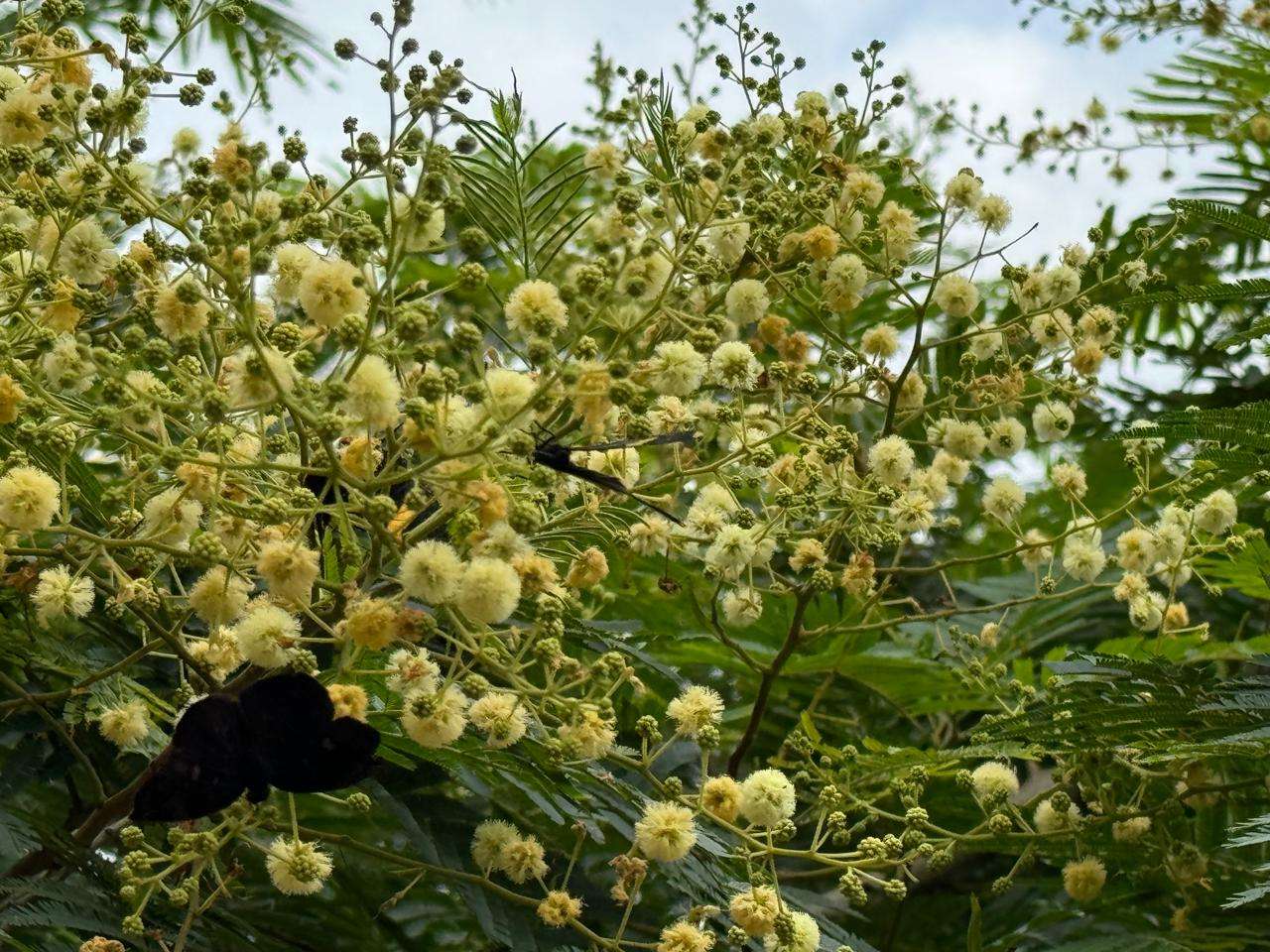
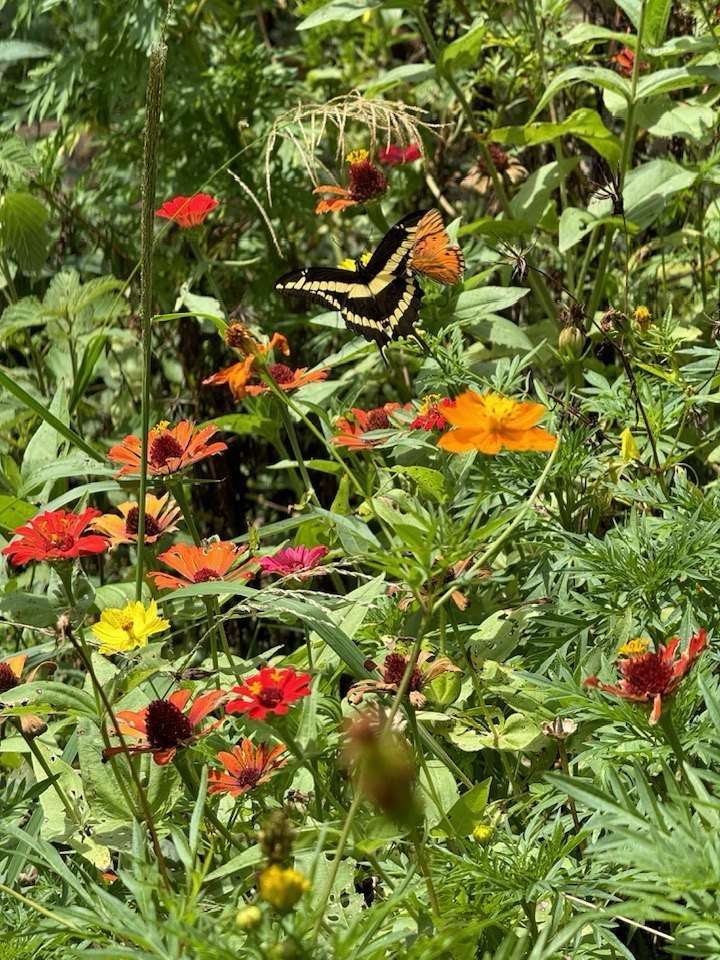

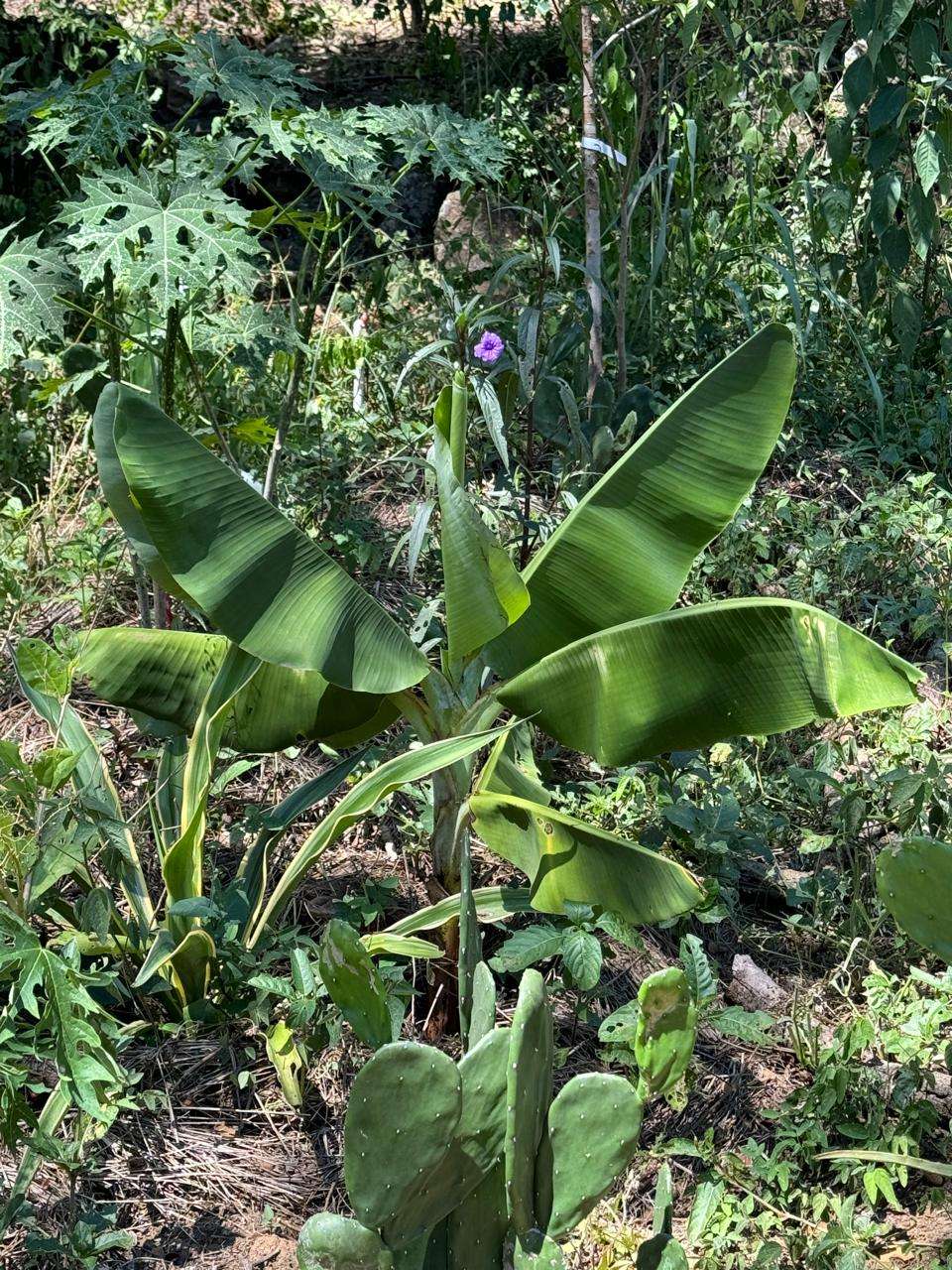
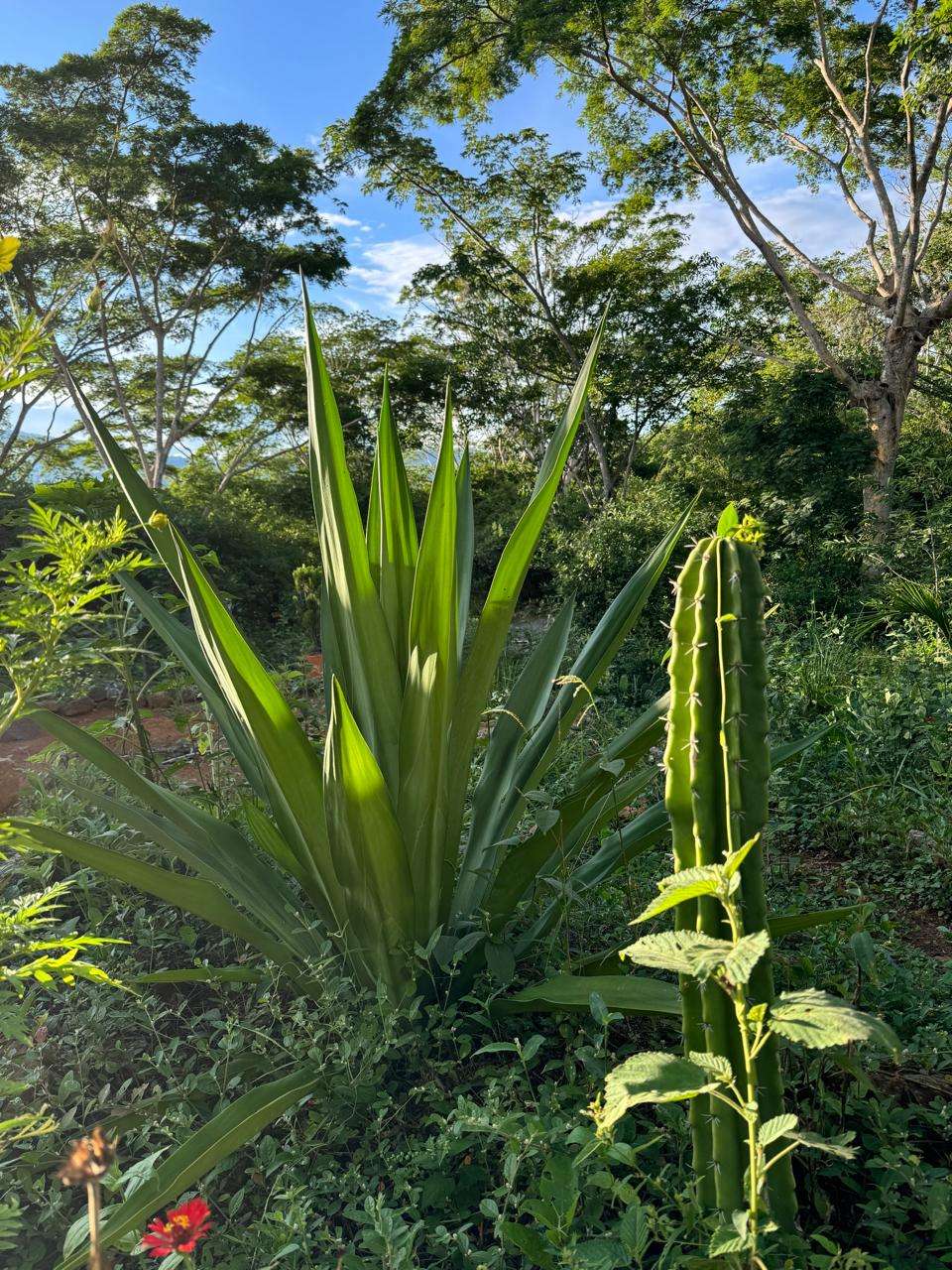


I am using AI as an assistant to create a food forest.
OUR PROJECT
We have fifteen hectares in the Andes mountains near Barichara. Much of the land is degraded from grazing and is at different stages of recovery, and there is a dry riverbed going through it that used to have water some decades ago. We plan to reforest the land with native species and as much diversity as possible. We will integrate a food forest into this forest, mostly using native food-producing trees, bushes, and wines, and also some non-natives that work well in this ecosystem. It’s still early in the process and we are in the first year of both.
We are working with an organization that is helping us reforest with a variety of native species, and they planted close to 2000 trees a few weeks ago in the more barren and eroded areas of the land. We are also working with a local expert (Daniel P.) helping us create a food forest in the areas closer to the houses. Around our initial small house, we have planted relatively densely in a 10-30 meter circle so far and we are expanding out with more drought-tolerant species. We have also just started planting around the big house since it’s close to being finished.
USING AI FOR OUR PROJECT
Although most of the planning and work is done in the old-fashioned way, I am using AI as an assistant with this project and find it very helpful.
When we have potential plants for our project, I use ChatGPT 4o for information about the plants: their geographic origin, their climate of origin, their ideal microclimate, how drought tolerant they are, how suitable they are to the Barichara climate, how tall they get, how much sun they require, how much shade they cast, their root system, plant identification, how much they benefit pollinators, how long it takes before they are mature, how much annual yield if they are food-producing, medicinal use in traditional medicine and whether this is supported by research, how to propagate them, and much more.
A few days ago, I took a list of food-producing plants from a local nursery, asked the AI to sort according to drought tolerance, and asked it to sort out the plants with the highest yield among the most drought-tolerant ones. We plan to plant quite a few of these in the zone between the immediate surroundings of the houses and the wilderness areas. I double-checked the info with our local expert and he agreed that these were all good for our project.
Most of the plants have been suggested to us by locals and local experts, some are from local nurseries, and quite a few have been suggested by the AI as appropriate to our climate and project.
I love the information I am able to get, and it seems accurate.
I also use AI to develop a plant database for our project. I have created a Google sheet with about 250 plants so far, and maybe 30 columns of information. The info includes a general overview of about eight sentences, the Latin name, Spanish names, English names, etymology, origin and climate of origin, cultural history, natural history, degree of nativeness, suitability to the Barichara climate, drought tolerance, watering needs after maturity, succession stages, agroforestry layers, years to maturity, typical height and width, root system, typical annual food yield, plant identification, scent degree, pollinator value, medicinal use, and more.
I have also created a web interface for this info, using Google Apps Script and programming help with the AI. This includes a script that automatically collects image URLs from Wikipedia for each plant, and an interface to select the main photo and unselect the ones that don’t seem needed. Several fields in the database are numerical so the user can sort the plants according to drought tolerance, sun requirement, shade coverage, nativeness, food yield, pollinator value, scent, and more.
A FEW MORE THOUGHTS ABOUT USING AI AS AN ASSISTANT
In short, I find that using ChatGPT 4o is like having a good assistant. I can ask it for info, categorization, ranking, ideas and suggestions, help with programming, and much more.
Before we implement anything, I always double-check the info and check with our local experts and the info seems to be pretty reliable so far.
Why do I use AI? Right now, it’s because I am not there so this is something I can do and still feel involved. It helps me make decisions and get more ideas. Also, the info available for many of the naive plants is in Spanish, so this is a way to access it and get it presented to me in English. (My Spanish is not at that level yet.) Finally, I need localized info. Our climate is unique and some plants that work at even just a few hundred meters higher or lower altitudes, or in neighboring areas, won’t work in our location. I need to localize the info for our use.
As someone who loves nature and finds technology fascinating, this intersection of the two feels natural.
And just to mention it, I am very aware of some of the drawbacks of using AI, including the huge amount of energy used to train AI models. Still, the genie won’t be put back into the bottle, and I find this a good use of AI. It doesn’t take the work from anyone, it just helps improve the project.
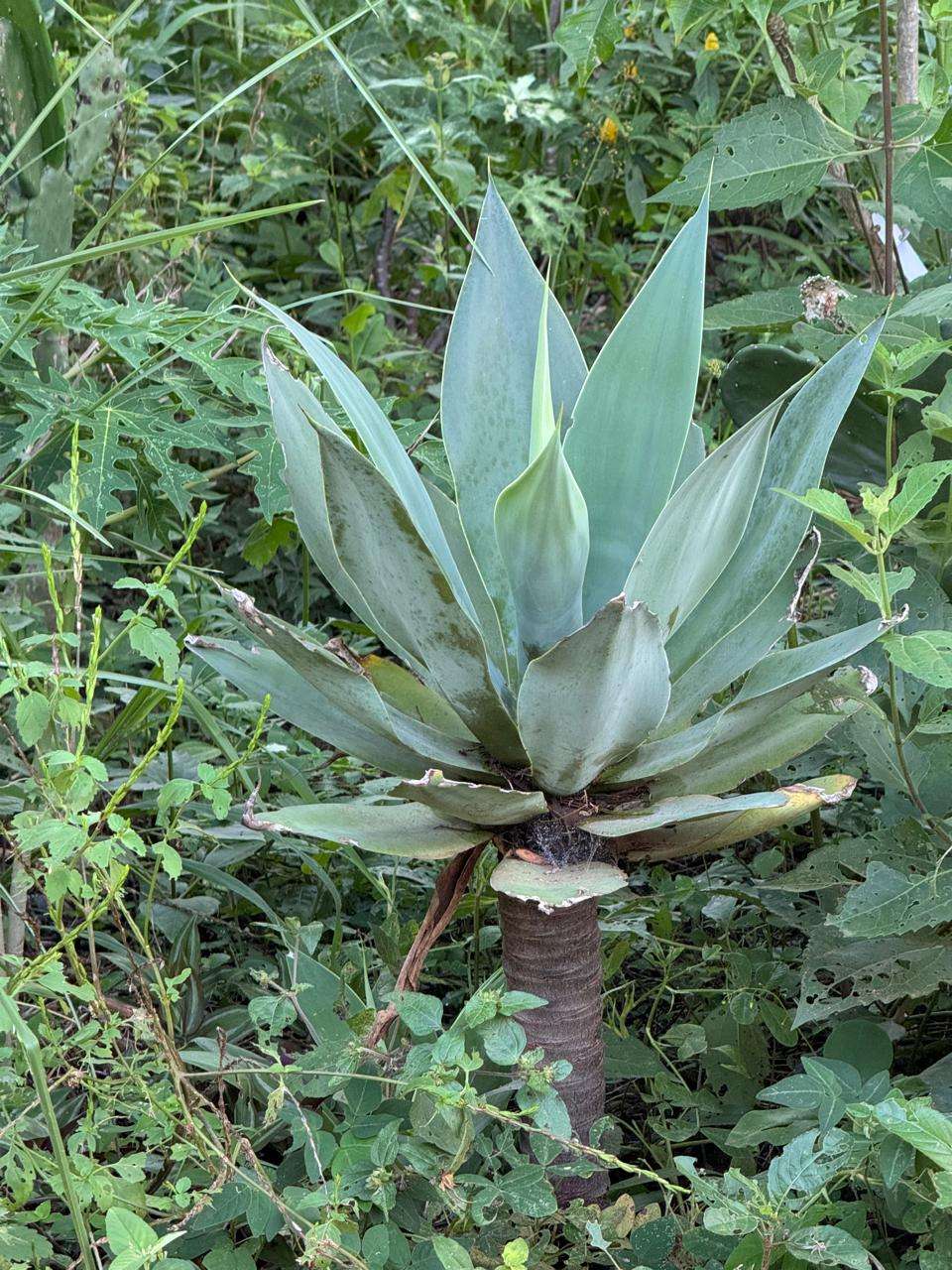
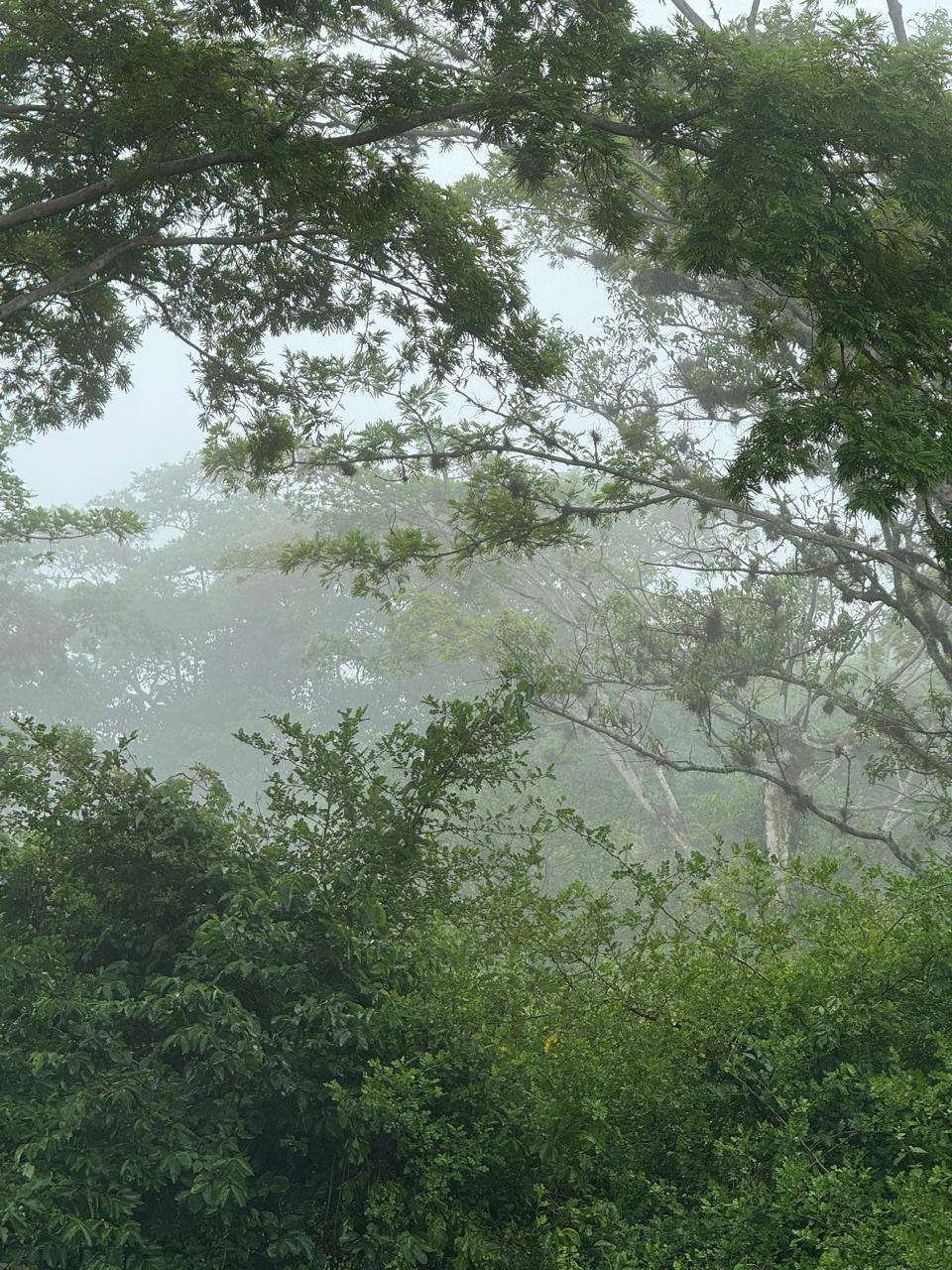
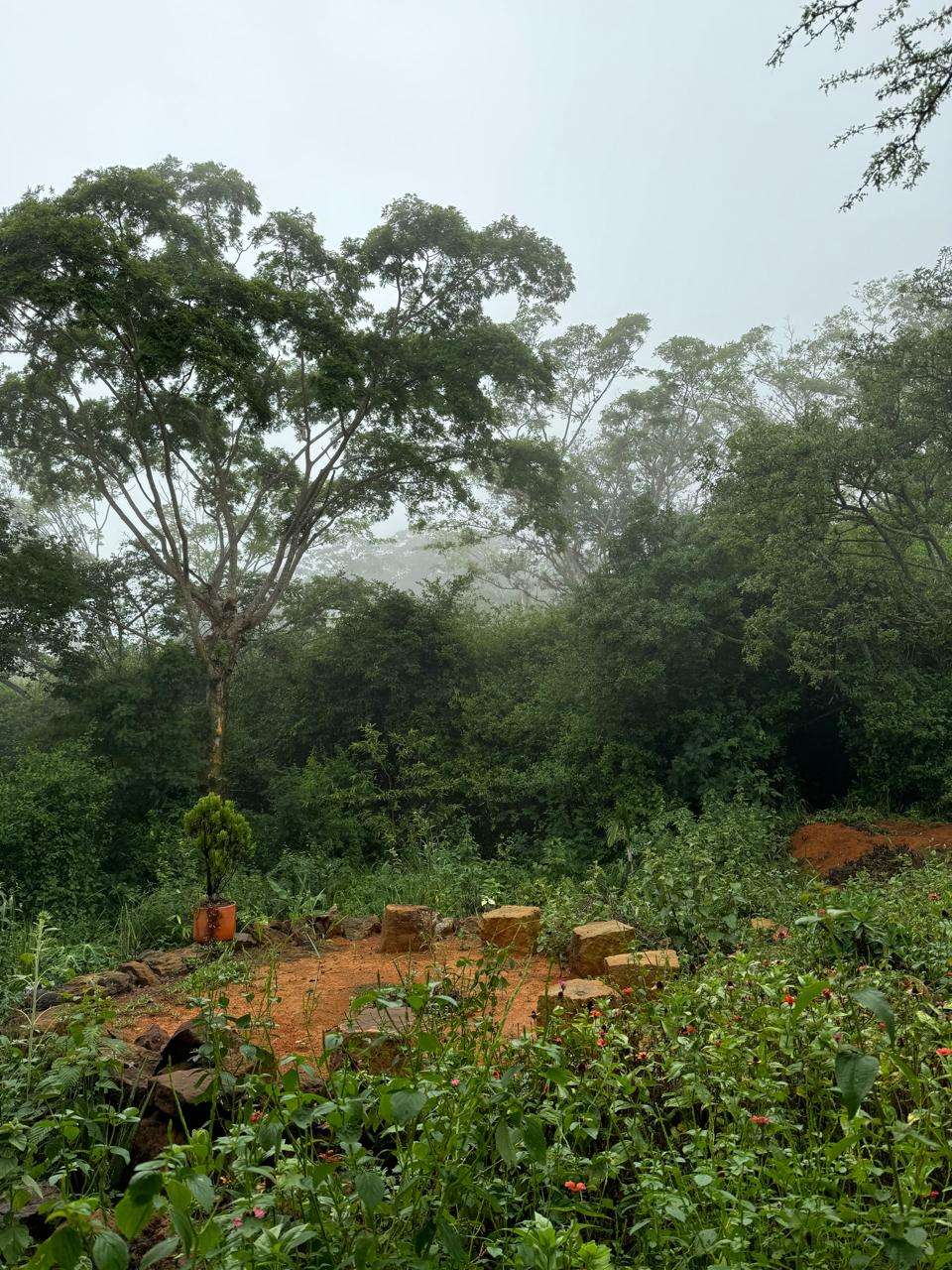
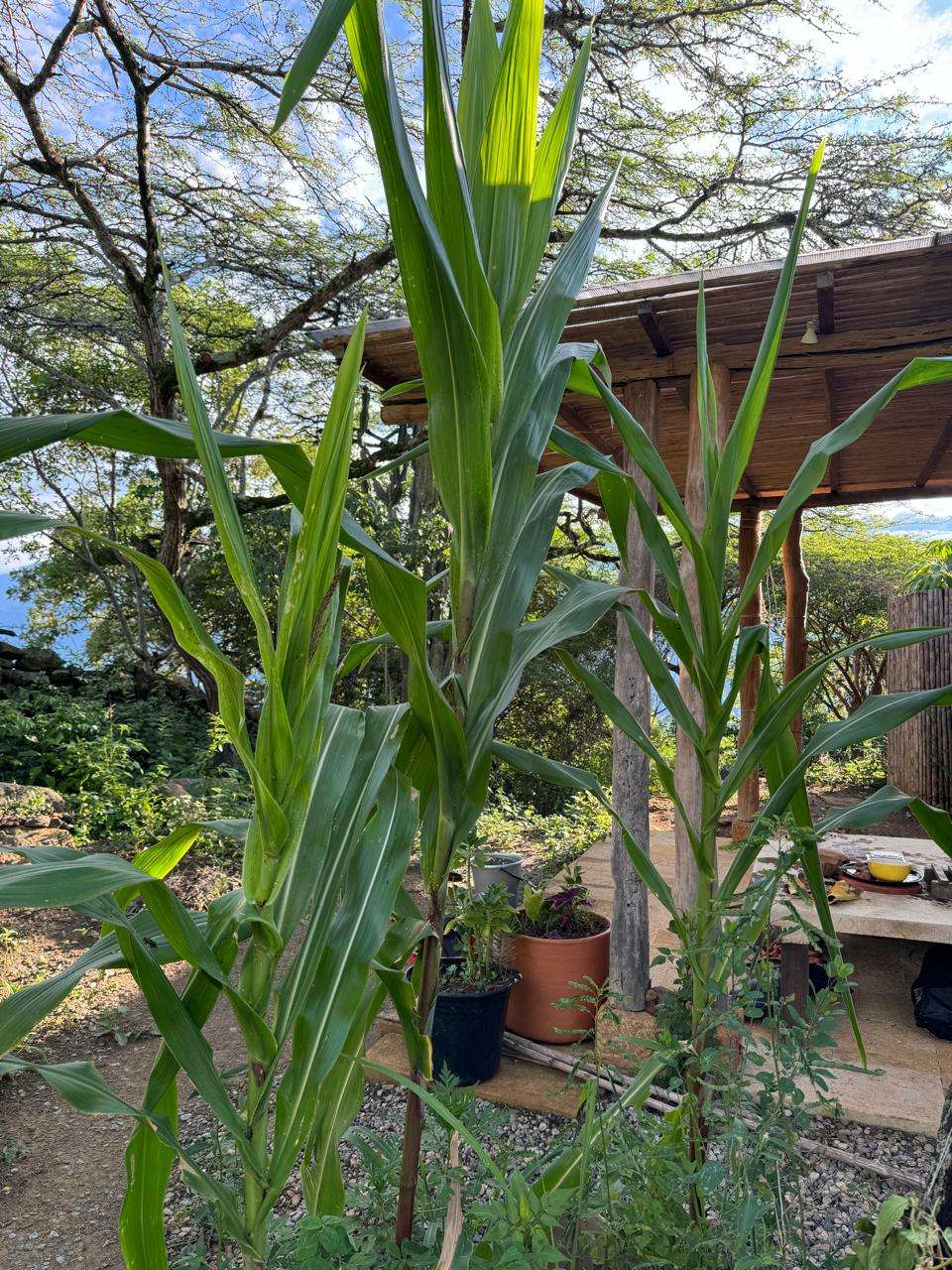
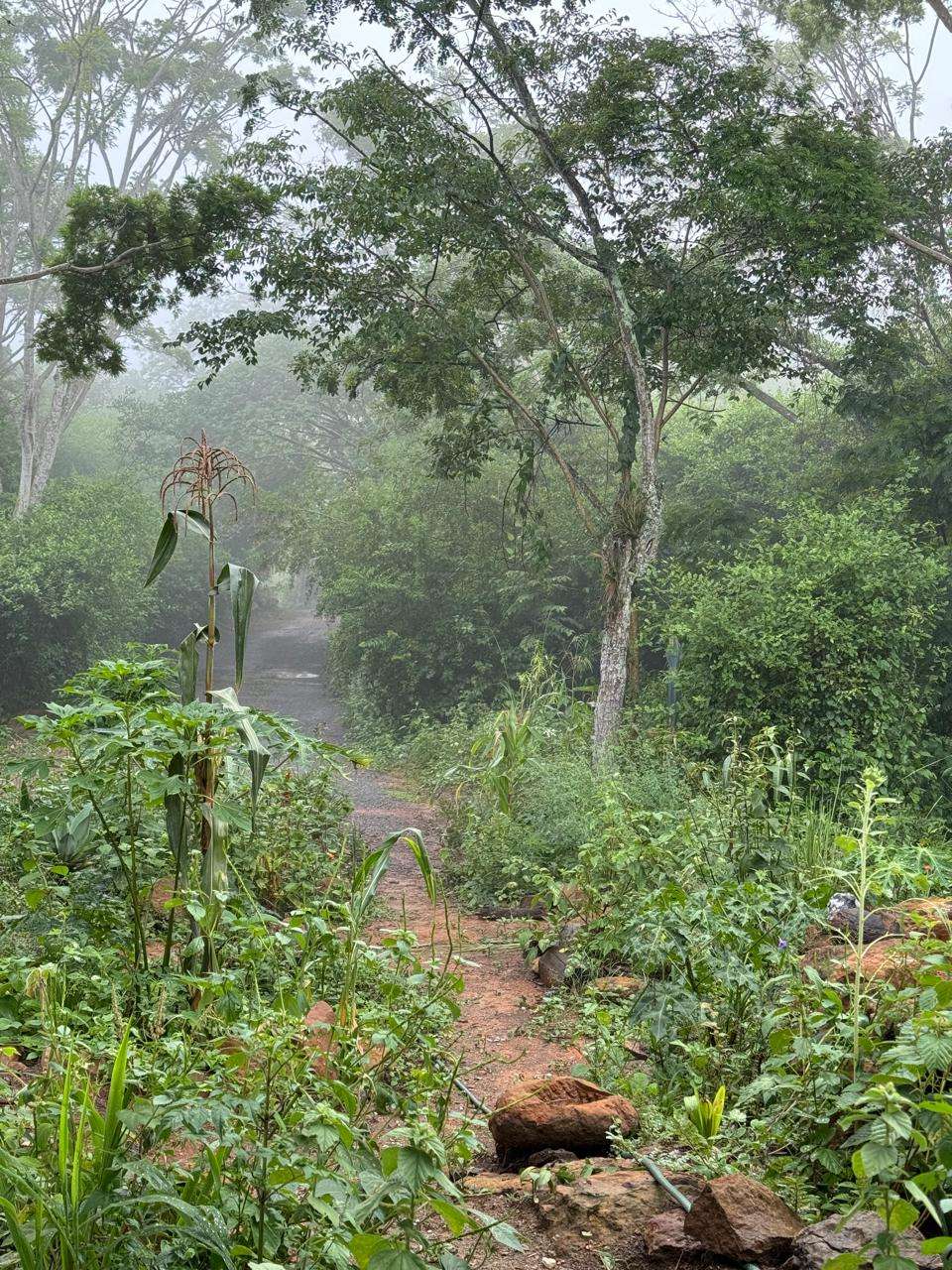
The images above are from the area around the first small house and from our first year of creating a food forest there. One photo is from our nursery area where we propagate trees. When we came, the area was mostly barren with a few pioneer species and some medium to tall trees.