Milagros – the land we are stewards of in the Andes – has been used for grazing and small-scale food growing for generations. Around the big pond, we have a relatively healthy and mature ecosystem, and the rest is in various recovery stages. Some areas, especially along the ridge and the peak, are heavily eroded with just a few pioneer species.
We are in an early phase of the regeneration of Milagros, so we mostly focus on the area around the two houses. And since the soil is degraded, we are focusing on building soil.
The topsoil is mostly gone here and the soil is compacted. When it’s dry it’s like concrete. Rainwater runs off without being absorbed, and only the native pioneers thrive in this soil as it is.
HOW WE BUILD SOIL
How do we build soil? We are using a combination of approaches.
We plant as wide a diversity of plants as possible, mostly natives and food plants that work well in this climate.
When we plant, we use deep holes and add compost and some goat manure to improve the soil. This helps absorb the water, prevents water logging, and gives nutrients to the plants.
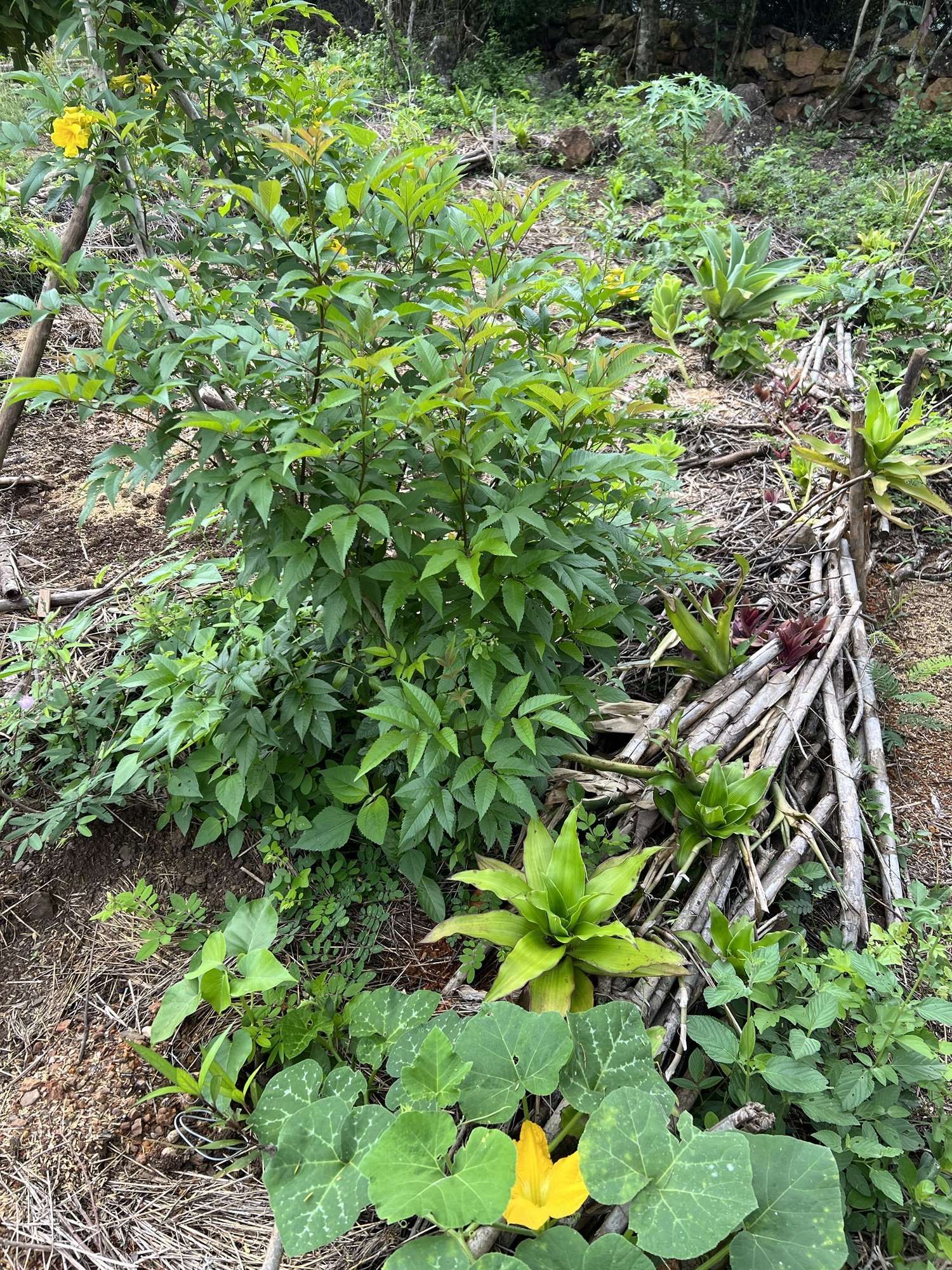
We plant densely, in as many layers as possible: ground cover, herbs, shrubs, bushes, small trees, and big trees.
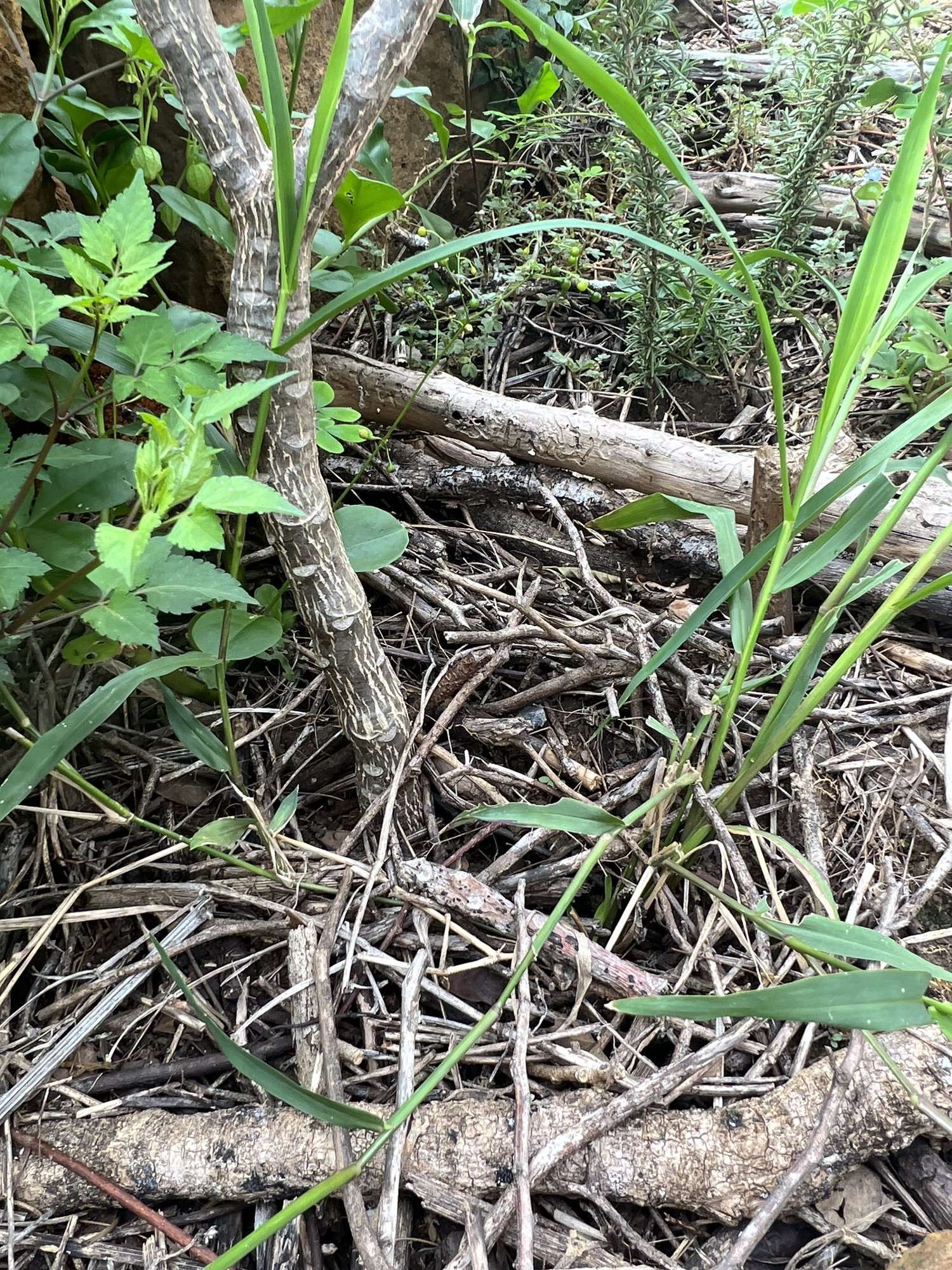
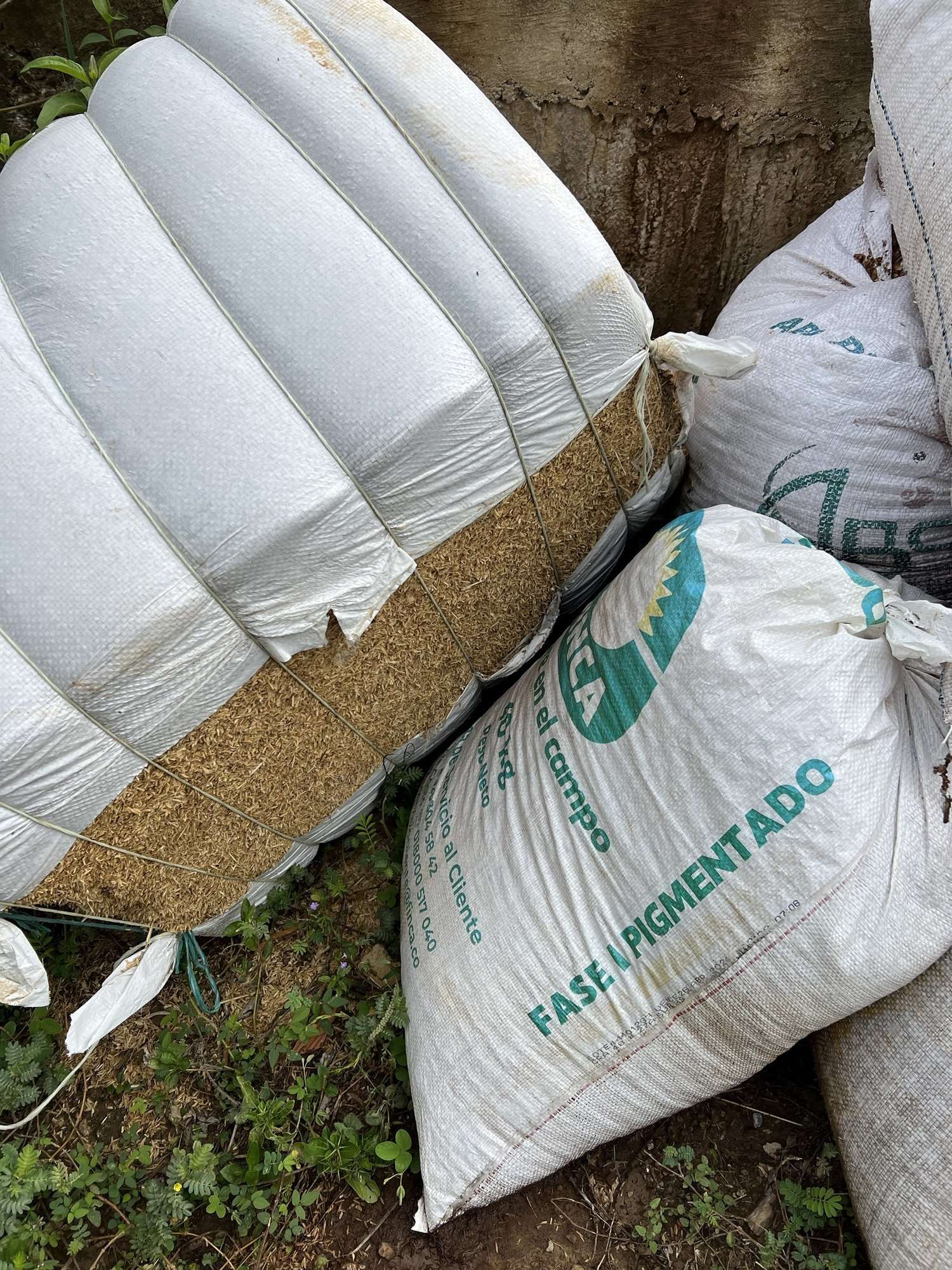
We use a thick layer of mulch around the plants. This helps retain moisture, gives nutrients to the soil and plants, and improves microbial life. Most of this compost comes from pruning, and we buy some wood chips from local carpenters.
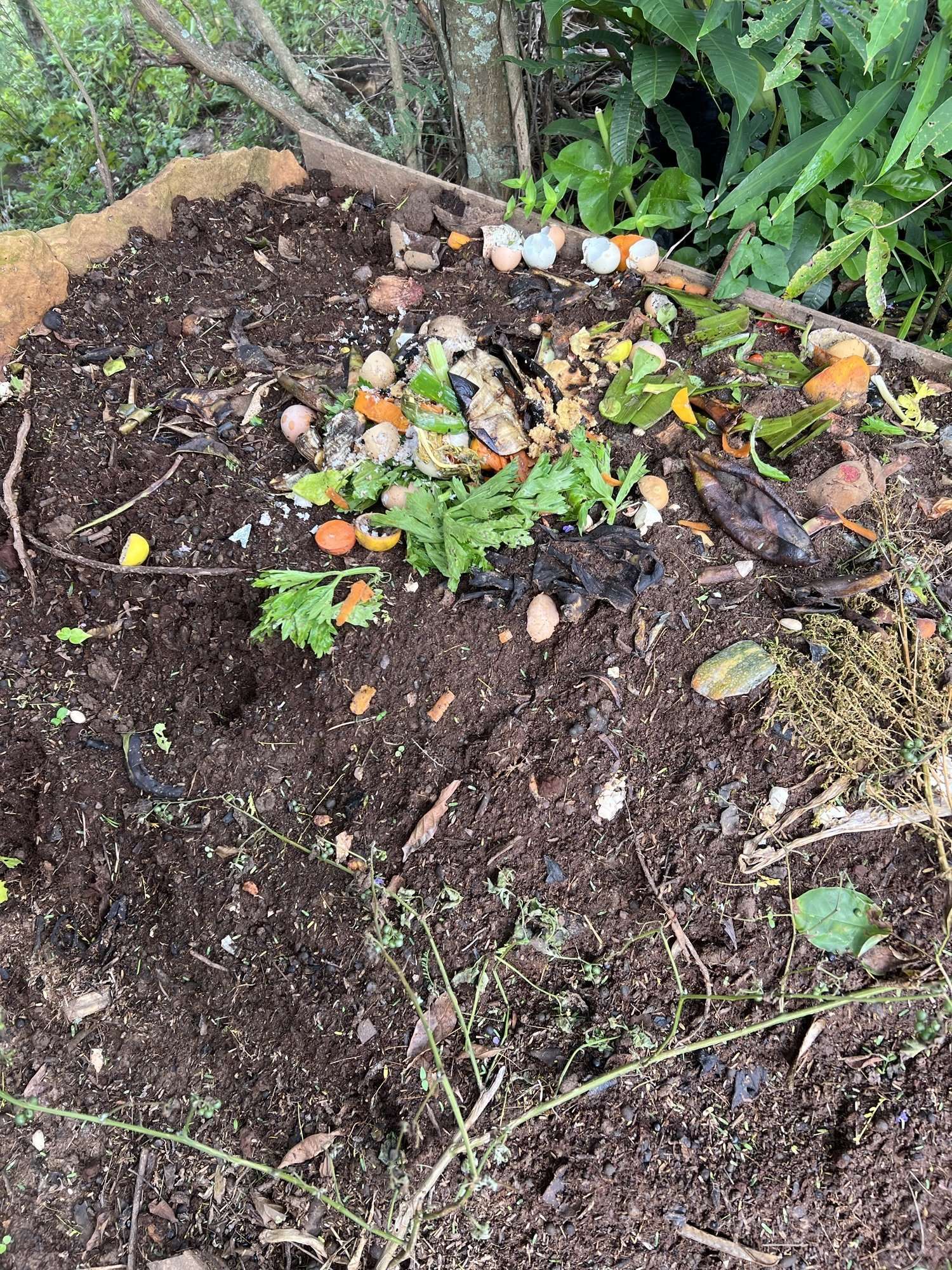
We make our own compost and we are also buying vermicompost from a friend with a permaculture farm in the area.
We add Korean microbes to the soil. This is on the recommendation of others doing similar work here, although I am a little hesitant to add foreign microbes. I would prefer native ones.
We build swales to help the rainwater drain into the soil.
We work on preventing erosion by planting plants with extensive root systems (agave, vetiver, etc.), slowing down the flow of water (stones, swales, mulch), and terracing in some areas.
We use green mulch from the existing trees and some of what we have planted.
We add ashes to the soil for some plants to provide certain nutrients and improve soil structure.
We avoid compacting the soil around the plants. We have paths and will install stepping stones in areas where there won’t be a regular path.
We may include animals in the future, perhaps starting with chickens. They will help provide fertilizer to the soil.
We use only organic materials and methods and avoid chemicals and pesticides. (Chemicals and pesticides harm soil health and the ecosystem in general.)
WHERE DOES THE MASS COME FROM?
When we build soil, the mass has to come from somewhere. About 90% of the dry mass of plants comes from CO2 in the air which is converted to carbon, with oxygen as a byproduct. Only 10% comes from nutrients in the soil. Of the wet mass, 70-95% is water.
Shade combined with water evaporation is a big reason why a forest is much cooler than bare ground.
REFORESTATION
As I have mentioned in other articles, we have partnered with an organization that helps us reforest the land. They plant a diversity of native trees without any cost to us and sell the carbon credits to multinational corporations. It benefits the land (reforestation), us (helps our project), them (make money), and the corporations (improve their image).
They are not doing anything to improve the soil while planting, but the growing forest will naturally improve the soil through increasing biomass, creating a mulch layer, and so on. It will also attract birds and wildlife which will help spread seeds and improve the soil.
EARLY DAYS
These are just a few of the things we are doing so far. We are still early in the process, and we are still – and will always be – learning. We are receiving immensely valuable advice and help from others doing the same in this area, especially Daniel P. who comes weekly.
These are all things we do because the land is degraded. By planting natives and a selection of non-invasive useful plants, we are giving the natural regeneration process a boost. We are doing our small part in helping this ecosystem again grow into a healthy, diverse, and vibrant ecosystem. Soil health is, quite literally, the foundation.
As the native forest regrows, and as the food forest grows near the houses and along the paths, the soil will naturally improve. Conversely, our efforts to improve the soil will help the food forest grow.
Soil health and ecosystem health are two sides of the health of the system as a whole.
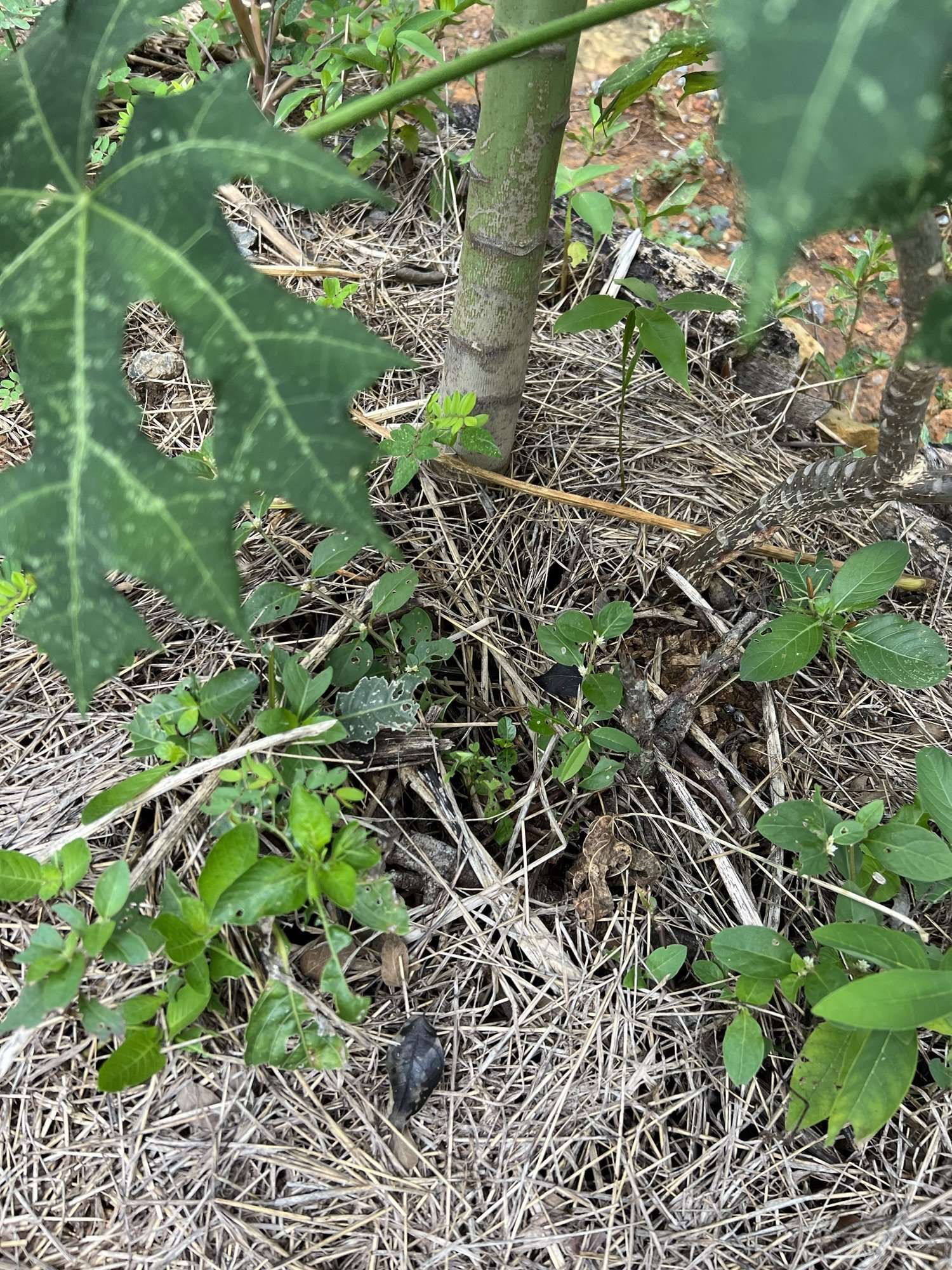
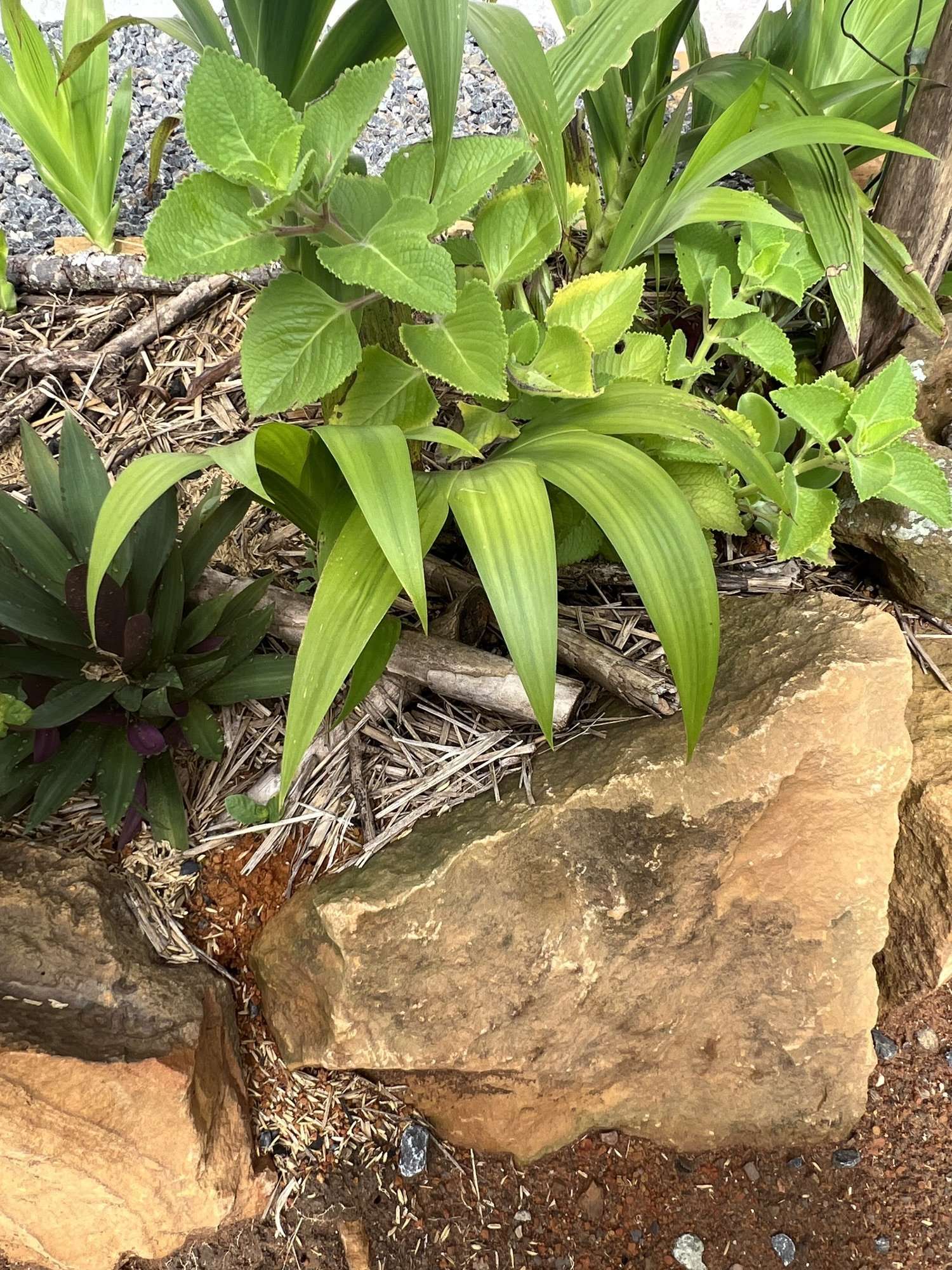
The images are from this morning from around the house. We have a very simple compost pile right now, but will build compost bins and start vermicomposting. We use stones to hold the soil in place and slow down rainwater. We use a thick layer of mulch and see that we need to replenish the mulch in several places. We buy wood chips from local carpenters and organic goat manure from a neighbor.
Read on for more info.
I have learned about this through permaculture and my general interest in sustainability, and I also use AI for some pointers and input. Here is some of what it has to say on these topics.
How to build soil and improve soil quality
Building soil and improving soil health involves a combination of practices that enhance soil structure, fertility, and biodiversity. Here’s a comprehensive guide on how you can contribute to these goals:
Add Organic Matter
- Composting: Create a compost pile using kitchen scraps, yard waste, and other organic materials. Regularly turn the compost to aerate it and speed up decomposition. Add finished compost to your garden or planting areas to enrich the soil.
- Mulching: Apply organic mulch (straw, wood chips, leaves) around plants. This helps retain moisture, suppress weeds, and gradually adds organic matter as it decomposes.
Plant Cover Crops
- Diverse Planting: During the off-season, plant cover crops such as legumes (clover, vetch) or grasses (rye, oats). These plants fix nitrogen in the soil, prevent erosion, and improve soil structure when tilled back into the ground.
Practice Crop Rotation
- Variety in Planting: Rotate different plant species each season to prevent nutrient depletion and reduce pest and disease pressures. This practice helps maintain soil fertility and health.
Minimize Soil Disturbance
- Reduced Tillage: Avoid heavy machinery and excessive tilling. Instead, use hand tools to aerate the soil gently. This preserves soil structure and protects the organisms living in it.
Enhance Microbial Activity
- Beneficial Microorganisms: Introduce beneficial microbes and fungi by using compost teas or mycorrhizal inoculants. These organisms enhance nutrient uptake and contribute to soil health.
- Biochar: Incorporate biochar into the soil. It improves soil structure, increases nutrient-holding capacity, and provides habitat for beneficial microorganisms.
Improve Water Management
- Rainwater Harvesting: Set up systems to collect and use rainwater for irrigation. This helps maintain soil moisture levels and reduces water stress on plants.
- Swales and Contour Planting: Design swales or contour beds to capture water runoff and promote infiltration. This can help retain moisture and prevent erosion.
Use Natural Fertilizers
- Organic Fertilizers: Use natural fertilizers like compost, manure, or fish emulsion to nourish the soil. These inputs enhance soil fertility without harming beneficial microorganisms.
Promote Biodiversity
- Plant Diversity: Incorporate a variety of plants in your garden or farm. This promotes a balanced ecosystem, improves soil health, and increases resilience to pests and diseases.
- Pollinator Habitats: Plant flowers and herbs that attract pollinators and beneficial insects, which enhance soil health through natural pest control.
Control Erosion
- Vegetative Cover: Maintain ground cover to protect soil from erosion. Plant grass or other low-growing plants to stabilize the soil and prevent runoff.
- Terracing: If your land is sloped, consider building terraces to reduce runoff and soil erosion while improving water retention.
Monitor Soil Health
- Regular Testing: Conduct soil tests to monitor nutrient levels and pH. This information can guide your amendments and adjustments, ensuring your soil remains healthy.
- Observe Plant Health: Keep an eye on your plants for signs of nutrient deficiencies or other issues. Adjust your practices based on observations.
Community Involvement
- Workshops and Training: Participate in or organize local workshops on sustainable practices for soil building. Sharing knowledge can enhance community involvement and practices.
- Volunteer: Get involved with local gardening clubs, community gardens, or environmental organizations focused on soil health and conservation efforts.
Educate Yourself and Others
- Research: Continuously learn about soil health through books, online courses, and reputable websites. Stay informed about best practices and new research in soil management.
- Spread Awareness: Share your knowledge with others in your community, encouraging sustainable practices and awareness of the importance of healthy soil.
By implementing these strategies, you can effectively build and maintain healthy soil, contributing to sustainable gardening, farming, and ecological balance. Every effort counts, and collectively, these practices can lead to significant improvements in soil health and overall environmental quality.
Learning about building soil and soil health
Learning about building soil and improving soil health can involve a variety of resources, including books, online courses, and reputable organizations. Here are some general approaches and sources where you can find valuable information:
Books:
- “Teaming with Microbes” by Jeff Lowenfels and Wayne Lewis provides an in-depth look at soil health from a microbial perspective and offers practical tips for improving soil.
- “The Soil Will Save Us” by Kristin Ohlson discusses the importance of soil health in combating climate change and offers insights into regenerative practices.
- “Restoration Agriculture” by Mark Shepard explores permaculture principles and agroforestry, focusing on sustainable farming practices that improve soil health.
Online Courses and Workshops:
- Platforms like Coursera and edX offer courses on sustainable agriculture, soil science, and ecology. Look for courses from universities with strong environmental science programs.
- Many agricultural colleges and universities offer workshops and online resources on soil health through local agricultural extension services. Check with them for available programs.
Websites and Online Resources:
- The Soil Health Institute offers a wealth of resources, including research articles, best management practices, and guides for improving soil health.
- The NRCS (Natural Resources Conservation Service) provides extensive information on soil health, including guidelines for conservation practices, soil health assessments, and educational materials.
- The Rodale Institute focuses on regenerative organic farming practices and offers research, resources, and workshops on soil health.
YouTube Channels and Online Videos:
- The Soil Health Coalition provides videos on soil health principles, best practices, and interviews with experts.
- Channels like Geoff Lawton and Andrew Millison discuss sustainable practices that improve soil health and fertility.
Community Resources:
- Joining local gardening clubs or participating in community gardens can provide hands-on learning experiences and networking opportunities with experienced gardeners.
- Attend local workshops or agricultural fairs focused on sustainable practices and soil health.
Scientific Journals and Research Papers:
- The Soil Science Society of America Journal publishes research on soil science and health, providing insights into current findings and practices.
- Agroecology and Sustainable Food Systems focuses on sustainable agriculture practices, including soil health research.
Podcasts:
- The Regenerative Agriculture Podcast features interviews with experts in the field of soil health and regenerative practices.
- The Soil Sense Podcast offers discussions about soil health management and practical tips for farmers and gardeners.
By exploring these resources, you can gain a comprehensive understanding of how to build and maintain healthy soil, which is crucial for sustainable gardening, farming, and ecological balance.
The importance of building soil and improving soil health
Building soil and improving soil health is essential for numerous reasons that impact agriculture, ecology, and human well-being. Here are the key points highlighting its importance:
Sustainable Food Production: Healthy soil is the foundation of productive agriculture. It provides essential nutrients, supports root development, and increases water retention, all of which are crucial for growing healthy crops.
Ecosystem Resilience: Strong soil health contributes to the resilience of ecosystems. Healthy soils support diverse plant life, which in turn provides habitat for wildlife, stabilizes landscapes, and enhances biodiversity.
Water Management: Well-structured soil can retain moisture more effectively, reducing the need for irrigation and minimizing water runoff. This helps in conserving water resources and prevents soil erosion, protecting the landscape.
Carbon Sequestration: Building healthy soil is vital for combating climate change. Soils can store significant amounts of carbon, helping to mitigate greenhouse gas emissions and reduce the overall carbon footprint.
Nutrient Cycling: Healthy soils support a complex web of organisms that contribute to nutrient cycling. Microorganisms break down organic matter, making nutrients available to plants and promoting a balanced ecosystem.
Soil Fertility and Quality: Improving soil health enhances its fertility and quality. This leads to increased crop yields and better food quality, contributing to food security and improved nutrition.
Pest and Disease Management: Healthy soils promote beneficial organisms that can naturally control pests and diseases, reducing the need for chemical pesticides. This leads to healthier crops and a more balanced ecosystem.
Erosion Control: Building soil helps prevent erosion by promoting a stable soil structure and increasing vegetation cover. This is particularly important in areas prone to erosion, where healthy soils can help maintain land integrity.
Economic Viability: Healthy soils contribute to the economic sustainability of farming practices. Improved soil health leads to higher yields, reduced input costs (such as fertilizers and pesticides), and better crop quality, benefiting farmers economically.
Community Health: Improving soil health also has implications for community health. Healthier soils produce more nutritious food, which can enhance the overall health of populations relying on agriculture for their livelihoods.
By focusing on building and maintaining healthy soil, we not only enhance agricultural productivity but also promote ecological balance, climate resilience, and community well-being.
Microbial life and soil health
Microbial Life and Its Importance in Soil Health
Microbial life plays a crucial role in maintaining and improving soil health. The diverse community of microorganisms in the soil, including bacteria, fungi, archaea, and protozoa, contributes to various essential functions that support plant growth and ecosystem stability.
Nutrient Cycling
Microorganisms are responsible for breaking down organic matter, such as dead plants and animals, and recycling nutrients back into the soil. Bacteria and fungi decompose organic materials, releasing essential nutrients like nitrogen, phosphorus, and potassium, which are vital for plant health.
Soil Structure and Aggregation
Soil microbes contribute to the formation of soil aggregates—clumps of soil particles that improve soil structure. Fungi, in particular, produce hyphae (filamentous structures) that bind soil particles together, enhancing aeration, water infiltration, and root penetration.
Soil Fertility
Healthy microbial communities enhance soil fertility by facilitating the availability of nutrients. Certain bacteria, known as nitrogen-fixers, convert atmospheric nitrogen into a form that plants can use, enriching the soil without the need for synthetic fertilizers.
Disease Suppression
Beneficial microorganisms in healthy soil can help suppress soil-borne pathogens and diseases. They compete with harmful microbes for resources and space, and some produce substances that inhibit the growth of pathogens, reducing the need for chemical pesticides.
Organic Matter Decomposition
Microbial activity is essential for decomposing organic matter, turning it into humus—rich organic material that enhances soil fertility and structure. Humus improves the soil’s ability to retain moisture and nutrients, creating a more favorable environment for plants.
Carbon Sequestration
Microorganisms contribute to carbon sequestration by breaking down organic matter and storing carbon in the soil. This process helps mitigate climate change by reducing atmospheric carbon dioxide levels.
Soil Respiration
Soil microbes play a significant role in soil respiration, a process where they decompose organic matter and release carbon dioxide back into the atmosphere. This natural process is vital for maintaining soil health and supporting plant growth.
Symbiotic Relationships
Many plants form symbiotic relationships with soil microbes, such as mycorrhizal fungi. These fungi extend the root system, improving nutrient and water uptake for the plant while receiving carbohydrates in return. This mutualistic relationship enhances both plant health and soil quality.
Impact of Soil Management Practices
Soil health can be significantly impacted by management practices. Practices that promote microbial diversity and activity, such as adding organic matter, minimizing tillage, and avoiding chemical inputs, lead to healthier soil ecosystems. Conversely, practices that disturb the soil, overuse chemicals, or promote monoculture can diminish microbial populations and soil health.
In summary, microbial life is vital for soil health, influencing nutrient cycling, soil structure, fertility, and disease suppression. Promoting a diverse and active microbial community is essential for maintaining healthy soils and supporting sustainable agricultural practices.
THE STATE OF THE SOIL WORLDWIDE
The state of soil worldwide is a critical concern, as it has been significantly impacted by modern society and agricultural practices. Here’s an overview of how these factors have affected soil health and functionality:
Impact of Modern Agriculture
- Intensive Farming Practices: The shift to monoculture farming, where a single crop is grown over large areas, has depleted soil nutrients and reduced biodiversity. This practice often relies heavily on synthetic fertilizers and pesticides, which can harm soil microorganisms and disrupt natural nutrient cycles.
- Chemical Inputs: The widespread use of chemical fertilizers and pesticides has led to soil acidification, nutrient imbalances, and contamination. Over time, these inputs can reduce soil fertility and harm beneficial soil organisms.
Soil Erosion and Loss
- Deforestation: Clearing forests for agriculture or urban development increases soil erosion. Without vegetation, soil is more susceptible to being washed away by rain or blown away by wind, leading to the loss of topsoil, which is crucial for plant growth.
- Runoff: Rainfall can lead to runoff, carrying away nutrient-rich topsoil into rivers and oceans. This not only depletes the land but also contributes to water pollution and sedimentation in aquatic ecosystems.
Soil Compaction
- Heavy Machinery: The use of heavy machinery in agriculture and construction compresses soil particles, reducing pore spaces and limiting air and water movement. This compaction can hinder root growth and reduce the soil’s ability to retain moisture.
- Impact on Water Infiltration: Compacted soil has lower permeability, meaning water cannot easily penetrate the ground. This can lead to surface runoff, increasing the risk of flooding during heavy rains and reducing groundwater recharge.
Flooding and Water Management
- Reduced Infiltration: Compacted soils are less able to absorb water, leading to increased surface runoff. This contributes to flooding, particularly in urban areas where impervious surfaces (like asphalt and concrete) further exacerbate the issue.
- Loss of Natural Buffers: Healthy soils, particularly those with diverse vegetation, act as natural buffers that can absorb excess rainwater. When soil is degraded, this capacity diminishes, increasing the likelihood of flash floods and soil erosion.
Climate Change Implications
- Carbon Release: Degraded soils, particularly those that have lost organic matter, can release stored carbon into the atmosphere, contributing to climate change. Healthy soils play a crucial role in carbon sequestration, mitigating greenhouse gas emissions.
- Extreme Weather Events: Changes in climate, combined with poor soil health, can lead to increased frequency and intensity of extreme weather events. This creates a vicious cycle where soil degradation exacerbates the impacts of climate change.
Biodiversity Loss
- Decreased Soil Biodiversity: Modern agricultural practices have led to a decline in soil biodiversity, as beneficial microbes, fungi, and other organisms are harmed by chemicals and lack of organic matter. This biodiversity is essential for healthy soil functions, such as nutrient cycling and disease resistance.
Global Consequences
- Food Security Threats: Soil degradation threatens global food security by reducing agricultural productivity. Healthy soil is essential for growing sufficient food for the increasing global population.
- Economic Impacts: The costs associated with soil erosion, loss of fertility, and increased flooding can strain economies, particularly in agricultural regions. Farmers may face declining yields and increased reliance on chemical inputs to compensate for soil loss.
Conclusion
The state of soil worldwide is critical and requires urgent attention. Modern agricultural practices, urbanization, and climate change have all contributed to significant soil degradation. To ensure sustainable food production and ecological balance, it is essential to adopt practices that restore and protect soil health, promote biodiversity, and enhance the soil’s natural functions. This can be achieved through regenerative agricultural practices, improved land management, and increased awareness of the importance of healthy soils in global ecosystems.
Where does the mass of plants come from?
The mass of plants comes from various sources, primarily the atmosphere, water, and soil, with most of it originating from carbon dioxide (CO?) in the air and water absorbed through the roots. Here’s a breakdown of where both the dry mass and wet mass come from:
1. Dry Mass:
- Carbon from CO?: Approximately 90% of a plant’s dry mass comes from carbon, which is absorbed as CO? from the atmosphere during photosynthesis. In this process, plants convert carbon dioxide and water into glucose and oxygen, with the carbon forming the backbone of organic molecules like cellulose, starch, and sugars, which make up the plant’s structure.
- Other Elements (Mineral Nutrients): The remaining 10% of the dry mass comes from nutrients absorbed from the soil, such as nitrogen, phosphorus, potassium, magnesium, sulfur, and trace elements like iron, zinc, and copper. These elements are essential for plant growth and various metabolic processes but constitute a smaller portion of the plant’s overall mass.
2. Wet Mass:
- Water: Water accounts for the bulk of the plant’s wet mass. Typically, about 70-95% of the plant’s fresh weight (wet mass) is water, depending on the plant species, environmental conditions, and stage of growth. Water is absorbed through the roots and transported throughout the plant to support processes such as nutrient transport, photosynthesis, and cell structure maintenance (turgor pressure).
- Organic Compounds and Nutrients: The remaining portion of the wet mass is comprised of organic compounds (carbohydrates, proteins, lipids) and nutrients derived from the carbon captured through photosynthesis and the minerals absorbed from the soil.
Specific Breakdown:
- Dry Mass:
- 90% Carbon from CO? (from the air)
- 10% Mineral nutrients (from the soil)
- Wet Mass:
- 70-95% Water (from the soil)
- 5-30% Dry matter (which includes organic compounds and nutrients)
This distribution highlights how vital atmospheric carbon dioxide and water are to the growth and development of plants, while the mineral content, though smaller in proportion, is essential for healthy growth.