


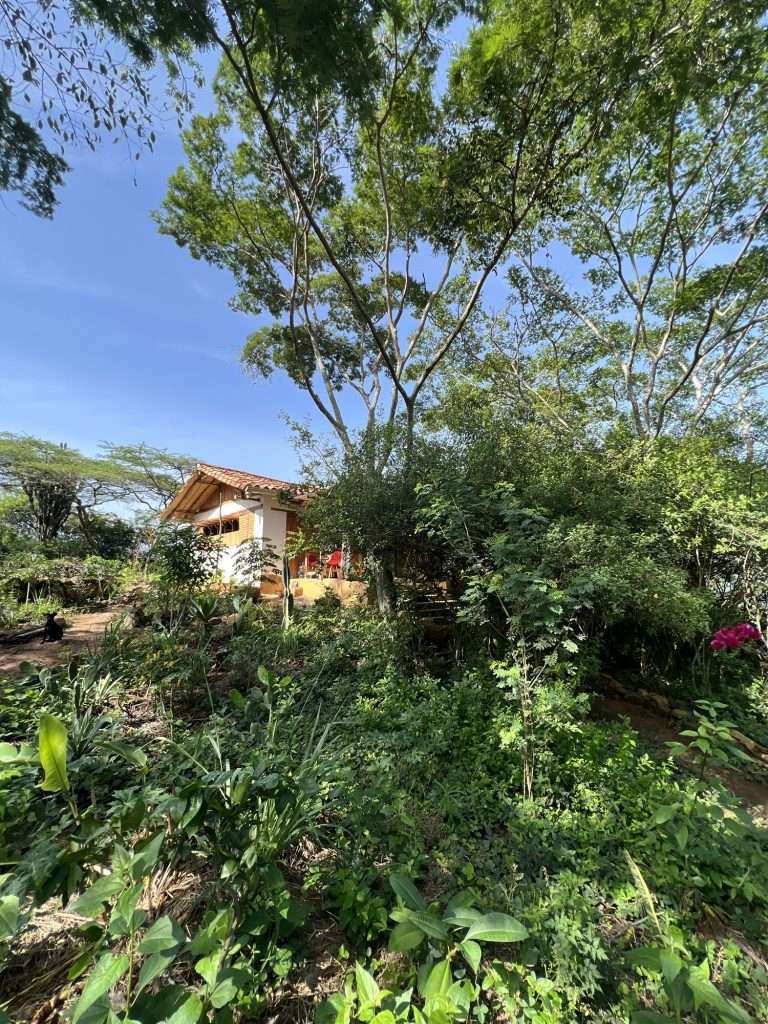
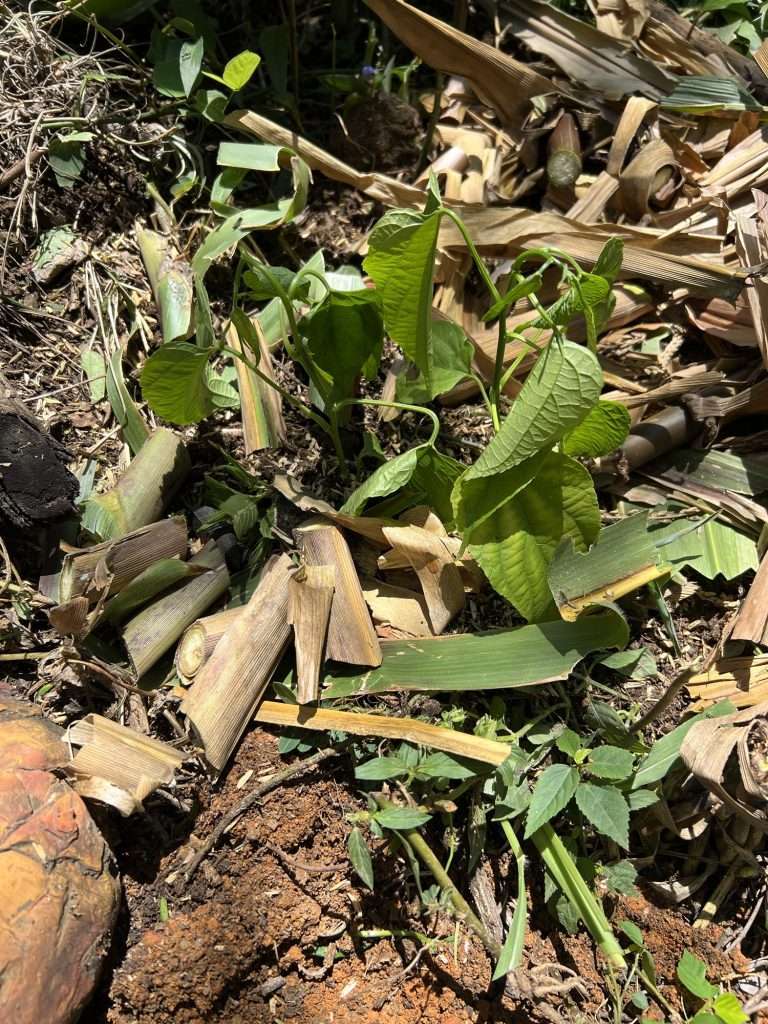

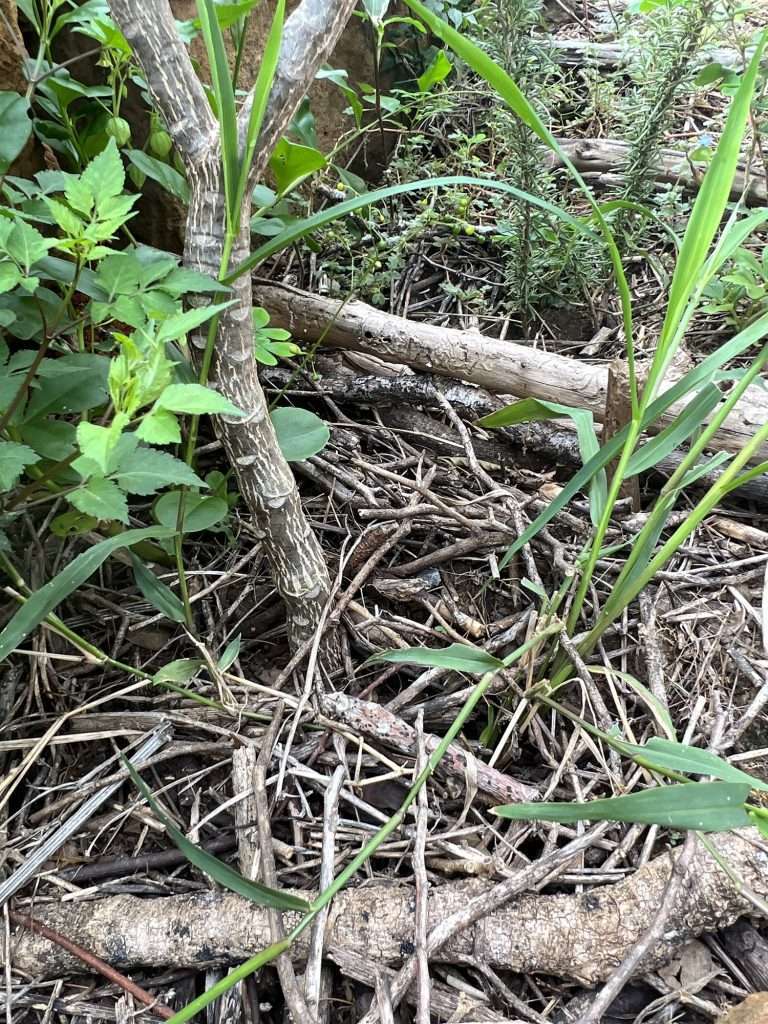
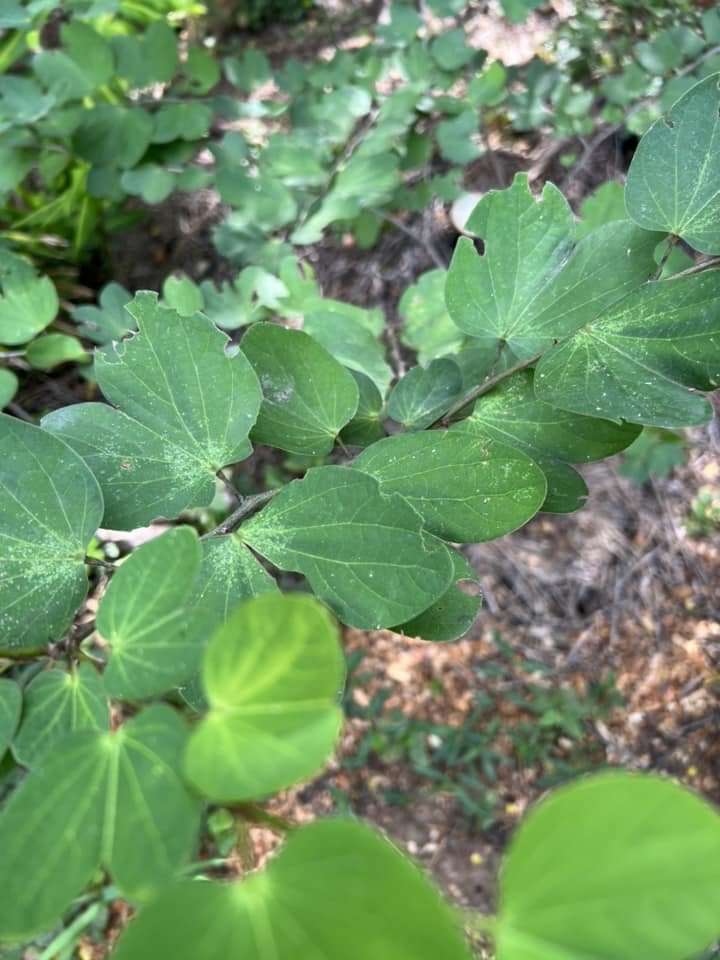
We are creating a food forest on Finca Milagros. I have mentioned it in other articles and thought I would devote an article specifically to the food forest.
BACKGROUND
We moved in on Winter Solstice 2022 which is a little over 1 1/2 years ago. In the beginning, we did very little planting apart from a few fruit trees and flowering plants around the house. We wanted to get to know the place first, and also make connections for finding appropriate plants and local guidance. We also had a lot of other things to get in place, including basics like the road up the hill to the house. (We still don’t have the solar panels up or the main water filtration system.) About half a year ago, we partnered with Daniel P. who comes once a week to help us with the design, planning, and work, to share his experience and knowledge with us, and it’s also invaluable to have a knowledgeable conversation partner to find good solutions and paths forward.
FOOD FOREST AREAS
We are developing a food forest around our first small house, and are slowly expanding the area down and up the hill. We have also started to plant in a small forest made up of pioneer species close to the house. There is a main path going through Milagros, with a couple of connecting paths, and we plan to plant a food forest along that path as well.
As I have mentioned in other articles, we are partnering with an organization that will plant a variety of native trees on the land, in consultation with us. It’s free to us, and they sell carbon credits to corporations. It’s a win-win-win project, as far as we can tell now. They planted close to 2000 trees two or three months ago and will plant more in the coming years. They include some native food-producing trees, which are important to feed the wildlife.
We will very likely interplant trees on our own, especially native food-producing trees.
HOW WE DEVELOP THE FOOD FOREST
We leave the existing native trees and incorporate them into the growing food forest.
Otherwise, we aim for as much diversity as possible. We use native trees, bushes, and flowers since these help the wildlife. We include non-invasive non-native trees, bushes, and flowers if they work well in this climate and ecosystem, and if they serve an important function, either as food producer, for pollinators, or to improve the soil.
We focus on building healthy soil through a diversity of plants, thick layers of mulch and using compost, green mulch from pruning, organic goat manure, and microbes.
We use mulch, plants, swales, rock edges, and terracing to slow down the rain water and allow it to absorb into the ground.
We started close to the house and are slowly expanding outward as we learn more and have capacity.
Our goal is for the food forest to become increasingly self-sustaining as the soil improves, there is a thicker layer of mulch to retain moisture, and the plants become more established and able to survive better in this dry tropical forest with distinct wet and dry seasons.
PLANT SOURCES
It’s been a challenge to find good sources for native trees, bushes, and flowers. Local nurseries mostly have exotic non-native plants and not many natives.
Most who work on similar projects here collect and grow from seeds, which has several benefits. They are available if you know where to find them, they are free apart from the time, and they are likely well adapted to this climate. We are also doing this, although want to do it more systematically. We have our own small nursery with 50+ plants right now.
Through connections, we are also discovering smaller nurseries and individuals who grow and sell natives. For instance, we are buying several native saplings from one of the people who have helped us develop our food forest.
PLANNING AHEAD
One of the things we have needed help with is planning and thinking ahead.
Which plants need direct sunlight? Where should we plant them so they will continue to have access to direct sun five, ten, or twenty years in the future?
Which ones like shade? Which areas are and will continue to be shaded?
Which plants can be sacrificed in a few months and years to provide mulch and give space for other plants?
We are already seeing changing microclimates from the early phase of the food forest. It’s cooler and more humid allowing fungus to grow here which it didn’t before we started. It’s possible that this will allow us to grow coffee and caco here in the future as the microclimate continues to cool and become more humid. (We are in a dry tropical forest ecosystem and the ecosystem is degraded which has made it hotter and drier, so a cooler and more humid microclimate is very welcome.)
LAYERS
We are also planning for using vertical space as fully as possible. We have shrubs, herbs, bushes, small trees, large trees, and wines. At some point, we were short on bushes and wines so that’s one focus right now.
THE PLANTS
The types of plants appropriate for a food forest obviously depends on the climate and other conditions.
Natives are a safe bet, as is plants others in the neighborhood are growing successfully. It’s also good to try any food producing plants from regions in the world with a similar climate.
AI ASSISTANT
I am using an AI assistant to help me with information about creating food forests, suggestions for which plants to include, specific information about the different plants, and more. If it’s something we’ll put into practice, I always check the info with local experts.
Read on for more info.
AI INFO
I asked chatGPT 4o for some info related to food forests and will include it below.
Food forests
A food forest is an innovative approach to sustainable agriculture that replicates the complexity and diversity of a natural forest ecosystem while providing a variety of edible plants and resources. This system integrates trees, shrubs, and other plants into a multi-layered design, creating a self-sustaining habitat that requires minimal maintenance once established. Food forests are often established within the context of permaculture, a holistic design philosophy that emphasizes working with nature to create sustainable systems.
Layers of a food forest
- Canopy Layer: The uppermost layer consists of tall trees that form a protective canopy, providing shade for lower layers. These trees can be fruit or nut-bearing, such as apple, cherry, or pecan trees. The canopy layer helps regulate temperature and moisture levels within the food forest, creating a microclimate beneficial for other plants.
- Sub-Canopy Layer: Below the canopy, this layer includes smaller trees and large shrubs that thrive in partial shade. Examples are serviceberry, pawpaw, and dwarf fruit trees. This layer not only produces food but also provides habitat for wildlife and additional protection for understory plants.
- Shrub Layer: Comprising berry-producing shrubs such as blueberries, raspberries, and currants, this layer provides important food sources for both humans and wildlife. These shrubs can be strategically placed to take advantage of sunlight while benefiting from the shade of taller plants.
- Herbaceous Layer: This layer consists of perennial herbs and plants that grow close to the ground. It includes edible greens, medicinal herbs, and flowering plants that attract pollinators. Examples are mint, oregano, and echinacea. These plants enhance biodiversity, improve soil health, and contribute to the overall aesthetic of the food forest.
- Ground Cover Layer: Ground cover plants spread horizontally, preventing soil erosion and retaining moisture. These may include clover, strawberries, or creeping thyme. This layer not only protects the soil but also provides edible produce and habitat for beneficial insects.
- Root Layer: The root layer consists of root vegetables and tubers that grow underground, making efficient use of space. Examples include carrots, potatoes, and garlic. These plants can thrive in various conditions and provide nutritious food options.
Benefits of food forests
- Biodiversity: By incorporating a wide variety of plant species, food forests enhance biodiversity, which can improve resilience against pests and diseases. A diverse ecosystem attracts beneficial insects and wildlife, which can help with pollination and pest control.
- Soil Health: The variety of plants contributes to soil health by promoting organic matter accumulation, enhancing nutrient cycling, and preventing soil erosion. Deep-rooted plants can improve soil structure and aeration, while surface cover reduces compaction.
- Water Management: Food forests can effectively manage water runoff through strategies such as swales and contour planting. These techniques help capture and retain rainwater, reducing erosion and promoting groundwater recharge.
- Carbon Sequestration: Trees and plants in a food forest capture carbon dioxide from the atmosphere, contributing to climate change mitigation. The stored carbon helps combat greenhouse gas emissions and promotes a healthier planet.
- Wildlife Habitat: Food forests provide essential habitat and food sources for various wildlife species, promoting biodiversity and contributing to a balanced ecosystem. This habitat can include nesting sites, foraging areas, and shelter.
Designing a food forest
When designing a food forest, several key considerations should guide the process:
- Site Assessment: Evaluate the local climate, soil conditions, sunlight exposure, and existing vegetation. Understanding these factors will help determine the best plant choices and layout for the food forest.
- Plant Selection: Choose a mix of native plants and those well-suited to the specific environment. Native plants often require less maintenance and are more resilient to local pests and diseases. Consider the growth habits and requirements of each species when planning the layout.
- Companion Planting: Use companion planting strategies to enhance plant health and productivity. Certain plants can repel pests, attract beneficial insects, or improve nutrient availability for neighboring plants.
- Water Management: Incorporate techniques like swales or rain gardens to manage water flow and enhance moisture retention. Mulching can also help retain soil moisture and suppress weeds.
- Establishment and Maintenance: Initially, food forests may require more attention to establish healthy plants and control invasive species. As the ecosystem matures, maintenance needs will decrease, allowing for a more hands-off approach.
Conclusion
Food forests offer a sustainable and productive method for growing food while enhancing biodiversity and improving ecosystem health. By mimicking natural ecosystems, food forests create resilient landscapes that can thrive with minimal intervention, making them an excellent choice for those seeking to cultivate food in harmony with nature. Whether in urban gardens, community spaces, or rural landscapes, food forests can provide a wealth of benefits for both people and the environment.
Food forests in different climates
Food forests can be adapted to a variety of climates, each offering unique opportunities and challenges. Understanding how to design and manage food forests in different environments, including dry tropical forests, is essential for creating sustainable systems that thrive in diverse conditions.
Temperate Climates
In temperate climates, food forests benefit from distinct seasonal changes. These forests typically include a mix of deciduous and evergreen trees, shrubs, and perennial plants.
- Trees: Common choices include apple, pear, and cherry trees. These species often require cross-pollination, so planting multiple varieties can enhance fruit yields.
- Shrubs: Berry bushes like raspberries, blueberries, and blackberries thrive in temperate zones, providing food for both humans and wildlife.
- Herbaceous Plants: Perennials such as thyme, oregano, and chives can be included, along with annuals like tomatoes and peppers. The changing seasons allow for crop rotation and diverse harvests throughout the year.
- Challenges: Key challenges in temperate regions include cold winters that can impact tree health and the need for frost protection during late spring frosts. Soil fertility and moisture management are also important considerations.
Tropical Climates
In tropical climates, food forests can take full advantage of year-round warm temperatures and abundant rainfall. These ecosystems typically have a dense canopy and a rich diversity of plants.
- Trees: Commonly planted species include mango, avocado, and coconut trees. These trees can provide shade and shelter for lower layers.
- Shrubs and Herbs: Tropical food forests often feature a variety of herbs, spices, and medicinal plants such as turmeric, ginger, and lemongrass, alongside fruit-bearing shrubs like passion fruit.
- Challenges: In tropical climates, managing pests and diseases can be challenging due to the high humidity and warmth. Soil erosion can also be a concern during heavy rains, necessitating strategies like contour planting and mulching to retain soil and moisture.
Dry Tropical Forests
Dry tropical forests, such as those found in regions like parts of Colombia, Central America, and northern Australia, present unique opportunities for food forest design. These areas typically experience distinct wet and dry seasons, influencing plant selection and management practices.
- Trees: Drought-resistant species such as moringa, guava, and certain types of acacia are well-suited for dry tropical forests. These trees can tolerate extended periods of low rainfall and provide shade, food, and habitat.
- Shrubs and Ground Cover: Plants like sweet potatoes, various legumes, and perennial drought-resistant herbs (such as rosemary and sage) can be included to enhance food production and soil health. Ground cover plants that thrive in dry conditions, such as clover or native grasses, help prevent erosion and improve soil moisture retention.
- Water Management: Effective water management techniques are crucial in dry tropical forests. Implementing swales, rainwater harvesting systems, and mulching can help retain moisture and enhance soil fertility. Creating microclimates through strategic planting can also reduce evaporation and support plant growth during dry periods.
- Challenges: The primary challenges include managing water scarcity and soil health. Drought periods can stress plants, so selecting resilient species and implementing regenerative practices are essential. Additionally, soil degradation due to erosion and nutrient depletion can occur, requiring careful management and composting practices to restore fertility.
Conclusion
Food forests can be successfully established in various climates, including temperate, tropical, and dry tropical environments. Each climate presents distinct challenges and opportunities that influence plant selection, design, and management practices. By understanding the unique characteristics of these ecosystems and implementing appropriate strategies, food forests can provide sustainable food sources while enhancing biodiversity and supporting local ecosystems.
Building soil and improving soil health
Building soil and maintaining soil health are critical components in the successful establishment and sustainability of a food forest. Healthy soil not only supports plant growth but also plays a vital role in the overall health of the ecosystem. Here are some key points highlighting the importance of soil in creating a food forest:
Nutrient Supply
Soil serves as the primary source of nutrients for plants. A rich, healthy soil provides essential minerals such as nitrogen, phosphorus, potassium, calcium, and magnesium, which are necessary for plant growth. In a food forest, a diverse array of plants can draw on these nutrients, creating a balanced ecosystem where different species complement each other. For example, legumes can fix nitrogen in the soil, benefiting neighboring plants.
Microbial Diversity
Healthy soil is teeming with life, including bacteria, fungi, earthworms, and other microorganisms that play crucial roles in nutrient cycling and organic matter decomposition. This microbial diversity enhances soil structure, improves nutrient availability, and promotes plant health. In a food forest, fostering a diverse soil microbiome can help plants resist diseases and pests, ultimately leading to a more resilient ecosystem.
Soil Structure and Aeration
Good soil health contributes to the development of optimal soil structure, which affects water infiltration, root penetration, and air exchange. Well-structured soil has a crumbly texture that allows roots to grow easily and access nutrients. In a food forest, healthy soil supports the growth of deep-rooted trees and other plants, creating a robust system that can withstand environmental stressors.
Water Retention and Drainage
Soil health plays a vital role in water management, affecting how much water is retained and how quickly it drains. Healthy soils can retain moisture during dry periods, reducing the need for irrigation and making the food forest more sustainable. In contrast, compacted or degraded soils can lead to water runoff and erosion, which can harm plant health and diminish the ecosystem’s productivity.
Organic Matter and Composting
Incorporating organic matter, such as compost, mulches, and green manures, is essential for building soil health. Organic matter improves soil structure, enhances moisture retention, and provides a slow-release source of nutrients. In a food forest, using compost from kitchen scraps, fallen leaves, and other organic materials can enrich the soil, promote microbial activity, and support a thriving ecosystem.
Carbon Sequestration
Healthy soils act as carbon sinks, sequestering carbon dioxide from the atmosphere and helping mitigate climate change. By building soil health through practices such as composting, cover cropping, and reduced tillage, food forests can contribute to carbon storage, enhancing the environmental benefits of the ecosystem.
Erosion Control
Soil health is critical in preventing erosion, particularly in hilly or sloped areas. Healthy soils with good structure and vegetation cover are more resistant to erosion caused by wind and water. In a food forest, diverse plant roots help stabilize the soil, protecting it from degradation and maintaining the ecosystem’s integrity.
Biodiversity and Habitat Creation
Soil health supports not only plant life but also a wide range of soil-dwelling organisms, contributing to overall biodiversity. Healthy soils provide habitats for beneficial insects, earthworms, and other organisms that help maintain ecosystem balance. In a food forest, promoting soil health can enhance the biodiversity of the entire ecosystem, benefiting both plants and animals.
Conclusion
Building and maintaining soil health are fundamental to the success of a food forest. Healthy soils provide the nutrients, structure, and moisture necessary for plants to thrive while supporting a diverse ecosystem. By implementing practices that enhance soil health, such as composting, mulching, and planting cover crops, food forest designers can create resilient, productive landscapes that yield food and ecological benefits for generations to come.
Financial and other benefits of a food forest
Creating a food forest offers several financial and ecological benefits compared to conventional agricultural practices and other commercial uses of forest land. Below are key advantages of food forests, highlighting their potential to provide sustainable, long-term solutions for food production and ecosystem services.
Financial Benefits
- Diverse Income Streams: A food forest can provide multiple sources of income by incorporating a wide variety of plants, including fruit and nut trees, herbs, vegetables, and medicinal plants. This diversity allows for continuous harvests throughout the year, offering products for direct sale, farmers’ markets, or local restaurants.
- Lower Input Costs: Once established, food forests often require less input in terms of fertilizers, pesticides, and irrigation compared to conventional agriculture. By utilizing natural pest management and organic practices, farmers can save on costs while maintaining healthy soil and biodiversity.
- Reduced Labor Costs: The layered design of food forests can lead to lower labor requirements over time. As the ecosystem matures, plants become more self-sustaining, reducing the need for constant maintenance. This can translate into lower labor costs compared to traditional farming, where annual planting, weeding, and harvesting are required.
- Long-Term Investment: Food forests often yield returns over the long term as trees mature and produce fruit or nuts. While initial establishment costs may be higher, the long-term yield potential can provide a more stable financial return compared to annual crops, which may be subject to market fluctuations and varying weather conditions.
- Potential for Eco-Tourism: Food forests can attract visitors interested in sustainable practices, permaculture, and organic farming. This eco-tourism can generate additional income through workshops, tours, and farm-to-table experiences.
Ecological Benefits
- Biodiversity Enhancement: Food forests support a wide range of plant and animal species, fostering biodiversity. This diversity can lead to healthier ecosystems, increased resilience against pests and diseases, and improved pollination services.
- Soil Health Improvement: The establishment of a food forest contributes to improved soil health through organic matter accumulation, nutrient cycling, and enhanced microbial activity. Healthy soils can reduce erosion, improve water retention, and enhance agricultural productivity.
- Carbon Sequestration: Food forests contribute to climate change mitigation by sequestering carbon dioxide. Trees capture carbon during photosynthesis and store it in their biomass, which helps reduce greenhouse gas concentrations in the atmosphere.
- Water Management: Food forests can enhance water management through techniques such as swales and contour planting. These practices help retain water, reduce runoff, and improve groundwater recharge, ultimately contributing to better water quality and availability.
- Habitat Creation: Food forests provide habitats for a diverse range of wildlife, including birds, insects, and mammals. This habitat diversity supports ecosystem balance and can increase populations of beneficial species that aid in pest control and pollination.
Comparative Analysis with Other Food Production Methods
- Conventional Agriculture: Traditional farming practices often rely heavily on monoculture crops, chemical fertilizers, and pesticides. While these methods can produce high yields in the short term, they can degrade soil health, reduce biodiversity, and increase vulnerability to pests and diseases. In contrast, food forests promote long-term sustainability and resilience.
- Agroforestry: Similar to food forests, agroforestry integrates trees with crops and livestock. However, food forests often prioritize perennial crops and biodiversity. While agroforestry can also provide ecological benefits, food forests may require less maintenance and offer greater diversity in edible products.
- Commercial Forestry: While traditional timber production focuses on maximizing wood yield, food forests provide both timber and food resources. This dual-purpose approach can generate revenue from timber sales while offering ongoing food production and habitat for wildlife, creating a more balanced and sustainable use of forested land.
- Urban Agriculture: Urban farming initiatives often utilize limited space for food production, but food forests can be established in urban areas as well. They can enhance urban biodiversity, provide green spaces, and offer fresh produce while improving air quality and mitigating urban heat.
Conclusion
Food forests present a compelling alternative to traditional food production methods and commercial forestry practices. They offer a range of financial benefits through diverse income streams, reduced input costs, and long-term investment potential while simultaneously providing ecological advantages that enhance biodiversity, improve soil health, and contribute to climate resilience. By prioritizing sustainable practices and ecosystem health, food forests can serve as a model for integrating food production and environmental stewardship in a changing world.
Microclimates
Microclimates are localized climate variations that can significantly differ from the surrounding area due to factors such as topography, vegetation, soil moisture, and human intervention. In the context of food forests, understanding and manipulating these microclimates is crucial for fostering an environment that supports a diverse array of plants. A well-designed food forest can create and enhance microclimates, allowing various crops to thrive in a sustainable manner.
The Role of Food Forests in Creating Microclimates
- Layering and Canopy Structure: Food forests are characterized by a multi-layered design, which includes tall canopy trees, sub-canopy trees, shrubs, herbaceous plants, ground covers, and root crops. This diverse vertical structure can create shaded areas that significantly reduce direct sunlight on the ground. For example, the canopy trees provide shade to the understory, cooling the air and retaining moisture, which is essential for shade-tolerant plants like ferns and certain vegetables.
- Temperature Regulation: The presence of trees in a food forest helps to moderate temperatures. During hot days, trees provide shade that keeps the ground cooler and reduces evaporation from the soil. This cooler environment is conducive to growing plants that prefer lower temperatures, such as leafy greens and certain fruits like blueberries, which thrive in cooler, humid conditions.
- Humidity Enhancement: Food forests can increase local humidity levels through processes like transpiration, where water is released from plant leaves into the atmosphere. This added moisture can create a more favorable environment for moisture-loving plants such as cacao and coffee, which thrive in humid conditions. In addition, incorporating water features like ponds or rain gardens within the food forest can further enhance humidity and create microhabitats for various plant species.
- Wind Protection: The dense vegetation in a food forest acts as a natural windbreak, shielding vulnerable plants from harsh winds. This protection helps to maintain moisture in the soil and prevent desiccation of plants. For instance, young fruit trees benefit from wind protection as it reduces the stress of strong gusts, allowing them to establish roots more effectively.
- Soil Moisture Retention: The layered plant structure in a food forest can enhance soil health and moisture retention. Mulching with organic materials helps to reduce evaporation and regulate soil temperature, creating a stable environment for root crops and other moisture-sensitive plants. The organic matter from fallen leaves and decaying plant material also enriches the soil, supporting a diverse range of plant species.
Types of Plants Thriving in Enhanced Microclimates
- Shade-Tolerant Plants: The cooler and shaded areas created by canopy trees support shade-tolerant plants such as:
- Ferns: Thriving in low light, these plants enhance biodiversity.
- Herbs: Culinary herbs like mint and basil can flourish in partial shade.
- Moisture-Loving Plants: The increased humidity and moisture availability in a food forest can support crops that require more water, such as:
- Coffee (Coffea arabica): Prefers cooler temperatures and consistent moisture.
- Cacao (Theobroma cacao): Thrives in humid, shaded environments.
- Drought-Resistant Plants: Conversely, areas with more sunlight and less competition can be designed for drought-tolerant plants, including:
- Succulents: Such as agave and aloe, which require less water.
- Fruit Trees: Certain varieties of citrus and stone fruits that thrive in well-drained soils and sunny conditions.
Conclusion
Food forests play a vital role in modifying microclimates, creating a diverse and dynamic environment where various plants can thrive. By carefully designing the structure and composition of a food forest, it’s possible to enhance local humidity, regulate temperature, and protect plants from wind, ultimately allowing for a broader range of crops to flourish. This approach not only supports biodiversity but also contributes to a more resilient and sustainable agricultural system.
Approaches and systems
Creating a food forest involves integrating various systems and approaches that enhance biodiversity, improve soil health, and promote sustainability. Below are several comprehensive methodologies that can be effectively employed in establishing a food forest, including permaculture, syntropic agriculture, agroforestry, and regenerative practices.
1. Permaculture Principles
Permaculture is a holistic design philosophy that integrates agricultural and ecological principles to create sustainable systems. Key elements relevant to organic no-till food forests include:
- Diversity: Emphasizing a wide variety of plants, animals, and microorganisms to create a resilient ecosystem that can withstand pests and diseases. This diversity can include fruit and nut trees, shrubs, herbs, and ground covers.
- Observation and Design: Observing natural ecosystems to understand how they function and then designing food forests that mimic these systems. This includes using existing trees, understanding water flow, and recognizing native flora and fauna.
- Soil Health: Focusing on building soil health through organic matter additions such as compost, mulches, and cover crops. These practices improve soil structure, fertility, and the overall microbial community.
- Water Management: Incorporating features such as swales, ponds, and rain gardens to capture and retain water, which enhances moisture availability and reduces erosion.
2. Syntropic Agriculture
Syntropic agriculture is a regenerative farming approach that enhances biodiversity and mimics natural ecosystems. Key features include:
- Layering: Similar to food forests, syntropic systems use multiple layers of plants, including trees, shrubs, and ground covers. This vertical arrangement maximizes light interception, space, and resource utilization.
- Natural Succession: The approach emphasizes allowing plants to grow, mature, and die in a way that promotes nutrient cycling and supports emerging species, leading to increased biodiversity.
- Continuous Cover: Maintaining a continuous plant cover prevents soil erosion and improves moisture retention. This is achieved through strategic planting and careful management of the growth cycles of various species.
- Minimal Disturbance: Reducing soil disturbance and avoiding tillage helps preserve soil structure and health, supporting a thriving ecosystem.
3. Agroforestry
Agroforestry combines agriculture and forestry practices to create productive landscapes that support biodiversity and improve soil health. Key components include:
- Silvopasture: Integrating livestock grazing with tree crops, allowing animals to benefit from shade while providing manure that enhances soil fertility. This system supports both food production and animal welfare.
- Alley Cropping: Planting crops in between rows of trees, maximizing land use and allowing for diversified harvests. This method can also enhance soil health by providing organic matter and improving moisture retention.
- Forest Farming: Cultivating high-value specialty crops under the canopy of managed forests. This can include shade-tolerant crops such as medicinal herbs, mushrooms, and certain fruits.
- Biodiversity Enhancement: Agroforestry systems typically feature a mix of native and non-native plants, promoting a balanced ecosystem that can reduce the incidence of pests and diseases.
4. Regenerative Agriculture
Regenerative agriculture focuses on rebuilding soil health and enhancing ecosystem services. Key principles include:
- Cover Cropping: Planting cover crops during fallow periods helps prevent soil erosion, improve soil structure, and enhance fertility through nitrogen fixation. This practice is particularly beneficial in no-till systems, as it improves soil health without disturbing the soil.
- Crop Rotation and Companion Planting: Alternating the types of crops grown in specific areas to break pest and disease cycles while using companion planting to enhance growth and deter pests. For example, planting legumes alongside fruit trees can improve soil fertility.
- Natural Pest Management: Utilizing beneficial insects and plant diversity to manage pests organically. Planting flowers that attract pollinators and predatory insects can help maintain ecological balance and reduce reliance on chemical interventions.
5. Keyline Design
Keyline design is a water management approach that optimizes water distribution across the landscape. Key features include:
- Contour Planting: Aligning planting rows along the contours of the land to reduce erosion and promote water infiltration. This method enhances moisture availability for plants, supporting healthier growth.
- Water Retention Features: Incorporating swales, ponds, or keyline plowing to capture and retain water, improving moisture availability in a no-till food forest. These features not only enhance plant health but also create habitats for wildlife.
6. Soil Health Practices
Building and maintaining healthy soil is critical in a no-till food forest. Essential practices include:
- Composting: Regularly adding compost to improve soil fertility and structure. Compost enriches the soil with nutrients and beneficial microorganisms, enhancing moisture retention and overall soil health.
- Organic Amendments: Using materials like biochar, green manure, or worm castings to enhance soil health and fertility. These amendments contribute to nutrient availability and support a thriving soil ecosystem.
- Minimal Disturbance: Prioritizing practices that minimize soil disturbance, such as avoiding tillage and using hand tools for planting and maintenance. This preserves soil structure and fosters a healthy soil ecosystem.
Conclusion
By incorporating organic no-till methods and principles from permaculture, syntropic agriculture, agroforestry, and regenerative agriculture, it is possible to create a resilient and productive food forest. These approaches focus on enhancing biodiversity, improving soil health, and effectively managing water while minimizing disturbance to the ecosystem. The result is a sustainable food production system that benefits both the environment and the communities it serves, ultimately contributing to a healthier and more resilient planet.