



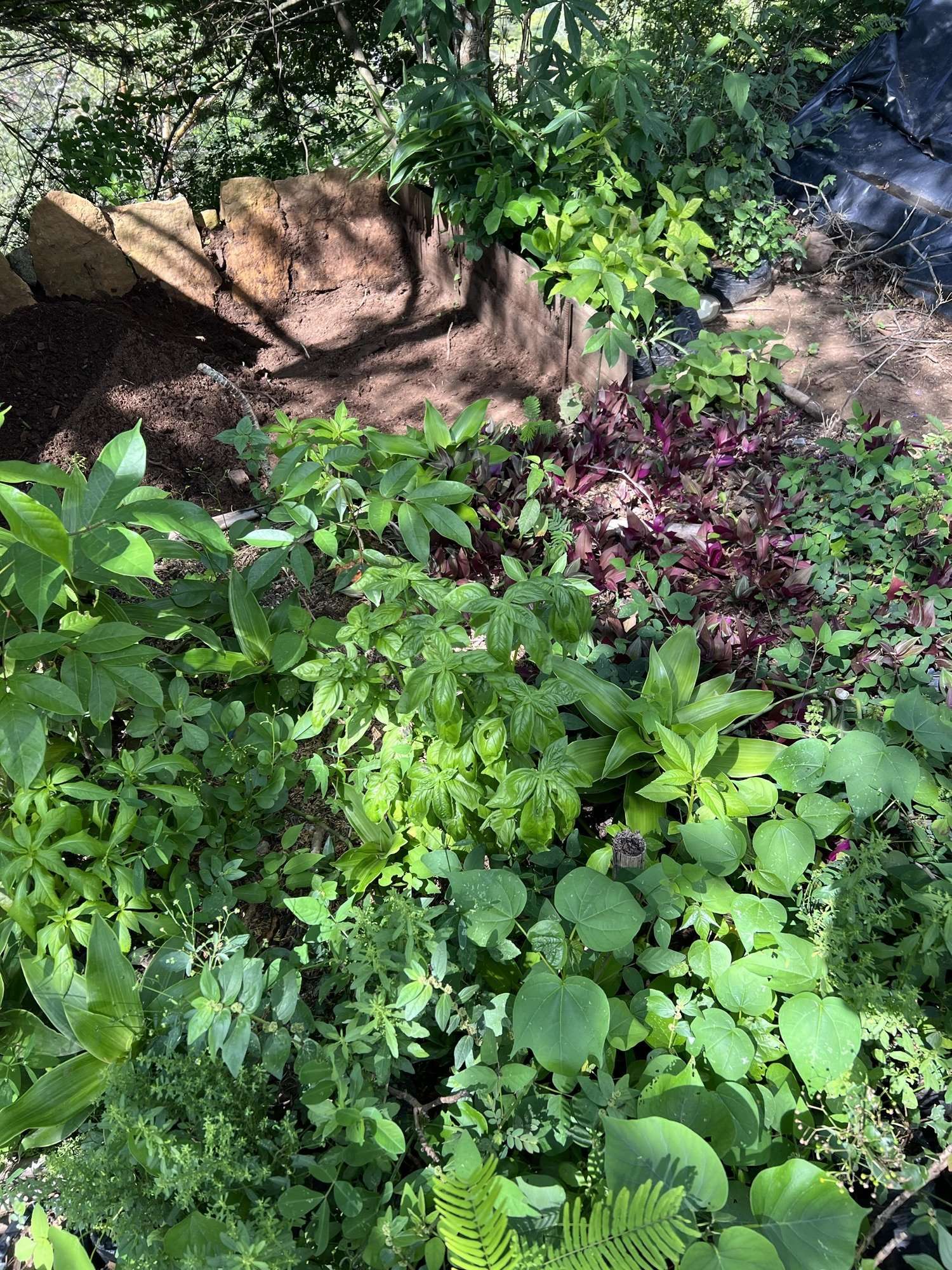
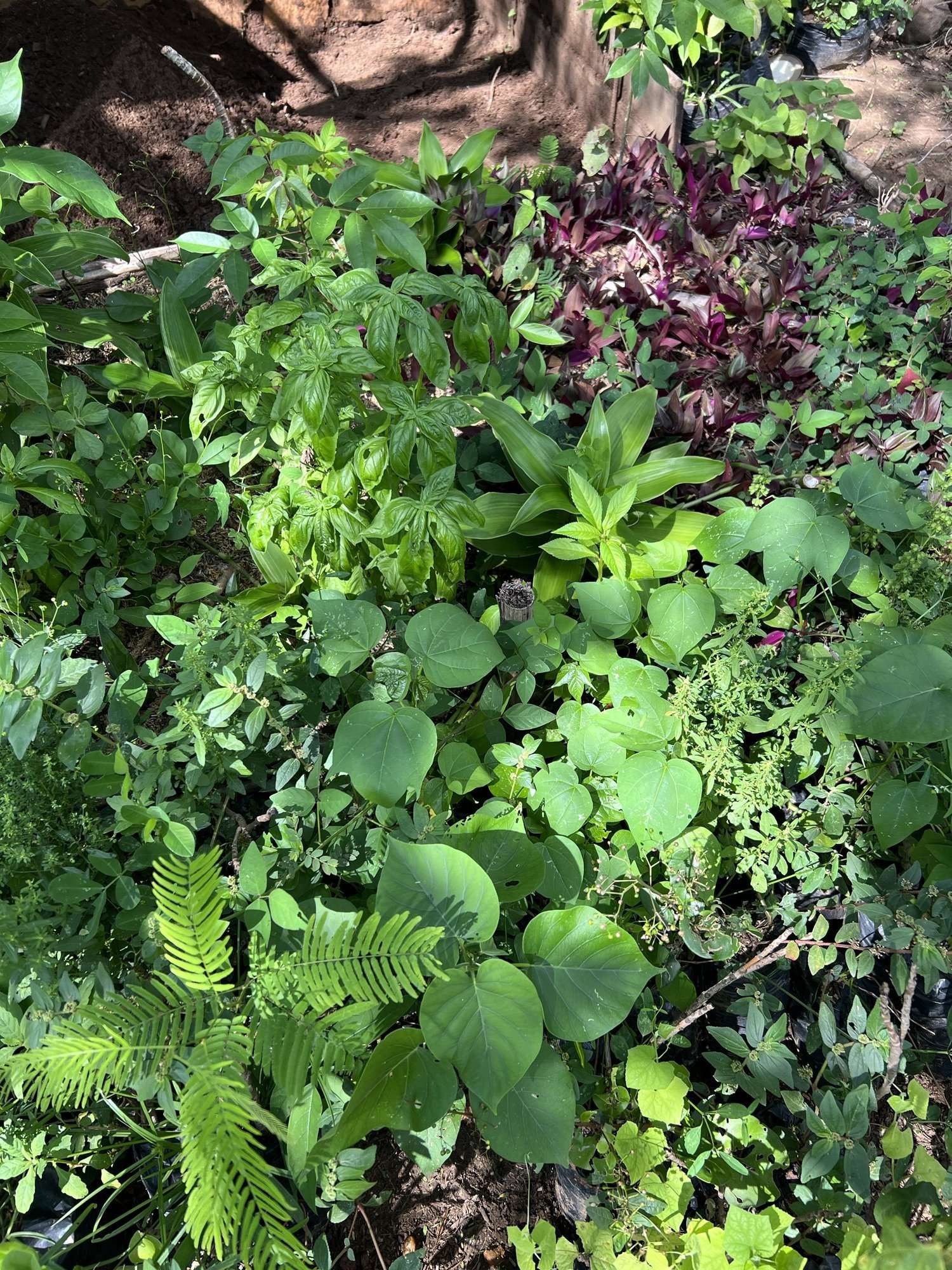
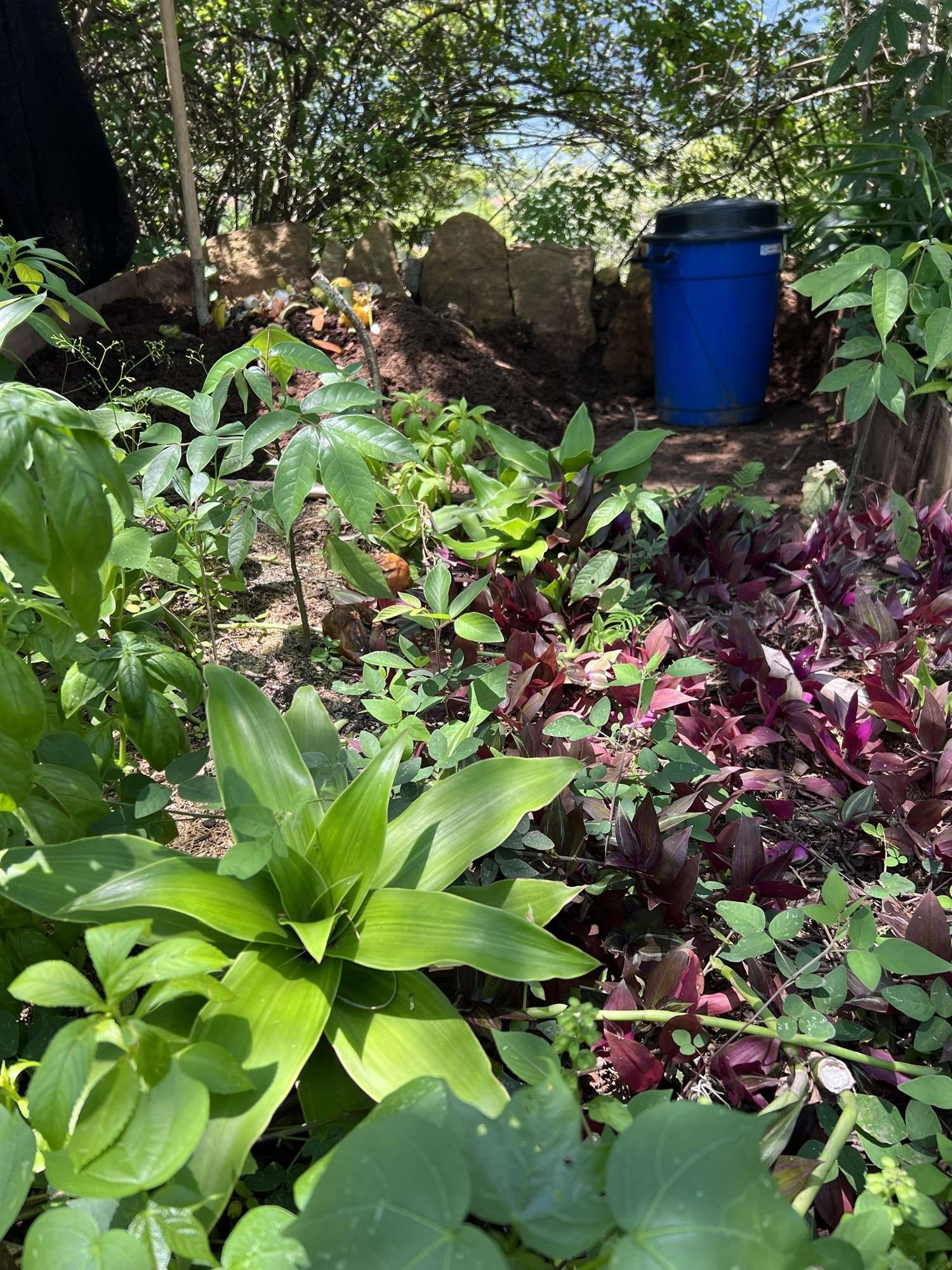
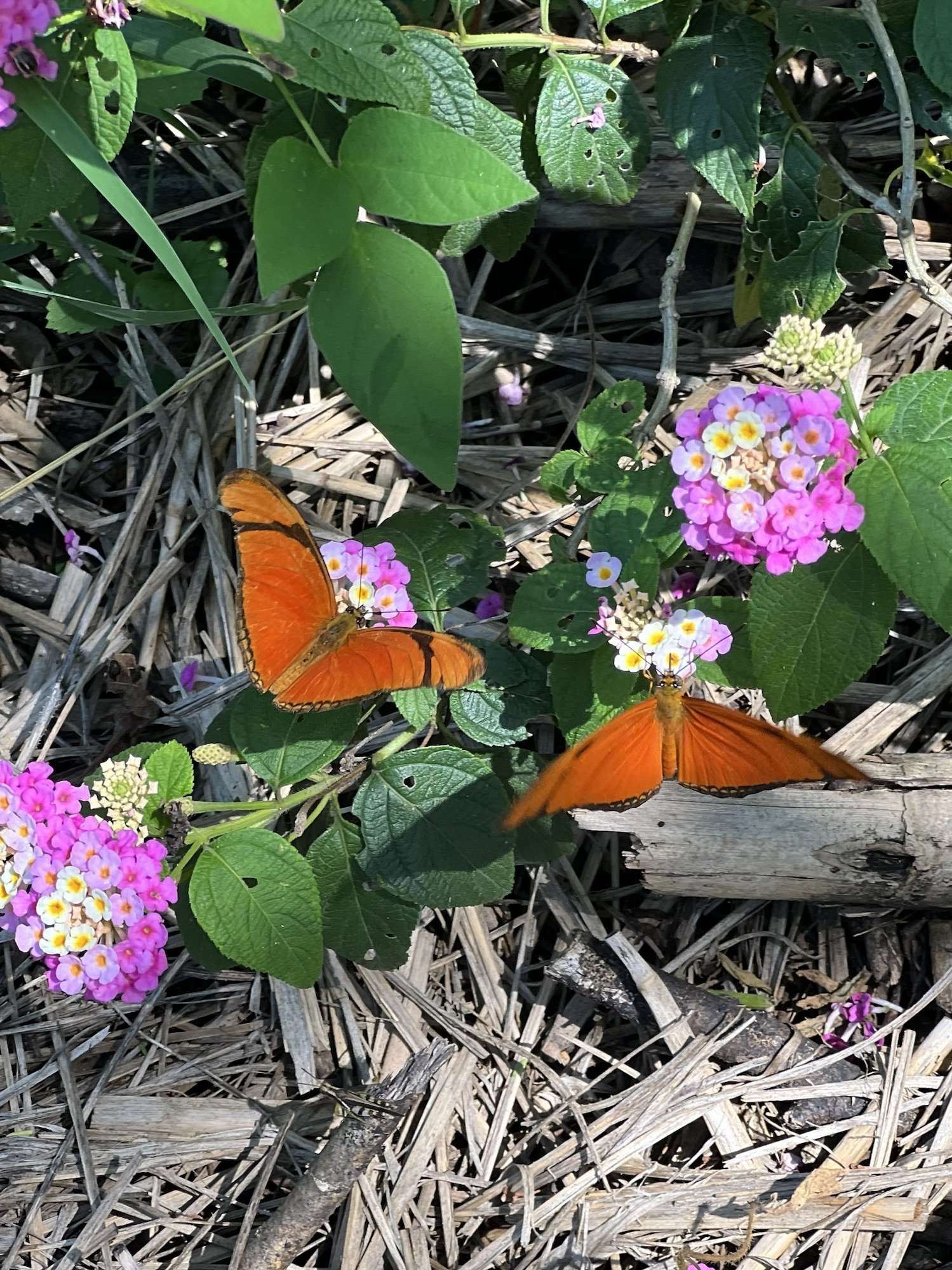





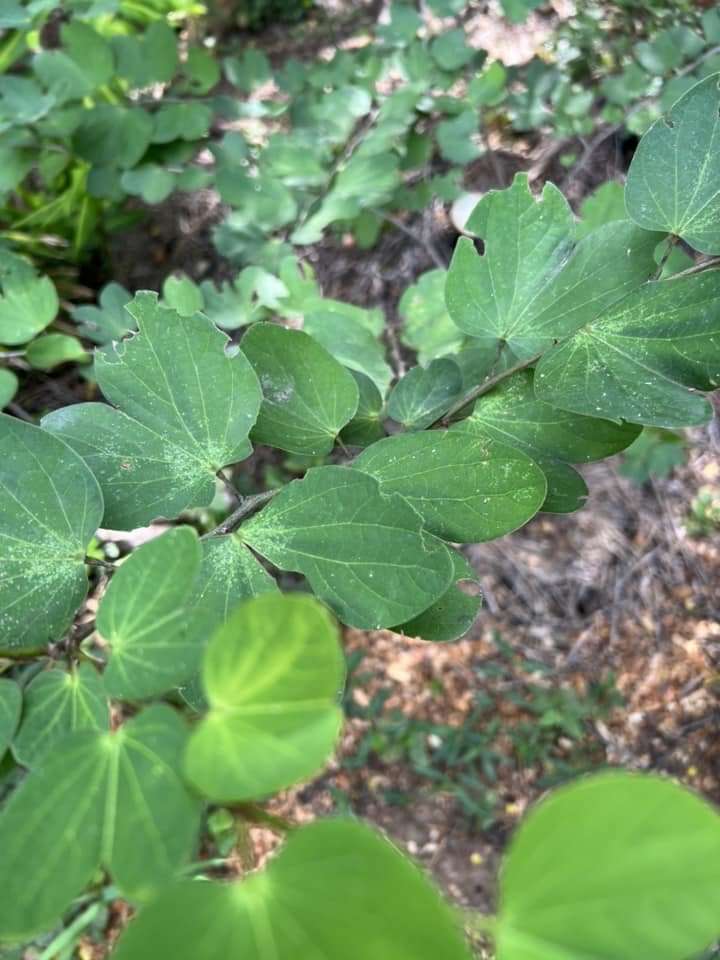
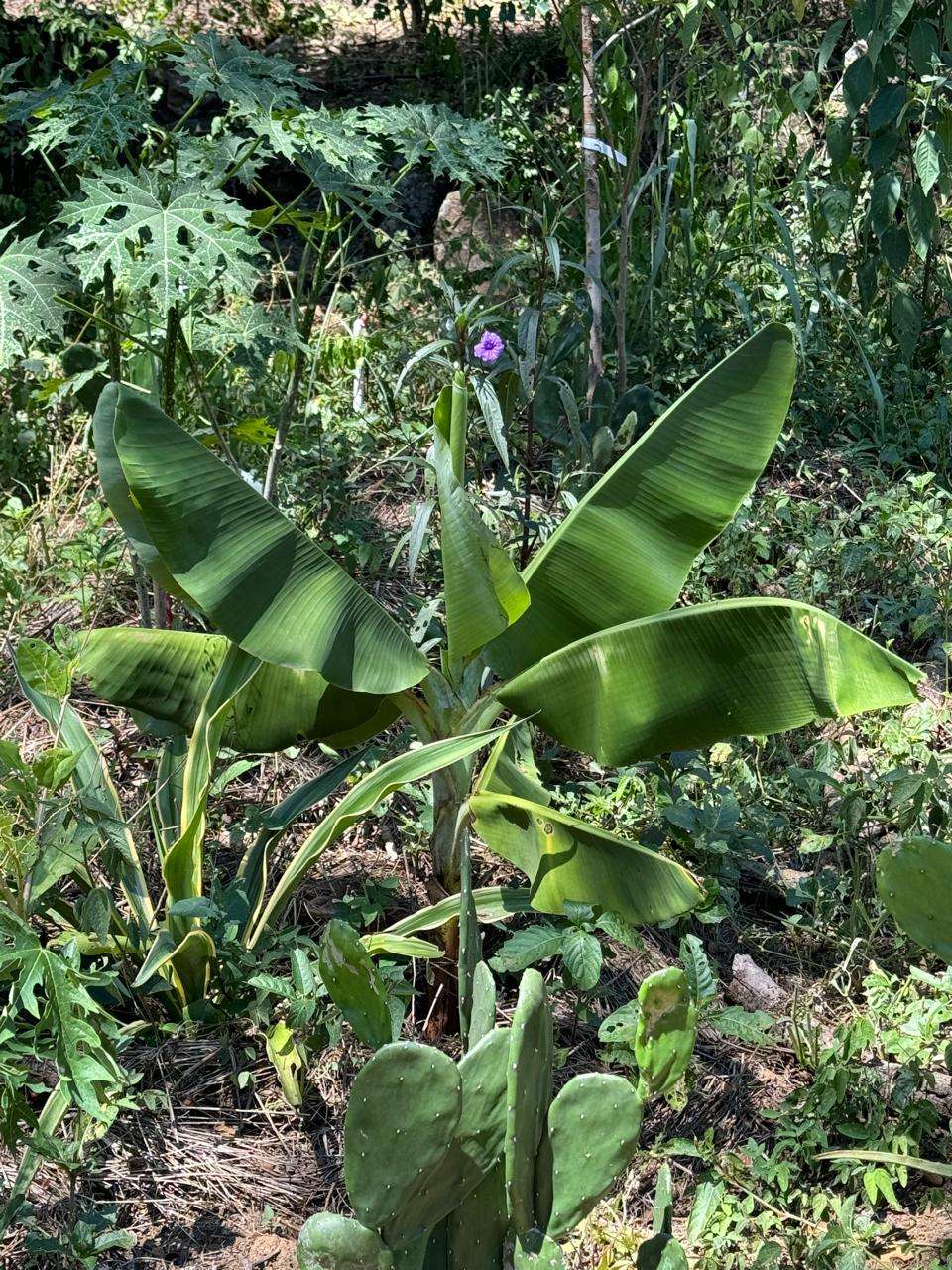
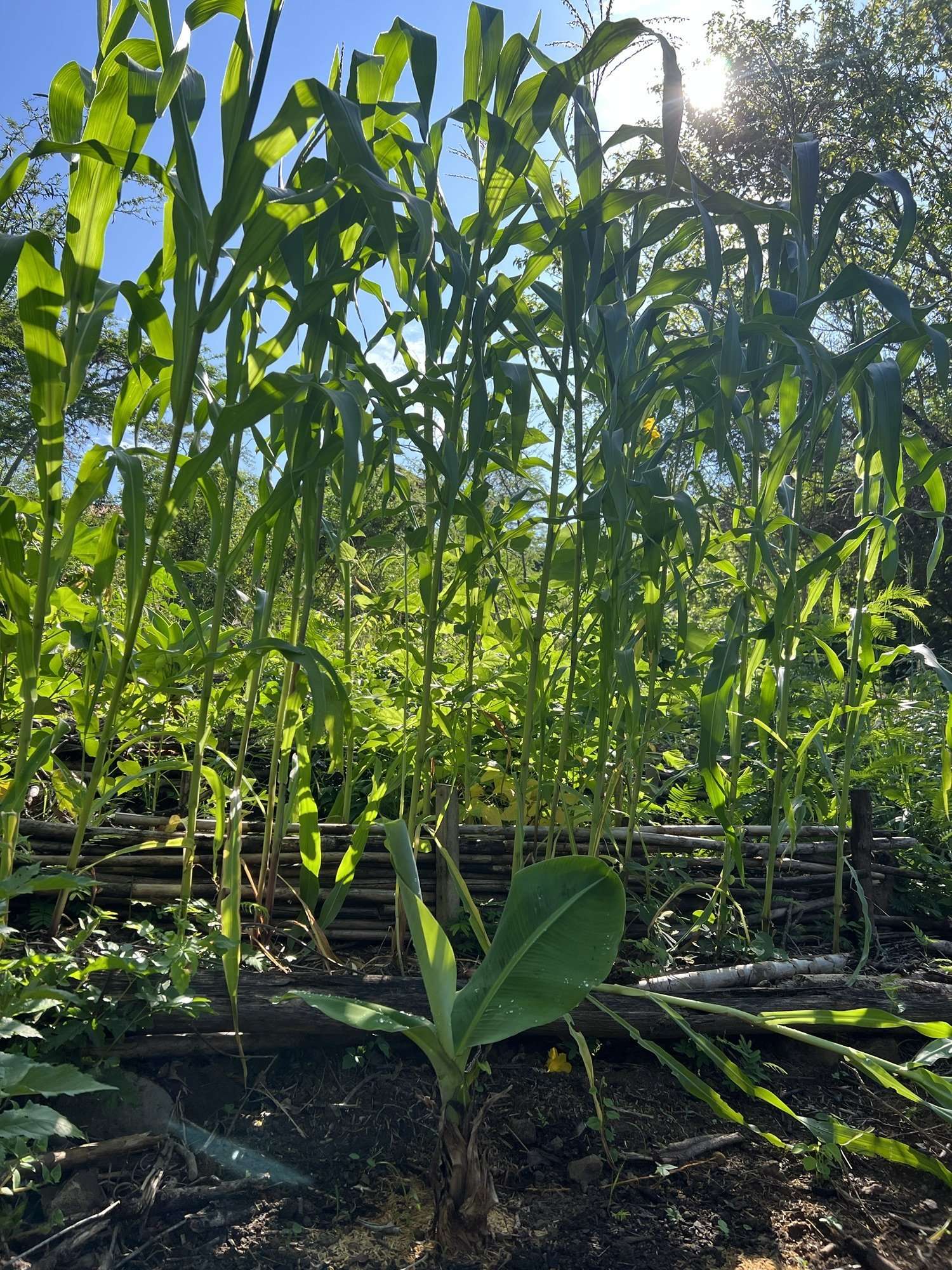
We are developing a food forest at Finca Milagros outside of Barichara. This is a dry tropical forest zone in the Andes mountains at 1000-1100 meters above sea level.
TWO GENERAL ZONES
We plan a food forest for almost all of Milagros, with two general zones.
The largest is a near-wilderness zone with natives that includes food-producing trees, bushes, vines, and so on. These will produce food mainly for the wildlife, although I suspect we will gather some too. Two thousand native trees of twenty different kinds were planted there a few months ago, and we plan on more. As a forest, it will all natives as far as that is possible, most plants will produce some kind of food for the wildlife, and some – maybe 10% (?) – will produce food for humans as well.
The other is around the houses. Here, we will have a range of natives and include food-producing plants from anywhere worldwide as long as they are non-invasive and well-suited to this climate. A good portion of these will produce food for humans, maybe half (?).
It’s difficult to know the exact proportions since this is all in an early phase. I suspect we will continue to interplant for as long as we are here with natives to increase the diversity, and with food-producing plants to produce more food for the wildlife and us.
HOW WE FIND PLANTS
How do we select and find plants for this project?
We use what’s here. We already have a wide variety of natives, including food-producing plants.
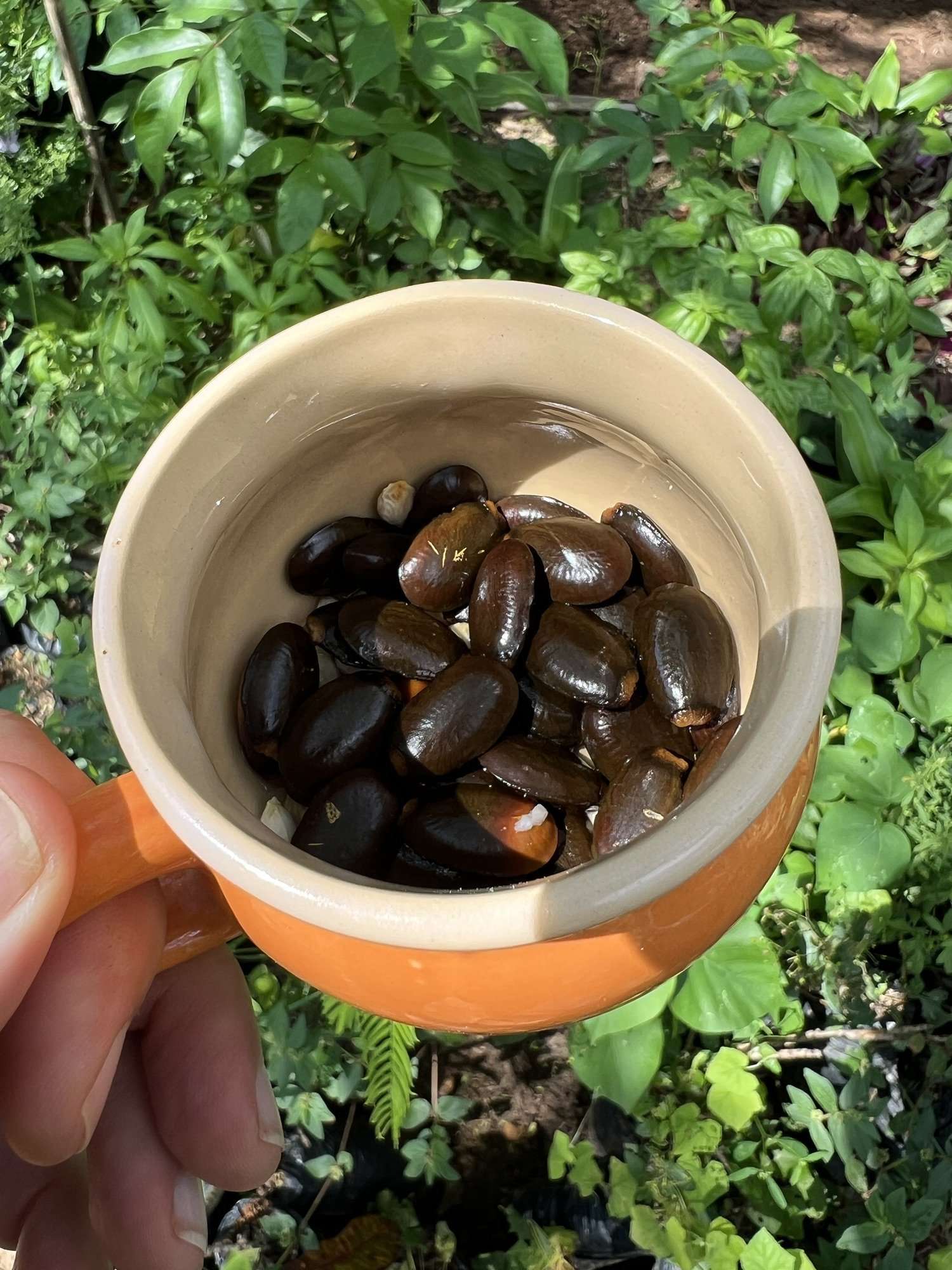
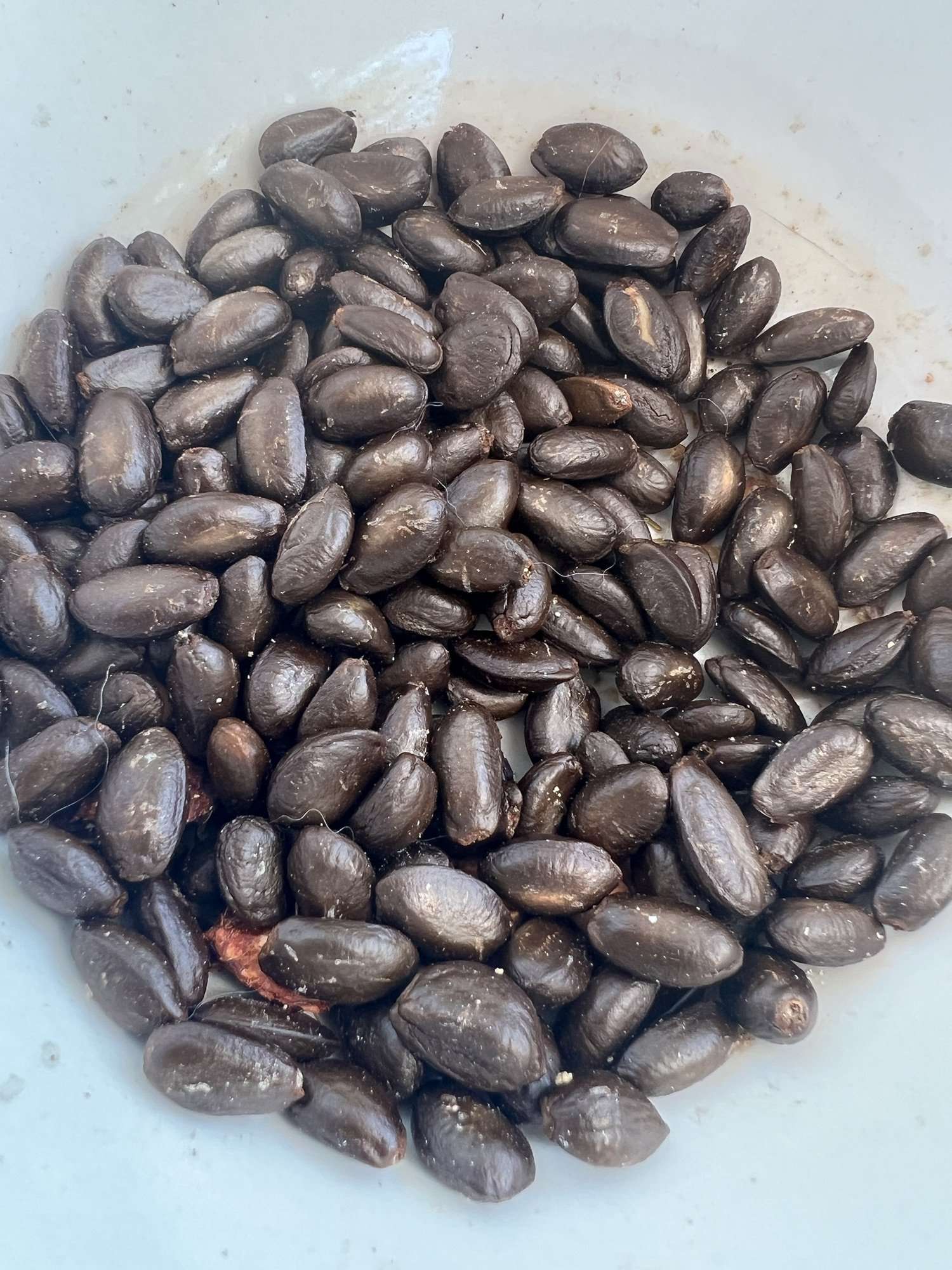
We get some seeds and seedlings from friends and neighbors. (We will get Maya Nut seeds and some native Agraz and Suriname Cherries from a friend in the area within a couple of days.)
We get some seedlings from local nurseries. The selection of any one nursery is quite limited, especially when it comes to natives, but combined – by searching and going to several – we find a wider variety.
We plant seeds in our own nursery which has a few hundred plants so far. These go into the ground when they are ready and we have a good place for them.
We may eventually get seeds and seedlings from non-local nurseries for useful plants we cannot find here.
We aim for as much diversity as possible for several reasons: It creates more resilience and better habitat for wildlife. It improves soil health. It makes a better use of the 3D space. It shows us which ones do especially well here, and which ones may need a different microclimate. (The microclimates here will change as the food forest develops.) It produces a wider variety of food for wildlife, us, and possibly sale.
Also, with a changing climate, some will do better in the future than others and we don’t know which ones yet. That’s something we’ll have to observe and learn as the climate changes.
I know that some tropical or sub-tropical food forests have 200-300+ types of food-producing plants. I am honestly not sure how many we have so far but it’s likely still in the double digits.
PLANT DATABASE FOR MILAGROS
I have developed a plant database with 250 entries so far. These are all plants that are suited to this climate. The list includes plants recommended to us by locals and that we know do well in this area.
I am also using AI (ChatGPT 4o) for some aspects of this database. I use it to identify additional candidates for the food forest. It helps me fill in the info for each plant. It also helps me rank the plants according to different criteria: Nativeness, drought tolerance, nutritional value, sun/shade requirement, and so on. I always check with local experts before making any decisions based on this info.
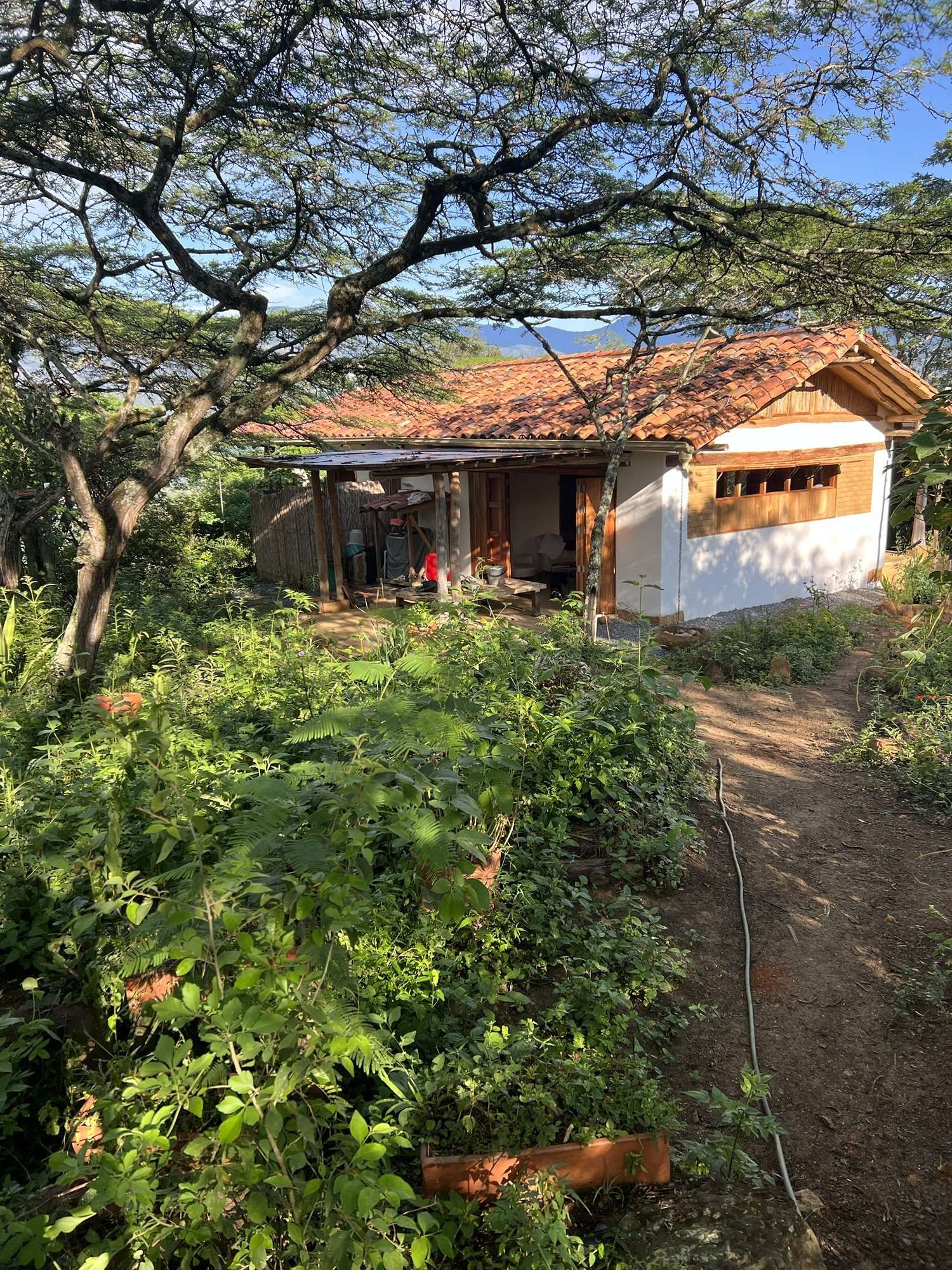
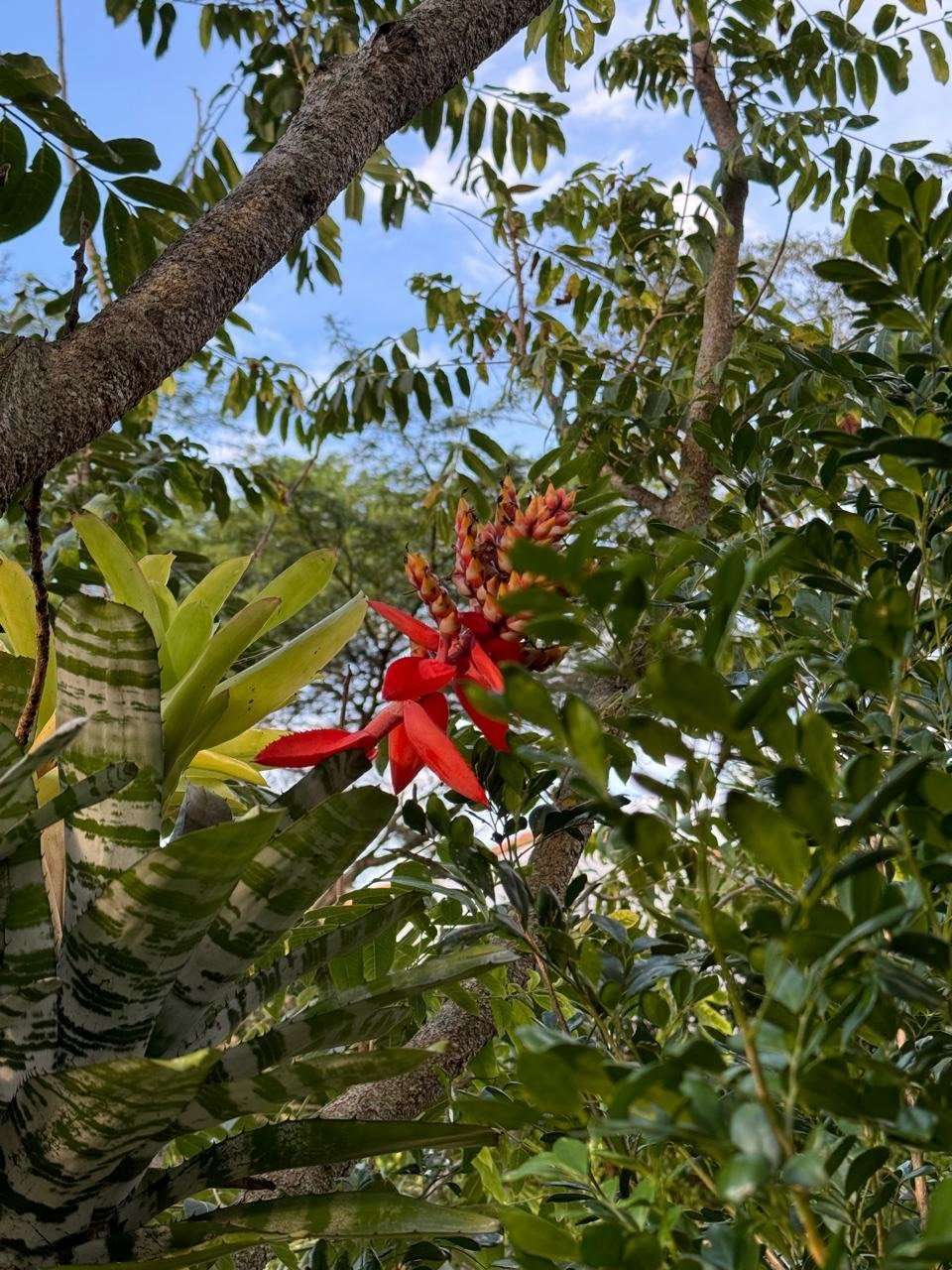
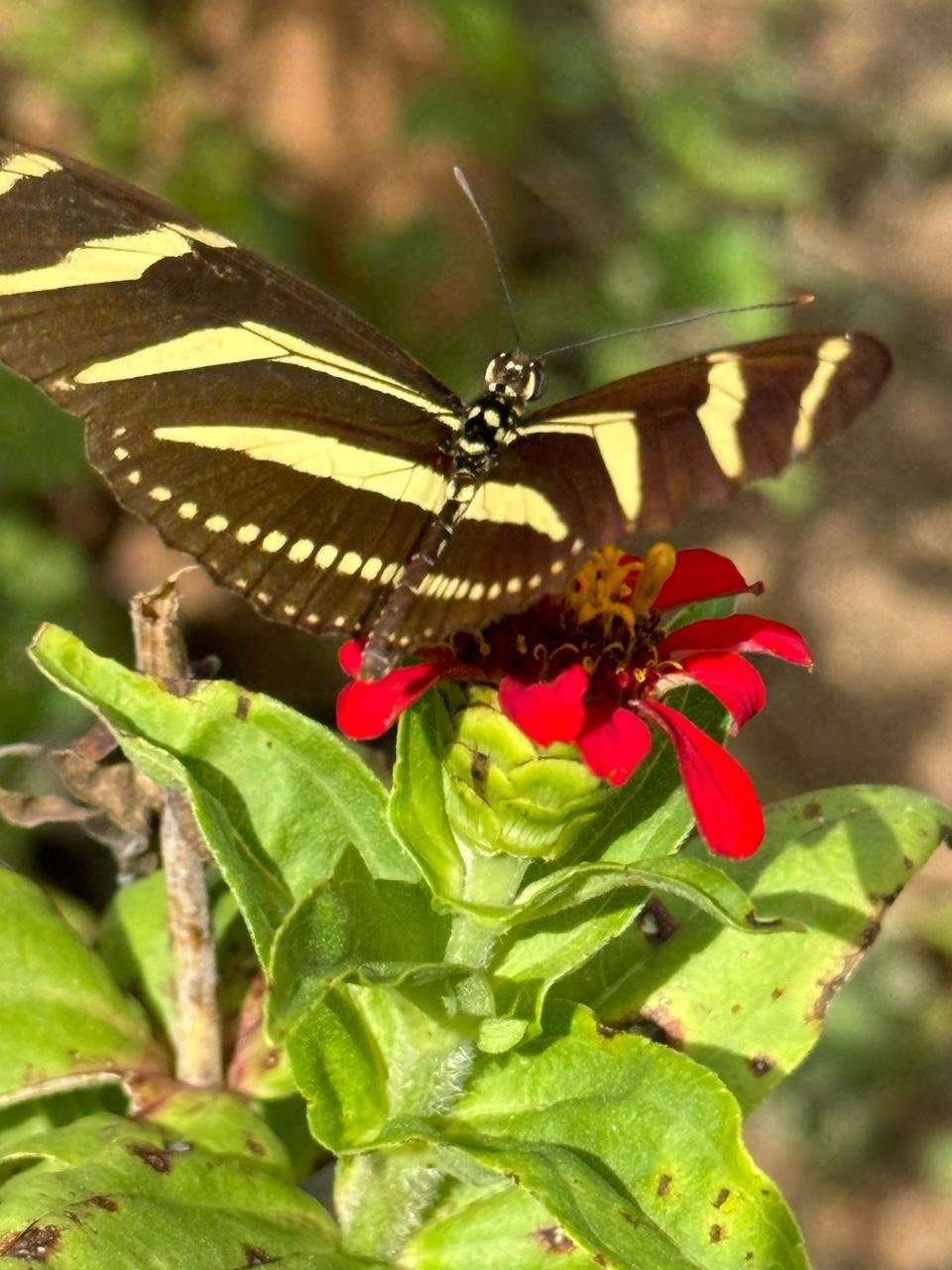
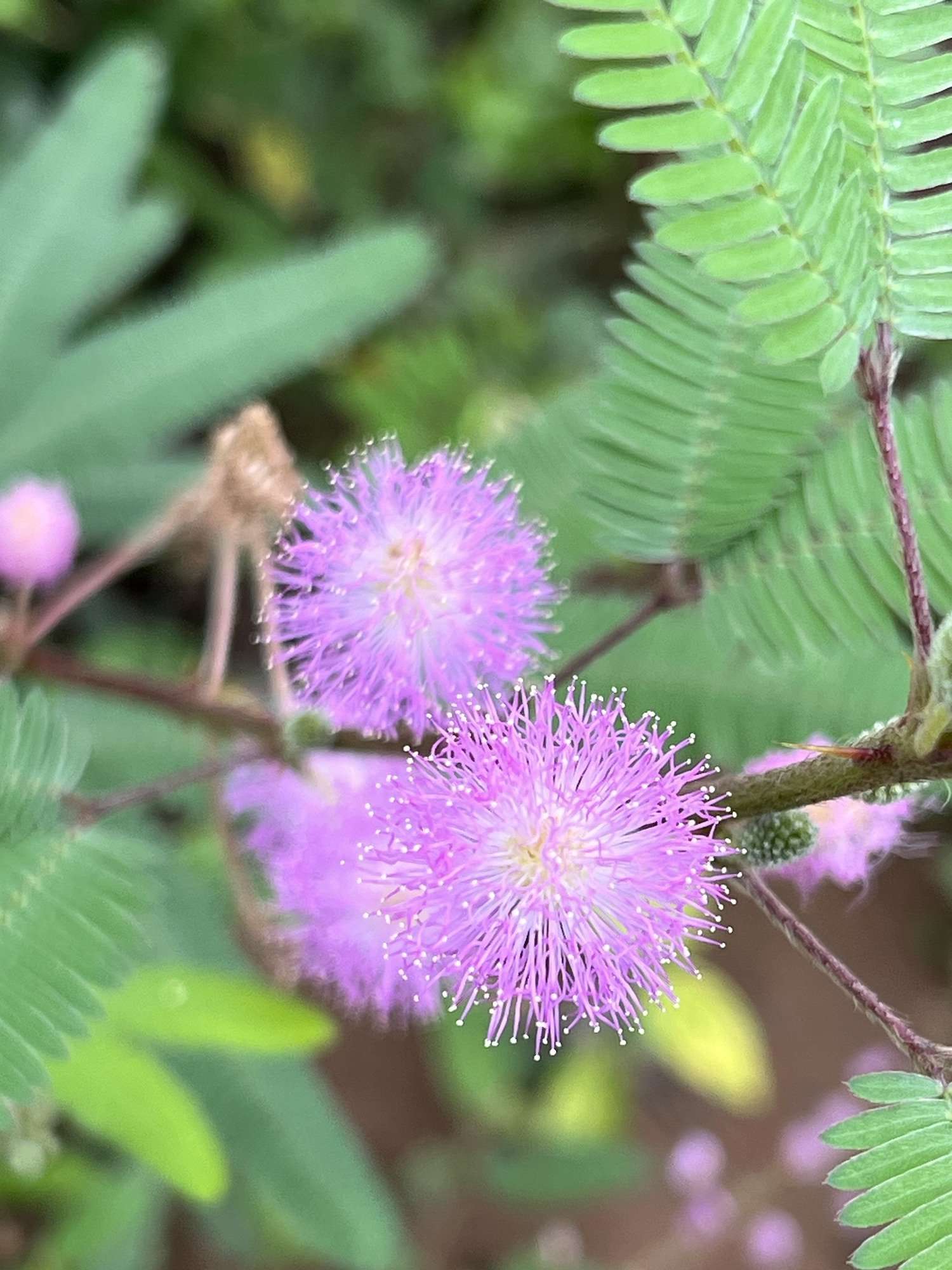
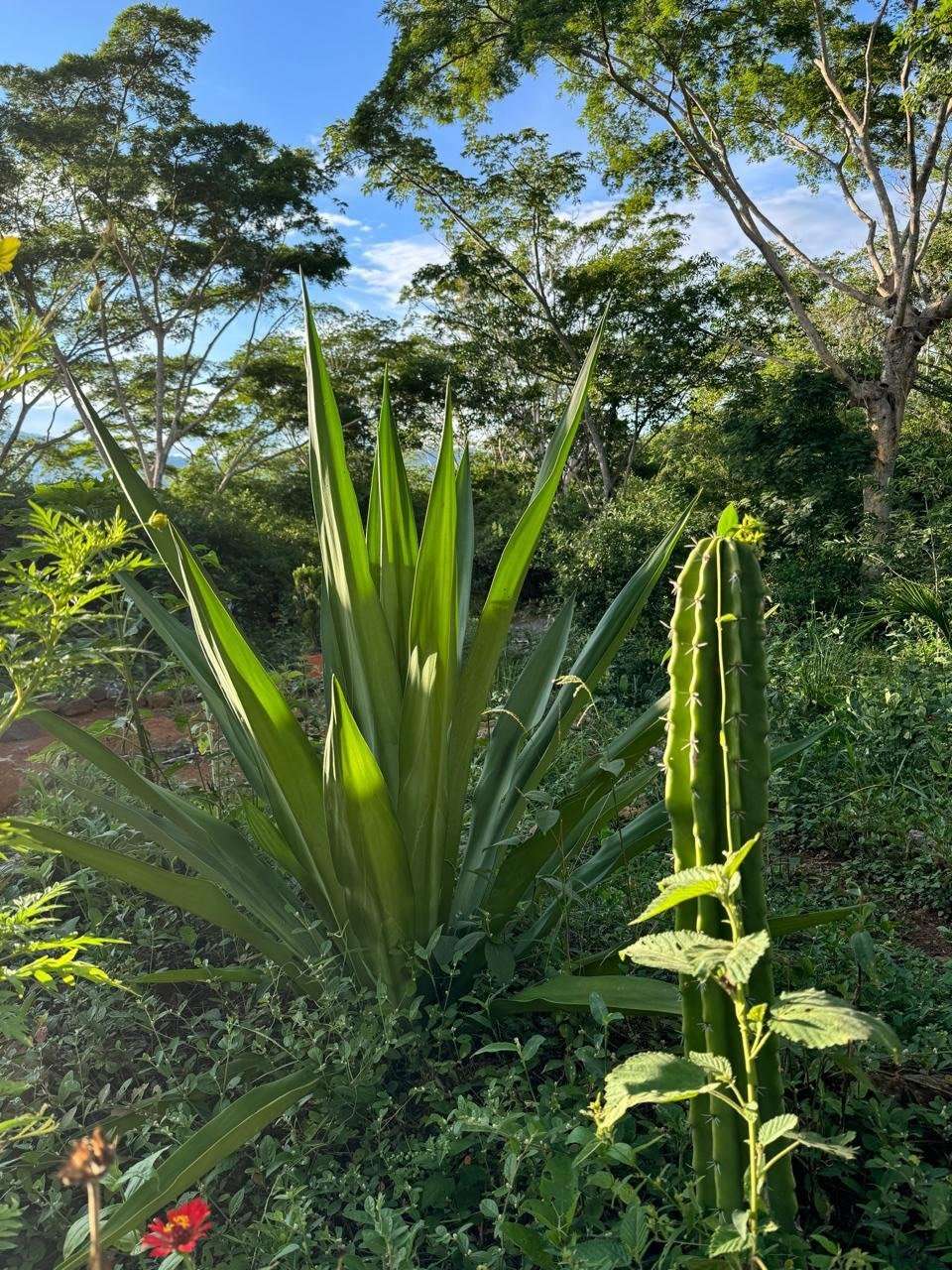
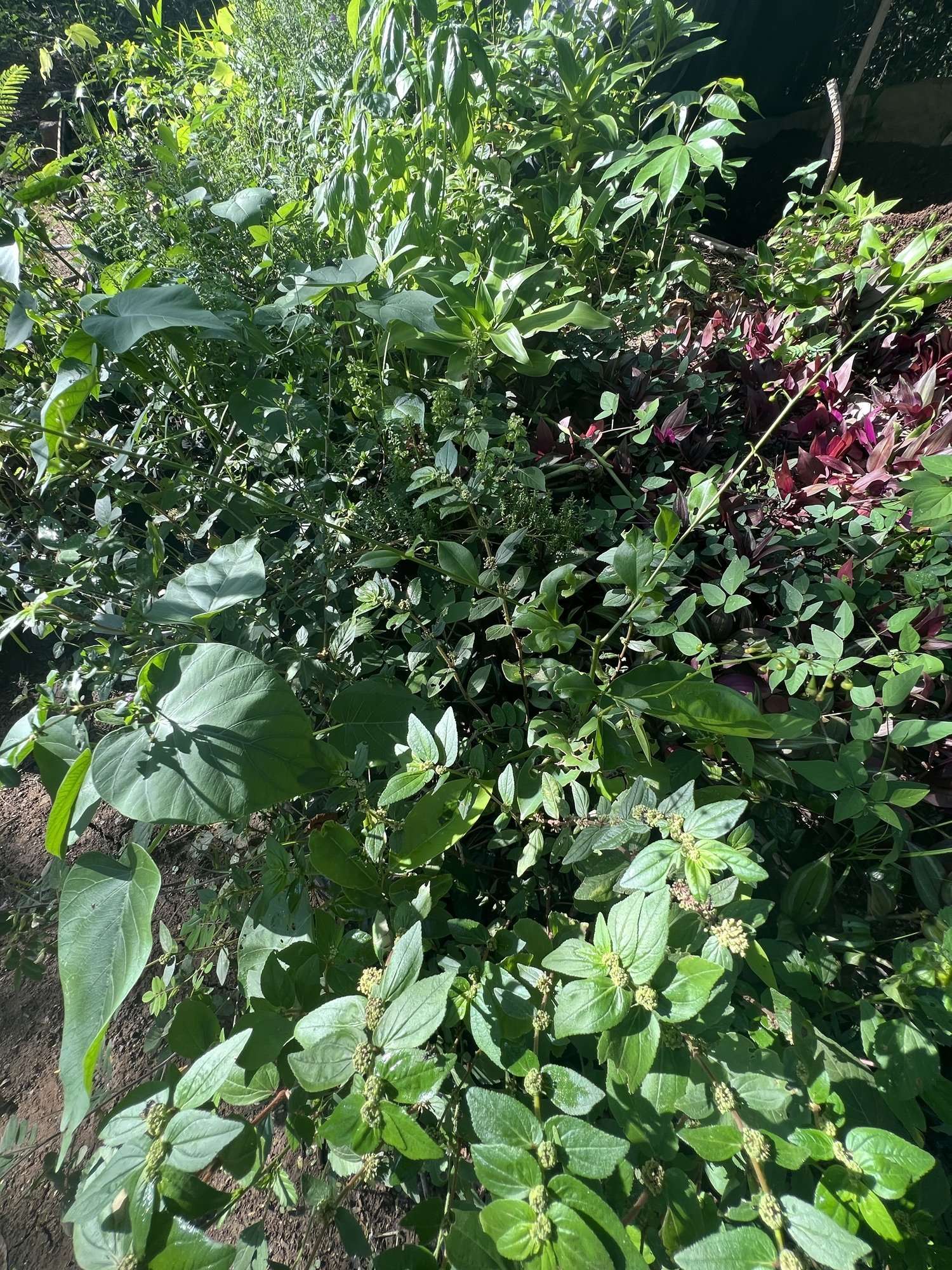
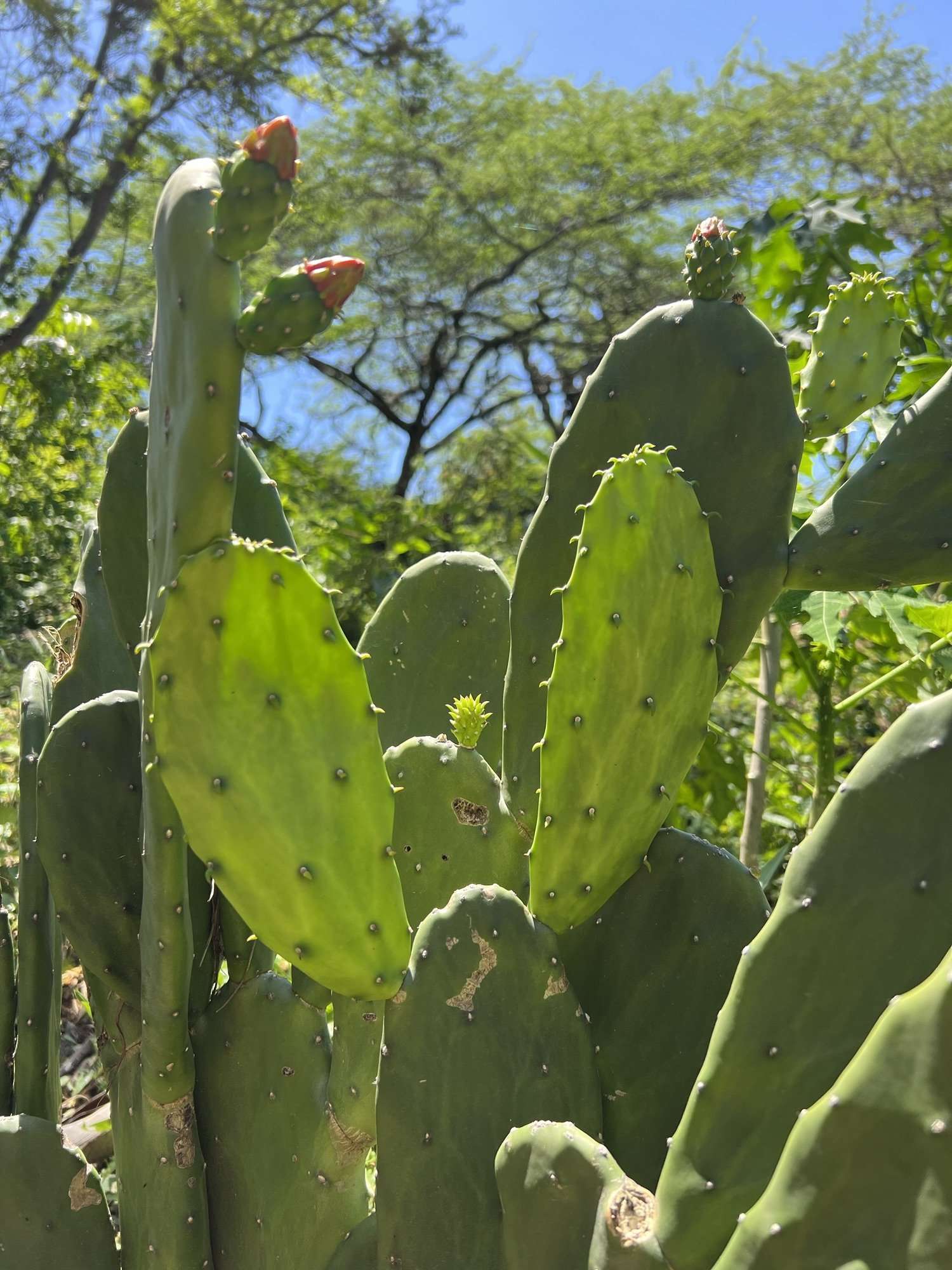
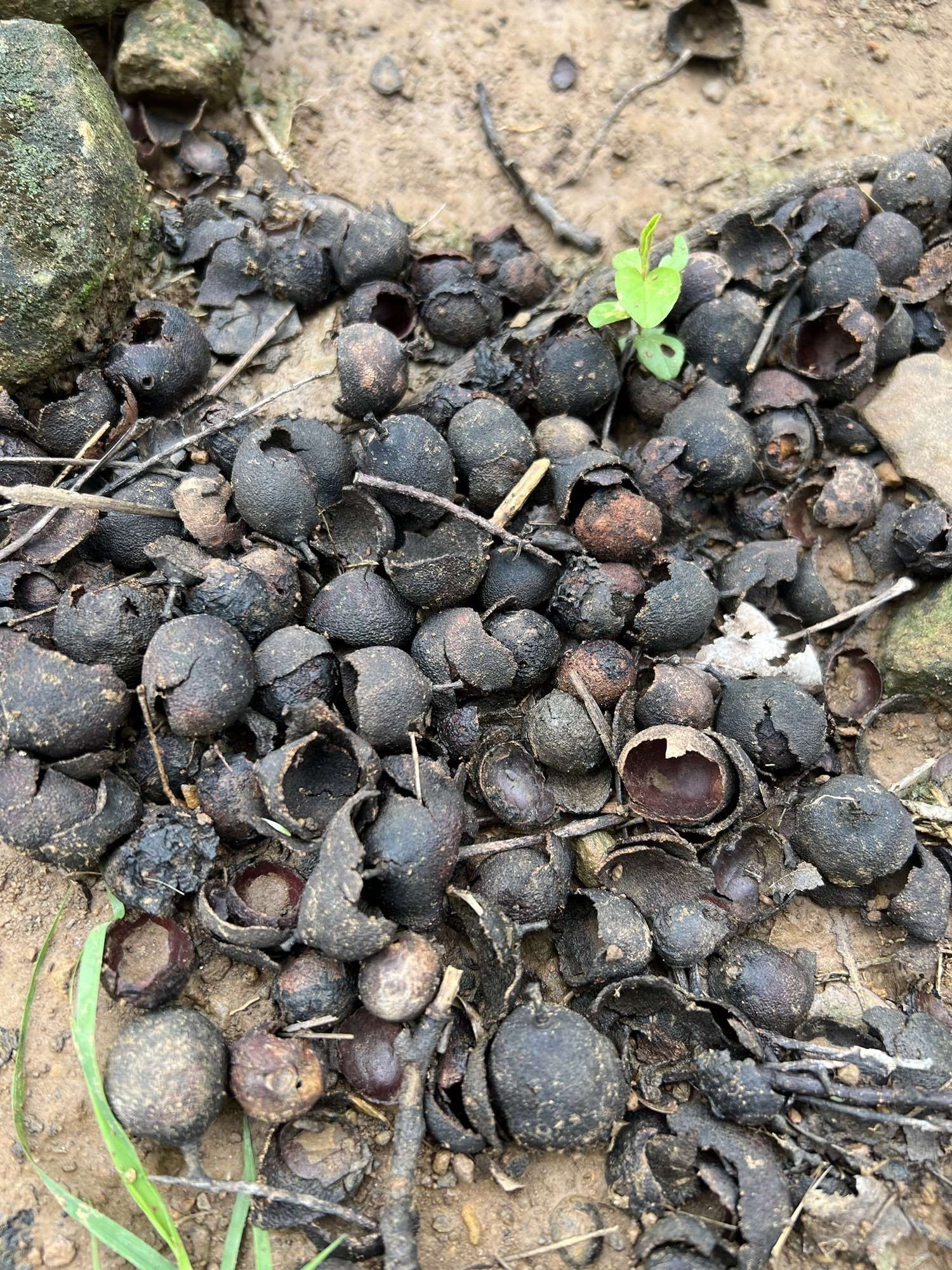
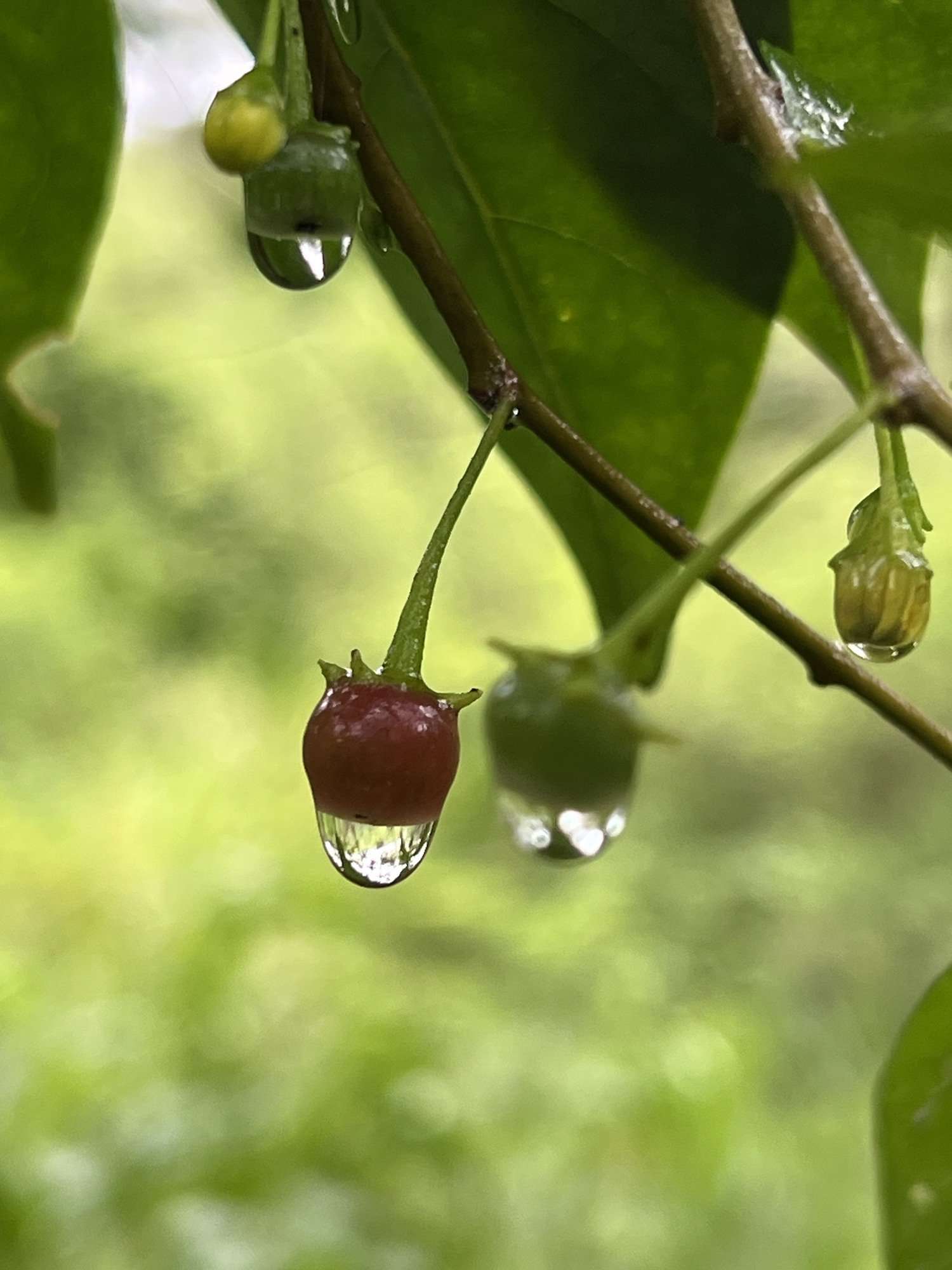
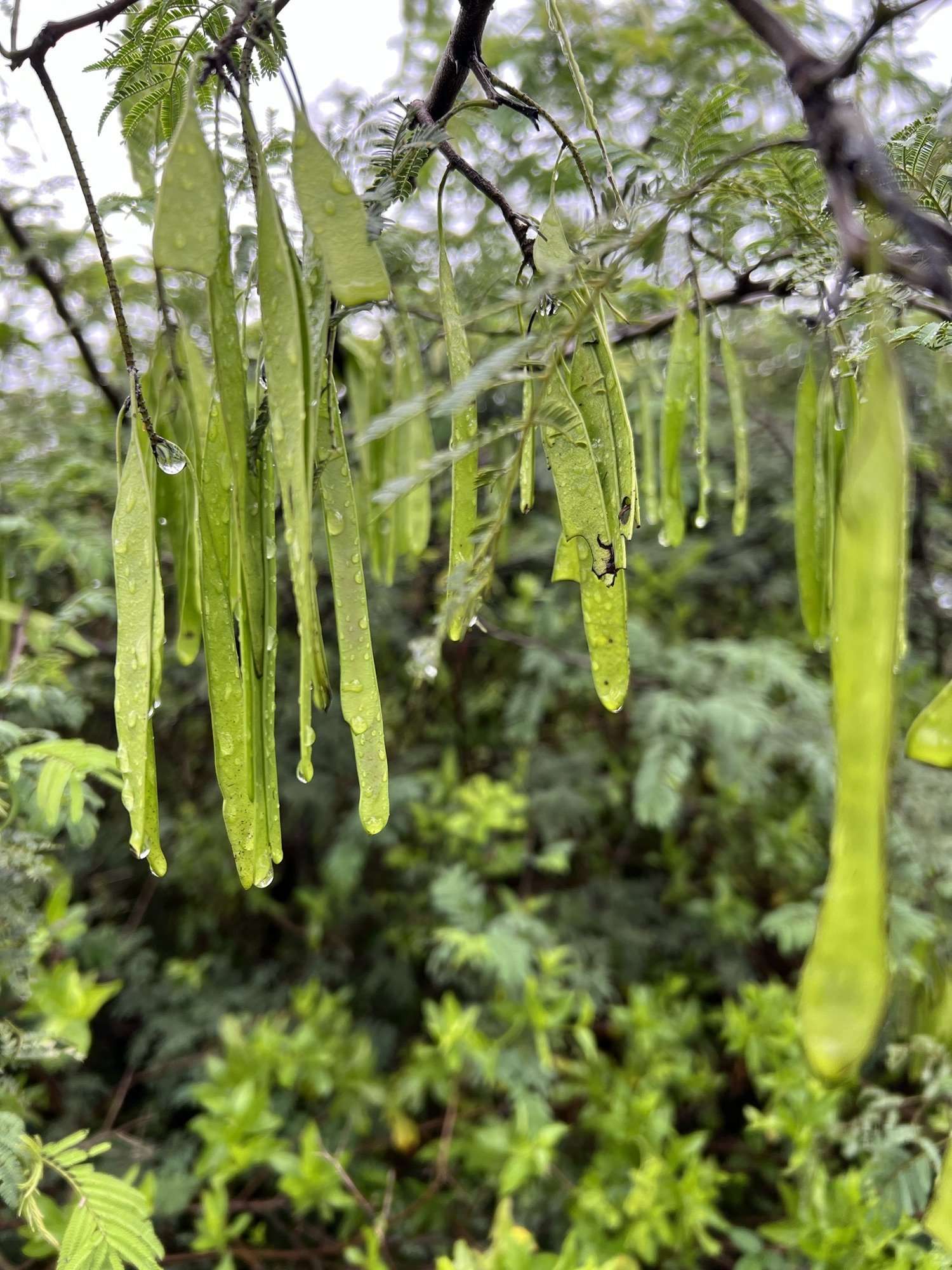
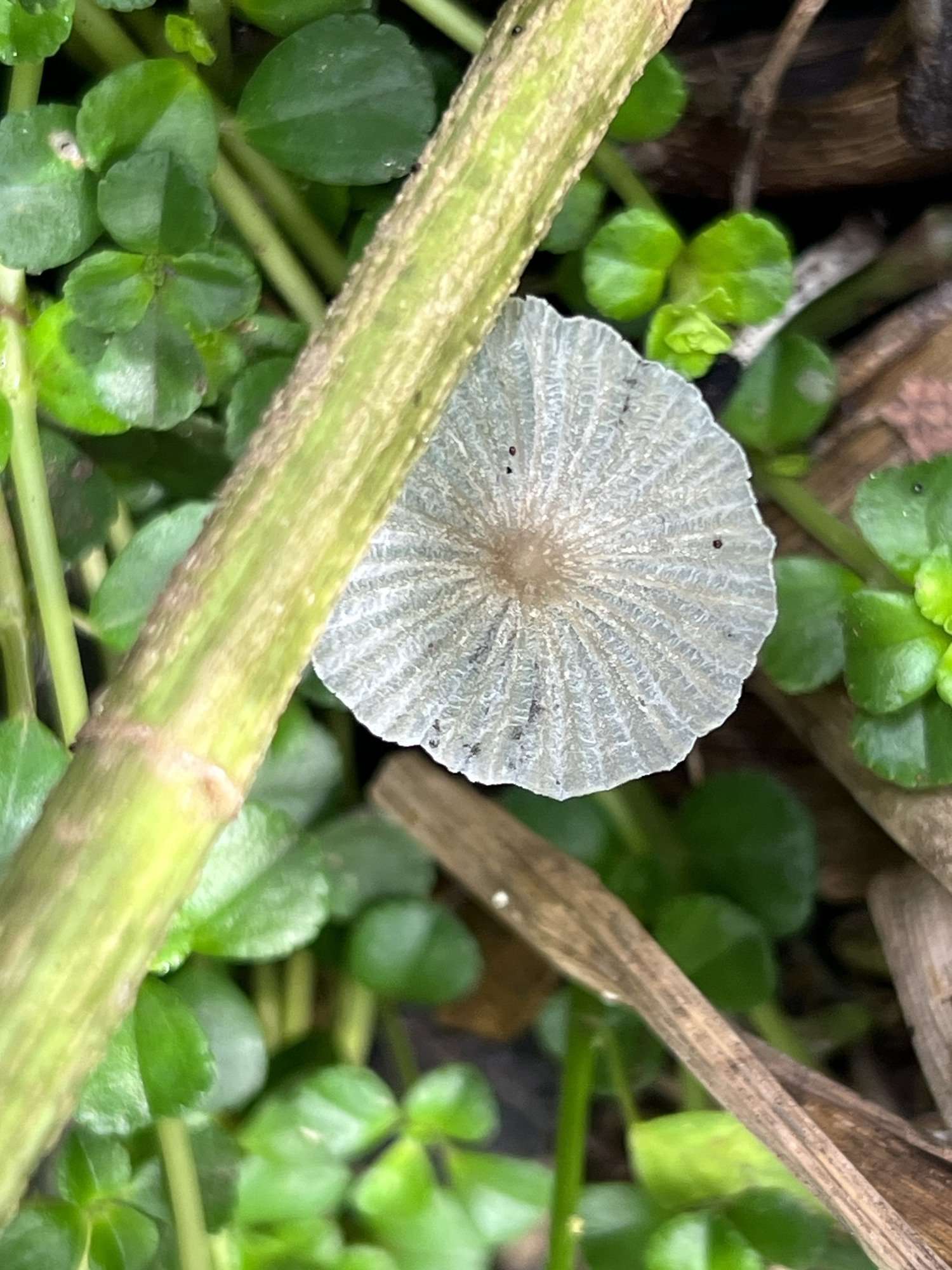
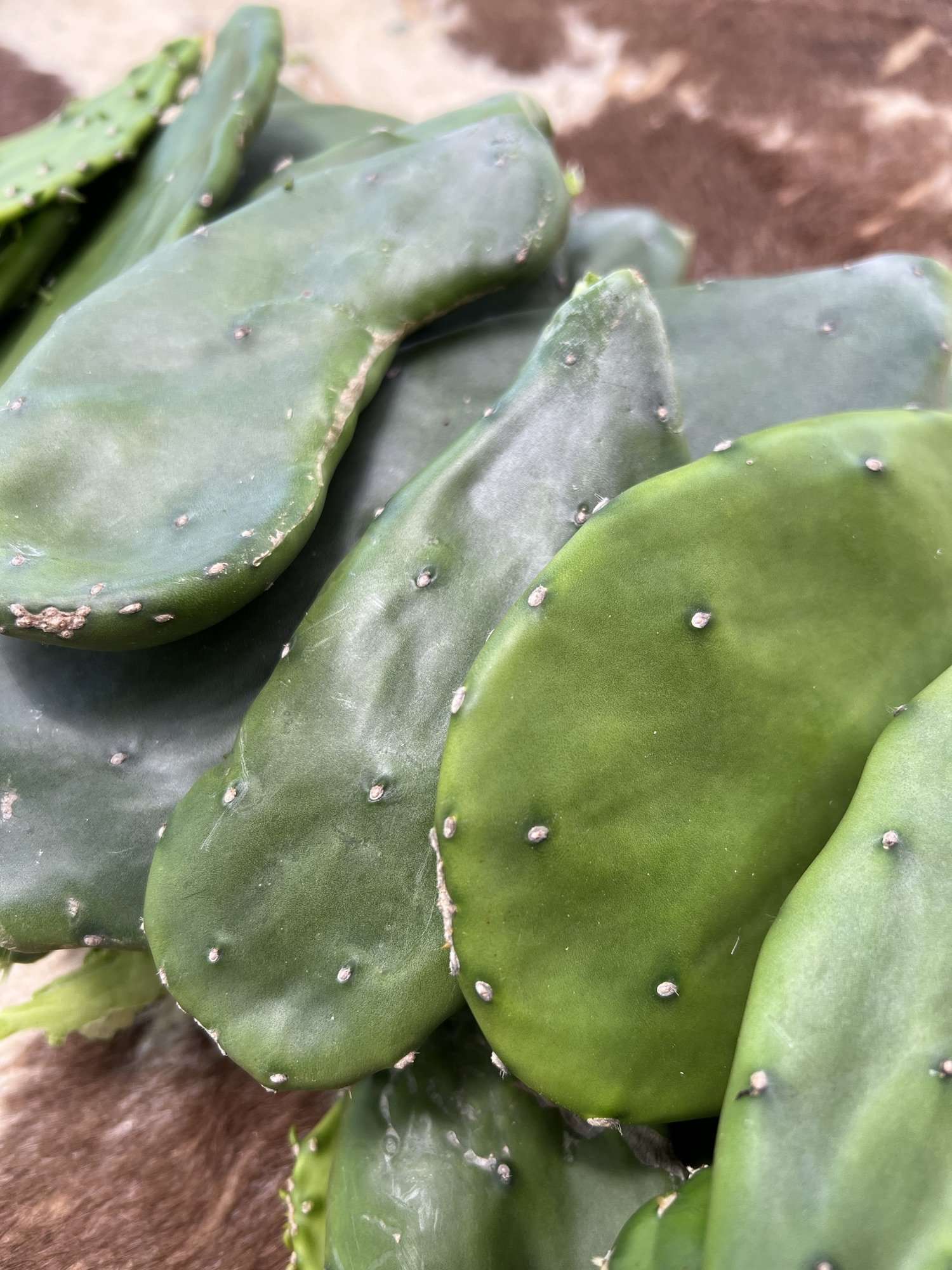
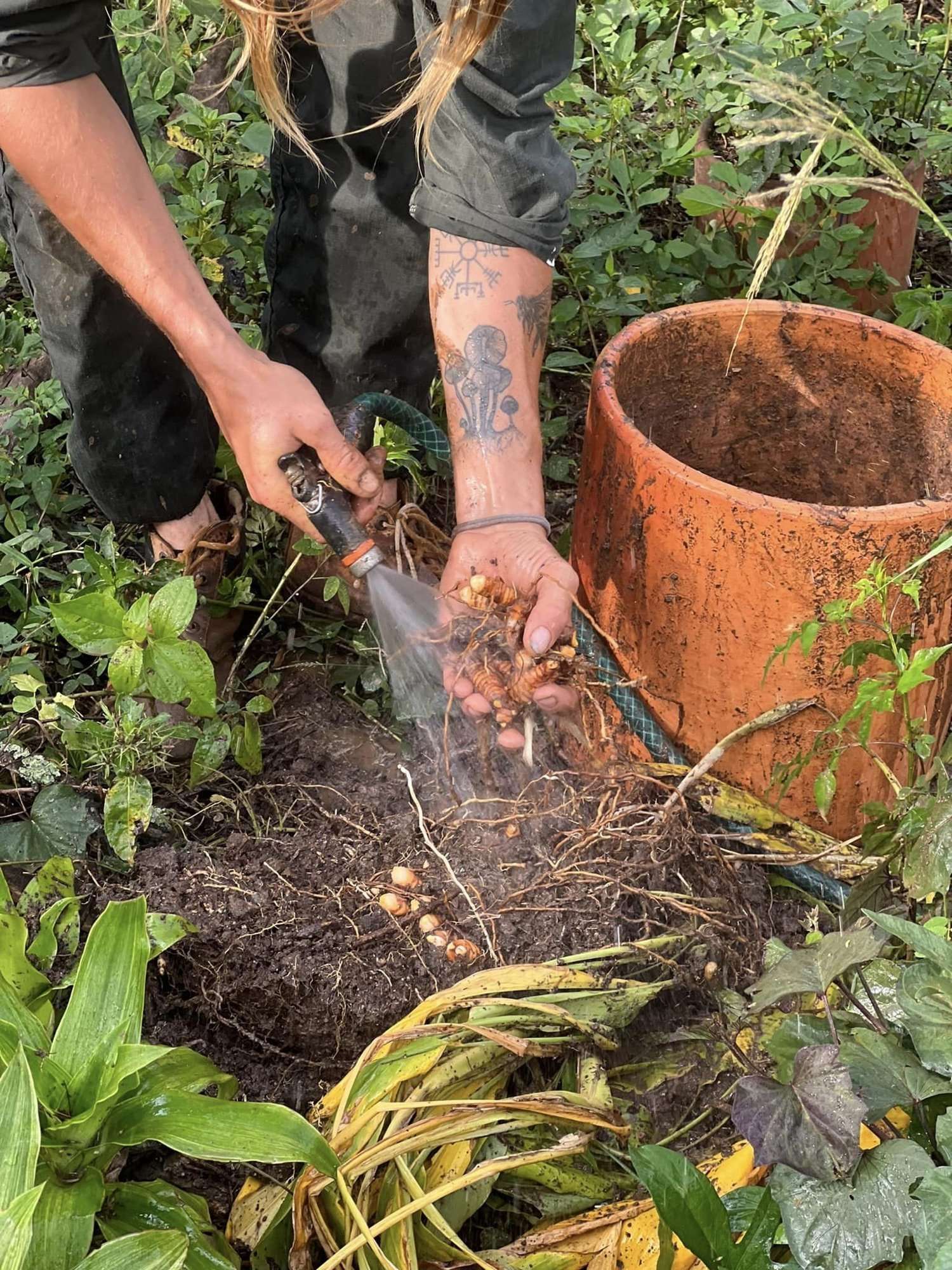
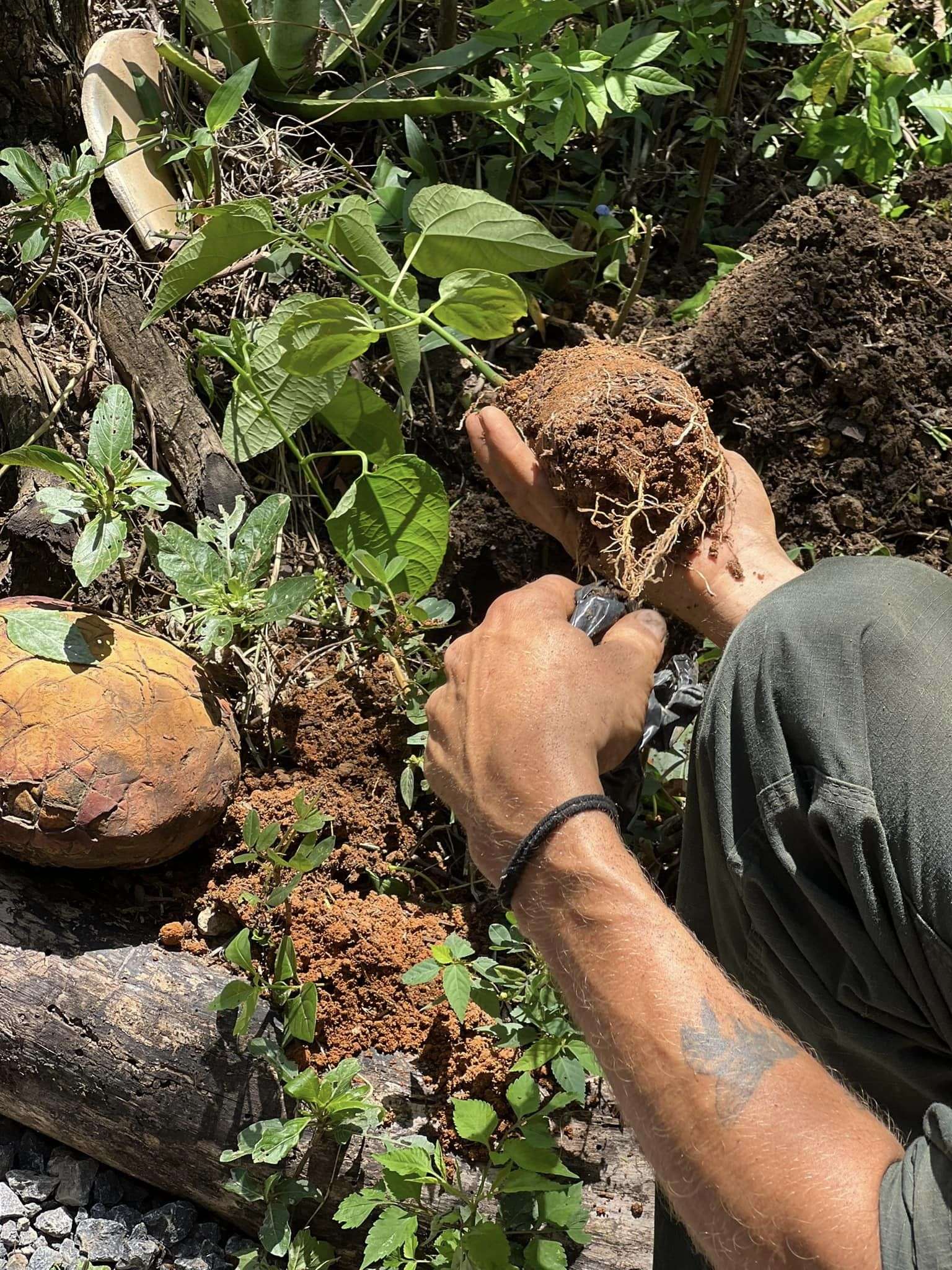
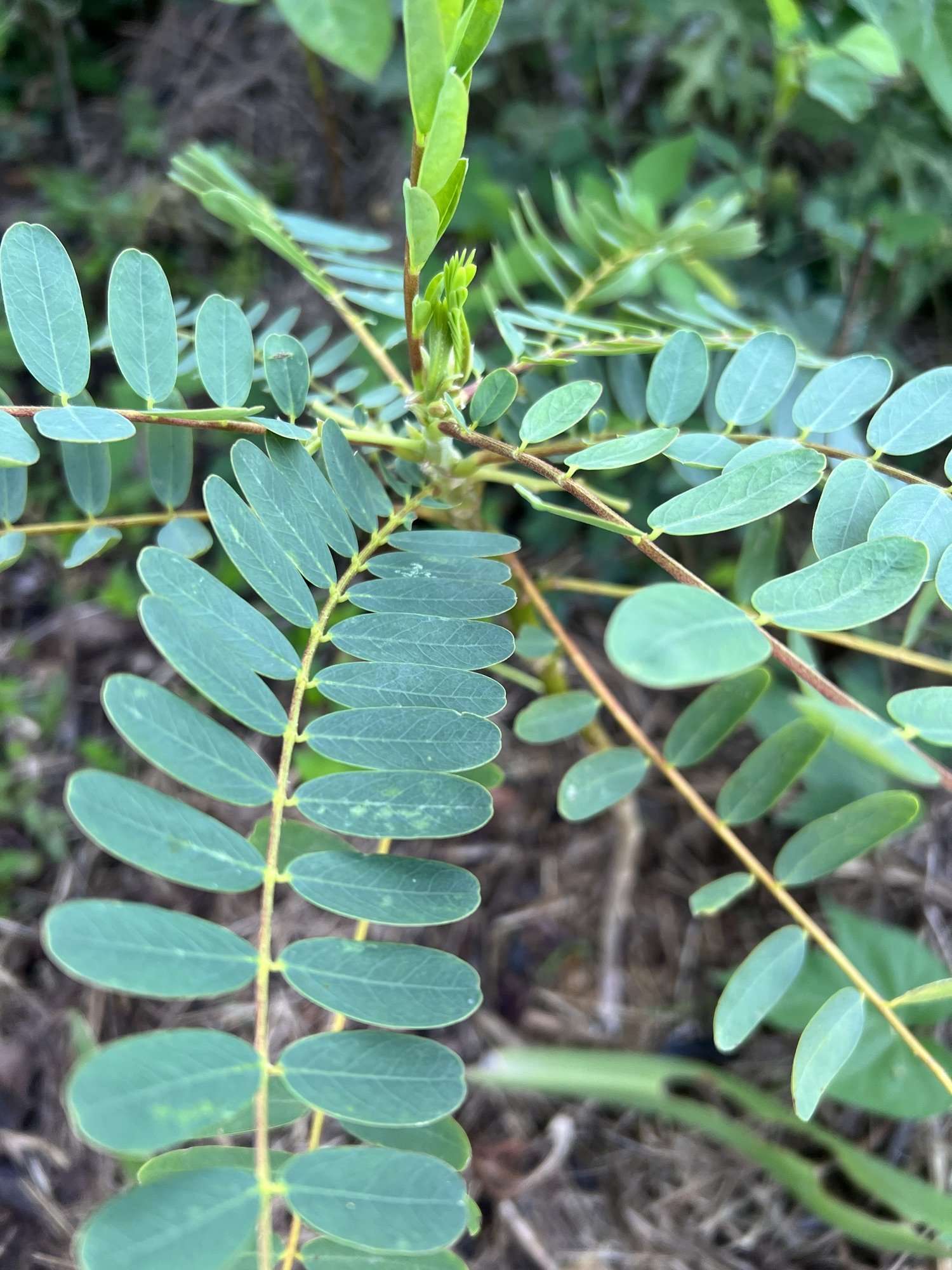
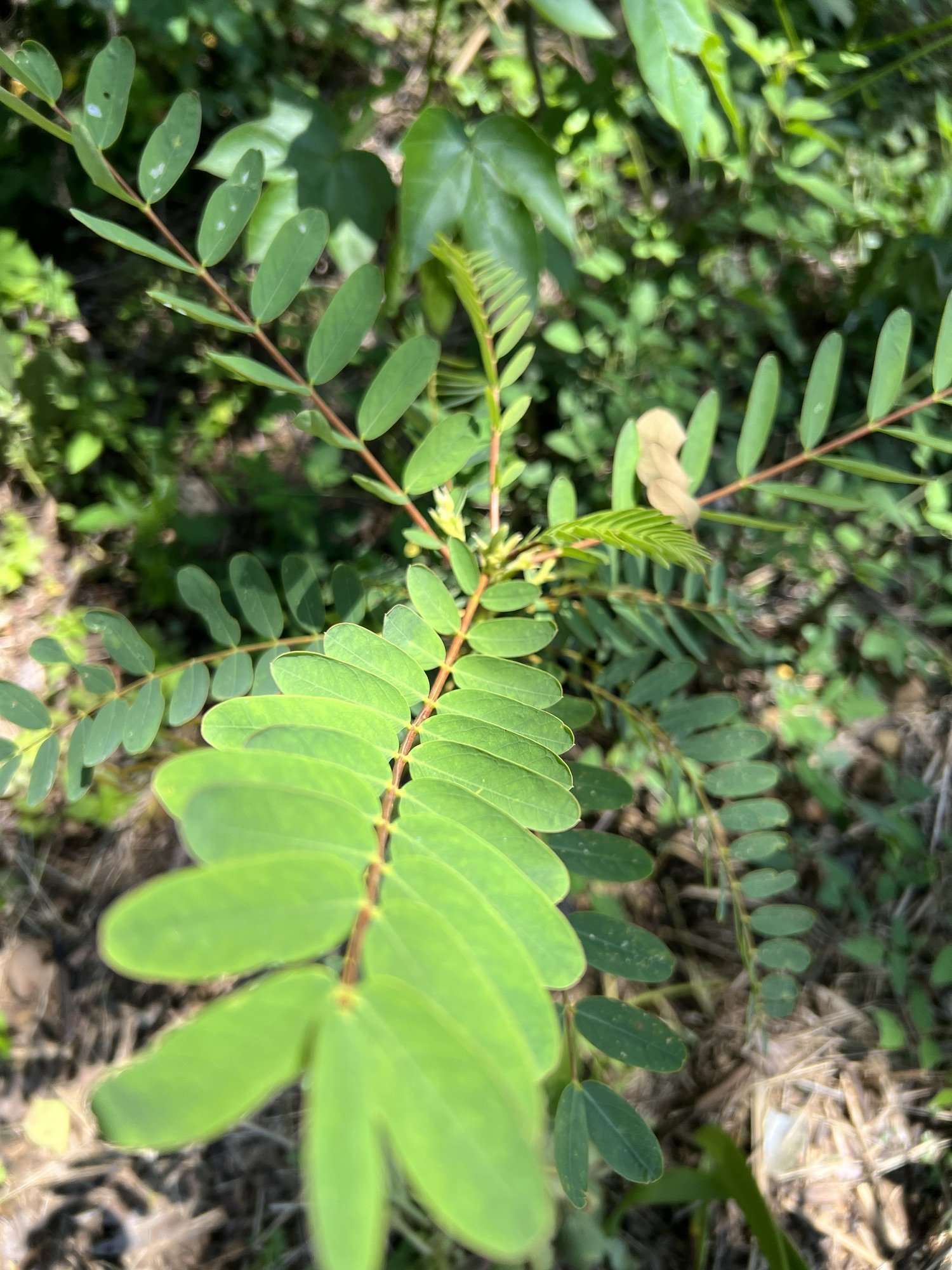
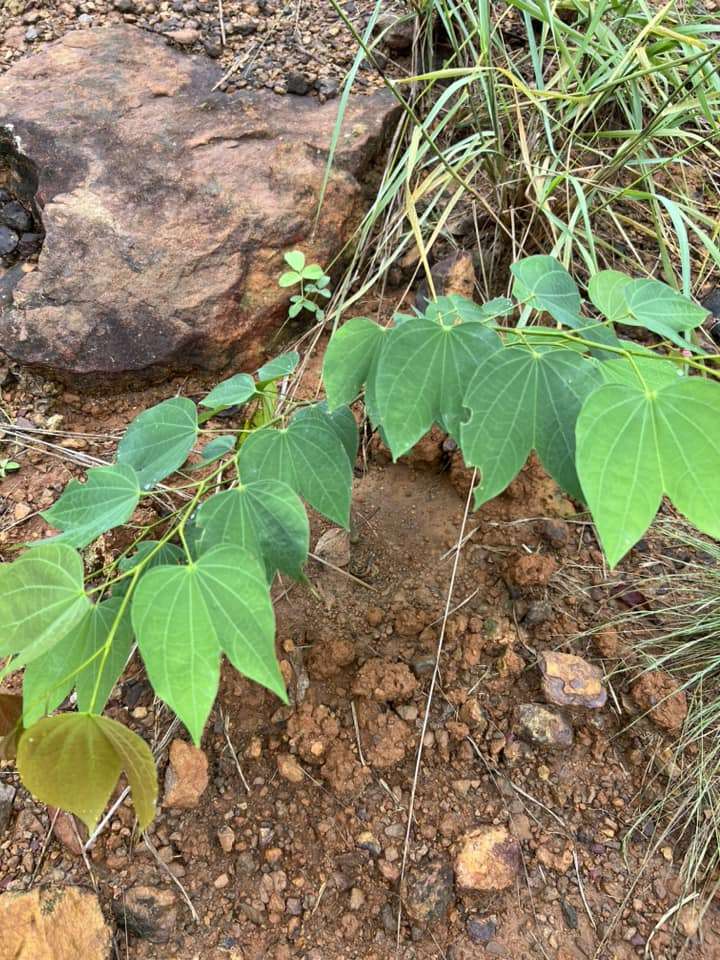
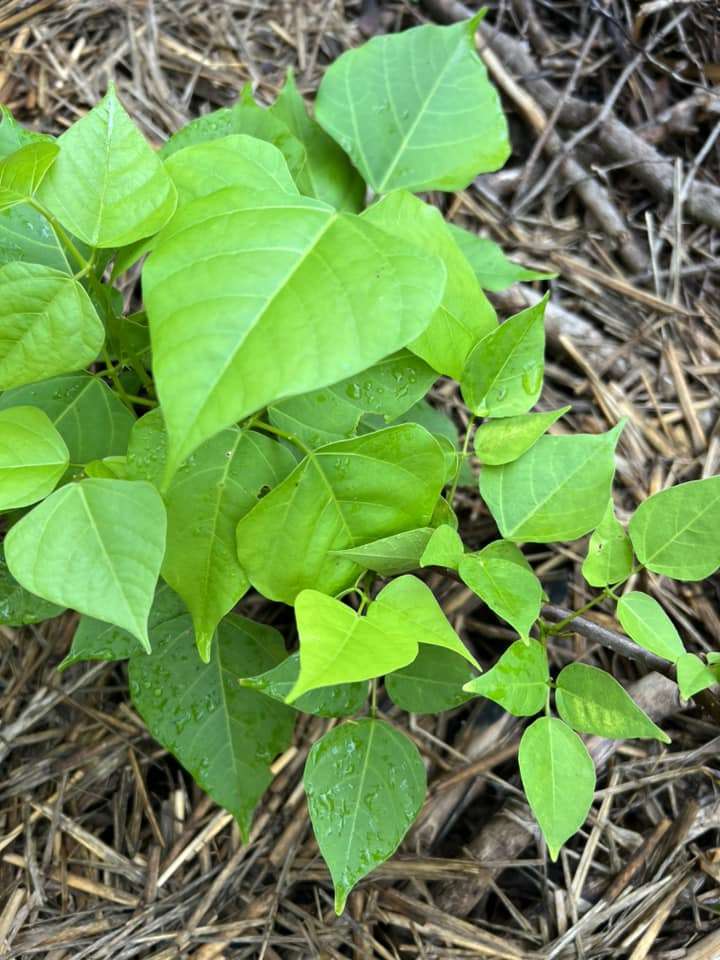
The photos are from the last couple of weeks on Milagros, most around the house and a few of the newly planted trees in the wilderness zone.
See below for a list of plants and more info.
MORE INFO
I asked ChatGPT 4o to organize the food-producing plants from the database according to their form and function, and according to nativeness within these categories. That’s the first list. I also asked for input on other topics. Since AI info isn’t always accurate, I take it all with a big grain of salt and double-check before acting on it. But it is a good starting point for exploration.
What follows is all from ChatGPT 4o based on prompts from me.
Food Forest Plant List
This list is a selection of food-producing plants suitable for Milagros, a finca located in a dry tropical forest climate at approximately 1000-1100 meters above sea level. The plants are categorized based on their form and function—ranging from fruit trees to perennial vegetables—and organized by their nativity: starting with those native to Barichara, followed by those native to the region, the Americas, and finally, non-native species from other parts of the world. Each plant has been chosen for its ability to thrive in dry conditions with minimal irrigation, making them well-suited for sustainable agriculture, food forests, and permaculture systems at Milagros.
1. Fruit Trees
- Guamo / Guamo (Inga edulis): Native to the Barichara region. Nitrogen-fixing tree producing sweet, edible pods. Drought-tolerant and thrives in dry tropical climates.
- Mora local / Mora local, Agraz (Sageretia elegans): Native to Barichara. Produces small, tart fruits. Highly drought-tolerant and adapted to the local climate.
- Guáimaro / Maya nut (Brosimum alicastrum): Native to the Barichara region. A drought-tolerant tree producing nutritious seeds used as food. Thrives in tropical dry forests.
- Anón / Sugar Apple (Annona squamosa): Native to the region. Produces sweet, custard-like fruit. Tolerates drought once established.
- Guanábana / Soursop (Annona muricata): Native to the region. Large tree producing sweet-sour fruit. Tolerates occasional drought.
- Guava / Guayaba (Psidium sp.): Native to the Americas. Hardy tree producing nutritious fruits high in vitamin C. Drought-tolerant once established.
- Papaya / Papaya (Carica papaya): Native to the Americas. Fast-growing tree producing vitamin-rich fruit. Tolerates dry conditions with some irrigation.
- Mamoncillo / Mamón, Quenepa (Melicoccus bijugatus): Native to Central and South America. Drought-tolerant tree producing tart fruits.
- Jocote / Ciruela (Spondias purpurea): Native to Central and South America. Produces small, tart fruits. Highly drought-tolerant.
- Pitanga / Surinam Cherry (Eugenia uniflora): Native to South America. Small, drought-tolerant tree producing red, cherry-like fruits.
- Copoazu / Copoazú (Theobroma grandiflorum): Native to the Amazon. Produces large, sweet fruit. Can adapt to drier conditions with proper management.
- Mango / Mango dulce (Mangifera indica): Non-native, originally from South Asia. Large tropical tree producing juicy, sweet fruits. Drought-tolerant once established.
- Avocado / Aguacate (Persea americana): Native to Central America. Nutrient-rich fruit tree. Tolerates dry conditions with occasional irrigation.
- Banana / Banano (Musa spp.): Non-native, originally from Southeast Asia. Produces fruit in warm climates. Requires more moisture but can survive dry spells once established.
- Tamarind / Tamarindo (Tamarindus indica): Non-native, originally from Africa. Drought-tolerant tree producing tangy, edible pods.
- Pomegranate / Granada (Punica granatum): Non-native, originally from Persia. Highly drought-tolerant tree producing nutrient-rich fruits.
- Lime / Limón criollo (Citrus aurantiifolia): Non-native, originally from Southeast Asia. Drought-tolerant citrus tree producing tart fruits.
- Lemon / Limonero (Citrus limon): Non-native, originally from Asia. Moderately drought-tolerant citrus tree producing sour fruits.
- Orange / Naranjo (Citrus sinensis): Non-native, originally from Asia. Citrus tree producing sweet, juicy fruits. Tolerates some drought.
- Pitaya / Pitaya (Hylocereus spp.): Native to Central and South America. A cactus producing exotic, sweet fruits. Highly drought-tolerant.
2. Vegetables
- Cassava / Yuca (Manihot esculenta): Native to South America. Drought-tolerant root vegetable growing well in poor soils.
- Chayote / Chayote (Sechium edule): Native to Central America. Climbing plant producing edible green fruits. Moderately drought-tolerant.
- Malanga / Malanga (Xanthosoma sagittifolium): Native to South America. Drought-tolerant root vegetable thriving in poor soils.
- Jícama / Jícama (Pachyrhizus erosus): Native to Central America. Drought-tolerant root vegetable producing crunchy tubers.
- Tomato / Tomate (Solanum lycopersicum): Native to South America. Grows well in dry climates with periodic irrigation.
- Chili Pepper / Ají, Chile (Capsicum spp.): Native to Central and South America. Heat-tolerant, drought-resistant plants producing spicy fruits.
- Sweet Pepper / Pimentón (Capsicum annuum): Native to Central and South America. Thrives in warm, dry climates with minimal water.
- Squash / Calabaza (Cucurbita pepo): Native to the Americas. Drought-tolerant vegetable producing large, edible gourds.
- Okra / Quimbombó (Abelmoschus esculentus): Non-native, originally from Africa. Heat-tolerant and drought-resistant vegetable producing edible pods.
- Eggplant / Berenjena (Solanum melongena): Non-native, originally from Asia. Produces large, glossy fruits. Tolerates heat and drought with occasional watering.
3. Grains and Cereals
- Amaranth / Amaranto (Amaranthus spp.): Native to the Americas. Drought-tolerant grain high in protein, thrives in dry, hot climates.
- Quinoa / Quinua (Chenopodium quinoa): Native to the Andes in South America. Highly nutritious and drought-tolerant grain.
- Maize / Maíz (Zea mays): Native to Central America. Staple grain that performs well in dry tropical climates.
- Sorghum / Sorgo (Sorghum bicolor): Non-native, originally from Africa. A drought-resistant cereal grain thriving in hot, dry areas.
- Millet / Mijo (Pennisetum glaucum): Non-native, originally from Africa. Highly drought-tolerant grain that grows well in poor, dry soils.
4. Legumes
- Guamo / Guamo (Inga edulis): Native to the region. Nitrogen-fixing tree producing sweet, edible pods. Thrives in dry conditions.
- Moringa / Moringa (Moringa oleifera): Non-native, originally from India. Highly drought-tolerant tree producing edible leaves and pods.
- Pigeon Pea / Guandul (Cajanus cajan): Non-native, originally from Africa. Nitrogen-fixing legume that improves soil fertility and produces edible pods.
- Cowpea / Frijol de carita (Vigna unguiculata): Non-native, originally from Africa. Drought-tolerant legume improving soil and providing edible beans.
- Common Bean / Frijol común (Phaseolus vulgaris): Native to the Americas. Staple legume crop growing well in warm climates with occasional watering.
- Jack Bean / Frijol Canavalia (Canavalia ensiformis): Native to Central and South America. Nitrogen-fixing bean thriving in poor soils and dry conditions.
- Algarrobo / Algarrobo (Prosopis juliflora): Native to the Americas. Nitrogen-fixing tree producing edible pods, highly drought-tolerant.
5. Nuts and Seeds
- Guáimaro / Maya nut (Brosimum alicastrum): Native to the Barichara region. Drought-tolerant tree producing nutritious seeds used as food. Thrives in tropical dry forests.
- Sacha Inchi / Inca Peanut (Plukenetia volubilis): Native to the Amazon. Fast-growing, drought-tolerant vine producing nutrient-rich seeds.
- Pecan / Pacana (Carya illinoinensis): Native to North America. Drought-tolerant tree producing edible nuts.
- Andean Walnut / Nogal de los Andes (Juglans neotropica): Native to South America. Drought-tolerant walnut tree producing edible nuts.
- Macadamia / Macadamia (Macadamia integrifolia): Non-native, originally from Australia. Nut-bearing tree that is moderately drought-tolerant once established.
- Pistachio / Pistacho (Pistacia vera): Non-native, originally from Central Asia. Drought-tolerant tree producing edible nuts.
- Almendro / Almond Tree (Prunus dulcis): Non-native, originally from Southeast Asia. Tree producing edible almonds, moderately drought-tolerant.
6. Herbs and Spices
- Epazote / Epazote (Dysphania ambrosioides): Native to the region. A drought-tolerant herb commonly used in Latin American cooking.
- Oregano / Orégano (Origanum vulgare): Non-native, originally from the Mediterranean. Drought-tolerant herb used in cooking and medicinal preparations.
- Thyme / Tomillo (Thymus vulgaris): Non-native, originally from the Mediterranean. Aromatic herb that thrives in dry, sunny conditions.
- Basil / Albahaca (Ocimum basilicum): Non-native, originally from Southeast Asia. Heat-tolerant herb often used in cooking, grows well in warm, sunny climates.
- Cilantro / Cilantro (Coriandrum sativum): Non-native, originally from the Mediterranean. A versatile herb that grows well in warm climates and tolerates dry conditions.
- Rosemary / Romero (Rosmarinus officinalis): Non-native, originally from the Mediterranean. A drought-resistant herb thriving in hot, dry environments.
- Turmeric / Cúrcuma (Curcuma longa): Non-native, originally from South Asia. A root spice commonly used in cooking. Grows well in tropical climates and can adapt to dry conditions with some irrigation.
- Ginger / Jengibre (Zingiber officinale): Non-native, originally from Southeast Asia. A root spice thriving in tropical climates, can adapt to dry conditions with some irrigation.
7. Tuber and Root Crops
- Cassava / Yuca (Manihot esculenta): Native to South America. Drought-tolerant root crop growing well in poor soils.
- Malanga / Malanga (Xanthosoma sagittifolium): Native to South America. Drought-tolerant root vegetable thriving in poor soils.
- Sweet Potato / Batata (Ipomoea batatas): Native to South America. Drought-tolerant root vegetable that thrives in warm climates with minimal water.
- Taro / Malanga (Colocasia esculenta): Native to Southeast Asia. Root vegetable that prefers moisture but can tolerate dry spells.
8. Leafy Greens
- Moringa / Moringa (Moringa oleifera): Non-native, originally from India. Highly drought-tolerant tree with edible leaves. Valuable in dry climates.
- Chaya / Spinach Tree (Cnidoscolus aconitifolius): Native to Central America. Drought-tolerant shrub with highly nutritious edible leaves.
- Amaranth Greens / Verdolaga (Amaranthus spp.): Native to the Americas. Heat-tolerant leafy greens that grow well in dry soils.
9. Perennial Vegetables
- Chayote / Chayote (Sechium edule): Native to Central America. Climbing plant producing edible green fruits. Moderately drought-tolerant.
- Perennial Beans / Frijoles perennes (Phaseolus polystachios): Native to the Americas. Nitrogen-fixing, drought-resistant beans that grow year-round.
- Asparagus / Espárrago (Asparagus officinalis): Non-native, originally from Europe. Perennial vegetable that tolerates poor soils and dry conditions.
- Nopal / Nopal (Prickly Pear Cactus) (Opuntia spp.): Native to the Americas. Drought-tolerant cactus producing edible pads and fruits.
10. Vines and Climbers
- Passion Fruit / Maracuyá (Passiflora edulis): Native to South America. A climbing vine producing sweet fruits, moderately drought-tolerant.
- Chayote / Chayote (Sechium edule): Native to Central America. Drought-tolerant climbing plant producing edible fruits.
- Bitter Melon / Melón amargo (Momordica charantia): Non-native, originally from Asia. Climbing plant producing bitter fruits, thrives in hot, dry climates.
- Grapes / Uvas (Vitis vinifera): Non-native, originally from the Mediterranean. Drought-tolerant vine producing sweet or tart fruits.
- Calabash / Calabaza de peregrino (Lagenaria siceraria): Non-native, originally from Africa. Drought-tolerant vine producing hard-shelled gourds.
11. Berries
- Mora local / Mora local, Agraz (Sageretia elegans): Native to Barichara. Produces small, tart fruits and is highly drought-tolerant.
- Pitanga / Surinam Cherry (Eugenia uniflora): Native to tropical America. Small, drought-tolerant tree producing red, cherry-like fruits.
- Goji Berry / Goji (Lycium barbarum): Non-native, originally from Asia. Drought-tolerant plant producing nutrient-rich red berries.
- Mulberry / Mora (Morus): Non-native, originally from Asia. Tree producing sweet berries, moderately drought-tolerant.
- Cape Gooseberry / Uchuva (Physalis peruviana): Native to South America. Drought-tolerant plant producing small, golden fruits.
- Arazá / Arazá (Eugenia stipitata): Native to the Amazon. Produces sour guava-like fruits. Thrives in tropical climates but may need irrigation during dry spells.
By focusing on drought-tolerant species—many of which are native to the region or the Americas—this plant list provides a solid foundation for creating a resilient, productive ecosystem at Milagros. Whether you’re cultivating fruit trees, growing vegetables, or establishing perennial crops, these plants will contribute to a healthy, self-sustaining food forest. Combining both native and well-adapted non-native species allows for a rich diversity that supports not only food production but also soil health, wildlife habitats, and biodiversity restoration.
Dry Tropical Forests: Regeneration and Creating a Food Forest
Characteristics of Dry Tropical Forests
Dry tropical forests are ecosystems that experience distinct wet and dry seasons, with annual rainfall ranging from 500 mm to 2,000 mm, most of which falls during a short wet season. These forests are typically found in regions like the dry tropics of Central and South America, Africa, Asia, and parts of the Caribbean. The vegetation is adapted to long periods of drought and high temperatures, with many species shedding leaves during the dry season to conserve water. Soils in these areas can be poor in nutrients, and the forests are often degraded due to agriculture, overgrazing, and deforestation.
Regeneration in Dry Tropical Forests
Restoring dry tropical forests requires special attention to the challenges of the climate, such as long dry periods, poor soils, and the risk of erosion. Regeneration efforts typically focus on reintroducing native species and improving soil health, often through methods that mimic natural processes.
Key strategies for regeneration include:
- Native Species Selection: Native plants are naturally adapted to the local climate and are essential for ecological balance. Reintroducing these plants supports biodiversity and helps restore ecosystem functions. In areas like Milagros, native plants such as grosellas, pitangas, and native vines can be used to regenerate the landscape while creating productive food sources.
- Water Management: In dry tropical regions, managing water is critical. Techniques such as building swales, planting along contour lines, and collecting rainwater can slow down water runoff, improve water infiltration, and reduce erosion. These methods are especially important during the rainy season, ensuring that water is stored in the soil and available during the dry season.
- Soil Restoration: Soil health is often compromised in degraded dry forests. Adding organic matter, such as compost or mulch, can improve soil structure, retain moisture, and foster a healthy microbial ecosystem.
- Succession Planting: Regeneration efforts often start with fast-growing pioneer species that improve soil and provide shade for more sensitive plants. These early colonizers help reduce evaporation, prevent soil erosion, and create microclimates that support a greater diversity of life. As the system matures, slower-growing, long-lived trees can be introduced.
- Wildlife Habitat Creation: A key goal of regeneration is to provide habitat for local wildlife. In dry tropical forests, animals such as birds, reptiles, and pollinators play an important role in seed dispersal and maintaining the health of the ecosystem. Encouraging biodiversity through native plants and providing shelter and food for wildlife helps create a self-sustaining ecosystem.
Creating a Food Forest in Dry Tropical Forests
A food forest is a diverse, multilayered system designed to mimic the natural structure of a forest while providing food, medicine, and other resources. Creating a food forest in a dry tropical forest combines the principles of regeneration with food production, focusing on resilience and sustainability in a challenging climate.
Key elements of a food forest in this context include:
- Layered Structure: A food forest incorporates plants of different heights and functions, from tall trees to ground covers, to maximize space and resource use. In a dry tropical forest, this might include native fruit trees, such as grosellas (Surinam cherries) or mora local (agraz), alongside nitrogen-fixing plants like guamo to improve soil fertility. Bushes, vines, and herbaceous plants can add diversity, while ground covers help reduce water loss.
- Drought-Resistant Species: Choosing plants that are drought-resistant is essential in dry tropical regions. Many native plants, such as cacti, succulents, and certain fruit trees, are well adapted to the dry conditions. Non-native species that thrive in similar climates, such as moringa or certain varieties of bananas, can also be incorporated.
- Water-Efficient Design: Integrating water management techniques, such as rainwater harvesting, drip irrigation, and mulching, helps reduce water use. Mulch can be applied generously to retain soil moisture and protect plant roots from the harsh sun during the dry season.
- Agroforestry Techniques: Agroforestry combines trees with crops, improving biodiversity and providing multiple benefits, such as shade, wind protection, and nutrient cycling. Trees like macadamia, pecan, and sacha inchi could be integrated with annual crops like beans and herbs in the early stages of forest establishment.
- Resilience and Diversity: A key principle in food forests is creating a resilient system that can withstand environmental stresses like drought, pests, or changing climates. By focusing on biodiversity, planting a wide range of species, and creating a balanced ecosystem, the food forest becomes more self-sustaining and requires less maintenance over time.
- Wildlife-Friendly: As in natural regeneration, food forests in dry tropical regions should also aim to support local wildlife. Native fruiting plants attract birds and pollinators, and incorporating water features or leaving some areas of the forest wild can enhance biodiversity and ecological balance.
Conclusion
Creating a food forest in a dry tropical forest involves working with nature to restore ecosystems, build soil health, and foster biodiversity while providing food and resources for humans and animals alike. By focusing on native species, sustainable water management, and a diverse plant structure, a regenerative food forest can thrive even in the challenging conditions of a dry tropical climate.
Native Plants for Reforestation and Food Forest
This list suggests native plant species suitable for reforesting the dry tropical forest at Milagros. These plants, which include trees, shrubs, vines, and ground cover, are carefully selected for their adaptability to the local ecosystem and their ability to improve soil health, promote biodiversity, and support the natural recovery of the forest. By focusing on native species—especially those from Barichara and surrounding areas—this reforestation effort will help restore the natural balance of the landscape while providing essential resources for wildlife and ecological sustainability.
Trees
- Guáimaro / Maya Nut (Brosimum alicastrum)
- A keystone species in dry forests, providing nutritious fruits and excellent shade. Essential for wildlife and ecosystem health.
- Native to Barichara region.
- Indio Desnudo / Gumbo Limbo (Bursera simaruba)
- A drought-tolerant tree with peeling bark, commonly found in dry tropical forests. Provides habitat and helps restore degraded lands.
- Native to Barichara region.
- Búcaro (Erythrina fusca)
- A nitrogen-fixing tree with bright red flowers, improving soil and attracting pollinators. Often found in reforestation projects.
- Native to Barichara region.
- Guásimo / West Indian Elm (Guazuma ulmifolia)
- A fast-growing tree often used for reforestation and agroforestry in dry tropical regions. Produces small fruits and provides shade.
- Native to Barichara region.
- Yarumo / Trumpet Tree (Cecropia peltata)
- A pioneer species crucial for forest recovery. Its large leaves provide shade and attract wildlife.
- Native to Barichara region.
- Matarratón / Quickstick (Gliricidia sepium)
- A fast-growing, nitrogen-fixing tree used for soil improvement, animal fodder, and reforestation. Thrives in degraded soils.
- Native to Barichara region.
- Guamo / Ice Cream Bean (Inga edulis)
- Produces long pods with sweet edible pulp. Widely used in agroforestry for soil enrichment and shade.
- Native to Barichara region.
- Guamo / Ice Cream Bean (Inga vera)
- Another variety of Ice Cream Bean, also nitrogen-fixing and used in agroforestry.
- Native to Barichara region.
- Caracolí / Wild Cashew (Anacardium excelsum)
- Thrives in poor soils, providing habitat for wildlife and food through its cashew-like seeds. Often found in dry forests.
- Native to Barichara region and other parts of Colombia.
- Cucharo / Panama Tree (Quararibea asterolepis)
- Produces edible fruits and has medicinal uses. It plays an important role in reforestation of dry tropical forests.
- Native to Barichara region.
- Ceiba Bonga (Ceiba pentandra)
- A large iconic tree with buttress roots, offering significant ecological value. Often used in reforestation for its role in ecosystem recovery.
- Native to Barichara region.
- Jagua / Genipa (Genipa americana)
- Produces edible fruits and natural dyes. This tree is crucial for biodiversity and ecosystem restoration in tropical forests.
- Native to Barichara region.
- Guayacán / Lignum Vitae (Guaiacum officinale)
- A dense hardwood tree, known for its durability and ecological importance. Plays a vital role in dry forest ecosystems.
- Native to Barichara region.
- Guayacán Amarillo / Golden Trumpet Tree (Handroanthus chrysanthus)
- A drought-resistant tree known for its vibrant yellow flowers. Often used in ornamental landscaping and reforestation.
- Native to Barichara region.
- Galapo (Albizia carbonaria)
- A tree with delicate fern-like leaves, improving soil health through nitrogen fixation.
- Native to other parts of Colombia.
- Nauno / Chime Tree (Albizia guachapele)
- A nitrogen-fixing tree providing shade and enriching the soil. Often used in agroforestry systems.
- Native to other parts of Colombia.
- Hueso (Albizia niopoides)
- A fast-growing tree, valuable for its ability to fix nitrogen and support other vegetation.
- Native to other parts of Colombia.
- Cavanillesia (Cavanillesia chicamochae)
- A large tree, important for dry tropical forest reforestation projects, particularly suited for degraded lands.
- Native to other parts of Colombia.
- Roble Colombiano / Colombian Oak (Quercus humboldtii)
- A hardwood tree critical for biodiversity. Commonly used for timber production and forest regeneration in Colombia.
- Native to other parts of Colombia.
- Ceiba Amarilla o Tronador (Hura crepitans)
- A fast-growing species, used in reforestation for its unique height and trunk structure.
- Native to other parts of Colombia.
- Móncora o Nogal Cafetero (Cordia alliodora)
- A valuable timber tree, often planted in agroforestry systems for its fast growth and soil improvement properties.
- Native to other parts of Colombia.
- Bailador / Muskwood (Guarea guidonia)
- A hardwood tree commonly used for timber and forest restoration.
- Native to other parts of Colombia.
- Abarco (Cariniana pyriformis)
- A hardwood tree known for its high-quality timber, often used in forest restoration projects.
- Native to other parts of Colombia.
- Cucharo (Myrsine guianensis)
- Provides excellent cover and plays a role in restoring ecosystems through its soil-improving abilities.
- Native to other parts of Colombia.
- Yopo (Anadenanthera peregrina)
- A nitrogen-fixing tree with traditional medicinal uses. It improves soil quality and helps in reforestation.
- Native to other parts of Colombia.
- Pejibaye / Peach Palm (Bactris gasipaes)
- A palm that produces edible fruits and is widely used in agroforestry and reforestation projects.
- Native to other parts of Colombia.
- Ceiba Verde (Pseudobombax septenatum)
- A tree important for water retention in dry forests, commonly used in reforestation efforts.
- Native to other parts of Colombia.
Bushes / Shrubs
- Mora local (Agraz) (Sageretia elegans)
- A shrub producing small, edible berries, important for wildlife and controlling erosion.
- Native to Barichara region.
- Chicalá / Firebush (Hamelia patens)
- A shrub with bright red flowers that attract pollinators, contributing to ecosystem recovery.
- Native to Barichara region.
- Clavellino / Peacock Flower (Caesalpinia pulcherrima)
- An ornamental shrub with striking flowers, commonly used in forest restoration and landscaping.
- Native to other parts of Colombia.
- Chilco (Baccharis sp.)
- A hardy shrub thriving in harsh conditions, useful in improving biodiversity and reforestation efforts.
- Native to Barichara region.
- Guamo Macho / American Beautyberry (Cupania americana)
- Produces small edible fruits, beneficial for wildlife and often found in secondary forests.
- Native to other parts of Colombia.
- Arrayán (Calycolpus moritzianus)
- A small tree or shrub known for its berries and medicinal properties, contributing to forest regeneration.
- Native to other parts of Colombia.
Vines
- Maracuyá / Passion Fruit (Passiflora edulis)
- A fast-growing vine producing edible fruits, used in agroforestry and providing food for pollinators.
- Native to Barichara region.
- Sacha Inchi / Inca Peanut (Plukenetia volubilis)
- A climbing vine producing nutritious seeds, often planted for soil improvement and agroforestry.
- Native to other parts of Colombia.
Flowers / Groundcover
- Bromeliads (Bromeliaceae spp.)
- Ground-growing or epiphytic plants that retain moisture and provide excellent ground cover in reforestation.
- Native to Barichara region.
- Cúrcuma / Turmeric (Curcuma longa)
- A herbaceous plant with vibrant yellow flowers and edible rhizomes, suitable for shaded areas in agroforestry.
- Native to other parts of Colombia.
Palms
- Coroso (Acrocomia aculeata)
- A palm producing oil-rich fruits, thriving in dry tropical ecosystems and providing habitat for wildlife.
- Native to Barichara region.
- Pejibaye / Peach Palm (Bactris gasipaes)
- Produces edible fruits and is valuable in agroforestry and reforestation efforts.
- Native to other parts of Colombia.
This list of native species provides a foundation for regenerating the dry tropical forest at Milagros, ensuring long-term sustainability and resilience. By integrating plants that are well-adapted to the local environment, particularly those native to Barichara, the project will foster a thriving ecosystem that supports both biodiversity and human use. These species will contribute to soil enrichment, water retention, habitat restoration, and the overall health of the forest.
Helper Plants for the Food Forest
Creating a resilient and thriving food forest involves more than just planting fruit trees. Incorporating “helper plants” is essential for building a healthy ecosystem that supports soil fertility, encourages biodiversity, and naturally repels pests. These plants, which include nitrogen fixers, dynamic accumulators, pollinator attractors, and pest repellents, work together to create a balanced and self-sustaining environment. By adding these key species to your food forest, you’ll not only improve the health of your plants but also enhance the long-term productivity of the land. Below is a list of helpful companion plants tailored to your dry tropical forest in Barichara.
Nitrogen Fixers (Improving Soil Fertility)
- Ice Cream Bean / Guama (Inga edulis)
- A fast-growing tree that fixes nitrogen, improves soil fertility, and provides shade. Its long pods contain sweet, edible pulp, which is also great for attracting wildlife.
- Acacia / Acacia (Acacia spp.)
- Known for its resilience in dry, tough soils, this tree adds nitrogen to the soil, improving its fertility. It’s also valuable for providing shade and wood.
- Andean Lupin / Lupino (Lupinus mutabilis)
- A nitrogen-fixing legume that improves soil and grows well in various conditions. It also produces edible seeds and beautiful flowers that attract pollinators.
- Leucaena / Leucaena (Leucaena leucocephala)
- A versatile nitrogen-fixing tree that grows rapidly and provides excellent mulch. It is often used for shade, fodder, and erosion control.
- Sunn Hemp / Crotalaria (Crotalaria juncea)
- This nitrogen-fixing plant is great for improving soil health, suppressing weeds, and attracting beneficial insects with its bright yellow flowers.
- Guaje / Guaje (Leucaena esculenta)
- A leguminous tree that fixes nitrogen and produces edible seeds in long pods. It helps improve soil structure and provides food for both people and wildlife.
Dynamic Accumulators (Bringing Nutrients from Deep Soil)
- Drumstick Tree / Moringa (Moringa oleifera)
- A nutrient-dense tree that accumulates vitamins and minerals, especially potassium and calcium, from deep in the soil. It also provides edible leaves and seeds.
- Comfrey / Consuelda (Symphytum officinale)
- This herbaceous plant is a powerhouse for nutrient cycling. Its deep roots mine for potassium, phosphorus, and calcium, which it then brings to the surface. It’s often used in composting and as a mulch.
- Yacon / Yacón (Smallanthus sonchifolius)
- A root crop that accumulates nutrients while also providing edible tubers. It’s a good companion plant for other crops, improving soil structure with its roots.
- Vetiver / Vetiver (Chrysopogon zizanioides)
- A grass with deep roots that help prevent erosion and accumulate nutrients. It’s widely used in tropical areas for stabilizing soil and improving water retention.
- Alfalfa / Alfalfa (Medicago sativa)
- A leguminous plant that fixes nitrogen and accumulates essential nutrients like calcium, magnesium, and phosphorus. It’s an excellent cover crop and mulch plant.
Pollinator Attractors (Supporting Biodiversity)
- Marigold / Caléndula (Tagetes spp.)
- This bright flower is not only a great pollinator attractor but also repels pests. It’s commonly used in companion planting to protect nearby crops.
- Sunflower / Girasol (Helianthus annuus)
- Sunflowers are excellent for attracting bees, birds, and beneficial insects. They also help break up compacted soils with their deep roots.
- Cosmos / Cosmos (Cosmos bipinnatus)
- This drought-tolerant flower blooms abundantly, attracting bees, butterflies, and other pollinators. It thrives in poor soils, making it a great companion in arid climates.
- Bee Balm / Toronjil (Monarda didyma)
- A vibrant flower that attracts bees, hummingbirds, and butterflies. It is also used in herbal medicine and grows well in both sun and partial shade.
- Borage / Borraja (Borago officinalis)
- This plant not only attracts bees with its blue, star-shaped flowers but also improves soil by accumulating potassium. It’s a great companion plant for many vegetables.
Pest Repellents
- Lemongrass / Hierba de Limón (Cymbopogon citratus)
- Known for its mosquito-repelling properties, lemongrass is a useful plant to have in tropical gardens. It also adds a citrus flavor to culinary dishes.
- Chrysanthemum / Crisantemo (Chrysanthemum spp.)
- These flowers contain natural pyrethrins, which are used in organic pest control. Chrysanthemums help deter a wide variety of insects while adding beauty to the garden.
- Mint / Menta (Mentha spp.)
- Mint is a great companion plant, repelling pests like ants, aphids, and cabbage moths. It’s easy to grow and can spread quickly, so it’s best to plant it in containers or controlled areas.
These helper plants will create a resilient, thriving ecosystem, supporting the health and productivity of your food forest while improving biodiversity and soil health.
The Importance of Diversity in a Food Forest
In a food forest, diversity is key to creating a thriving and sustainable ecosystem. By mimicking the layers and complexity of natural forests, a food forest with a wide range of plants, animals, and microorganisms can offer numerous benefits. Whether it’s improving resilience, supporting wildlife, or enhancing soil health, the more diversity in a food forest, the stronger and more productive it becomes. Here’s why having as much diversity as possible is essential to a successful food forest.
Enhanced Resilience
Diversity in a food forest promotes resilience by ensuring that the system can withstand various challenges. A wide variety of plants means that if one species struggles due to pests, disease, or climate changes, others can thrive. This natural insurance makes the food forest more sustainable and adaptable over time.
Soil Health and Fertility
Different plants have unique root systems and nutrient needs, contributing to healthier soil. Deep-rooted trees pull nutrients from the subsoil, while shallow-rooted plants prevent erosion. Leguminous plants can fix nitrogen, enriching the soil for other crops. The diversity of plants creates a balanced ecosystem that supports long-term soil fertility.
Pest and Disease Management
Monocultures often attract pests and diseases because they provide a concentrated food source. In contrast, a diverse food forest confuses pests by creating a more complex environment. Companion planting can naturally repel harmful insects, while attracting beneficial predators, reducing the need for chemical interventions.
Maximized Use of Resources
In a diverse food forest, plants with different needs and characteristics coexist harmoniously. Shade-tolerant plants grow beneath taller trees, while sun-loving plants thrive in open spaces. This layered approach mimics natural ecosystems, allowing for better use of sunlight, water, and nutrients, maximizing the yield from the land.
Improved Habitat for Wildlife
A diverse range of plants attracts a wider variety of wildlife, including pollinators like bees, butterflies, and birds. These creatures play a critical role in the ecosystem by pollinating plants and controlling pests. In turn, a healthy wildlife population supports the overall health and productivity of the food forest.
Nutritional Variety
By growing a wide range of plants, a food forest can provide a more diverse array of foods. This not only enhances the diet of those who rely on the food forest but also offers resilience against food shortages, as different plants produce at different times of the year.
Climate Mitigation
A diverse food forest can help mitigate the effects of climate change. Different plants absorb carbon at varying rates, and a well-planned food forest can act as a carbon sink. Additionally, diverse ecosystems tend to create microclimates, which can help moderate temperature extremes, improving the overall environment for both plants and animals.
Sustainable and Self-Supporting System
Diversity creates a self-supporting ecosystem. As plants and animals interact, they create natural cycles of growth, decay, and renewal. This reduces the need for external inputs like fertilizers or pesticides, making the system more sustainable and reducing the ecological footprint of food production.
In summary, diversity in a food forest leads to a more resilient, productive, and sustainable ecosystem, capable of supporting itself while providing food, shelter, and environmental benefits for generations.