A long time ago not so far away….
A PLANET CAME TO LIFE
There was a planet that had come to life. It formed itself into vibrant and rich ecosystems and evolved and changed over millions of years.
ONE PART OF THIS PLANET
One expression of this living planet, one animal, lived like any other animal. They lived from what they found around them in nature. They were nature and lived as nature. They saw themselves as part of nature and the web of life. They lived an indigenous life.
THE BIRTH OF AGRICULTURE
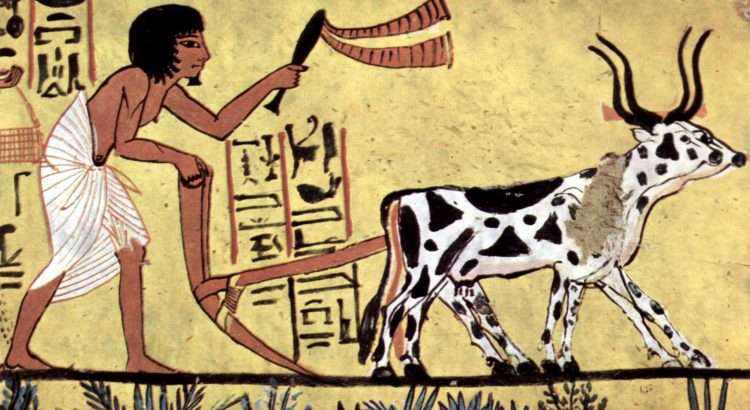
At some point, this one type of animal learned how to grow food and settled down to take care of the crops.
At first, they did this to have food more steadily available. Maybe they had experienced a great hunger – the plants and animals they had relied on for food had gone away for one or several seasons – so they wanted to see if they could find another way.
With this one change, settling down to plant and take care of crops, a lot of other things changed.
THE ODDITY OF THIS NEW WAY OF LIFE
Some realized they could take control of land to grow food. Some also domesticated animals. They started trading the food they grew with other things. They amassed both food and things and a few became wealthy.
Others did not – maybe they couldn’t or wouldn’t because it didn’t make sense to them.
This was all a very odd turn of events. It was all new. It was strange to all of them.
Before, they all lived together. They gathered food together, hunted together, and shared what they had. They had just the most simple things as their own. They were all equal in the most essential ways.
And now, some of them suddenly were in a different position. They had leverage. They took control over land and things, other species, and even others of their own kind, in a way nobody had done before and nobody had even conceived of before.
CREATING IDEOLOGIES TO JUSTIFY THE NEW INEQUALITY
The ones who took control of what was previously shared had a problem. How could they justify the new inequality? How could they justify their new position? How could they justify controlling the land which previously just lived its own life? How could they justify amassing so many things? How could they justify controlling others of their own kind?
How could they make it seem natural and right?
They did it by imagining ideologies and finding ways to get others to buy into them. They found ways to make these ideologies seem right, good, and attractive. They found ways to make them seem inevitable.
IT WORKED: THEY BOUGHT INTO IT
At first, it was obvious that this was all imagined, and that those who took control of land and many things did it to justify what they were doing.
Although soon, it worked. They – the wealthy and the poor – started buying into these imaginations. As new generations grew up with these imaginations, they couldn’t even imagine something else. They just took these imaginations as given, as how it was, as how it should be. Even the ones that were taken advantage of by these ideologies bought into them and defended them.
The few in each generation who questioned these imaginations, and recognized them as imaginations, were ridiculed, shamed, ostracized, and punished in a variety of ways.
THE IMAGINATIONS
What were these imaginations?
There were many of them and they took many forms, although they all had one purpose: to justify this new situation. To justify the control of land and other species, and this new social inequality within their own kind.
They imagined their own kind as separate from nature. They imagined the divine rights of kings. They imagined the voice of the divine speaking through priests. They imagined laws to protect their property and position. They imagined the sacred as “out there” in an imagined god in the sky. They imagined rewards in the afterlife.
They imagined a divine order that justified social hierarchies. They imagined stories about those on top of the hierarchy – the kings, emperors, priests, and the wealthy – to make it seem as if they were inherently special and someone to look up to and admire.
They found ways to blame individuals for being at the bottom of the hierarchy instead of the system. They imagined ethics and norms that told people to stay in their place and not rock the boat. They imagined heaven and hell, and hell for those who don’t behave.
They imagined that the way to understand something is to take it apart to its smallest components.
They imagined their kind as intrinsically different from and better and more important than the rest of the web of life. They imagined a soul in themselves and no soul in other kinds of animals or nature. They imagined other kinds of animals as having no emotions or thoughts or inner life. They imagined that this justified imprisonment, slavery, and torture of beings not of their own kind.
They imagined polarities and that one is good and one is bad. They created and reinforced many polarities like this: The wild and tamed. Savagery and civilization. Man and woman. Human and animal. Civilzation and nature. White and colored. Written and oral traditions. Heaven and earth. Soul and matter. Mind and matter. True and false. Saved and doomed. Good and bad emotions.
They imagined that thoughts can hold some kind of full, final, and absolute truth. They imagined that some thoughts and perspectives are true and other thoughts are false. (Removing the curiosity to explore complexity and find the limited validity in many perspectives and a bigger and fuller picture.)
IT WORKED TOO WELL: A GLOBAL ECOLOGICAL CRISIS
This state of affairs – with almost everyone buying into, propagating, and evolving these imaginations – went on for millennia.
The imaginations took many different forms, although always on the same theme of justifying this new way of life, so different from how they all had lived in the past.
At some point, they imagined nature as infinite in its resources and capacity to absorb the waste created by their civilization, and they organized their whole economy and civilization around this idea. It worked for a while until their numbers and the power of their technology grew exponentially.
Their civilization now used far more resources than the living planet they were part of could replace, and they produced far more waste than the living planet could deal with seamlessly. The living systems of the planet started to wobble. Ecosystems were degraded. Species lost. The weather got more extreme and unpredictable. They saw and lived all the signs of a massive global ecological crisis.
Some of them recognized this, at least to some extent, and wanted to make changes. Others defended what they had been taught and the old ways of living and imagining, some because they were familiar with it and some because it justified their privileged position.
THE DELUSIONAL PRIMATE
We are, of course, this delusional animal. We are the delusional primate.
We are the expression of this living planet imagining itself as separate and imagining all these other things, and perceiving and living as if that’s how reality is.
We are the species that has become ecocidal and suicidal from taking these kinds of imaginations as reality.
HOW WILL IT UNFOLD?
How will it unfold?
Have we bought into the delusions so strongly that we are unable to make the profound changes needed to create a more ecologically sound civilization?
How bad will it get before enough of us realize the severity of the crisis and what’s needed to change it?
Will we, for very much longer, survive through it as a civilization? Or even as a species?
None of us know this, of course, we just have to live it.
HOW CAN WE WRITE A SATISFACTORY NEXT CHAPTER?
A more important question is: How can we write a satisfactory next chapter for ourselves?
One answer, at least for some of us, is to recognize these imaginations and how they came about, how they are perpetuated, and the consequences of perceiving and living from them.
We all play a small role in writing our collective chapter, and when it comes to writing our individual chapter, we play a much bigger role.
As Joanna Macy says it, we can engage in (a) actions to stop the harm, (b) developing a more life-centered worldview, and/or (c) live some of the solutions. We may not change the world (that much), but we can change our world, and that’s how the world changes.
A FEW CAVEATS
This is mostly about Western Culture, of course, which is now the dominant world culture, but it’s also to some extent about any agricultural culture. The indigenous have fully or partially been on the outside of this, which is why their perspectives are so valuable now.
It’s also a very simplistic view on what happened, and I am no scholar in this topic. Reality is always far more complex, and our view on the past reflect us more than it says something fully accurate about the past. Our views about the past, and anything, are mainly about us.
That’s also why this story can be helpful, even if it’s inaccurate and glosses over a lot of complexity. It helps us to recognize several of the assumptions we tend to operate on in our culture. It helps us see some of the limitations and downsides of these assumptions. It helps us explore other worldviews and assumptions that may be more life-centered and what we need to turn our civilization around.
EVOLUTIONARY PROCESS
I have written this in a way that contrasts the partnership and domination views and have left out of the bigger picture that embraces both. So I thought I would bring in a slightly bigger perspective.
We can see this as part of an evolutionary process. Human civilization, including the partnership-domination dynamics, is one of many ways this living evolving system is exploring itself.
Our Western civilization, with its ideas of separation, has brought science, technology, and much else of value, and we now have the opportunity to take the best from our past and create an ecological civilization.
RESOURCES
None of these are new insights. People throughout history have pointed it out, and it seems it has been especially clear to indigenous people.
I was first introduced to this view in Fritjof Capra’s Turning Point.
I have also enjoyed The Chalice and the Blade by Rianne Eisler, The Spell of the Sensuous by David Abram, Ishmael by Daniel Quinn, The Great Turning by David Korten, The Spiral Dance by Starhawk, Coming Back to Life and World as Lover, World as Self by Joanna Macy, and more.
I also found books written by indigenous people very illuminating, although I don’t really remember which books talked about what. Black Elk Speaks, Lame Deer, and The Sacred Hoop come to mind. If I am honest, I read about these themes many years ago and I am not quite up to date. (Because of my chronic illness, I have been unable to read much for the last 15-20 years.)
There are good books on this topic I haven’t read yet: Earth Democracy and Staying Alive by Vananda Shiva, The Death of Nature by Carolyn Merchant, Sacred Nature by Karen Armstrong, and When God Was a Woman by Merlin Stone. From what I know about the authors, they seem worth a read.
Read on for more info.
MORE INFO
I asked ChatGPT 4o for input on some of these themes. See below.
Mindsets Emerging from the Agricultural Revolution
The Agricultural Revolution marked not just a shift in how humans lived and sustained themselves, but also a profound transformation in how they thought about power, nature, wealth, and their place in the world. These mindsets reshaped relationships—between humans and nature, between individuals and communities, and among different social classes—forming the foundation for many of the beliefs that still influence society today. Below is an exploration of key mindsets that emerged during this period.
1. Power-Over Mindset: Control as Dominance
With agriculture came the need to control land, animals, and people to ensure productivity. This fostered a “power-over” mindset, which viewed domination as essential for survival and success.
- Land was seen as a resource to be tamed and made productive, requiring fences, irrigation, and labor to be brought under human control.
- Animals were domesticated, bred, and exploited for work, food, and trade, shifting relationships from symbiotic to exploitative.
- People were also controlled—whether through forced labor, taxation, or class hierarchies—solidifying power in the hands of those who managed resources.
This mindset not only encouraged a hierarchy among humans but also legitimized coercion and violence to maintain control, reinforcing the idea that those in power had the right to dominate others.
2. Separation from Nature: Humans Above the Natural World
Agricultural societies depended on reshaping the land to grow crops and raise animals, leading to the belief that humans were separate from, and superior to, nature.
- Nature was no longer seen as a living system to cooperate with but as something to conquer and exploit. Rivers were diverted, forests cleared, and animals bred for human use, reflecting a belief that the natural world existed primarily to serve human needs.
- The mindset of separation from nature justified overexploitation. The wild became a dangerous “other” to be subdued, while agricultural land was viewed as civilized and valuable.
This way of thinking laid the groundwork for centuries of environmental degradation, as exploitation of ecosystems became the norm. It also fostered a tendency to see nature as inert—a collection of resources rather than a dynamic, interconnected system.
3. Justification of Wealth Inequality: Hierarchies as Natural and Inevitable
The wealth generated by agriculture was not distributed evenly. Those who controlled fertile land and labor accumulated wealth, while others became dependent on them. To justify this inequality, new cultural narratives emerged:
- Religious doctrines portrayed the social hierarchy as part of the divine order, making wealth and power appear as god-given rights rather than products of exploitation.
- Cultural myths of meritocracy suggested that wealth resulted from hard work and virtue, ignoring the systemic advantages enjoyed by elites.
- Laws codified inequality, ensuring that land and wealth stayed within powerful families, creating the notion that inequality was normal and necessary for societal stability.
This mindset naturalized inequality and discouraged rebellion, as poverty was framed as either deserved or a spiritual trial.
4. Scarcity Mentality: Hoarding as Security
The unpredictability of farming—due to weather, disease, or conflict—encouraged a scarcity mindset, where storing food and wealth became a priority.
- Unlike hunter-gatherers, who lived in tune with natural cycles, agricultural societies began to hoard resources to guard against potential shortages.
- This mentality fostered competition rather than cooperation, as groups and individuals sought to accumulate as much as possible to secure their future.
The scarcity mindset fueled greed and exploitation, with elites amassing surpluses while others struggled to survive. Over time, hoarding wealth became associated with prestige and power.
5. Human Exceptionalism: A Belief in Human Supremacy
The shift to agriculture reinforced the idea that humans were exceptional, with a unique right to reshape the world to meet their needs. This mindset permeated religious, cultural, and philosophical thought:
- Many agricultural societies believed humans were the pinnacle of creation, with divine permission to dominate other species and ecosystems.
- The concept of anthropocentrism—the belief that human beings are the central or most important species—became deeply embedded, shaping how societies approached the natural world and each other.
This mindset fueled technological innovation, but it also justified destruction—from deforestation to species extinction—because non-human life was seen as less valuable.
6. Fixed Social Roles and Division of Labor
Agricultural societies introduced specialized labor, leading to rigid social roles. The division of labor fostered the belief that people were born to occupy specific roles, creating a fixed hierarchy of value.
- Farmers, artisans, priests, and warriors occupied different ranks, with religious and political elites at the top.
- Over time, the idea that one’s place in society was preordained discouraged social mobility and legitimized class divisions.
This mindset reinforced inherited privilege, ensuring that wealth and status passed through generations. It also marginalized those in lower social roles, making it difficult for them to challenge their status.
7. Patriarchal Thinking: Male Control over Land, Labor, and Society
The Agricultural Revolution also coincided with the rise of patriarchy—a system where men held power in the household and public life.
- Land ownership and inheritance systems became male-dominated, marginalizing women’s role in society.
- Women’s work, such as child-rearing and food preparation, was devalued, while men controlled wealth and public authority.
This mindset justified gender inequality by portraying male dominance as natural and necessary for the functioning of society. Over time, patriarchal norms became deeply ingrained, limiting women’s autonomy and opportunities.
8. Linear Progress and Expansion: Growth as Success
Agricultural societies began to see progress as linear, with expansion and accumulation viewed as signs of success.
- Growth—whether in terms of land, wealth, or population—was celebrated, while stagnation or decline was seen as failure.
- Societies sought to expand their territories and increase production, often at the expense of neighboring communities and ecosystems.
This mindset prioritized continuous growth and fueled conquest, colonization, and environmental exploitation, creating the conditions for both empire-building and ecological collapse.
9. Centralization of Power and Bureaucracy
Agriculture allowed for larger populations, which required more complex governance structures. The result was the centralization of power in the hands of rulers, priests, and administrators.
- Centralized control over resources, laws, and military power concentrated wealth and authority among elites.
- Bureaucracies justified their role as essential for maintaining order, reinforcing the idea that power should remain in the hands of the few.
This mindset discouraged decentralized, communal forms of governance, fostering hierarchical systems that were difficult to challenge.
10. Fear of Disorder: Social Control as a Necessity
As societies grew, elites became increasingly concerned with maintaining order and stability. They developed systems of law, punishment, and religion to control behavior.
- Religious doctrines emphasized obedience to authority and portrayed rebellion as dangerous or sinful.
- Legal systems criminalized dissent and protected the wealth of elites, ensuring that inequality could not be easily challenged.
This mindset promoted fear of disorder, framing strict social control as essential for preventing chaos and ensuring survival.
Conclusion: Long-Lasting Effects of the Agricultural Revolution Mindsets
The Agricultural Revolution gave rise to mindsets that continue to shape societies today. From the power-over mentality to the belief in human exceptionalism and wealth inequality as natural, these ways of thinking justified social hierarchies, environmental exploitation, and economic disparity. Many of these mindsets are still present in modern economic systems, political ideologies, and cultural narratives, contributing to ongoing challenges like environmental degradation, social inequality, and unsustainable growth. Understanding the origins of these mindsets can help us question them, offering opportunities to develop more equitable and sustainable ways of thinking and living.
The Role of Religion Following the Agricultural Revolution
Following the agricultural revolution, religion became a powerful tool for reinforcing social hierarchies, legitimizing control over nature, and justifying inequality. As societies centralized power, rulers claimed divine authority, with religious narratives portraying human dominance over other species as divinely mandated. The sacred, once deeply intertwined with nature, was increasingly placed in distant heavens or controlled through temples and religious elites. Religious doctrines framed inequality and suffering as part of a divine plan, discouraging resistance with promises of afterlife rewards. These systems helped shape early legal codes, social norms, and cultural identities, embedding hierarchical, exploitative worldviews that continue to influence modern societies.
Religion as a Tool for Power and Divine Rights
After the agricultural revolution, religion became a powerful tool for legitimizing the authority of rulers. Kings, emperors, and elites often claimed divine right to rule, presenting their power as bestowed directly by the gods. This notion helped justify control over land, labor, and resources, making it seem natural for the few to dominate the many. In ancient Egypt, for example, the pharaoh was both a king and a god, and in Mesopotamia, rulers like Hammurabi claimed to act on behalf of divine will, reinforcing the idea that questioning their rule was equivalent to defying the gods.
The Sacred Removed from Nature
Pre-agricultural societies, such as many indigenous cultures, saw the divine present in natural elements like rivers, trees, and animals. However, with the rise of agriculture and organized religion, the sacred was increasingly placed in distant heavens or temples, accessed only through priests or rituals. This shift diminished reverence for the Earth, paving the way for the exploitation of natural resources without spiritual consequence. Scholars like Starhawk and David Abram have discussed how this disconnection from nature enabled the view of the natural world as inert and available for human control.
Humans as Superior to Other Species
Agricultural societies began to see humans as the pinnacle of creation, responsible for subduing and managing the Earth. Religious texts often reinforced the notion of human exceptionalism. For example, in the Bible, the Book of Genesis describes humans as having “dominion” over all living things. This belief established a hierarchy where non-human life became secondary to human needs, justifying practices like animal domestication, large-scale deforestation, and the exploitation of ecosystems for agricultural production.
Control through Religious Institutions
Religious institutions accumulated significant wealth and power through their control over temples, land, and offerings. These institutions became gatekeepers of both spiritual and social authority, reinforcing existing hierarchies. Priests and religious leaders often aligned with political rulers, legitimizing the status quo by portraying it as divinely sanctioned. This close relationship between religious and political power discouraged rebellion, as resistance could be framed as not only unlawful but sacrilegious.
Justifying Social Hierarchies and Inequality
Religion was also used to justify social stratification and gender roles. Caste systems, like the one in ancient India, framed inequality as part of the divine order. People were born into their social positions, with higher castes seen as spiritually superior and closer to the gods. Patriarchy also found religious validation, as male authority over women was portrayed as part of a natural or divine hierarchy. This mindset entrenched both class and gender inequalities for millennia.
Promising Rewards in the Afterlife
Religions that emerged alongside agricultural societies often promised rewards in the afterlife for those who accepted their suffering on Earth. This narrative helped pacify oppressed populations, discouraging resistance by emphasizing that spiritual salvation or a better rebirth was only possible through obedience and endurance. The promise of future rewards shifted focus away from improving current conditions, reinforcing systems of exploitation and control.
Law, Order, and Morality Defined by Religion
Religious doctrines became the basis for legal systems, which codified inequality and justified exploitation. Laws often favored elites and punished lower classes more harshly, further embedding hierarchies. For example, Hammurabi’s Code prescribed different punishments based on social rank. Morality was framed in ways that benefited those in power, portraying obedience to rulers and religious authorities as virtuous.
Religion as a Means of Cultural Control
Religious teachings also reinforced ideas of cultural superiority, often defining a society’s gods as more powerful than those of other groups. This mindset justified conquest and colonization, as conquering other peoples and imposing one’s own religion was seen as spreading divine will. These ideas persisted into later historical periods, influencing imperial expansion and missionary movements.
Shaping Views of Progress and Growth
The agricultural revolution introduced the idea that progress meant expanding control over the environment. Religious narratives aligned with this mindset by portraying growth and accumulation as signs of divine favor. Agricultural surpluses, territorial expansion, and large populations became measures of success. Religious festivals and rituals celebrated these achievements, further entrenching the idea that humans were fulfilling divine mandates by expanding their dominion over the Earth.
These intertwined ideas continue to influence modern societies, shaping how we think about power, nature, and progress. Understanding these religious narratives can help unravel the deep-rooted justifications for hierarchical and exploitative systems that persist today.
Books on this topic
The agricultural revolution introduced profound changes in how humans related to nature, society, and power. It fostered hierarchies, inequality, and environmental exploitation, promoting control over cooperation, separation from the natural world, and the centralization of wealth and authority. During this shift, the sacred became distant from nature, which was increasingly viewed as a resource to be managed rather than revered. These changes also encouraged competition, scarcity mindsets, and rigid social roles, shaping many of the challenges we face today. Below is a list of thinkers from various fields whose work critiques these transformations and offers alternative frameworks based on interconnectedness, sustainability, and balance.
Here is the expanded list with fuller descriptions of each author’s contribution to the discussion of the agricultural revolution and its impact on human mindsets and worldviews:
- Fritjof Capra – In The Turning Point and The Web of Life, Capra critiques the mechanistic and reductionist worldview that began to dominate human societies with the agricultural revolution. He argues that agriculture fostered a focus on control—of nature, resources, and people—leading to exploitative hierarchies and a disconnected way of thinking. Capra calls for a paradigm shift toward a systems-based, ecological worldview that embraces the interconnectedness of life. He emphasizes the need for holistic thinking that recognizes the inherent value of ecosystems, promoting a culture that nurtures rather than dominates the natural world.
- Riane Eisler – In The Chalice and the Blade, Eisler explores the transition from partnership-based societies, which emphasized cooperation and gender equality, to dominator models that arose with the agricultural revolution. She highlights how early agricultural societies institutionalized hierarchies, gender oppression, and violence, moving away from more egalitarian cultures where both men and women shared leadership and power. Eisler advocates for reclaiming partnership values, where power is used to support others rather than to dominate, fostering mutual care and respect among people and with nature.
- Starhawk – In The Spiral Dance and The Earth Path, Starhawk critiques how the agricultural revolution promoted a separation between humans and nature, with the sacred seen as distant or outside of the natural world. She offers an ecofeminist and earth-based spirituality that reconnects people with the sacredness of the Earth. Starhawk calls for a return to rituals that honor the cycles of nature, using practices like permaculture and collective action to restore harmony between humans and ecosystems. She emphasizes that reclaiming the sacred in nature is essential for healing the environmental and social damage caused by hierarchical, control-based systems.
- Jared Diamond – In Guns, Germs, and Steel, Diamond explores how agriculture led to the rise of inequality, state power, and environmental exploitation. He argues that the agricultural revolution concentrated wealth and resources in the hands of a few, establishing hierarchies that have persisted to the present day. Diamond describes how farming societies displaced hunter-gatherer cultures and overexploited land and resources, resulting in ecological collapse. His work highlights the unintended consequences of agricultural development, questioning the idea of progress tied to material wealth.
- James C. Scott – In Against the Grain, Scott examines the origins of agricultural societies, showing how the development of states, taxation, and forced labor limited human freedom. He argues that early agricultural societies were oppressive for many people, relying on coercion and control to sustain centralized power structures. Scott offers a critical view of the agricultural revolution, suggesting that it introduced rigid hierarchies and environmental degradation, contrasting sharply with the more flexible, sustainable lifeways of hunter-gatherers.
- David Abram – In The Spell of the Sensuous, Abram argues that the shift to agriculture contributed to a profound loss of connection with the natural world, as humans began to see nature as a set of resources rather than as a living, sacred system. He emphasizes the importance of reclaiming animistic worldviews, where all beings are seen as alive and interconnected. Abram explores how storytelling, sensory awareness, and language shape human relationships with the environment, advocating for a return to embodied practices that restore a sense of belonging within the web of life.
- Bruce D. Smith – As an expert on plant domestication, Smith examines the social and ecological consequences of agriculture, focusing on how it transformed relationships between humans and their environments. His research highlights how the agricultural revolution enabled the concentration of resources and contributed to the emergence of social inequality. Smith also explores how different forms of food production—such as agroecology—can offer more sustainable alternatives to industrial agriculture, reconnecting human societies with the ecosystems they depend on.
- Vandana Shiva – In Earth Democracy and Staying Alive, Shiva critiques the monocultures and corporate control associated with industrial agriculture, linking them to the hierarchical, extractive systems that emerged with the agricultural revolution. Shiva advocates for local, biodiverse food systems that respect the Earth’s regenerative capacities. Her work emphasizes decentralization and ecological sustainability, calling for a shift away from the exploitation of nature and labor toward community-centered, life-affirming agricultural practices.
- Charles Eisenstein – In The Ascent of Humanity and Sacred Economics, Eisenstein explores how the agricultural revolution introduced a mindset of separation, where humans saw themselves as separate from nature and each other. He argues that this worldview fostered competition, scarcity, and the commodification of life. Eisenstein calls for a new narrative rooted in interdependence, gift economies, and ecological balance, where resources are shared, and wealth is measured by the health of communities and ecosystems.
- Daniel Quinn – In Ishmael, Quinn contrasts the “taker” mentality of agricultural societies—focused on domination and control—with the “leaver” cultures that lived sustainably within nature. He argues that the agricultural revolution marked the beginning of a disconnect from the natural world, leading to ecological destruction and social inequality. Quinn encourages readers to question the stories and assumptions that underpin modern civilization, advocating for a return to ways of life that align with nature’s rhythms and limits.
- David Korten – In The Great Turning, Korten critiques the dominator model of power that emerged with agriculture, which prioritized control, competition, and hierarchy. He calls for a shift to partnership-based societies that value cooperation, equity, and ecological stewardship. Korten emphasizes the need for a cultural transformation that replaces the destructive mindsets of domination with life-affirming values centered on community and care for the planet.
- Merlin Stone – In When God Was a Woman, Stone examines how patriarchal systems replaced goddess-worshipping cultures, coinciding with the rise of agriculture. She explores how the disempowerment of women and the control of reproduction became central to early agricultural societies, reinforcing hierarchies and domination. Stone advocates for the recovery of feminine spirituality and more egalitarian social structures that honor both women and the natural world.
- Carolyn Merchant – In The Death of Nature, Merchant traces how the agricultural and scientific revolutions transformed nature into a resource to be controlled, replacing earlier worldviews that saw nature as sacred and feminine. Her work critiques the gendered exploitation of both women and the environment, calling for a return to ecological thinking that respects the Earth’s limits and fosters sustainable living.
- Joanna Macy – Macy’s work, including Coming Back to Life and her teachings on The Work That Reconnects, emphasizes the importance of shifting from a mindset of separation and domination to one of interconnectedness and mutual care. Drawing from systems theory, Buddhism, and deep ecology, Macy argues that the ecological crises we face today stem from the mindset that emerged with agriculture, which prioritized control over nature. Her work offers practices for reconnecting with the Earth and fostering resilience, gratitude, and activism that align with the needs of the planet.
These authors share a common critique of the hierarchical, exploitative, and disconnected mindsets that emerged with the agricultural revolution. They offer diverse but complementary visions for a cultural transformation that restores balance, cooperation, and reverence for life, promoting sustainable ways of living that align with the rhythms and limits of the Earth.
The Importance of Indigenous Perspectives
Indigenous perspectives offer profound insights that can serve as a vital corrective to the dominant Western worldview and civilization. This correction is crucial in addressing the challenges posed by modernity, including environmental degradation, social inequities, and spiritual disconnection. Below are several key areas where Indigenous perspectives can provide alternative approaches and solutions:
1. Holistic Understanding of the World
Indigenous worldviews often emphasize a holistic understanding of existence, where all elements of life—humans, animals, plants, and the earth—are interconnected. This contrasts sharply with the Western tendency to compartmentalize and analyze aspects of the world in isolation.
- Interdependence: Indigenous cultures view themselves as part of a larger ecological system. This perspective fosters a sense of responsibility for the environment and promotes sustainable practices that maintain balance and harmony within ecosystems.
- Cultural Practices: Many Indigenous practices, such as rotational hunting, fishing, and gathering, are designed to preserve natural resources and biodiversity. These methods are often informed by centuries of observation and relationship-building with the land, providing valuable lessons for contemporary ecological management.
2. Spiritual Connection to Nature
In many Indigenous cultures, nature is not just a resource to be exploited but a sacred entity with which they have a spiritual relationship. This contrasts with the Western view, which often prioritizes profit and material gain over spiritual and emotional connections to the environment.
- Sacred Landscapes: Many Indigenous peoples view specific lands, rivers, and mountains as sacred. This belief imbues these spaces with intrinsic value beyond economic considerations, advocating for conservation and respect for natural environments.
- Ritual and Ceremony: Indigenous ceremonies often celebrate the natural cycles and foster gratitude toward the earth. These practices can offer Western societies a framework for rekindling a sense of reverence for nature, emphasizing the importance of stewardship over exploitation.
3. Diverse Knowledge Systems
Indigenous knowledge systems are based on experiential learning, oral traditions, and localized understanding of ecosystems. This knowledge contrasts with the Western emphasis on empirical, scientific knowledge, which can overlook the value of long-term observation and traditional practices.
- Ecological Wisdom: Indigenous ecological knowledge has been shown to enhance biodiversity and resilience in ecosystems. For example, traditional fire management practices by Indigenous peoples have helped maintain healthy forests and prevent catastrophic wildfires.
- Alternative Medicine: Indigenous healing practices often integrate the physical, emotional, and spiritual dimensions of health. These approaches can complement Western medicine, providing holistic health care solutions that address the root causes of illness rather than just symptoms.
4. Social Structures and Governance
Indigenous governance models often prioritize community decision-making, consensus, and collective well-being over individualism and competition. These values present a stark contrast to Western capitalist systems that emphasize profit maximization and individual gain.
- Collective Responsibility: Many Indigenous communities operate on principles of collective responsibility, where the well-being of the group is paramount. This contrasts with the Western focus on individual rights and personal success, which can lead to social fragmentation and inequality.
- Elder Leadership: In many Indigenous cultures, elders hold significant authority and are respected for their wisdom and experience. This contrasts with Western societal trends that often marginalize the elderly, highlighting the value of intergenerational knowledge transfer.
5. Resilience and Adaptability
Indigenous peoples have historically faced colonization, displacement, and cultural erasure. Their resilience in the face of these challenges provides valuable lessons for contemporary societies grappling with crises.
- Cultural Revival: The revitalization of Indigenous languages, traditions, and practices demonstrates the power of cultural resilience. This revival emphasizes the importance of cultural identity and continuity, offering a model for other marginalized communities seeking to reclaim their heritage.
- Adaptive Strategies: Indigenous communities have developed adaptive strategies to cope with changing environments, often employing innovative practices rooted in tradition. These strategies can inform modern approaches to climate change and resource management.
6. Ethics of Sustainability
Indigenous worldviews inherently promote sustainable practices, as they often recognize that the earth is not merely a commodity but a life-giving entity. This perspective can significantly influence global sustainability efforts.
- Long-Term Thinking: Indigenous perspectives encourage thinking about the long-term impact of actions on future generations. This contrasts with the often short-sighted nature of Western economic systems, which prioritize immediate profit.
- Restorative Approaches: Many Indigenous communities are engaged in restorative justice practices, seeking to repair relationships within communities and with the environment. This approach can offer valuable insights for Western systems of justice that often focus on punishment rather than rehabilitation.
Conclusion
Integrating Indigenous perspectives into contemporary discussions about the environment, governance, health, and social justice can provide essential corrections to the limitations of the Western worldview. By embracing holistic understandings, spiritual connections to nature, diverse knowledge systems, collective social structures, resilience, and ethics of sustainability, societies can cultivate a more equitable, respectful, and sustainable future. This integration is not only beneficial for Indigenous communities but is crucial for the survival and well-being of the planet as a whole. In acknowledging and valuing Indigenous wisdom, we open pathways toward healing both the land and our societies.
Books Offering Indigenous Perspectives
Here’s a list of books written from Indigenous perspectives from various regions around the world, offering diverse insights into cultural, historical, and spiritual narratives:
North America
- “Braiding Sweetgrass: Indigenous Wisdom, Scientific Knowledge, and the Teachings of Plants” by Robin Wall Kimmerer
A blend of Indigenous knowledge and scientific insight about the relationship between humans and the natural world. - “The Round House” by Louise Erdrich
A coming-of-age story that explores themes of justice and identity in a Native American community. - “There There” by Tommy Orange
A multi-generational narrative about urban Native Americans in Oakland, California, focusing on their struggles and connections. - “Custer Died for Your Sins: An Indian Manifesto” by Vine Deloria Jr.
A critical examination of U.S. policies toward Native Americans and the importance of Indigenous identity.
South America
- “The Eye of the World: The Story of the Amazon” by Davi Kopenawa and Bruce Albert
An account of the Yanomami people’s worldview, their connection to the Amazon rainforest, and the threats they face from modernization. - “The Story of My People” by Ailton Krenak
A reflection on Krenak’s experiences as a member of the Krenak people in Brazil, emphasizing Indigenous rights and environmentalism.
Australia
- “Dark Emu: Aboriginal Australia and the Birth of Agriculture” by Bruce Pascoe
This book explores the agricultural practices of Indigenous Australians, challenging the myth that they were solely hunter-gatherers. - “Talking to My Country” by Stan Grant
A memoir that weaves personal stories with reflections on Indigenous identity, history, and the ongoing struggles for recognition and rights.
New Zealand (Aotearoa)
- “The Bone People” by Keri Hulme
A novel that intertwines M?ori and P?keh? (European) cultures, exploring themes of love, loss, and the search for identity. - “Whale Rider” by Witi Ihimaera
A novel that tells the story of a young M?ori girl who struggles against gender expectations and seeks to reclaim her culture’s traditions.
Africa
- “The African Philosophy Reader” edited by P.H. Coetzee and A.P. Roux
A collection of essays that explores African philosophical traditions, including Indigenous perspectives. - “We Should All Be Feminists” by Chimamanda Ngozi Adichie
While not strictly Indigenous, Adichie’s work often incorporates Igbo cultural elements and highlights the importance of local perspectives in discussions of feminism and identity.
Asia
- “The Return of the Buddha” by Lila Abu-Lughod
This book discusses the cultural and historical significance of Buddhism in Afghanistan from an Afghan perspective. - “The Art of Being a Woman” by Rukmini Bhaya Nair
An exploration of women’s narratives in India, incorporating Indigenous viewpoints on gender and culture.
Global Indigenous Perspectives
- “Indigenous Peoples’ History of the United States” by Roxanne Dunbar-Ortiz
A critical retelling of U.S. history from Indigenous perspectives, highlighting resistance and resilience. - “All Our Relations: Finding the Path Forward” by Tanya Talaga
This book addresses the issues facing Indigenous peoples in Canada, focusing on the interconnectedness of cultures and the importance of solidarity. - “My People the Sioux” by Paul Radin
An anthropological account that captures Sioux culture and traditions through Indigenous voices. - “Red Earth, White Lies: Native Americans and the Myth of Scientific Fact” by Vine Deloria Jr.
This book critiques Western scientific narratives and emphasizes the importance of Indigenous knowledge.
These books collectively offer a rich tapestry of Indigenous perspectives from around the world, providing insights into cultural practices, histories, and worldviews that challenge dominant narratives and contribute to a deeper understanding of humanity.