
Over the last few months, we have seen a series of extreme weather events. The most recent is severe flooding in parts of Spain.
What the news rarely mentions is that degraded ecosystems often play a major part in the damage caused by extreme weather.
For instance, the damage from Hurricane Milton in Florida would likely have been far less if the mangroves on the coast had been intact. They serve as a buffer zone.
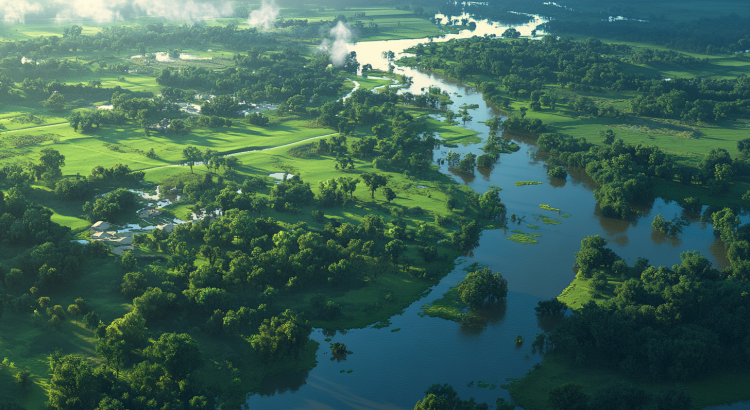
Without knowing the details, it’s a good guess that the flooding in Spain had a bigger impact because of degraded nature – deforestation, compacted soil, tamed rivers without a natural flood plain, monocultures, large areas covered by houses and asphalt, and so on. Healthy native nature and healthy soil help absorb the rainwater where it falls, reducing or preventing runoff and erosion. Flood plains serve as a buffer zone when the rivers overflow, as they naturally do now and then.
In general, healthy ecosystems buffer, make use of, and sometimes even benefit from extreme weather, and they reduce or prevent damage to human areas.
What are some of the things we can do to support more healthy ecosystems and reduce the damage from extreme weather? There is no lack of opportunities.
Around our homes… We can have more diverse and natural gardens, maybe even forest gardens, to help the soil absorb rainwater. We can use more terraces and swales to reduce rainwater runoff. Lush vegetation, and ideally a forest garden, will create a buffer around the houses in case of fire.
In the community… We can include more green spaces with lush native vegetation and ideally small forests. On hillsides, we can plant natives with extensive root systems to keep the soil in place. We can restore natural floodplains next to rivers and waterways.
At regional and national levels… We can protect and restore natural ecosystems like mangroves and forests. We can institute laws and regulations to reduce the impact of development and encourage ecologically sound regeneration projects. We can encourage polycultures and growing food in a more ecologically sound manner.
Here at Milagros, we are helping the ecosystem regenerate. We are improving the soil around the houses to better absorb and retain the rainwater. We create terraces and swales to keep the rainwater from running off. We are reforesting in the wilderness zones. (This will take time, of course). We are planting densely and a wide variety of native and appropriate non-natives in the food forest near the houses. We collect rainwater for use later. And so on. All of this reduces and prevents erosion, flooding, impact from dry periods, and so on.
Healthy ecosystems just work better, including for us humans.
If I were a reporter, I would include at least a mention of this in every news story about the impacts of extreme weather. It cannot be emphasized enough.
MORE INFO
I asked ChatGPT 4o for input on this topic and used what I wrote as a prompt. See below.
Nature’s Shield: How Healthy Ecosystems Protect Us from Extreme Weather
Expanding on your idea, the role of healthy ecosystems in mitigating extreme weather impacts is indeed vital but often overlooked. Here are more examples that illustrate how these systems protect us and how we can support them on multiple levels:
- Wetlands as Water Sponges: Natural wetlands act like sponges, absorbing excess water and releasing it slowly. For example, during Hurricane Katrina, areas with intact wetland systems in Louisiana experienced less severe flooding than areas where wetlands had been drained. Wetlands retain excess water and protect inland regions, reducing the destructive force of floods and storm surges.
- Forests for Fire Resistance and Cooling: Forests not only provide shade and cooling in extreme heat but also create a natural firebreak in many regions. In Australia, studies have shown that areas with native forest cover suffer less during wildfires than regions with dry grassland or degraded forests. The humidity, shade, and natural moisture retention of these forests slow the spread of wildfires, giving communities time to respond and reducing fire severity.
- Urban Forests and Heat Islands: In cities, green spaces and urban forests cool surrounding areas, reducing the “urban heat island” effect. Trees provide shade, lower temperatures, and improve air quality. For instance, during a severe heatwave in Paris in 2003, neighborhoods with more trees and parks experienced cooler temperatures, which made a critical difference for residents. Planting more trees, green roofs, and green walls in cities can help buffer against intense heat.
- Grasslands in Flood Mitigation: Healthy grasslands with deep-rooted native grasses play a significant role in absorbing heavy rainfall and preventing soil erosion. In the American Midwest, the loss of native prairies has led to increased soil erosion and faster runoff, exacerbating flood risks during storms. Restoring native grasslands not only helps manage floods but also rebuilds soil fertility and promotes biodiversity.
- Barrier Reefs Against Storms: Coral reefs, like mangroves, reduce wave energy, which buffers coastlines against the full impact of storms. In areas where coral reefs are healthy, such as parts of the Maldives, storm impacts are less severe than in areas where reefs have been damaged by pollution or rising temperatures. Coral restoration efforts help safeguard coastal communities from future storms and contribute to marine biodiversity.
What We Can Do to Support Healthy Ecosystems:
- Home Gardens and Yards: Beyond creating diverse gardens, we can plant native species that thrive in local conditions, requiring less water and providing habitat for local wildlife. Rain gardens, a mix of native plants in a shallow basin, can capture runoff and filter pollutants, making them valuable in urban and suburban settings.
- Community Initiatives: Communities can organize tree-planting drives and create community-managed green spaces that allow natural ecosystems to thrive. Additionally, rain gardens or bioswales (vegetated channels) along roadways can capture runoff and reduce flooding in urban areas.
- Policy and Education: Governments can pass policies that protect natural habitats like forests, wetlands, and grasslands, including incentives for sustainable farming and reforestation. Public education on the importance of ecosystem health is also essential, encouraging citizens to become stewards of their local environment.
- Global Actions: International collaboration is crucial in protecting ecosystems that provide critical global services. For instance, the Amazon rainforest’s vast carbon storage helps mitigate global climate change. Supporting conservation efforts there has global benefits, as the health of these large-scale ecosystems affects weather patterns worldwide.
On your land at Milagros, your focus on soil health, terraces, swales, and rainwater collection is a model of how healthy ecosystems can mitigate extreme weather impacts. If more communities followed suit, we would be better prepared to face the extremes that climate change brings. And as you mentioned, it’s a message worth emphasizing at every opportunity – healthy ecosystems are an investment in resilience and sustainability.