





There is an astonishing return on investment in our food forest.
We do some work, mainly now in the establishment phase. We learn, receive guidance and help, find the plants, plant, mulch, improve the soil, water a bit, and so on.
Nature does the rest. Nature grows, turns air into organic matter, creates new layers of mulch, improves the soil, brings out more and more food for us and the wildlife, and over time grows a rich and diverse food-producing forest that requires far less work.
THE SMALL RETURN ON INVESTMENT OF CONVENTIONAL APPROACHES
When we put money into a savings account, there is a relatively small and steady return on investment.
If we put it into a fund, we may get more although it’s slightly more risky since the economy goes up and down and we are also likely supporting a lot of destructive activities. That last aspect, in itself, is not a good return on investment.
We can conventionally grow food, planting every year and inputting a lot of chemicals and work. This gives some return on investment, but it’s inefficient. It requires us to start over every year, depletes the soil, and depends on petroleum.
THE NEAR-INFINITE RETURN ON INVESTMENT IN FOOD FORESTS
Food forests are different. They have a very different trajectory and they provide a great and diverse return on investment.
In a food forest, we always build on what was before. We gain more organic matter. Soil health continues to improve. We get more and more diversity. The forest grows and fills in more and more layers. We fill in more of the 3D space with root vegetables, vines, herbs, bushes, and trees of different sizes.
Although there is a lot of work in the establishment phase, there is less and less work as the food forest matures. More and more, it takes care of itself, with (pleasurable) harvesting becoming a larger and larger portion of the work.
A food forest produces a great diversity of yields.
First the commercial ones: Fruits, nuts, vegetables, and herbs. Value-added products like cacao, coffee, Maya nut flour, tea herbs, and jams. Seeds and saplings. Regular and worm compost. Information and knowledge. Ecotourism.
Then all the other yields, equally or more valuable: Food for us and wildlife. A great place to live. Flowers for pollinators. Habitat for wildlife. Seed dispersal. Improved soil health. Erosion prevention. Recharging the groundwater. Possible return of natural ponds, springs, and creeks. Community connections. An example and inspiration for others.
What comes out of a food forest, through nature’s work, is almost infinitely more than the limited work we put into it. It’s an amazing blessing.
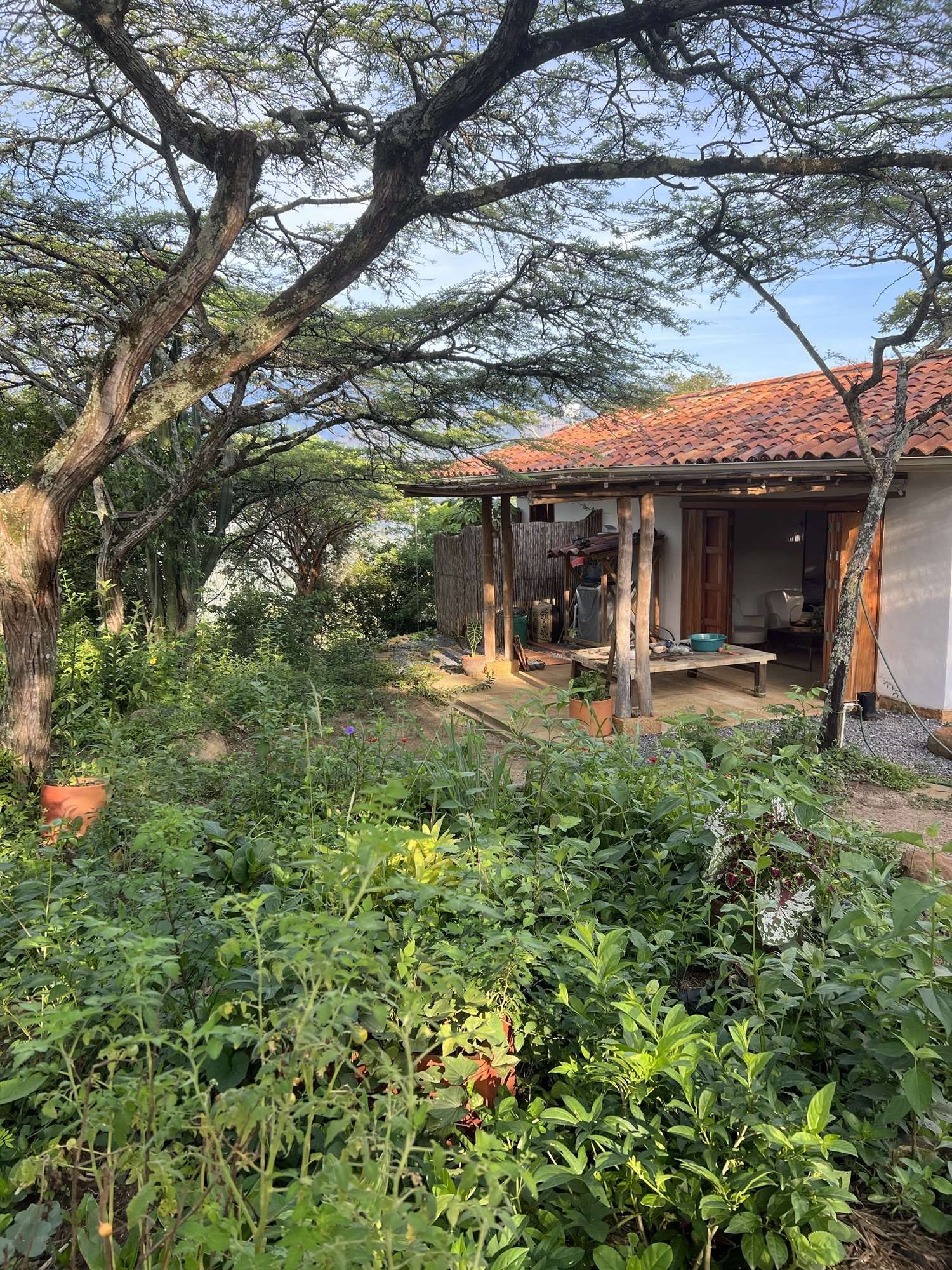
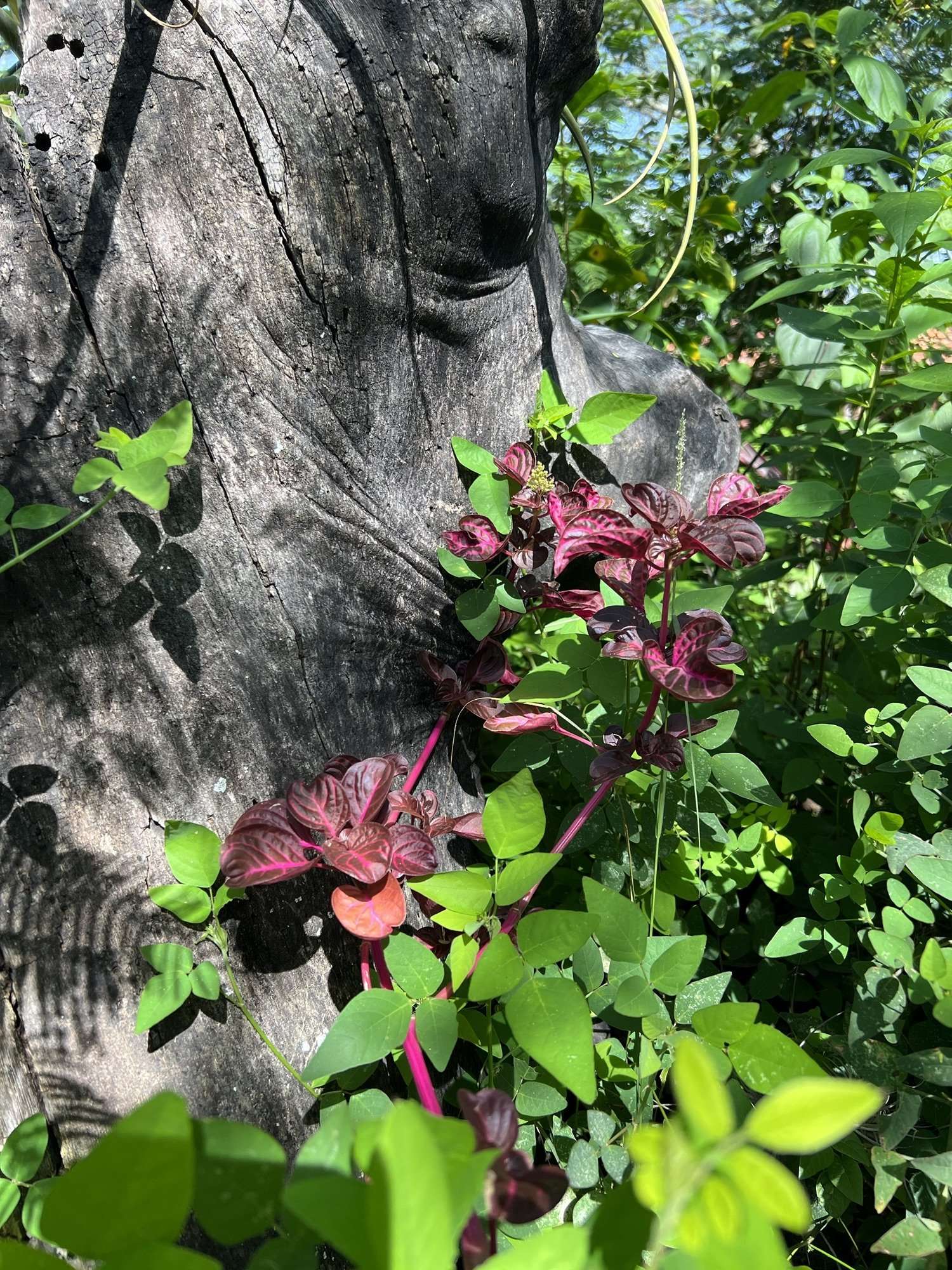
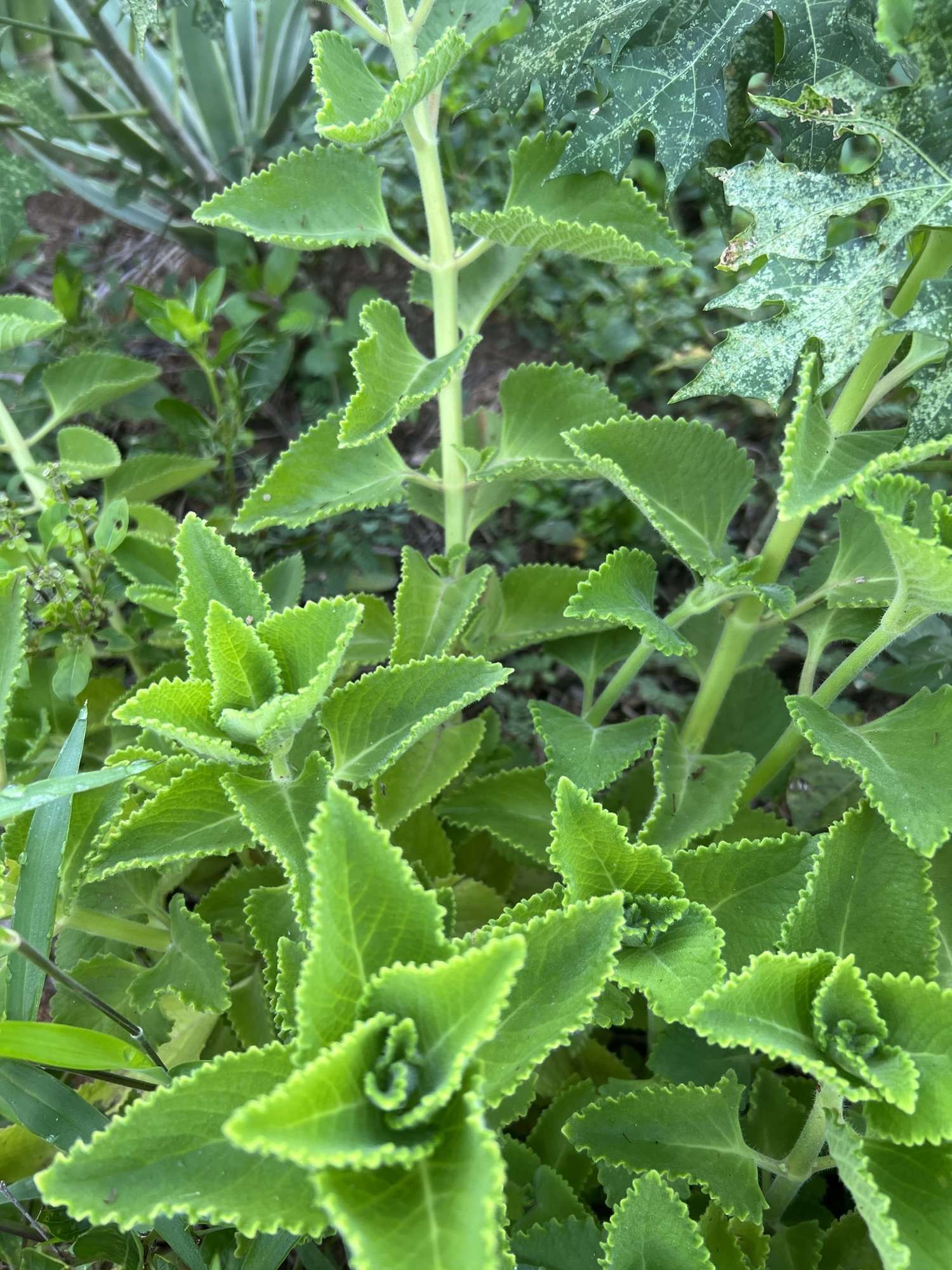
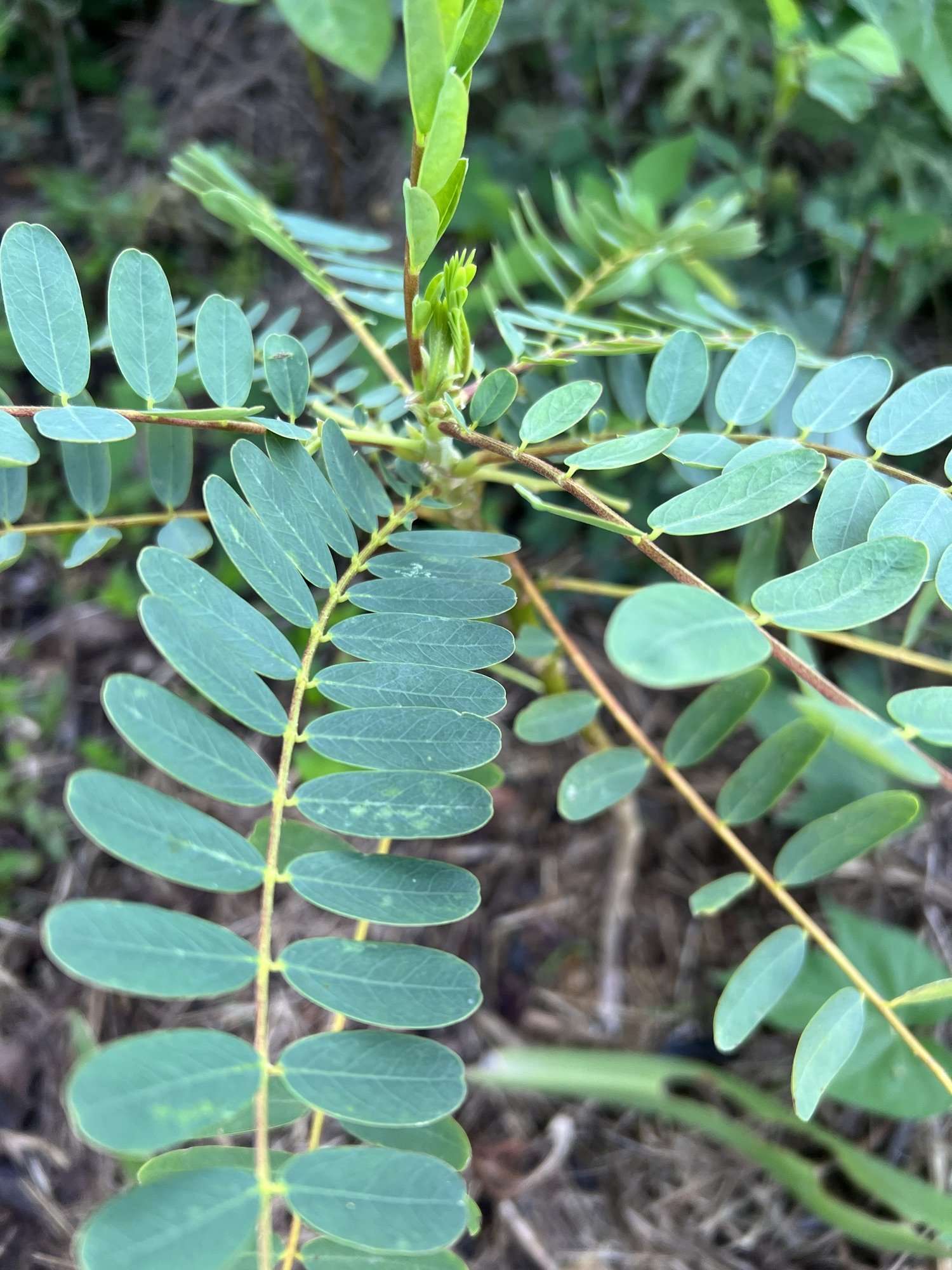
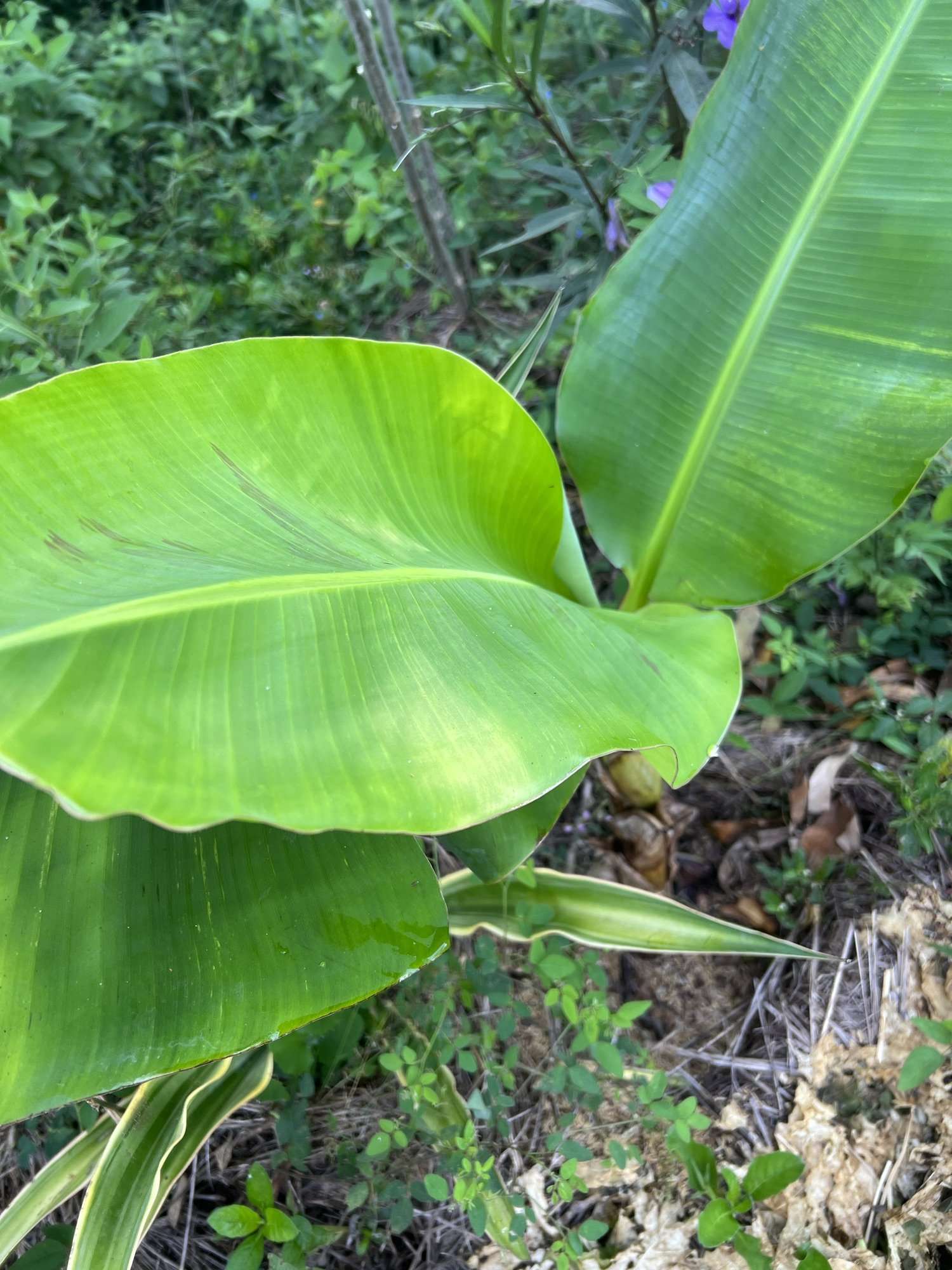
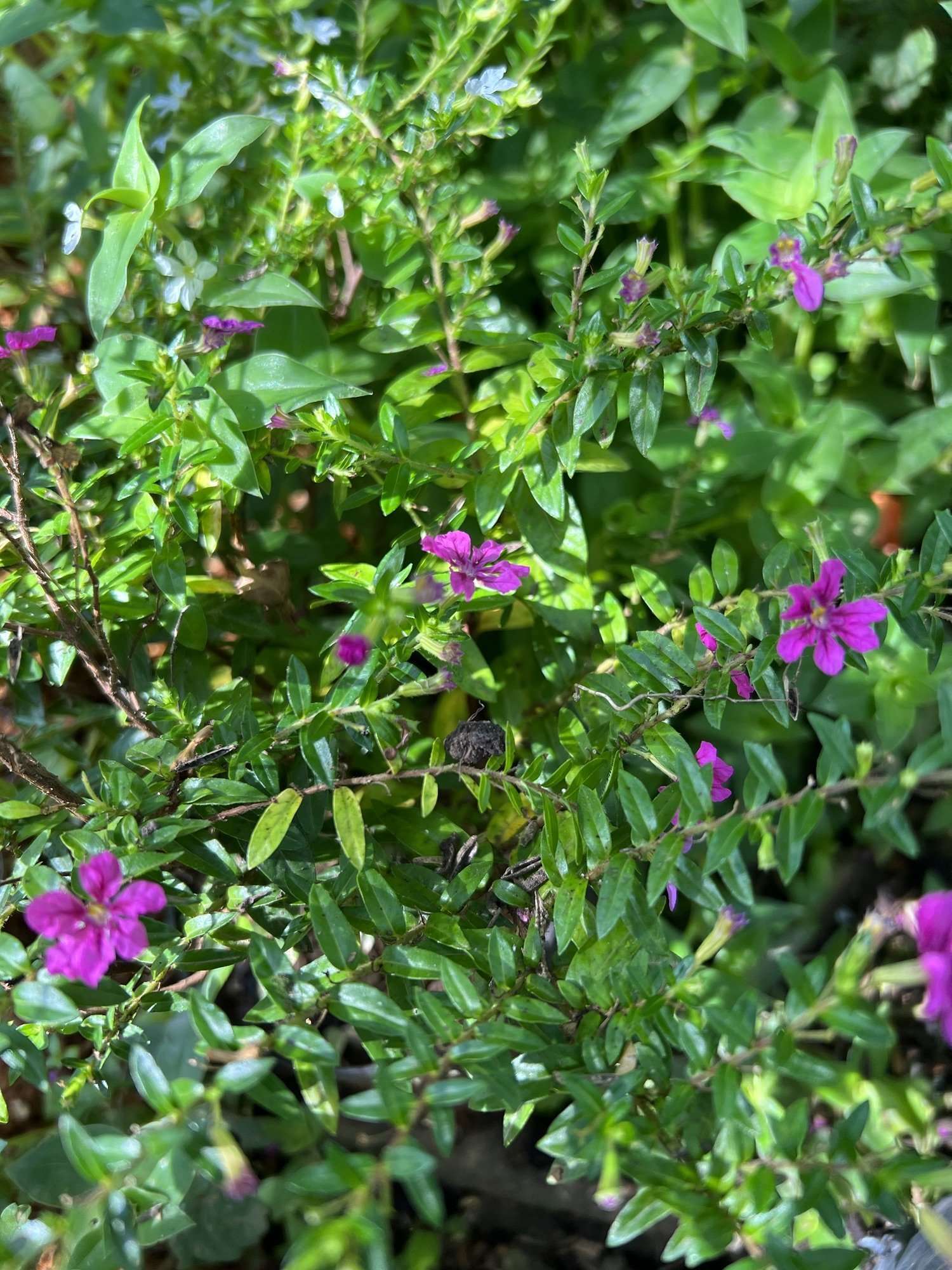
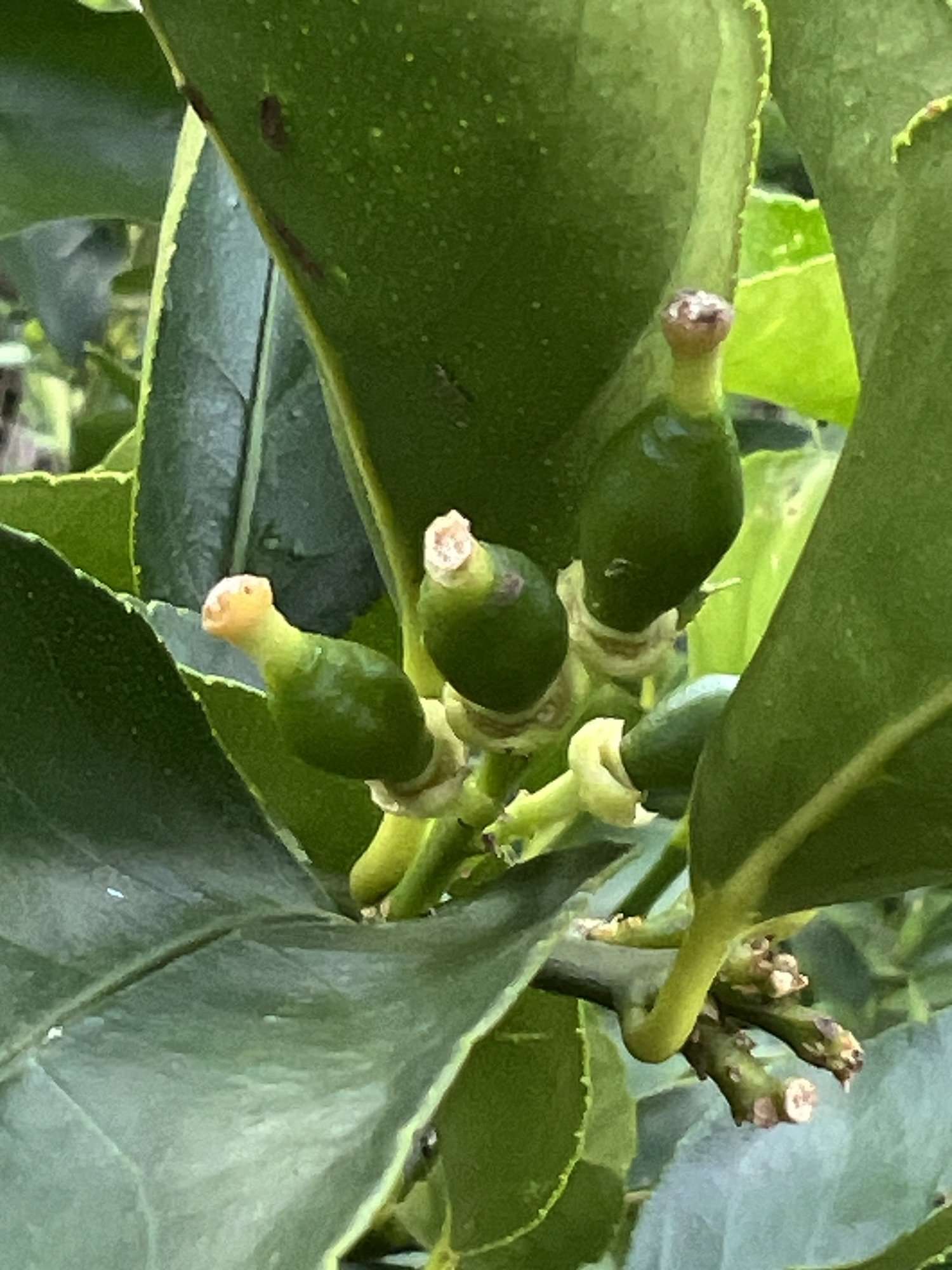
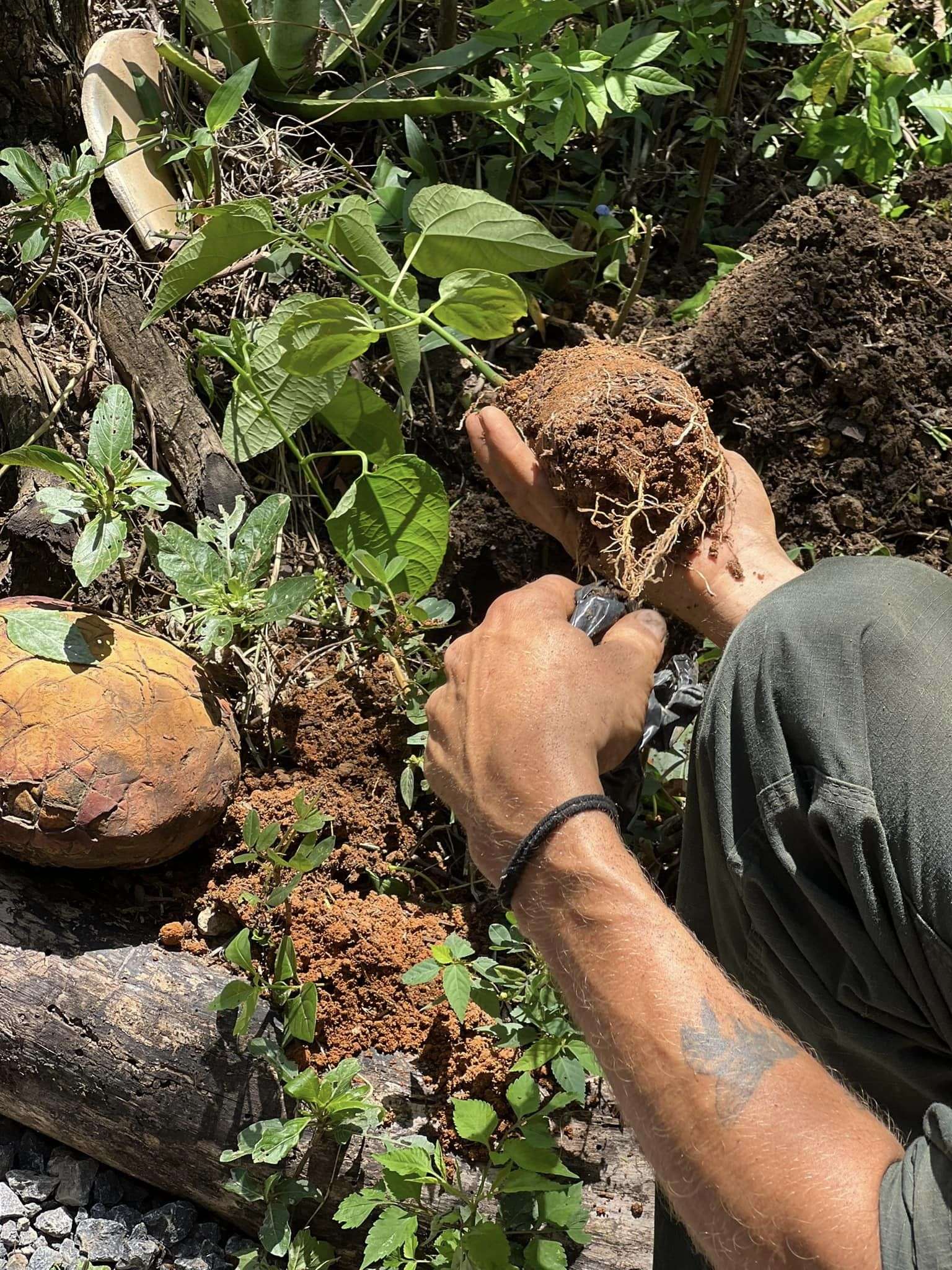
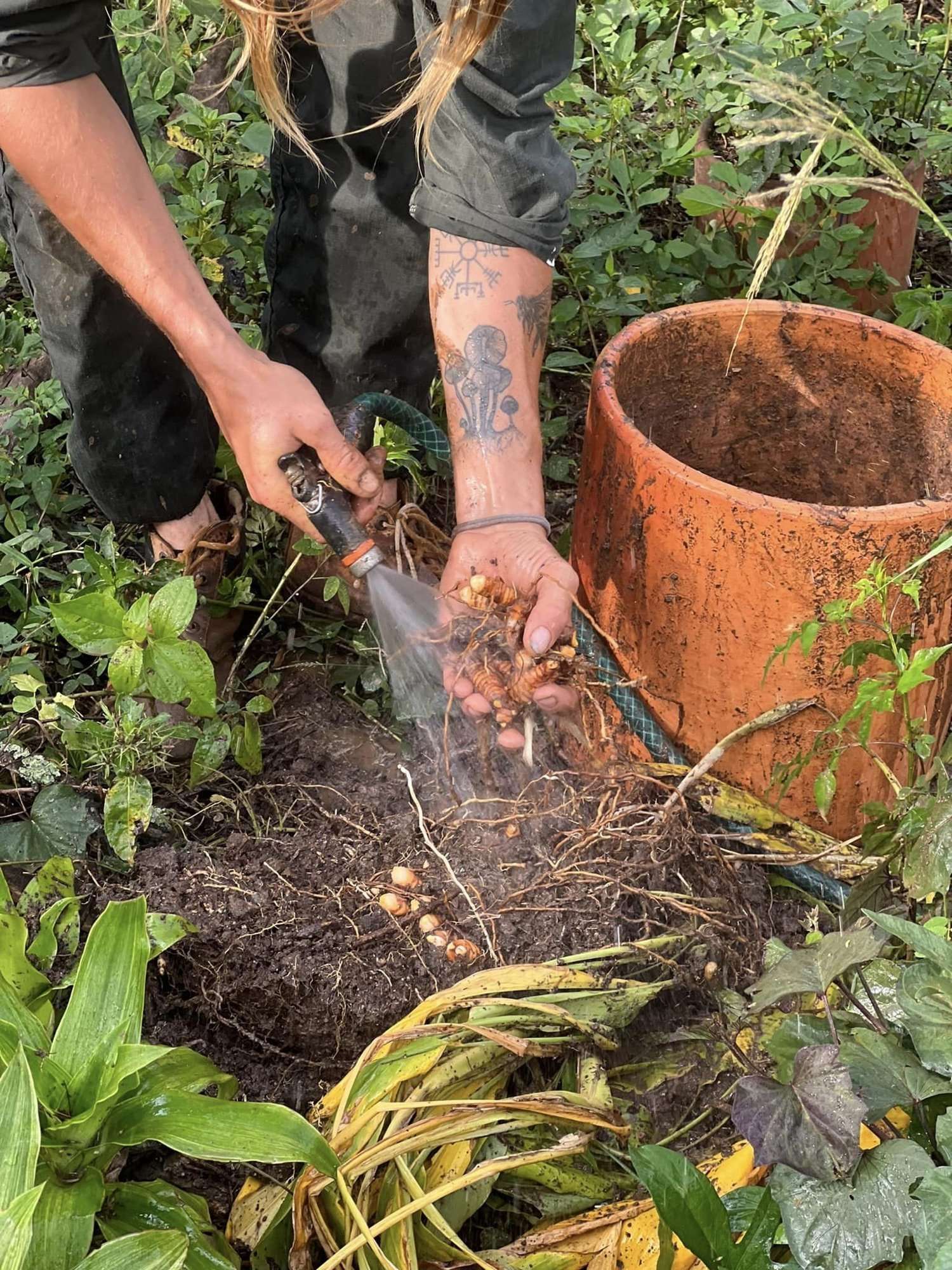
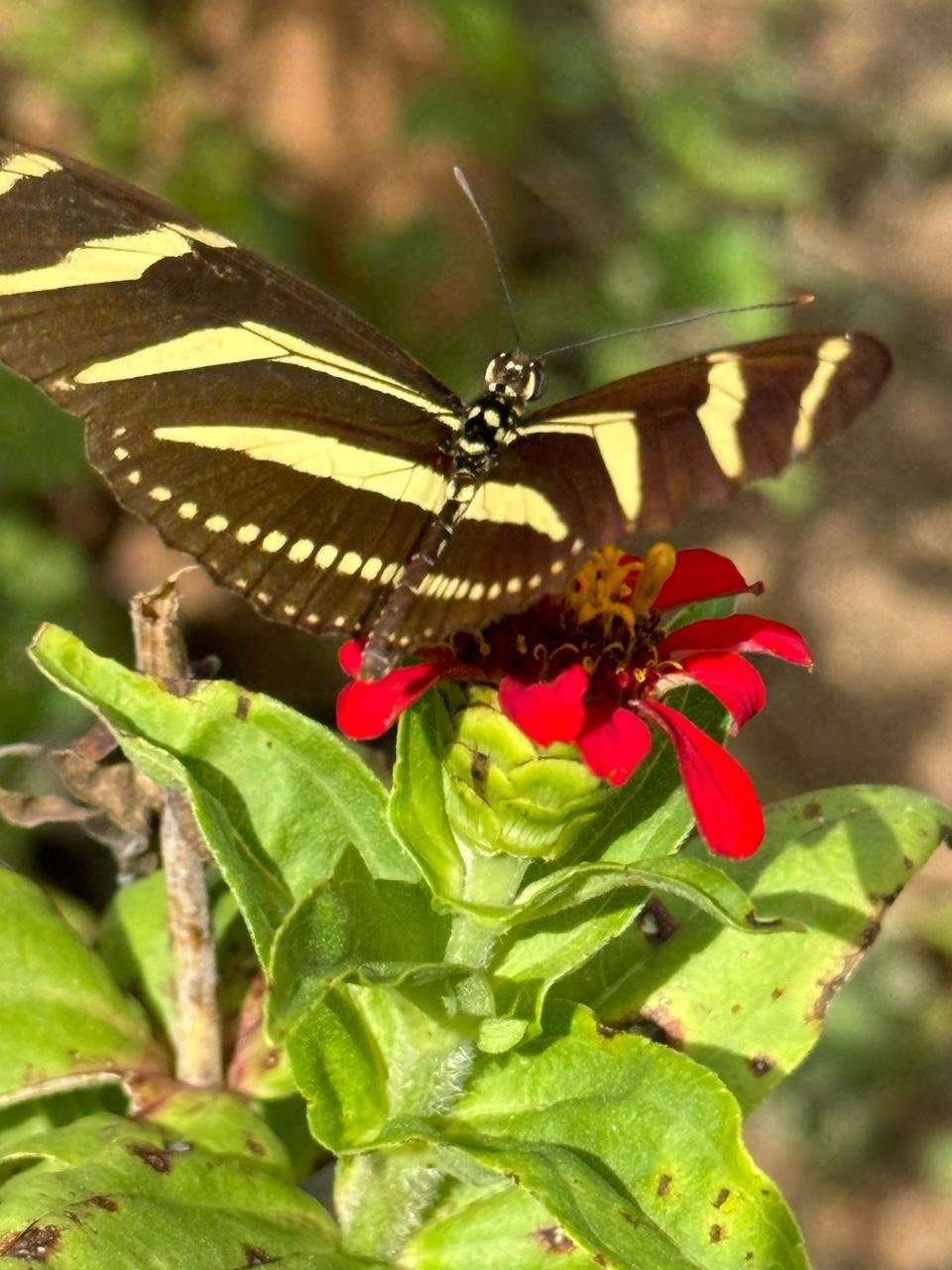
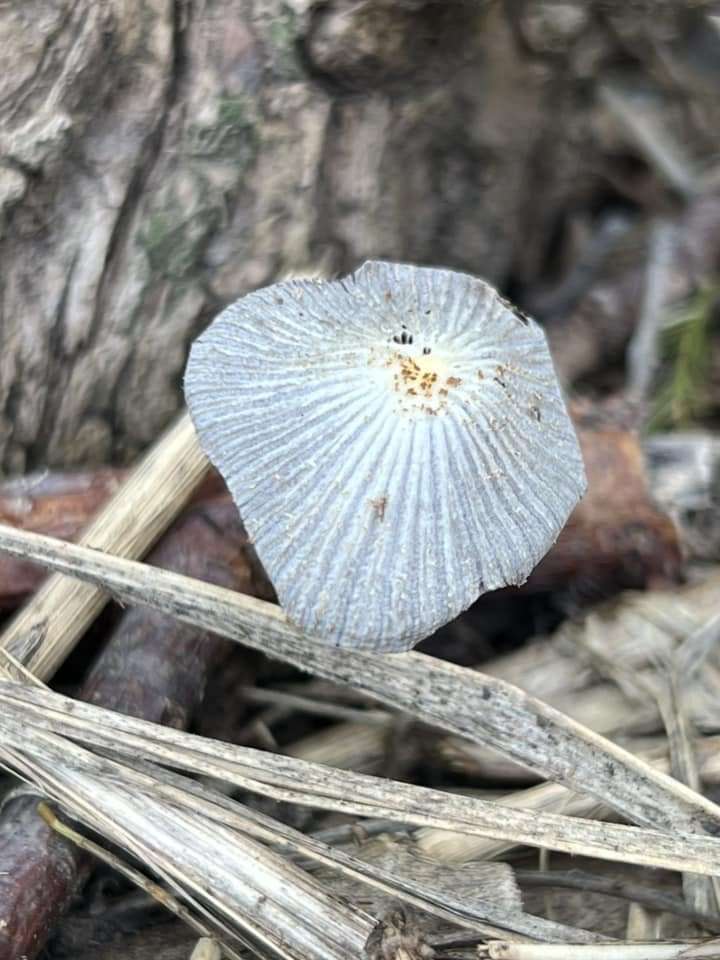
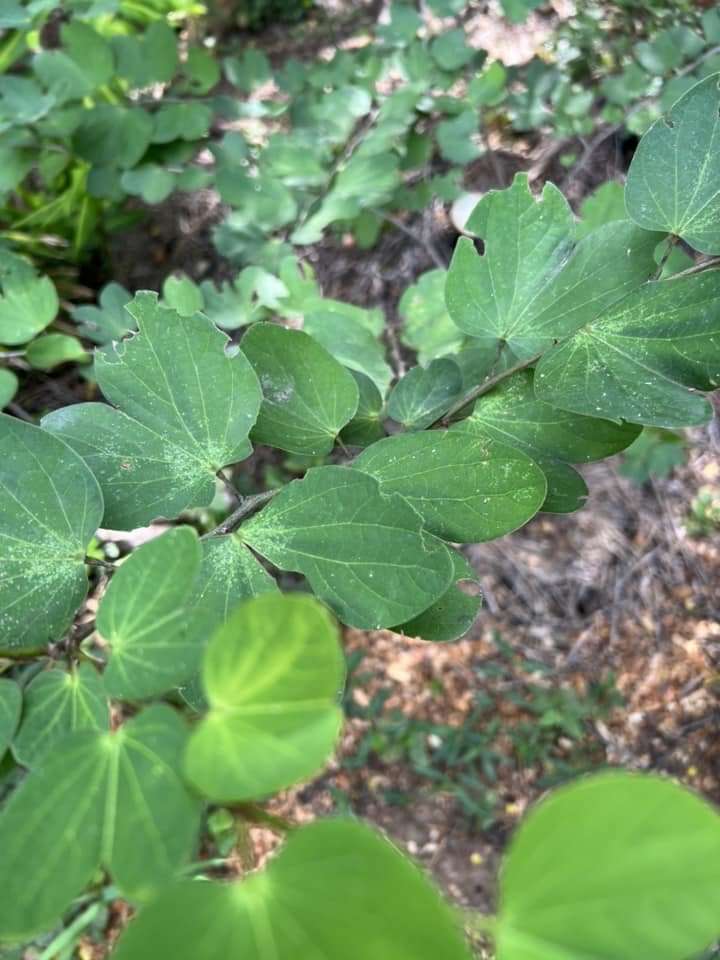
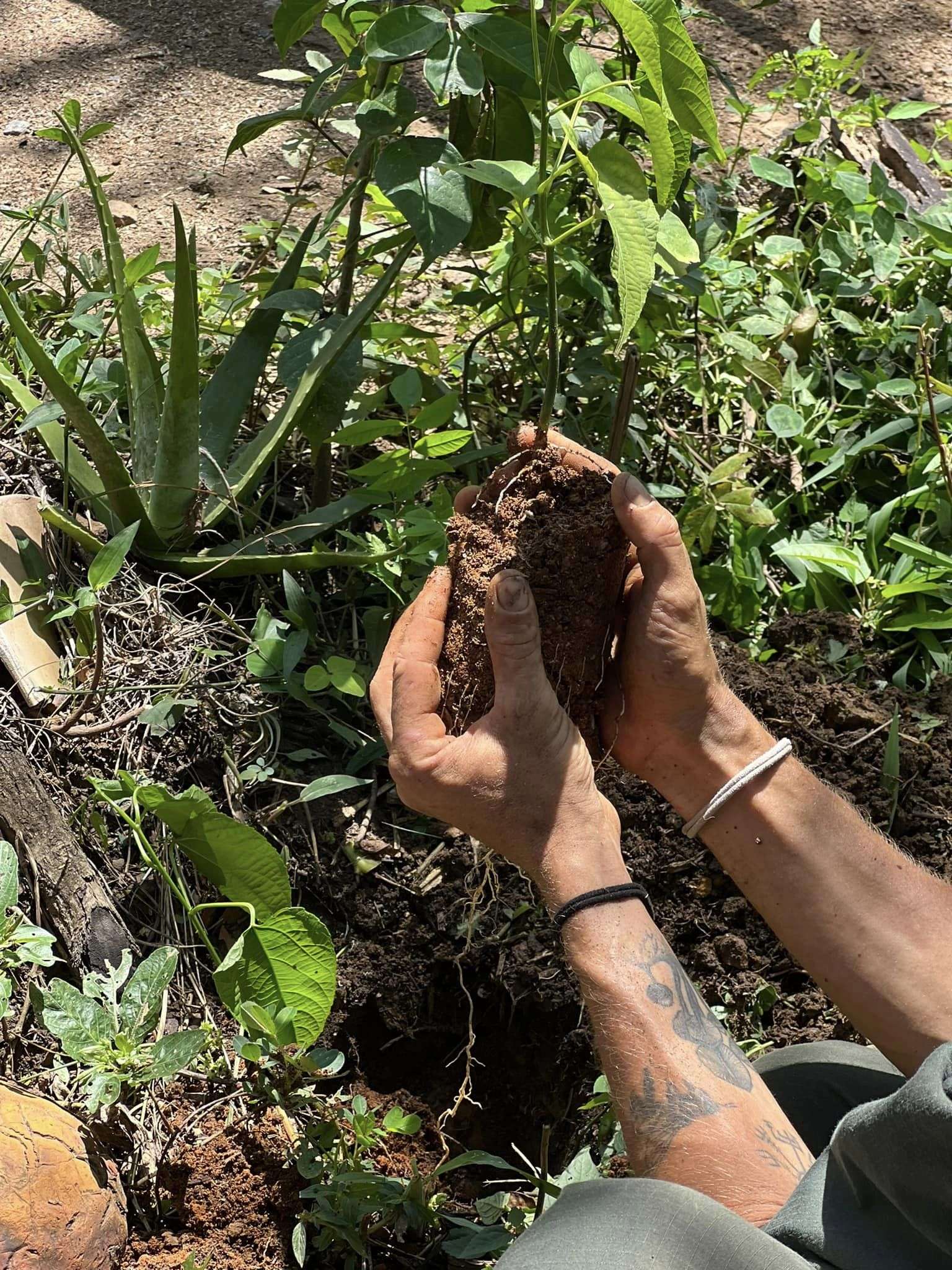
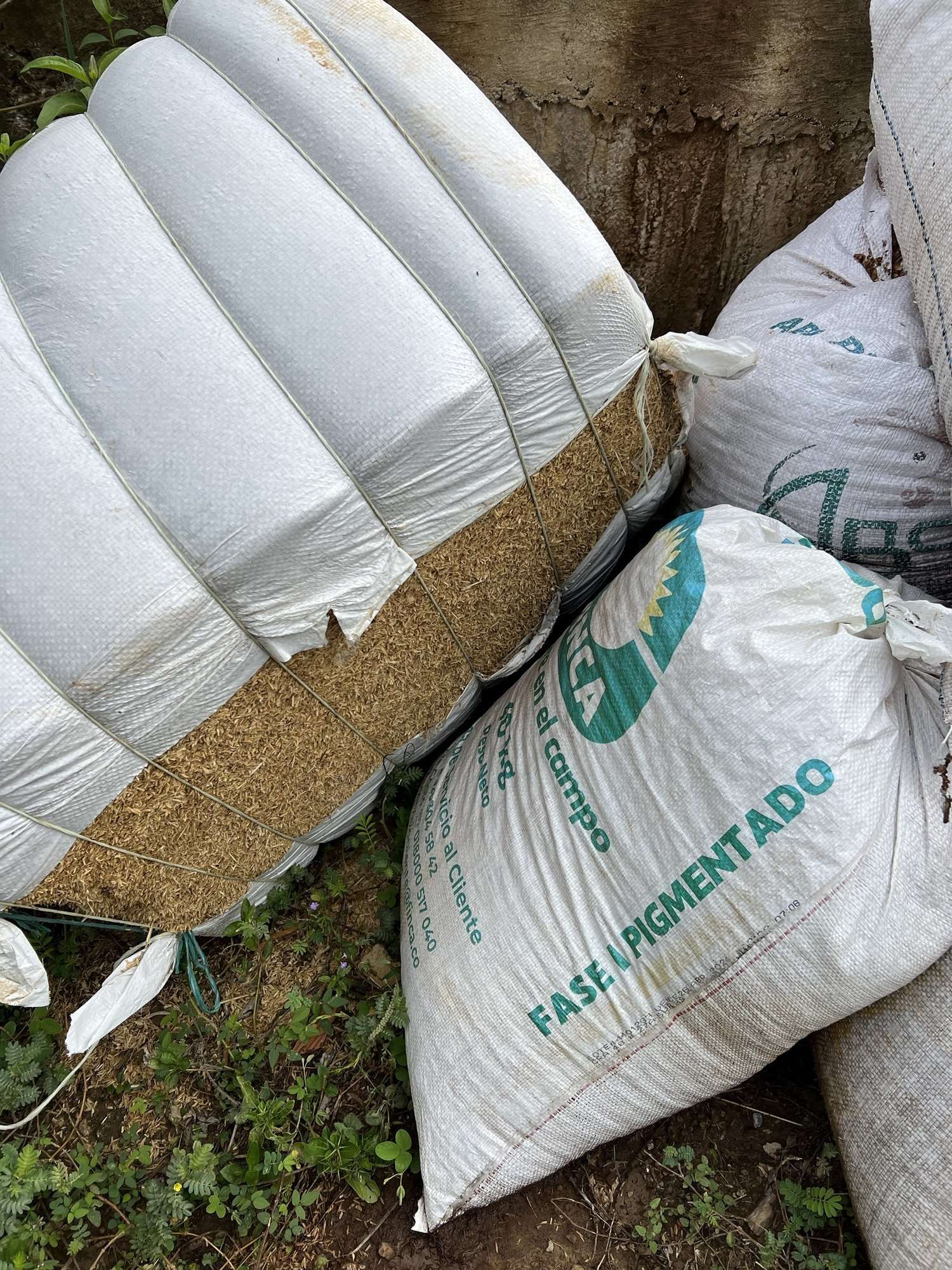
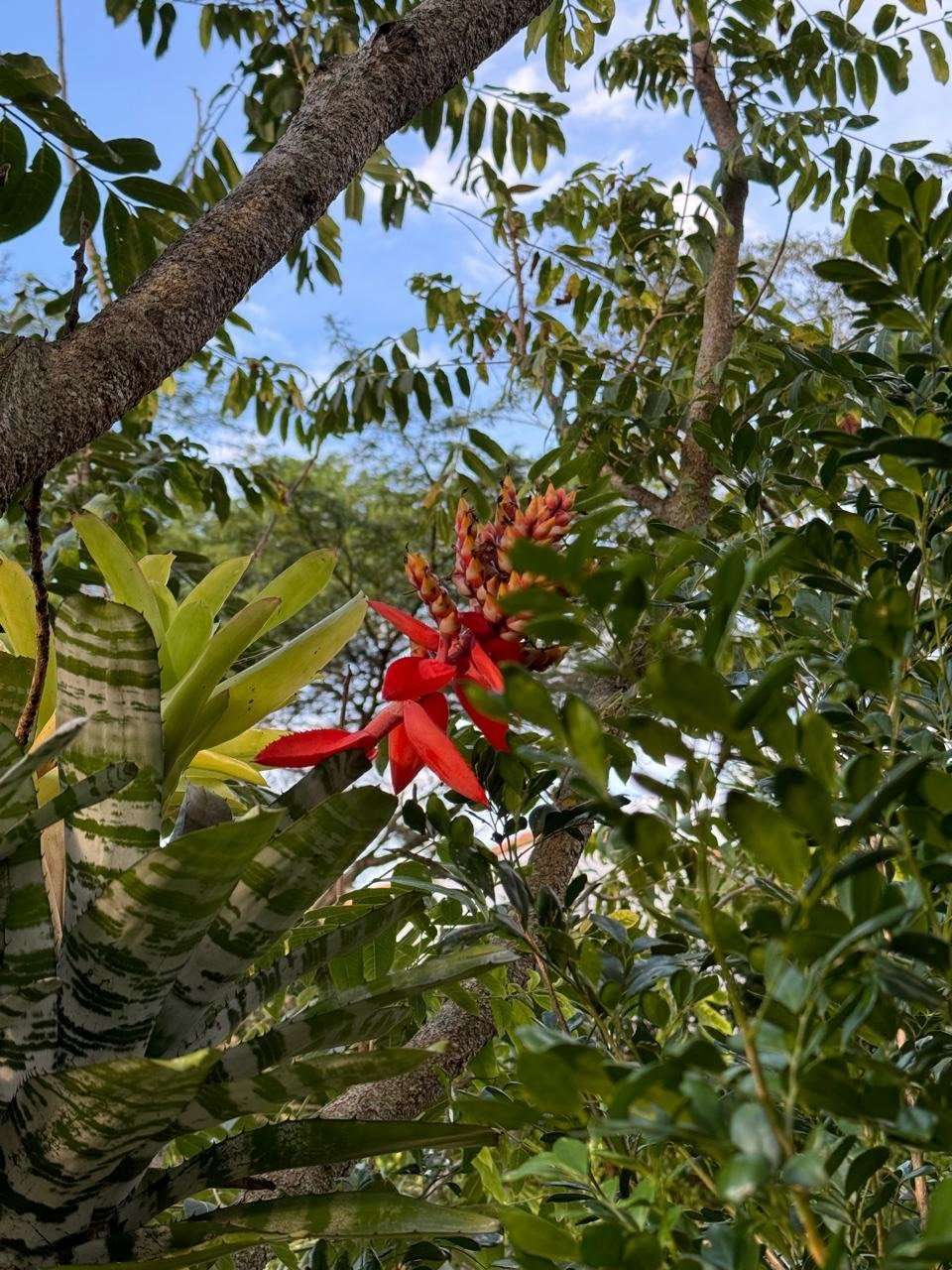
The images are from our beginning food forest. We started small last year and got going only earlier this year, so a lot of the focus is on building soil and getting the basics of the food forest started, mainly close to the houses so far.
I got the idea for this article from a talk by Tutu Sainz called Food Forests, Our Path to Infinite Abundance.
Read on for more info.
MORE INFO
As usual these days, I asked ChatGPT 4o for input on this theme. See below.
Return on Investment (ROI) in Creating a Food Forest
Establishing a food forest involves upfront costs—such as land preparation, planting, water systems, and labor—but it offers significant returns over time. While traditional agriculture often focuses on short-term profits, a food forest yields long-term benefits through ecological sustainability, biodiversity, and self-replication. Here’s an overview of the different dimensions of ROI when developing a food forest, including financial, environmental, and social returns.
1. Seed Production and Self-Propagation
One of the most valuable aspects of a food forest is that it can become self-sustaining over time. Many plants in a food forest naturally produce seeds or propagate through other means (like cuttings, runners, or root suckers).
- Annual Seed Production: Trees like guava, avocado, or mango, as well as groundcover plants like beans or herbs, will produce seeds that can be harvested, stored, or sold.
- Perennial Propagation: Some trees and shrubs (like moringa, figs, or guamo) can be propagated easily through cuttings, reducing the need to buy new plants.
- Self-seeding Species: Plants like amaranth, mustard greens, and some native wildflowers self-seed, continuously regenerating without human intervention.
ROI Impact: After the initial investment, the forest’s ability to propagate itself lowers operational costs and increases productivity without much input. Surplus seeds or plants can be sold or traded, generating additional income.
2. Yields and Marketable Products
Once established, food forests provide diverse harvests throughout the year.
- Fruits and Nuts: Trees like figs, pecans, and cashews can generate significant income. Many food forest owners sell these directly or use them to create value-added products (jams, oils, etc.).
- Herbs and Medicinal Plants: Plants such as lemongrass, mint, and moringa serve both as ground cover and herbal remedies. These can be marketed as teas, dried herbs, or medicinal oils.
- Timber and Non-Timber Products: Over time, pruned branches or timber from fast-growing trees can be used for furniture or firewood.
- Animal Habitat: Attracting wildlife can support secondary products like honey from bees and eggs from chickens raised under the forest canopy.
ROI Impact: Diverse yields provide food security for the owners, generate income, and reduce dependency on external markets for basic needs.
3. Soil Improvement and Water Retention
Food forests mimic natural ecosystems, enhancing soil fertility and moisture retention through layered vegetation, composting, and nitrogen-fixing plants.
- Reduced Input Costs: Over time, the need for fertilizers and irrigation decreases. Nitrogen-fixing plants like guamo and lupino replenish soil nutrients naturally.
- Compost and Mulch: Organic matter from pruning and fallen leaves creates on-site compost, further enriching the soil.
- Swales and Water Management: Properly designed swales reduce water runoff and erosion, capturing rainfall and recharging the soil.
ROI Impact: Soil quality improves over time, lowering maintenance and water costs, thus reducing annual expenditures.
4. Biodiversity and Ecosystem Services
A food forest attracts a range of beneficial organisms that contribute to its health and productivity.
- Pollinators and Pest Control: Bees, butterflies, and birds improve pollination, while other wildlife helps control pests.
- Resilience Against Pests and Climate Change: Diverse planting increases resilience, reducing the risk of total crop failure during droughts or pest outbreaks.
- Carbon Sequestration and Climate Benefits: The forest stores carbon, potentially making the project eligible for carbon credits or other sustainability incentives.
ROI Impact: Enhanced biodiversity increases productivity while reducing the need for pesticides and other interventions, further lowering costs over time.
5. Long-Term Financial and Social Benefits
The true financial ROI of a food forest becomes evident after several years, as systems mature and inputs decrease.
- Reduced Operational Costs: As the forest becomes self-sustaining, labor and input requirements decline significantly.
- Income from Eco-Tourism or Workshops: A mature food forest can attract visitors, generating income through tours, courses, or volunteer programs.
- Community Engagement: Surplus produce can support community food programs or farmers’ markets, strengthening social ties and local economies.
- Appreciation of Land Value: Land with a well-established food forest often increases in value, especially as interest in sustainable agriculture grows.
ROI Impact: The long-term nature of food forests means greater stability and lower financial risk compared to conventional agriculture.
6. Challenges and Considerations for ROI
- Initial Investment: Establishing a food forest requires time and upfront financial resources for plants, tools, and infrastructure.
- Delayed Returns: It can take several years for fruit trees to mature and begin producing at a commercial scale.
- Ongoing Maintenance: Although reduced, some maintenance—like pruning, pest control, and monitoring—is still needed.
Conclusion
The return on investment for creating a food forest is multifaceted, offering financial, environmental, and social benefits over time. Though the initial costs may be higher than conventional agriculture, the long-term gains far outweigh them. With its ability to produce seeds, propagate plants, and yield diverse products, a food forest becomes increasingly self-sufficient, lowering costs while generating income. Moreover, it supports biodiversity, improves soil health, and mitigates the effects of climate change, offering a sustainable and resilient approach to food production.
A food forest exemplifies the principle of “investing in nature”—it may take time to grow, but it pays dividends in forms far beyond financial profits.
The Many Yields of a Food Forest
A food forest is a sustainable, low-maintenance agricultural system that mimics the structure and diversity of a natural forest. Unlike conventional agriculture, which requires annual planting and heavy inputs, a food forest builds on what is already growing, becoming more productive and resilient over time. With layers of plants, trees, and ground cover, it offers multiple yields—both commercial and non-commercial. These diverse outputs ensure food security, ecological benefits, and economic stability, making food forests an attractive alternative to conventional systems. Below is an overview of the wide-ranging potential yields that a food forest can provide.
1. Commercial Yields: Income-Generating Products
Food Products
- Fruits and Nuts
Examples: Mangoes, avocados, bananas, cashews, pecans, figs, citrus, guava, papaya, sacha inchi - Vegetables and Herbs
Examples: Perennial vegetables (like chaya), moringa leaves, lemongrass, basil, oregano - Roots and Tubers
Examples: Cassava, sweet potatoes, taro, turmeric, ginger - Grains and Seeds
Examples: Amaranth, maize, pigeon peas, sunflower seeds - Edible Oils
Examples: Macadamia oil, coconut oil, sacha inchi oil - Beverage Crops
Examples: Coffee, cacao, hibiscus, herbal teas - Honey and Beeswax
Harvested from beehives that thrive in the biodiversity of a food forest
Non-Food Products
- Timber and Firewood
From fast-growing trees like eucalyptus or nitrogen-fixing species such as acacia - Medicinal Plants
Examples: Moringa, aloe vera, neem, arnica - Natural Dyes
From plants like indigo or turmeric - Essential Oils
Examples: Lemon balm, lavender, eucalyptus oil - Fibers for Textiles or Crafts
Examples: Bamboo, coconut coir, or plant-based fibers for ropes and baskets - Compost and Mulch for Sale
From prunings and decomposed organic material - Animal Products
Eggs, milk, or meat from chickens, goats, or rabbits integrated into the food forest system
Value-Added Products
- Jams, Sauces, and Fermented Products
Made from fruits like mango, guava, or figs - Herbal Teas and Supplements
Processed from medicinal herbs or leaves like moringa - Eco-Tourism and Workshops
Income from guided tours, workshops, and permaculture courses held in the food forest
2. Non-Commercial Yields: Supporting Sustainability and Well-Being
Ecosystem Services
- Soil Improvement
Organic matter from leaves and roots enhances soil fertility and structure - Water Retention and Erosion Control
Swales and groundcover plants slow water runoff and improve moisture retention - Carbon Sequestration
Trees and shrubs store carbon, helping mitigate climate change
Biodiversity and Habitat Creation
- Wildlife Habitat
Birds, pollinators, and beneficial insects thrive in a diverse ecosystem - Pest Control through Natural Predators
Attracting predatory insects and birds that reduce pest populations naturally - Seed Dispersal and Pollination
Encouraged by birds, bats, bees, and butterflies living in the forest
Household Products and Services
- Self-Sufficiency in Food
Reduces dependency on external food markets - Medicinal Remedies for Household Use
Herbs and plants for homemade medicines and first aid - Firewood for Home Use
Reduces the need to purchase fuel - Compost and Mulch for Internal Use
Maintains soil fertility without external inputs
Aesthetic and Recreational Benefits
- Shade and Cooling Microclimate
Reduces the temperature around homes and creates comfortable outdoor spaces - Spaces for Reflection and Relaxation
Encourages well-being through immersion in nature - Cultural and Spiritual Significance
Certain plants or natural features may carry symbolic or traditional importance
Community and Social Yields
- Seed Exchange and Plant Propagation
Seeds and cuttings can be shared with neighbors or local initiatives - Educational Opportunities
Provides a living classroom for teaching ecological principles and sustainable practices - Strengthening Community Ties
Surplus produce can support community food programs or farmers’ markets
Conclusion
A food forest yields a wide variety of both commercial and non-commercial benefits. Commercial yields generate income through food, medicinal products, and eco-tourism, while non-commercial yields provide essential ecosystem services, promote self-sufficiency, and enhance well-being. The combination of these yields makes food forests not only financially viable but also ecologically sustainable, socially enriching, and resilient in the face of economic and environmental challenges.
Why Don’t More People Grow Food Forests?
1. Lack of Awareness and Education
- Limited Knowledge: Many people, including farmers and policymakers, are unfamiliar with the concept of food forests and their long-term benefits.
- Conventional Mindset: Agriculture is often taught and practiced in ways that emphasize annual crops and monoculture farming, leaving little room for alternative approaches.
- Perceived Complexity: Managing a food forest requires understanding diverse ecosystems, plant interactions, and succession planning, which can feel overwhelming for beginners.
2. Long-Term Investment with Delayed Returns
- Delayed Profits: It can take several years for fruit trees and perennials to mature and produce significant yields, making food forests less attractive to those seeking immediate returns.
- High Initial Costs: Establishing a food forest involves upfront investments in land preparation, plants, infrastructure, and labor, which can deter those with limited resources.
- Uncertainty: People may worry about the time commitment and whether they’ll still be around to benefit from a food forest’s long-term yields.
3. Cultural and Social Barriers
- Focus on Short-Term Gains: Modern societies prioritize fast profits and visible results, making the slow growth of food forests seem impractical.
- Resistance to Change: Farmers and landowners are often reluctant to abandon conventional practices that are familiar and supported by subsidies.
- Urban Bias: Many people live in cities with limited access to land, making it harder to implement food forest systems in dense urban areas.
4. Policy and Economic Challenges
- Agricultural Subsidies: Many government subsidies favor conventional agriculture, making it financially difficult to transition to food forests.
- Land Access: High land prices or limited land ownership can restrict the ability to start food forests, especially for small-scale farmers and urban residents.
- Inconsistent Markets: While food forests produce diverse yields, markets are often geared toward monocrops, making it harder to sell surplus or value-added products.
5. Maintenance and Knowledge Gaps
- Learning Curve: Managing a food forest requires an understanding of agroecology, plant species interactions, and pest control without chemicals.
- Perceived High Maintenance: Although food forests become low-maintenance over time, the initial years can require intensive care and planning.
- Pest and Wildlife Interference: Managing wildlife (e.g., birds or insects) attracted by the diversity of plants can be a challenge, especially for those accustomed to chemical pest control.
6. Climate and Environmental Constraints
- Climate Limitations: Some regions may have environmental conditions that make food forests more challenging, such as cold climates or extremely arid areas.
- Fire Risks: In dry areas, improperly managed forests can increase fire risks, deterring landowners from establishing densely planted systems.
Conclusion
The reasons why more people don’t grow food forests are multifaceted, involving cultural, economic, educational, and logistical challenges. However, as awareness grows about the importance of sustainable practices, food forests are gaining attention. Programs promoting agroforestry, land-sharing initiatives, and eco-education are slowly helping to overcome these barriers. By addressing the short-term thinking and policy biases that favor conventional systems, food forests could become a more common solution for food security, biodiversity, and ecological restoration.
Thank u for sharing valuable knowledge.