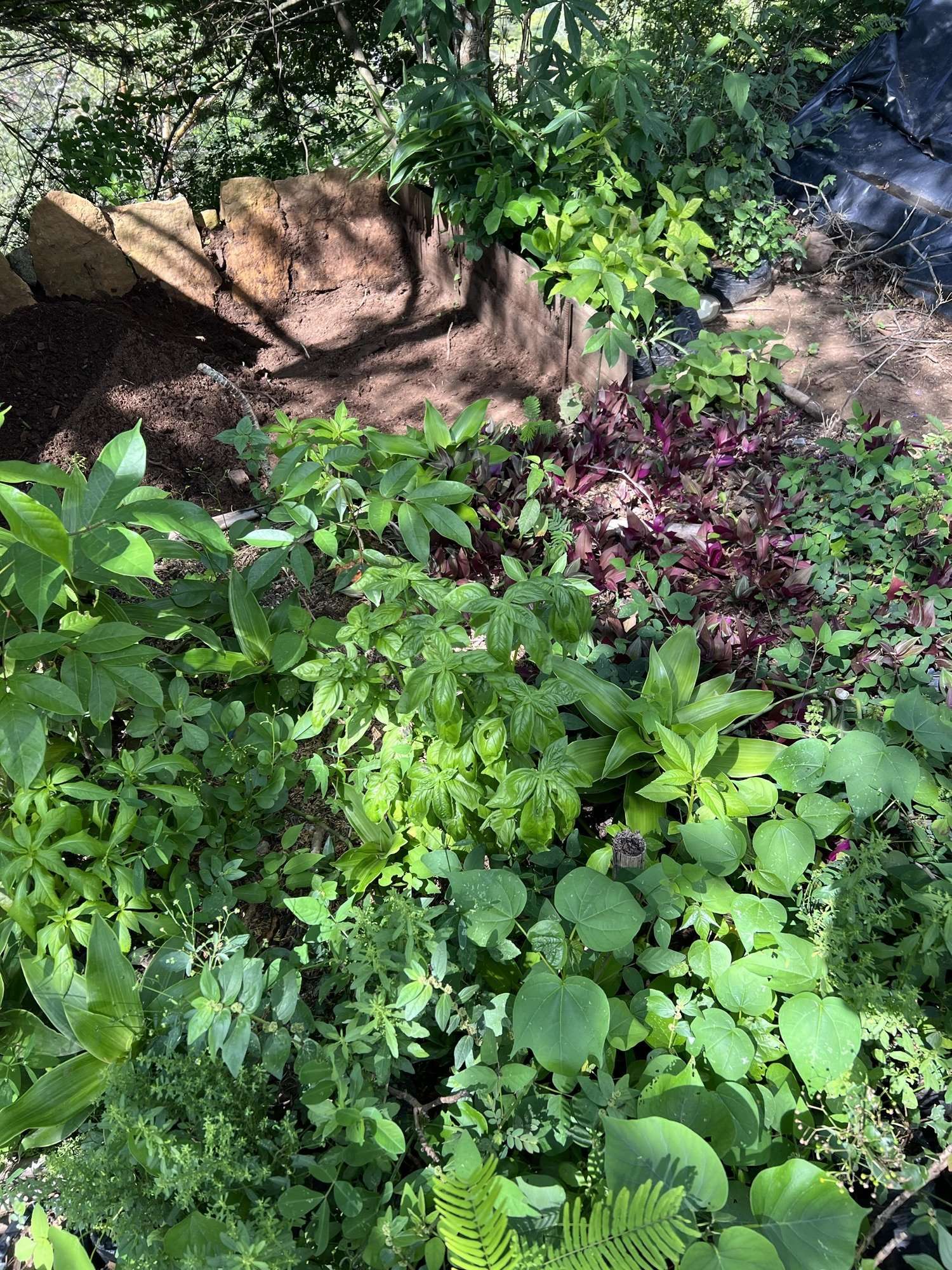

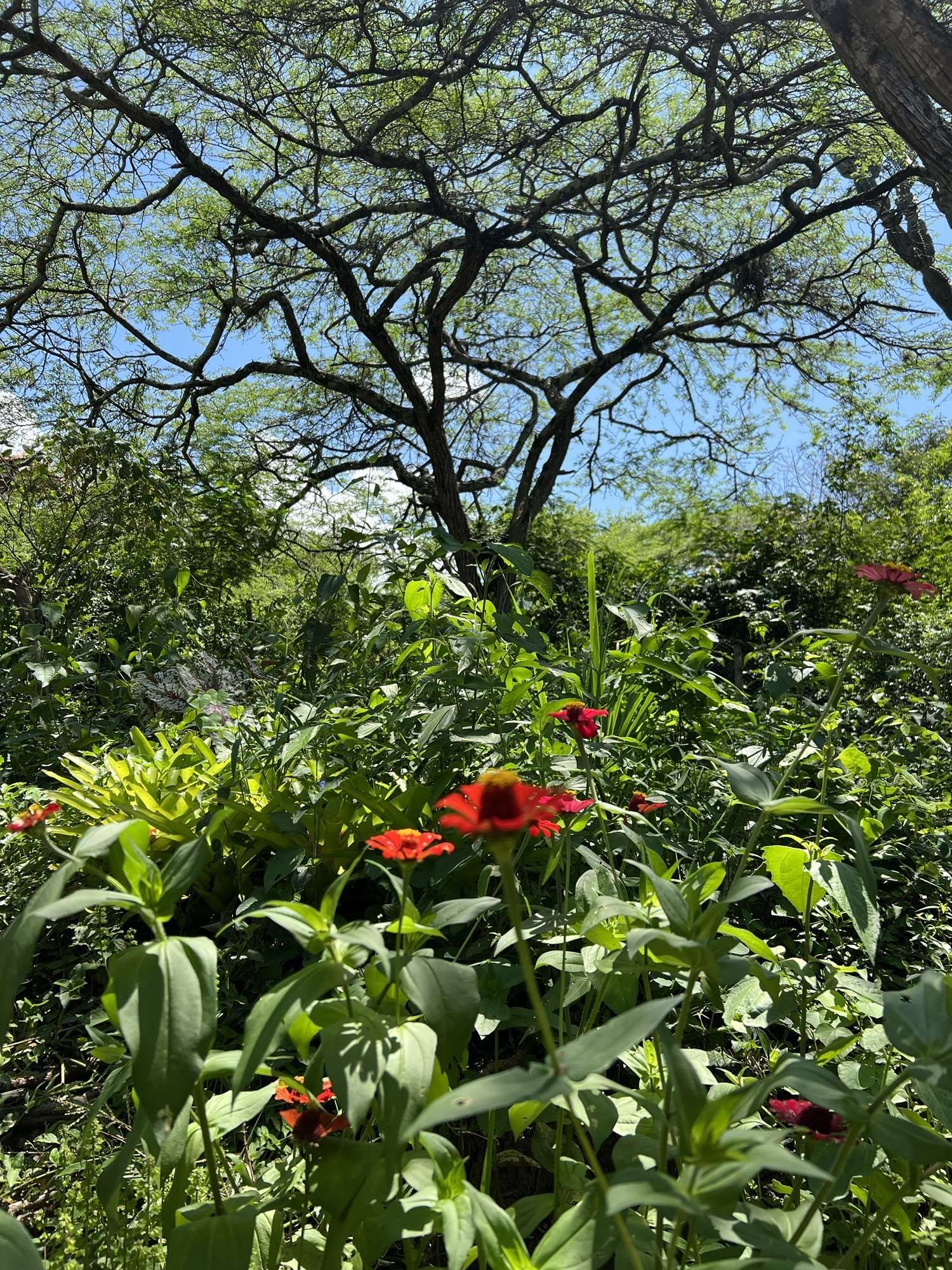

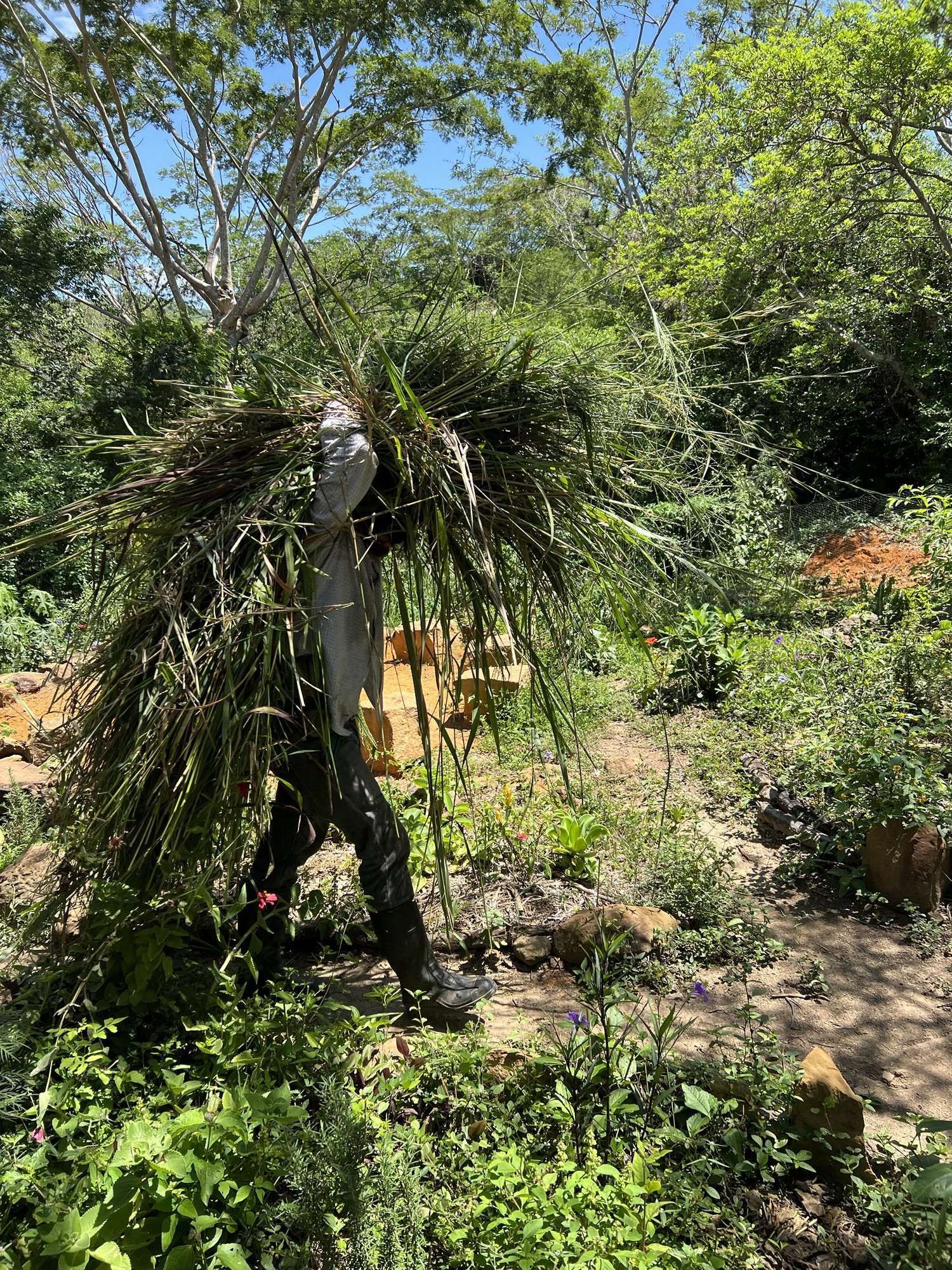
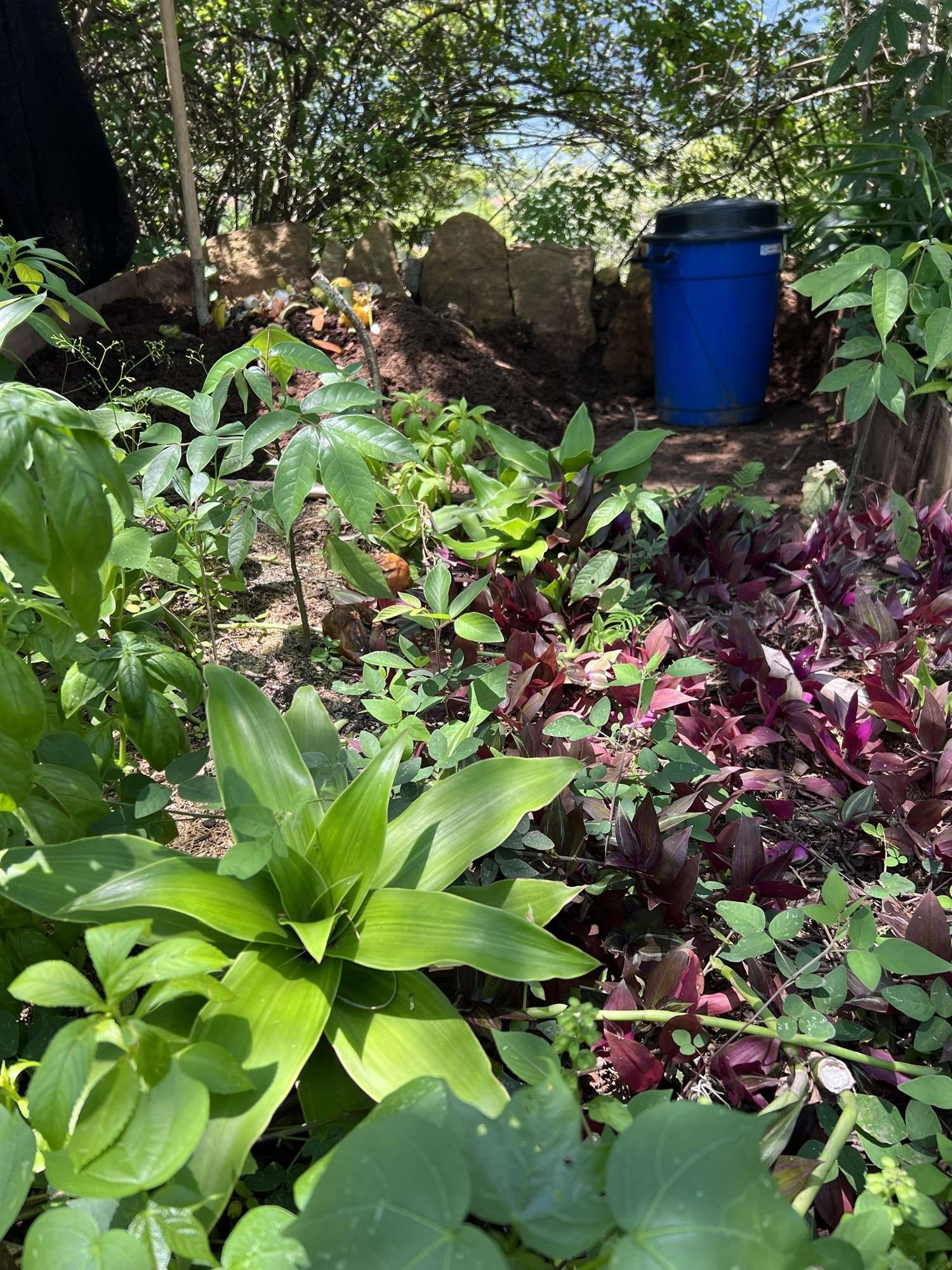
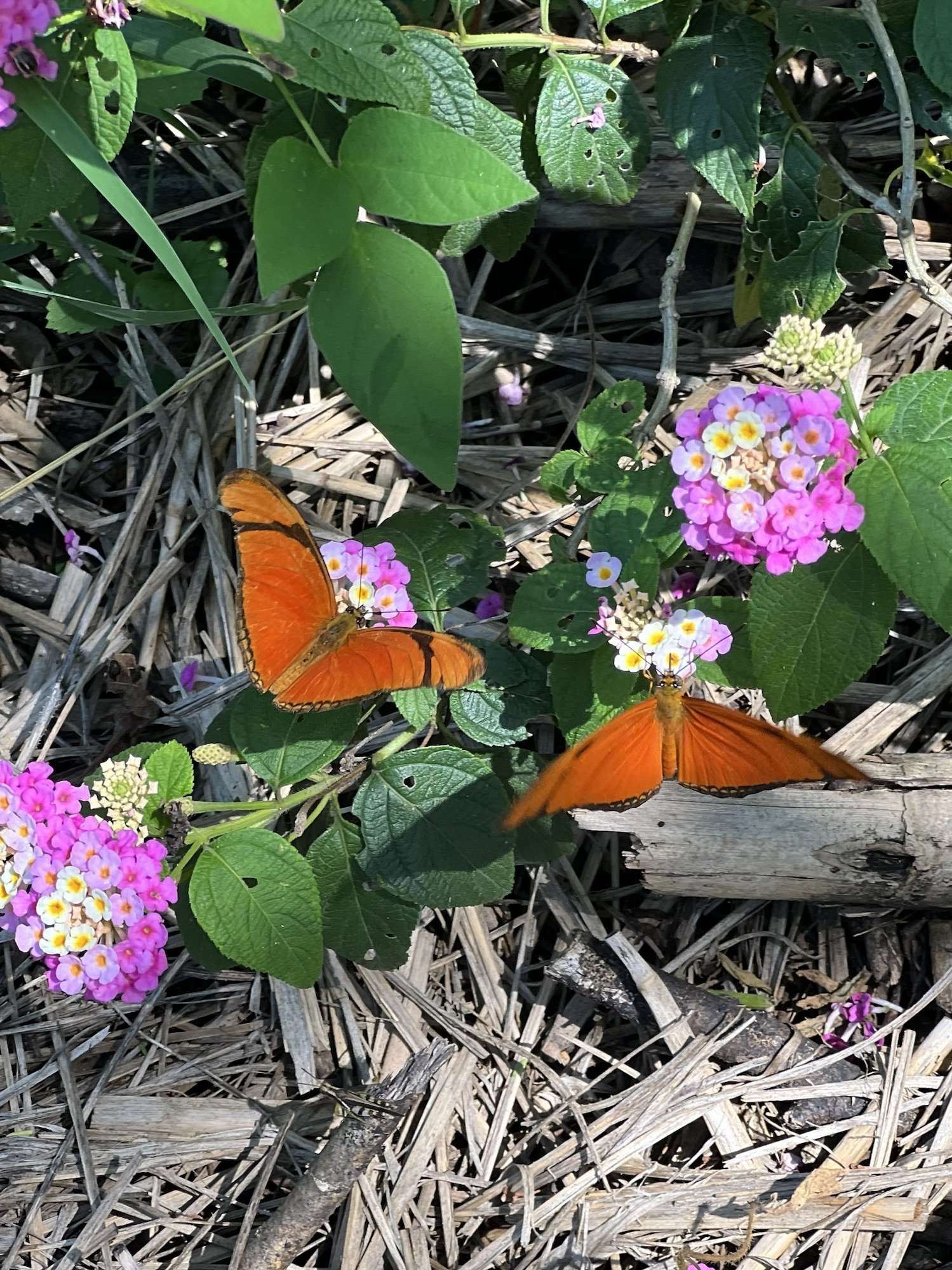
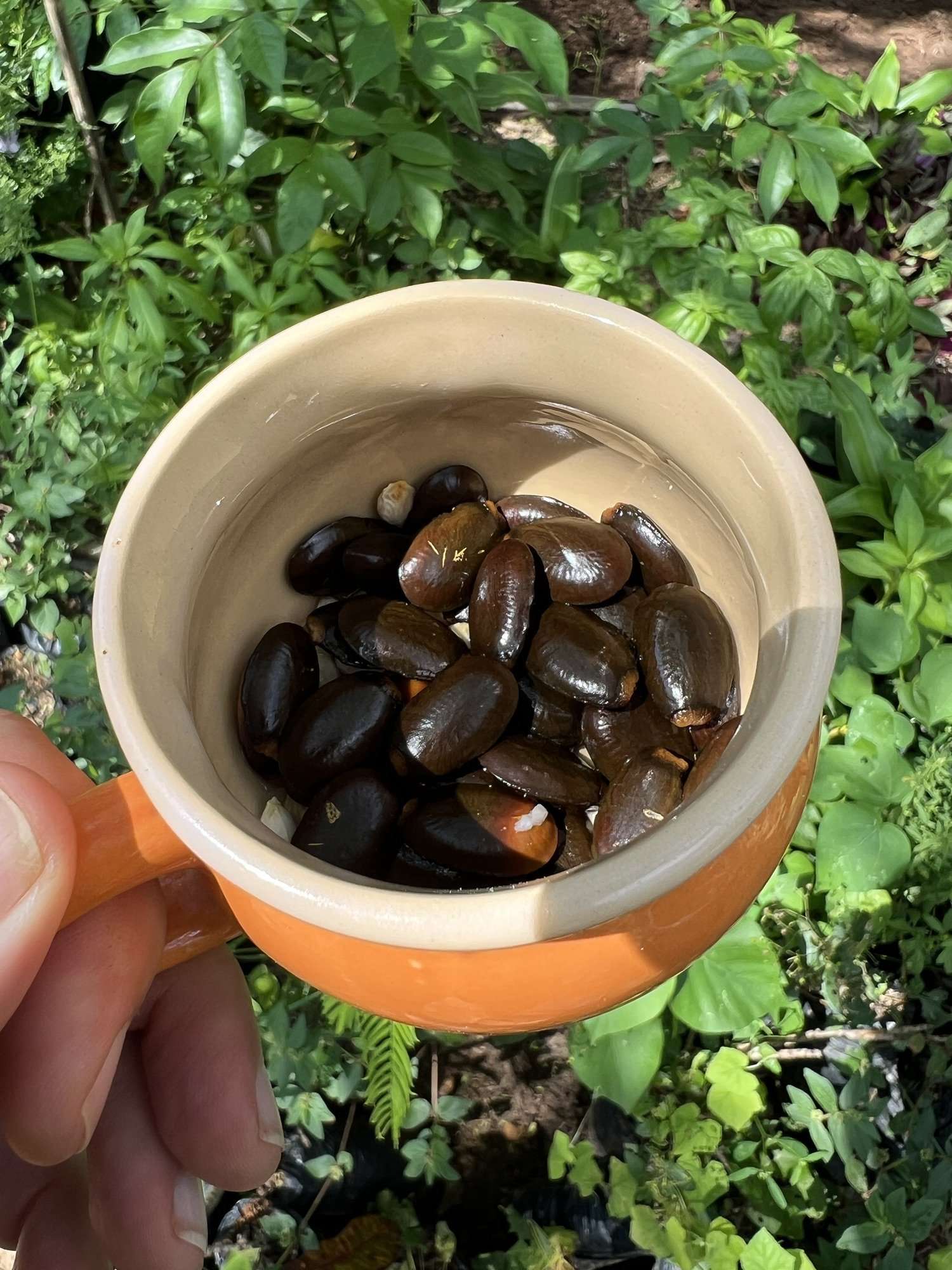
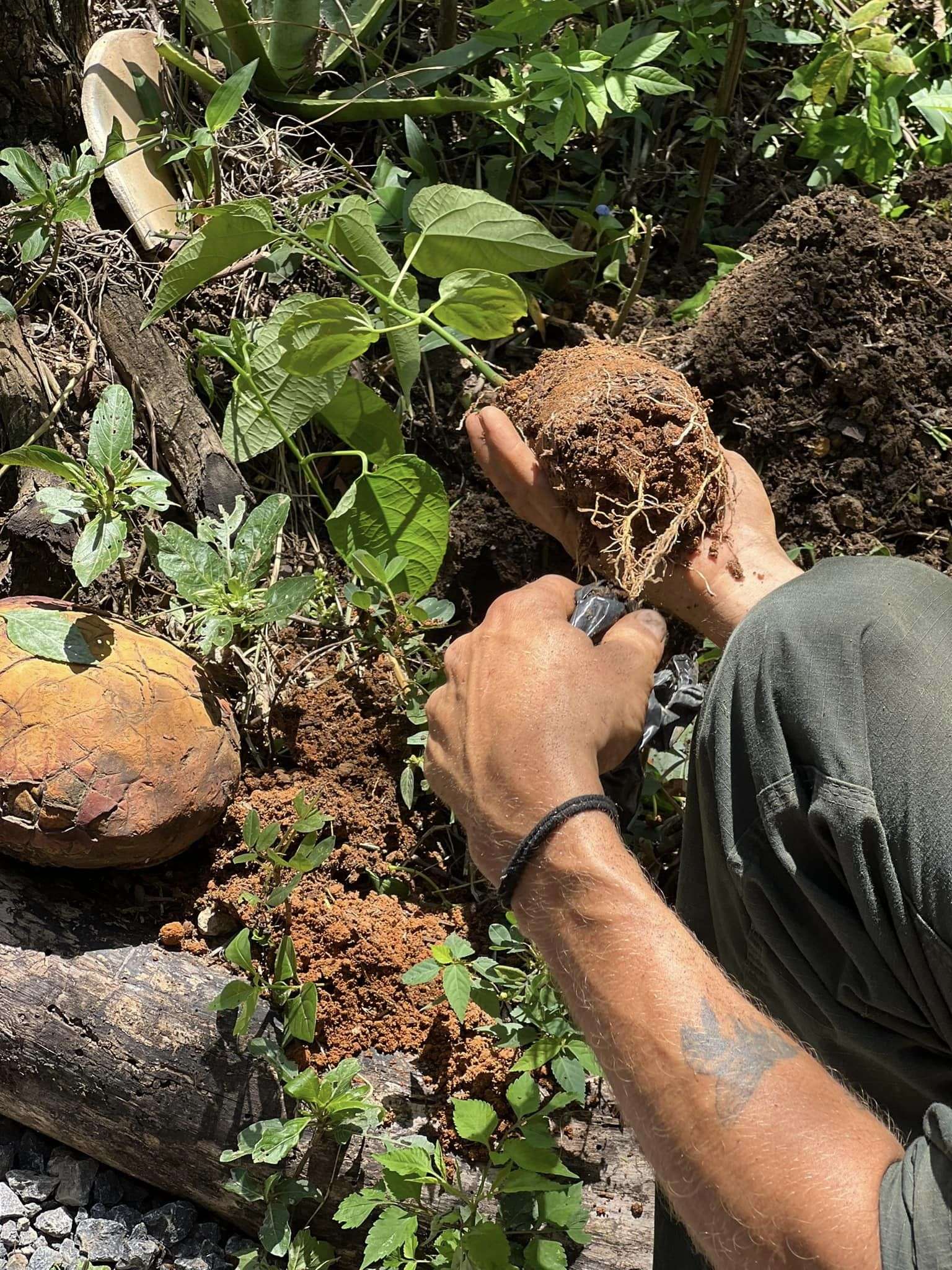
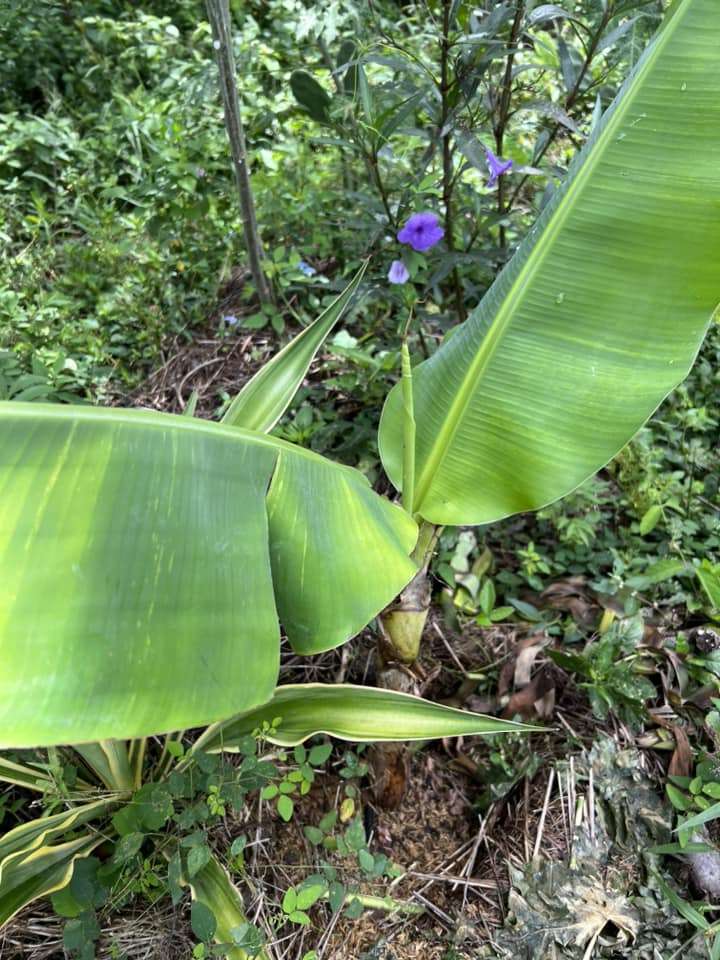
We use only natural methods on Milagros to keep the soil & plants healthy and the ecosystem in balance, and to reduce the impact of pests.
HOW WE BUILD HEALTHY SOIL AND PREVENT PESTS
Healthy plants require healthy soil, and we build healthy soil through mulch, compost, manure, micro-organisms, and a few other things like rice husk. We also build healthy soil through planting a wide diversity of plants, and allowing ants and other insects to fulfill their important function in the ecosystem.
This diversity also means that no type of food source is predominant, which means that no one type of insect has a chance of taking over. That means we don’t really have pests. We have ants and other insects that will eat parts of some plants, but that was only noticeable in the beginning when we had far less diversity, the soil was poor, and the plant health was far from optimal. Now, in our second year, it happens rarely and to a very low degree.
PESTICIDES AND CHEMICAL FERTILIZERS
We don’t need pesticides or chemical fertilizers which is good since these have a huge and detrimental impact on the ecosystem. They kill off wildlife. They contaminate the water and groundwater. They cause cancer and other diseases in humans and perhaps especially in children and pets. They destroy the soil quality. They create dependency. (Which is, of course, part of the business model.) Creating and shipping them is resource-intensive.
THE DOWNWARD SPIRAL OF CHEMICALS, TOXINS, AND MONOCULTURE
With pesticides and chemical fertilizers, you have a downward spiral, especially combined with monocultures. The soil is increasingly depleted. There is less and less diversity. Monocultures invite huge numbers of insects specializing in that particular crop.
You find yourself in an increasingly difficult situation, and increasingly dependent on chemical fertilizers and toxins.
THE UPWARD SPIRAL OF DIVERSITY, POLYCULTURE, AND NATURAL METHODS
This is in contrast to the upward spiral of diversity, polyculture, and using natural methods.
We are putting in resources now in the establishing phase. We are learning. We hire specialists and practical help. We buy seedlings and seek out seeds and cuttings from neighbors. We do a lot to improve the soil health, including bringing in some resources from outside (manure, compost, wood chips, rice husks, microbes, etc.). We water if needed, especially in the nursery and the young plants.
Already, we are seeing a significant return on investment. We are starting to have food from the garden and young food forest. We are getting more plants from several of the ones we have here. (A few days ago, I took about 30 nopal pads and planted more nopal.) And so on.
As our food forest matures, it will increasingly take care of itself. We have mostly drought-resistant perennials and these don’t need much if any extra water after they are established, especially if they have a good mulch layer, grow in good soil, and have a diversity of plants around them to help improve the soil and create shade to retain moisture.
As the food forest matures, there will be less need for inputs and maintenance, and it will produce more food, seeds, seedlings, cuttings, and so on.
By taking this approach, the return on investment is high and exponential.
MORE INFO
I asked ChatGPT 4o for input on these topics.
Downward and Upward Spirals
The agricultural practices we choose can significantly influence the health of ecosystems, soil, and communities. The downward spiral associated with chemical fertilizers and pesticides contrasts sharply with the upward spiral created by embracing diversity, polyculture, and natural methods. Here’s an exploration of both pathways:
Downward Spiral of Chemical Fertilizers and Pesticides
1. Soil Degradation
The over-reliance on chemical fertilizers leads to a cycle of soil degradation. While these fertilizers may provide short-term nutrient boosts, they gradually deplete soil organic matter and disrupt beneficial microbial communities. This degradation reduces soil fertility, making it increasingly difficult for plants to thrive without synthetic inputs.
2. Water Pollution
Chemical runoff from fields can contaminate water sources, leading to nutrient pollution and eutrophication. Algal blooms deplete oxygen in aquatic environments, creating dead zones that harm fish and other aquatic life. The contamination of drinking water sources poses serious risks to human health and ecosystems.
3. Pest Resistance
The repeated application of pesticides can lead to the development of resistant pest populations. As pests adapt to these chemicals, farmers are compelled to use increasingly potent pesticides, perpetuating a cycle of dependency that further harms non-target species and disrupts ecological balance.
4. Biodiversity Loss
Chemical fertilizers and pesticides negatively affect biodiversity, leading to declines in beneficial insects, pollinators, and wildlife. Reduced plant diversity limits the availability of food and habitat for these species, resulting in an unbalanced ecosystem that becomes more vulnerable to pests and diseases.
5. Economic Instability
Farmers caught in the cycle of chemical dependence often face rising costs due to the need for continual pesticide and fertilizer applications. This economic pressure can lead to unsustainable practices and a reliance on monocultures, further exacerbating the environmental challenges.
6. Health Risks
The use of chemical inputs poses health risks to farmers, consumers, and nearby communities. Exposure to toxic substances is linked to a range of health problems, from acute illnesses to long-term effects such as cancer, respiratory issues, and neurological disorders.
Upward Spiral of Diversity, Polyculture, and Natural Methods
1. Enhanced Soil Health
Diversity in crops and the use of organic amendments improve soil health. Practices such as composting, cover cropping, and crop rotation enhance soil structure, increase organic matter, and promote beneficial microbial communities. Healthy soil is more fertile, resilient, and capable of sustaining plant growth without synthetic inputs.
2. Water Conservation and Quality
Natural methods, including rainwater harvesting and mulching, improve water retention and reduce runoff. By minimizing chemical use, these practices help maintain clean water sources, protecting aquatic ecosystems and drinking water supplies.
3. Natural Pest Control
Emphasizing biodiversity and polyculture creates habitats for beneficial insects and predators, leading to natural pest control. By reducing the need for chemical pesticides, farmers can maintain a balanced ecosystem where natural enemies keep pest populations in check.
4. Increased Biodiversity
Diverse planting systems support a wide range of species, from plants to insects and wildlife. This increased biodiversity strengthens ecosystem resilience, making it less susceptible to diseases, pests, and climate fluctuations.
5. Economic Resilience
By adopting natural methods and embracing polyculture, farmers can reduce their dependence on expensive chemical inputs, leading to lower costs and improved profit margins. Diverse crops can also provide multiple income streams, enhancing financial stability.
6. Healthier Communities
The absence of chemical inputs fosters healthier environments for farmers, consumers, and local communities. Reduced exposure to toxins leads to better health outcomes, while diverse agricultural practices contribute to nutritious food availability and a stronger connection to local ecosystems.
Conclusion
The contrast between the downward spiral of chemical fertilizers and pesticides and the upward spiral of diversity, polyculture, and natural methods illustrates the profound impact of our agricultural choices. By embracing sustainable practices that prioritize biodiversity and ecological balance, we can create resilient ecosystems that benefit both the land and the communities that depend on it. The path toward a healthier, more sustainable future lies in fostering an upward spiral of growth and regeneration, rather than succumbing to the downward cycle of chemical dependence.
Use of Natural Methods
Achieving healthy and sustainable agricultural practices at Milagros can be effectively accomplished through natural methods that enhance soil health, promote biodiversity, and create a resilient ecosystem. Here are some strategies to consider:
1. Organic Soil Amendments
Instead of relying on chemical fertilizers, using organic amendments such as compost, manure, or biochar can enrich the soil. These materials improve soil structure, increase microbial activity, and enhance nutrient availability over time. Regular application of compost also helps build soil organic matter, promoting fertility and resilience.
2. Crop Rotation and Diversification
Implementing crop rotation and planting diverse crops can prevent nutrient depletion, break pest and disease cycles, and enhance soil health. Different plants have varying nutrient requirements and can contribute to soil fertility in unique ways. Cover crops, such as legumes, can fix nitrogen in the soil, reducing the need for synthetic inputs.
3. Integrated Pest Management (IPM)
Adopting an integrated pest management approach combines biological, cultural, and mechanical control methods to minimize pest damage without the use of harmful pesticides. This can include encouraging beneficial insects, such as ladybugs and predatory wasps, using physical barriers, and implementing habitat management strategies to promote natural pest control.
4. Mulching
Applying organic mulch, such as straw, wood chips, or leaves, around plants can suppress weeds, retain soil moisture, and improve soil structure as it decomposes. Mulching also enhances soil temperature regulation and creates a healthier microenvironment for beneficial organisms.
5. Water Conservation Techniques
Implementing water conservation practices, such as rainwater harvesting and drip irrigation, can help reduce water usage and maintain soil moisture levels. Additionally, creating swales or contour planting can enhance water infiltration and reduce erosion, allowing for better water management.
6. Native Plant Integration
Incorporating native plants into the landscape can support local wildlife, including pollinators and other beneficial organisms. Native plants are often better adapted to the local climate and soil conditions, requiring less maintenance and fewer resources. They also contribute to biodiversity and create habitats that support a wide range of species.
7. Agroforestry Practices
Integrating trees and shrubs into agricultural systems (agroforestry) can enhance biodiversity, improve soil health, and provide additional products, such as fruits, nuts, and timber. Trees can help stabilize soil, reduce erosion, and improve microclimates for understorey crops.
8. Natural Pest Attractants
Planting flowers and herbs that attract beneficial insects can naturally control pest populations. For example, plants like marigolds, yarrow, and dill can lure pollinators and predatory insects, enhancing ecosystem balance without the need for chemical interventions.
9. Education and Community Involvement
Engaging the local community and sharing knowledge about sustainable practices can foster a culture of ecological stewardship. Workshops, demonstrations, and cooperative projects can empower individuals to adopt natural methods, enhancing the overall health of the ecosystem.
10. Continuous Monitoring and Adaptation
Regularly assessing soil health, plant growth, and ecosystem dynamics can inform management decisions and help adapt practices to changing conditions. Using techniques such as soil testing and observation can guide interventions that promote a healthy and sustainable environment.
Conclusion
By embracing these natural methods at Milagros, it is possible to achieve the same, if not greater, results as traditional chemical practices while enhancing soil health, promoting biodiversity, and fostering a resilient ecosystem. These practices support sustainable agriculture, create a thriving environment for both people and wildlife, and contribute to the long-term health of the land.
Impact of Toxins and Pesticides
The use of toxins and pesticides can have significant negative impacts on the ecosystem at Milagros, threatening both the environment and human health. Here are some key points to consider:
1. Soil Health Degradation
Pesticides can disrupt the natural balance of soil ecosystems by harming beneficial organisms, including earthworms and microbes essential for nutrient cycling. Over time, this leads to soil degradation, reducing fertility and the ability of plants to grow, which undermines the long-term productivity of the land.
2. Water Contamination
Runoff from pesticide applications can contaminate local water sources, affecting rivers, streams, and even groundwater. This contamination can harm aquatic life, disrupt ecosystems, and pose risks to human drinking water, as well as water used for irrigation.
3. Biodiversity Loss
The application of pesticides can have devastating effects on non-target species, including vital pollinators like bees and butterflies, as well as birds and other wildlife. This loss of biodiversity can lead to imbalances in the ecosystem, disrupting natural pest control mechanisms and resulting in increased pest populations.
4. Human Health Risks
Exposure to pesticides is associated with various health issues, including respiratory problems, skin irritations, and even long-term health effects such as neurological disorders and cancer. For those living and working at Milagros, the risk of exposure is a serious concern, especially for children and vulnerable populations.
5. Resistance Development
The overuse of pesticides can lead to the development of resistance among pests, necessitating the use of stronger chemicals. This cycle can increase the frequency and quantity of pesticide applications, further exacerbating the environmental and health impacts associated with their use.
6. Negative Impact on Wildlife
Toxins and pesticides can have acute toxic effects on wildlife, affecting their reproduction and survival. Birds, mammals, and aquatic organisms can be severely impacted, leading to declines in populations of sensitive species and altering the ecological balance.
7. Impact on Microbial Life
Pesticides can harm the diverse microbial communities in the soil, which play a crucial role in nutrient cycling and maintaining plant health. A decline in beneficial microbes can lead to poor plant growth, increased susceptibility to diseases, and a less resilient ecosystem overall.
Conclusion
To protect the health and biodiversity of Milagros, it is essential to avoid the use of toxins and pesticides. Instead, embracing organic and natural pest management practices can foster a thriving ecosystem, promote soil health, and ensure the long-term sustainability of the land. By focusing on native plants and enhancing natural biodiversity, Milagros can develop a balanced and resilient environment that supports both the flora and fauna.
Impact of Chemical Fertilizers
The use of chemical fertilizers can have significant and often detrimental effects on the ecosystem at Milagros, impacting soil health, water quality, biodiversity, and long-term sustainability. Here are some key points to consider:
1. Soil Health Degradation
Chemical fertilizers provide a quick fix of essential nutrients, such as nitrogen, phosphorus, and potassium. However, over time, their use can lead to nutrient imbalances in the soil. The reliance on these synthetic inputs often results in a decline in organic matter, which is crucial for maintaining soil structure, fertility, and the health of beneficial soil organisms. This degradation can hinder the ability of the soil to support healthy plant growth.
2. Water Contamination
Runoff from fields treated with chemical fertilizers can lead to the contamination of nearby water bodies. Nutrients, particularly nitrogen and phosphorus, can leach into streams, rivers, and lakes, causing eutrophication. This process leads to excessive growth of algae, which depletes oxygen in the water and creates dead zones, severely impacting aquatic life and disrupting local ecosystems.
3. Biodiversity Loss
The use of chemical fertilizers can have indirect effects on biodiversity. By promoting certain plant species over others, these fertilizers can lead to reduced plant diversity in the landscape. This, in turn, affects the animals that rely on a diverse array of plants for food and habitat, contributing to a decline in local wildlife populations.
4. Soil Microbial Disruption
Chemical fertilizers can negatively affect the microbial community in the soil. Beneficial microbes that play essential roles in nutrient cycling, decomposition, and plant health can be harmed or diminished in number. This disruption can lead to reduced soil fertility and plant resilience, making ecosystems more susceptible to diseases and pests.
5. Increased Greenhouse Gas Emissions
The production and application of chemical fertilizers contribute to greenhouse gas emissions, particularly nitrous oxide, which is a potent greenhouse gas. Excessive use of fertilizers can lead to increased emissions, further contributing to climate change and its associated impacts on ecosystems.
6. Dependency and Economic Costs
Reliance on chemical fertilizers can create a cycle of dependency, where farmers must continuously apply these inputs to maintain crop yields. This reliance can lead to increased costs over time and make agricultural systems less resilient to changes in market conditions or environmental factors.
7. Long-Term Sustainability Issues
The long-term use of chemical fertilizers undermines sustainable agricultural practices. At Milagros, focusing on organic and regenerative practices can enhance soil health, improve biodiversity, and promote a more resilient ecosystem. Sustainable approaches often involve building soil organic matter through composting, cover cropping, and crop rotation, which provide lasting benefits for both the environment and productivity.
Conclusion
To safeguard the health and sustainability of Milagros, it is essential to minimize the use of chemical fertilizers. Emphasizing organic practices and natural soil-building techniques will foster a thriving ecosystem, enhance soil fertility, and support the long-term productivity of the land. By prioritizing biodiversity and ecological balance, Milagros can create a resilient and sustainable environment that benefits all inhabitants.
Dependency Created by Pesticides and Chemical Fertilizers
The use of pesticides and chemical fertilizers in agriculture creates a dependency that is deeply woven into the business model of the companies producing these products. This cycle of dependency has significant implications for farmers, ecosystems, and food systems as a whole. Here’s an exploration of how this dependency is formed and perpetuated:
1. Initial Adoption and Short-Term Solutions
Farmers often turn to chemical fertilizers and pesticides for immediate solutions to agricultural challenges, such as nutrient deficiencies and pest infestations. The promise of higher yields and quick fixes can be tempting, leading to the initial adoption of these products. However, this initial success can create a cycle where farmers rely on these inputs to maintain production levels.
2. Diminished Soil Health
The repeated use of chemical fertilizers can degrade soil health over time, leading to reduced fertility and structure. As soil health declines, farmers find themselves needing to apply even more fertilizers to achieve similar yields, reinforcing their dependence on chemical inputs. This cycle not only undermines the long-term viability of the land but also increases the financial burden on farmers.
3. Increased Pest Resistance
Over time, the continuous application of pesticides can lead to the development of resistant pest populations. Farmers are then compelled to use stronger or different chemicals to combat these resilient pests, further deepening their reliance on these products. This dynamic creates a feedback loop, where the initial solution becomes less effective, leading to increased chemical use and further costs.
4. Economic Constraints
The cost of chemical inputs can be significant, and farmers may become locked into purchasing these products from specific companies that dominate the market. This dependency creates economic constraints, as farmers must budget for ongoing chemical purchases rather than investing in sustainable practices or diversifying their crops. The pressure to maintain yields often leads to further dependence on chemical inputs, perpetuating a cycle that is difficult to escape.
5. Marketing and Corporate Influence
Companies producing pesticides and chemical fertilizers often use aggressive marketing tactics to promote their products as essential for successful farming. This messaging can create a perception that chemical inputs are necessary for maintaining productivity and profitability. Furthermore, many of these companies invest in research and development to create new products that further entrench farmers in a cycle of dependency, often presenting them as “innovative” solutions to ongoing agricultural challenges.
6. Control of the Supply Chain
Major agricultural companies frequently control multiple aspects of the supply chain, from the production of seeds to the distribution of pesticides and fertilizers. This vertical integration allows these companies to create a comprehensive system where farmers are dependent on their products at every stage of the growing process. Farmers may find themselves locked into contracts or systems that limit their ability to seek alternatives.
7. Regulatory Influence
Companies often exert influence over agricultural policies and regulations, advocating for the continued use of chemical inputs under the guise of promoting agricultural efficiency. This influence can stifle the adoption of sustainable practices, making it challenging for farmers to break free from the cycle of dependency and pursue more regenerative approaches.
8. Long-Term Environmental Impact
The dependency on chemical fertilizers and pesticides not only affects farmers but also has broader implications for the environment. Soil degradation, water contamination, and loss of biodiversity are all consequences of this reliance. As ecosystems become more fragile, farmers may find it increasingly difficult to maintain productivity without further increasing their use of chemical inputs.
Conclusion
The dependency created by the use of pesticides and chemical fertilizers is a significant aspect of the business model of the companies that produce them. This cycle of reliance impacts soil health, pest dynamics, and economic stability for farmers while promoting a system that favors short-term gains over long-term sustainability. Breaking this cycle requires a shift towards regenerative agricultural practices that prioritize soil health, biodiversity, and resilience, ultimately leading to a more sustainable and equitable food system. By fostering awareness and support for alternative methods, farmers can begin to liberate themselves from the cycle of dependency and cultivate a healthier relationship with the land.