There are occasional wildfires in our area, especially during the dry season. Many of our neighbors grow tall grass which becomes flammable when dry, and they are generally using practices that degrade and dry out the soil, plants, and landscape. This all increases the risk of fire.
Wildfires are part of the natural cycles and ecosystems have evolved to deal with occasional fires. They sometimes even depend on them, it helps them stay healthy. At the same time, this landscape is severely degraded and unable to hold much moisture, which increases the risk of more frequent and stronger wildfires. I assume the mature forest that once was here was inherently less flammable.
What are we doing to reduce the risk of wildfire on Milagros and close to the houses?
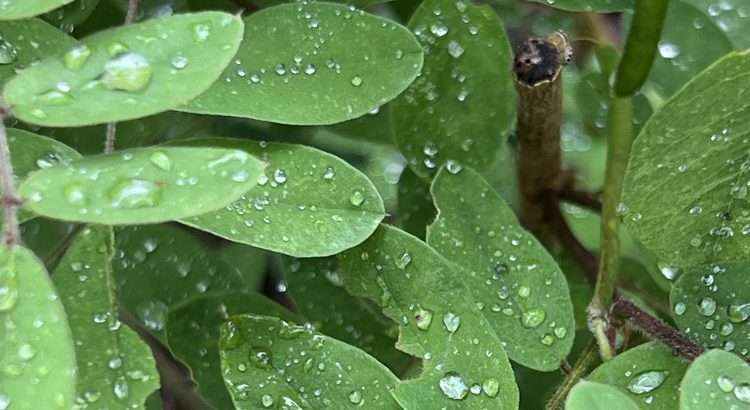
Mainly, we support reforestation and regeneration of the land. As the ecosystem evolves and becomes more healthy, several things happen that reduce the chances of fire: We get a cooler and more humid microclimate. The vegetation is more hydrated. With better soil, natural mulch, and more shade, the ground retains moisture for longer. As the forest comes back, the grass is shaded out. In time, water may return to creeks and springs.
In general, there is more water and humidity throughout the whole system – in the soil, in the mulch layer, in the vegetation – which reduces the risk of wildfire.
Around the houses, we have developed terraces and swales to slow down rainwater so it’s absorbed into the ground. We are improving the soil so it has more organic matter which makes it more porous and able to absorb rainwater. We are adding a relatively thick layer of mulch which slows down and absorbs rainwater and retains moisture. We water now and then during the dry periods so the vegetation is hydrated and the mulch is moist. We are planting water-rich succulents (agave, cactus). We avoid especially flammable vegetation like eucalyptus and pines. We plant in layers – small and large trees, bushes, herbs, groundcover, and vines – so there will be a lot of greenery throughout the vertical space. There is no grass here, apart from some vetiver.
We have water tanks with water from the town and our own rainwater. I plan to look into attaching a thicker hose combined with a pump. There is a small pond close to the small house. If we have a small swimming pool, it will be slightly up from the big house so we can find a way to use that water if necessary, likely with a large hose and pump.
As for the rest of Milagros, we are engaged in a reforestation project which will help create a more healthy ecosystem. It will take some time, but it’s already a good start.
I am sure there is more we are doing, and there is a lot more we can be doing, although this is what comes to mind for now.
As usual, the answer to almost any question is to support the regeneration of a healthy and diverse ecosystem, one with an abundance of water and healthy water cycles. This helps with growing an abundance of food, pest control, reducing the impact of storms, preventing and reducing the impact of fires and floods, preventing erosion, and so on.
MORE INFO
I asked ChatGPT 4o for some input on these themes.
Protecting Milagros from wildfires
To protect Milagros from wildfires while preserving its natural environment, you can use a combination of landscaping, moisture retention, and careful land management. By creating defensible space around buildings, using fire-resistant plants, and adopting natural methods to maintain soil moisture, you can significantly reduce the risk of fire while supporting a healthy ecosystem. Here are practical steps you can take to safeguard your property.
1. Create Defensible Space
- Immediate Zone (0-5 meters around buildings):
- Remove flammable vegetation like dry grass and dead leaves near buildings.
- Plant fire-resistant species like succulents close to structures.
- Use gravel or stone paths to create firebreaks.
- Intermediate Zone (5-30 meters):
- Prune trees and shrubs to reduce fire spread, ensuring proper spacing.
- Plant native fire-resistant species such as guáimaro and moringa.
- Extended Zone (30-100 meters):
- Create fuel breaks using earth mounds, stone walls, or swales.
- Use drought-tolerant native grasses and ground covers to stabilize soil and reduce fire risk.
2. Moisture Retention and Mulching
- Mulch around trees and shrubs with organic materials like straw, compost, or bark to retain soil moisture and reduce fire risk.
- Create natural water catchments using stones and berms to direct rainwater to plants.
- Plant moisture-retaining species that help trap water in the soil and reduce the need for irrigation.
3. Water Harvesting and Irrigation
- Continue collecting rainwater and use it with a drip irrigation system for efficient water use.
- Build swales on contour to slow down water runoff, allowing more water to sink into the ground and naturally hydrate plants.
4. Fuel Reduction and Maintenance
- Regularly remove dead vegetation and fallen branches around the property to reduce fire fuel.
- Use non-flammable mulches like gravel along firebreaks to help slow fire spread.
- Enhance firebreaks with small earthworks like ditches or mounds to act as barriers.
5. Building Materials and Structures
- Use fire-resistant materials like metal or clay tiles for roofing, and stone or adobe for walls.
- Install fine mesh screens on vents to keep embers out.
- Use tempered glass windows, which are more heat-resistant.
6. Grazing and Land Management
- Introduce animals like goats to naturally reduce dry grass and shrubs.
- Create areas where chickens or guinea fowl can control ground cover without disrupting the ecosystem.
7. Emergency Preparedness and Water Sources
- Keep rainwater tanks accessible for both irrigation and fire emergencies.
- Consider installing roof sprinklers to wet down the area in case of a fire threat.
- Ensure clear paths for fire services and maintain access routes free of overgrown vegetation.
8. Integrating Natural Solutions
- Use fire-resistant trees and plants to create natural windbreaks and shade, cooling the area and helping retain moisture.
- Plant in layers to create shaded microclimates that help keep moisture in the soil and reduce fire spread.
This approach will help protect Milagros from wildfire risk while maintaining a thriving, sustainable environment. Focusing on moisture retention, native plants, and firebreaks will integrate fire prevention naturally into the landscape.
A healthy ecosystem and preventing wildfires
A healthy ecosystem plays a vital role in preventing wildfires by maintaining natural balances and reducing the conditions that lead to uncontrollable fires. Here are some key ways:
- Moisture Retention: A healthy ecosystem often has rich, organic soil and diverse plant life that helps retain moisture. When the soil stays damp, the risk of fire spreading is significantly reduced. Mulch, plant cover, and shaded areas created by trees also help trap moisture in the ground, making it harder for fires to ignite and spread.
- Biodiversity: A diverse ecosystem includes a variety of plants with different water needs, growth rates, and flammability. Fire-resistant plants, along with trees that hold moisture, naturally create firebreaks, slowing down the potential spread of fires. The mix of species also promotes healthier, more resilient landscapes that can recover more quickly from fires.
- Natural Firebreaks: In a balanced ecosystem, natural firebreaks like wetlands, rivers, rocky areas, and dense, fire-resistant vegetation can slow down or stop the spread of fires. These natural barriers reduce the availability of dry fuel and create a patchwork landscape that prevents large, continuous fires.
- Healthy Soil Microorganisms: A healthy ecosystem has rich soil teeming with microorganisms and fungi that break down organic material into soil rather than allowing dry debris to accumulate as fuel for fires. This process of decomposition keeps fuel levels low and maintains soil health.
- Native Vegetation Management: Native plants that are adapted to the local climate tend to be more drought-resistant and less flammable than non-native species. These plants play a key role in maintaining a balanced water cycle, reducing the risk of dry, flammable areas.
- Water Retention and Flow: A healthy ecosystem helps manage water flow through natural features like swales, ponds, and riparian zones, which reduce drought stress. By retaining water, ecosystems prevent the landscape from drying out and becoming a fire hazard.
- Wildlife Balance: Grazing animals and other wildlife help naturally manage vegetation, reducing the buildup of dry grass and underbrush that can act as fire fuel. Predators and prey also maintain a balance in the ecosystem that supports plant health and reduces the spread of diseases or invasive species that can lead to dry, dead vegetation.
A well-functioning ecosystem, through its biodiversity, moisture retention, and natural processes, works to create a resilient landscape less prone to large-scale wildfires.
The role of wildfires in a healthy ecosystem
Wildfires play an essential role in maintaining the health and balance of many ecosystems. While destructive in some contexts, when naturally occurring and managed properly, wildfires can contribute to the long-term sustainability of ecosystems in several important ways:
1. Natural Regeneration
Wildfires clear out dead or decaying plant matter, making space for new growth. By removing older vegetation, they allow sunlight to reach the ground, creating opportunities for a new generation of plants to thrive. Many ecosystems, such as savannas, grasslands, and certain forests, depend on periodic fires to maintain plant diversity and regenerate the landscape.
2. Soil Enrichment
Fires return essential nutrients to the soil by breaking down organic matter quickly. The ash left behind from a fire is rich in nutrients like potassium, calcium, and magnesium, which fertilize the soil and support the next cycle of plant growth. This nutrient cycling promotes a healthy, fertile environment that can sustain diverse plant species.
3. Encouraging Fire-Adapted Species
Certain species of plants and trees are adapted to fire and rely on it to complete their life cycles. For example, some pine trees produce cones that only release seeds in response to the heat of a fire. Similarly, certain grasses and wildflowers flourish after a fire, as their seeds are often heat-activated. These species help maintain biodiversity and the overall resilience of the ecosystem.
4. Controlling Pests and Disease
Wildfires help control insect infestations, pathogens, and plant diseases by clearing out affected areas. This process can reduce the spread of harmful organisms that might otherwise devastate forests or grasslands. In turn, this supports healthier plant and animal populations.
5. Reducing Fuel Buildup
In ecosystems that experience natural fire cycles, regular fires help prevent the buildup of dry, dead plant material (fuel). Without periodic burning, vegetation can accumulate and create the conditions for much larger, more intense wildfires. By reducing this fuel, smaller, low-intensity fires help prevent catastrophic wildfires that can cause widespread destruction.
6. Supporting Wildlife
Many animals benefit from the changes brought about by wildfires. After a fire, the new growth of plants provides fresh food and habitat for herbivores, which in turn supports predators. For example, grazers like deer and elk find new, nutritious forage in the aftermath of a fire. Birds of prey can more easily spot their prey in open, burned areas. Over time, a more diverse array of species thrives as the landscape recovers and becomes more varied.
7. Shaping Ecosystem Structure
Fires play a role in shaping the structure of ecosystems, creating a mosaic of different habitats. Some areas may be more open, while others remain densely vegetated, allowing different species to inhabit different niches. This diversity of habitat supports a wider range of plant and animal species, contributing to the overall resilience of the ecosystem.
8. Preventing Overgrowth
Without fire, some ecosystems become overgrown with dense vegetation, which can suppress smaller plant species and reduce biodiversity. Fires help prevent overgrowth, maintaining a balance between dominant and less dominant plant species. This balance helps sustain diverse plant communities that, in turn, support a variety of animal species.
In conclusion, wildfires are a natural and essential process in many ecosystems, promoting regeneration, nutrient cycling, and biodiversity. When occurring under the right conditions, wildfires help maintain ecological balance, prevent larger catastrophic fires, and support the health of both plant and animal species. Understanding the role of fire in nature helps us manage landscapes more sustainably, allowing for both ecological integrity and reduced wildfire risk.