


We live in the Andes, 6 degrees north of the equator, 1000 meters above sea level, in a dry tropical forest ecosystem, and the climate has wet and dry seasons.
The daytime temperature here is from low 20s to low 30s Celcius, with cooler days during the wet season and hotter days during the dry season. Since we are in the tropics, the sun feels especially hot.
So how do we deal with the heat? How do we stay cool?
LOCATION
We found a location for our house that benefits from the afternoon breeze coming up from the canyon. We avoided the peak since the wind can be very strong there, and we also avoided locations that were too sheltered with not much breeze.
We built between relatively large existing trees with good shade coverage. We went out of our way to find a location where we could keep the trees already here, and the builders were instructed to be careful to not harm them during construction.
HOUSE DESIGN
We have a small initial house and a recent larger house here1.
We designed both using software that models the sun and shade at different times of day and year. (SketchUp has a free version that does it.)
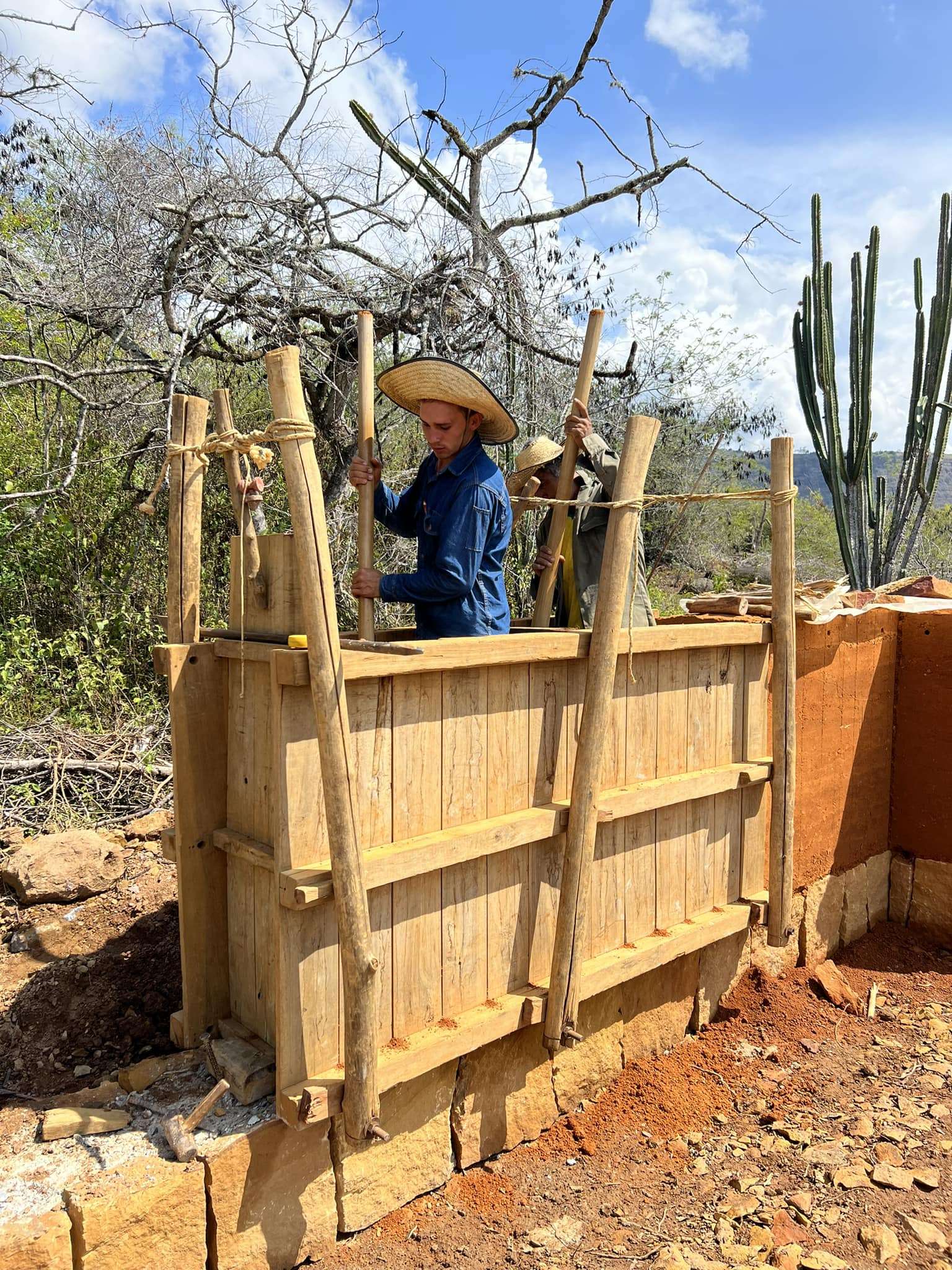
We are building with traditional local methods and materials.
The walls are rammed earth (tapia pisada), 50cm thick, and they function as a heat sink and moderate the temperature through the day and night. The walls are white to reflect light.
The ceilings are tall for good air circulation, space between the warmer ceiling and our heads, and the roof is insulated (in the traditional way) to prevent hot ceilings.
We have large doors and several windows. This allows for cross ventilation and good air flow through the houses.
The large house is just one big open space to allow for unhindered air flow. The small house is similar. (We are planning to make it completely open.)
We have a wide covered veranda around the big house, to provide outdoor shaded space and shade for the indoor space. We will do the same for the small house.
We will install large curtains (made of natural materials) at the edge of the south and/or west sides of the verandas. This will block the sun on warm afternoons.
We have large ceiling fans to provide air flow when the air is still.
GARDEN & FOOD FOREST
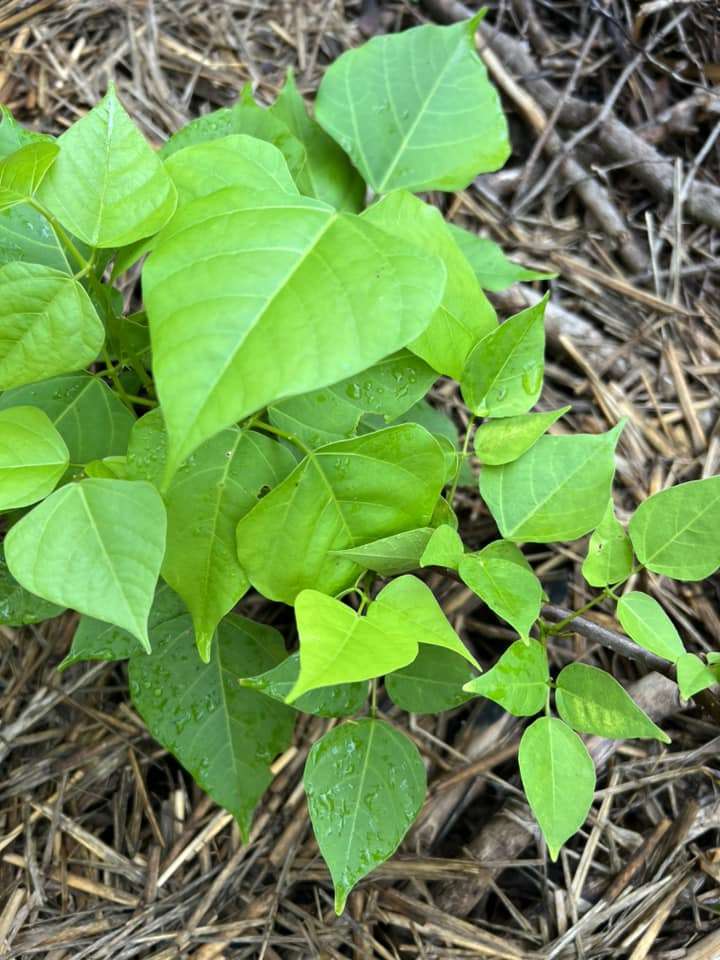
We are creating a food forest around the houses. This is already cooling down the temperatures, and will do so even more as the forest grows. Vegetation reduces the temperature significantly through shade and evaporative cooling. A thick layer of mulch retains moisture and also helps create a cooler microclimate. (This changing microclimate also allows different plants to thrive here.)
I have seen people talk about a cooling of 5-10 degrees Celcius although I am sure that varies a lot.
We are planting with shade for the houses in mind, and we are planning ahead so new trees will be ready to take the place for older ones when they die. A high canopy allows the breeze to come through, and opens up the view, while also providing shade.
WATER
We have an outdoor shower which we use to cool down on hot days.
We may create a small natural pool, although that’s in the future.
Personally, I am interested in building a small Japanese tub for two people for cooling down on hot dry-season days.
SLEEP
We sleep with cross ventilation and the fan on if the night is warm.
During the last dry season, I slept outside in a hamock now and then which was a delight.
REFORESTATION
We are reforesting the 15 hectares we have here, although we just started this year and it’s a long process. This will help change the microclimate of the whole area, which we also will benefit from.
Most of the land has vegetation, although most is in an early stage of regrowth. Some areas are more eroded and dry and hot.
NOTES
(1) For the small house, I had a design I would be much more happy with than the design we ended up with. At the time, other people were involved in the project and we were not sure what this house would be used for. (We thought possibly rental.) I was able to design the big house a little up the hill.
MORE INFO
I asked ChatGPT 4o for input on these topics. See below.
Staying Cool in the Tropics
Here’s a guide on staying cool in a tropical climate with a focus on house location, design, vegetation, ventilation, and additional cooling strategies:
1. House Location
- Orientation: Position the house to avoid direct sunlight during the hottest parts of the day. Orienting the house so the longest walls face north and south can reduce exposure to the intense afternoon sun from the east and west.
- Elevation: If possible, build on a slope or slightly elevated area. Higher locations can benefit from cooler air and natural breezes, and elevation also reduces humidity compared to low-lying areas.
- Natural Shade: Place the house in a spot where large trees or natural landforms provide shade, but keep enough distance to ensure ventilation around the house.
2. House Design
- Overhangs and Eaves: Deep roof overhangs can keep direct sunlight from entering windows and walls, reducing indoor heat gain.
- High Ceilings: High ceilings create space for hot air to rise, keeping the lower living areas cooler. Exposed beams and vaulted ceilings are popular in tropical homes for this reason.
- Verandas and Porches: These can act as buffers, absorbing heat and shading exterior walls.
- Thermal Mass: Use materials like concrete, brick, or stone for walls, as they can absorb heat during the day and release it at night when temperatures drop.
- Reflective or Light-Colored Roofs: These reduce heat absorption. You can also consider insulated or “cool” roofing materials that reflect more sunlight.
- Insulation and Ventilated Roofs: Roof insulation helps to keep the indoor temperature stable. Using a double-layered or ventilated roof allows air to circulate, which prevents heat buildup under the roof.
3. Windows and Doors
- Cross Ventilation: Place windows and doors on opposite walls to allow airflow across rooms, which is key to cooling down in hot climates.
- Window Placement: Consider vertical windows placed higher on walls to allow hot air to escape, which helps natural ventilation.
- Shutters and Louvres: Adjustable louvres allow air in while blocking sunlight, and they’re common in tropical designs.
- Mesh Screens: Mosquitoes can be an issue, so use screens to keep windows open without inviting bugs inside.
4. Landscaping and Vegetation
- Shade Trees: Plant fast-growing native trees (e.g., palms or fruit trees) on the west and east sides of the house to block sunlight during the hottest times.
- Green Roofs or Walls: Green roofs reduce the temperature on the roof, while green walls provide shade and help insulate the building.
- Deciduous Plants: Plant deciduous trees on the south side if you want seasonal shade, allowing winter sun to penetrate in cooler months.
- Water Features and Ground Cover: Shallow ponds or fountains near the house can cool the air, while ground cover plants (instead of concrete or paving) keep the surrounding ground cooler.
- Vegetated Courtyards: Integrating vegetation in open courtyards can lower the ambient temperature around the house.
5. Ventilation and Fans
- Ceiling Fans: These are essential, especially in bedrooms and main living areas, to circulate air and create a cooling effect.
- Exhaust Fans: Use in kitchens, bathrooms, and other heat-generating areas to remove hot air directly.
- Whole-House Fans: Placed in the attic or highest part of the house, these fans draw cooler air from outside through the house and release it through vents in the roof.
- Open Floor Plans: Minimizing internal walls allows air to move freely, so prioritize open-plan designs.
6. Pool or Water Feature
- Swimming Pool: A pool is an effective way to cool off. A shaded pool area with trees or canopies nearby can keep the water temperature cooler.
- Outdoor Shower: Having an outdoor shower can provide quick refreshment, especially when positioned in a shaded, secluded area.
- Pond or Fountain: A small pond or fountain near living spaces cools the surrounding area by creating a localized microclimate.
7. Materials and Finishes
- Natural, Breathable Materials: Bamboo, wood, and stone are excellent for the tropics. They absorb less heat and are breathable.
- Porous or Matte Finishes: Matte or porous finishes are less likely to trap heat than glossy surfaces.
- Cooling Flooring: Use tiles, polished concrete, or stone flooring. These stay cool underfoot and are easier to clean in humid conditions.
8. Additional Cooling Strategies
- Exterior Blinds or Shades: Adjustable exterior blinds on windows reduce sunlight exposure and heat entry.
- Solar Power for Fans and Cooling Systems: Solar energy is abundant in tropical areas, making it ideal for powering fans and other cooling systems without impacting energy bills.
- Indoor Plants: Plants increase humidity slightly, which can make the environment feel cooler. They also add a refreshing aesthetic to the interior.
- Evaporative Cooling: If using air conditioning, consider evaporative coolers, which can be energy-efficient in humid climates.
- Cold-Climate Storage: For rooms needing lower temperatures, such as food storage, consider underground or insulated storage rooms that stay naturally cooler.
Integrating as many of these elements as possible will create a sustainable, comfortable environment that takes full advantage of natural cooling methods and minimizes the need for artificial air conditioning.
The Cooling Effect of Vegetation & Food Forests
Vegetation, especially dense plantings like a food forest, can significantly reduce temperatures around buildings and open spaces. Here’s how a food forest cools its surroundings and by how much:
1. Shade Provision
- Temperature Reduction: Trees and tall vegetation create shade, reducing the amount of solar radiation hitting the ground and buildings. This shading effect can lower ground temperatures by up to 20-45% and significantly reduce heat absorbed by buildings.
- How It Works: Shade from trees prevents direct sunlight from reaching the ground and nearby surfaces, keeping them cooler. This reduces the heat stored and radiated back into the environment, which helps to moderate the temperature around the shaded areas.
2. Transpiration Cooling
- Temperature Reduction: Plants release water vapor through a process called transpiration, which cools the air around them. This cooling effect can lower the temperature by 2-9°C (3.6-16°F) depending on the density of vegetation, humidity, and the type of plants used.
- How It Works: As plants transpire, water evaporates from their leaves, absorbing heat from the surrounding air. This process is similar to sweating in humans and helps lower the ambient temperature in the area.
3. Evaporation from Soil and Mulch
- Temperature Reduction: The combination of soil, mulch, and ground cover plants in a food forest maintains moisture in the soil, which further cools the air. Evaporation from moist soil can lower local temperatures by around 1-3°C (1.8-5.4°F).
- How It Works: Bare, dry soil absorbs and radiates heat, increasing surface temperatures. In contrast, well-covered soil with moisture and organic matter retains coolness and provides evaporative cooling, further lowering ambient temperatures.
4. Wind and Airflow Modulation
- Temperature Reduction: Strategically planted trees and shrubs help channel cooler air and block hot winds, which can help keep an area comfortable.
- How It Works: In a well-designed food forest, plants are arranged to create windbreaks and guide airflow. This improves ventilation and encourages cooler air to circulate, which can lower perceived temperatures even further.
5. Ground Temperature Management
- Temperature Reduction: Plants reduce the heat that is reflected and radiated from the ground. This can reduce surface and ground-level temperatures by up to 15°C (27°F) compared to areas with hard surfaces like concrete.
- How It Works: In a food forest, ground-level vegetation, mulch, and organic cover help insulate the soil and reduce heat absorption. This reduces the amount of heat radiating upward from the ground, keeping the area cooler.
Overall Cooling Effect of a Food Forest
- In tropical and subtropical climates, the overall cooling effect from a food forest can reduce the ambient temperature by up to 5-10°C (9-18°F) compared to non-vegetated areas or areas with artificial surfaces.
- The cumulative impact of shade, transpiration, soil moisture, and windbreaks can create a much more comfortable microclimate.
Implementing a dense food forest can effectively create a natural air-conditioning system around your home, leading to energy savings, improved comfort, and a healthier local environment.