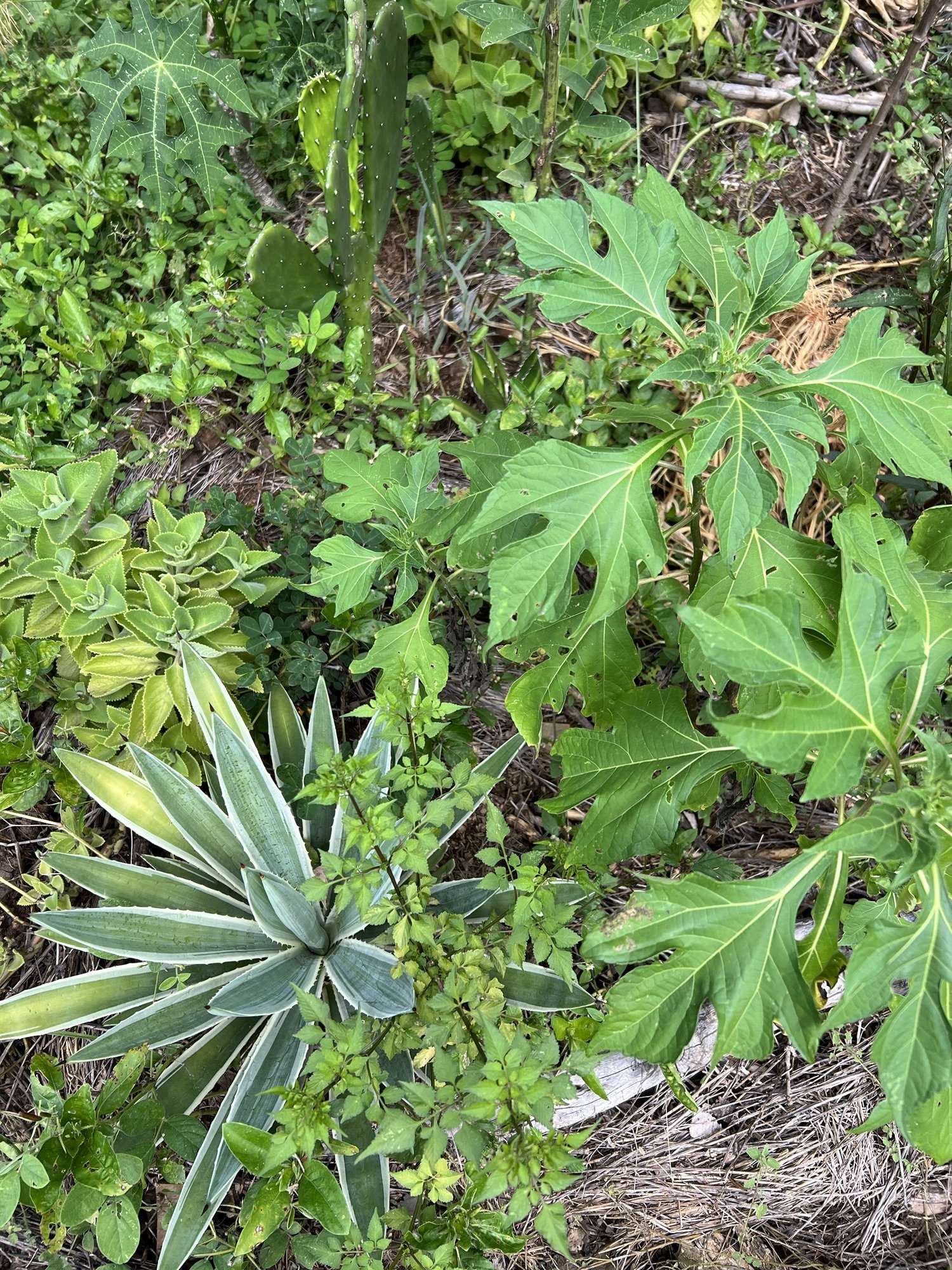
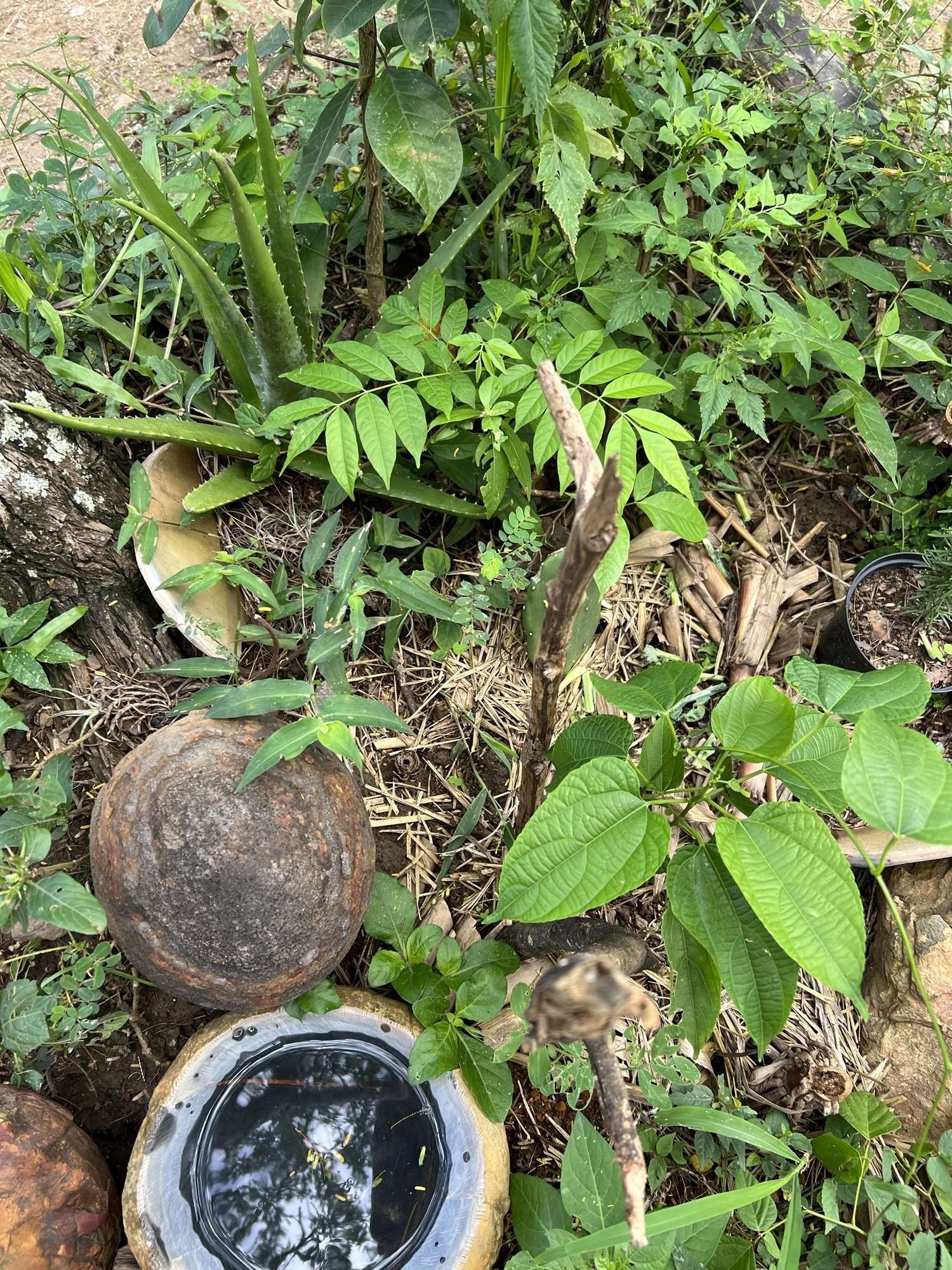
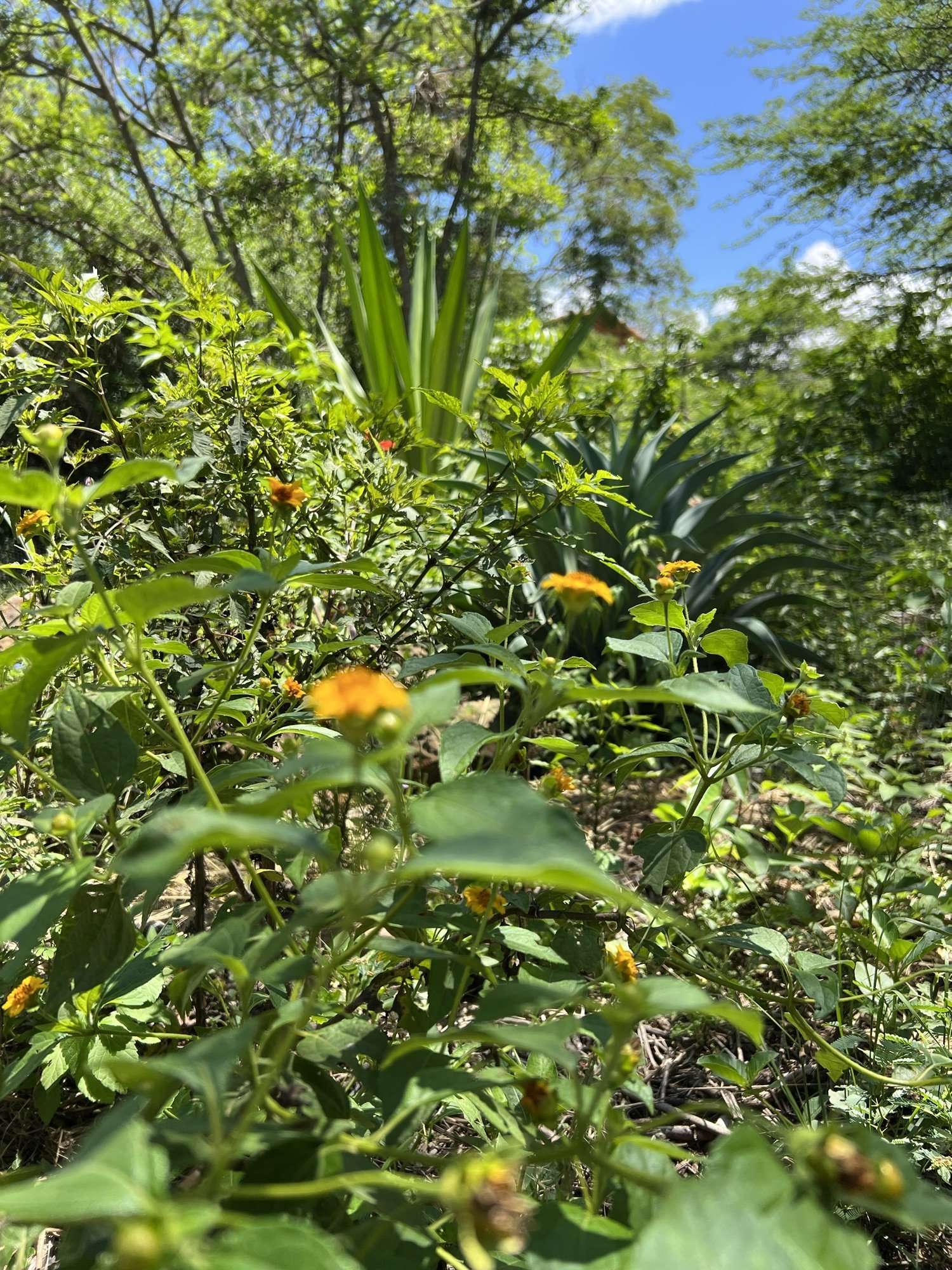
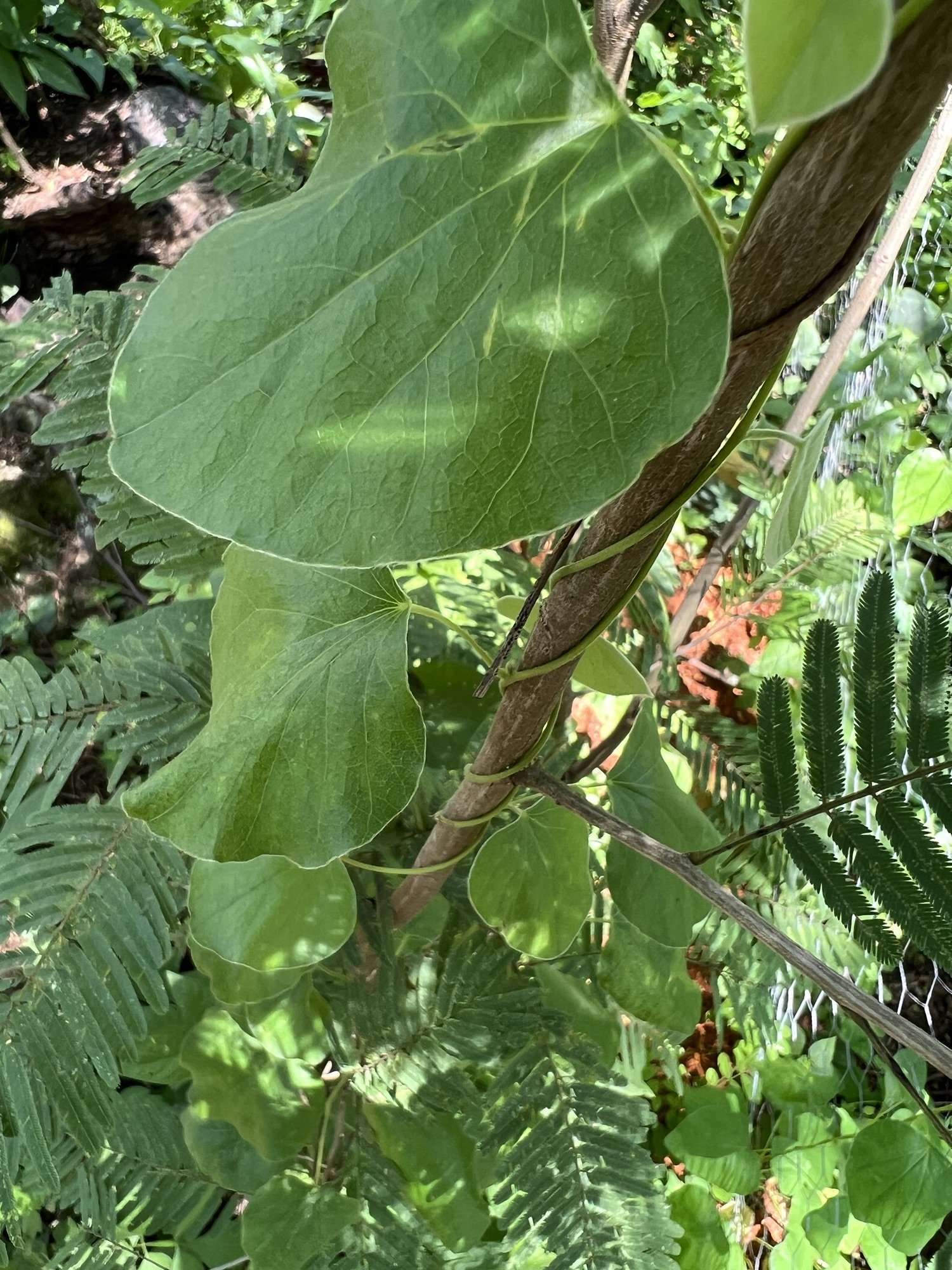
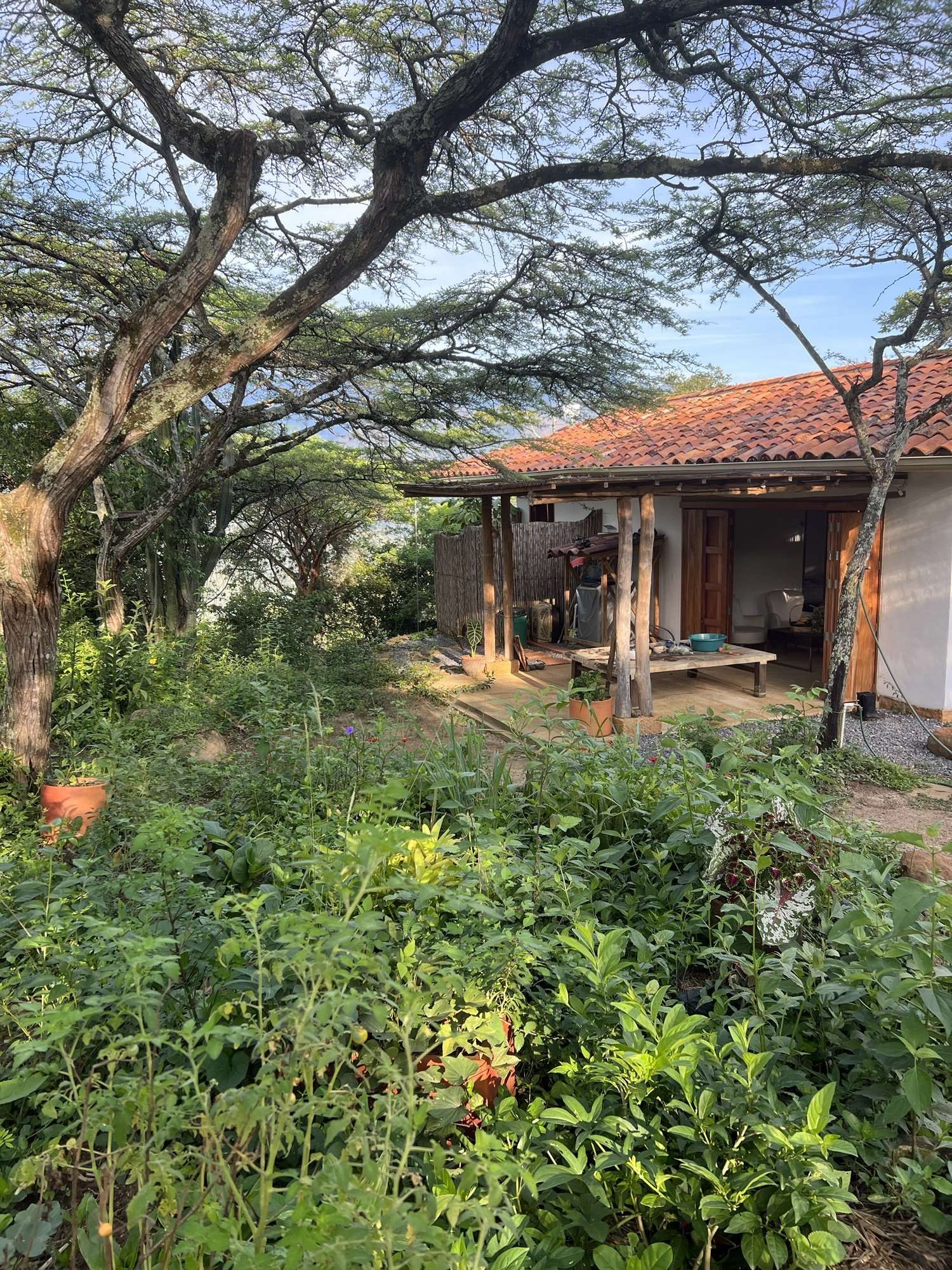

We plant densely in the food forest on Milagros, which is still very young.
Why?
There are many benefits to planting densely.
It helps improve the soil. The roots break up the soil. The microbial life in the soil is improved. The plants create more mass for mulch.
The roots reduce erosion by holding the soil in place. The more densely planted, the more roots to keep the soil in place.
Improved soil absorbs rainwater more efficiently. The rainwater goes into the soil, feeds the plants, and replenishes the groundwater. Reduced runoff reduces erosion.
There is more plant diversity and biodiversity in general. A larger number of different plants creates habitat and produces food for a wider diversity of insects, birds, and animals.
Dense planting allows us to have more support plants, in addition to the food plants and the ones for pollinators. We have some for green mulch, some that improve the soil and prevent erosion (vetiver), and so on.
It’s easier to water. They are all in a smaller area, so watering is more efficient.
It allows us to focus on the area close to the houses. Dense planting means we have a higher number of food-producing plants in a smaller space, which helps with monitoring, maintenance, and harvesting. We don’t lack space here, but if we did, that would be another reason for dense planting and making the most out of the space.
It shades out invasive grass more effectively. This is an area largely used for cattle farming so there is a lot of invasive grass in some areas. As the forest grows and becomes more dense, it shades out the grass.
The trees grow faster vertically. They compete for light and can’t spread out too much, so they grow up instead.
We make fuller use of 3D space. We have a dense planting of a variety of plants, including climbers and herbs, to make better use of the vertical and horizontal space.
It creates an enhanced microclimate. Plants, in general, create a cooler and more humid microclimate. When they are planted densely, that’s even more the case. For us, it may allow us to grow cacao and other plants that like cooler temperatures and moisture. We are also considering growing edible mushrooms.
The food forest will be more resilient as the climate continues to change. A dense planting means the microclimate created may be slightly more stable with changing climate and weather. With more diversity and higher numbers, a larger number of plants are likely to do well even as the climate changes.
Dense planting converts more greenhouse gases to matter in a smaller space.
To me, it looks, feels, and sounds amazing. It’s lush, rich, and diverse, and attracts a wide range of insects and birds.
This is a general guideline, but it’s not the whole picture. We are reserving some areas further from the houses for food-producing trees that require more sun, and these areas will be more open. At the south- and west-facing edges of the dense areas, we plant trees requiring more sun. We will remove some trees and plants as they mature to create space for the more valuable ones. We are considering how the microclimate changes over time when we decide what plants to include. As the food forest changes, we’ll add trees and plants that may be a better fit for the new conditions. We also prune for green mulch and to open space for the sun and air.
We have an excellent consultant and helper for establishing the food forest, although we are all still learning and always will be. This is very much a work in progress.
We are in an early phase of the food forest, as seen in the photos above, but you can still get a sense of the dense planting.
MORE INFO
I asked ChatGPT 4o for input on these topics. See below. The second entry was prompted with my “not the whole picture” paragraph.
The Benefits of Dense Planting in a Food Forest
Planting densely in a food forest is a strategic approach that offers numerous advantages for both the ecosystem and human communities. This method not only maximizes space but also creates a thriving, diverse environment that fosters resilience and sustainability. Below, we explore the many benefits of dense planting in a comprehensive manner.
1. Biodiversity Enhancement
Dense planting promotes a rich biodiversity within the food forest ecosystem. By integrating a variety of plant species, you create habitats for different insects, birds, and other wildlife. This diversity encourages natural interactions, such as pollination and predation, which can enhance the ecosystem’s stability. A biodiverse environment is more resilient to pests and diseases, as various species can fulfill different ecological roles, reducing the chances of widespread infestations.
2. Microclimate Regulation
A densely planted food forest creates a unique microclimate that benefits both plants and soil. The upper canopy shades the ground, reducing direct sunlight and helping to regulate temperature and humidity levels. This shaded environment can be particularly advantageous for shade-loving plants, allowing them to thrive while minimizing stress during hot weather. Additionally, the cooler microclimate can help reduce water loss through evaporation, promoting better water conservation.
3. Soil Health Improvement
Dense planting encourages diverse root structures and organic matter accumulation, which significantly improves soil health. The interaction of various root systems helps to aerate the soil and improve its structure, enhancing drainage and nutrient availability. As plants drop leaves and organic material, they contribute to soil fertility and promote a healthy ecosystem of soil microorganisms, which are crucial for nutrient cycling.
4. Water Efficiency
With dense planting, the soil benefits from reduced evaporation due to the shade provided by the canopy. This natural shading helps maintain moisture levels, which is essential for plant health, especially in drier climates. The competition for resources among densely planted species encourages the development of deeper root systems, enabling plants to access water stored deeper in the soil, thereby increasing overall water efficiency.
5. Erosion Control
The extensive root networks created by densely planted species help bind the soil together, significantly reducing erosion caused by wind and water. This is particularly important in hilly or sloped areas, where the risk of soil loss is higher. By stabilizing the soil, dense planting protects the land and helps maintain the integrity of the ecosystem.
6. Pest Suppression
Diversity in plant species and the close proximity of plants can act as a natural pest deterrent. Many pests are less likely to thrive in an environment where multiple plant types are present. This biodiversity creates a more complex ecosystem where natural predators can flourish, further aiding in pest control. Moreover, certain plants can deter pests or attract beneficial insects, contributing to a healthier food forest.
7. Resource Optimization
In a densely planted food forest, plants can utilize light, water, and nutrients more efficiently. Different species can occupy various niches, such as varying heights and root depths, allowing for better resource allocation. This optimization leads to healthier plant growth and a more productive ecosystem overall.
8. Yield Maximization
By planting densely, you can increase the overall yield from a given area of land. This is especially beneficial in small-scale farming or urban settings, where space is at a premium. Dense planting can lead to higher quantities of produce per square meter, making it a practical choice for food production.
9. Accelerated Vertical Growth
When trees are planted densely, they often grow taller and more vertically due to the competitive nature of their environment. As they vie for sunlight, plants will instinctively reach upwards to access more light, leading to faster vertical growth. This phenomenon is known as “apical dominance,” where the main stem grows more robustly than lateral branches. In a densely planted food forest, trees that compete for light develop taller trunks more quickly than those planted with ample spacing. This vertical growth not only contributes to a more dynamic and layered canopy but also helps create a greater overall biomass, further enhancing the ecological benefits of the forest. Additionally, as the canopy closes, the reduced sunlight reaching the forest floor can promote the growth of shade-tolerant understory plants, creating a multi-layered ecosystem that supports diverse plant and animal life.
10. Reduced Weeds
A well-planned dense planting strategy can significantly suppress weed growth. The competition for resources among densely planted species limits the space available for weeds to establish themselves. This natural suppression reduces the need for manual weeding or chemical herbicides, promoting a healthier growing environment.
11. Carbon Sequestration
Dense plantings play a critical role in carbon sequestration. By absorbing carbon dioxide from the atmosphere through photosynthesis, densely planted food forests can help mitigate climate change. The accumulation of biomass in a thriving ecosystem contributes to a decrease in atmospheric carbon levels.
12. Habitat Creation
Dense planting provides valuable habitats for a variety of wildlife. Birds, insects, and small mammals can find food and shelter within the diverse plant species. This habitat diversity fosters a thriving ecosystem that supports ecological balance and resilience.
13. Aesthetic and Cultural Value
Beyond ecological benefits, a lush, densely planted landscape enhances the beauty of the environment. This aesthetic appeal contributes to the cultural and recreational value of the area, providing spaces for people to connect with nature, relax, and engage in community activities.
14. Increased Resilience to Climate Change
Diverse ecosystems are generally more resilient to the impacts of climate change. By planting densely, food forests can better withstand extreme weather events, such as heavy rainfall or drought. The variety of plant species allows for adaptation to changing conditions, ensuring long-term sustainability.
15. Community Engagement and Education
Dense food forests can serve as living laboratories for communities, providing opportunities for education about sustainable practices, biodiversity, and food production. Engaging local communities in the planting and maintenance of these forests can foster a sense of ownership and stewardship, promoting environmental awareness and action.
In summary, dense planting in a food forest offers a multitude of benefits, ranging from ecological advantages to social and economic gains. By creating a vibrant, interconnected environment, dense planting not only supports biodiversity and sustainability but also enhances the resilience of the ecosystem in the face of challenges. Whether you are an individual gardener or involved in larger agricultural initiatives, embracing dense planting can lead to a healthier, more productive, and sustainable future.
What to Keep in Mind When Planting Densely
When managing a densely planted food forest, there are several important considerations to keep in mind to ensure its long-term health and productivity. Here’s a comprehensive guide tailored to your specific setup:
Key Considerations for Managing Your Densely Planted Food Forest
- Diverse Planting Zones: Recognize the need for different planting zones within your food forest. Reserve areas further from the houses for food-producing trees that require more sunlight. These open areas will allow for optimal growth of sun-loving species, enhancing productivity.
- Sunlight Orientation: Strategically plant trees that require more sunlight at the south- and west-facing edges of dense areas. This placement ensures that they receive adequate light without being shaded by taller or denser growth.
- Thinning and Pruning: As your food forest matures, regularly assess the health and growth of your plants. Plan to remove some trees and plants to create space for more valuable species that will thrive in the evolving conditions. Pruning is also essential for managing growth, improving air circulation, and allowing sunlight to penetrate the canopy. Consider pruning for green mulch, which can enrich the soil while helping to suppress weeds.
- Microclimate Considerations: Monitor how the microclimate within your food forest changes over time. As the canopy develops, conditions such as humidity, light, and temperature will evolve. Plan ahead when deciding which new plants to introduce, ensuring they will be suited to the changing environment.
- Regular Monitoring and Adaptation: Conduct regular checks on the health of your plants, soil conditions, and overall ecosystem dynamics. Be adaptable and willing to adjust your management strategies as conditions change and new challenges arise.
- Resource Management: Pay close attention to how closely planted species compete for resources like water, light, and nutrients. Use mulch to retain moisture and suppress weeds, and implement irrigation strategies that ensure all plants receive adequate water.
- Pest and Disease Management: Keep an eye on pest populations and signs of disease. Dense planting can create conditions that favor certain pests, so early detection and integrated pest management practices are crucial for maintaining a healthy ecosystem.
- Soil Health: Focus on building and maintaining healthy soil through organic amendments and composting. Healthy soil is essential for strong root systems and nutrient availability, supporting the diverse range of plants in your food forest.
- Community Engagement: Involve family or community members in the care and maintenance of your food forest. Collaboration fosters a sense of stewardship and can bring diverse skills and perspectives to the project.
- Long-term Planning: Consider the long-term growth patterns of the species you’ve planted. Plan for future growth and spacing to prevent overcrowding and ensure that plants can thrive together as they mature.
By keeping these considerations in mind and implementing effective management strategies, you can cultivate a productive, diverse food forest that adapts to changing conditions over time. Pruning, strategic planting, and ongoing observation will help maintain a thriving ecosystem that provides food, habitat, and beauty for years to come.
Approaches that Favor Dense Planting
Dense planting can be a central strategy in various approaches to agroforestry, food forests, reforestation, and ecological regeneration. Here are some key approaches that favor this method:
1. Permaculture Design
Permaculture emphasizes creating self-sustaining ecosystems through principles of ecological design. In permaculture, dense planting is used to maximize space and biodiversity. Companion planting—where compatible species are grown closely together—enhances nutrient cycling and pest control, creating a resilient system. Layers of plants, from tall trees to low ground covers, optimize sunlight and resource use while maintaining soil health.
2. Agroforestry Systems
Agroforestry integrates trees with crops and/or livestock in a way that benefits all components. Dense planting in agroforestry can enhance productivity by utilizing vertical space. For example, intercropping fast-growing trees with cash crops can provide shade and wind protection while improving soil fertility through leaf litter and root interactions. Alley cropping, where trees are planted in rows with crops grown in between, can also maximize land use and yield.
3. Food Forests
Food forests are designed to mimic natural forest ecosystems while producing food. These systems utilize dense planting to create multiple layers of vegetation, including canopy trees, understory shrubs, herbaceous plants, and ground covers. This diversity increases resilience, maximizes yields, and supports various wildlife species. The close proximity of different plants fosters beneficial relationships, such as nitrogen-fixing plants supporting nutrient-hungry crops.
4. High-Density Planting in Reforestation
Reforestation efforts that adopt high-density planting can accelerate forest recovery. Planting trees closely together can outcompete weeds and reduce erosion, enhancing survival rates and growth. Dense plantings create a canopy more quickly, improving microclimates and fostering biodiversity. This approach can be particularly effective in degraded areas, where rapid canopy cover is essential for restoring ecological balance.
5. Restoration Ecology
In restoration ecology, dense planting is often employed to accelerate the recovery of ecosystems. This method involves planting native species densely to promote natural regeneration and re-establish ecosystem functions. By creating a more competitive environment, these dense plantings can help suppress invasive species and foster a diverse plant community that supports local fauna.
6. Continuous Cover Forestry (CCF)
Continuous cover forestry is an approach that promotes maintaining a forest cover at all times, using selective thinning and diverse tree species planted closely together. This method enhances biodiversity and improves habitat quality while producing timber. Dense planting in CCF encourages vertical growth and reduces the risk of windthrow by creating a more stable forest structure.
7. Community Forests and Agroecology
Community-managed forests often utilize dense planting to create productive landscapes that meet local needs. By involving communities in the planting and management of these forests, dense planting can enhance food security, improve livelihoods, and foster sustainable practices. Agroecology principles support dense planting through the integration of traditional ecological knowledge and biodiversity, enhancing resilience and productivity.
8. Silvopasture
Silvopasture combines trees, pasture, and livestock, promoting dense planting of trees to provide shade and shelter for animals while allowing for forage growth beneath. This approach enhances land productivity, improves animal welfare, and supports soil health through organic matter addition and nutrient cycling.
9. Mixed-Species Plantations
In reforestation and agroforestry, mixed-species plantations utilize dense planting to create diverse ecosystems. This method reduces vulnerability to pests and diseases and improves resilience to climate change. By incorporating multiple species, these systems can better adapt to changing environmental conditions and maximize resource use.
10. The Miyawaki Method
Dr. Akira Miyawaki is renowned for the Miyawaki Method, which focuses on quickly establishing dense, native forests by planting a variety of local tree species closely together—often hundreds per hectare. This method encourages rapid growth and enhances biodiversity, making forests more resilient to pests and climate change. The dense canopy creates favorable microclimates for understory plants and wildlife, fostering a thriving ecosystem. The Miyawaki Method has gained global recognition, showcasing the effectiveness of dense planting in restoring ecosystems and engaging communities in conservation.
By adopting these approaches, practitioners can harness the benefits of dense planting, creating productive and resilient ecosystems that support both human needs and ecological health. These methods align with sustainable land management practices, contributing to the restoration and regeneration of our natural environments.