On Finca Milagros, we have neighbors whose families have lived here for generations. They have cows and grassland, a few trees, and not much else.
THE IDEAL TICK-PRODUCING CONDITIONS
In its own way, it’s a beautiful landscape.
At the same time, it’s very different from the diverse and mature tropical dry forest that used to be everywhere here. It’s a monoculture and a kind of desert. It has led to dried-up springs, rivers, and creeks. It causes erosion and loss of soil. It creates a hotter and drier landscape. It lacks life and diversity.
It’s also a landscape that creates ideal conditions for ticks to flourish. The cows are perfect hosts. The grass is a perfect environment. The lack of life and diversity makes it safe for them since they don’t have many predators.
A HEALTHY ECOSYSTEM REDUCES THE TICK POPULATION
We are doing the reverse here on Milagros. We are regenerating the ecosystem, to the best of our ability. We are planting native trees, bushes, and flowers. We are creating a diverse food forest. We are creating habitats for a diversity of wildlife.
This helps reduce the tick population.
Although there are more animals here, many of them are less than ideal hosts for the ticks.
Similarly, the density of animals that are good hosts for ticks is less. They have fewer opportunities to spread.
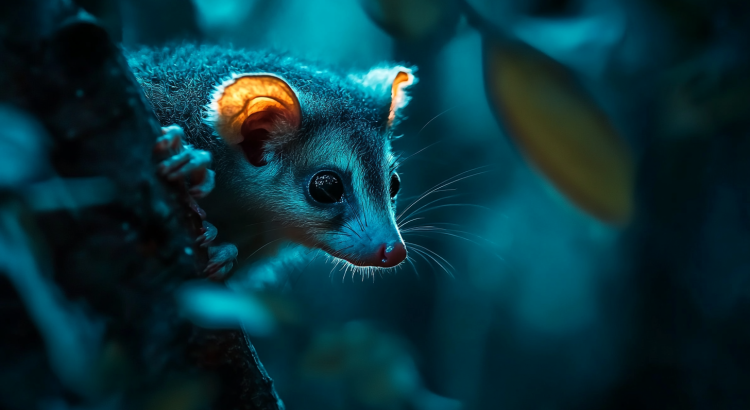
There is a diversity of natural predators of ticks here – possums, ground-dwelling birds, lizards, frogs, spiders, and so on.
There is far less grass here, creating less-than-ideal conditions for ticks.
There is more diversity and competition in the ecosystem in general, reducing the number of any one species, including ticks.
THE MANY BENEFITS OF A HEALTHY ECOSYSTEM
A healthy ecosystem has many benefits.
In our case, it produces food for us and the wildlife. We are doing regeneration and reforestation with an emphasis on native food-producing plants in the wilderness zone, and a food forest closer to the houses with a mix of natives and non-natives that do well in this climate.
It creates a diversity of microclimates and, in general, reduces the temperature creating a much more comfortable environment.
It provides habitat for wildlife which is crucial in our time of ecological crisis and dramatic loss of habitat and species.
It can bring the water back to the springs and rivers here, especially if neighbors upstream are also doing some regeneration work along the river beds and creeks. (A healthy forest allows the rainwater to be absorbed into the ground, feeding springs and rivers.)
It reduces erosion and the risk of flooding. The roots hold the soil in place, the mulch cover, roots, and healthy soil allow the water to be absorbed, and so on.
It reduces the risk of wildfire because of the cooler temperatures, higher humidity, and moisture-holding plants.
It builds healthy soil which is crucial for a healthy ecosystem and for growing food.
It creates diversity which prevents any one species from dominating, including mosquitos and ticks.
If regeneration happens over larger areas, it moderates the local climate. The temperatures will be more comfortable and there will be more consistent rainfall.
It can give a diversity of incomes – food, food products, seeds, seedlings from the nursery, compost, knowledge (workshops, training), ecotourism, and more.
It’s beautiful and it feels good to be in a healthy ecosystem. (Or even one that’s recovering.) It’s the type of ecosystem we are meant to live in. It’s the type of ecosystem the vast majority of our ancestors lived in and we – in body and mind – evolved to live in. It’s where we belong and we know it viscerally.
MORE INFO
I asked ChatGPT 4o for more input on this topic. See below.
Understanding Why Ticks Thrive in Certain Ecological Conditions
Ticks are a persistent challenge in many environments, especially where livestock and grass-dominated landscapes prevail. Understanding the ecological conditions that allow ticks to thrive can help identify strategies for managing their populations. This article explores the factors contributing to high tick populations in environments dominated by cows and grass.
Conditions That Support High Tick Populations
- Abundance of Hosts (Cows):
- Ticks require blood meals from hosts like cows to complete their life cycles. Large animals provide ample opportunities for ticks to feed, reproduce, and spread.
- Livestock often have restricted movement, concentrating ticks in one area.
- Grass-Dominated Landscape:
- Tall grasses and shrubs create ideal microhabitats for ticks. These environments provide shelter, humidity, and a staging area for questing ticks (waiting to latch onto a host).
- Monocultures of grass often lack natural predators or competitors that could help regulate tick populations.
- Lack of Predators:
- In simplified ecosystems, the absence of tick predators, like birds, lizards, or certain insects, allows tick populations to proliferate.
- Climate Conditions:
- Warm, humid environments are favorable for tick survival and reproduction. Grasslands often create localized microclimates that retain moisture, further supporting ticks.
- Limited Biodiversity:
- Environments dominated by cows and grass often lack the diversity of plants, animals, and microorganisms that contribute to a balanced ecosystem. This lack of balance allows ticks to dominate without checks and balances.
Conclusion
Ticks flourish in environments where hosts are abundant, vegetation provides shelter, and biodiversity is limited. Grasslands with livestock present a perfect storm of conditions for tick proliferation. By understanding these factors, we can begin to explore how creating more diverse and balanced ecosystems can naturally regulate tick populations. In the next article, we will explore how a healthy and diverse ecosystem can reduce tick populations and create a more harmonious environment.
How Healthy Ecosystems Help Reduce Tick Populations
While ticks can thrive in environments dominated by cows and grass, a more diverse and balanced ecosystem can naturally limit their populations. By fostering biodiversity and creating healthier ecosystems, we can reduce the conditions that allow ticks to flourish. This article explores how a healthy and diverse ecosystem achieves this balance.
How a Healthy and Diverse Ecosystem Reduces Tick Populations
- Increased Biodiversity Dilutes Tick-Host Interactions:
- In a diverse ecosystem, ticks encounter a broader range of hosts, many of which are less suitable for their survival and reproduction (e.g., certain birds or reptiles). This is known as the dilution effect, where increased host diversity reduces the likelihood of ticks finding optimal hosts.
- Predators Keep Ticks in Check:
- A healthy ecosystem supports animals like:
- Ground-dwelling birds (e.g., guinea fowl, chickens) that eat ticks.
- Lizards and small mammals that consume ticks or disrupt their life cycle.
- Insects like ants and beetles that prey on ticks.
- These predators help regulate tick populations naturally.
- A healthy ecosystem supports animals like:
- Diverse Vegetation Changes Microhabitats:
- Mixed vegetation disrupts the continuity of grass-dominated landscapes, reducing the microhabitats ticks prefer.
- Dense, diverse plant cover reduces the humidity ticks need to survive, especially in dry tropical forests.
- Improved Soil Health Reduces Grass Monoculture:
- Diverse ecosystems promote better soil health, encouraging a wider range of plants that don’t favor ticks as much as tall grasses.
- Wildlife Balance Reduces Concentration of Hosts:
- In a healthy ecosystem, wildlife is more evenly distributed, preventing the concentration of ticks in specific areas. A variety of animals diffuses the tick burden.
- Natural Competitors and Pathogens:
- Diverse ecosystems harbor microorganisms and parasites that naturally reduce tick populations by competing with them or infecting them.
Practical Steps for Tick Management Using Ecosystem Approaches
- Introduce Tick-Eating Animals:
- Guinea fowl or chickens can be effective tick predators in and around your property.
- Promote Plant Diversity:
- Replace grass-dominated areas with native plants, shrubs, and trees. This creates less favorable habitats for ticks and attracts predators.
- Encourage Wildlife:
- Provide water, food sources, and shelter for lizards, birds, and small mammals that eat ticks.
- Manage Livestock Movement:
- Rotational grazing prevents the over-concentration of ticks in specific areas.
- Use Natural Repellents:
- Certain plants (e.g., lemongrass, eucalyptus) repel ticks and can be integrated into the landscape.
Conclusion
Healthy ecosystems create natural checks and balances that reduce tick populations. By encouraging biodiversity, promoting natural predators, and managing habitats effectively, we can reduce the prevalence of ticks without relying solely on chemicals or invasive measures. Fostering such ecosystems benefits not only human and livestock health but also the environment as a whole.
Animals that Eat Ticks in the Barichara Area
In the Barichara area and the broader dry tropical forest ecosystem, several natural predators can help control tick populations. These predators are part of the local biodiversity and play a crucial role in maintaining balance. Here are some potential tick predators that may already be present in your region:
Birds
- Guineafowl (Numididae): Known for their appetite for ticks, guineafowl are excellent natural tick predators and may be suitable to introduce or encourage if not already present.
- Ground-Dwelling Birds: Local species such as quails, partridges, and some doves often forage on the ground and consume ticks.
- Insectivorous Birds: Many local bird species feed on insects, including ticks, especially during their juvenile stages.
Reptiles
- Lizards: Common lizards in the dry tropical forest, such as anoles and geckos, often eat ticks as part of their diet.
- Skinks: These smooth-scaled lizards are also known to prey on ticks.
- Snakes: Some small, insectivorous snakes may consume ticks or their larvae.
Mammals
- Opossums (Didelphis spp.): These marsupials are highly effective at grooming and eating ticks attached to their bodies, reducing tick populations in their habitat.
- Small Rodents: Certain rodents, while not primarily predators of ticks, can disrupt their life cycle by consuming tick larvae.
Insects
- Ants: Some species, such as fire ants, hunt and eat ticks and their eggs.
- Beetles: Ground beetles and certain species of ladybugs may prey on ticks and other small invertebrates.
- Spiders: Certain spiders may trap ticks in their webs and consume them.
Amphibians
- Frogs and Toads: These animals can contribute to tick control by eating larvae and small nymphs in areas with higher humidity, such as near water sources.
Encouraging These Predators
To support these natural predators, you can:
- Preserve and enhance habitat diversity: Plant native shrubs, trees, and grasses that provide shelter and attract these animals.
- Provide water sources: Small ponds or water basins can attract birds, lizards, and other predators.
- Reduce pesticide use: Avoid chemicals that may harm beneficial insects and other predators.
- Introduce tick-eating species thoughtfully: If appropriate, consider adding animals like guineafowl or chickens that are proven tick predators.
By fostering a more balanced ecosystem, you can naturally reduce tick populations while supporting biodiversity at Milagros. Let me know if you’d like detailed advice on how to encourage any specific predators!
Predator Ranking
Here’s a ranking of natural tick predators based on their effectiveness and practicality for managing tick populations in your region (Barichara/dry tropical forest), considering their presence, behavior, and ecological roles:
Top-Ranked Natural Tick Predators
- Opossums (Didelphis spp.)
- Effectiveness: Very high. Opossums groom themselves meticulously, eating up to 95% of ticks that attach to them.
- Presence: Likely present in your area and well-adapted to the dry tropical forest.
- Impact: Significant reduction in tick populations where they roam.
- Recommendation: Protect their habitat and encourage their presence by minimizing human-wildlife conflict.
- Guineafowl (Numididae)
- Effectiveness: High. Guineafowl actively forage for ticks in grass and shrub layers.
- Presence: May need introduction, as they are not native but can adapt well.
- Impact: Ideal for areas near livestock or dense vegetation.
- Recommendation: Consider introducing guineafowl if practical for your land management.
- Ground-Dwelling Birds (e.g., quails, partridges)
- Effectiveness: High. These birds forage on the ground and consume ticks and larvae.
- Presence: Likely present locally.
- Impact: They contribute to tick reduction, especially near their nesting areas.
- Recommendation: Enhance habitat diversity to attract and support them.
Mid-Ranked Predators
- Lizards (e.g., anoles, geckos, skinks)
- Effectiveness: Moderate. Lizards feed on ticks opportunistically but don’t specialize in them.
- Presence: Common in dry tropical forests.
- Impact: Useful for keeping tick populations in check in certain areas.
- Recommendation: Provide rock piles, logs, and native vegetation to support lizards.
- Ants (e.g., fire ants)
- Effectiveness: Moderate to high. Ants eat tick eggs and larvae but may have other ecological impacts.
- Presence: Likely abundant in your region.
- Impact: Focused on tick stages in soil or litter.
- Recommendation: Avoid pesticide use to support natural ant populations.
- Small Rodents
- Effectiveness: Moderate. Rodents disrupt tick life cycles by eating larvae but can also be hosts.
- Presence: Likely present.
- Impact: Mixed, as they may contribute to tick spread if overpopulated.
- Recommendation: Maintain a balanced ecosystem to keep their populations in check.
Lower-Ranked Predators
- Frogs and Toads
- Effectiveness: Low to moderate. Amphibians eat ticks opportunistically, especially larvae, in humid microhabitats.
- Presence: May be less common in dry tropical forest areas.
- Impact: Limited to wetter zones or near water sources.
- Recommendation: Provide small water features to support their populations.
- Beetles and Spiders
- Effectiveness: Low. These predators consume ticks occasionally but do not significantly reduce populations.
- Presence: Likely present but with limited impact.
- Impact: Marginal.
- Recommendation: Encourage general insect diversity through habitat conservation.
Conclusion
For the most effective tick control, focus on opossums, guineafowl, and ground-dwelling birds as top predators. Supplement this strategy by enhancing habitats for lizards and ants. Avoid over-reliance on any single predator and aim to foster a diverse, balanced ecosystem to maximize tick population control.