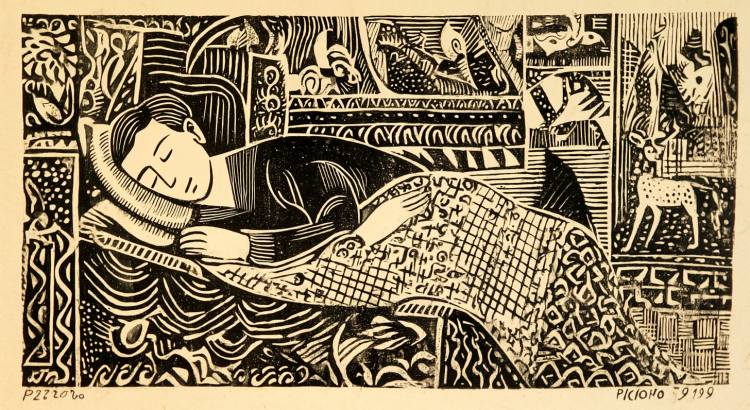
When I was around twenty, I did a structured form of multi-phasic sleep. It was four sleeps each 24 hours and I think one hour each. (I initially thought it was 1/2 hour each, but I am questioning that now.) It worked great, especially since I was so passionate about meditation, Daoist practices (Tai Chi, inner yoga), doing my Ngöndro practice, drawing, painting, photography, reading, studying, and so on. I wanted as much time as possible during the day (and night) to do all of that.
Predictably, the reason I didn’t continue for more than a few weeks (or months?) was social. I sometimes found myself in situations that interfered with my sleep schedule, and missing just one had a big impact on me and the system.
These days, I still sleep in two or more parts each 24 hours, but it’s more organic and fluid. For instance, last night, I went to sleep around 10pm, I woke up and got up around 3am, and it’s now about 6am. (I love early mornings and sunrise.) After writing this, I’ll go back to sleep for one or two hours and then get up again. I’ll likely take a nap late morning or early afternoon, and possibly one late afternoon or early evening.
This works well for me, especially since it’s flexible and I can follow my body and whatever the day requires of me in terms of activities at certain times.
We are mammals, and mammals often sleep in sections through the day and night. It makes sense.
At the same time, we have created a civilization at odds with our natural biology and psychology in many ways, including when it comes to sleep. Most jobs still require us to be active and engaged from morning to late afternoon, with a brief break for lunch. They are not set up for naps, or for the possibility of working when our bodymind is ready for it and resting when that’s needed.
I suspect that many, if not most (?), sleep disorders have a connection with this. We follow the clock and schedules instead of the natural rhythms of our body and mind, and that’s bound to create different kinds of imbalances.
If so, they are not really sleep disorders, they are symptoms of culture disorders. The real problem is in the culture.