I have written about this before, but thought I would revisit it briefly.
When I look at the public discourse in general, and especially the public discourse about our ecological situation, I see a lot of distractions and misconceptions.
THE IMPORTANCE OF THE LIVING SYSTEMS OF THIS PLANET
The main misconception is the importance and role of the living systems of this planet.
In the public discourse and in the media, it’s often prioritized after a long list of other issues, and it’s often framed as one of many topics.
I assume this is because of our idea that we are separate from nature and have a dominant relationship with nature. This makes us feel insulated from what happens with the planet, and we also secretly think we can control and manage it, whatever happens. This is a typical Western, and increasingly global, imagination. Ultimately, it’s an ecocidal and suicidal imagination.
In reality, the condition of the living systems of this planet and our relationship with it is the one topic that encompasses everything else. It’s the context for our lives and everything we care about. We can’t talk about anything without also talking about that.
We are nature. What happens to this living planet happens to us.
If we were more aligned with our ecological reality, it would not only be our priority, it would be the frame for every other issue and topic.
GLOBAL ECOLOGICAL OVERSHOOT VS CLIMATE CHANGE
If the media and politicians focus on ecology, it tends to be climate change. The petroleum industry has known about climate change for decades and has also been successful in its strategy of sowing doubt and creating confusion which contributes to inactivity. Both are well documented.
I remember a conversation I had with a teacher in high school in the ’80s. During a break, he wanted to discuss whether there is human-created climate change or not. I said that in the big picture, it doesn’t matter. We need to make the same changes anyway. It’s a distraction.
That’s how I still see it.
Yes, the activities of our civilization have nudged our planetary system in a direction where it retains more heat, which has massive consequences.
Science shows us that, and it’s also easy to understand: We have a thin atmosphere. We are 8+ billion people with powerful technology, much of which releases certain gasses into the atmosphere that we know let through light (sunlight) and retains heat (what much of sunlight converts to when it hits matter).
That combination inevitably creates a greenhouse effect, and it can create a runaway greenhouse effect.
But since there is confusion about this, let’s not use that as our main focus or argument for the need for profound change. A much better argument is our collective ecological footprint.
This living planet is unable to replace as much as we use and deal with the waste we create. We are in a global ecological overshoot. This is similar to living off a savings account with less coming in than we spend. At some point, we reach the bottom and our lifestyle comes crashing down.
What we see in the world today is our ecological savings account going down fast. When we reach the bottom, which is fuzzy in this case, not only will our lifestyle come crashing down but our lives may crash down with it.
That’s not hyperbole. That’s simple logic. If we continue as before, there is no other way it can play itself out.
WHAT’S THE CAUSE OF OUR ECOLOGICAL CRISIS?
Before we can successfully deal with a problem, we have to have some level of understanding. We need to diagnose it correctly. So what’s the underlying cause of our current ecological crisis?
Why are we in a global ecological overshoot?
Some seem to blame corporations and politicians. Say that was true: Who voted for the politicians? Who supports the corporations with their money? It’s us.
This is a systemic problem. We have a civilization built on the idea of separation and domination.
We are separate from nature. We are more important than nature. Nature is here for our use. Nature is infinite. It’s our right to dominate nature. The sacred is “out there” in the sky, in a sky god, in the afterlife. Humans have souls and other beings don’t. We understand things better by taking them apart, by separating them from all the other things they belong to.
Every aspect of our civilization, including the minds of individuals, reflects this worldview. We have all internalized it, at least to some extent.
The origin of this worldview, at least in its modern form, is likely the agricultural revolution and our newfound ability to amass wealth and control land, plants, animals, and some humans. Before then, we were all indigenous. We lived in small groups. Were more or less equal, apart from in experience and knowledge. Saw ourselves as nature. Saw the sacred in everyone and everything.
That’s the deeper reason for our ecological crisis. It’s the predictable outcome of such an orientation, especially combined with large numbers of us and advanced technology.
We are all part of this system. Even if we recycle, eat vegetarian, avoid toxins, take bus and train, and so on, our lives are still destructive for the living systems we are part of. It’s inevitable since we live within this system.
It’s not about corporations or politicians. It’s about all of us.
It’s not about greed. It’s about a system based on fundamentally flawed assumptions about reality.
THE MISMATCH BETWEEN OUR GLOBAL SITUATION AND WHAT WE EVOLVED TO DEAL WITH
We evolved to live in small groups and deal with our immediate surroundings and relatively short timespans. At most, we needed to think one or a few seasons ahead.
These days, our challenges are global and play themselves out over decades and centuries.
Our bodies and minds have evolved to deal with the world of our relatively distant ancestors, and we are born into a very different world.
I suspect this is a big part of why we collectively are not even close to taking this seriously enough or doing enough about it. Collectively, we are distracted by anything and everything else, we are mostly focused on fragments of the bigger picture, and we operate on relatively short timespans.
A FEW MORE DISTRACTIONS
I thought I would mention a few other distractions and misconceptions.
(a) Some think we’ll find a technological solution. Technology will be part of the many solutions, but it’s not enough in itself, and it’s not even what’s most important.
What’s most important is our collective will. Will we find a collective will to make the needed change? Will enough of us recognize that the problem is systemic and that we need a thorough transformation of every aspect of our civilization?
(b) Some think it’s not that serious.
This is about the living system we are all part of. The living system we fully depend on for our existence and quality of life. The living system we are fleeting and local expressions of. The living system that not only gives us our life but everyone and everything we care about. What can be more important than that?
(c) Some think others will do it.
We are all part of the problem. This is about all of us. If we don’t make changes in our own lives, how can we expect a change?
(d) Some think we still have time.
What we do today has impacts decades, centuries, and even millennia into the future. Some of it has impacts forever, for instance with extinctions of species and whole ecosystems. We cannot wait.
Also, we are already far into this global ecological crisis. It’s already unfolding all around us and within us (plastics and toxins in the bodies of all living beings including ourselves). We cannot wait.
WHAT CAN WE DO?
We can start by…
… educating ourselves about ecology, sustainability, life-centered solutions, etc.
… identifying and questioning our worldview, finding what’s more aligned with our ecological reality, and exploring living from that. I find the Universe Story, Epic of Evolution, systems views, integral models, deep ecology, ecospirituality, and Practices to Reconnect inspiring and helpful.
… finding like-minded communities and individuals. It’s easier to make changes with the support of a community. It’s inspiring, we share experiences and knowledge, we can help each other in practical ways, and so on.
… living some of the solutions in our own life. Make it real to you by making it real in your life. By doing so, we create momentum, become part of the solution, and give ourselves hope.
… and making sure there is some balance between (a) focusing on and learning about the problems (useful up to a point), and (b) focusing on, learning about, and living some of the solutions. If we focus too much on the many challenges in the world, it can lead to frustration and burnout. If we focus one-sidedly on what appears as solutions, we may engage in solutions that are less grounded in reality.
PARTNERSHIP WITH NATURE
Since most of our collective challenges come from an orientation of separation and domination, the medicine is found in an orientation of connection and partnership.
There is inevitably always some of each, and these days, we need an infusion of the latter.
This can be applied in all areas of society and our life.
FOOD PRODUCTION FROM DOMINATION VS PARTNERSHIP MINDSETS
I am mostly focused on food production and regeneration these days, which are major pieces of the puzzle.
Modern food production comes from a domination mindset, with monocultures, dependence on huge energy inputs, use of chemical fertilizers and toxins, depletion of the soil, destruction of wildlife habitat, suffering of domestic animals, poisoning of insects, birds, animals, water, soil, and air, and much more. It’s food production from a zero-sum mindset where a small temporary gain (food) comes at the expense of massive ecological destruction.
The soil, ecosystems, and our health become worse over time. It’s a downward spiral.
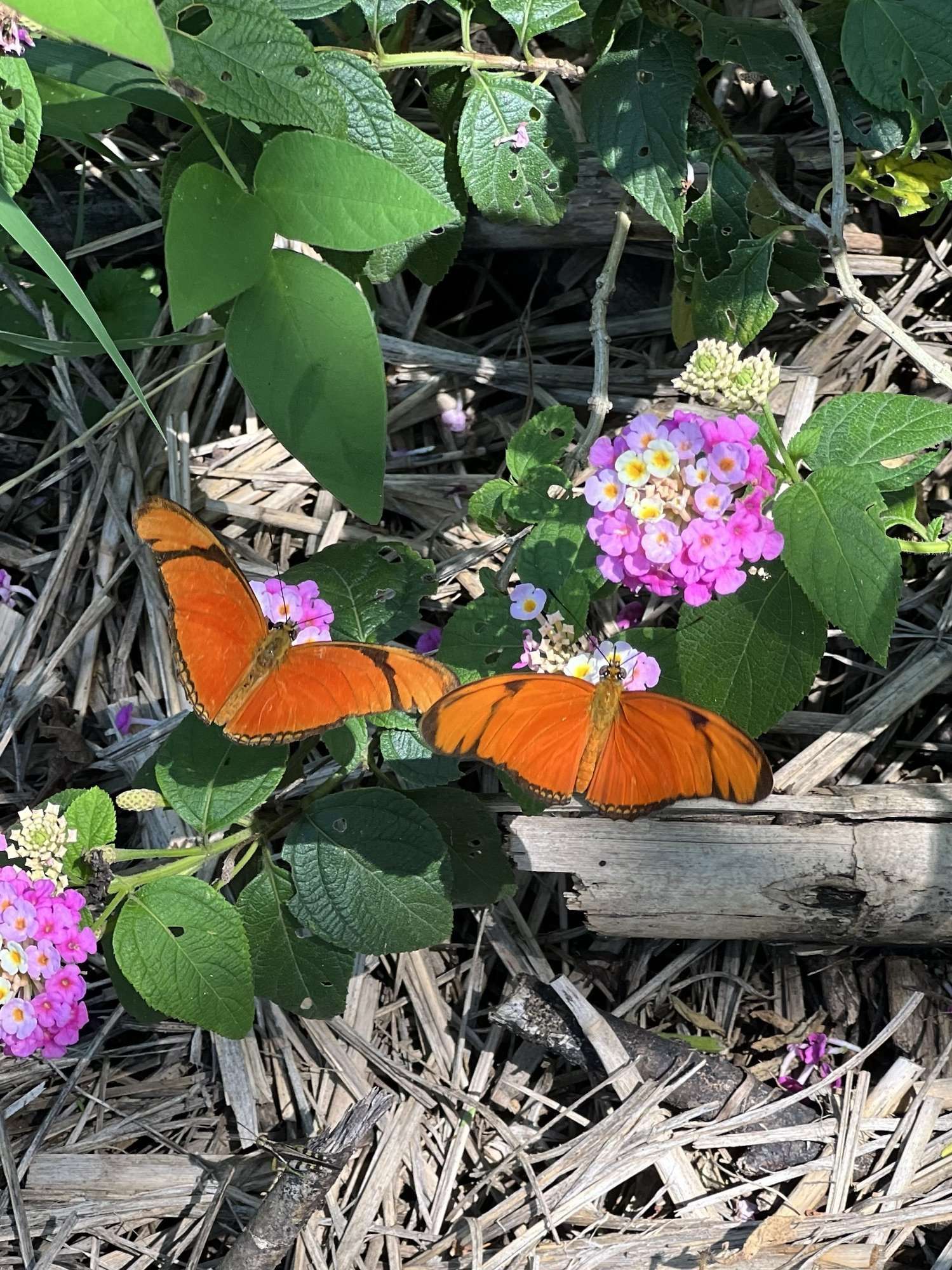
Food production from a partnership mindset is different. It’s typically polyculture, uses non-toxic methods, includes as many natives as possible, focuses on and improves soil health, provides wildlife habitat, and more. It comes from a win-win orientation where we seek solutions that provide food for us and the wildlife, improve the soil and ecosystem over time, and provide habitat for a diversity of wildlife.
The soil, ecosystems, and our health becomes better over time. It’s an upward spiral.
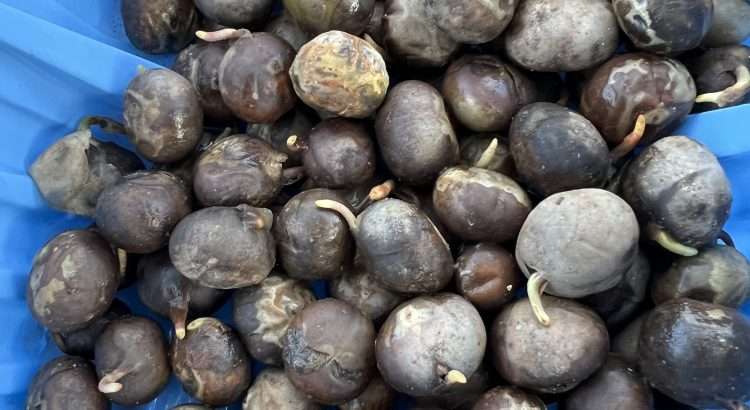
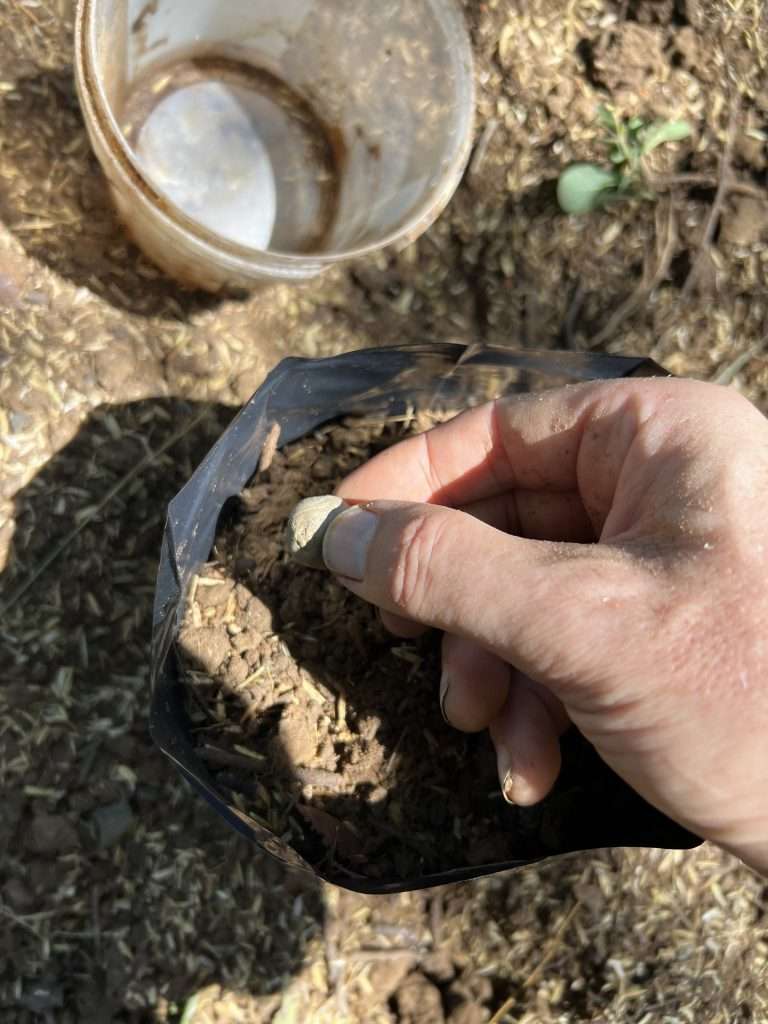
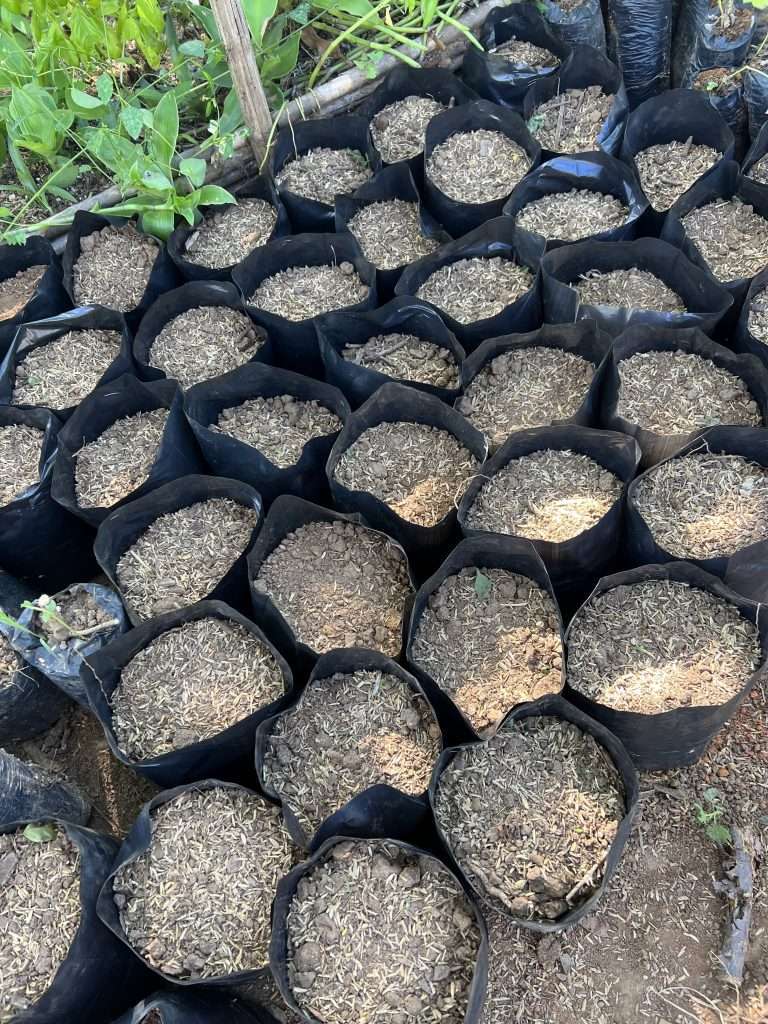
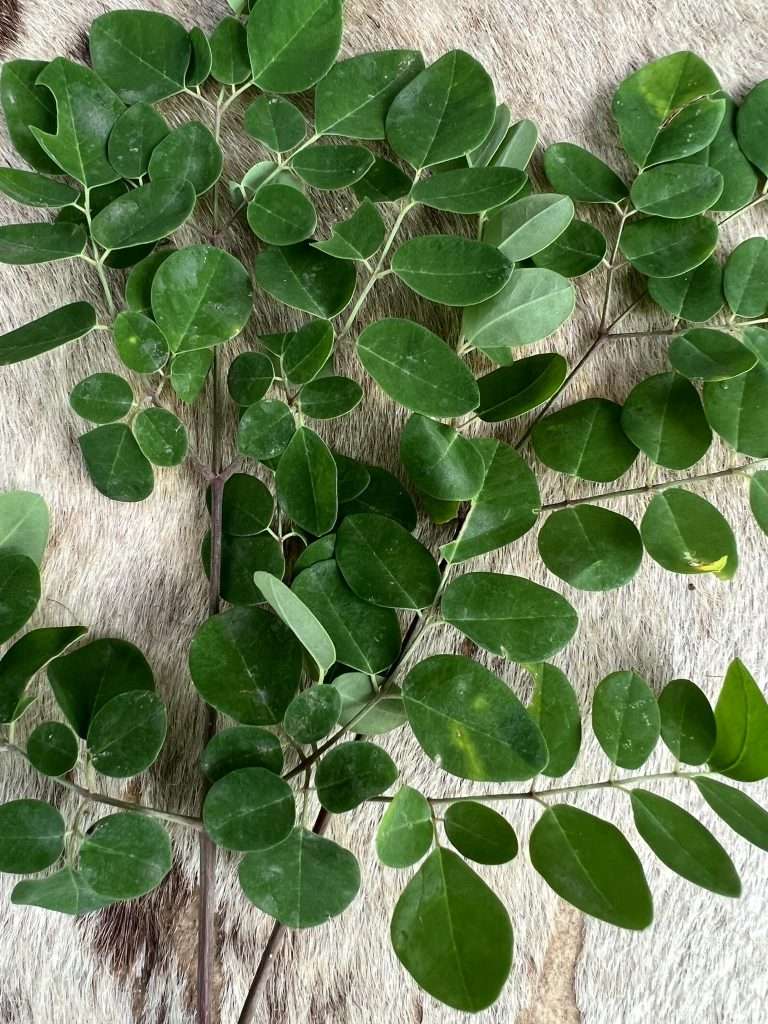
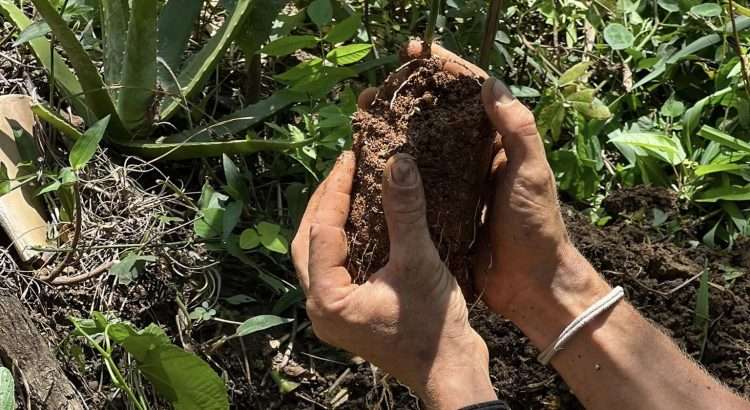
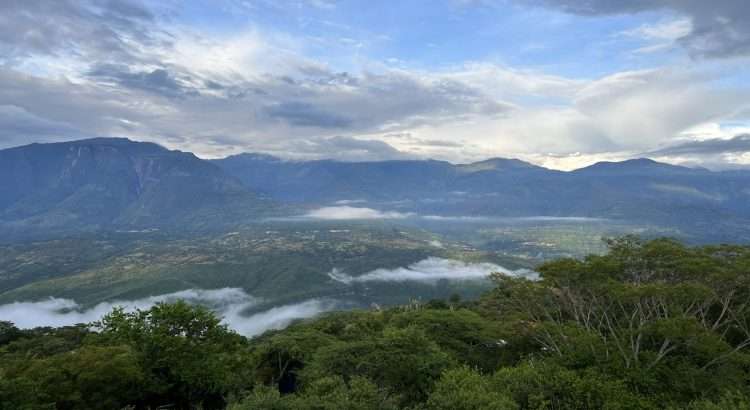
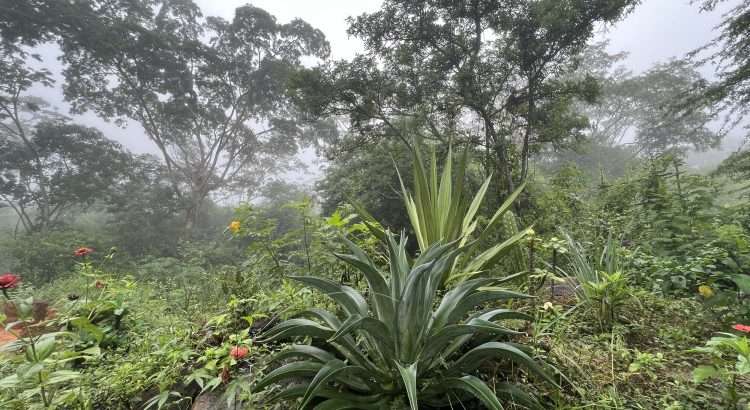
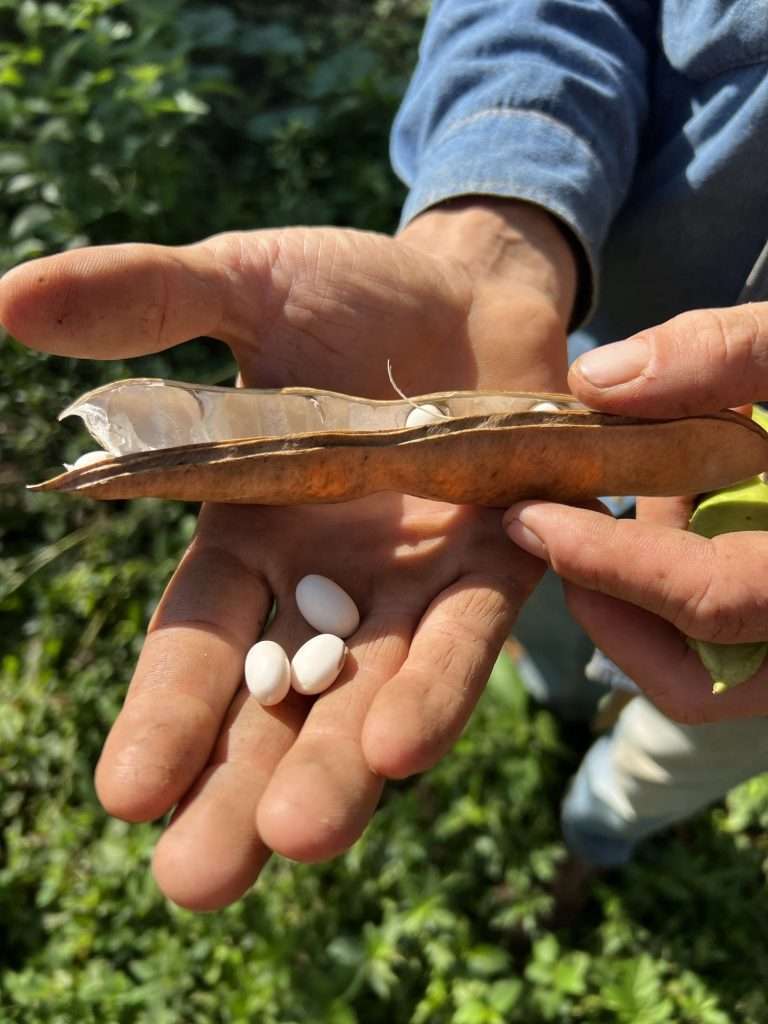
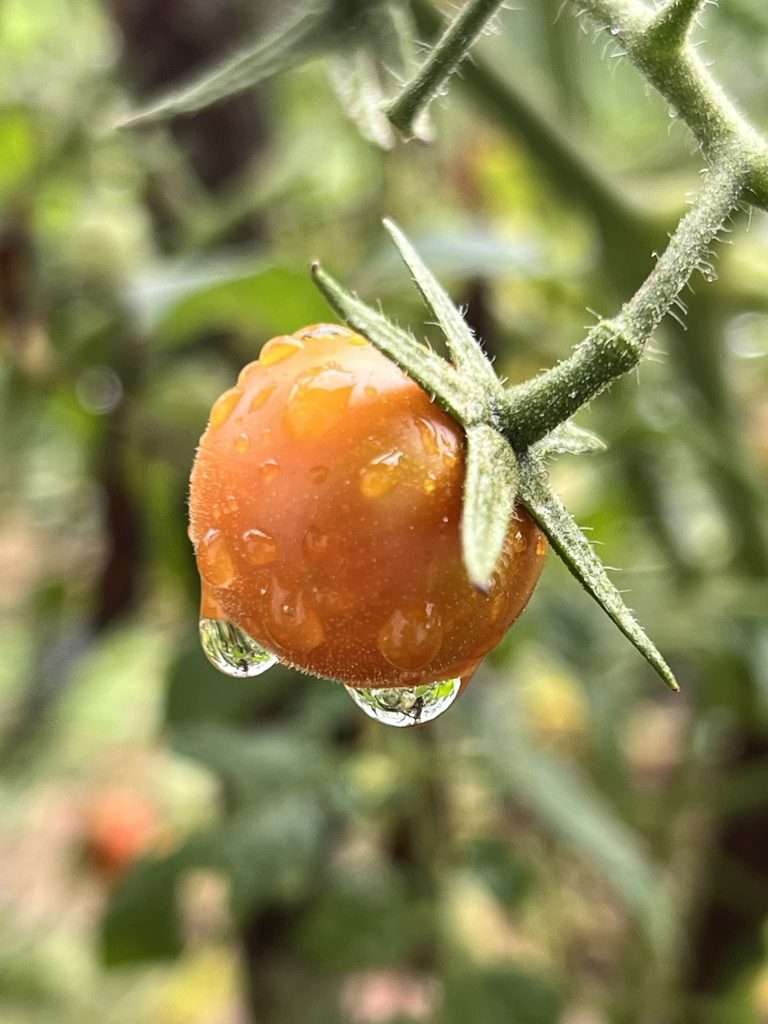
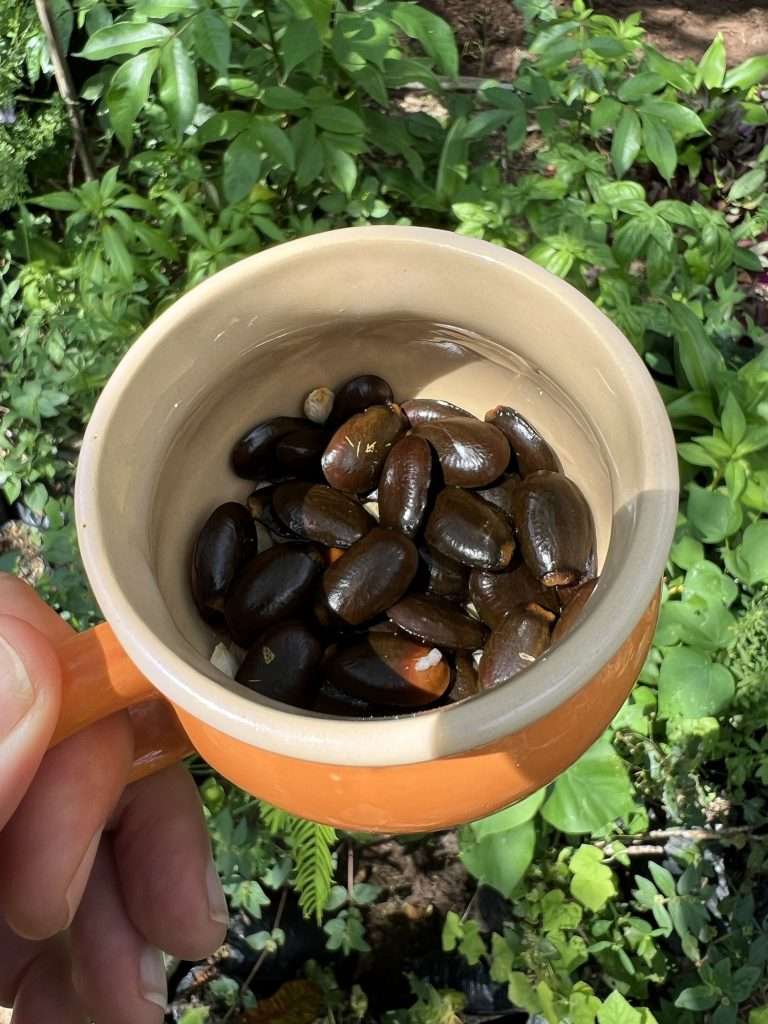
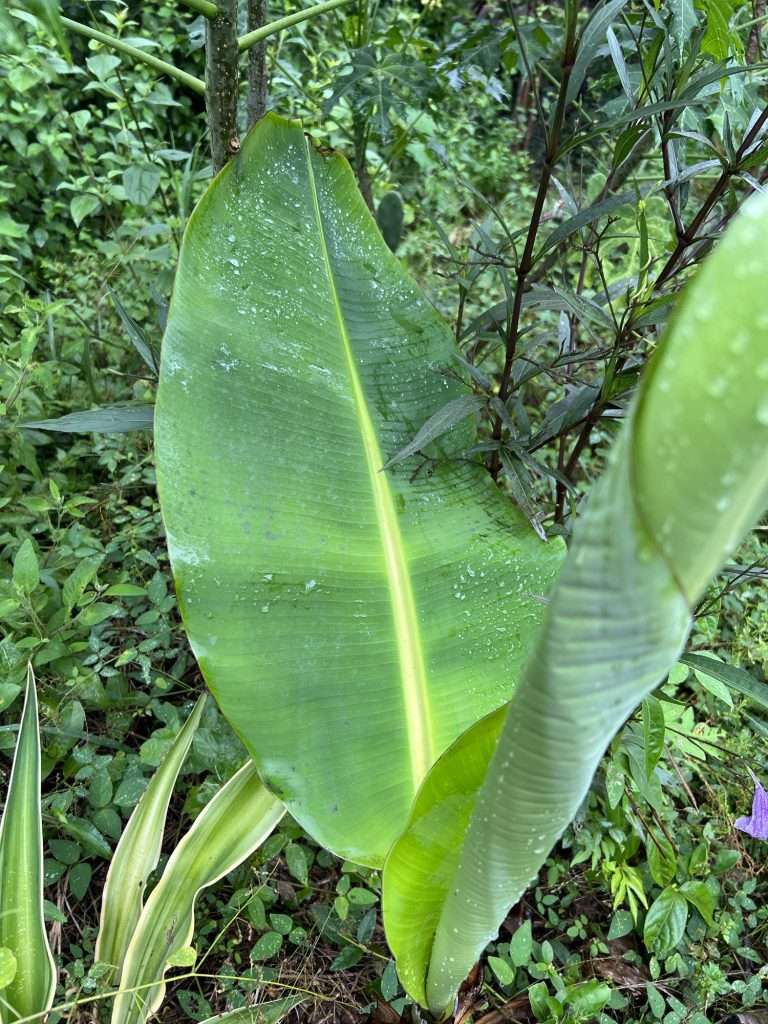
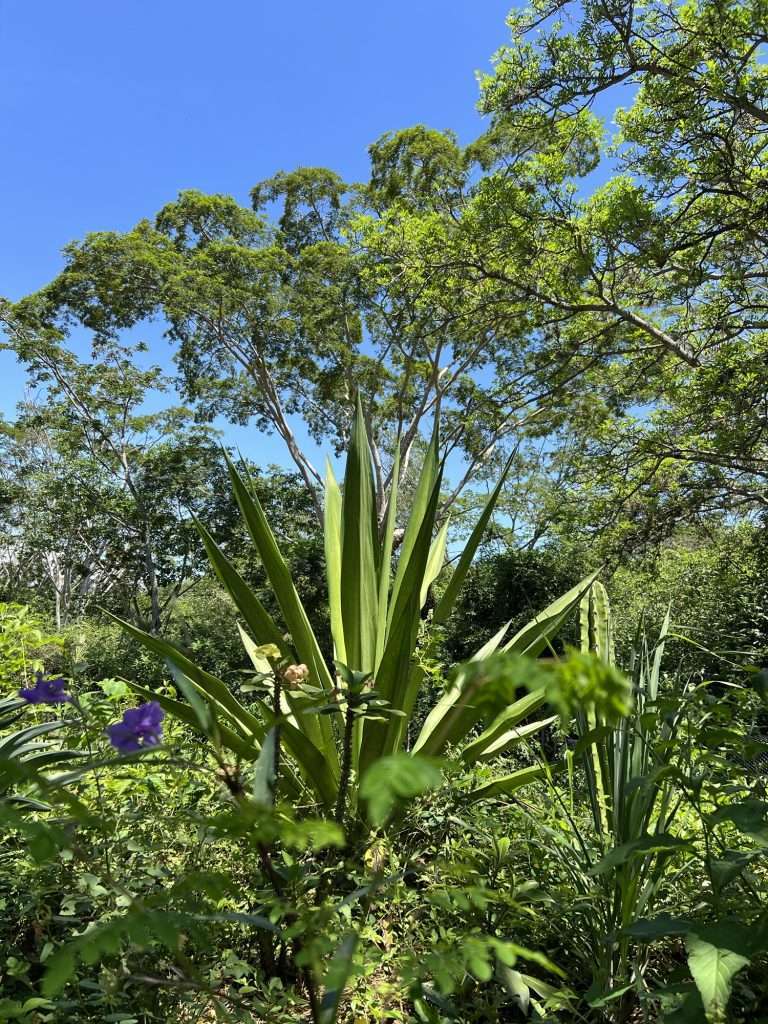
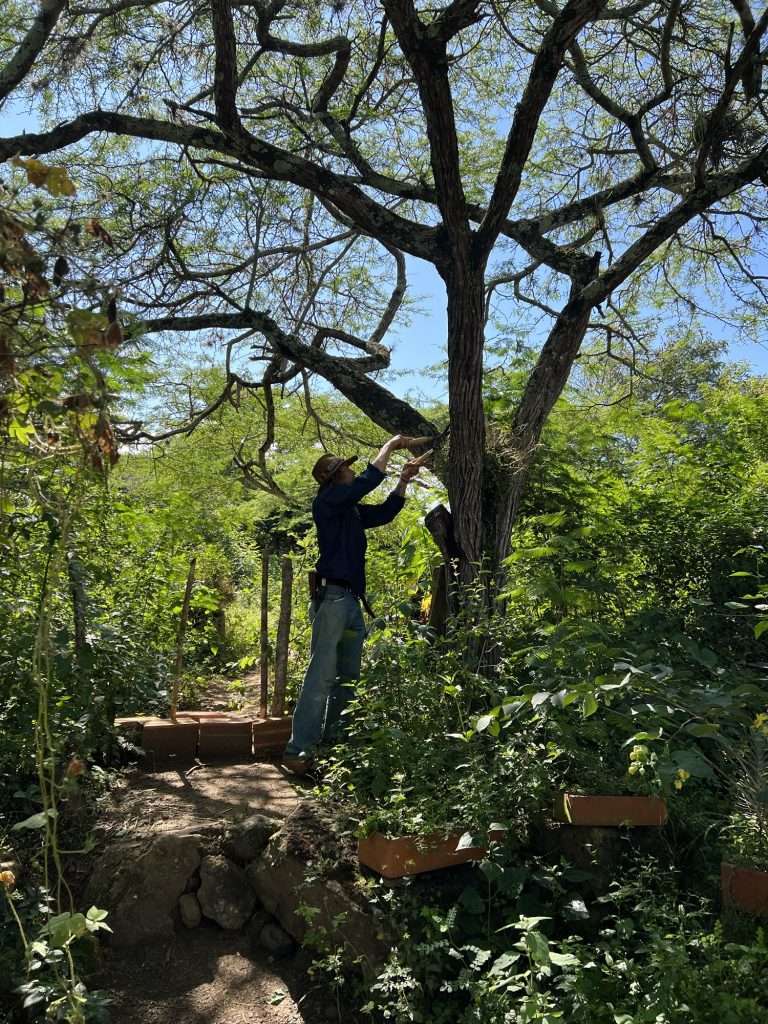
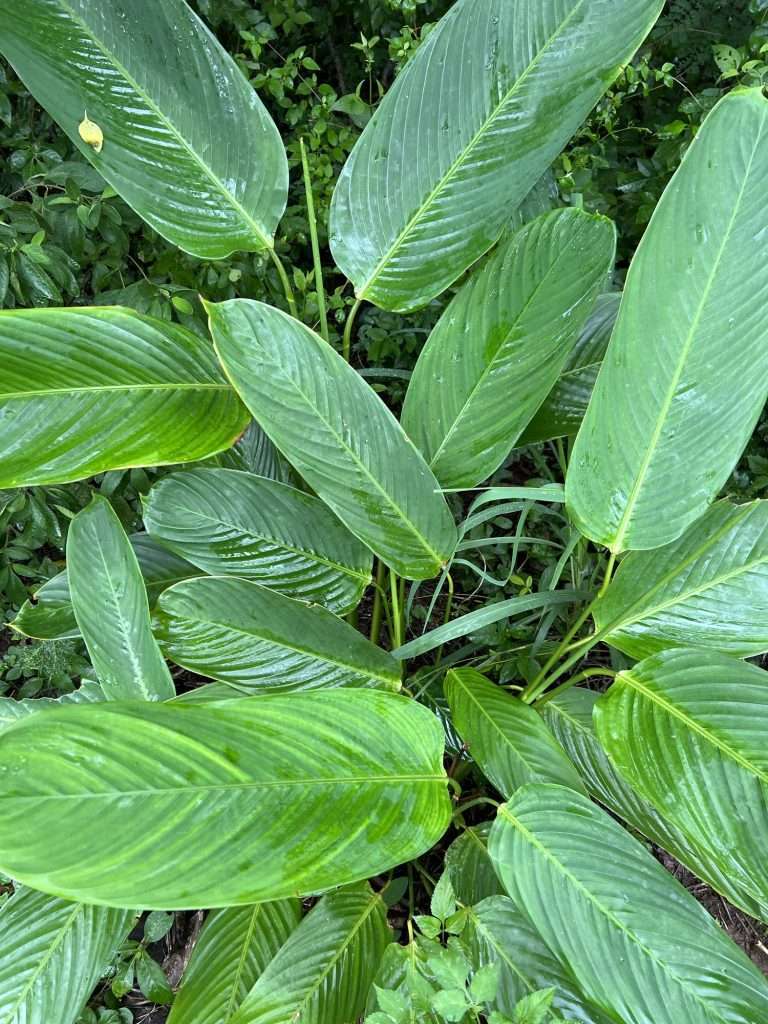
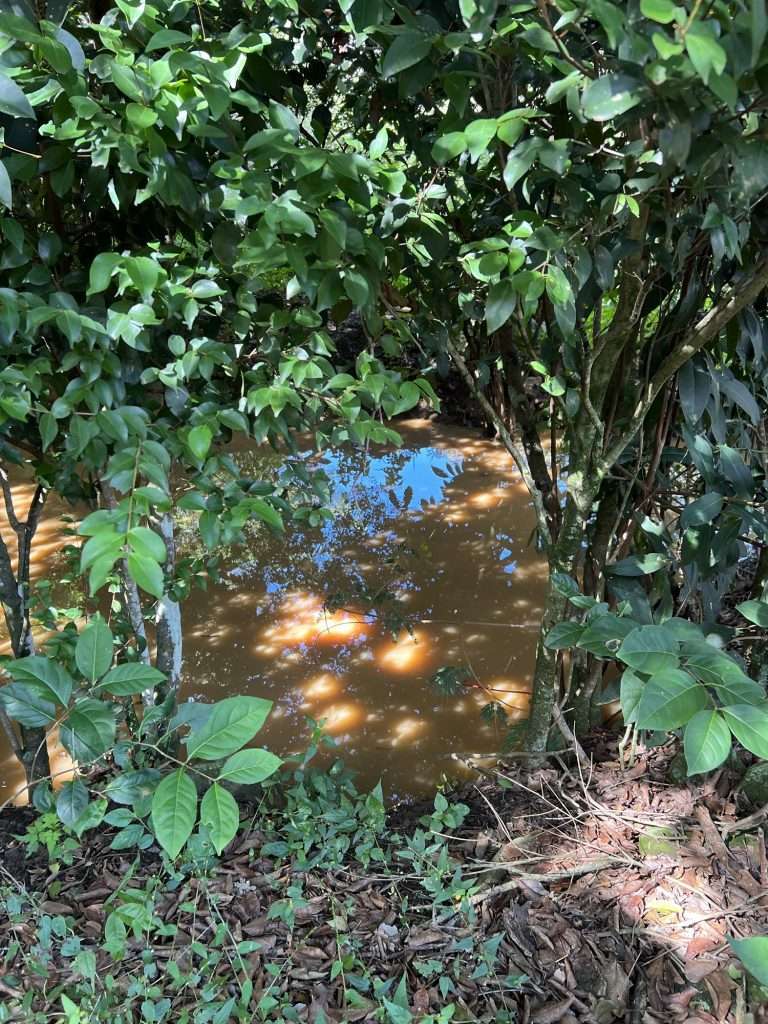
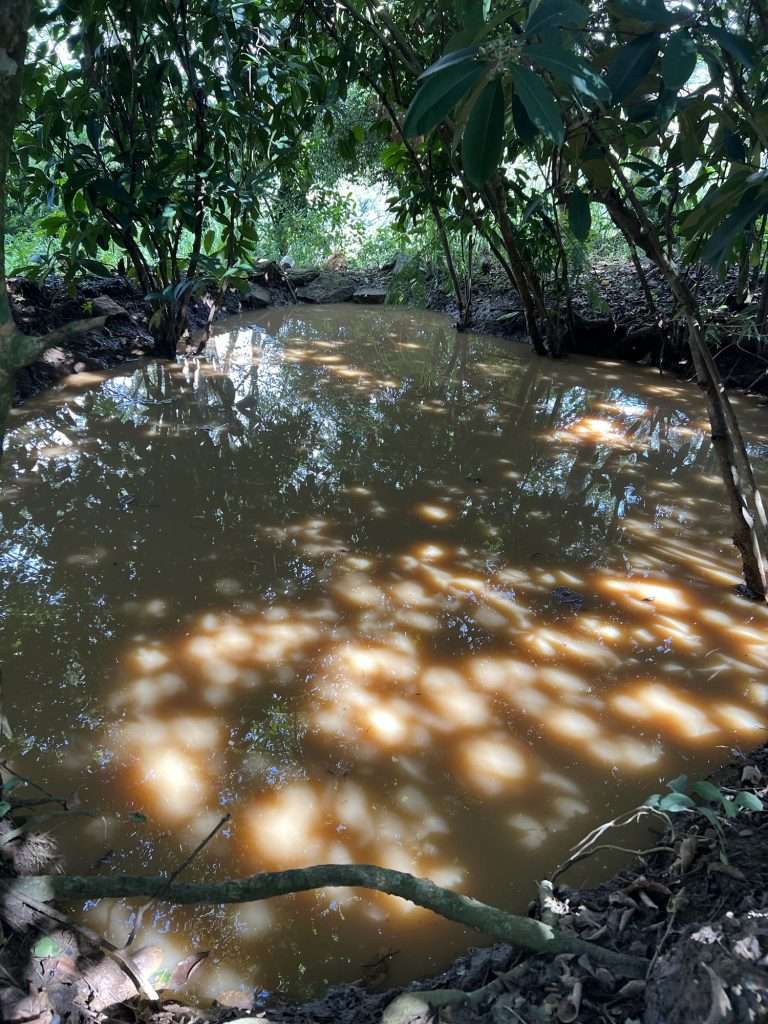
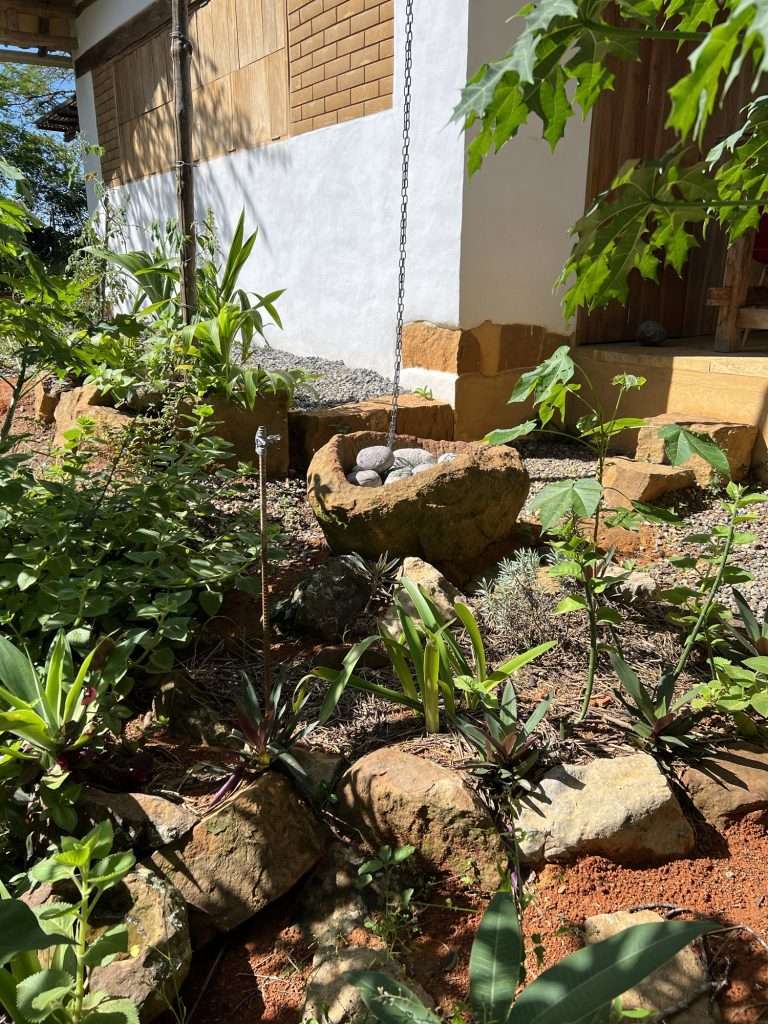
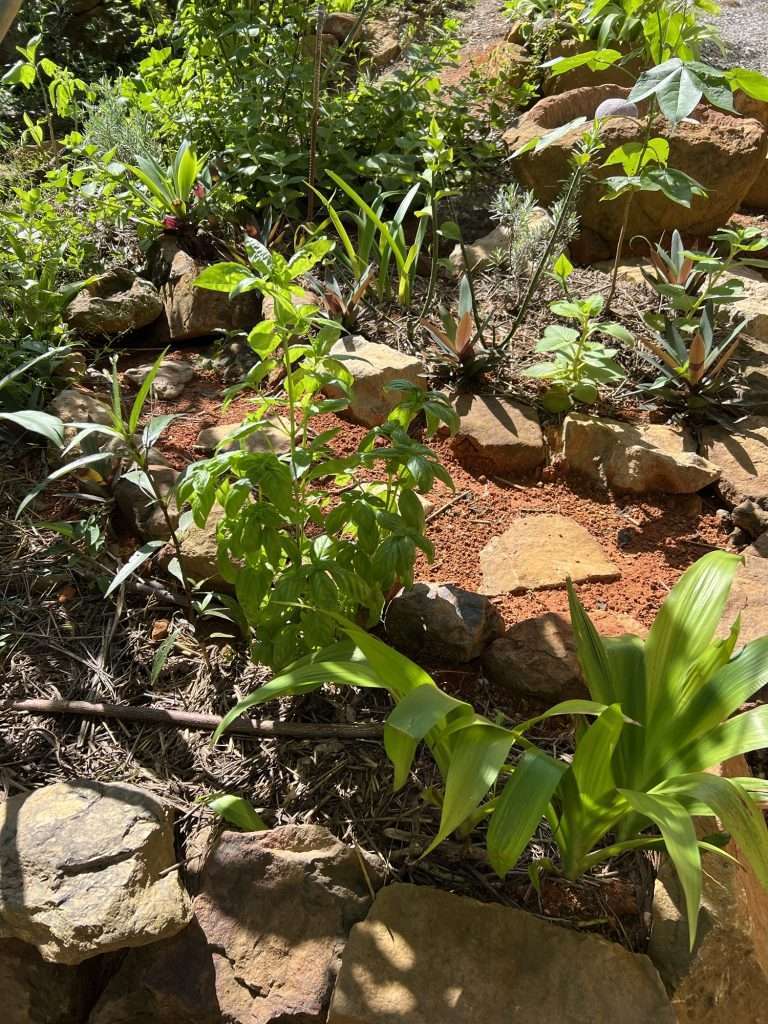
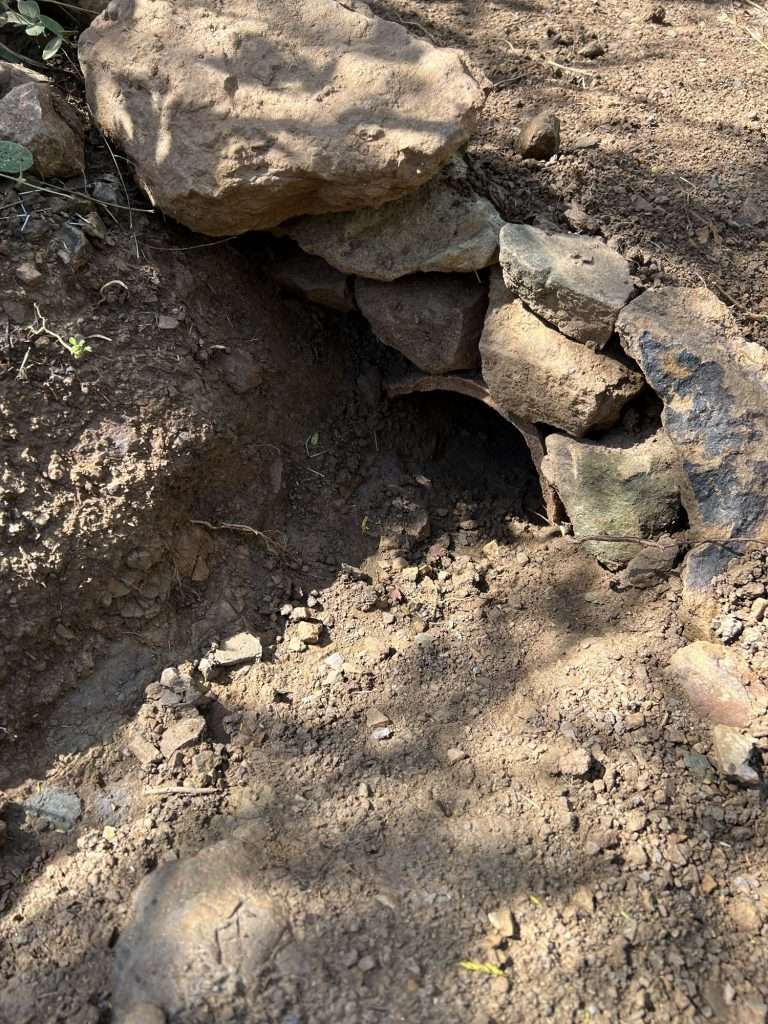
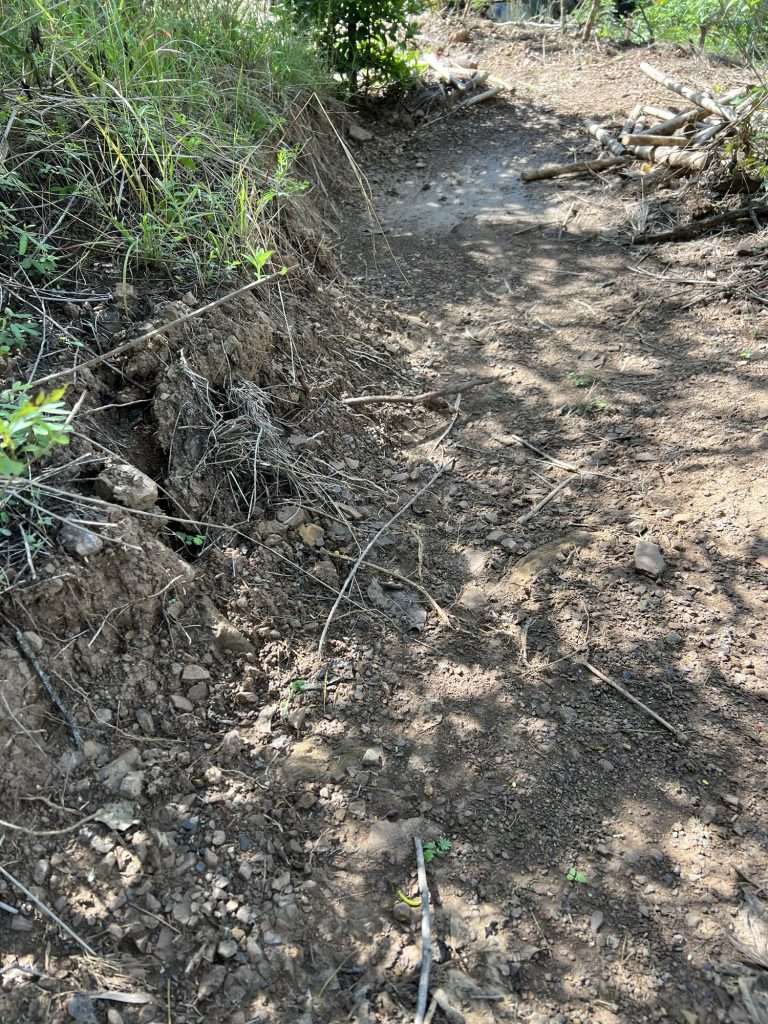
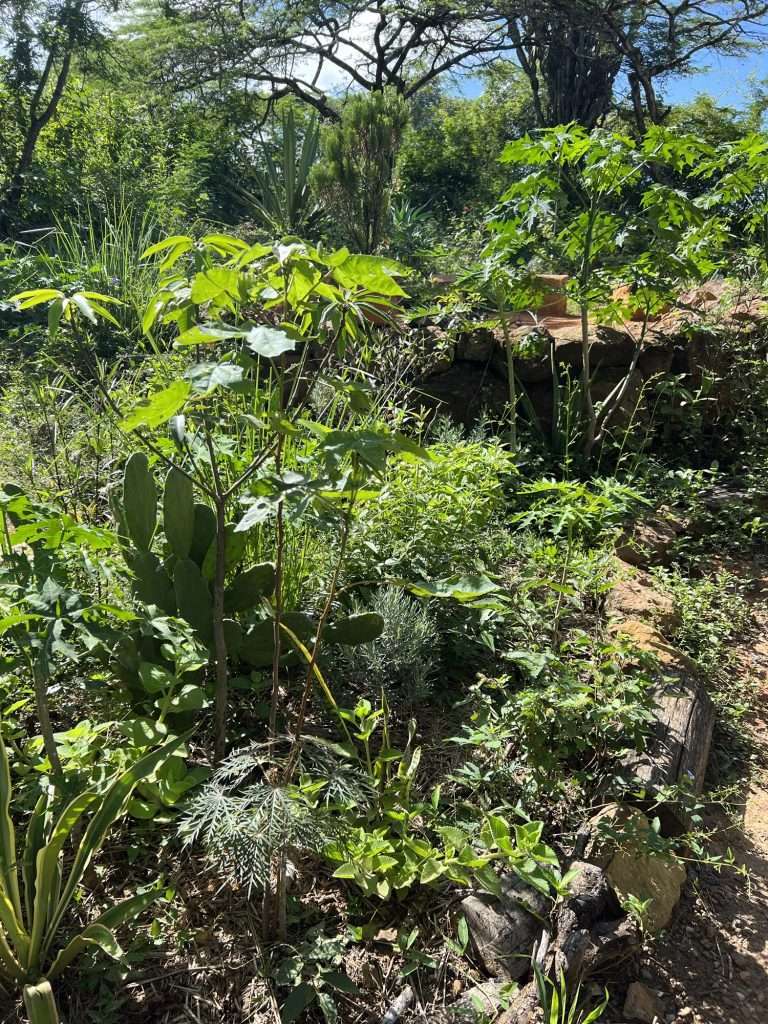
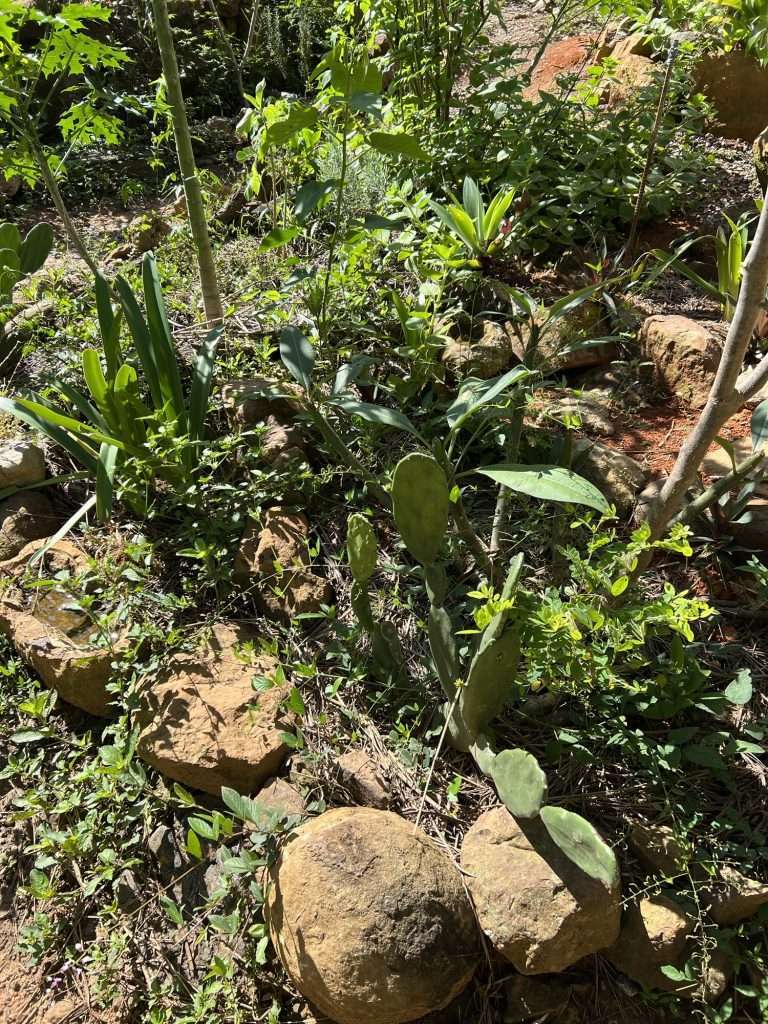
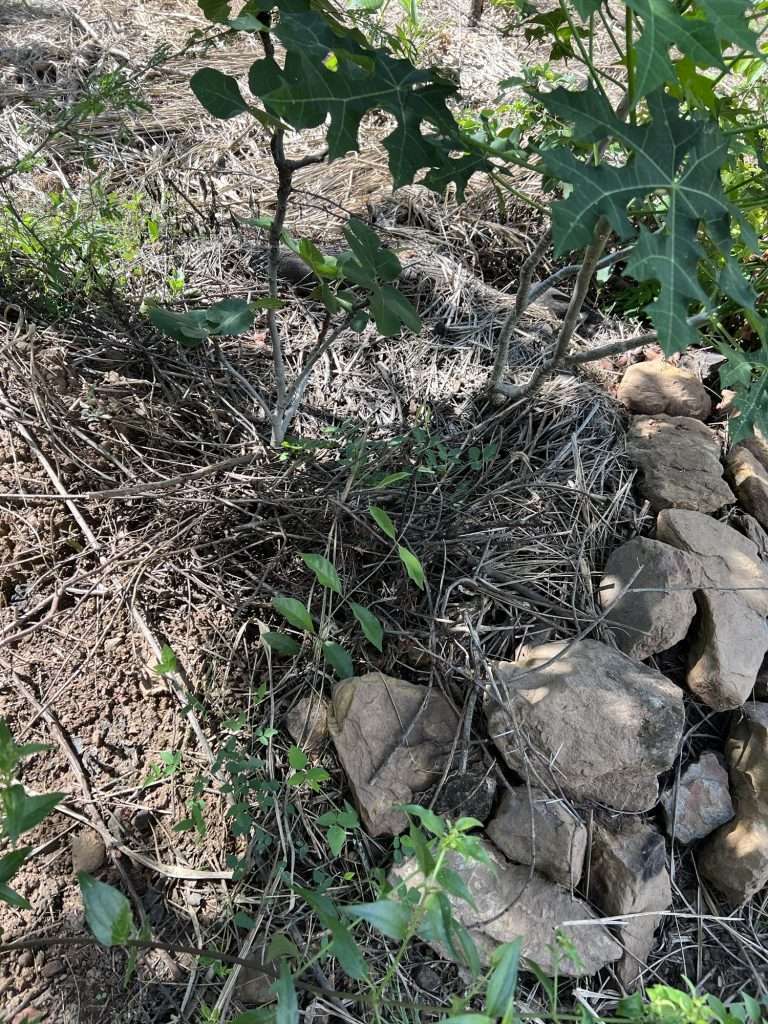
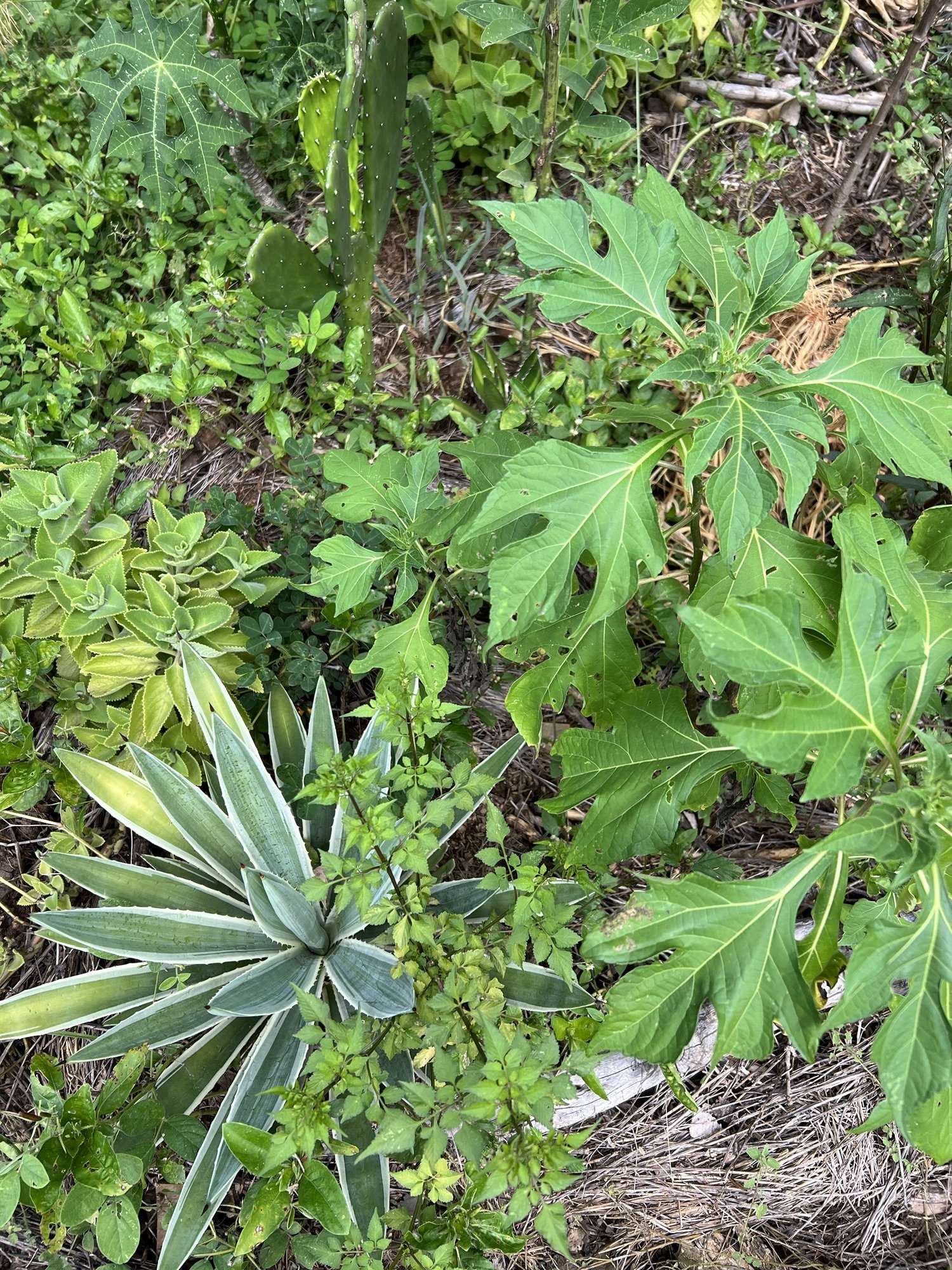
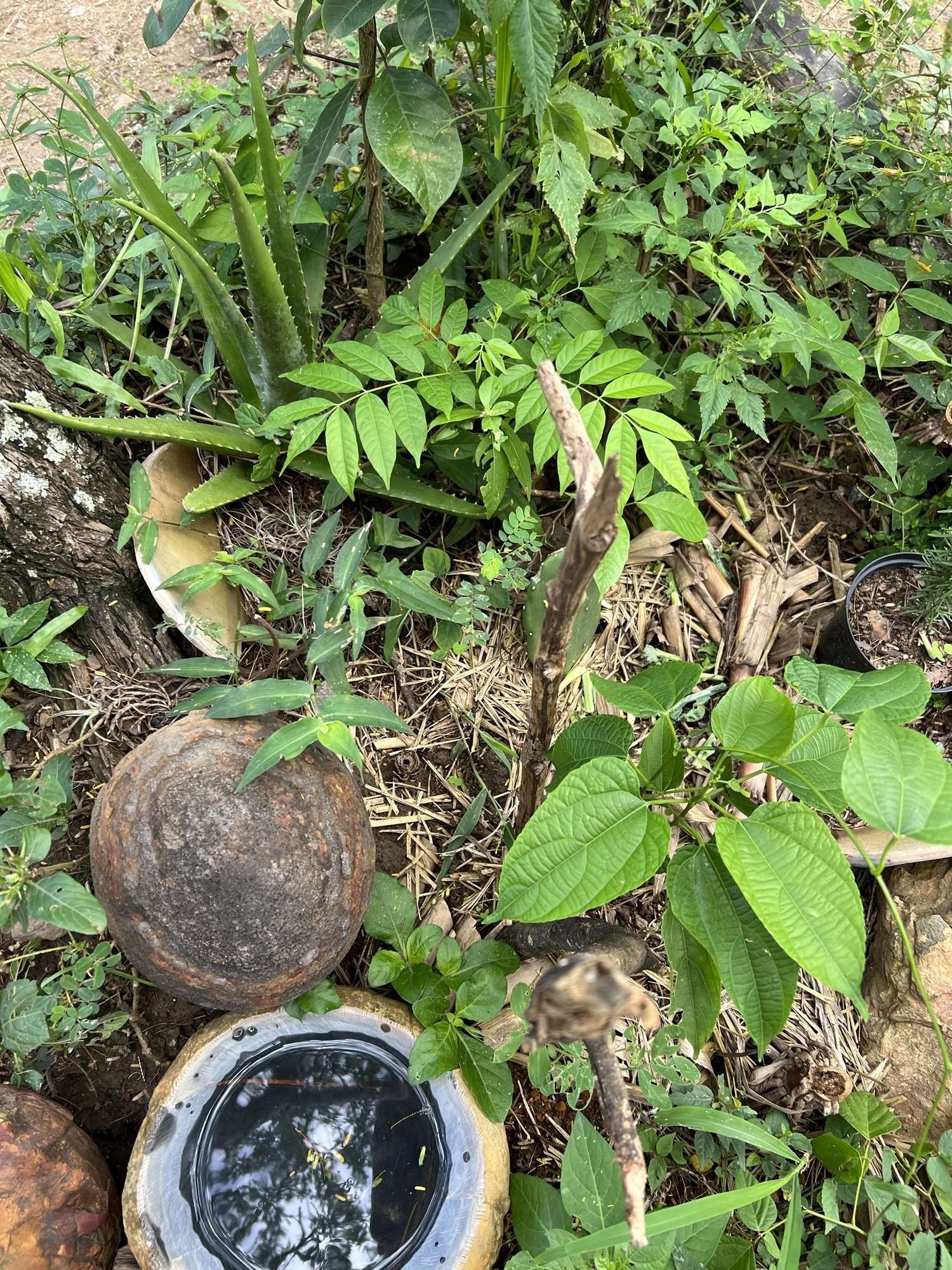
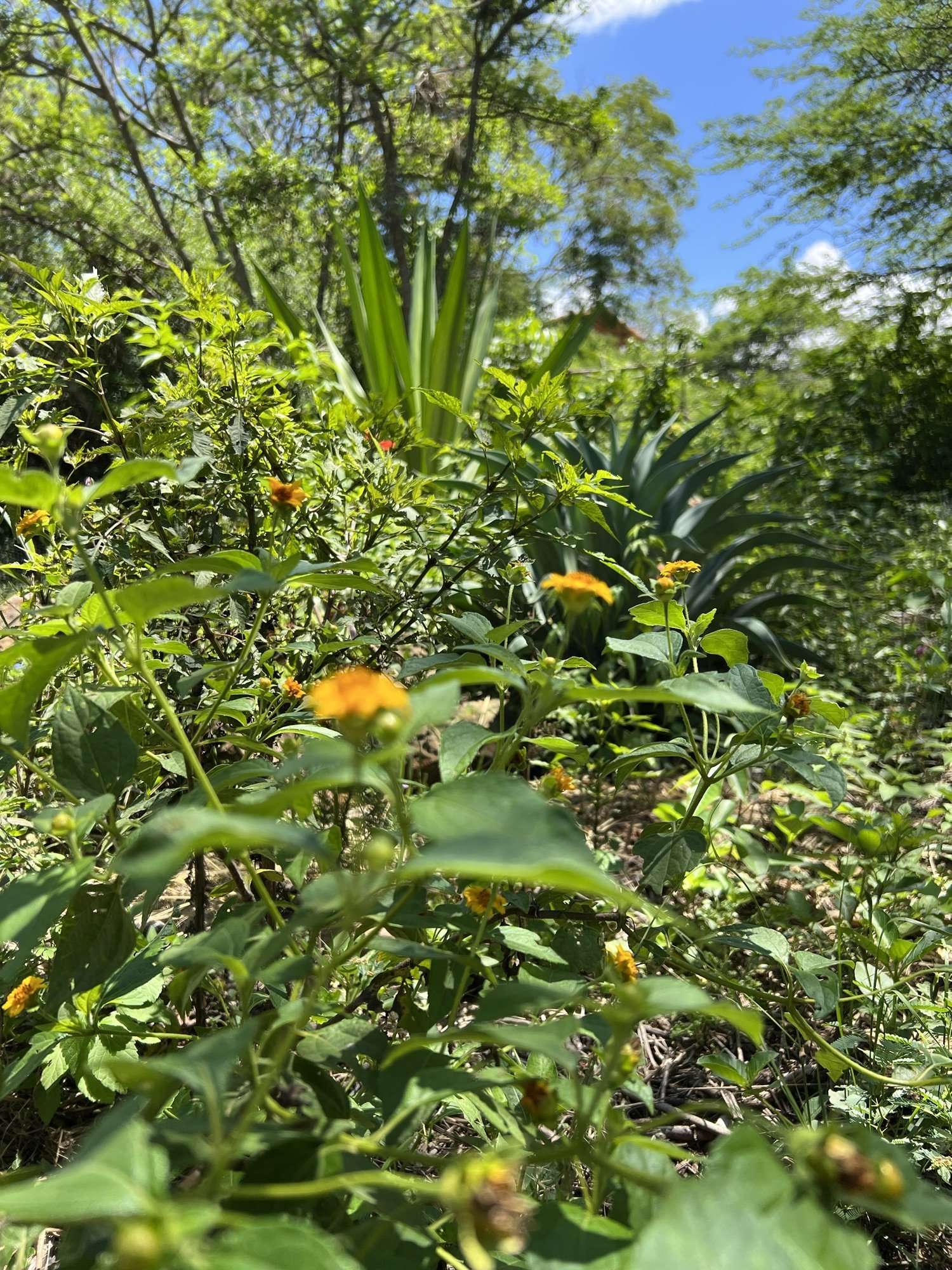
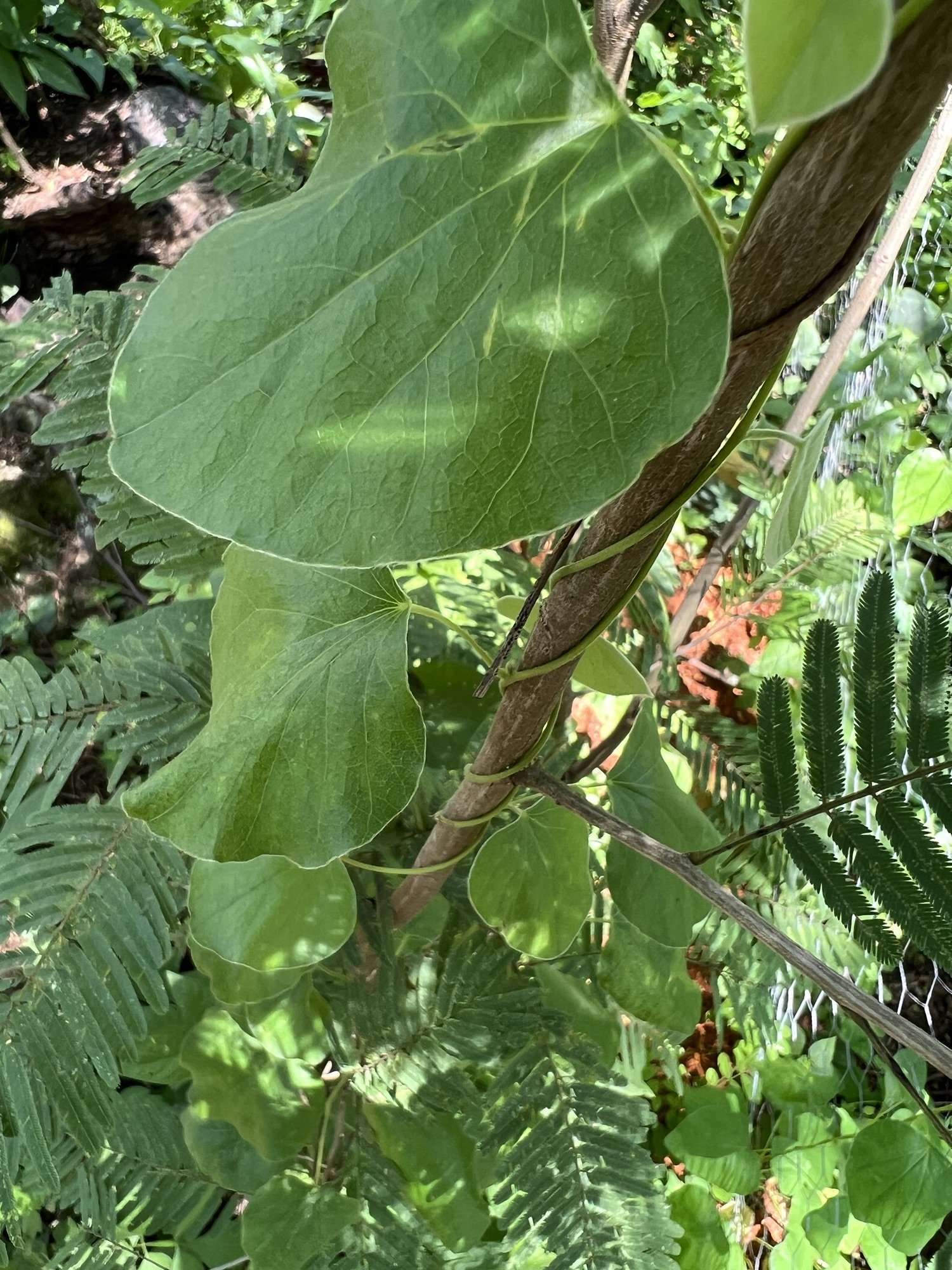
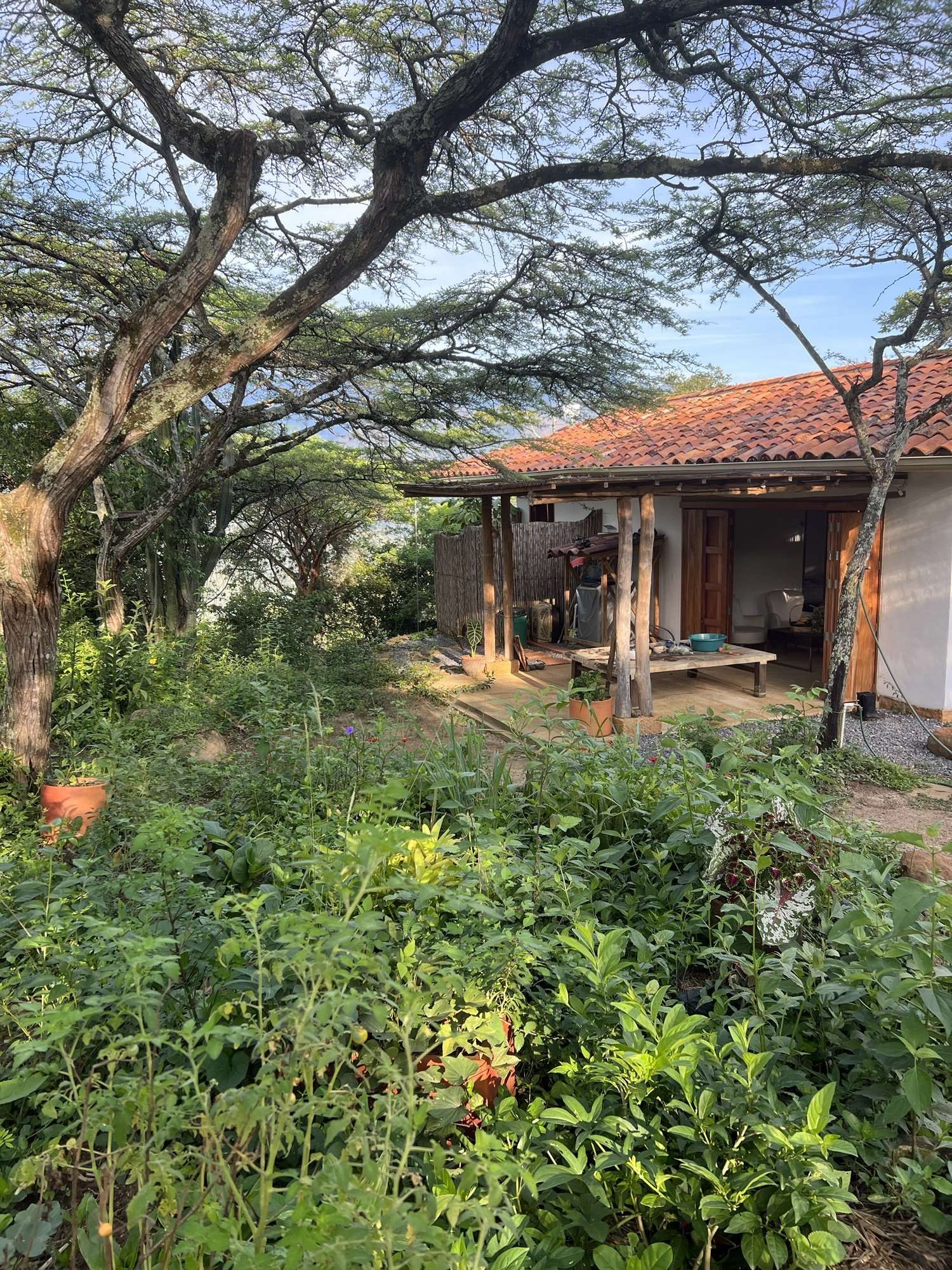
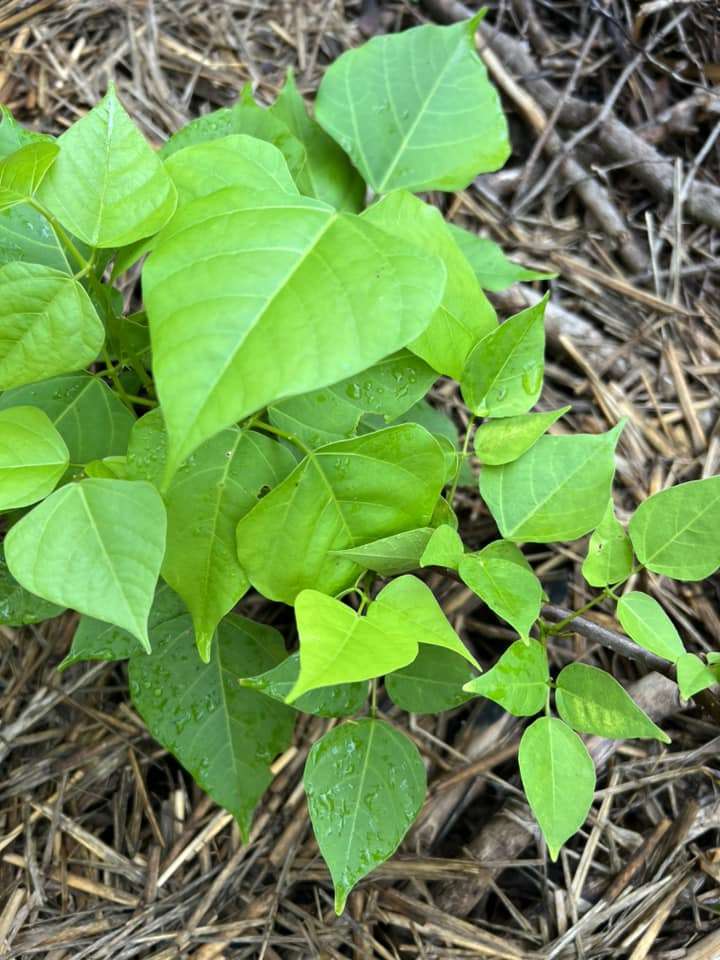
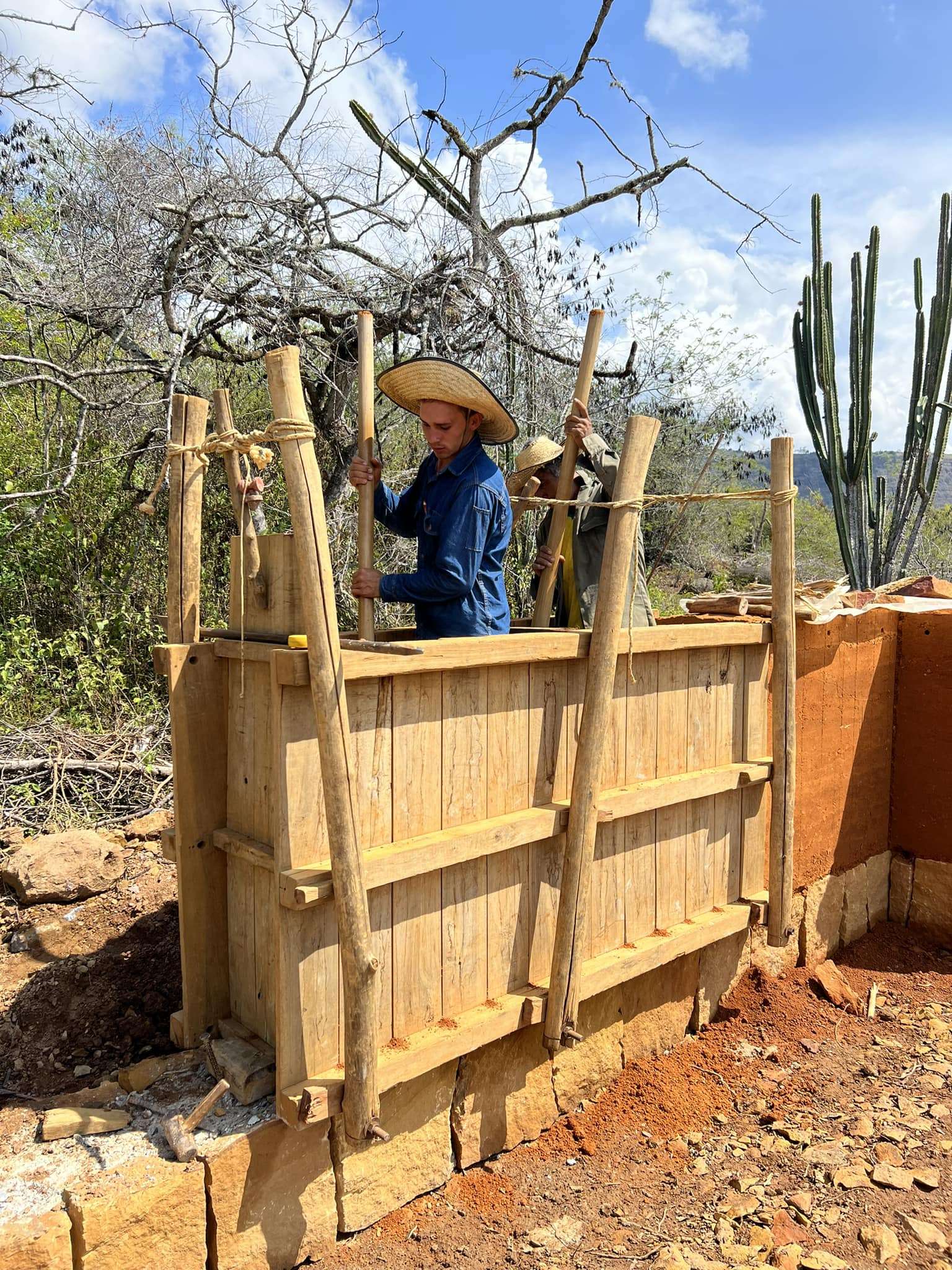
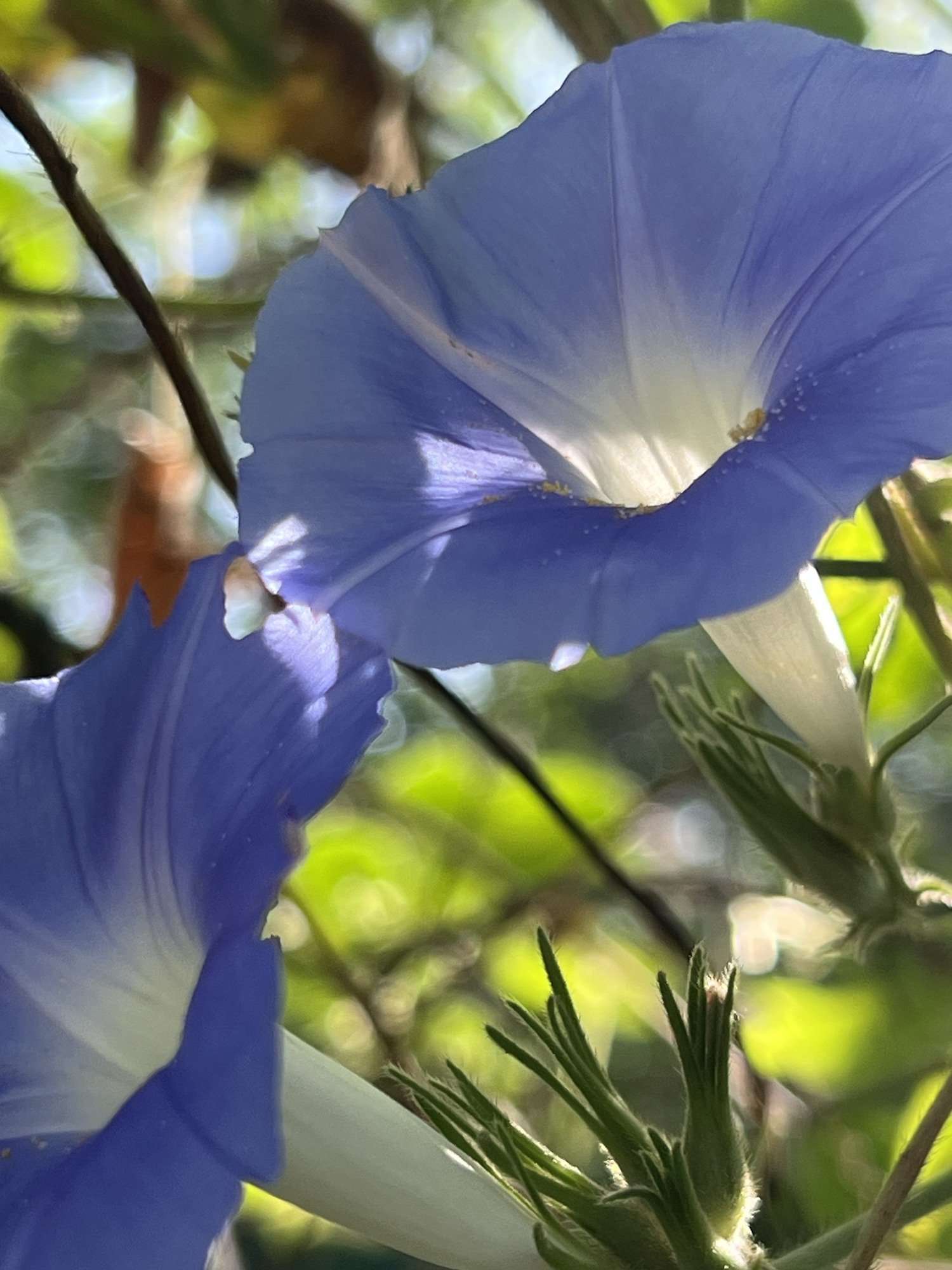
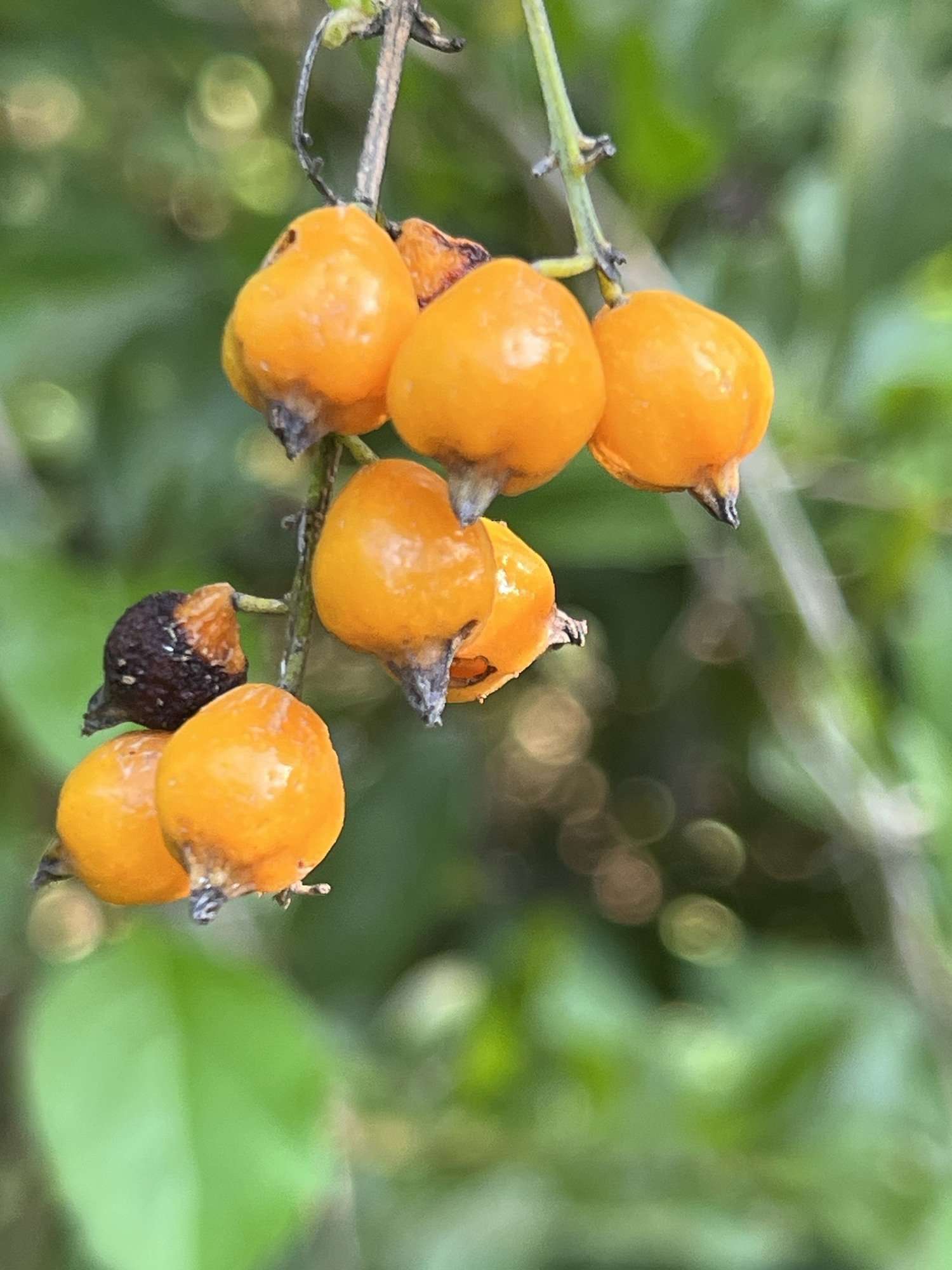
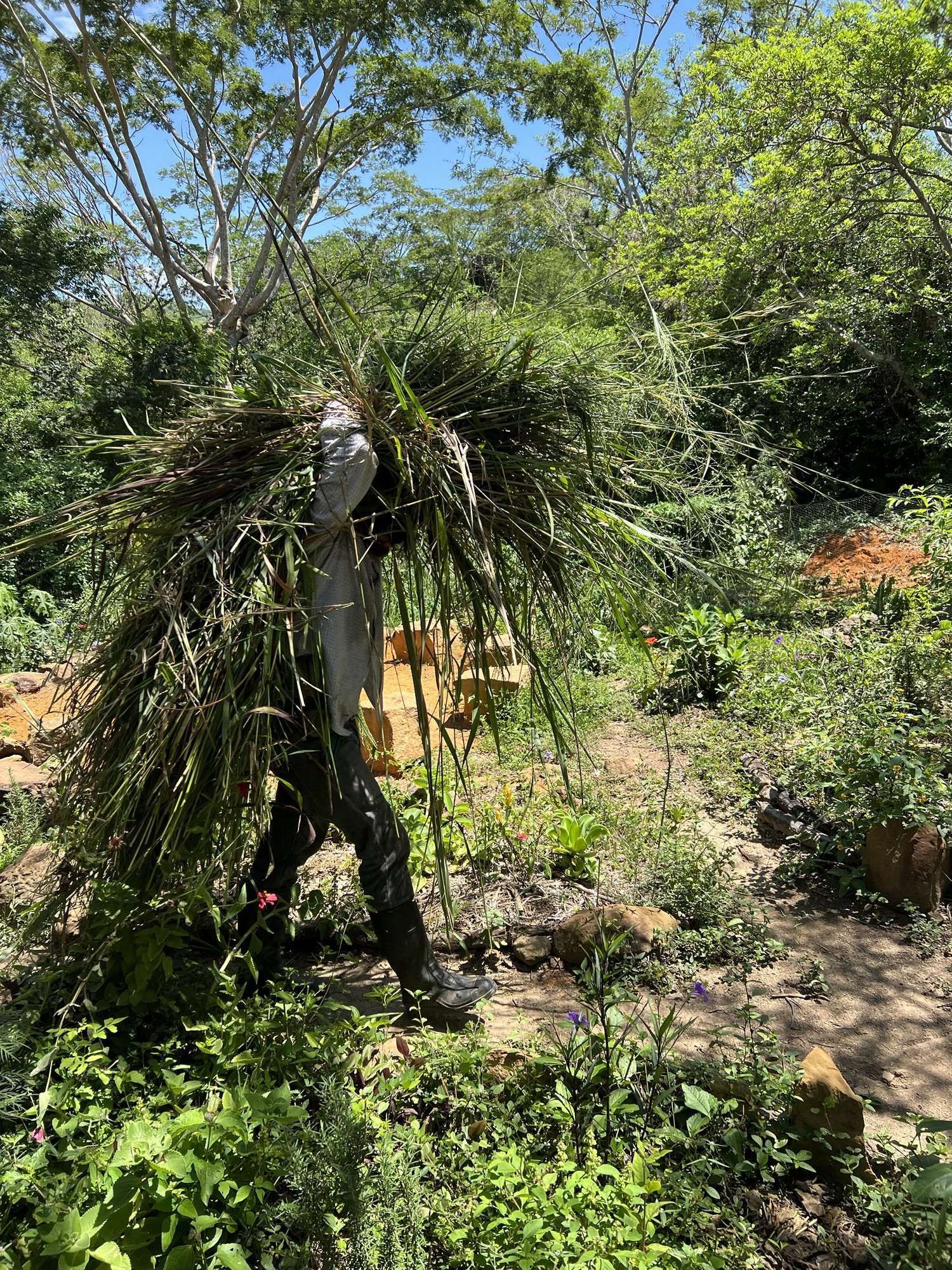
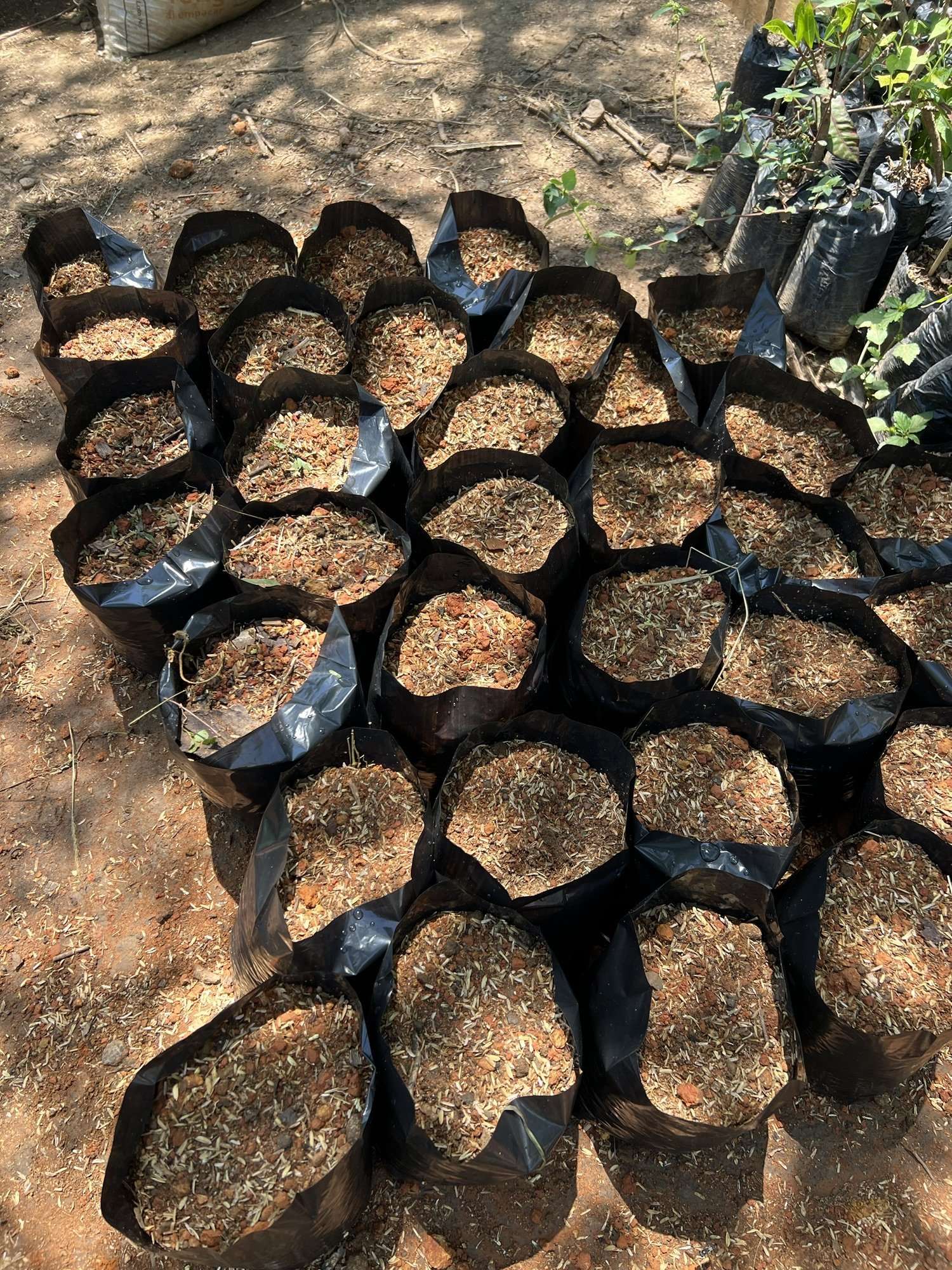
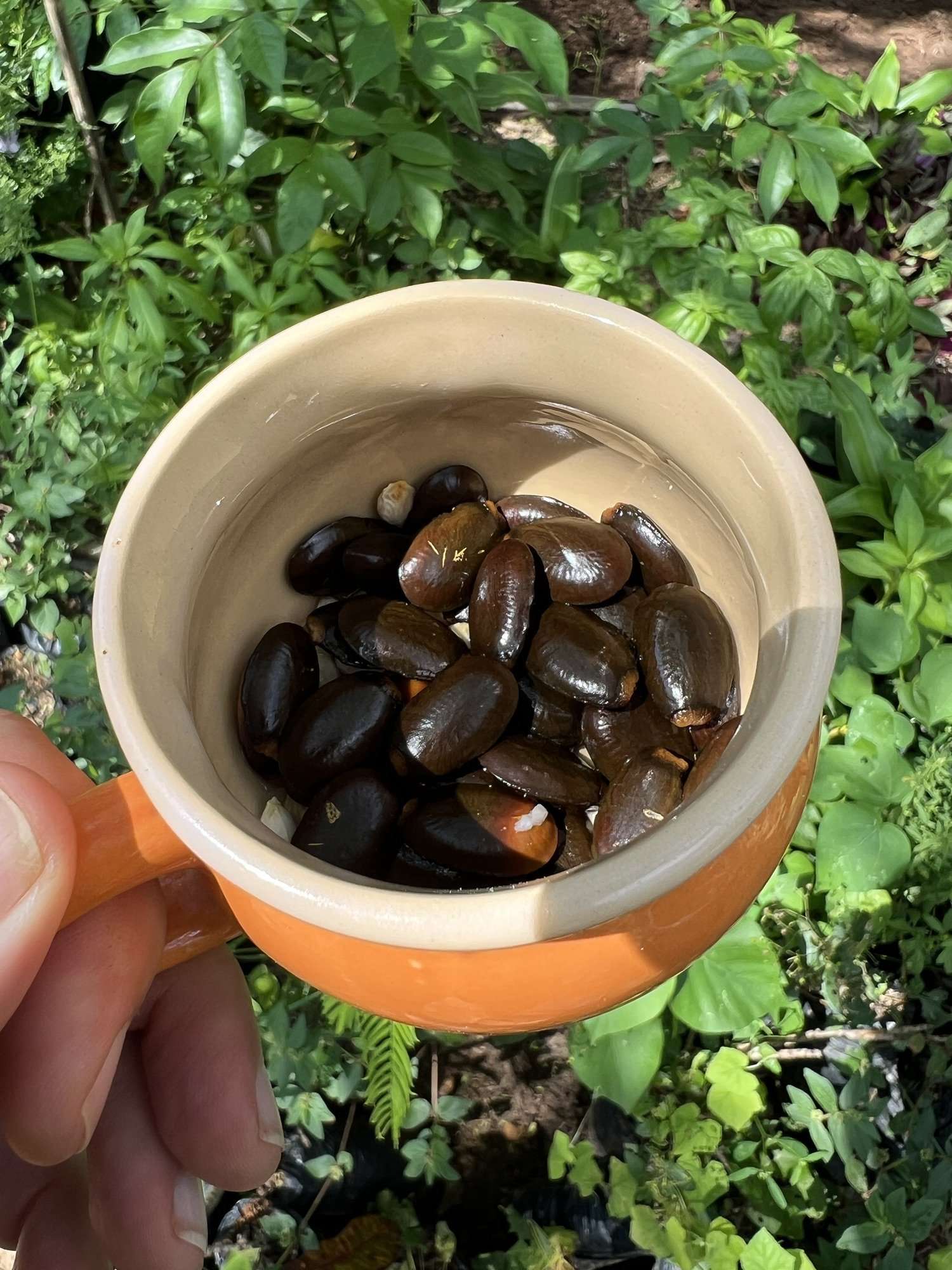
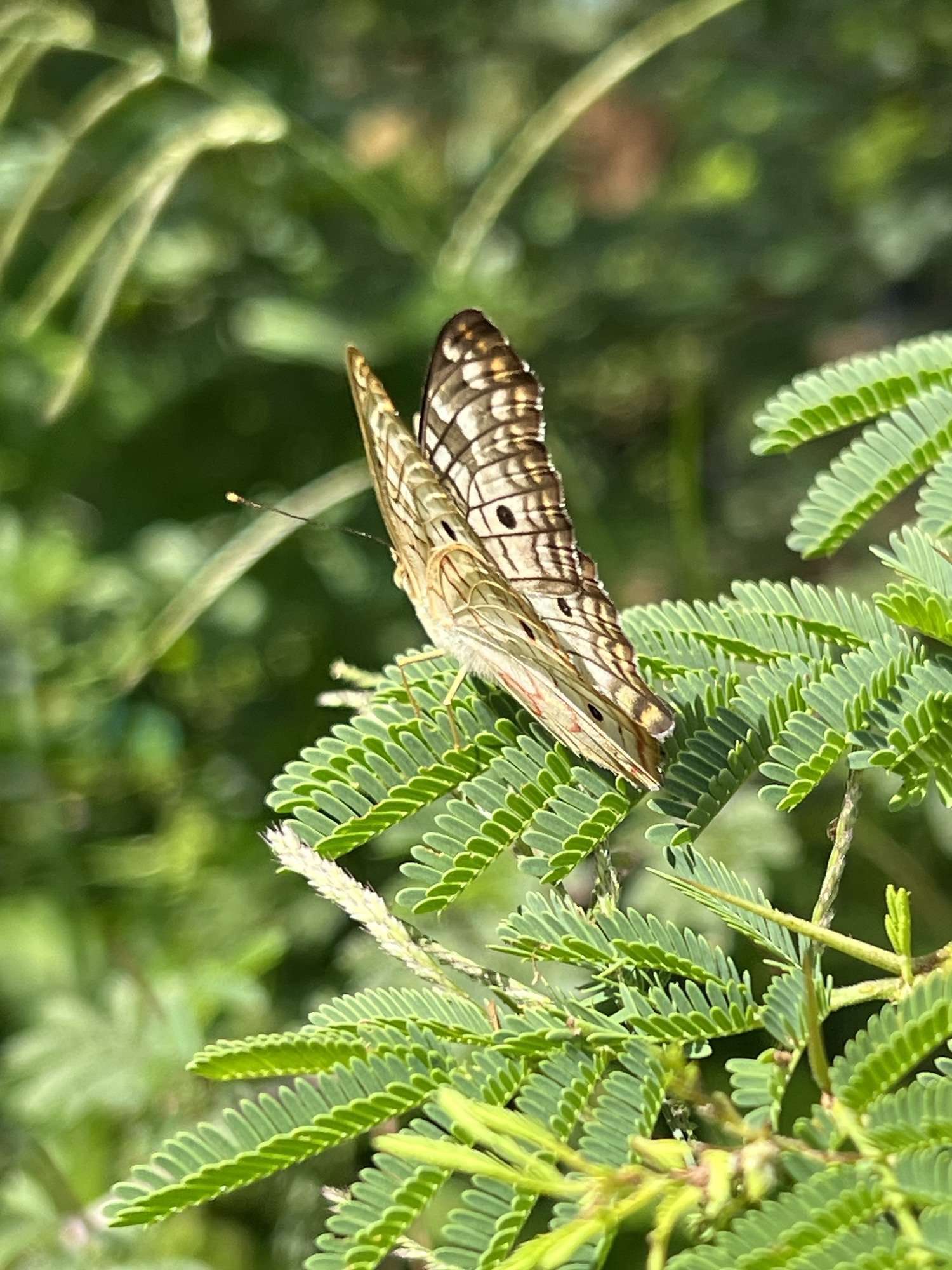
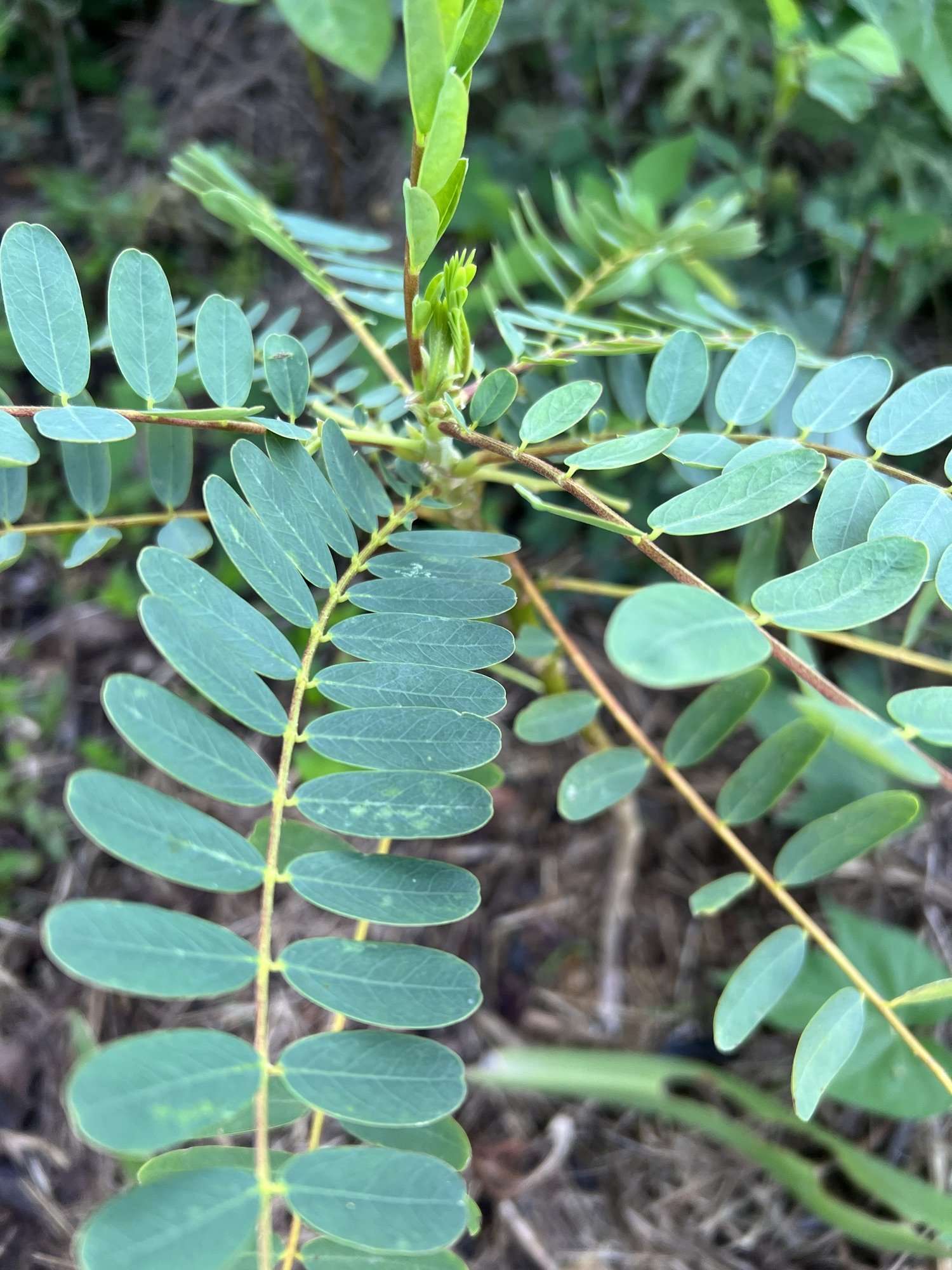
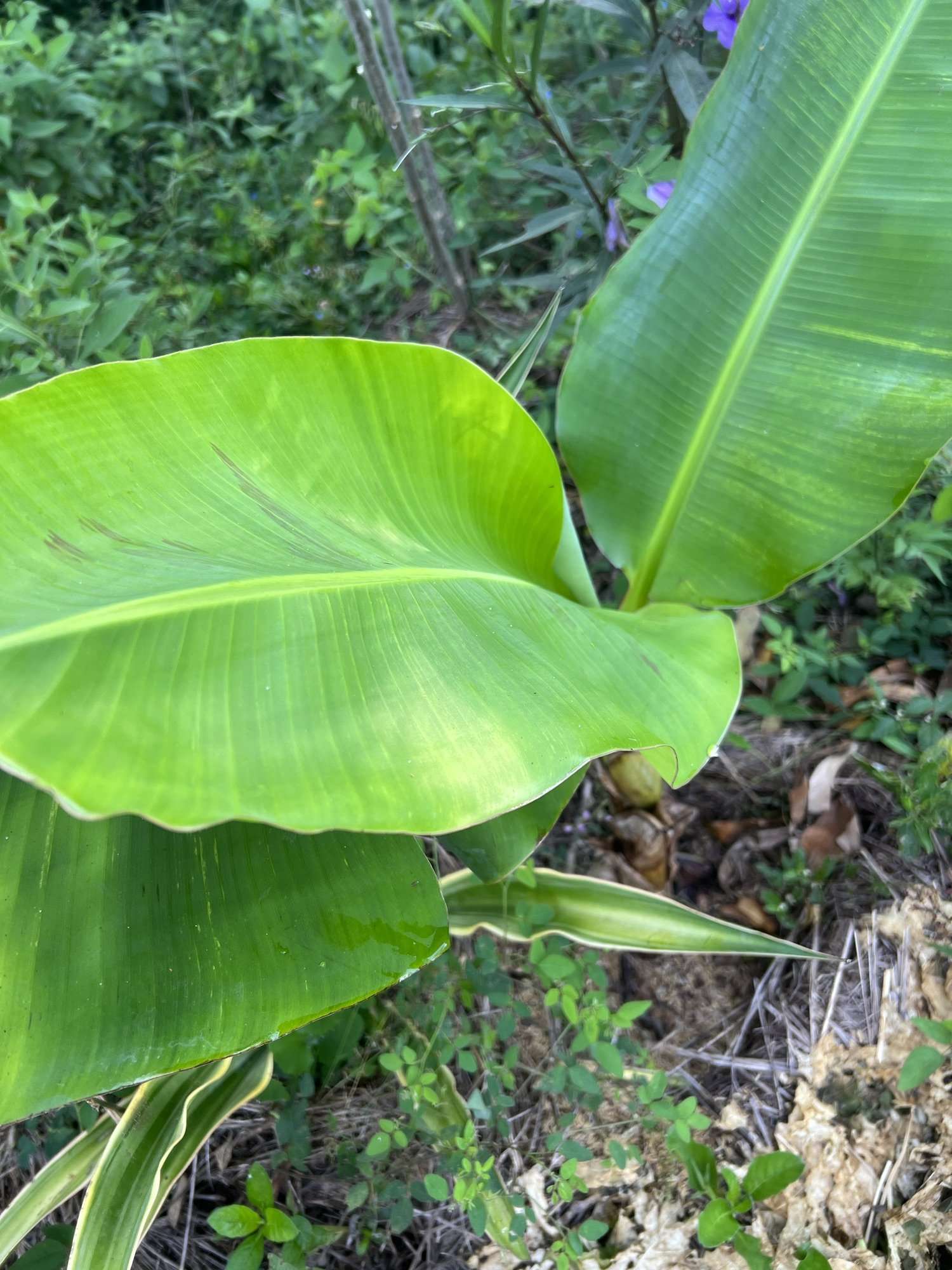
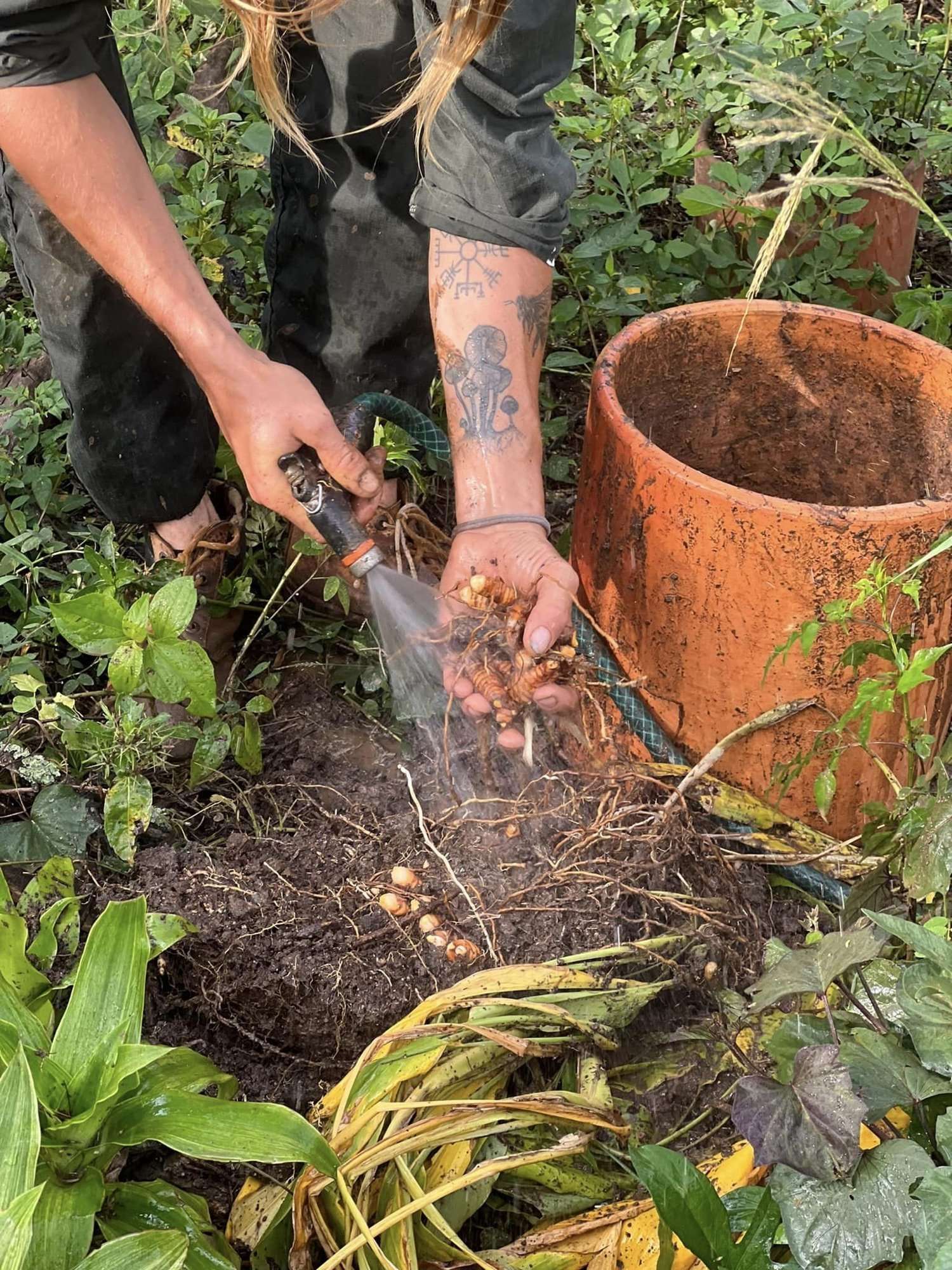
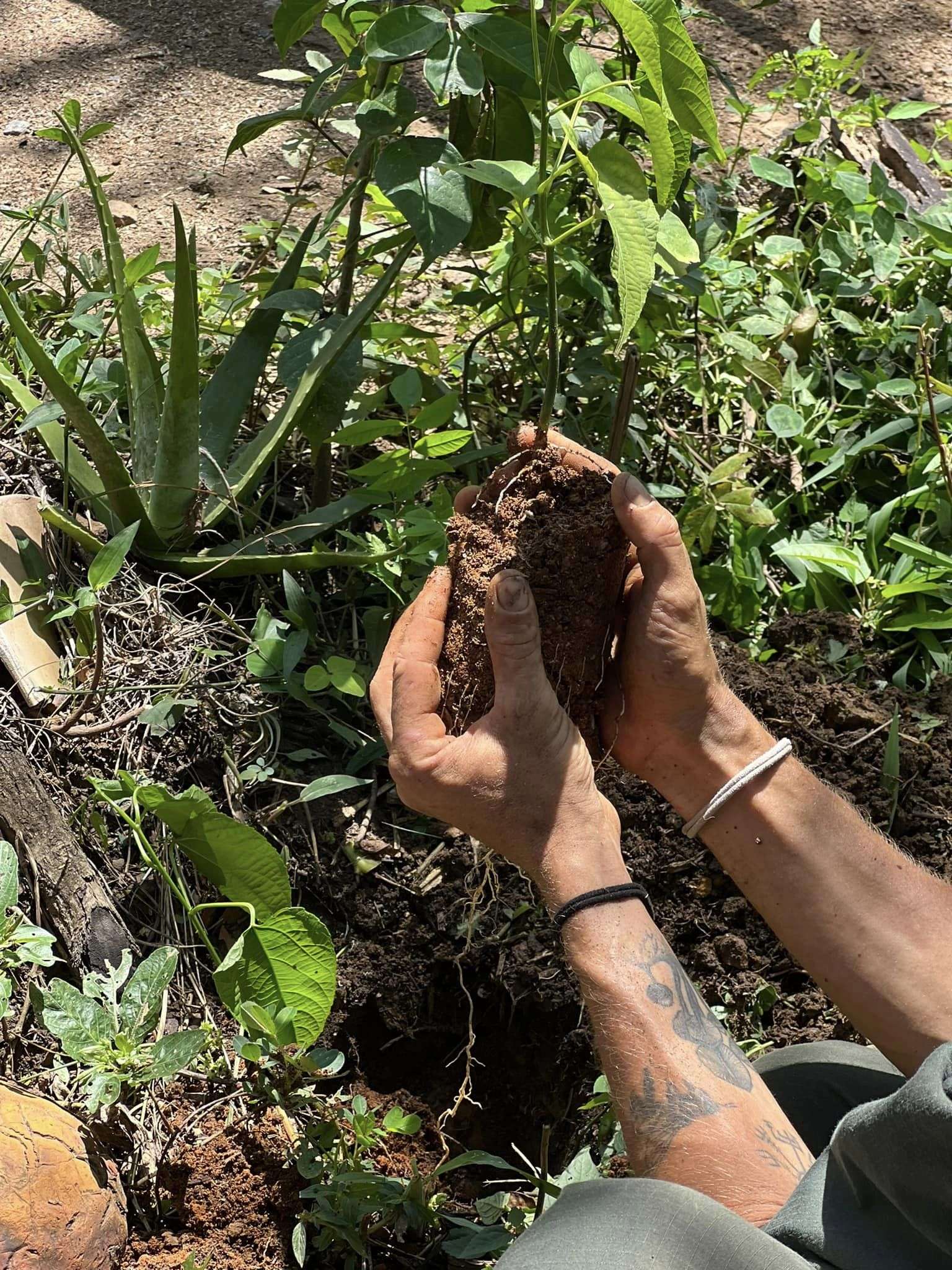
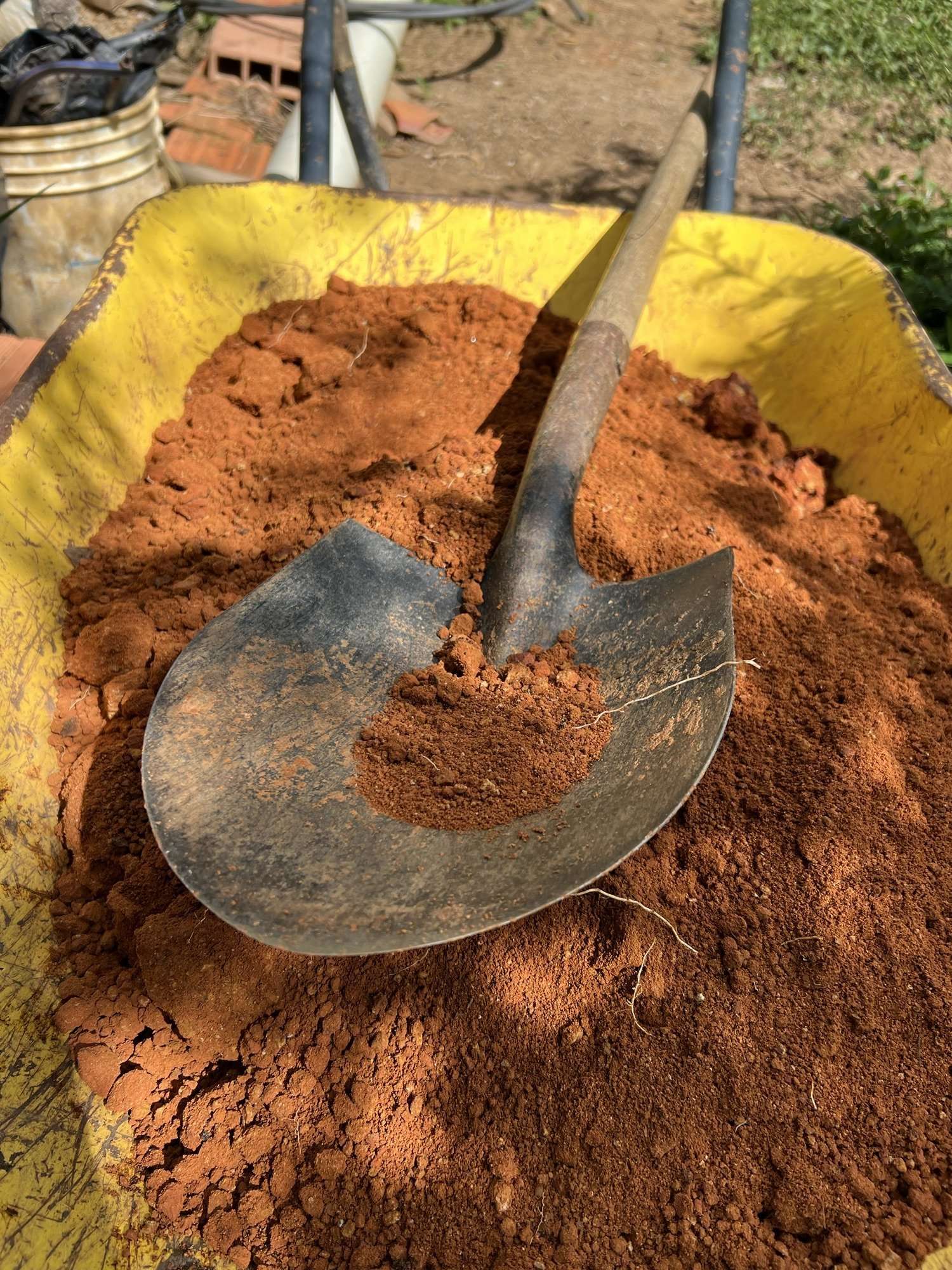
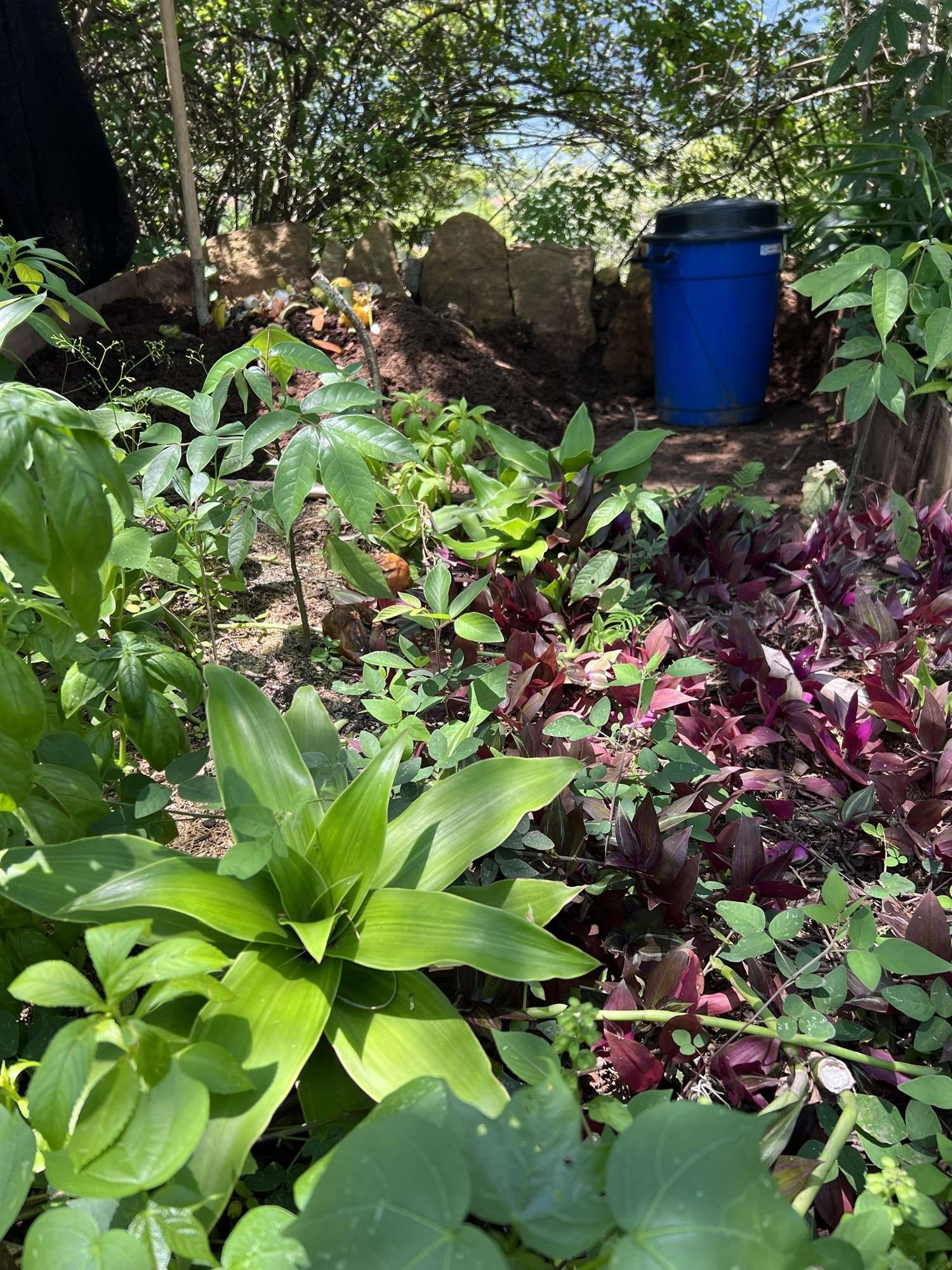
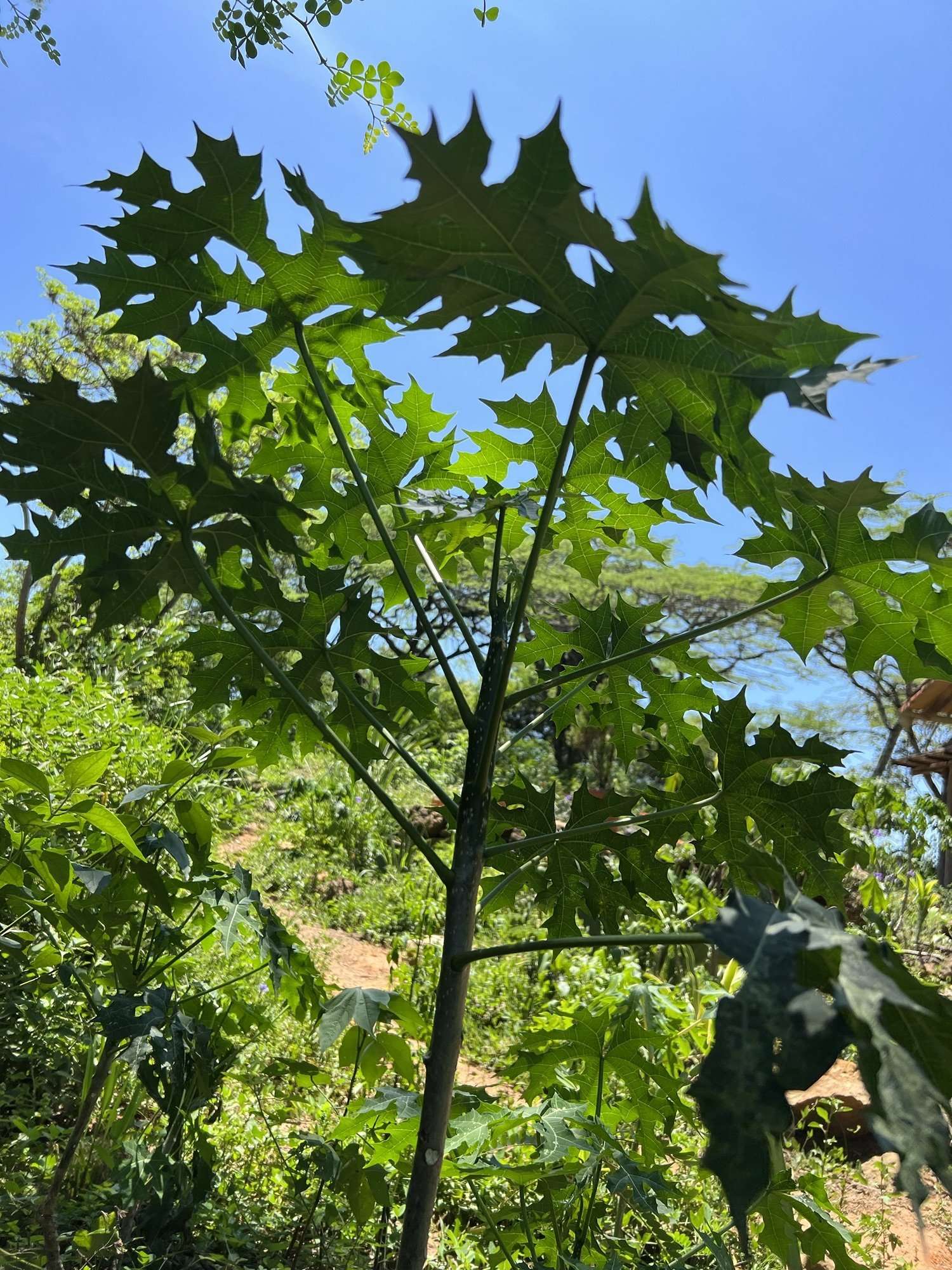
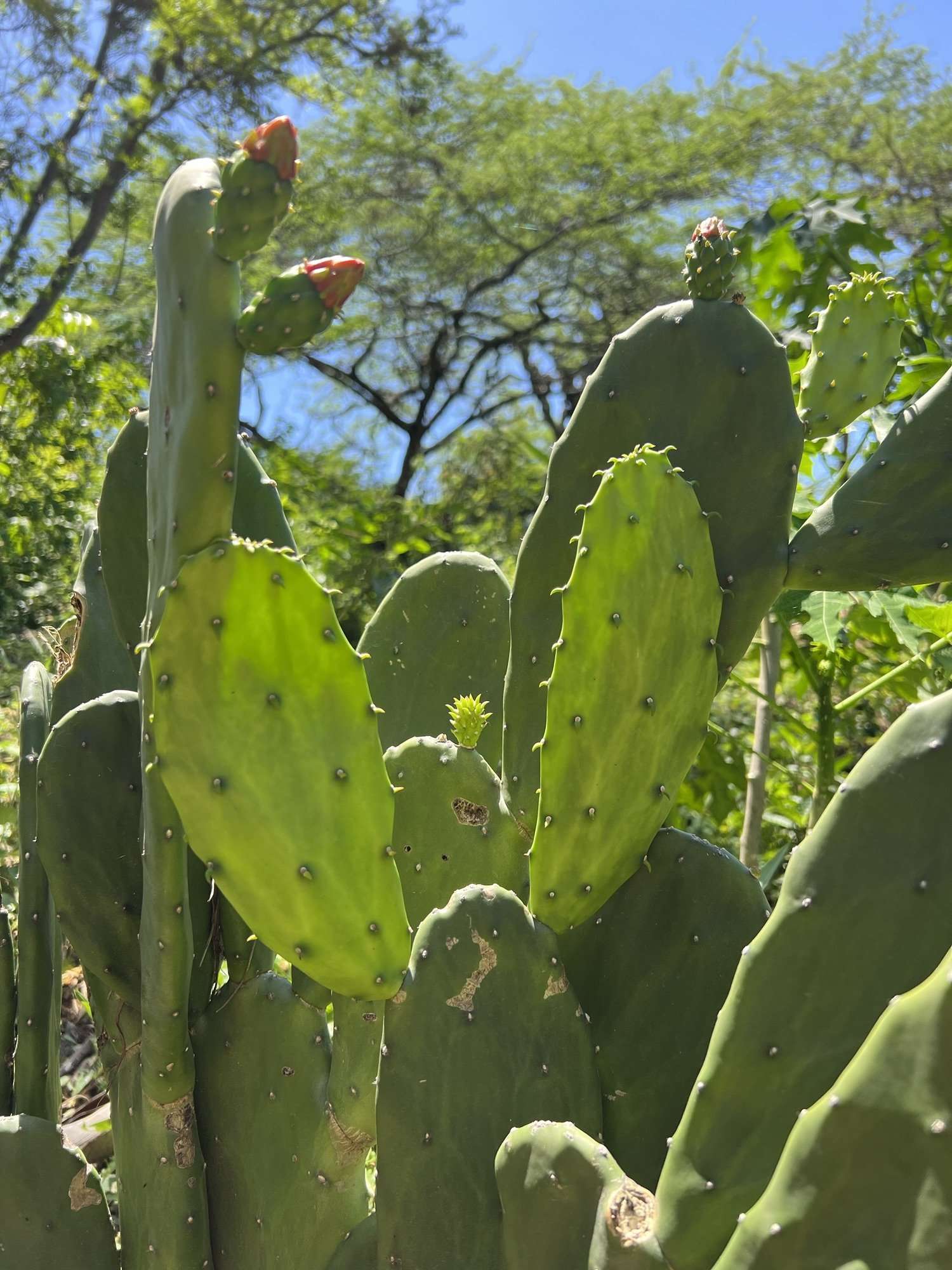
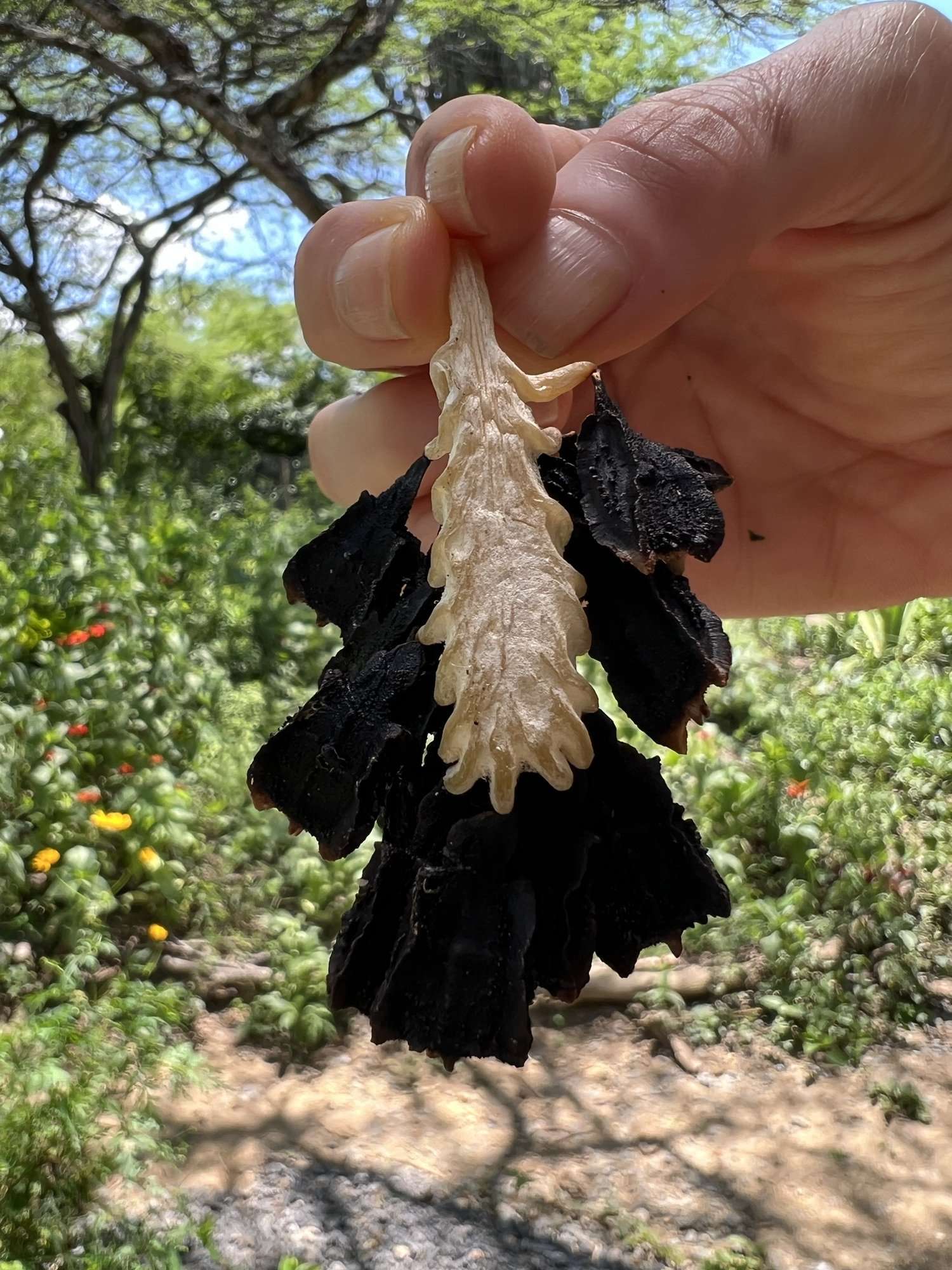
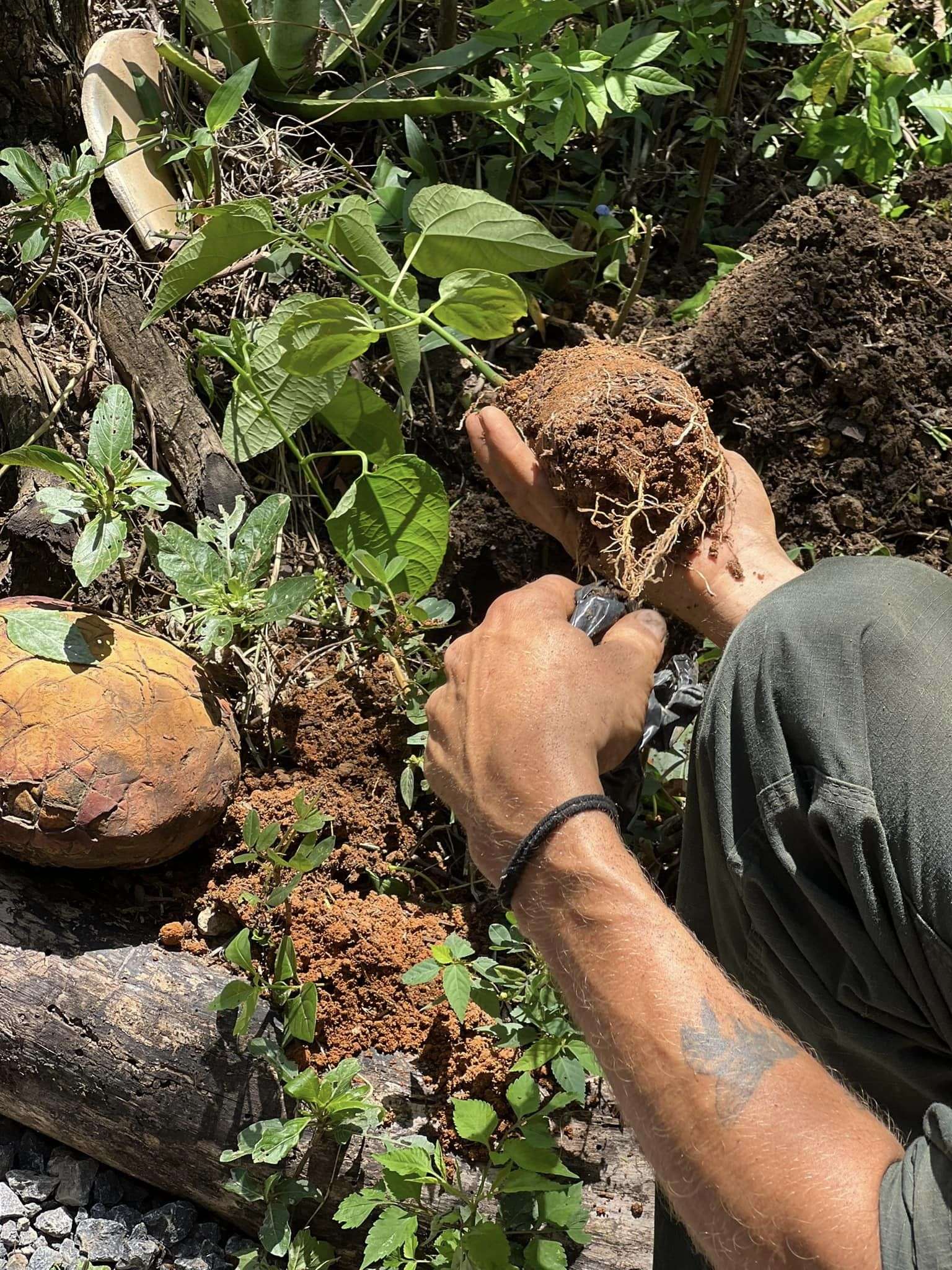
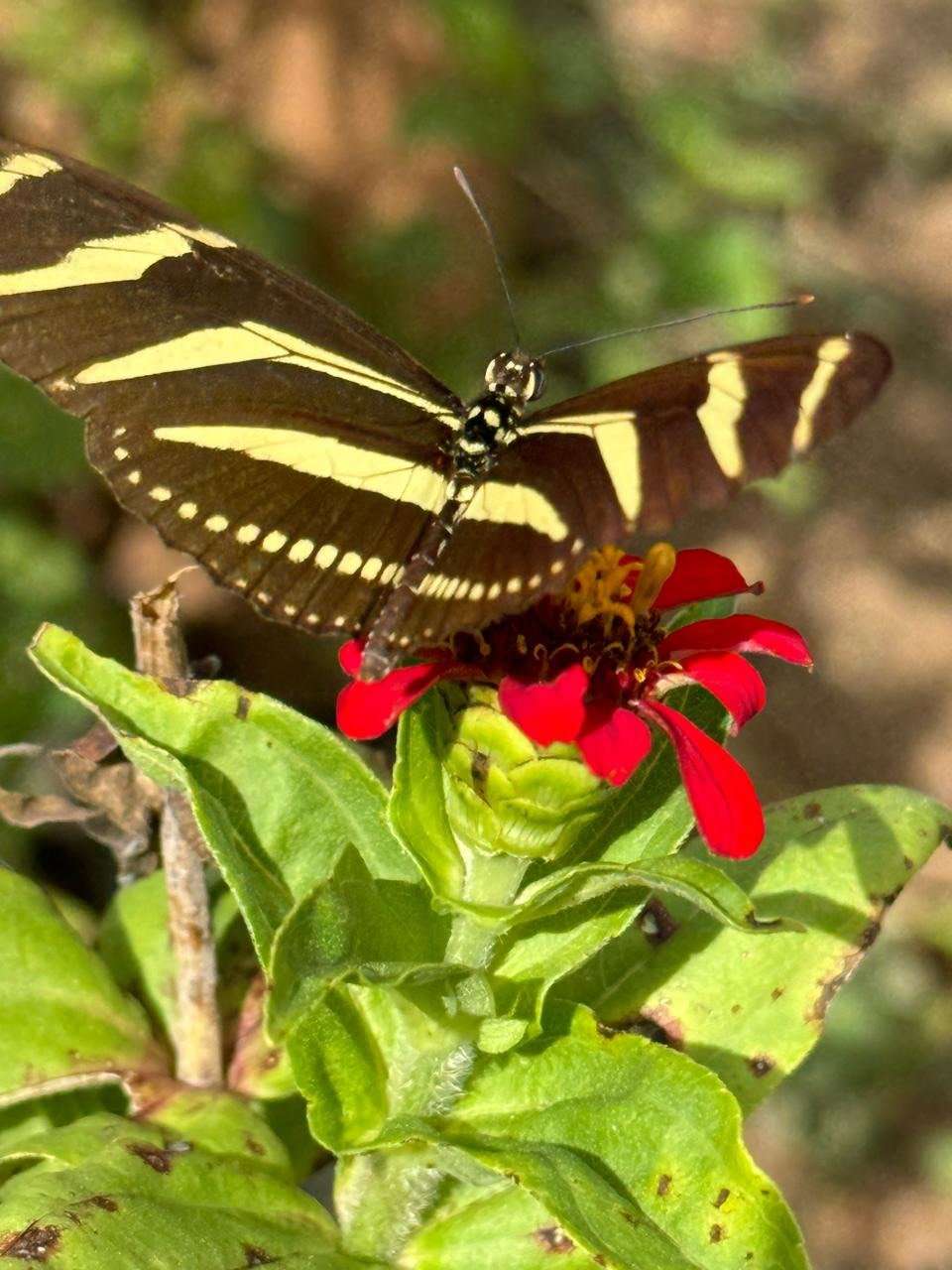
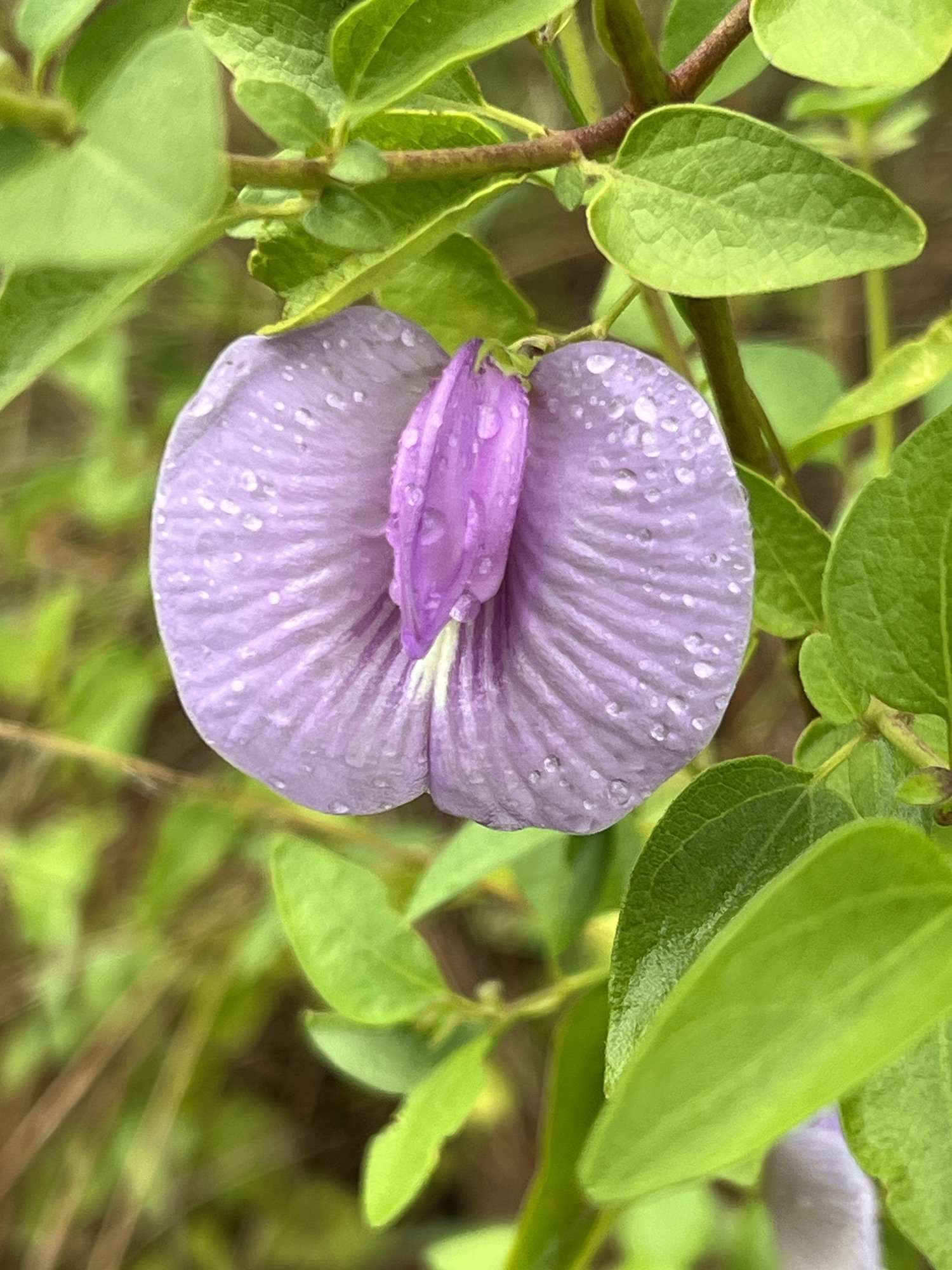
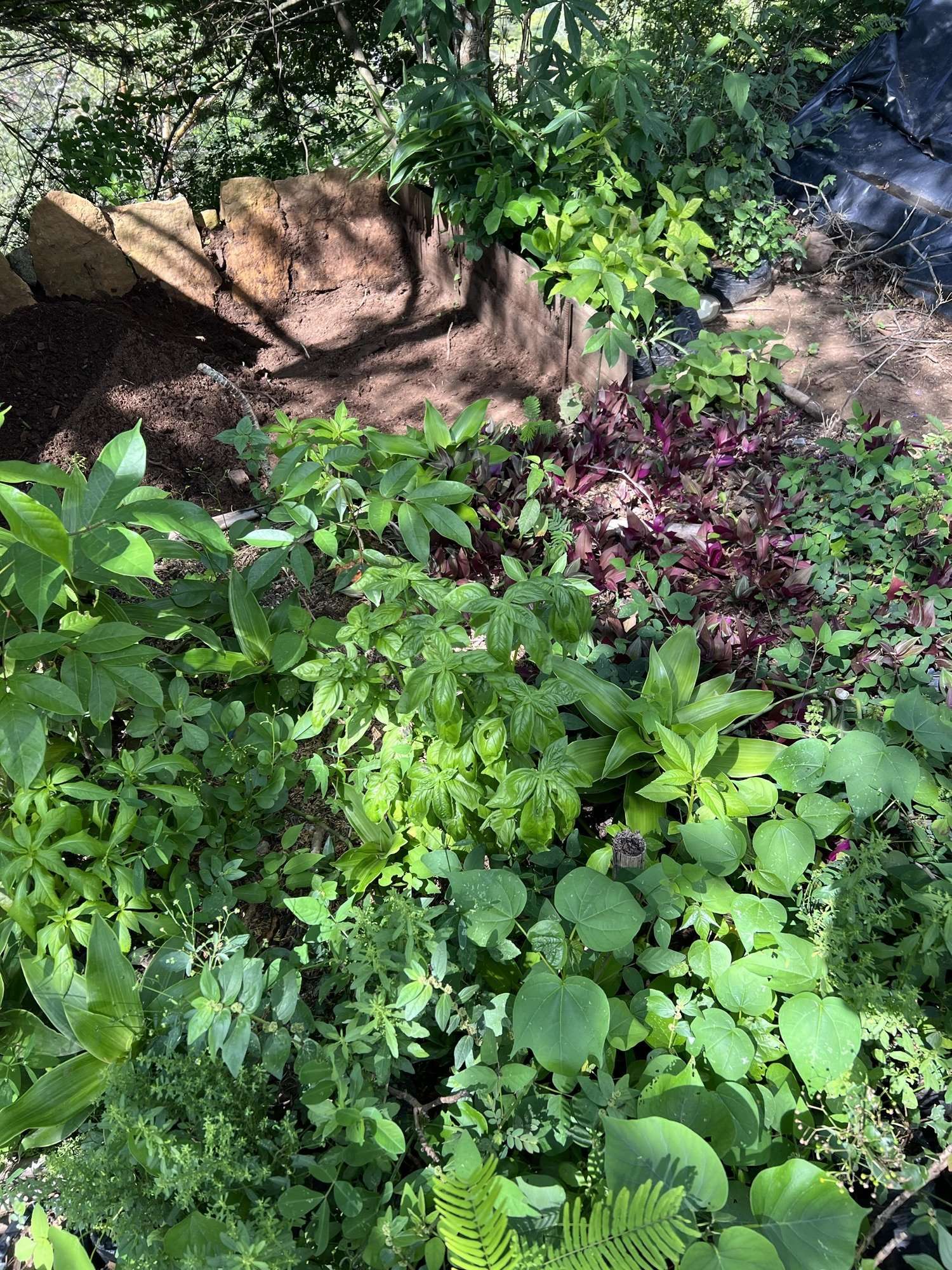
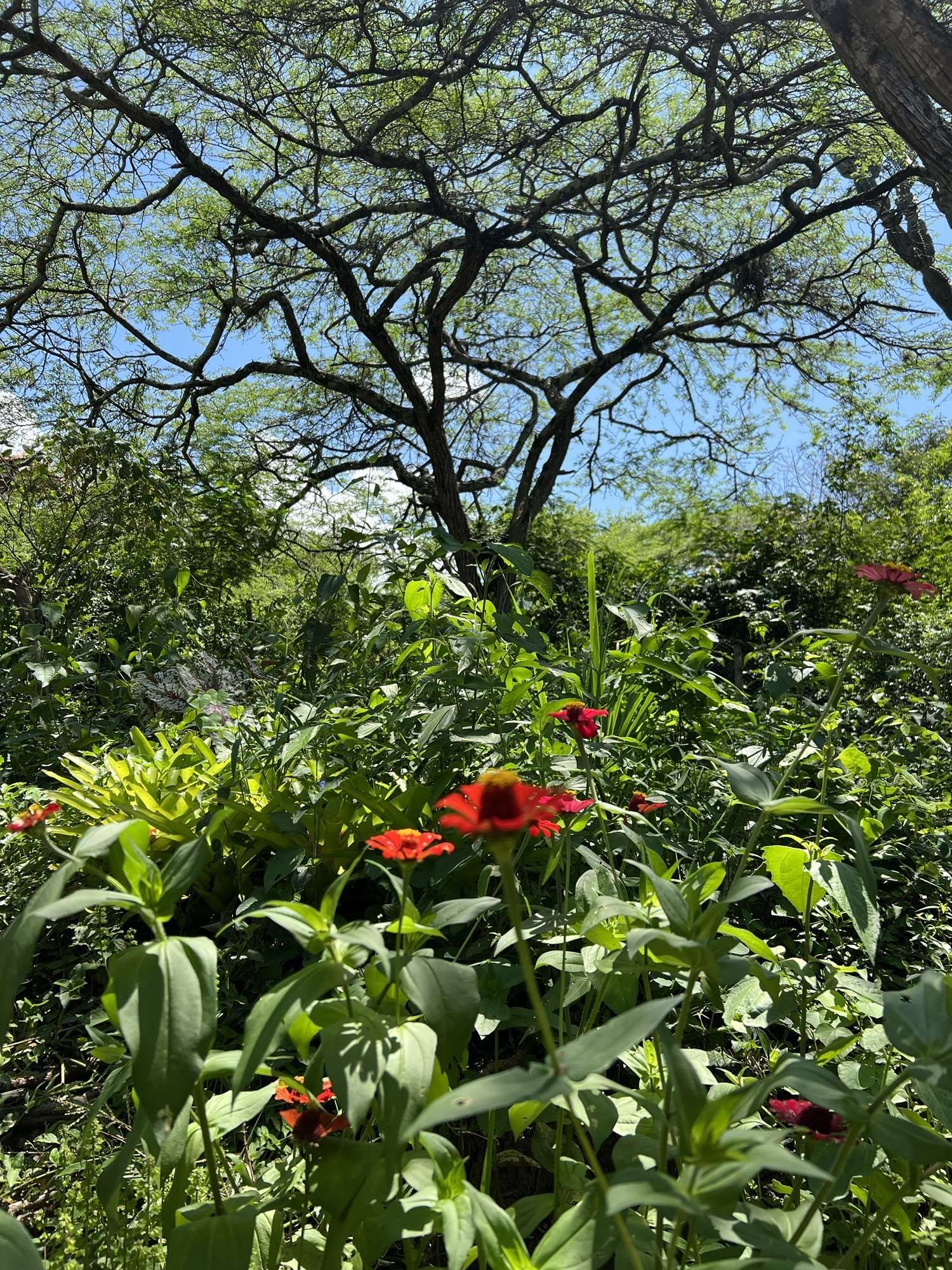
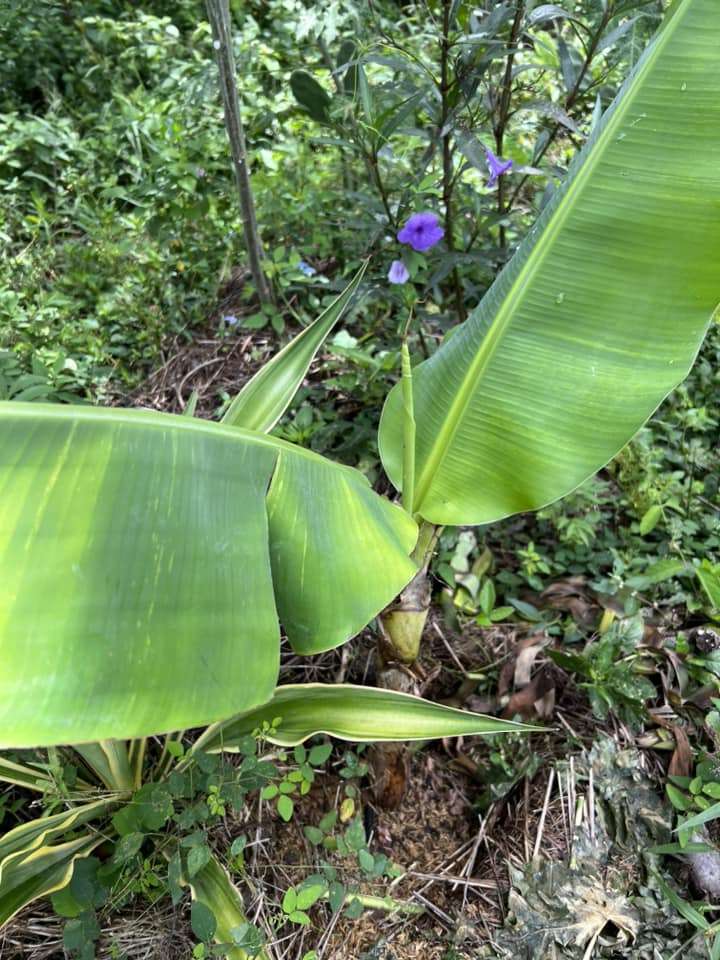
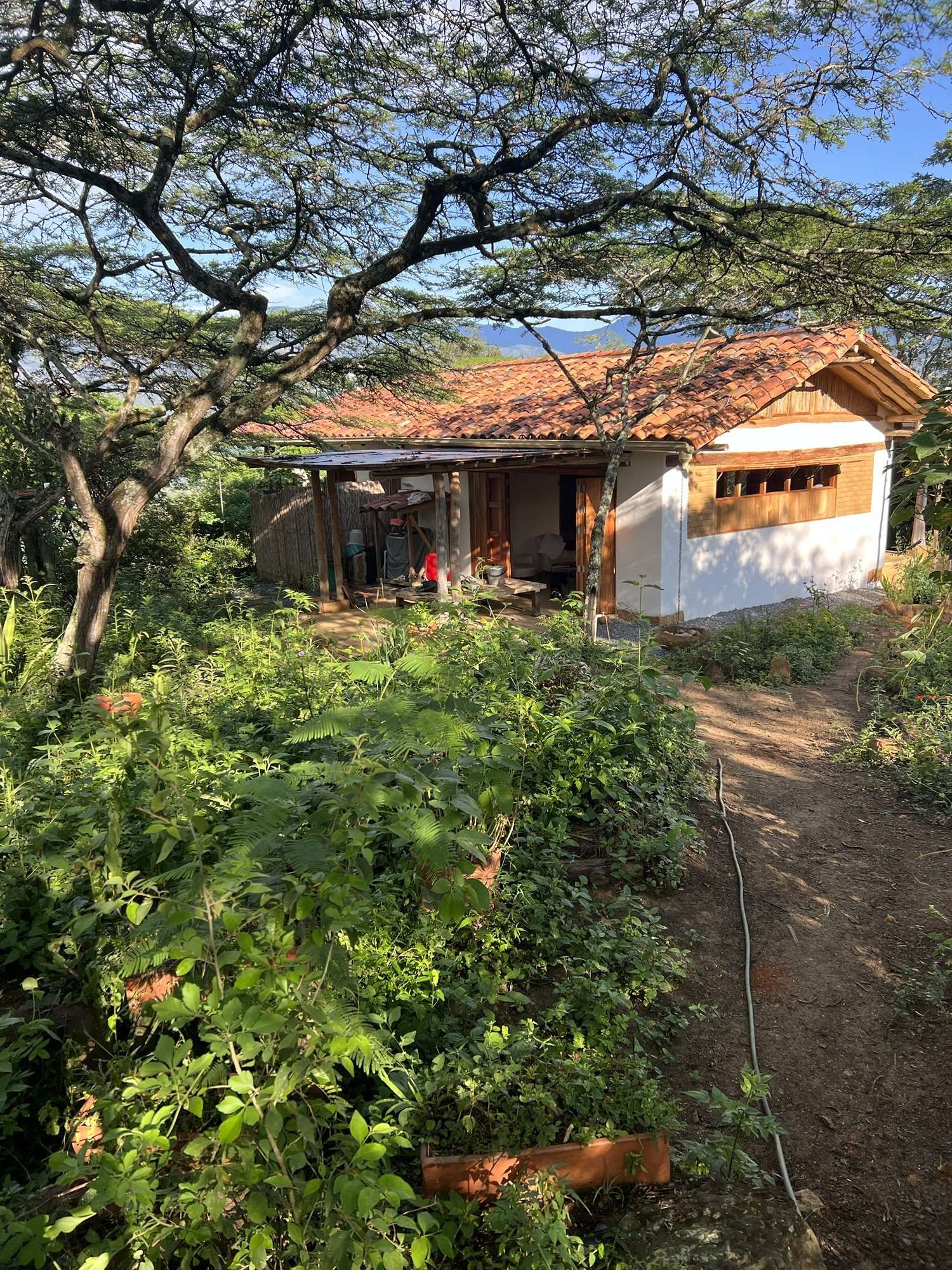
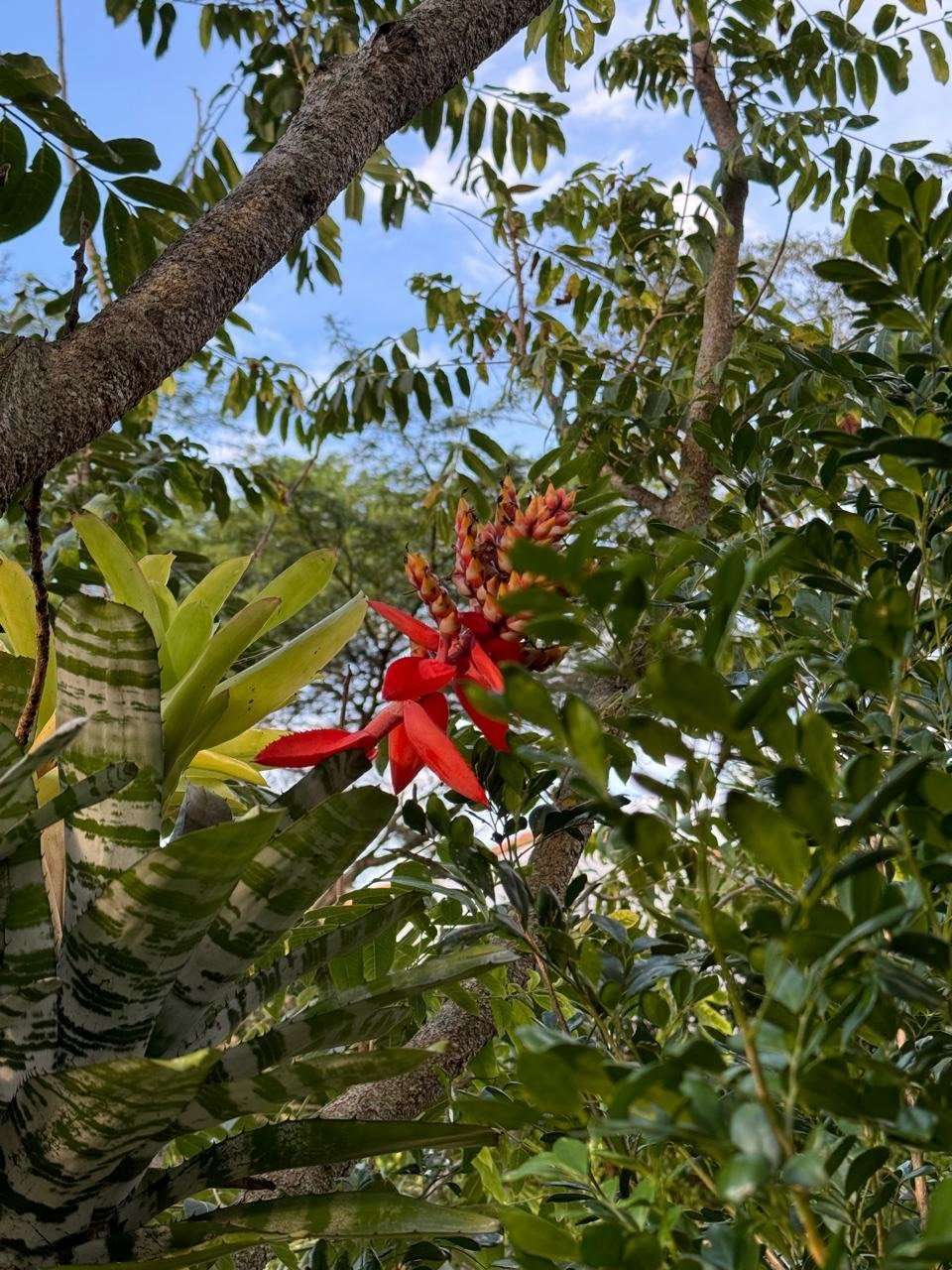
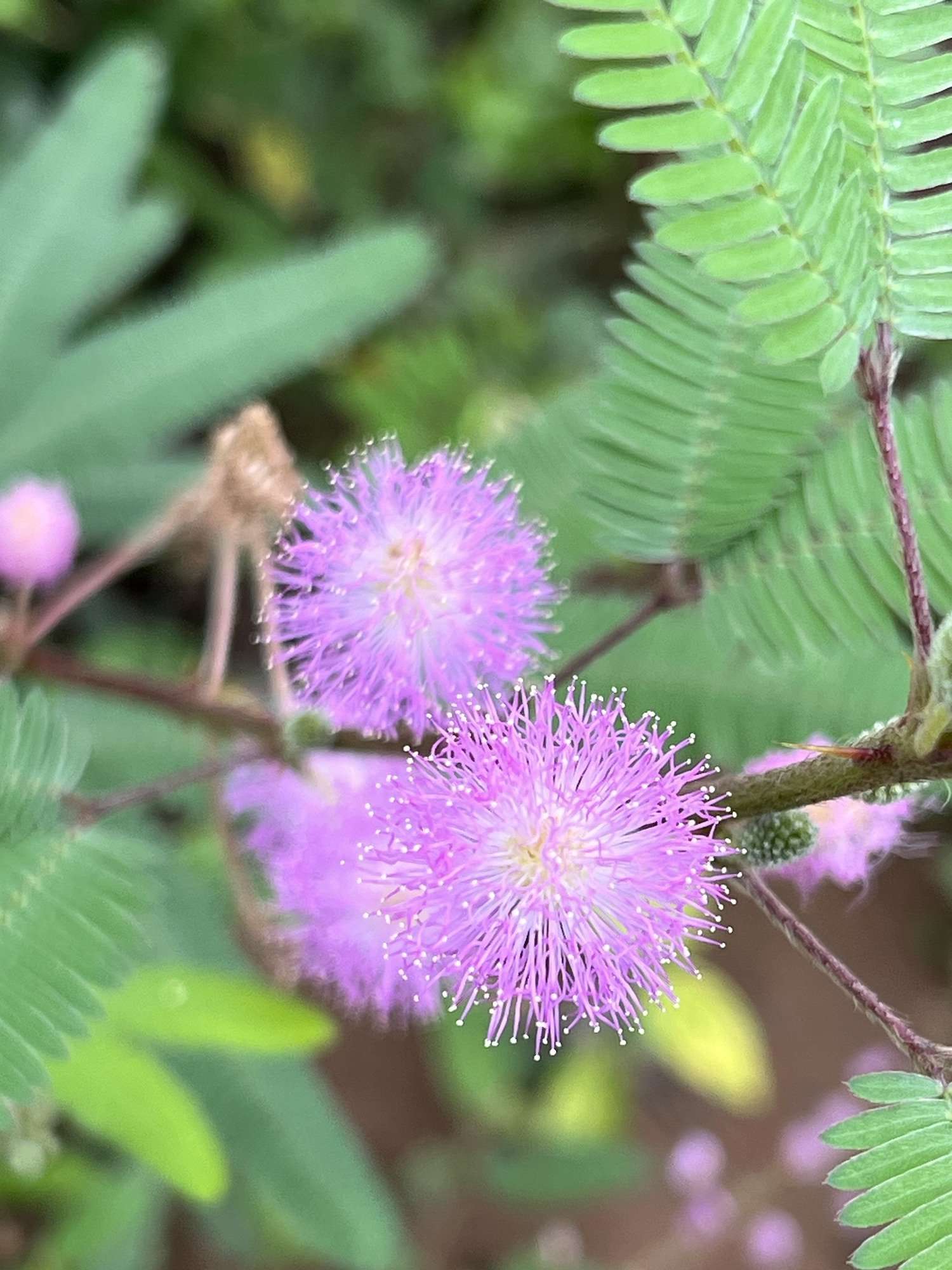
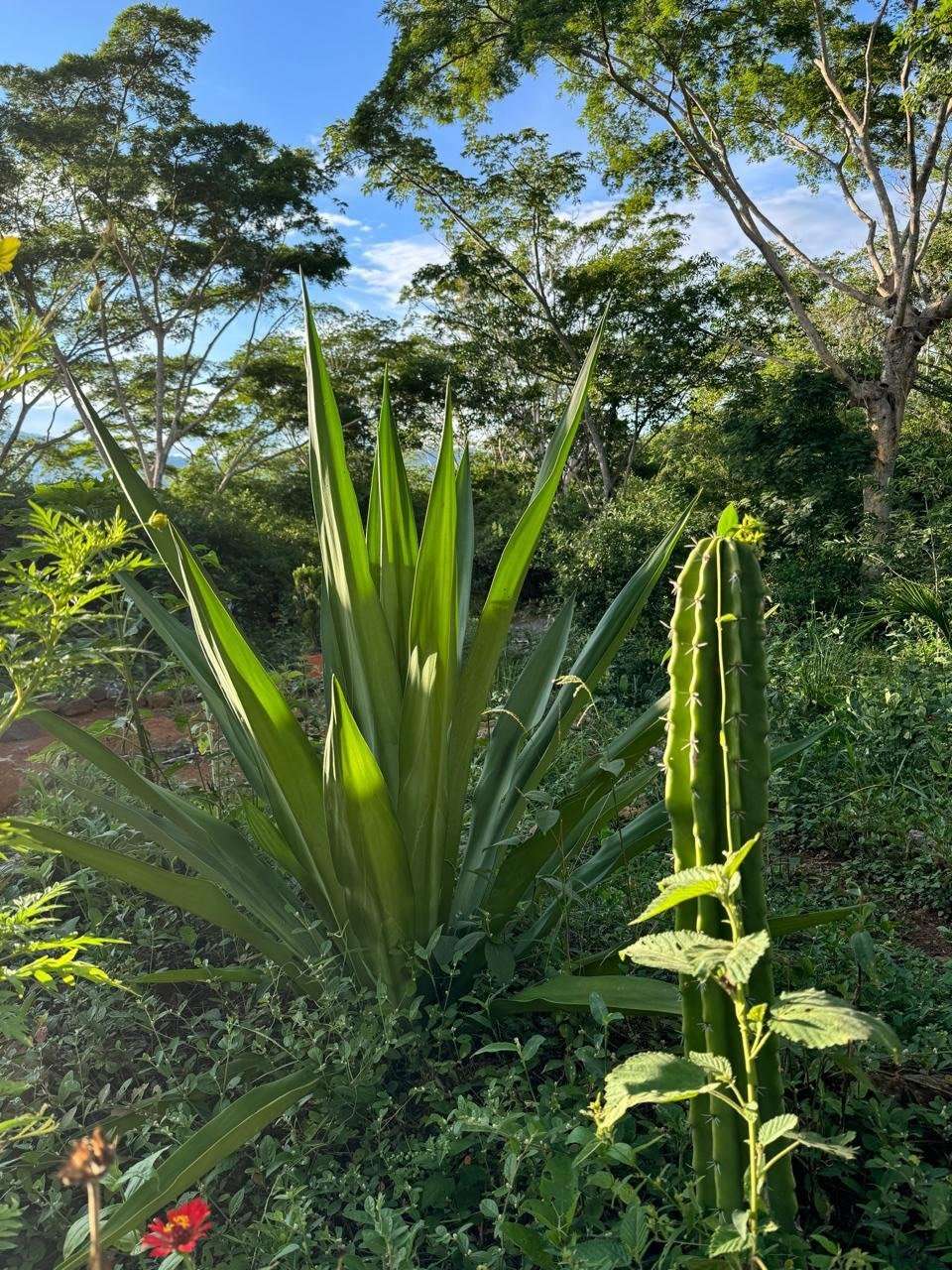
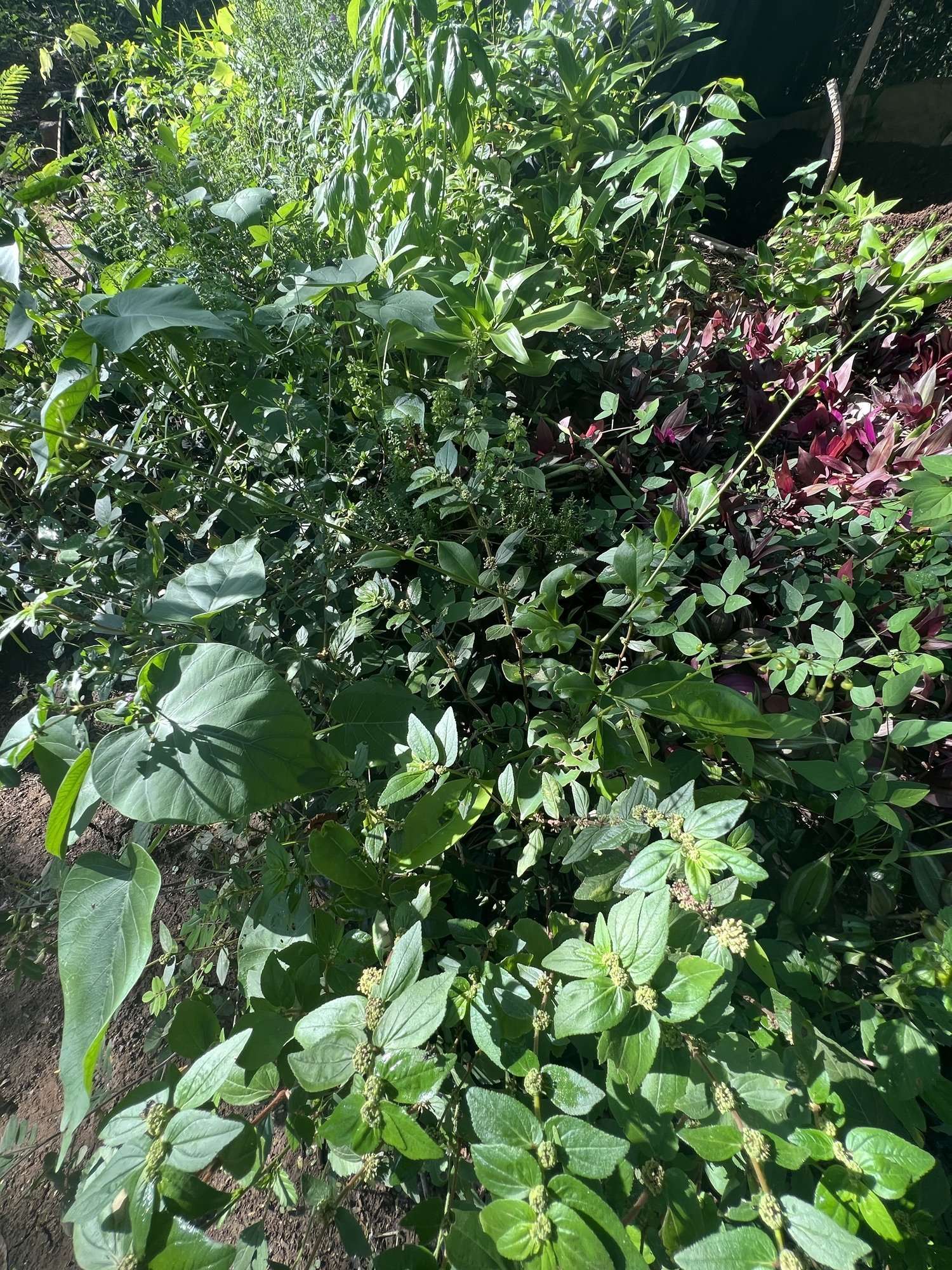
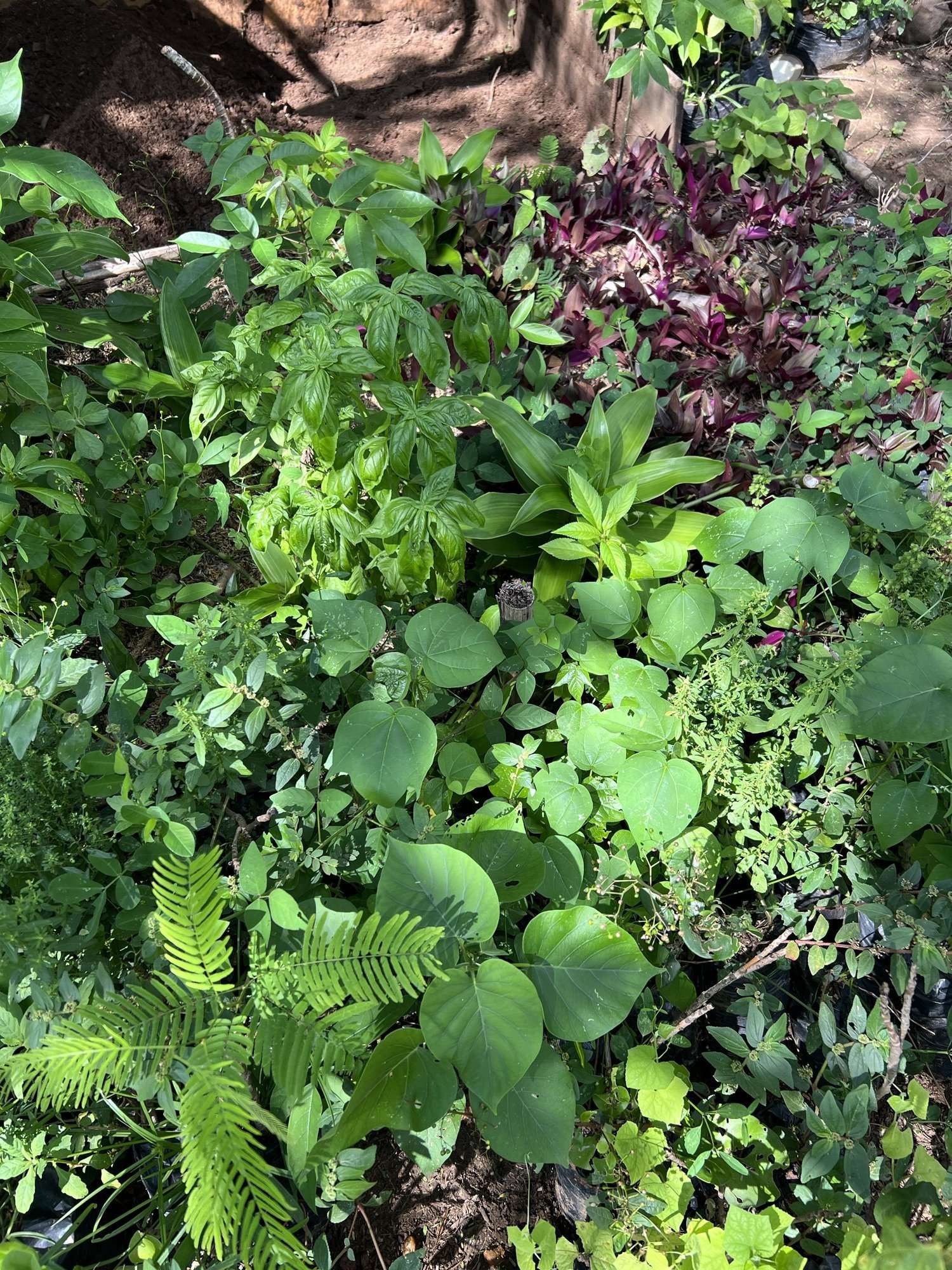
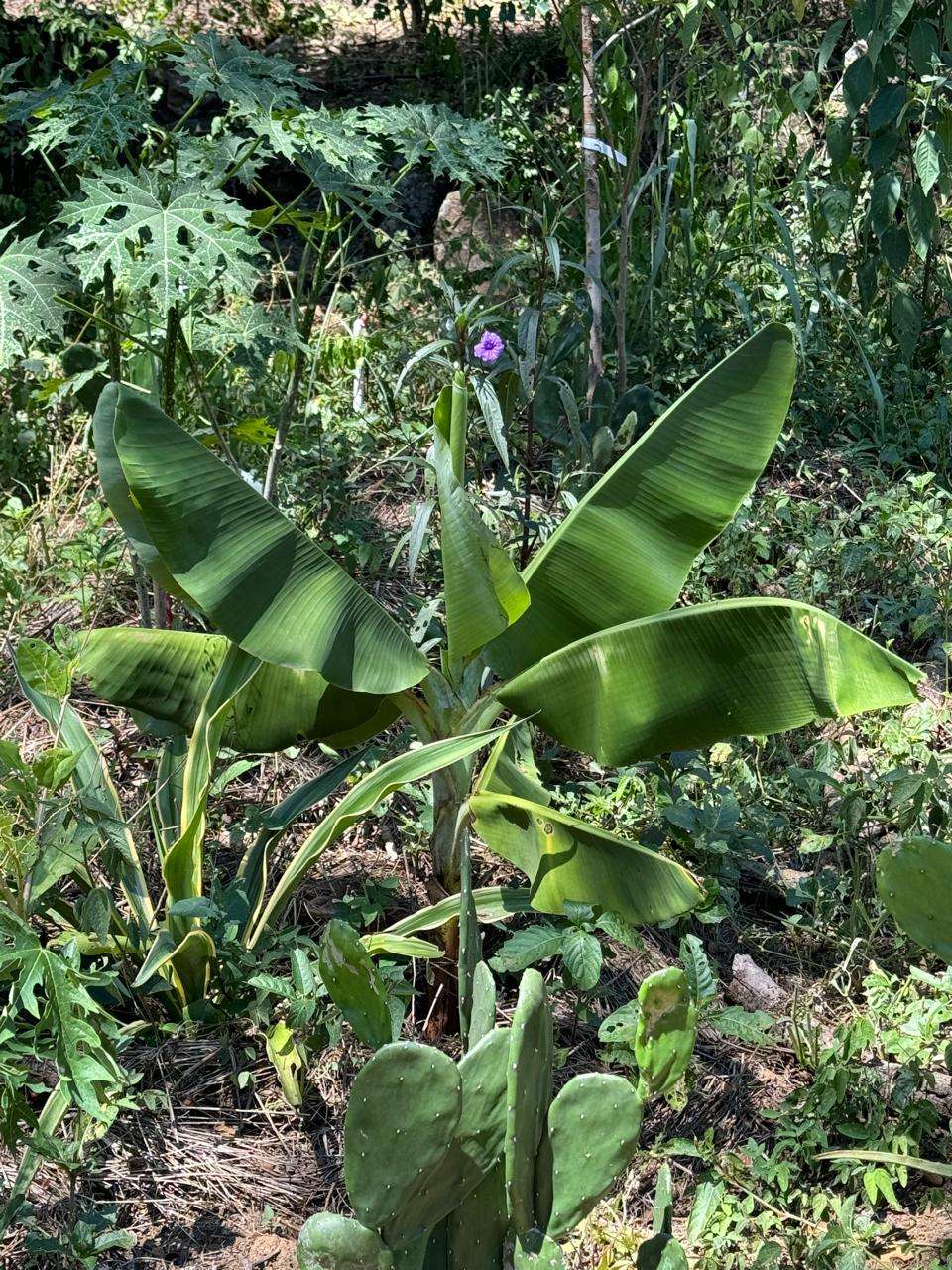
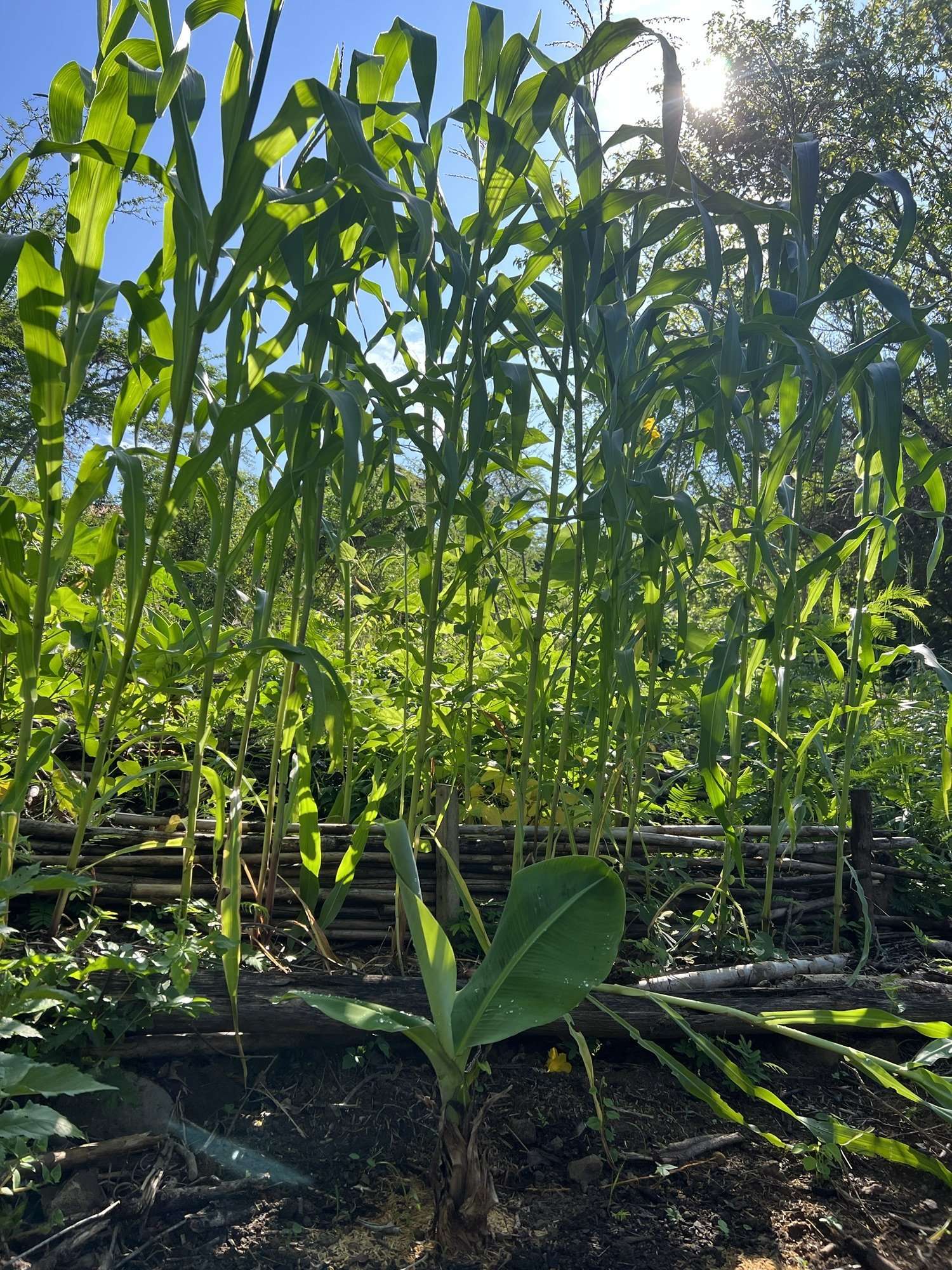
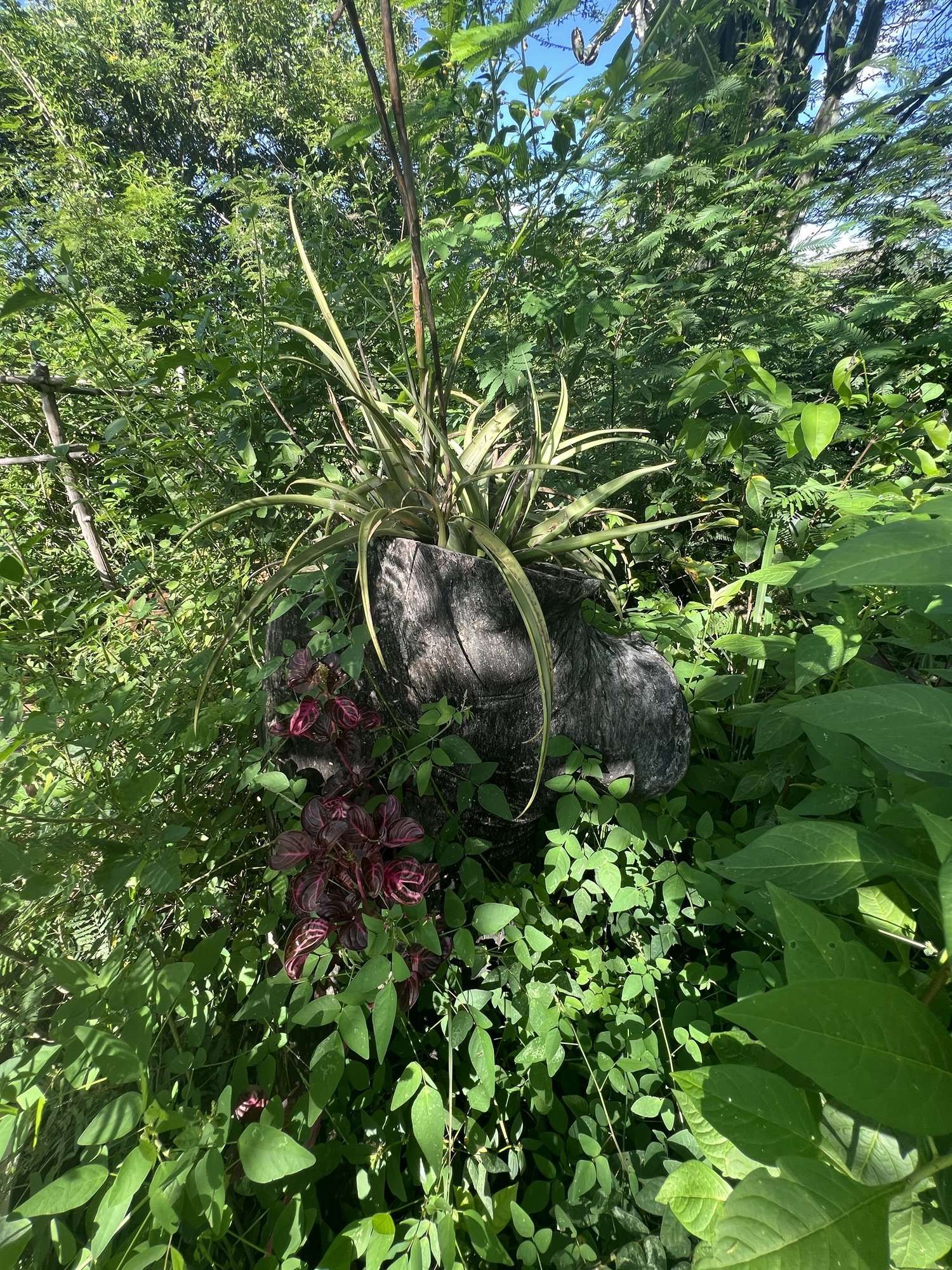
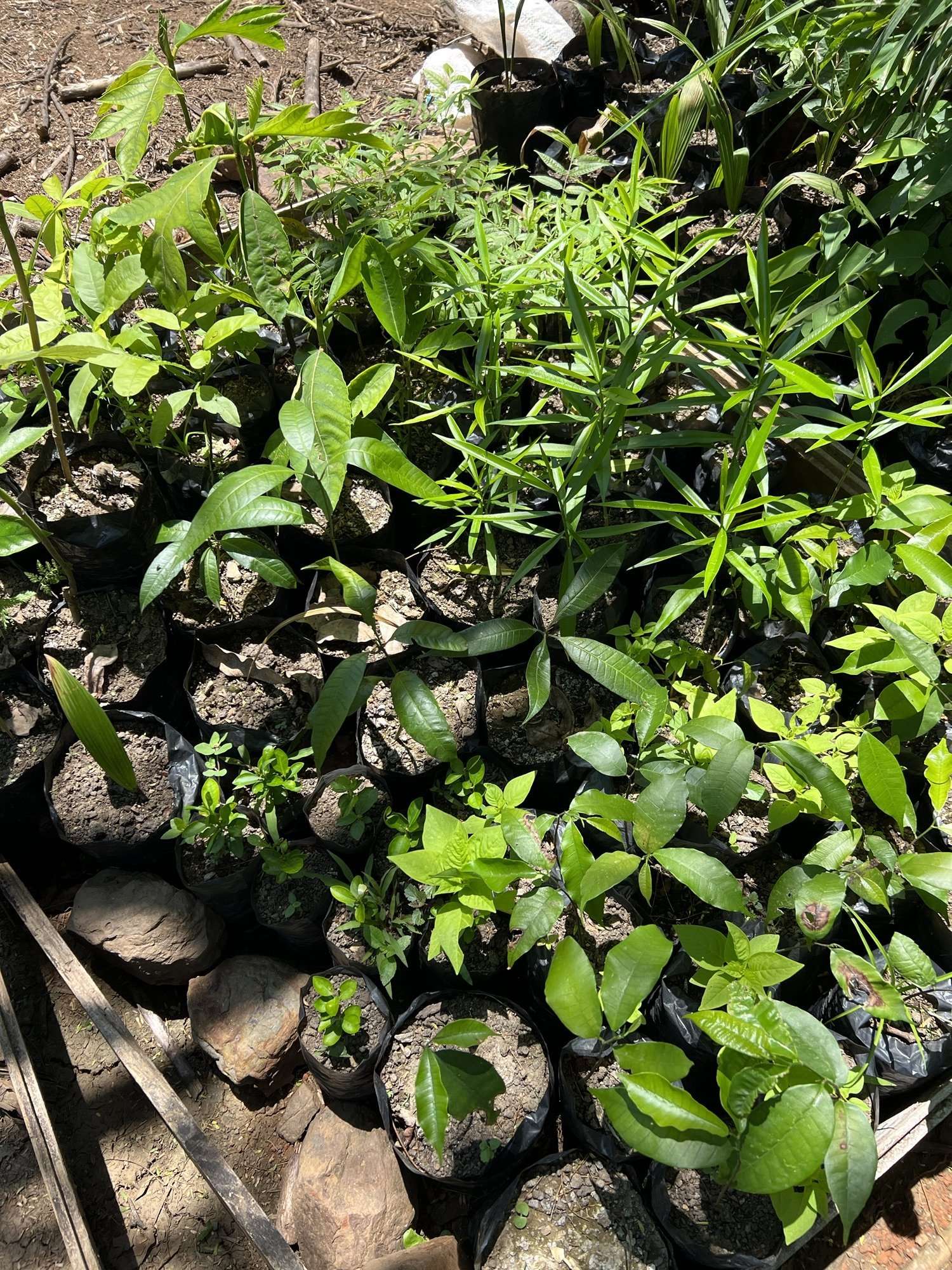
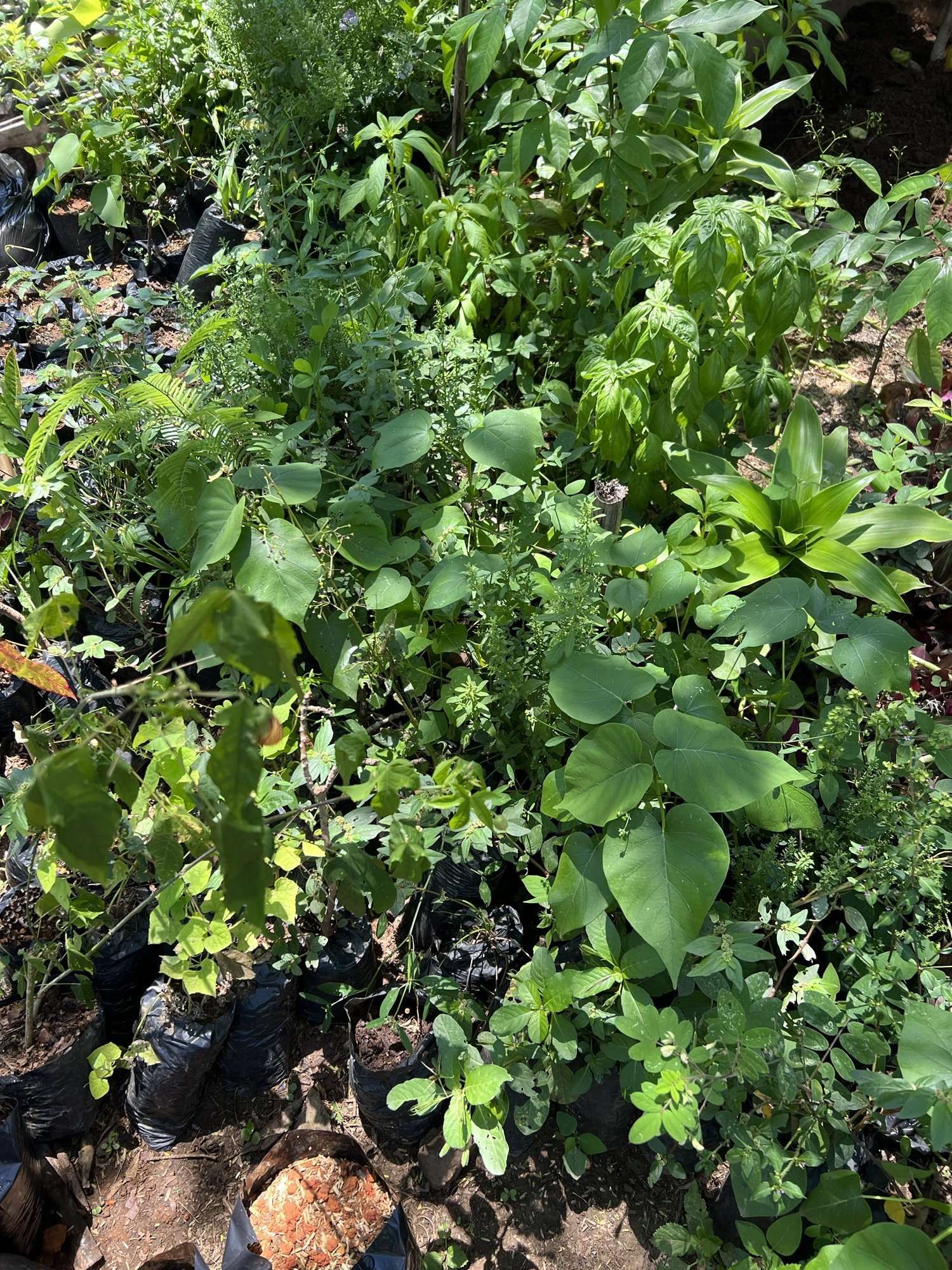
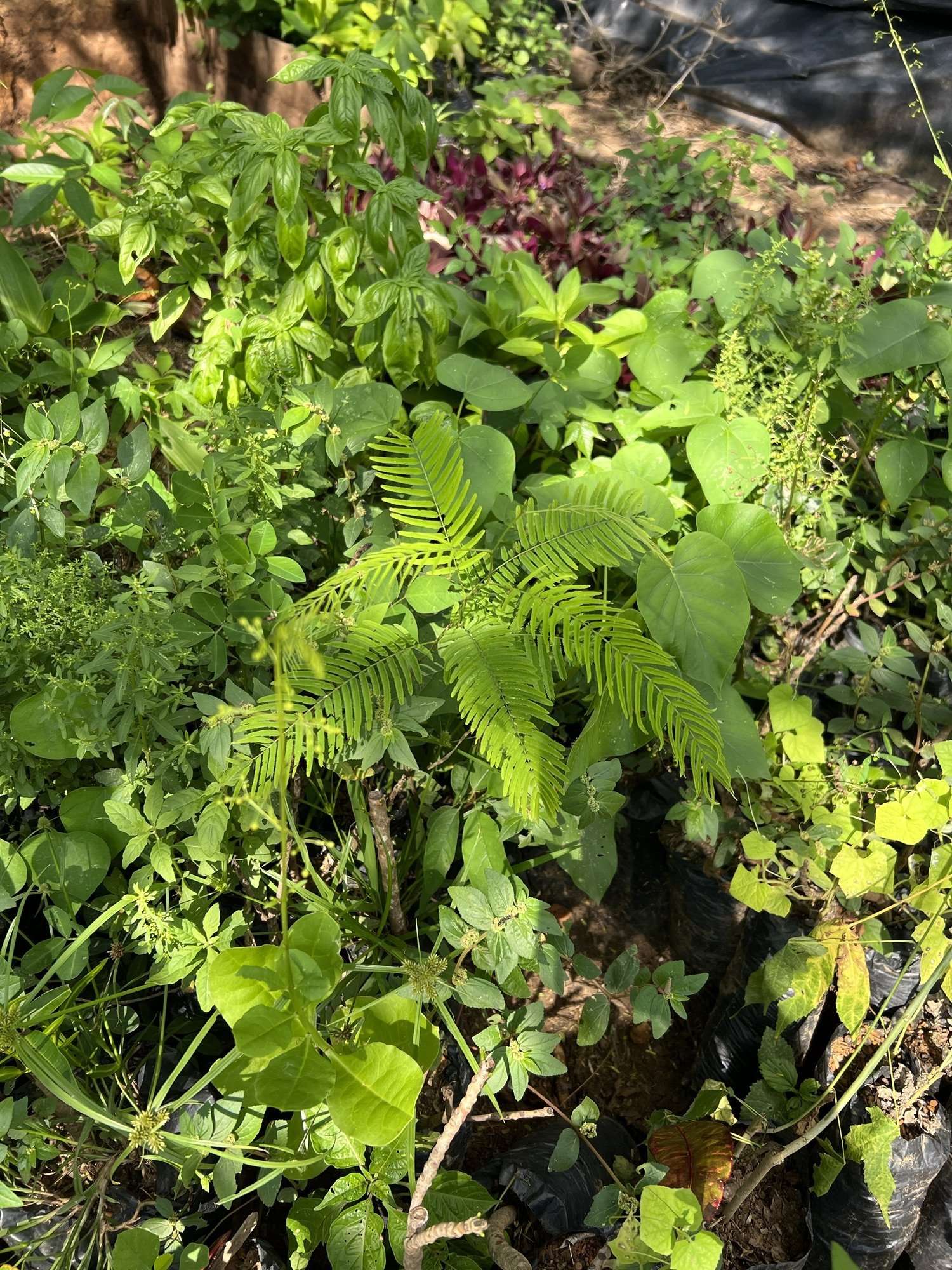
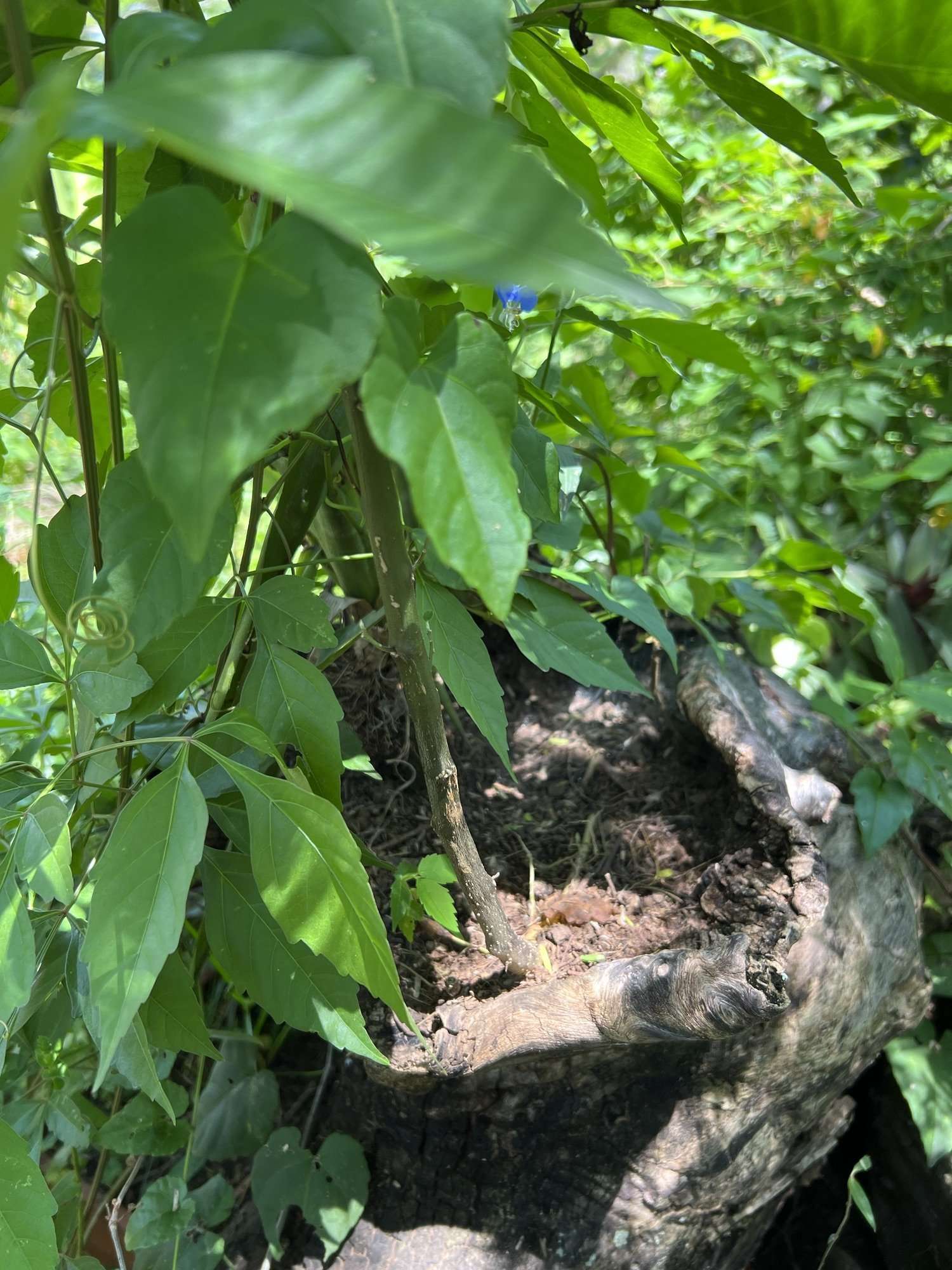
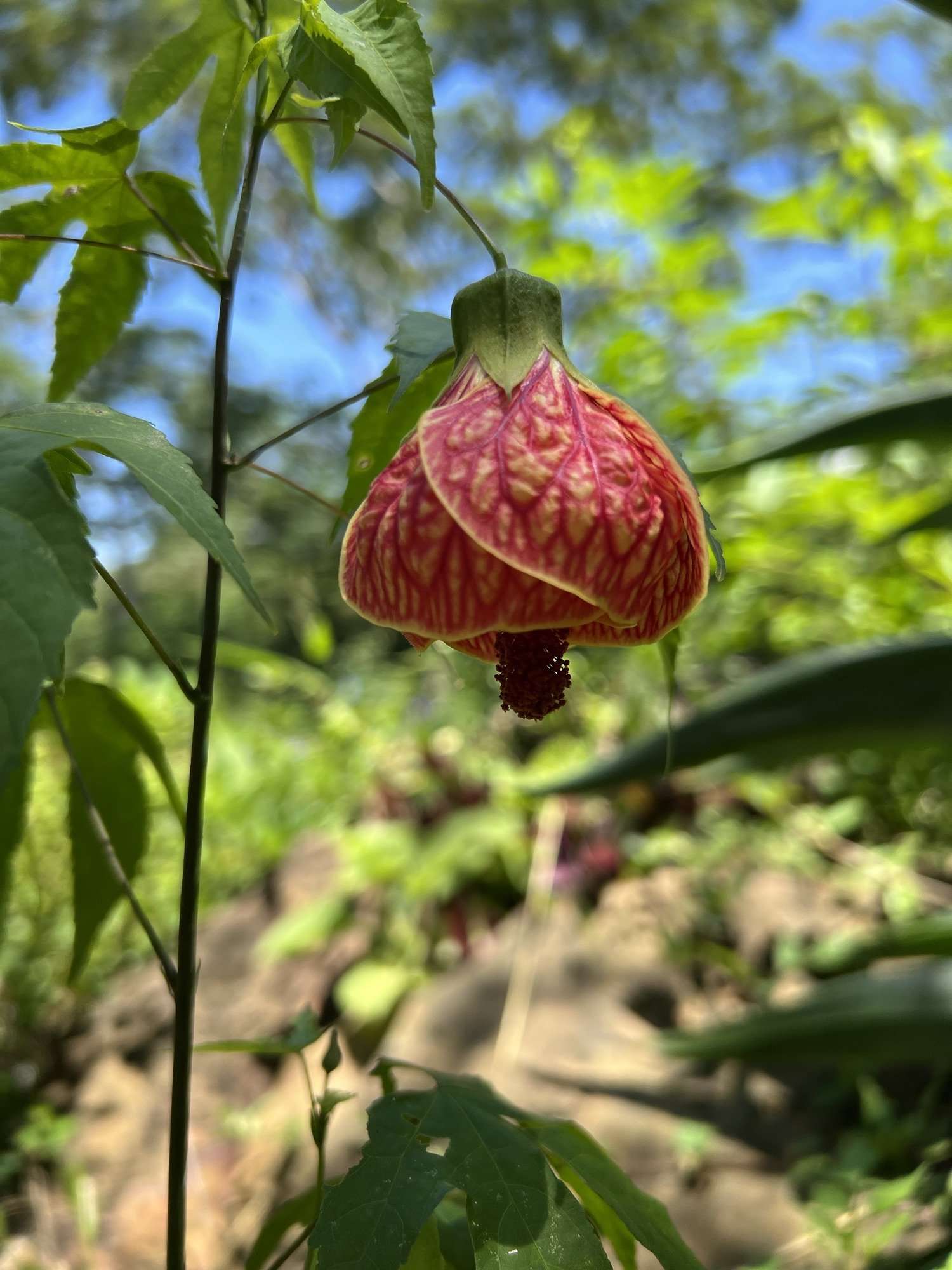
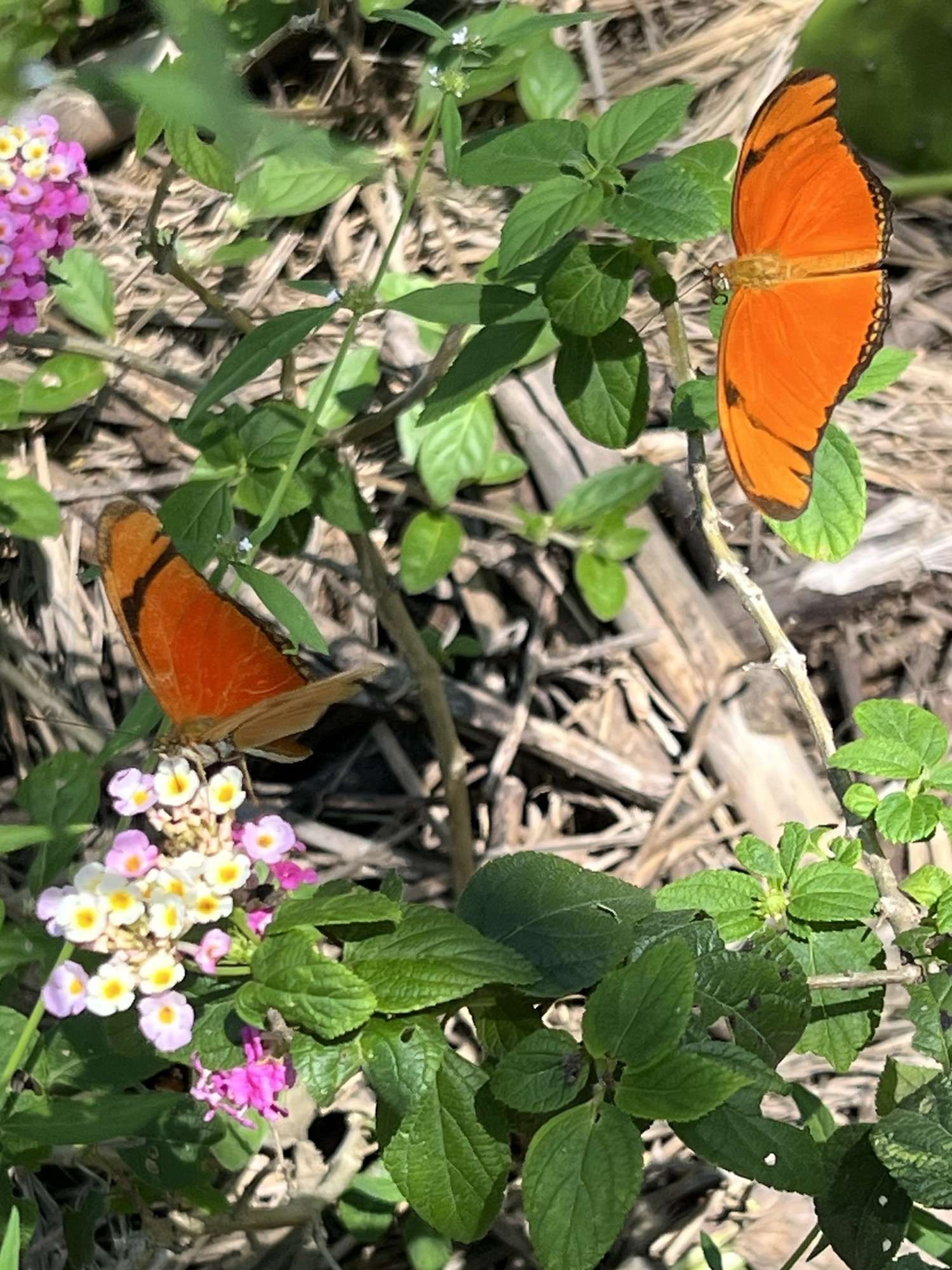
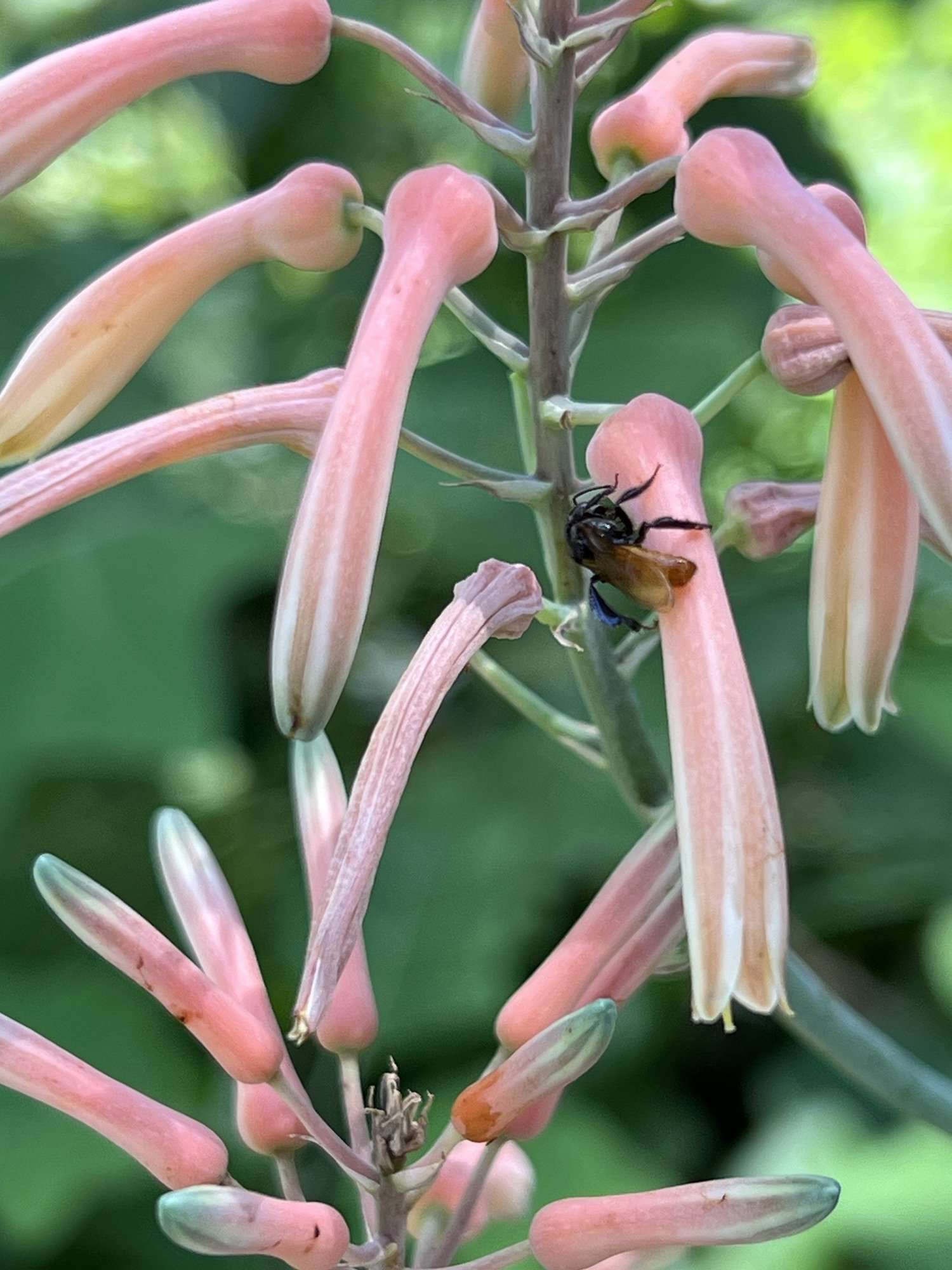
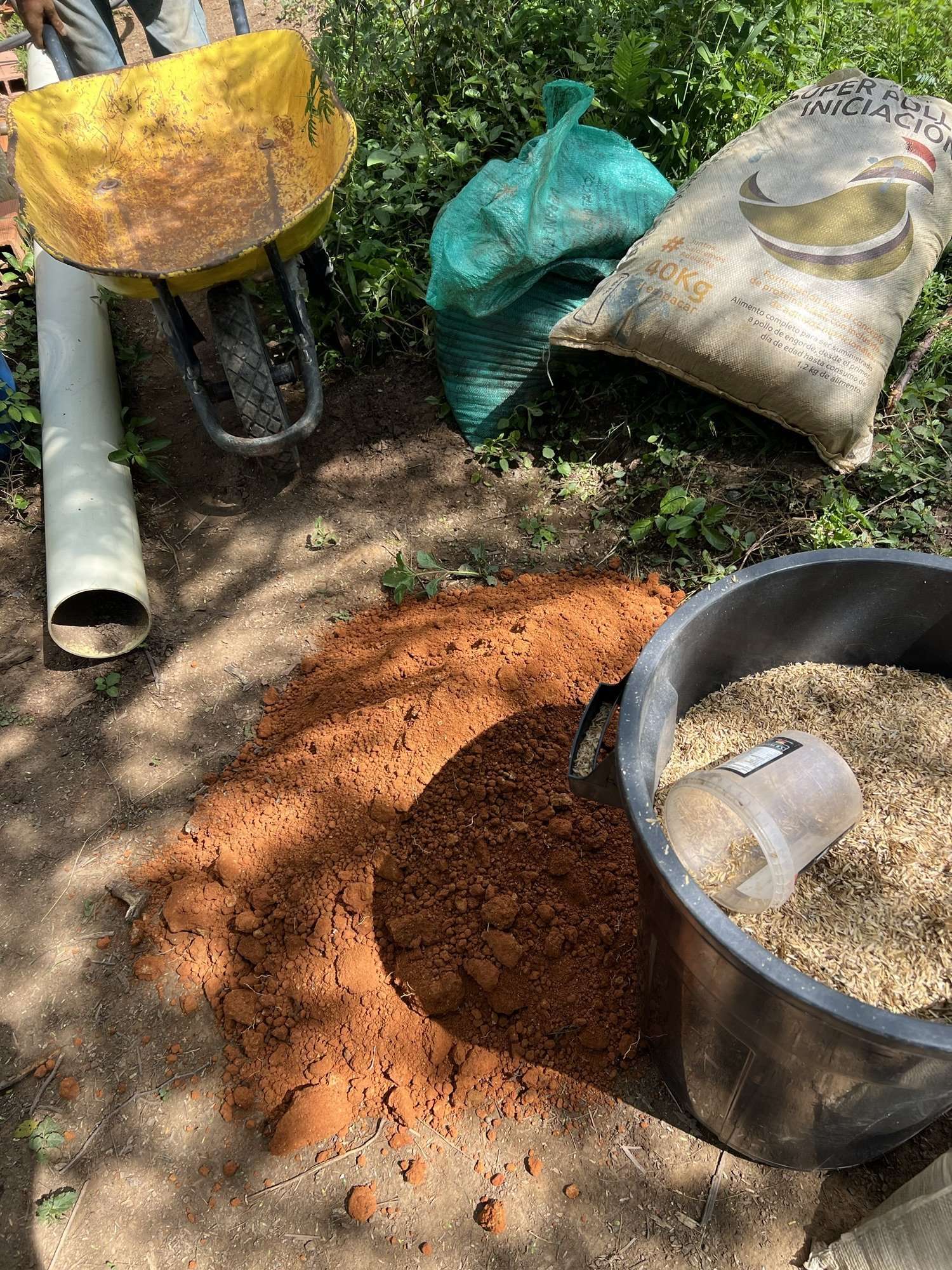
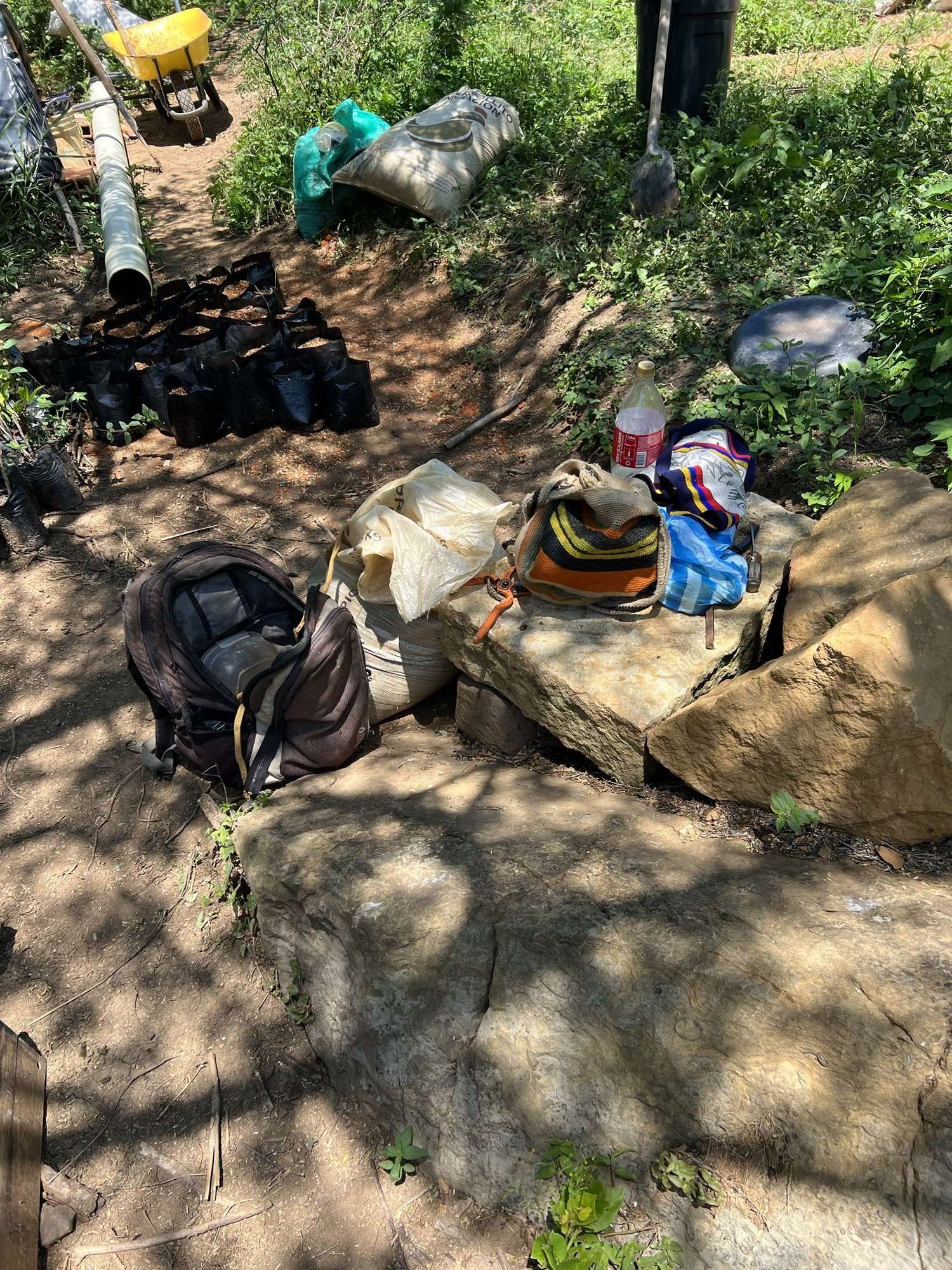
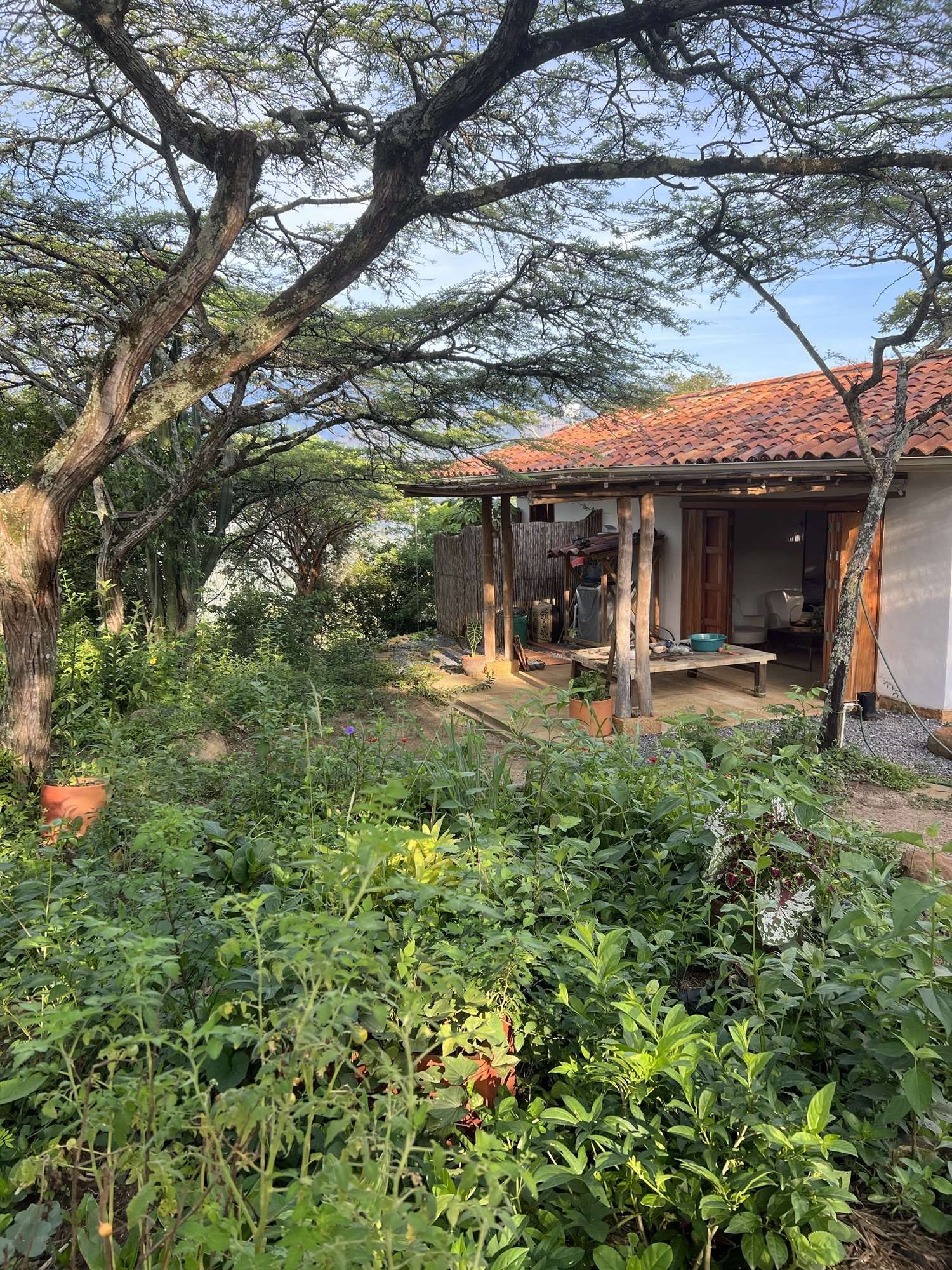
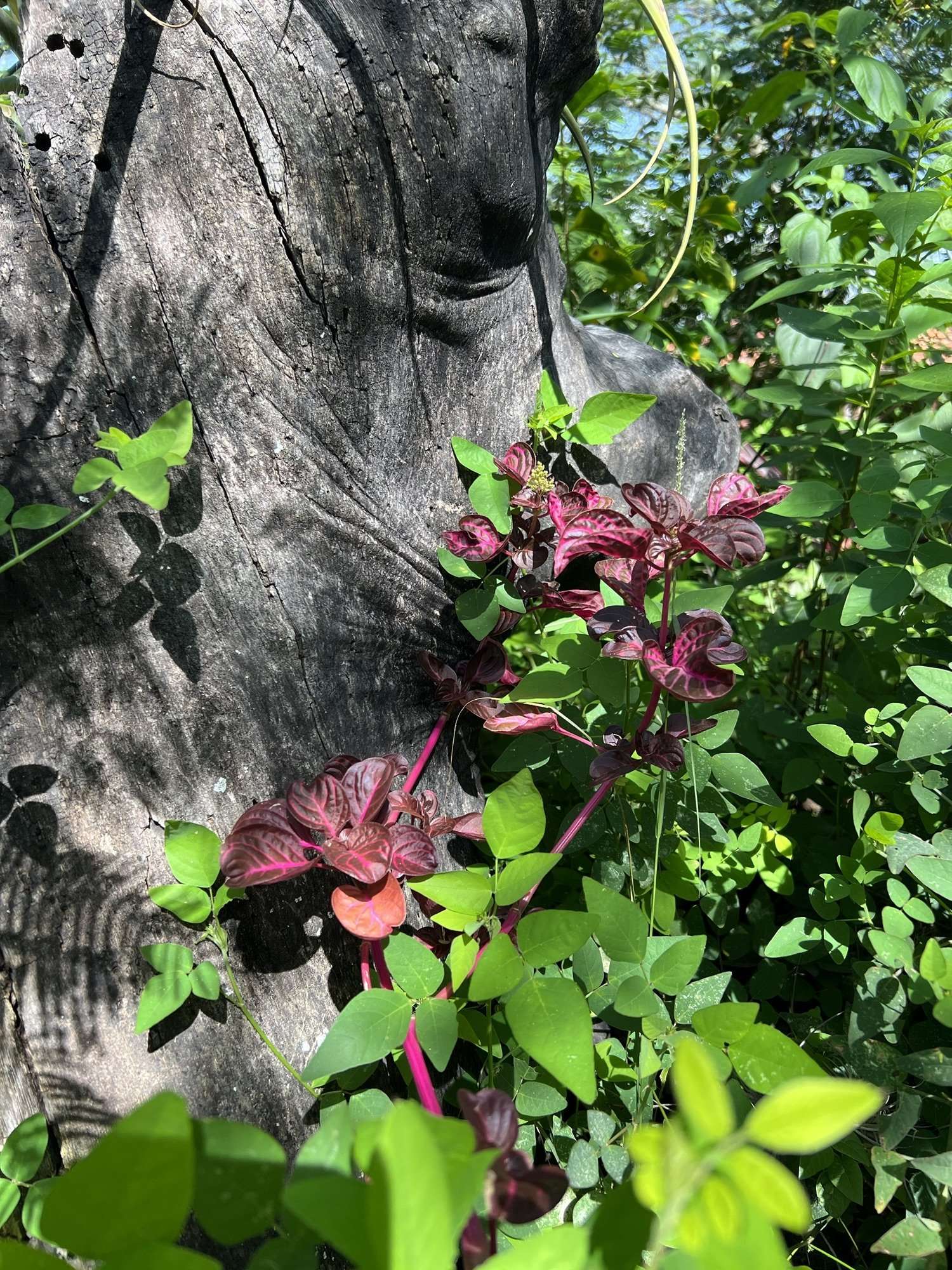
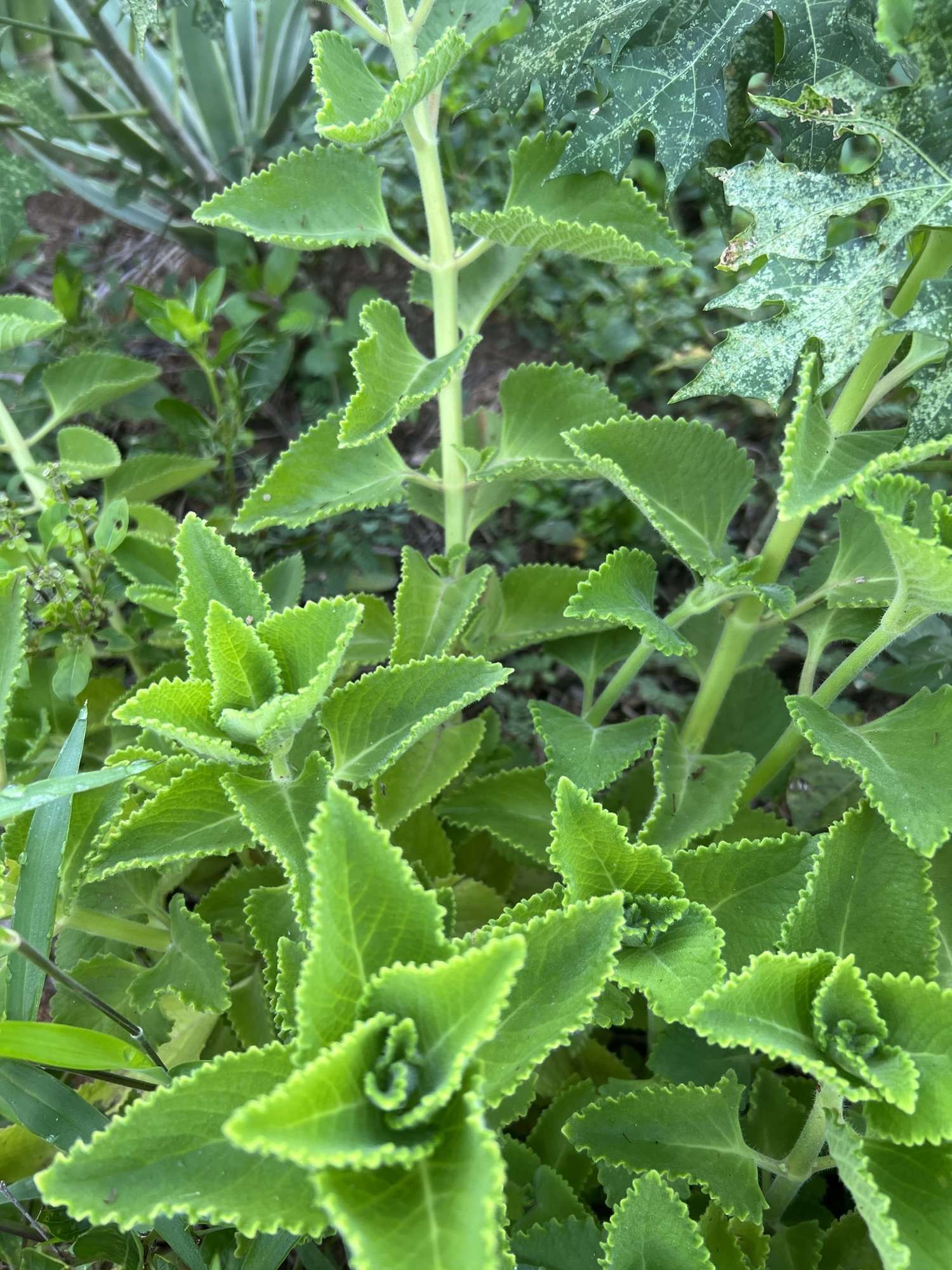
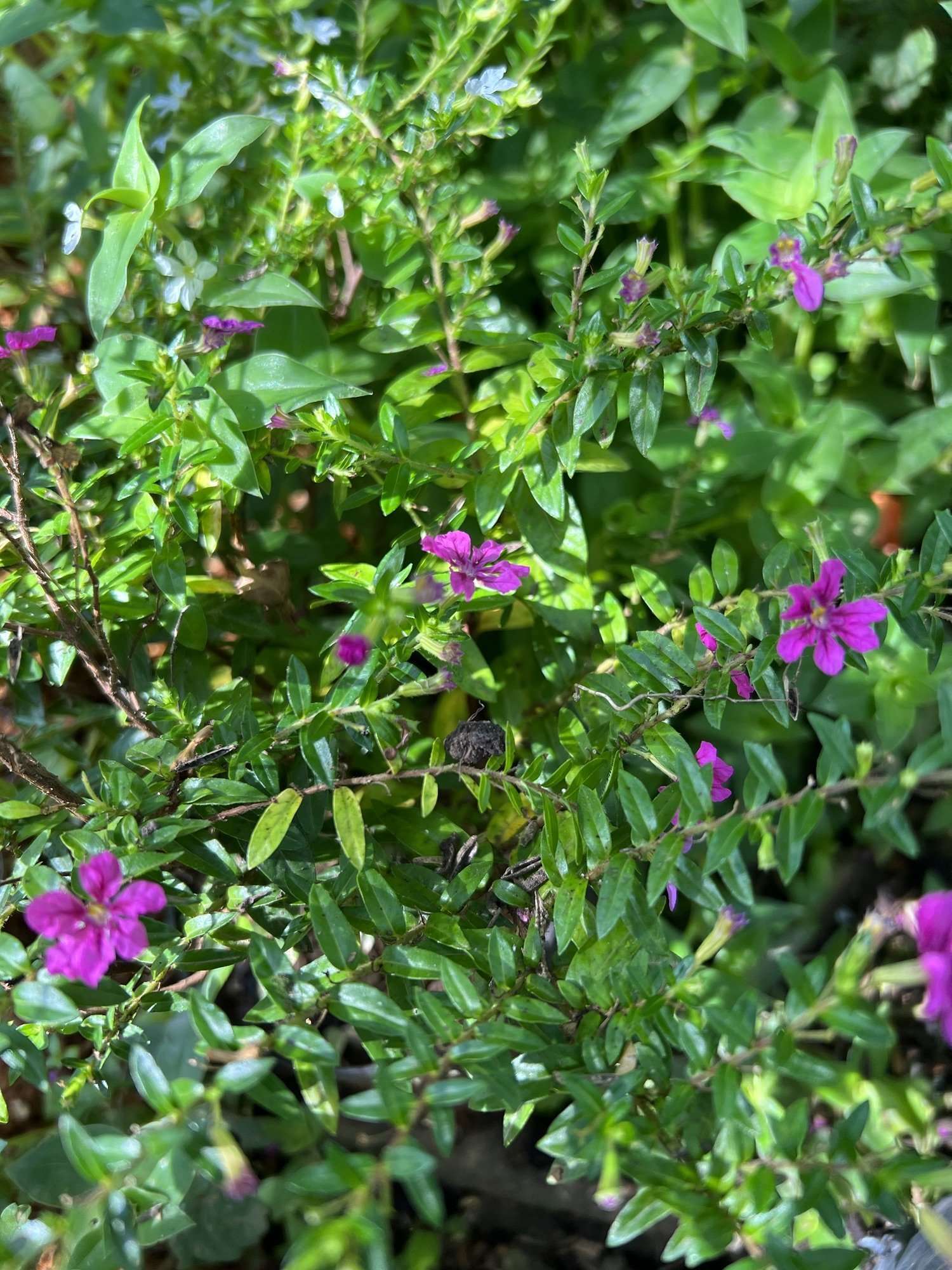
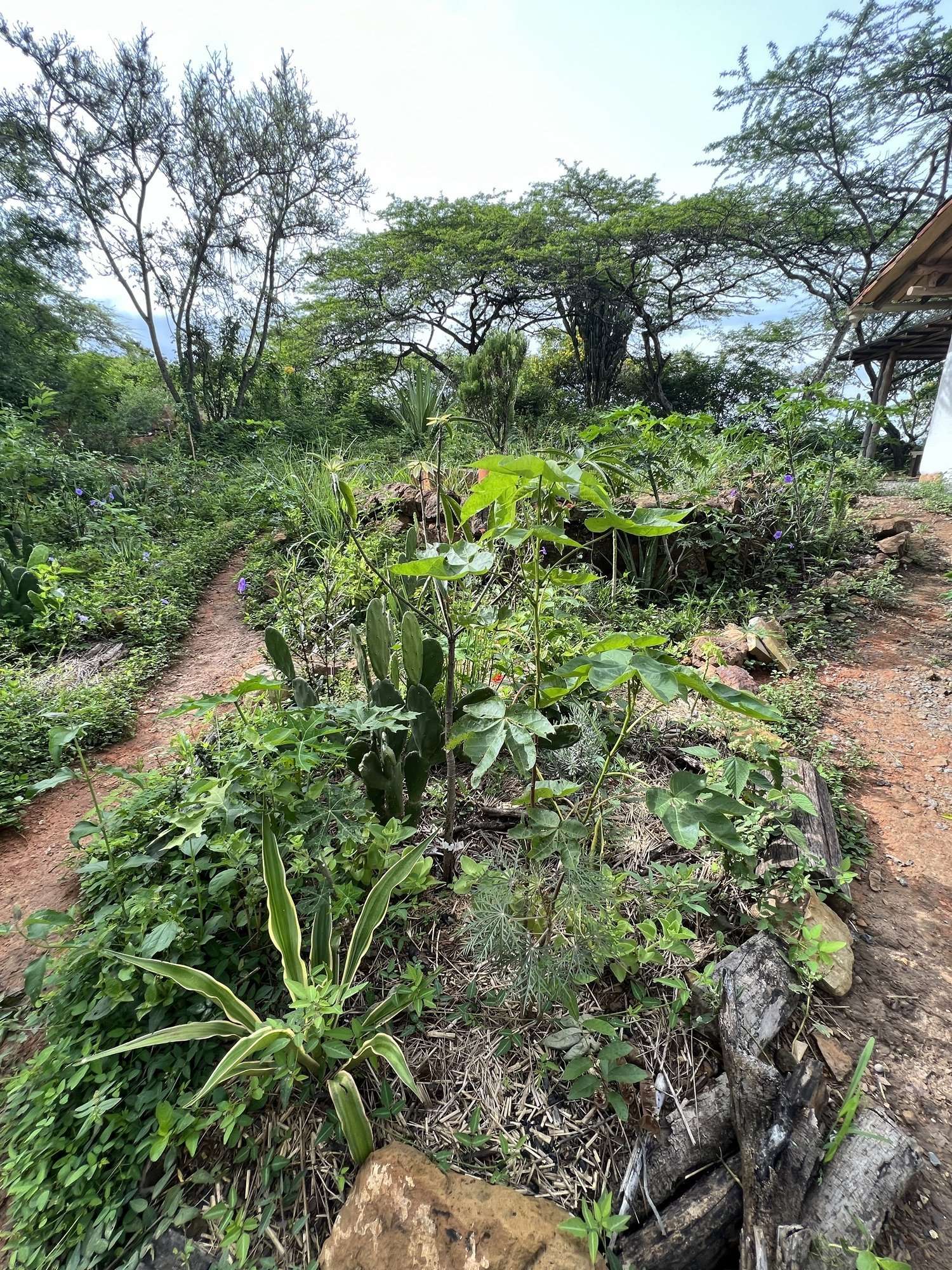
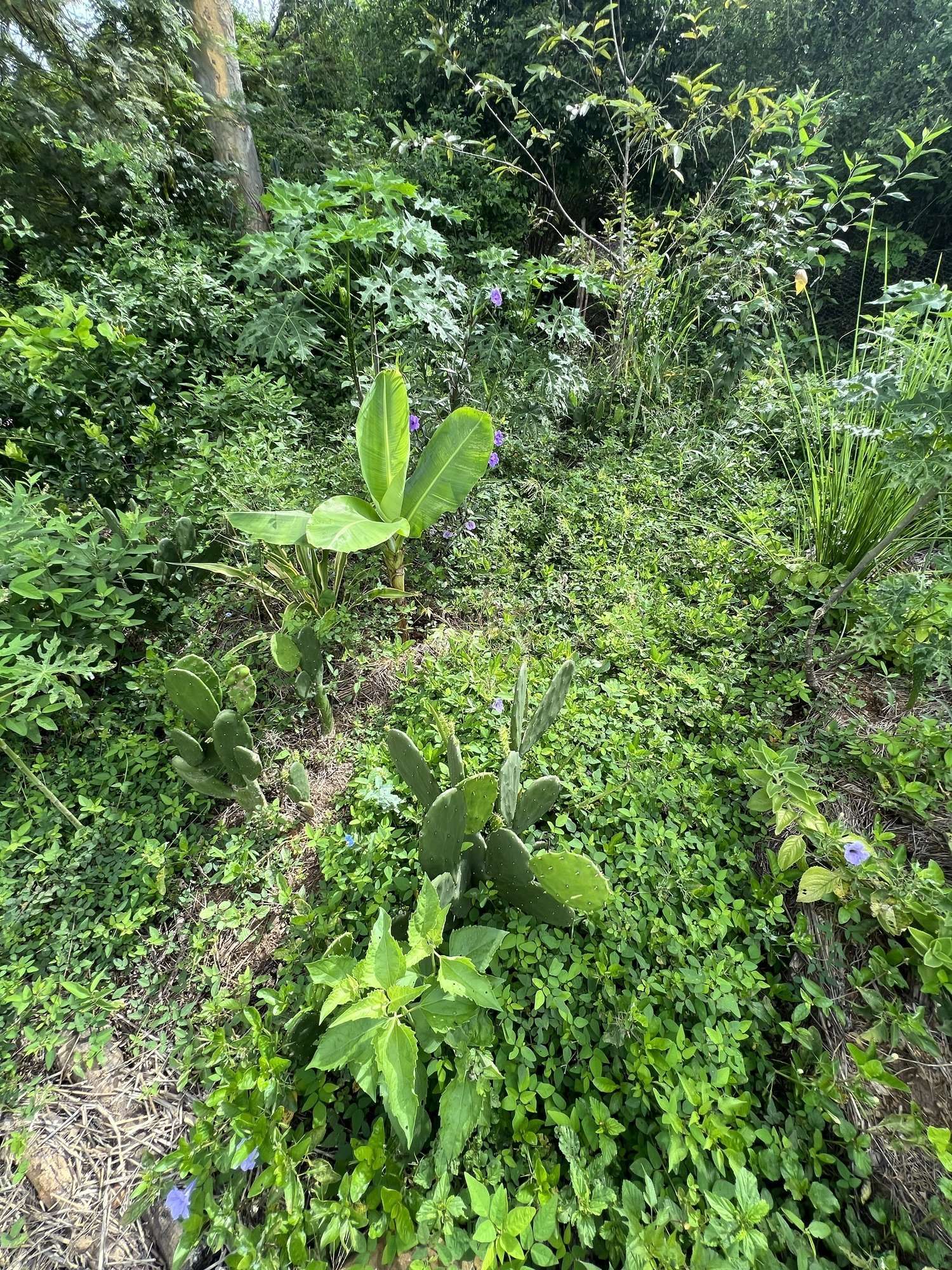
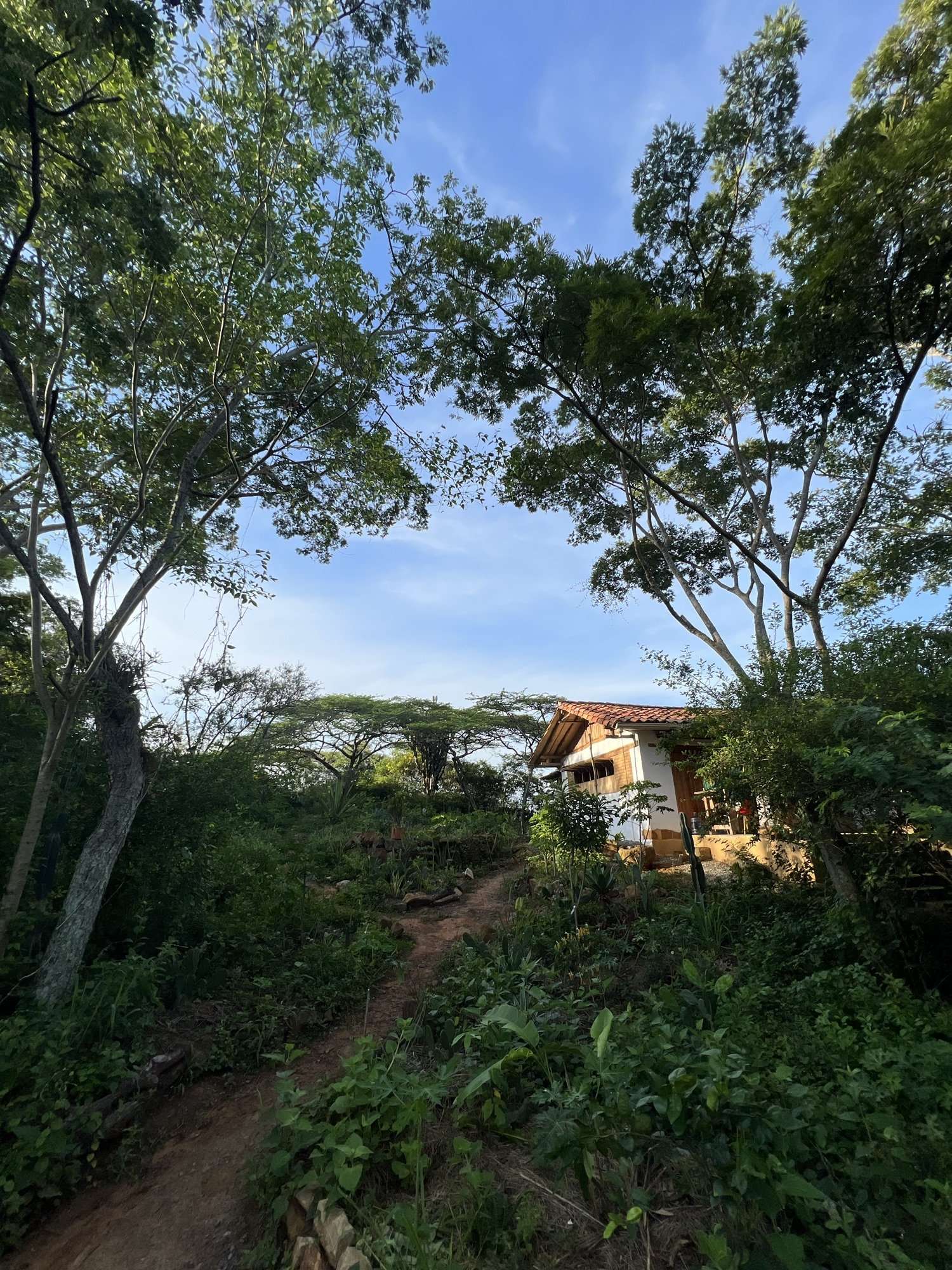
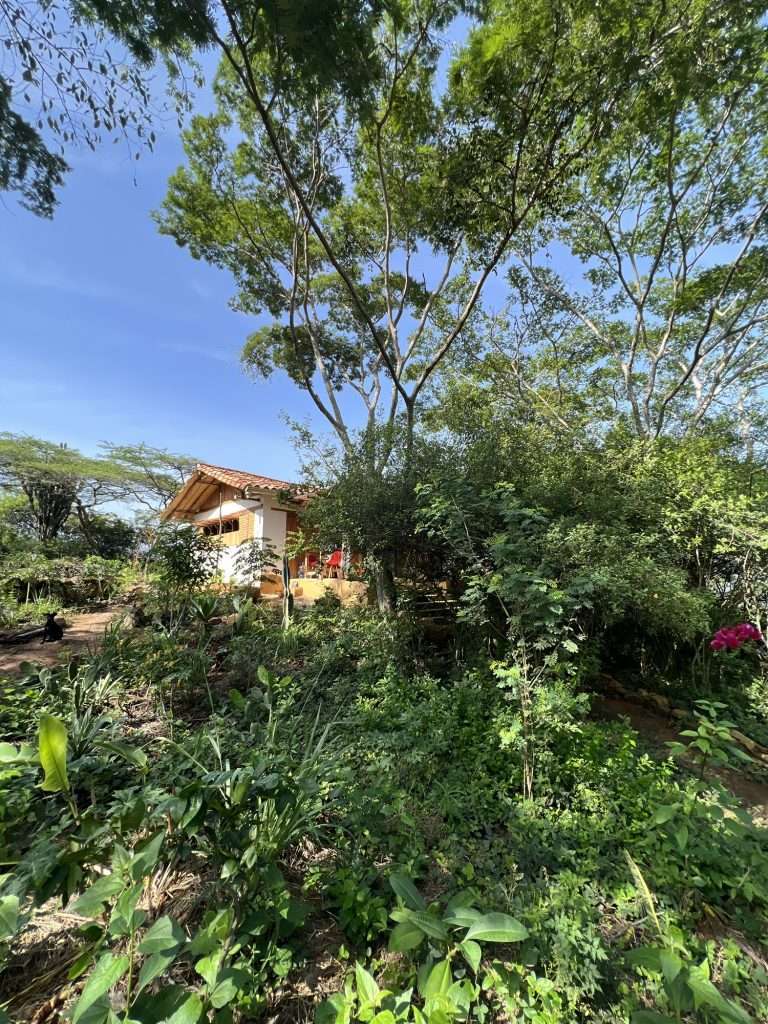
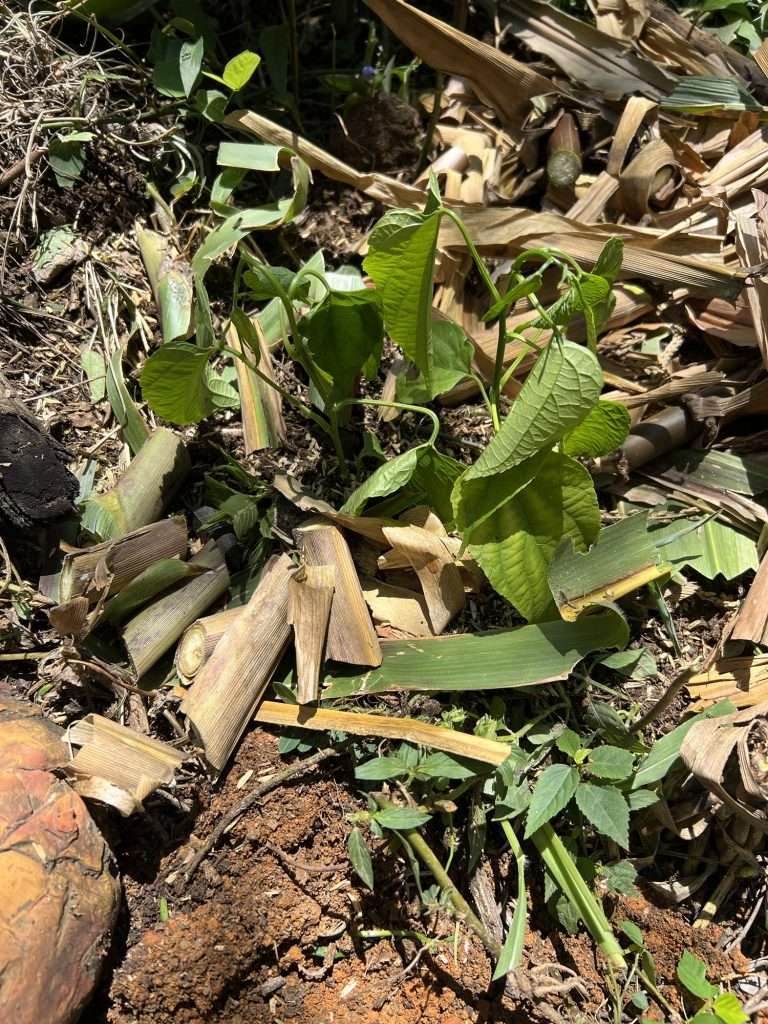
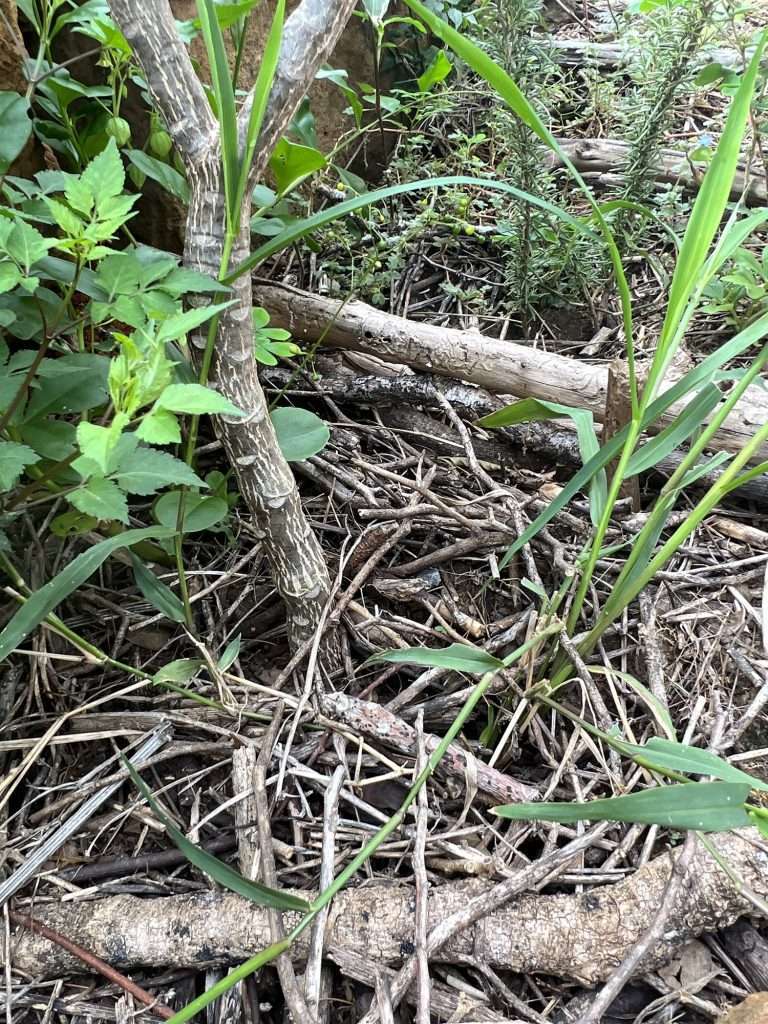
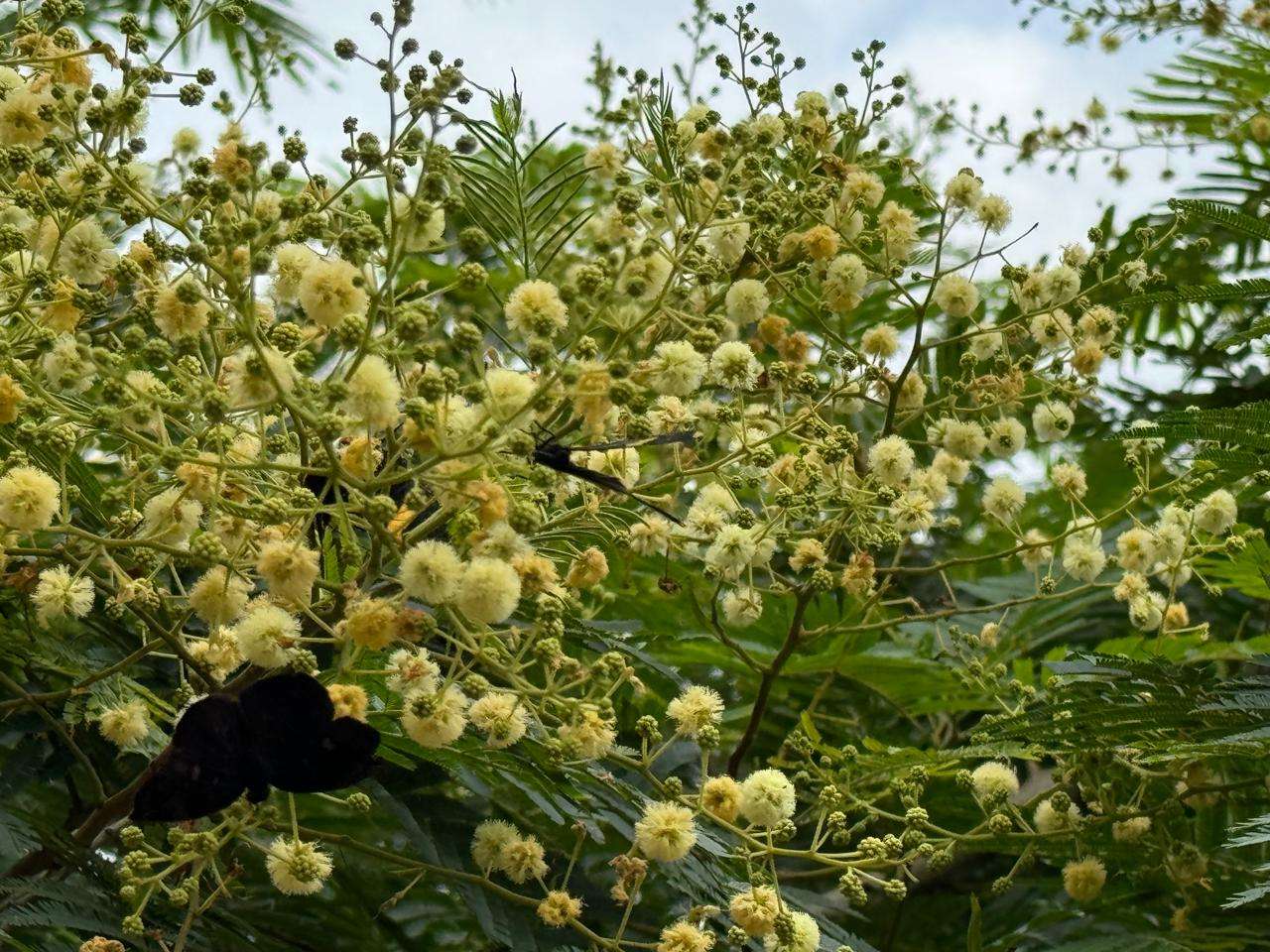
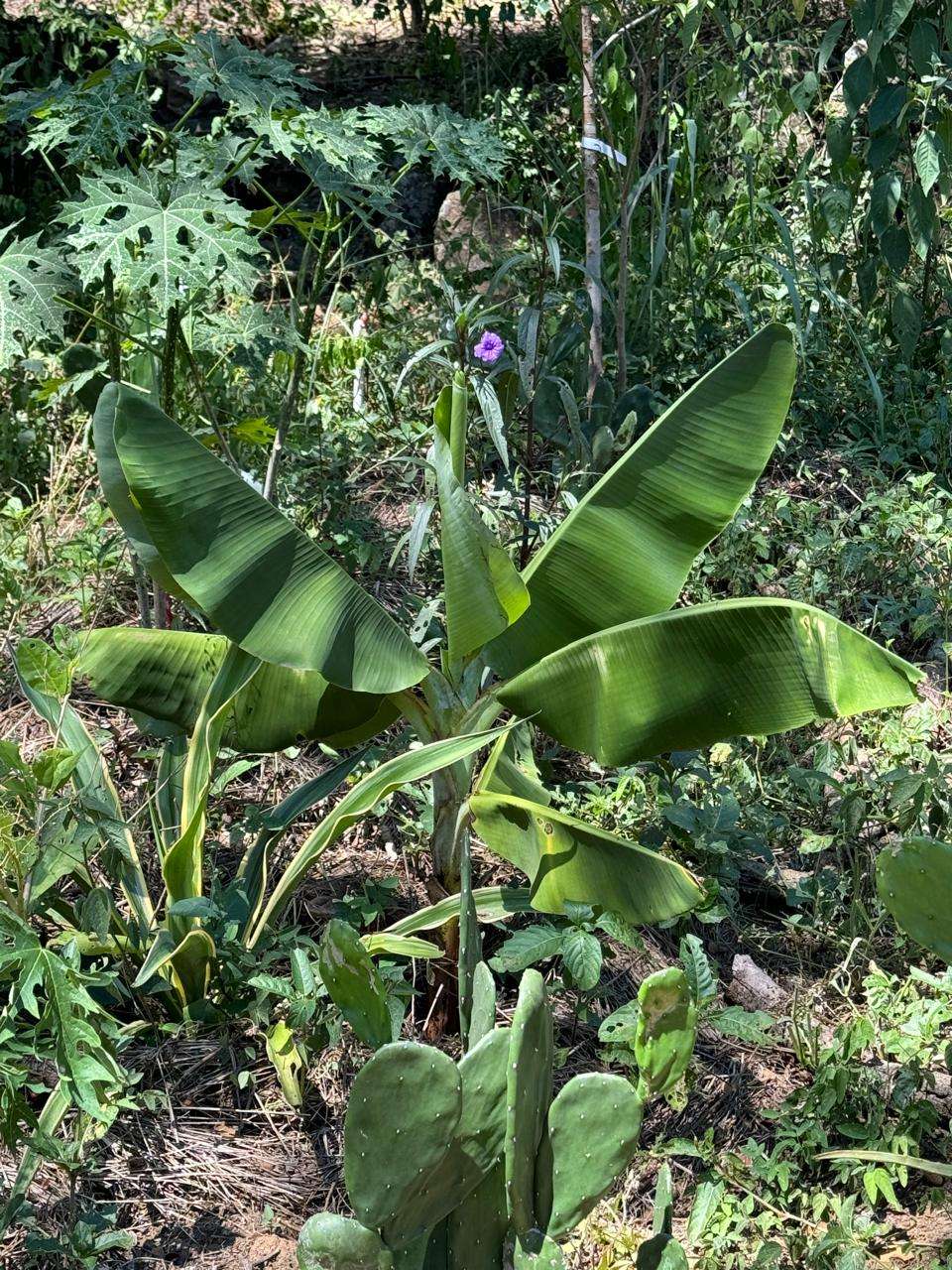
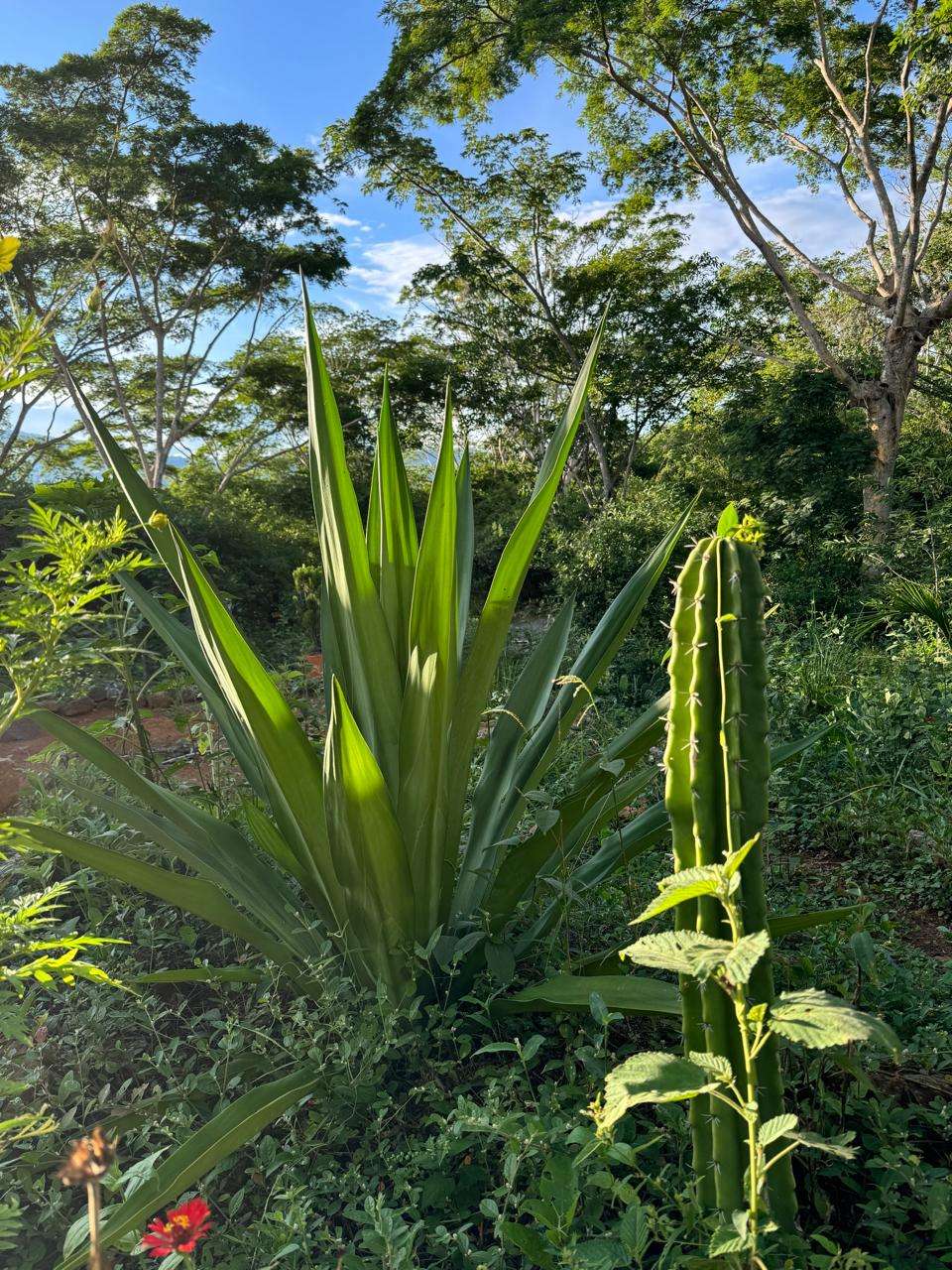
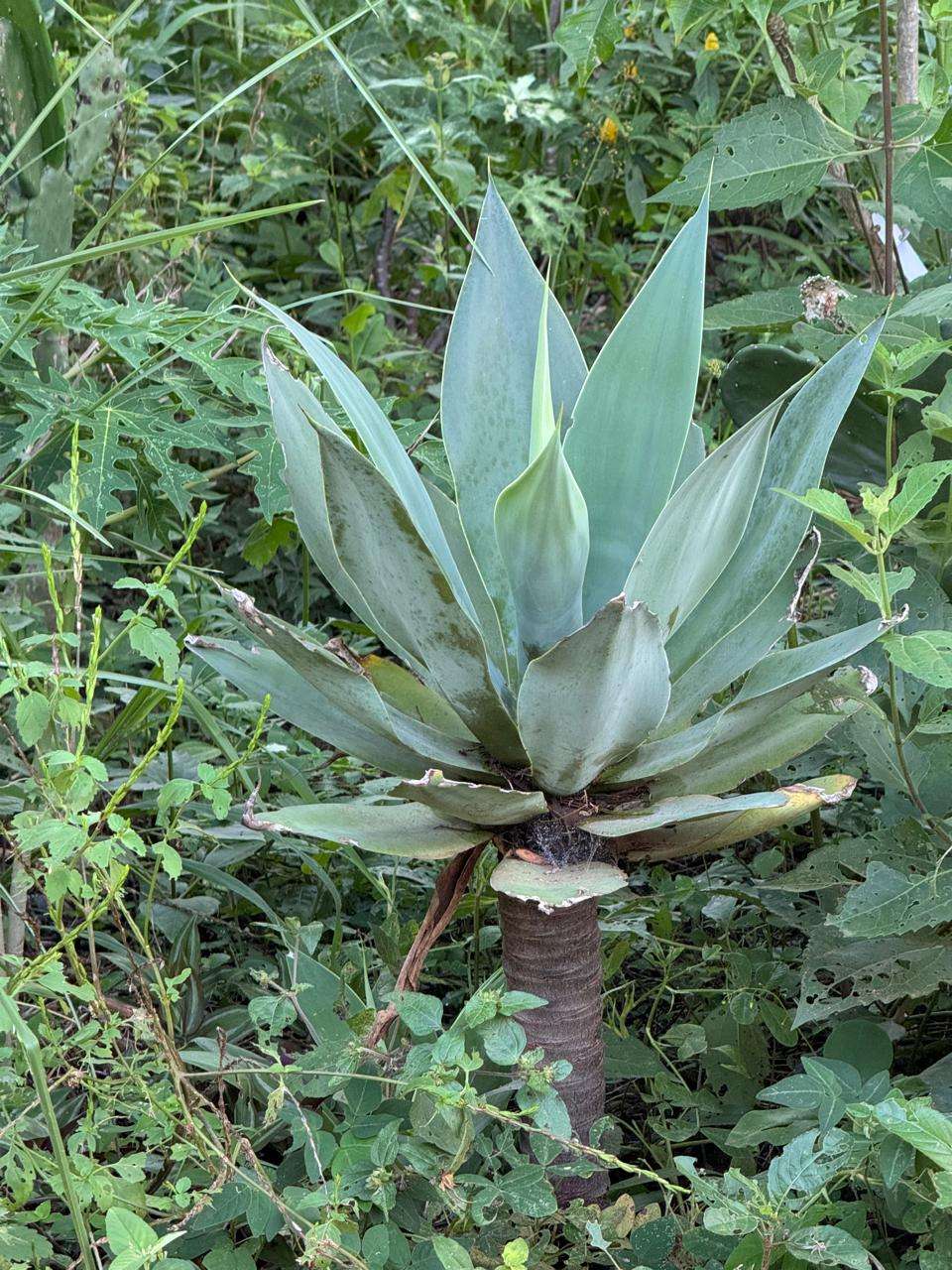
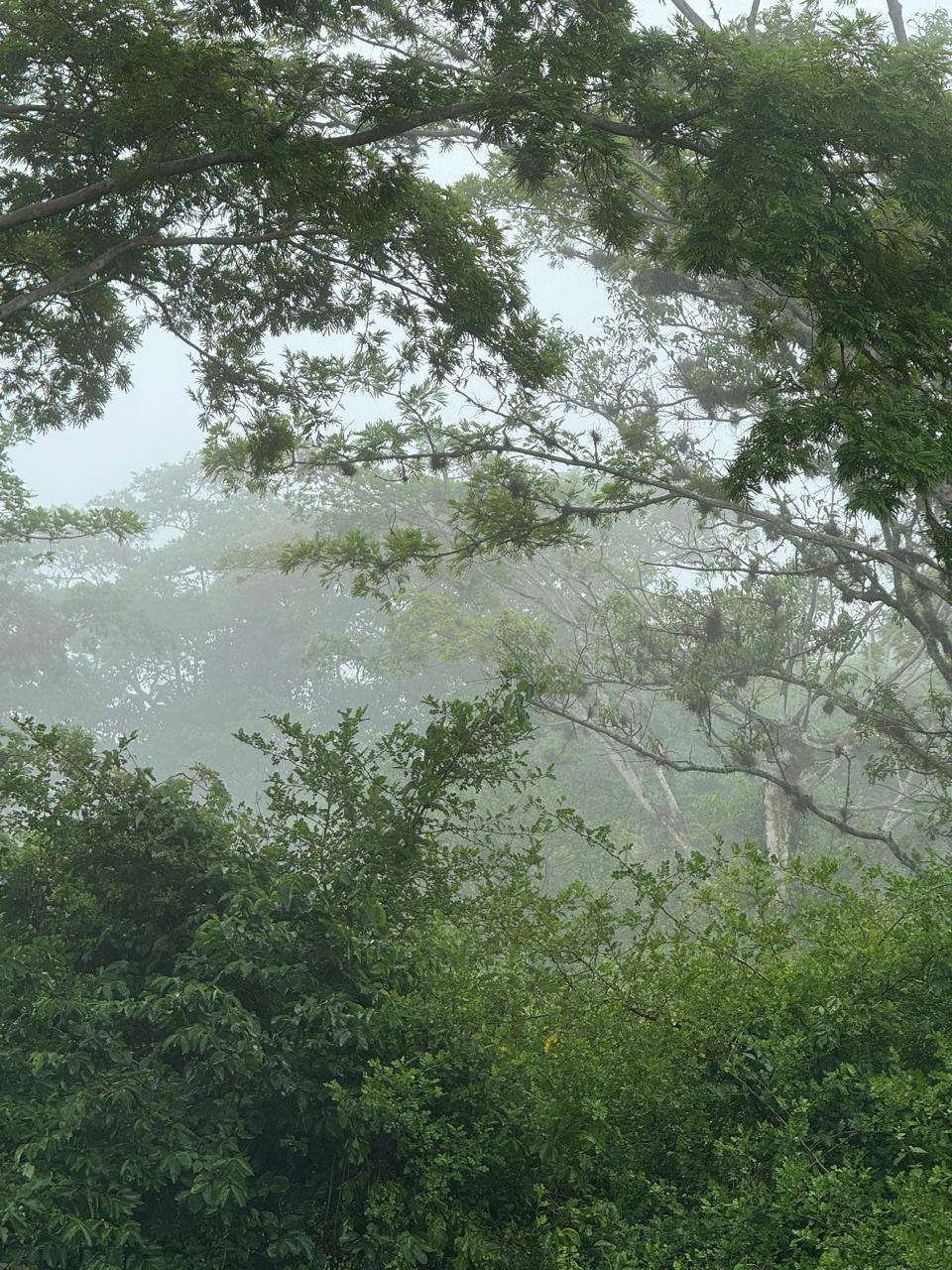
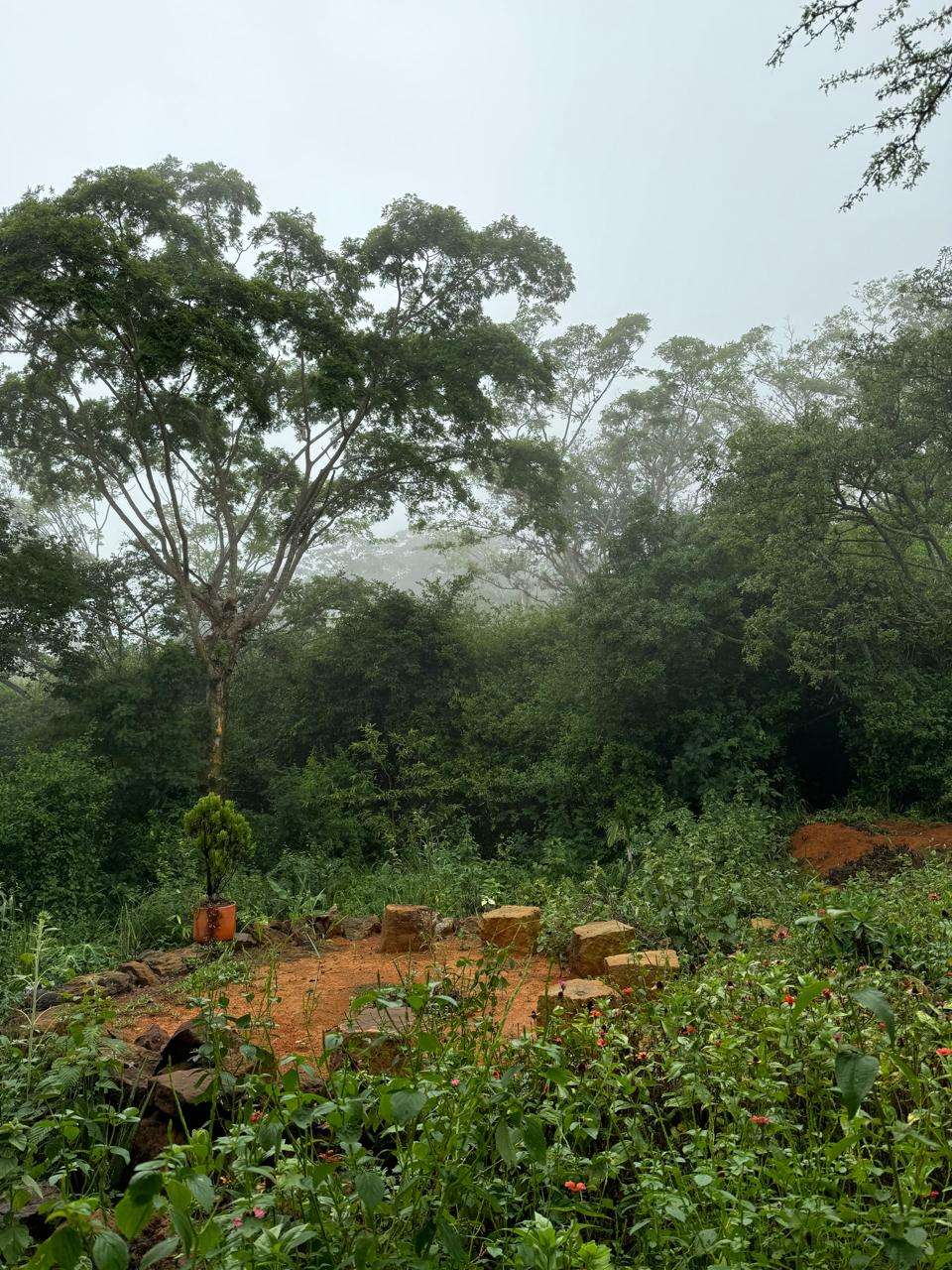
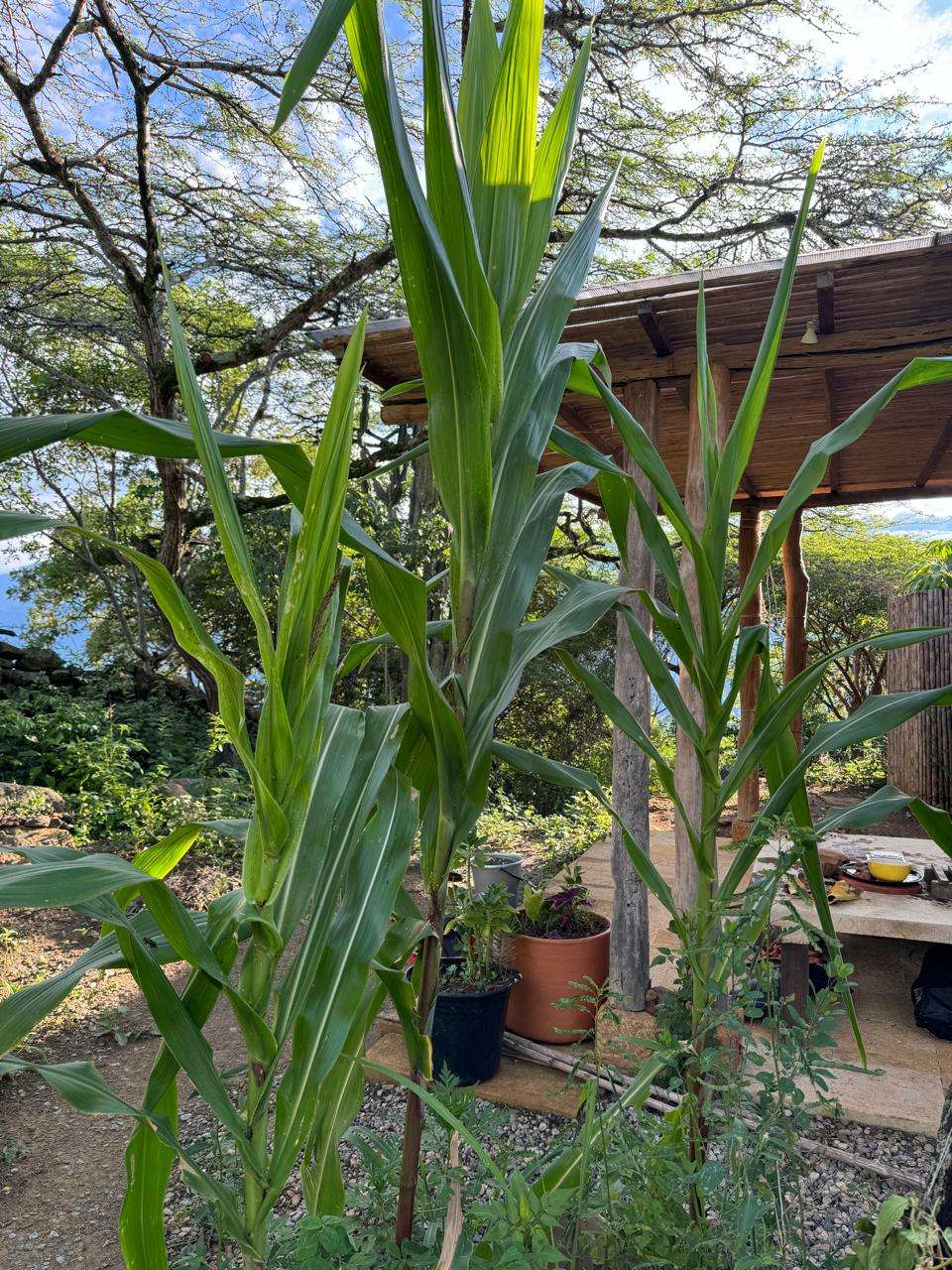
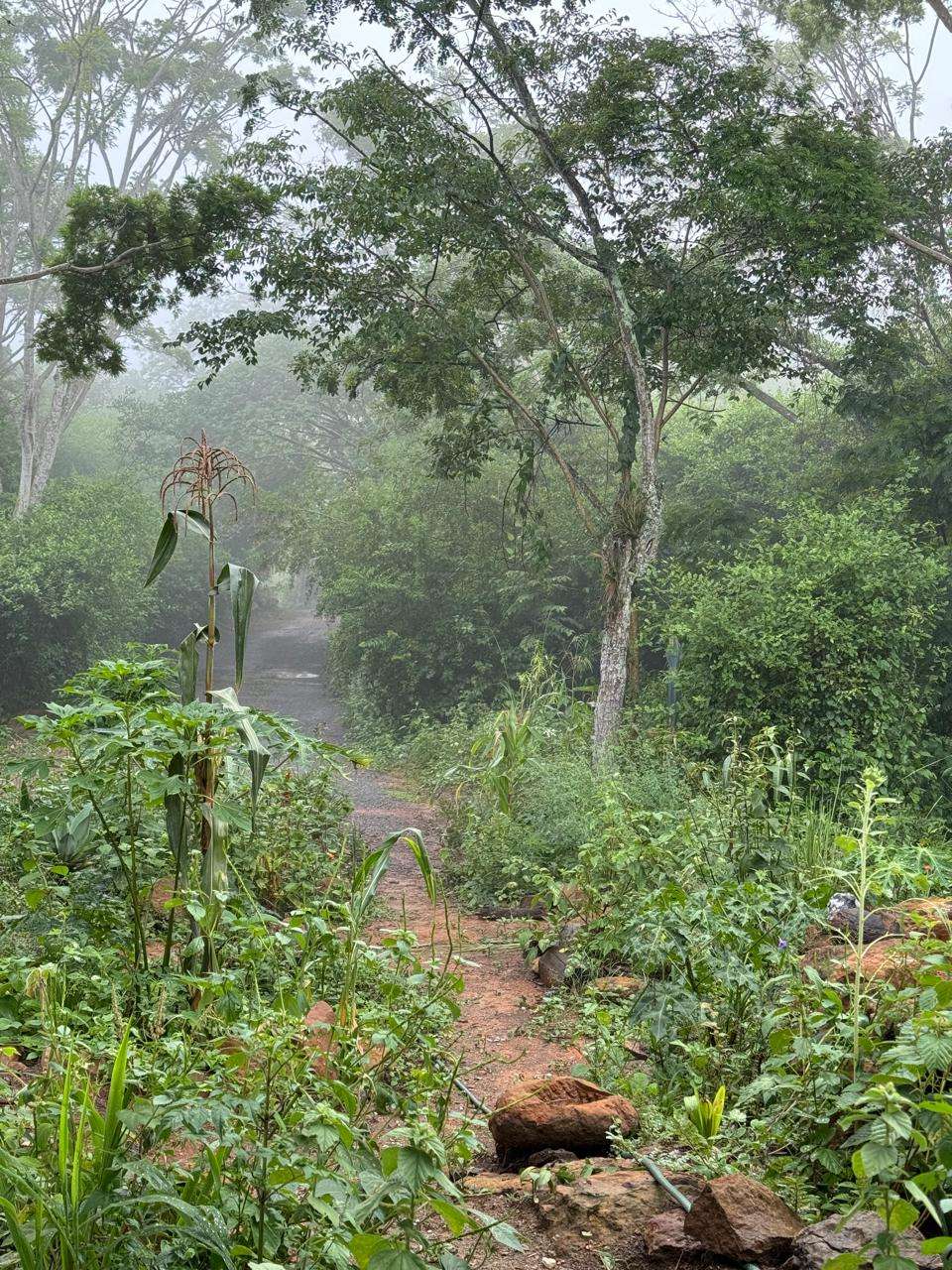
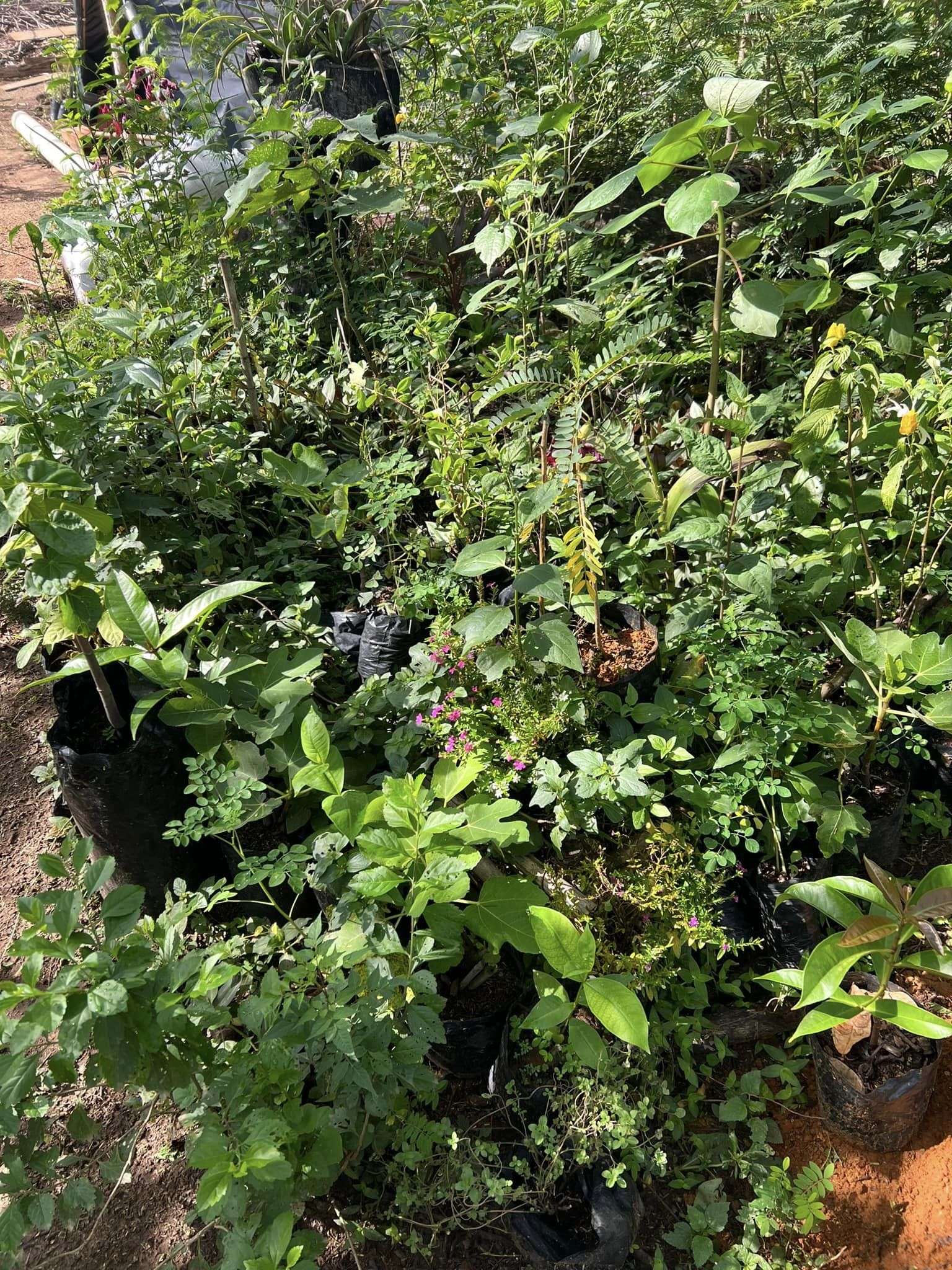
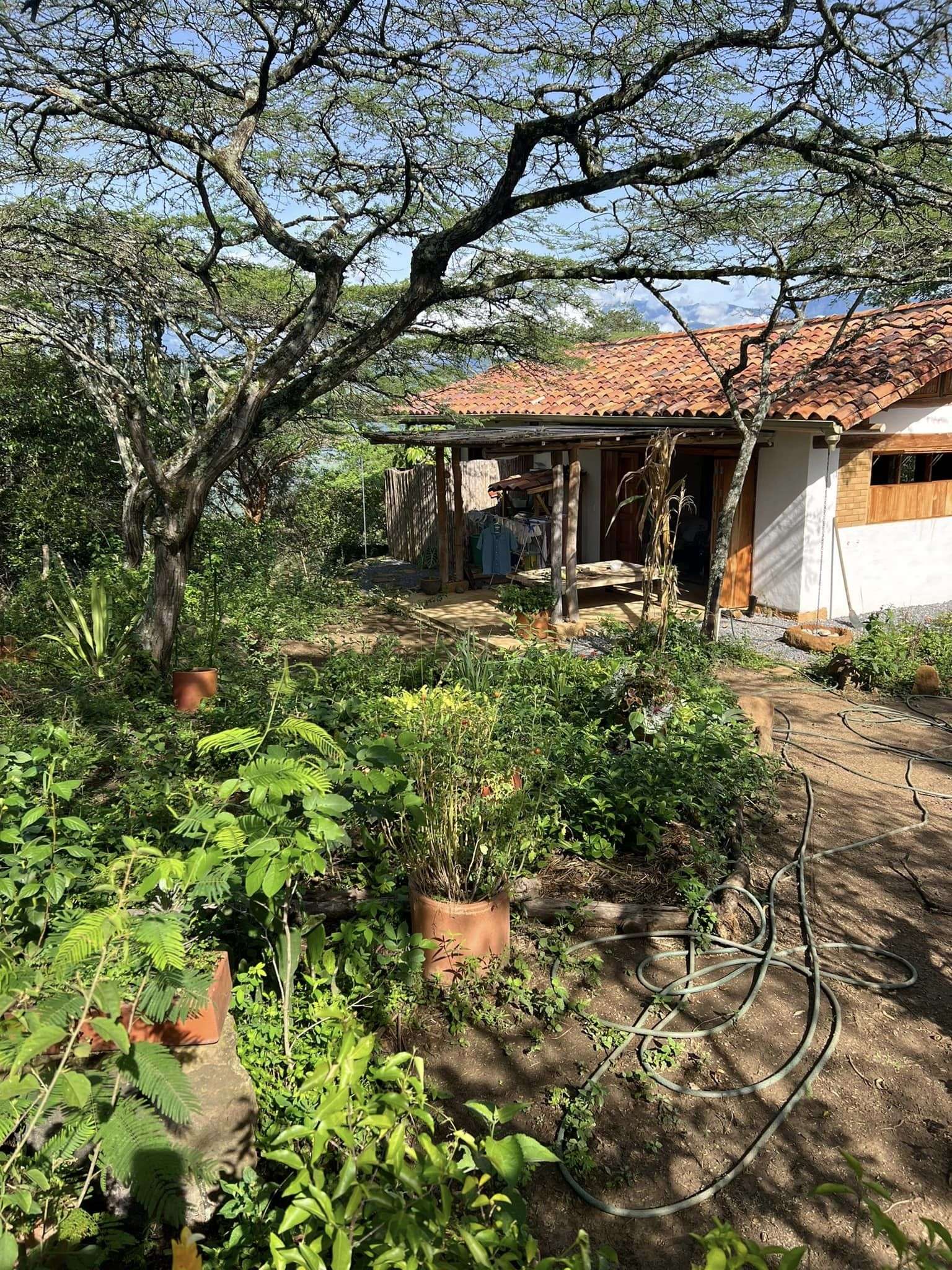
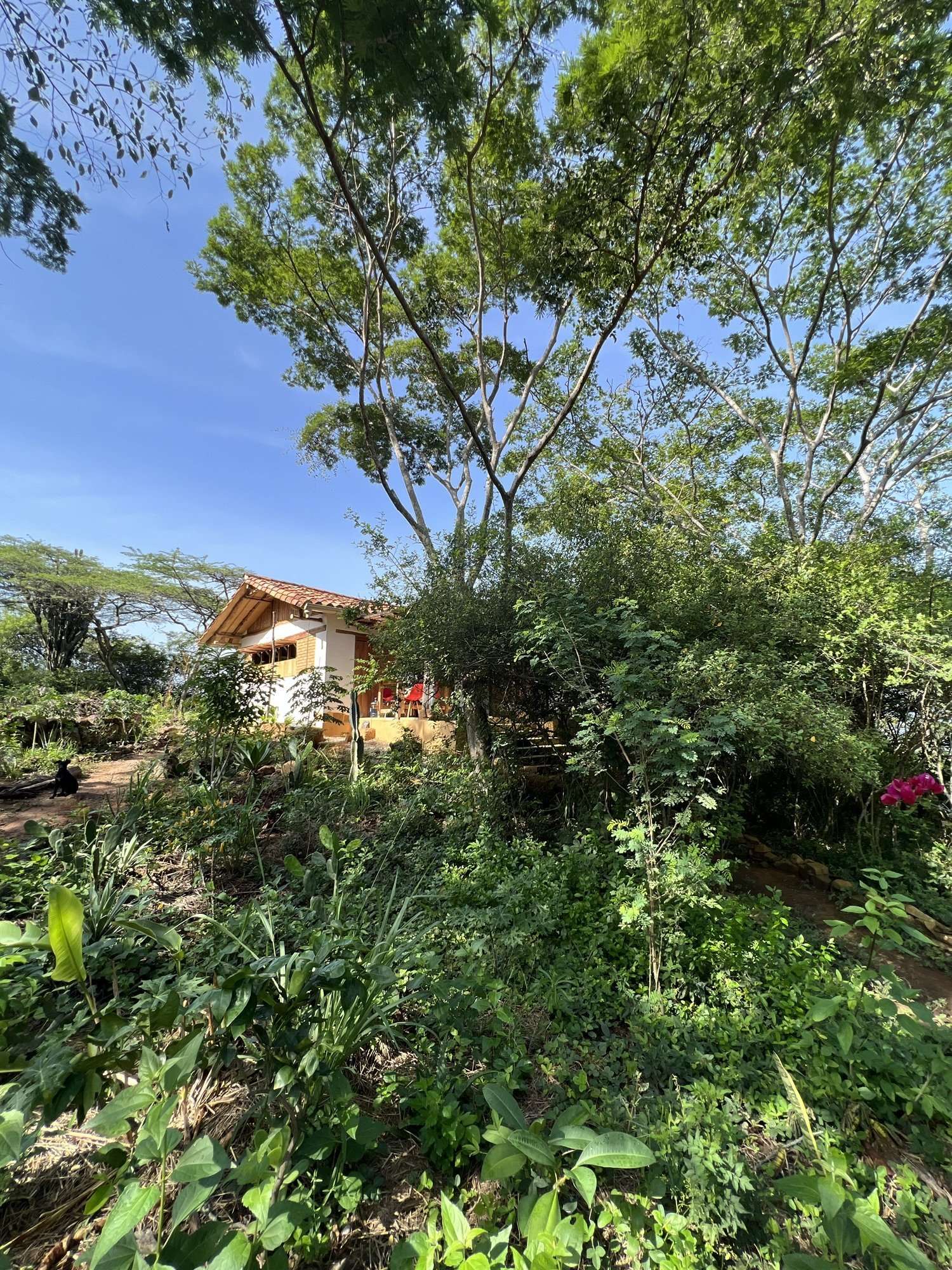
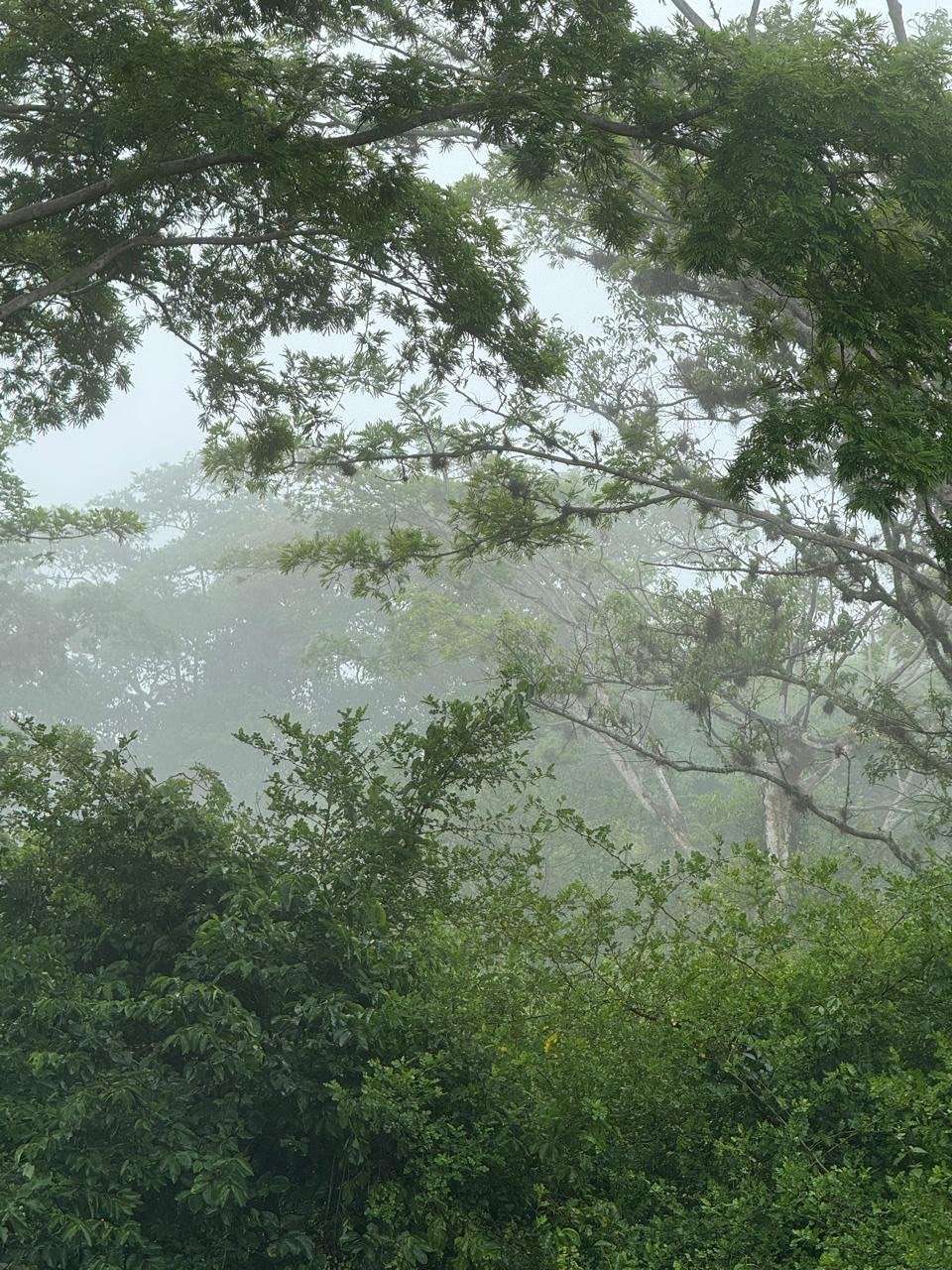
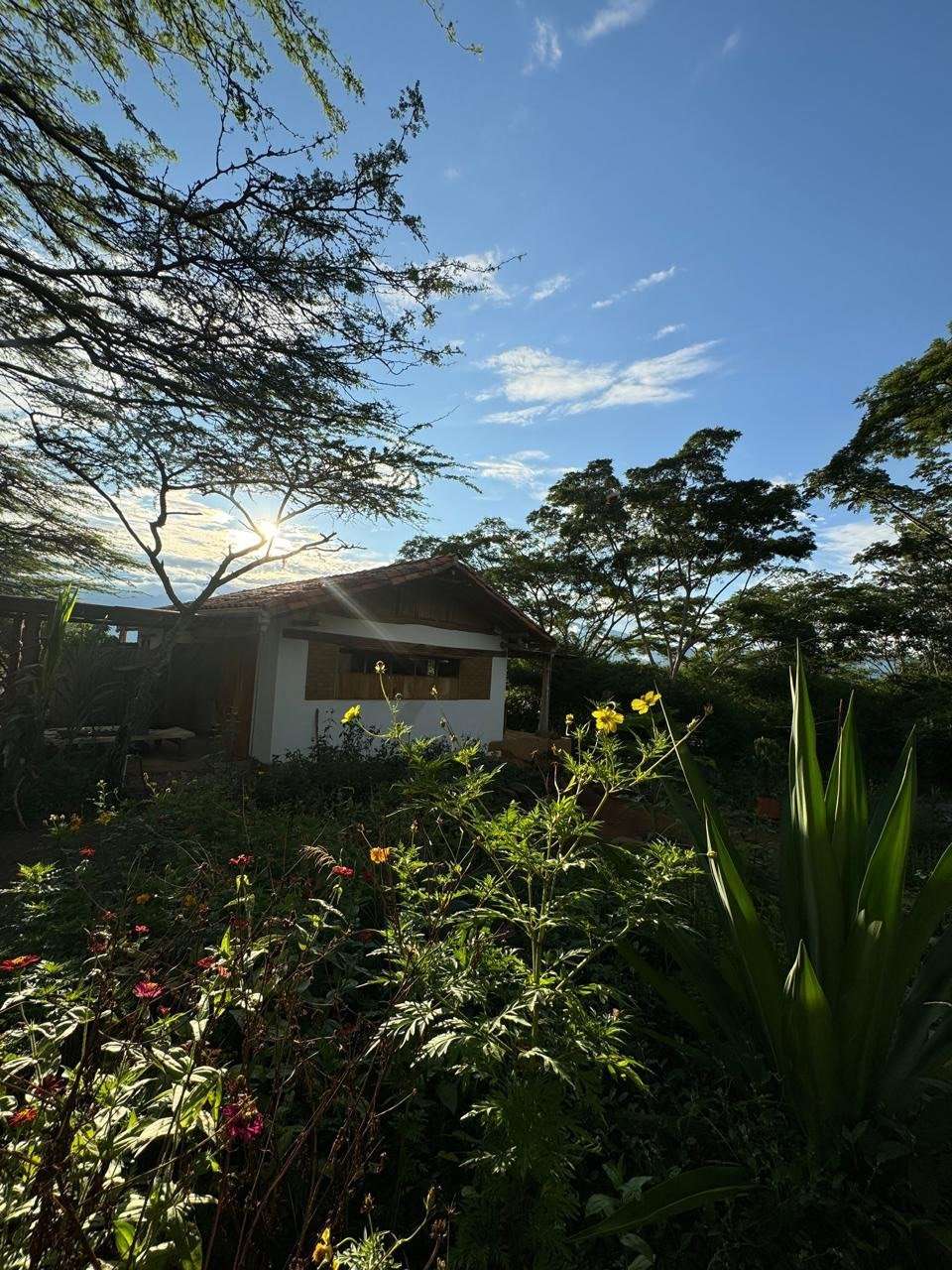
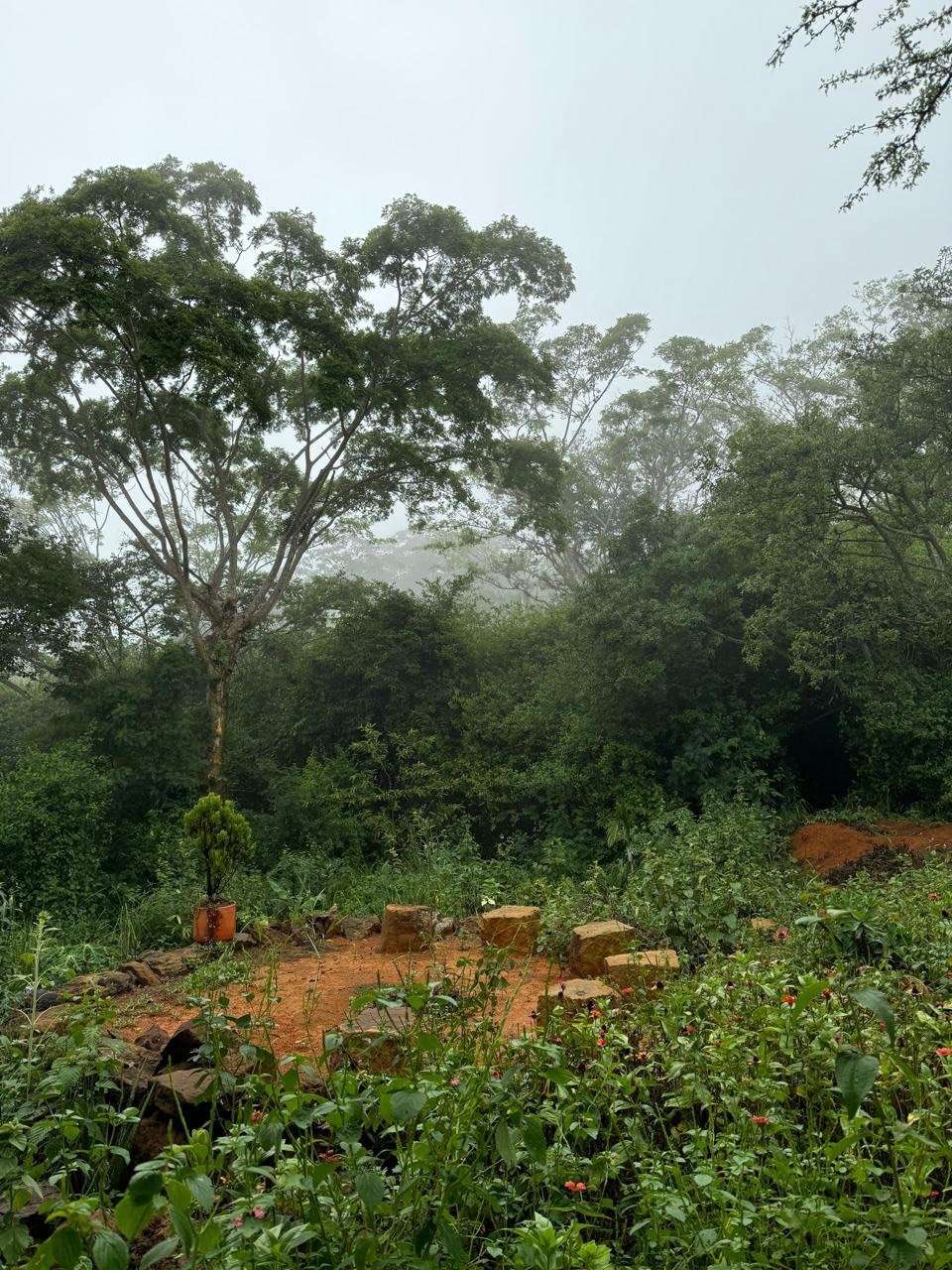
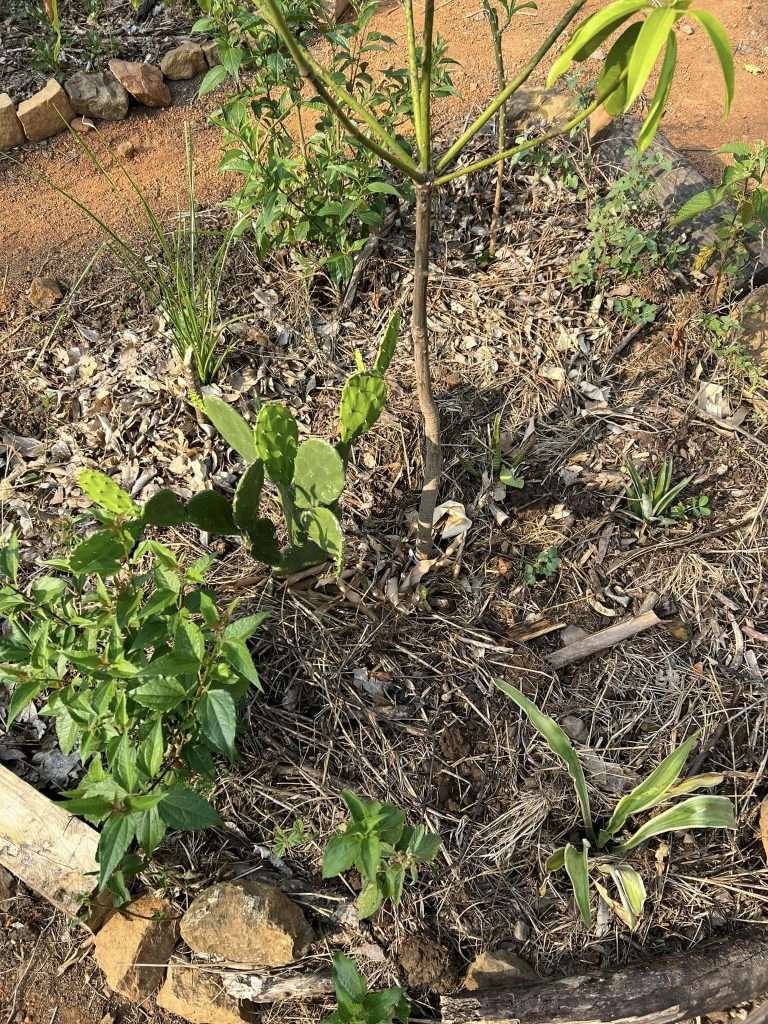
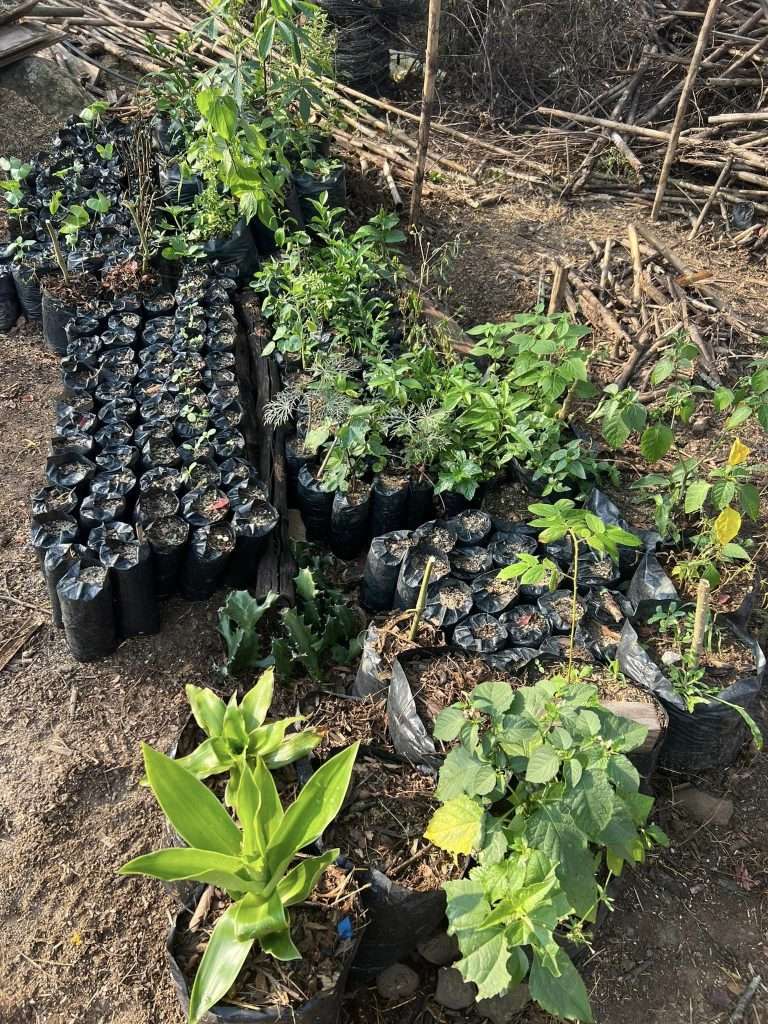
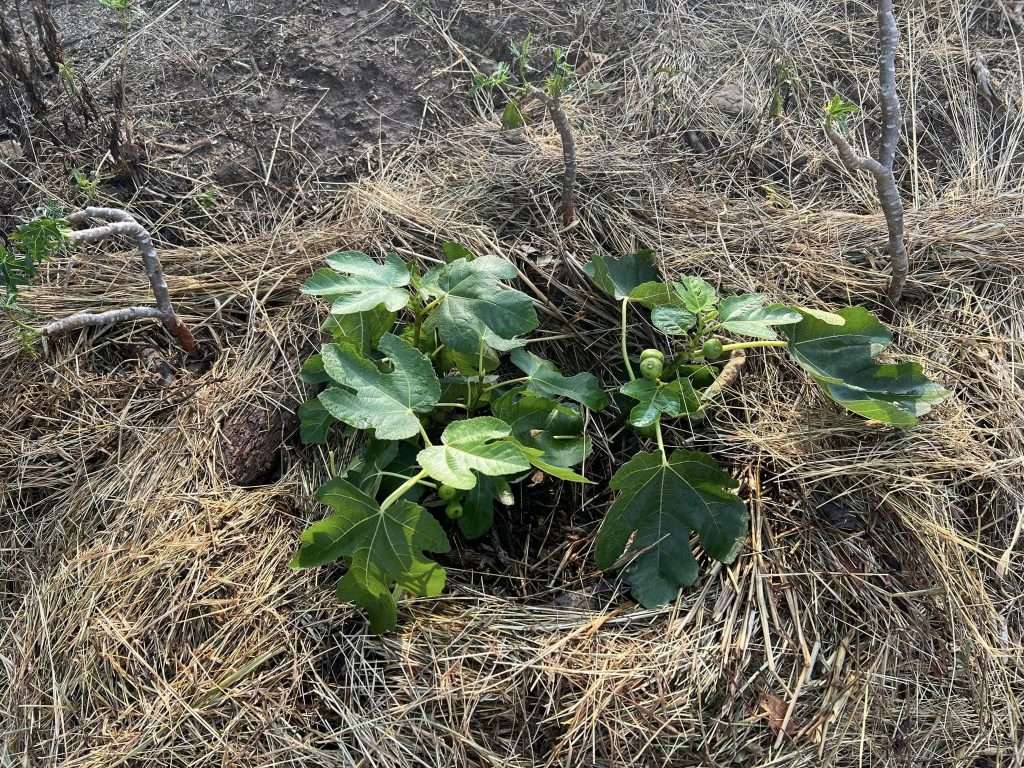
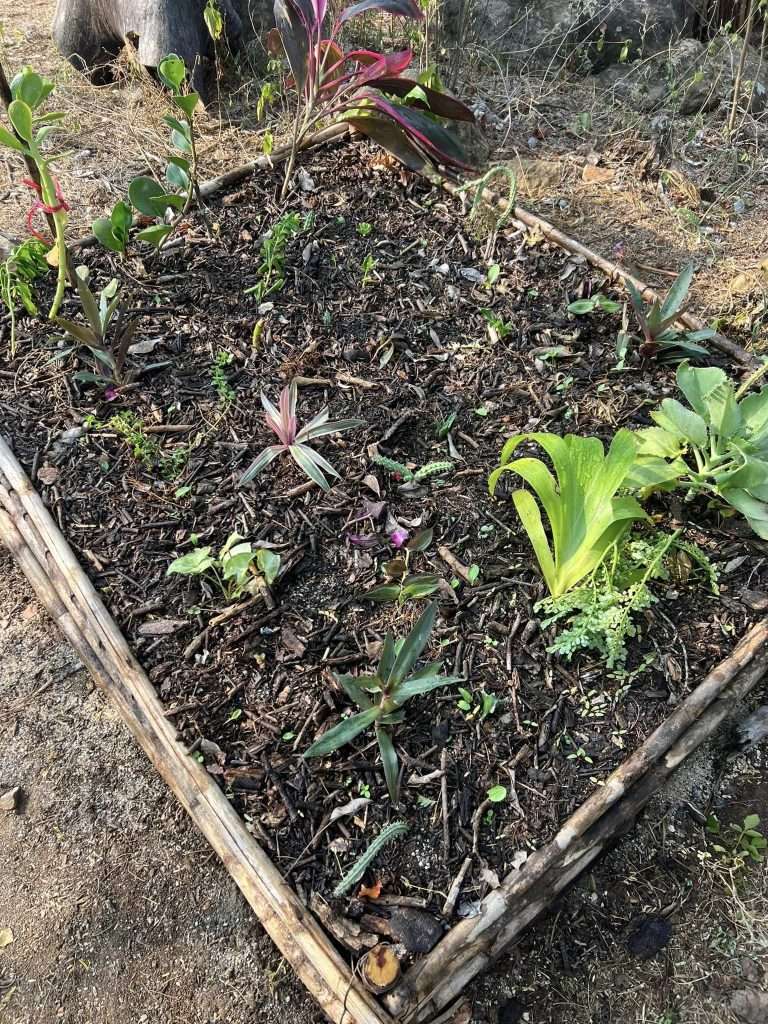
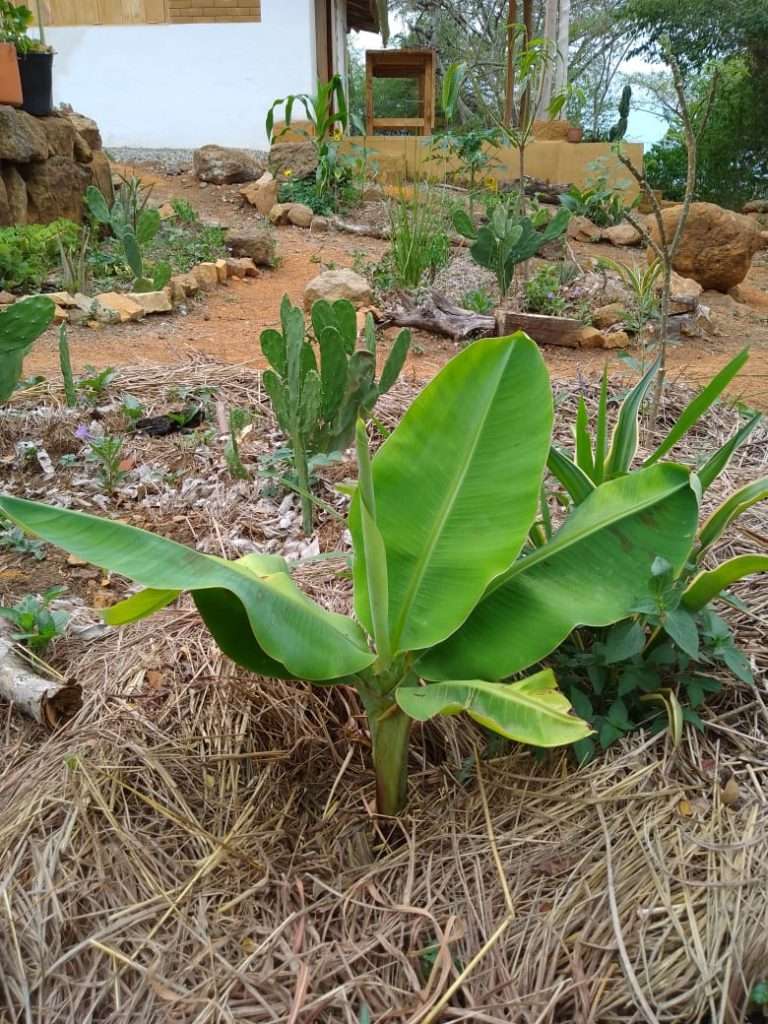
We are developing a food forest on our land in the Andes. Large areas will have only or mostly natives, with as much diversity as possible, and as many food-producing plants as possible. The areas closer to the houses will have a diversity of native and non-native (non-invasive) food-producing plants. We focus on building healthy soil with mulch, manure, microorganisms, and so on. We want as much diversity as possible. We plant 95+% perennials.
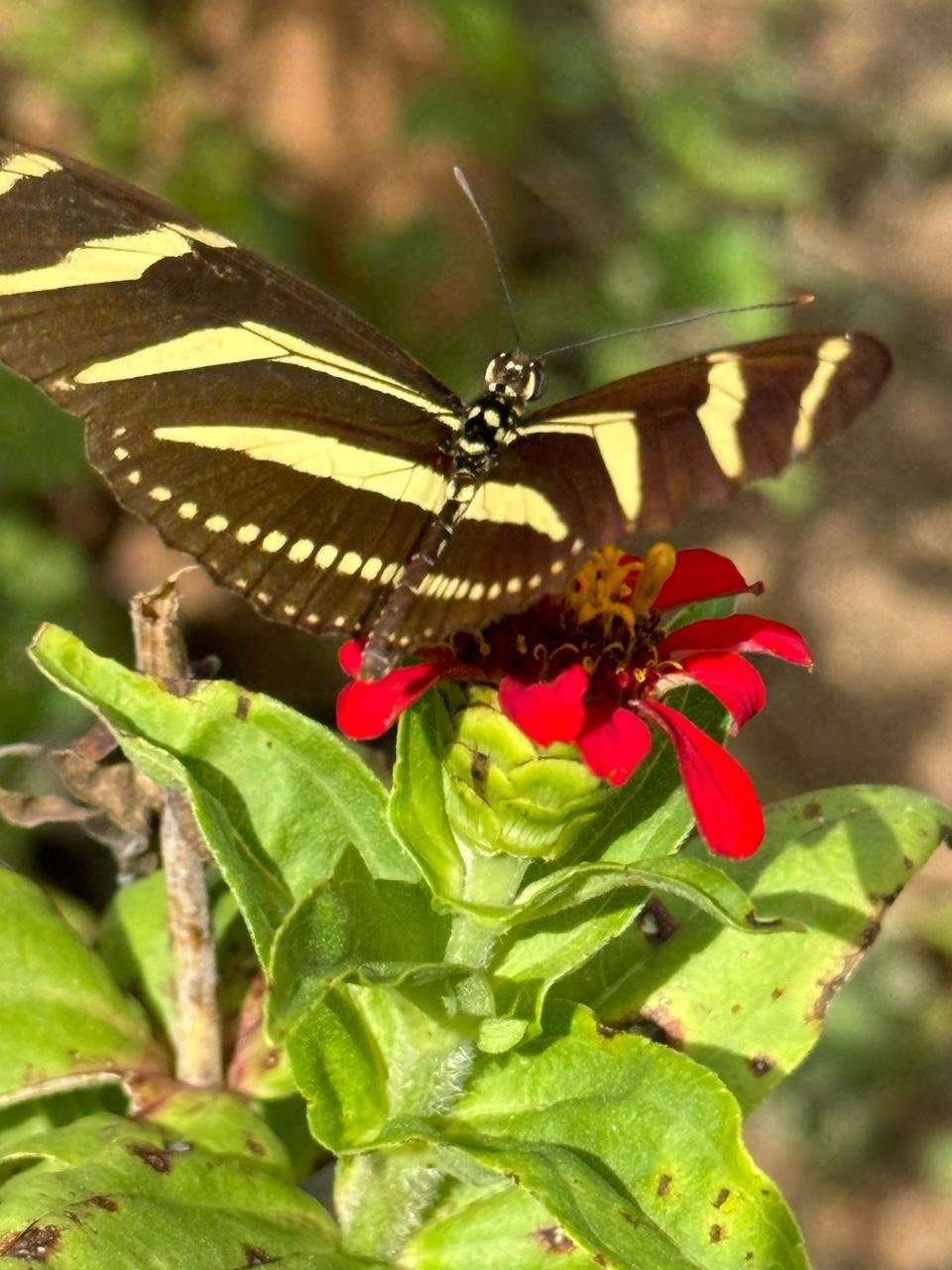
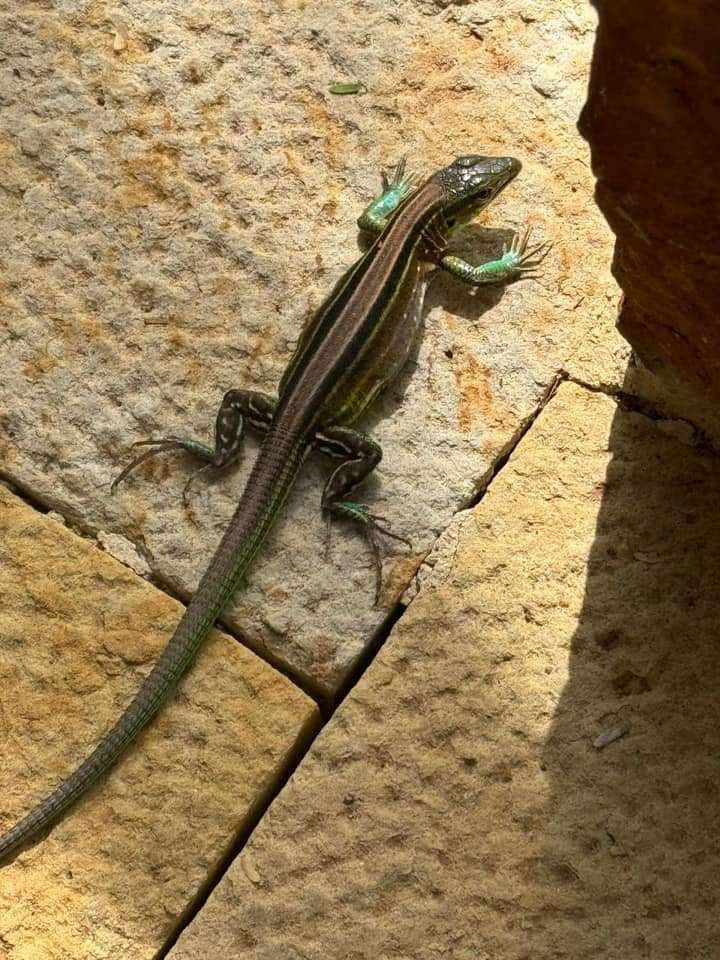
As this food forest matures, it will become more and more self-sustaining and our work will mostly consist of harvesting, some maintenance, and continued diversification. Over time, it enhances soil health, reduces erosion, and provides habitat for more and more species.
It becomes better with time because we work in partnership with nature.
Some will say that we need modern monocultures to produce enough food for everyone, but that’s clearly not the case. It’s an example of brainwashing from those who benefit from it.
In the big picture, it’s not true since modern agriculture is so destructive to life.
Even from a narrow perspective, it’s not true since polycultures can produce as much if not more than modern monocultures. This is especially true for perennial polycultures like food forests. As they mature, production increases, inputs go down, and the return on investment continues to go up.
HOW WE CAN SUPPORT OUR LOCAL ECOSYSTEMS
We can all do something to live this partnership orientation with nature.
We can find local organic farms and buy directly from them. If we can’t get everything from local farms, we can buy organic as much as possible.
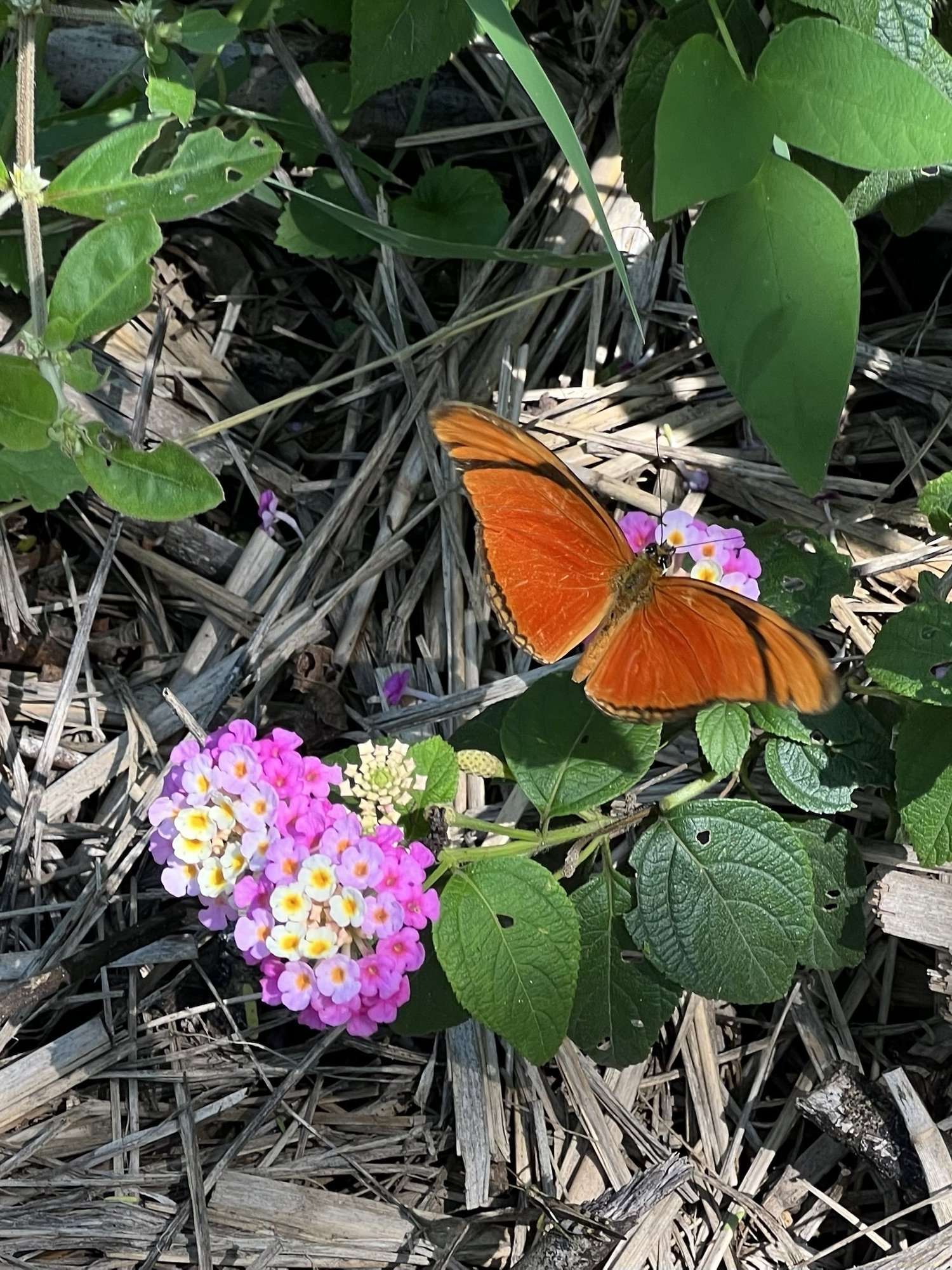
If we have a garden, we can make it into a nature garden that replicates the local ecosystem where we live. This will benefit the wildlife and ourselves and can be an inspiration to others. We can start small, even just in a small corner of our garden, and then expand as we get more experience.
We can join a community project. For instance, planting native trees or wildflowers in a park, along a river, or in any public area. If there is a larger regeneration project in our area, even better.
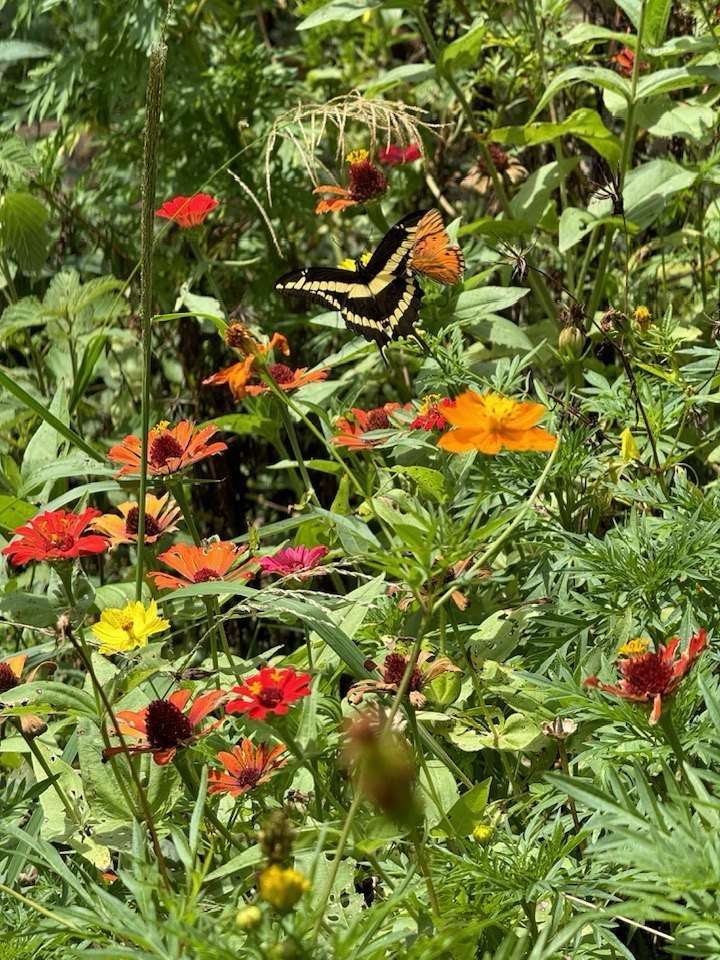
We can join a community garden, use organic methods, and mix in native flowers to support the pollinators.
We can talk with local organizations and governments to see if they are willing to set aside some parts of public areas for wildflowers. It can start small, as an experiment, and then go from there.