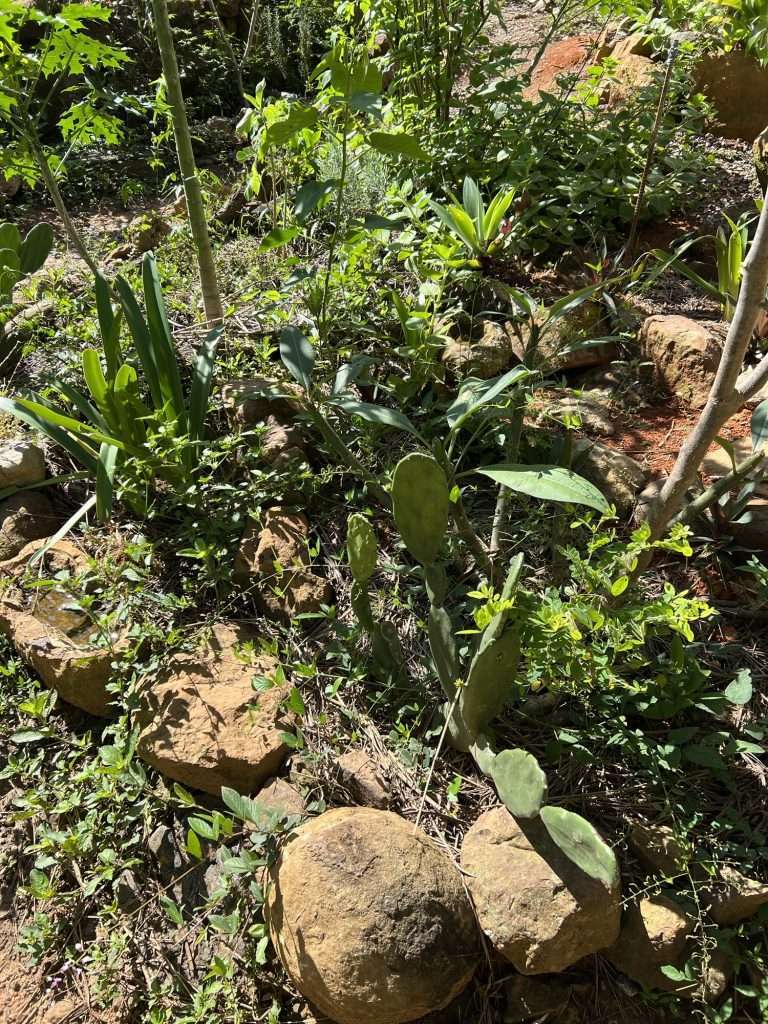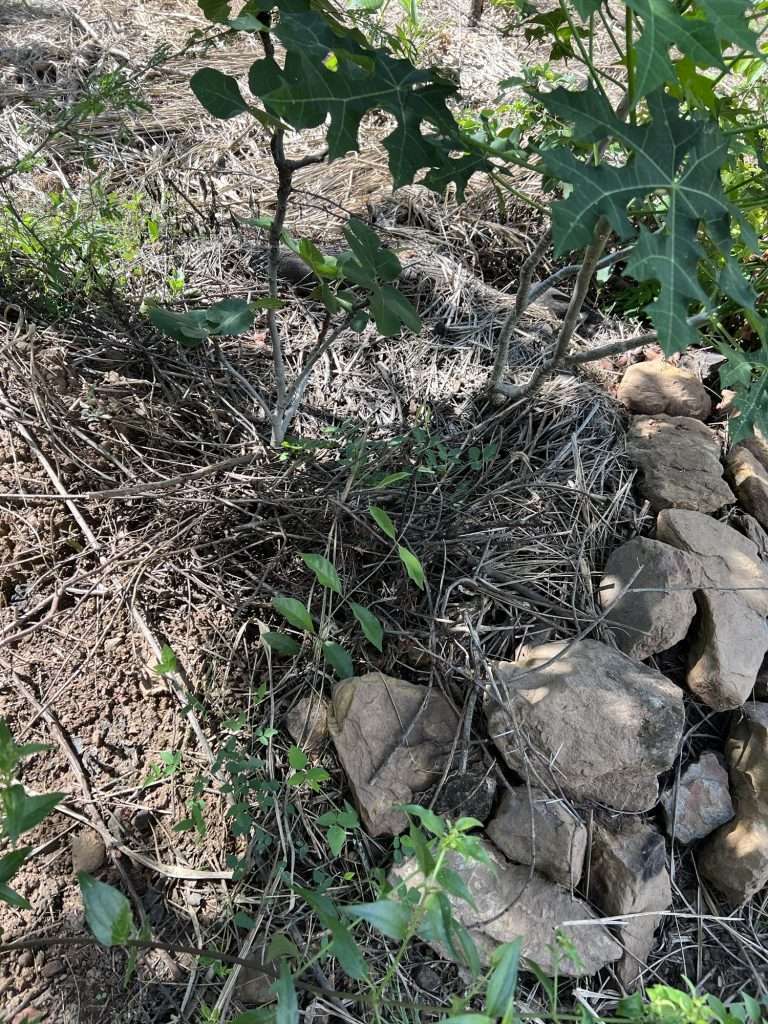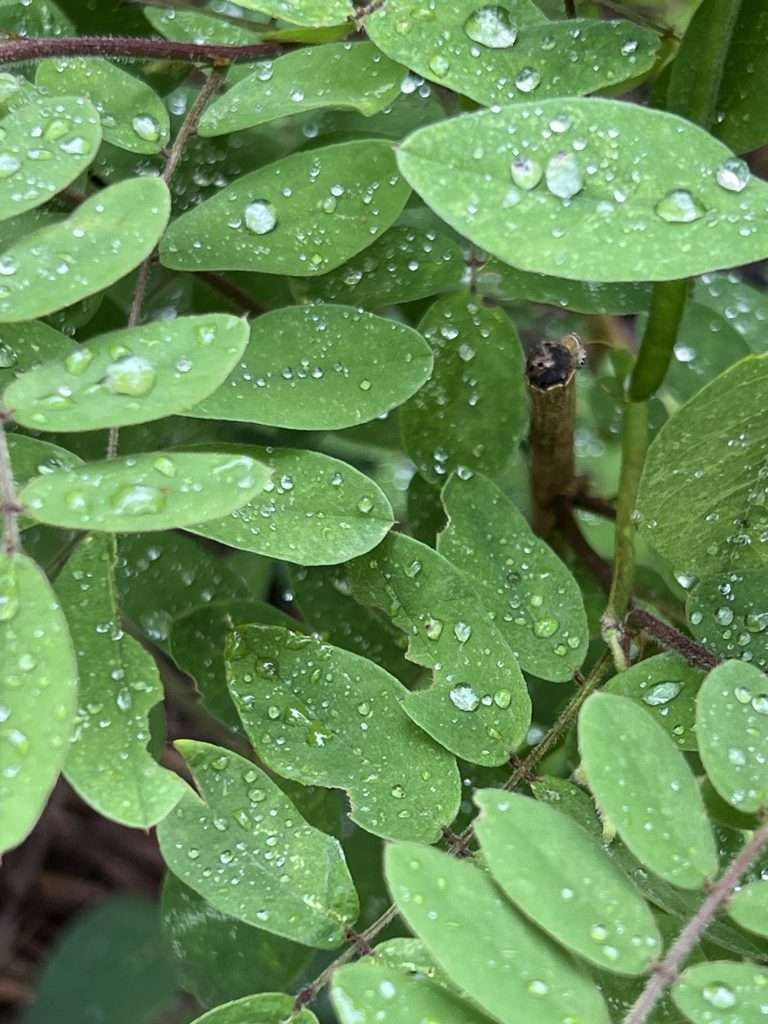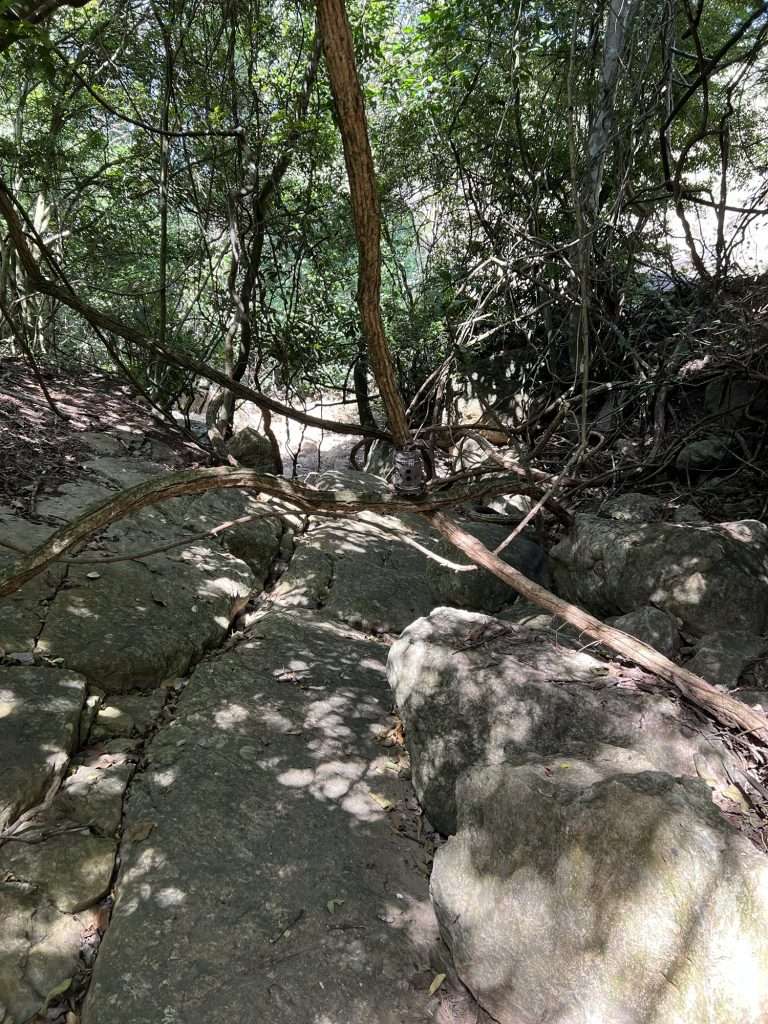
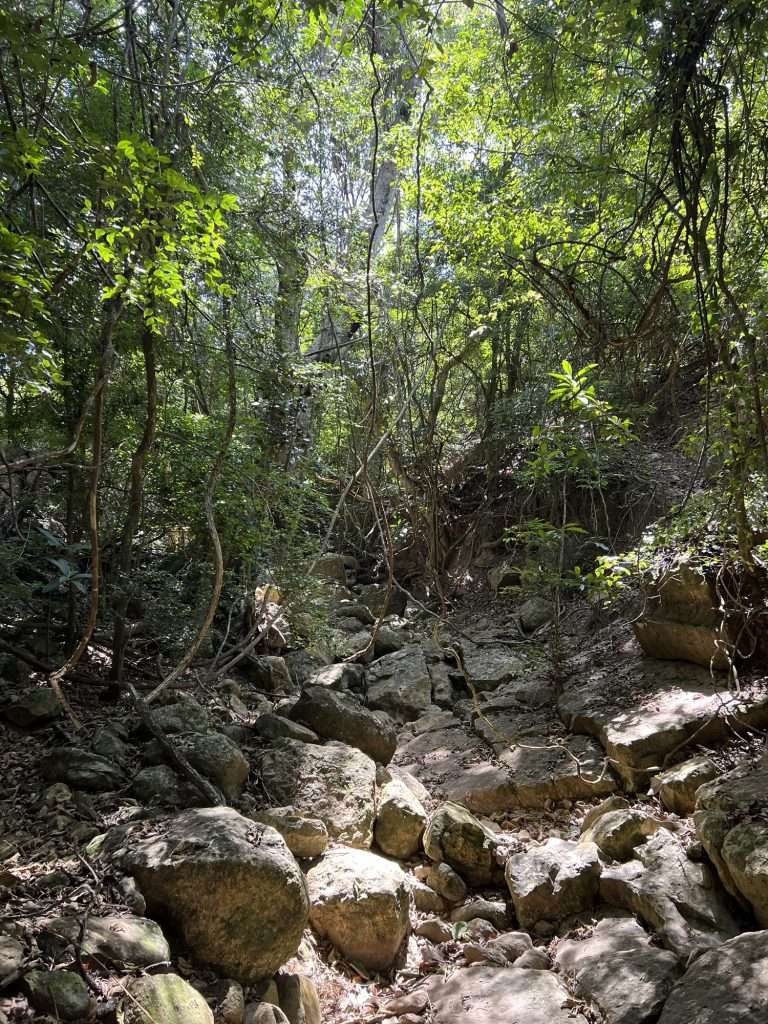
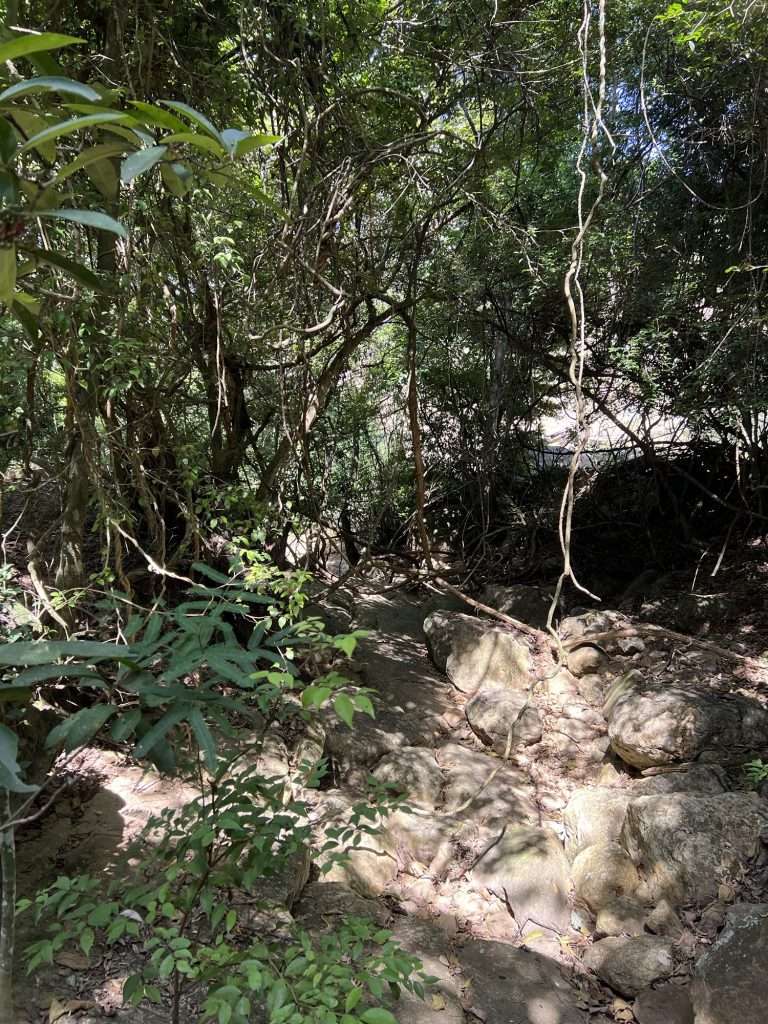
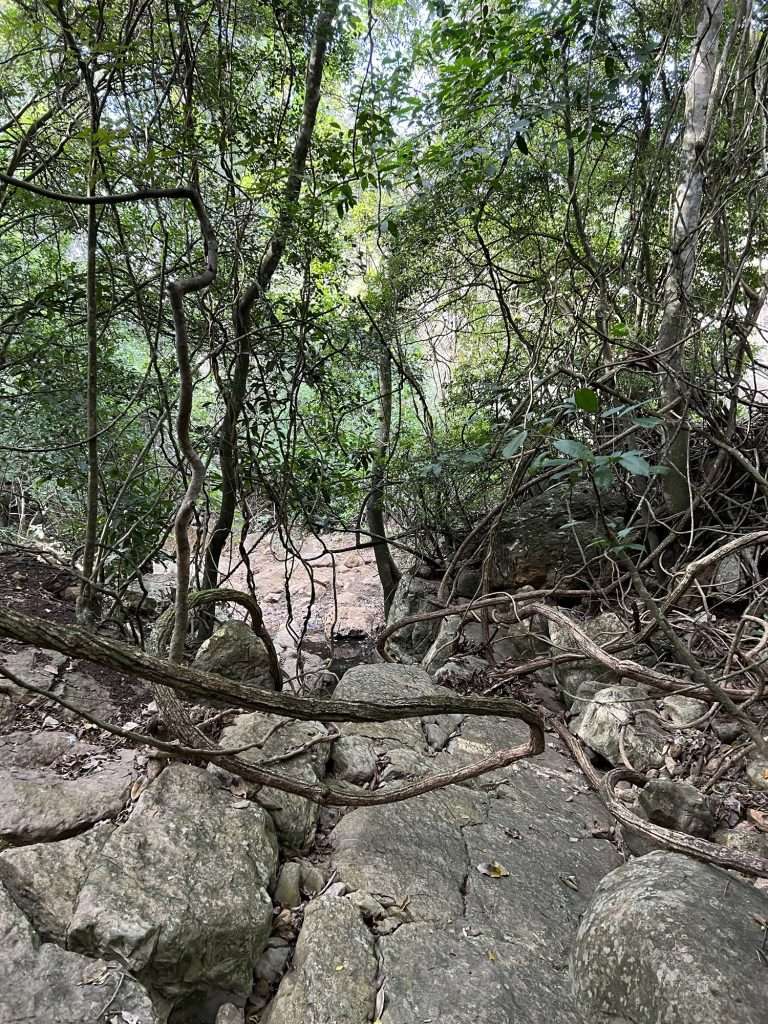
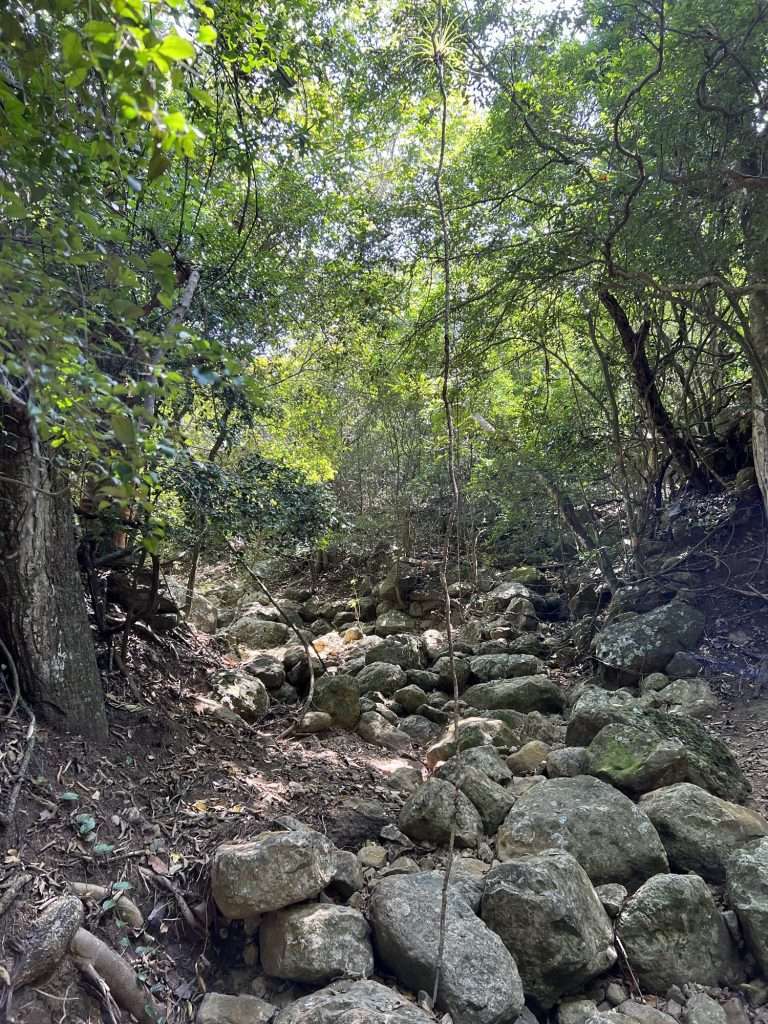
Porous dams in the river slows down the water and allows for infiltration

Porous dams in the river

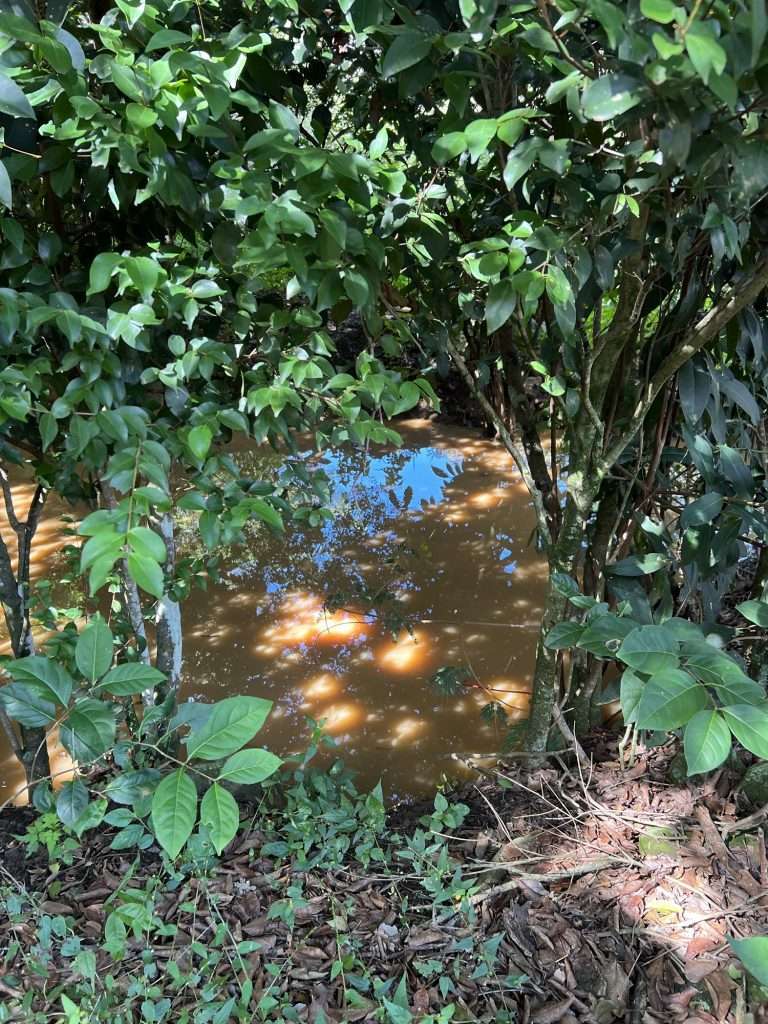
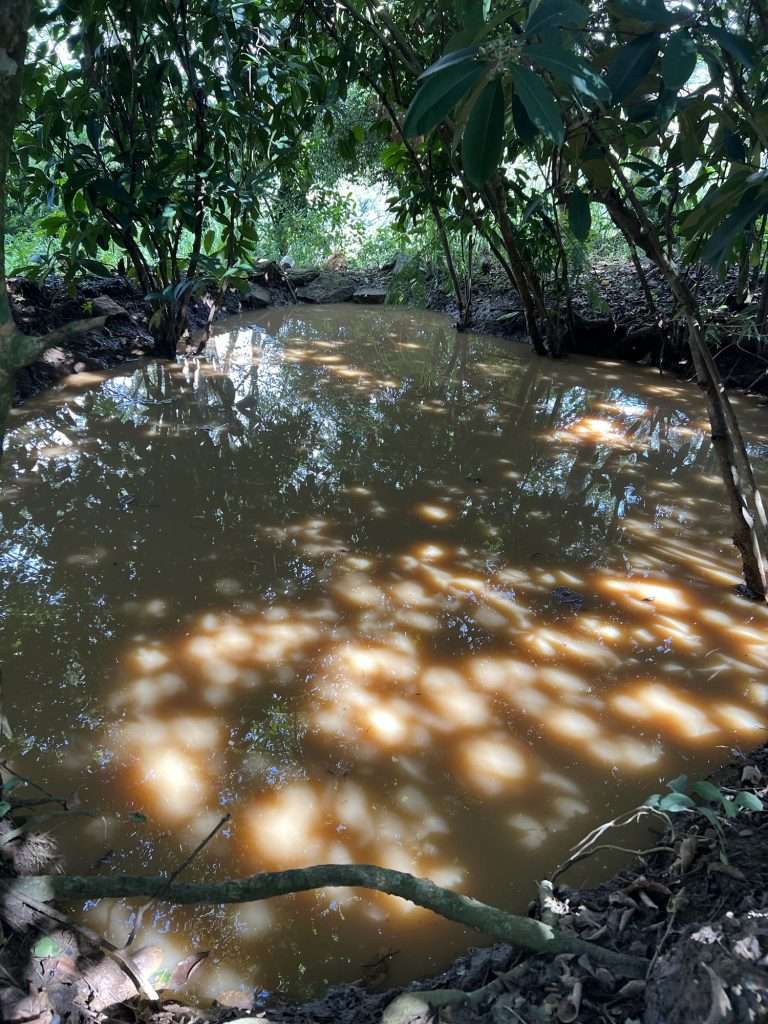
I asked one of the people working for us to start a new project today. It’s a series of porous dams in the river that runs through the finca. The river is mostly dry. When it rains, it has a good amount of water, although it runs through swiftly and is gone. The dams will help slow down the water so it can infiltrate into the ground.

This will bring moisture into the ground which will help the vegetation along the river, it and it will provide water for longer for the animals in the area. Until about twenty years ago, there was a spring near the river, not too far from our current houses. These dams may help bring that spring back, especially in combination with more trees and improved soil. (The spring likely went dry because of grazing and deforestation.)

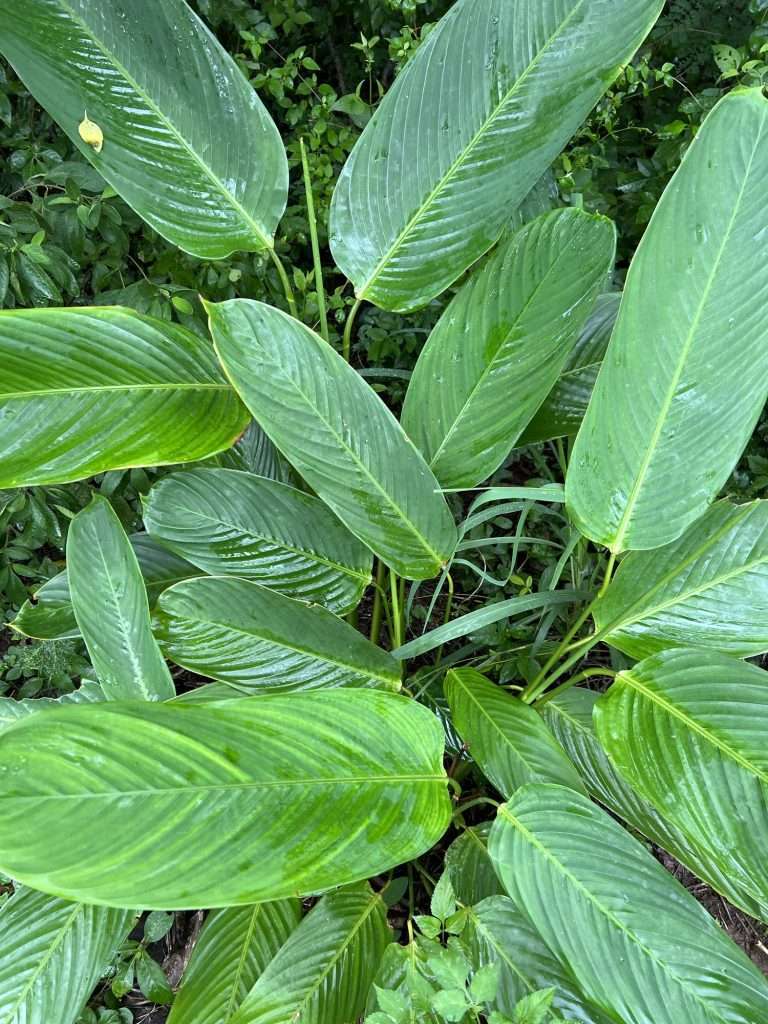
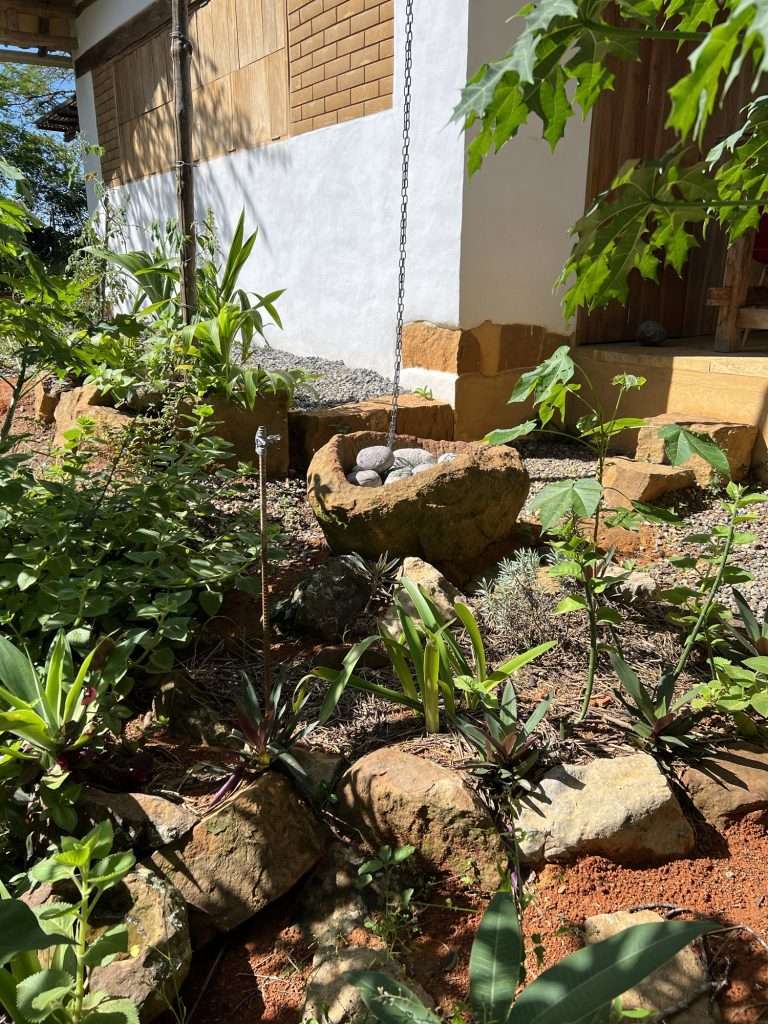
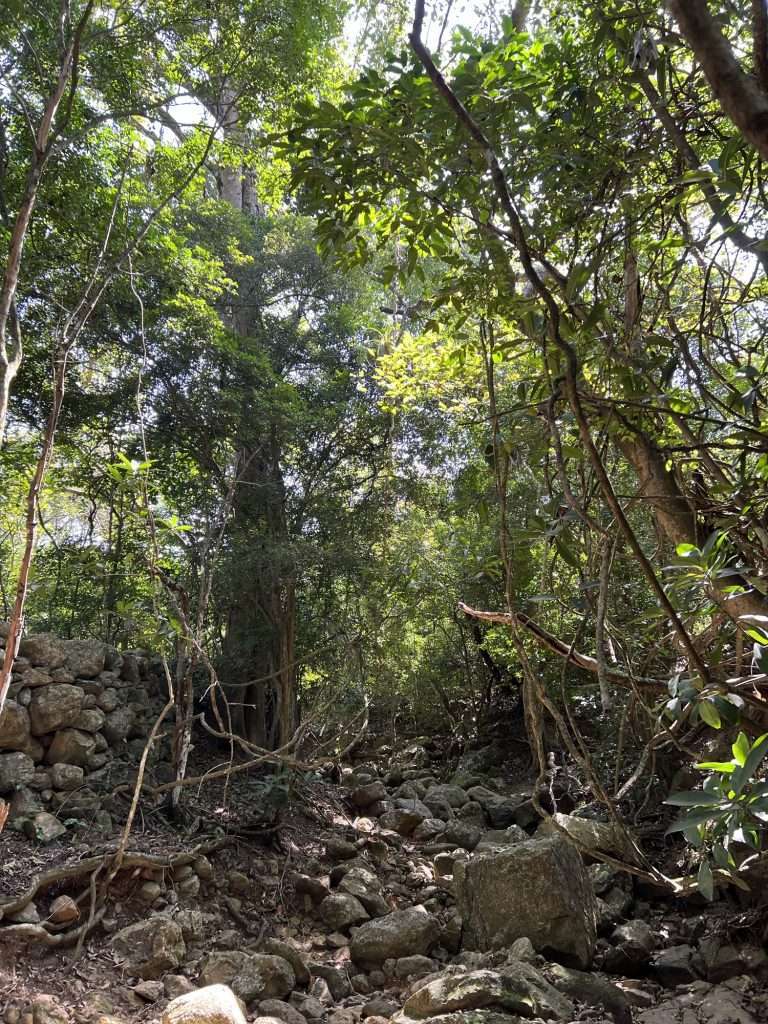
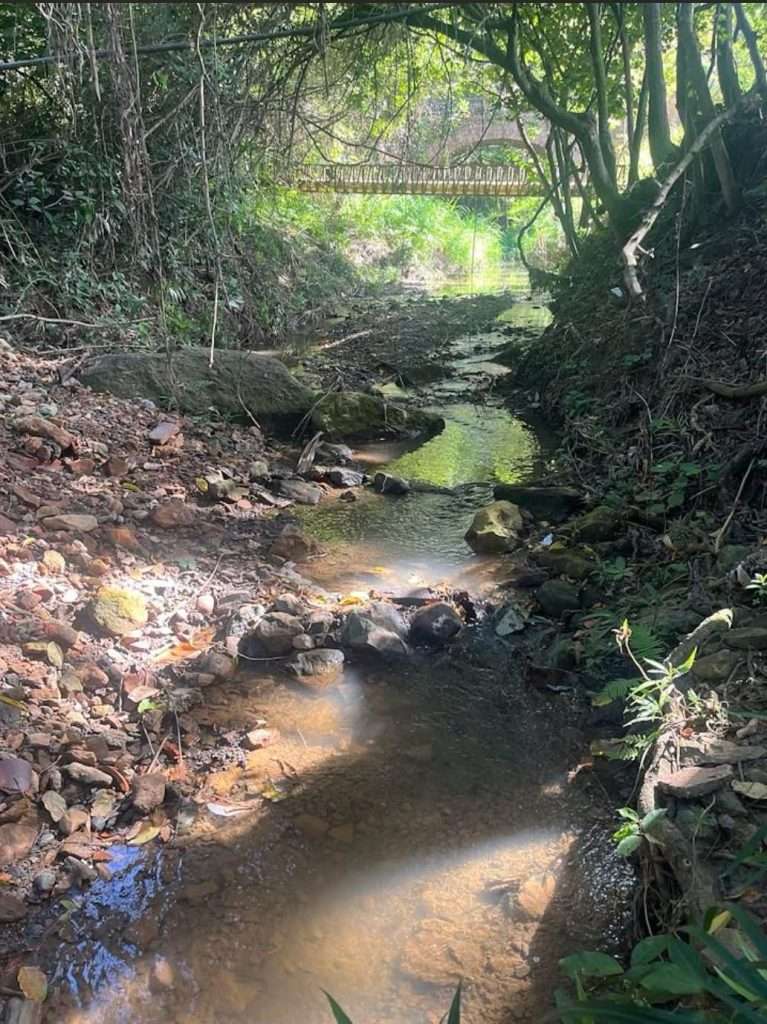
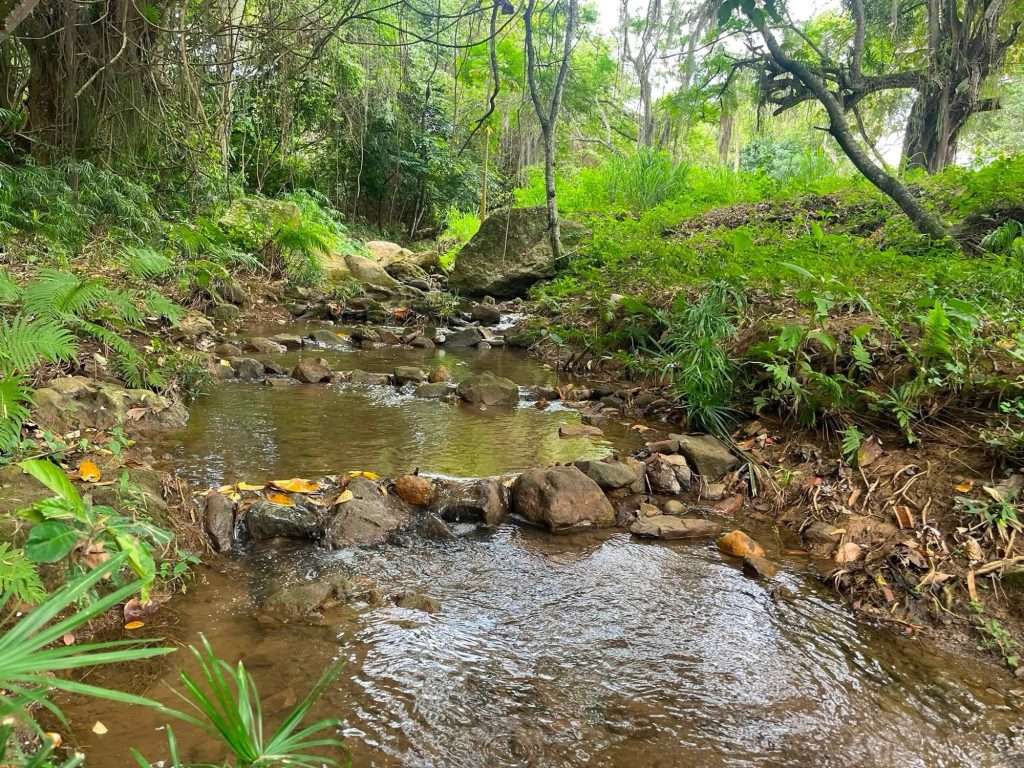
The top series of photos are from the river from a couple of years ago and I assume it looks similar now. The two photos below show dams from a similar project in the area (not my photos).

Dam construction and spacing

We have two small rivers meeting on our land. I checked the distances and elevation differences on Google Earth. The longer section is about 280 meters with 25 meter elevation difference. The shorter is about 70 meters with 8 meter elevation difference. That’s a slope of 5-7 degrees. This is straight line, and the river meanders a bit, so the actual slope will be a little less.

I suspect low dams about 5 meters apart may be ideal. Maybe 3-4 meters where it’s steeper, and 5-6 meters apart where it’s less steep. The distances are just a very rough guidelines, and it’s important to follow the terrain and make use of what’s already there. For instance, there may be large boulders we can use as part of the dams.

The dams should be low so they are less likely to be damaged from strong flows during heavy rain. We will use larger stones as anchors and smaller stones to fill in between the larger ones. The dams should be slightly lower in the middle to center the water flow in the channel.

There is no need to make the dams perfect. They can be rustic as long as they are stable. The purpose is just to slow the flow of the water.

It’s best to start at the downhill side of the river since the water flow is stronger there.

The dams should be inspected after the first heavy rains to see how they hold up.

Reservoirs?

In time, we can also create one or more natural reservoirs next the river, and channel some of the river water into these. We would use simple natural filtration, and a small channel or pipe to bring the water into the reservoirs. It’s also important to channel any overflow back into the river (or into a second reservoir).

This water can be used for watering plants, for the houses, as a swimming pool, and so on. They will also allow more water to infiltrate into the ground and recharge the groundwater.

If several are located uphill from and in the vicinity of the now-dry natural spring, they may also, in the best case, help bring the spring back. I will ask the previous owners to show us where the spring used to be. It will help us plan where to focus the regeneration work and where to locate the reservoirs.
How a food forest manages water as it matures: less need for watering, improved drought tolerance, making good use of heavy rainfall

As our food forest matures, it will become increasingly resilient and self-reliant.

A food forest tends to need more inputs and management at first and then becomes more self-reliant as it matures.

A MATURE FOOD FOREST NEEDS LESS WATER

The need for water is no exception.

We have needed to water our plants quite a bit, especially during the dry season at the beginning of this year. They are young. Many are still seeds and seedlings. We are still working on the mulch cover. We are still creating swales and terraces to retain the rainwater. Many areas are still quite open so there is more wind, sun, and faster evaporation. Also, we are young in this project, just likely the food forest is young, so we may have watered more than we needed.

What are some reasons why the food forest will need less water as matures?

A thicker layer of mulch retains moisture better. It also helps slow down and absorb rainwater.

More vegetation in more layers creates more shade which reduces evaporation.

As trees and plants grow, their root system is more developed, goes deeper, and can better access water and moisture in the soil.

Healthier soil can absorb and retain more rainwater. It has a better structure and more organic matter.

More swales and terraces help retain and slow down the rainwater, allowing more of it to be absorbed into the ground.

For many reasons, including all of the above, a food forest creates a microclimate that’s cooler and more humid.

In general, we are focusing on natives since they are adapted to this climate, and also drought-tolerant species from similar climate zones that do well here. We have some that require more water close to the houses, although these also will need less watering as they mature.

In our case, we are also developing our rainwater catchment systems so we’ll be less dependent on the water from the municipality.

A MATURE FOOD FOREST DEALS BETTER WITH HEAVY RAIN

A more mature food forest not only deals better with heavy rain but also makes use of it for many of the reasons mentioned above.

Several layers of leaves and branches help slow down the drops as they fall, reducing the impact on the ground.

Swales, terraces, and thick mulch slow down the water, reducing or eliminating erosion.

Healthier soil absorbs the rainwater more effectively. It’s more porous and has more organic matter.

The roots hold the soil in place. In a food forest, there is a high density and diversity of plants with different root structures. Combined, they stabilize the soil to a remarkable degree.

We are developing a system of channels to channel rainwater into the terraces. This catches the rainwater, slows it down, and allows it to be absorbed instead of running down the hill.

THE DROUGHT TOLERANCE OF A MATURE FOOD FOREST

A more mature food forest is more drought-tolerant for the same reasons as mentioned above.

Rainwater is better absorbed into the ground, which even recharges the groundwater and benefits the larger trees.

The soil and ecosystem are better able to retain moisture.

The roots go deeper allowing them to access deeper layers of water and moisture.

More mature plants are better able to deal with droughts in general.

In our case, we are working on our rainwater catchment systems – in tanks and ponds – and this will help us during the dry seasons and drought.

THE RESILIENCY & WATER MANAGEMENT OF A MATURE FOOD FOREST

A mature food forest is amazing at regulating water, whether it’s rain or drought. After all, it mimics a natural forest ecosystem, and these evolved to do just that, among many other things.

In general, mature food forests are resilient when faced with extremes of weather and changing climate, at least more than mainstream systems of growing food and up to a point. They deal better with water and drought. They create their own microclimate. They are diverse so a higher number of plants are likely to do well as the climate changes.

PHOTOS

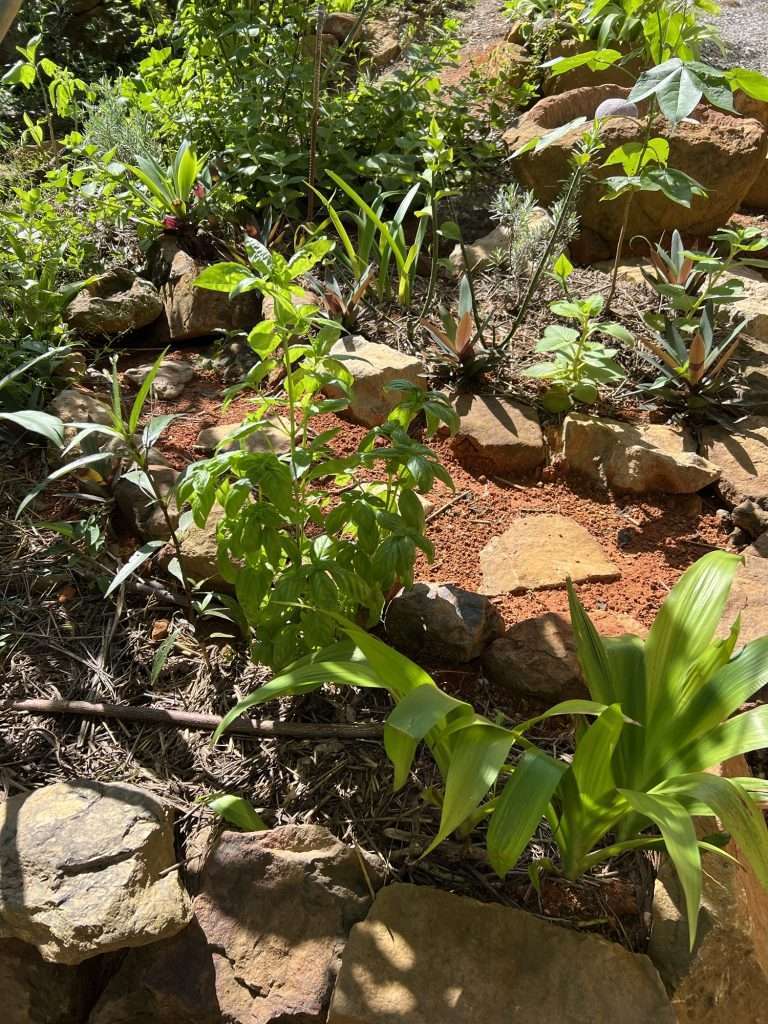
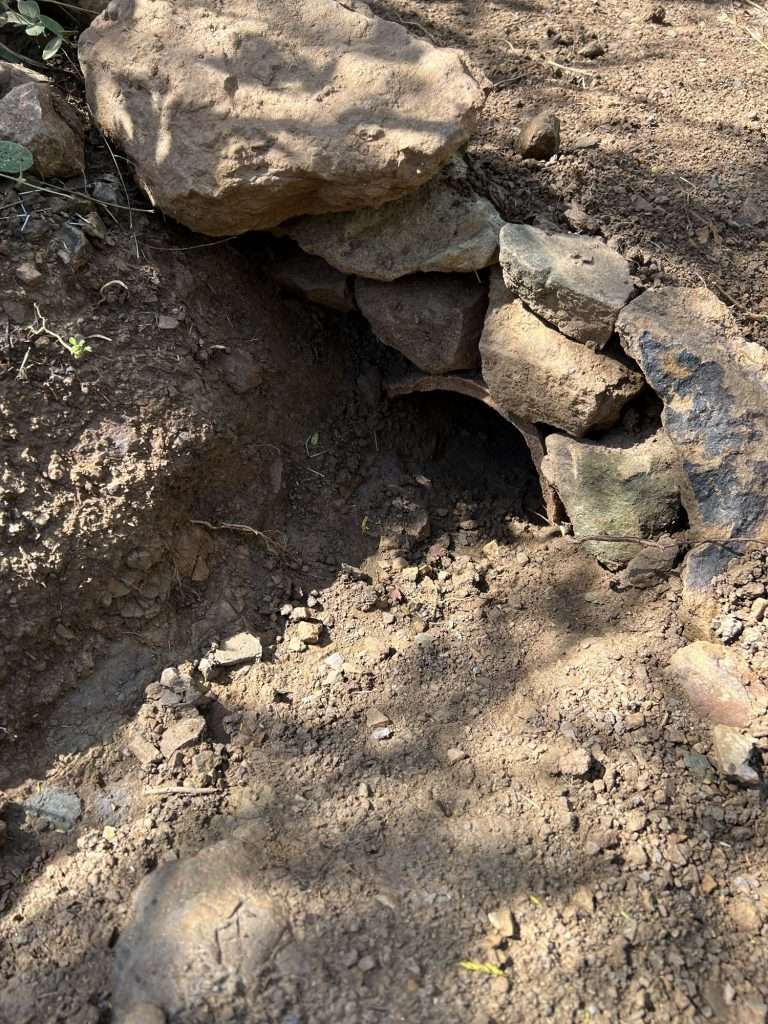
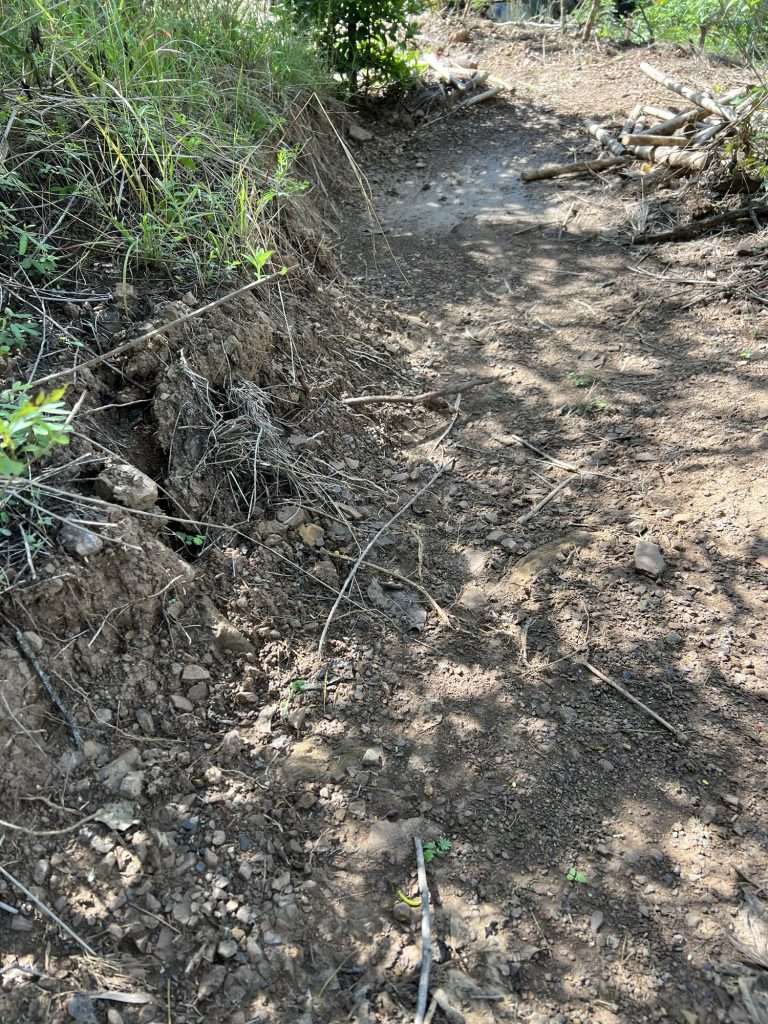
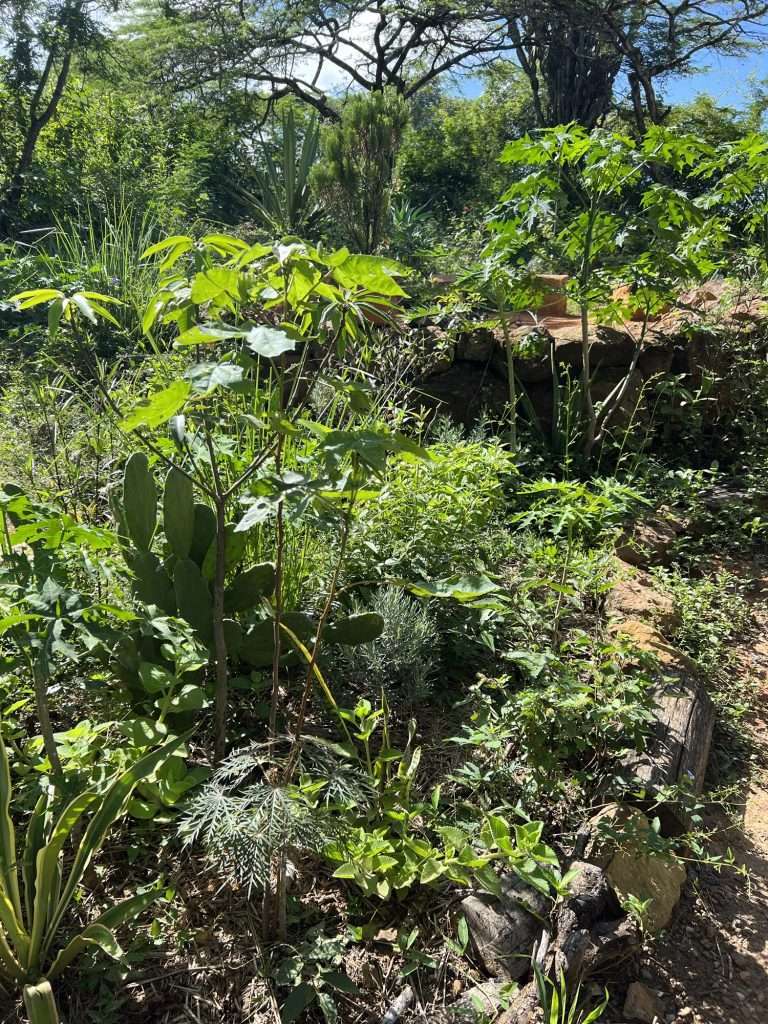
These photos are from our very young food forest. They show… A pond near the house. A carved stone that receives rainwater from the roof and channels it underground to storage tanks. A series of small terraces that receive the overflow from the stone. A rainwater channel that goes along and under a path and leads the water into a terrace. (It was just created so nothing grows there yet.) Terraces and swales. Rocks and wood used to create edges to retain the soil and rainwater. A retaining wall made of naturally rot-resistant branches used to retain soil and rainwater along the road.

We are just getting started so this will all continue to be developed as the food forest changes and we learn more.

Read More

Can we bring the river back on Milagros?

There is a dry river going through Milagros, within an area that’s not easily accessible. This morning, on a walk after a night of rain, I heard water in the river in the distance.

We have been told it used to have water year-round until about twenty years ago, and also that there was a spring in the same area used by the neighborhood (on the border of Milagros and Francisco’s land).

Why did the water go away? Likely because of deforestation. A healthy ecosystem – with trees, mulch, humus, and so on – slows down the rainwater and allows it to be absorbed into the ground to give water to rivers and springs and recharge the groundwater. In a degraded ecosystem – with fewer plants, more shallow root systems, and poorer soil –  the rainwater typically runs off and is not so easily absorbed into the ground.

How can we get it back? Through reforestation and by supporting the regeneration of the ecosystem. A healthier ecosystem will have more plants with deeper root systems, a thicker layer of natural mulch, more organic matter in the soil, and so on. We can support the process by making swales and creating ponds. This will help slow down the rainwater and absorb it into the ground.

We will do what we can here, and we will likely need to talk with the upstream neighbors to see if they want to join this project.

We are reforesting Milagros with the help of a regional organization. They planted close to 2000 native trees on Milagros a few months ago, as the first phase in a process that will hopefully continue for years. They have not planted in the river area yet, but it’s part of the plan. Right now, our priority is the food forest around the houses and basics like housing, solar, rainwater collection, wastewater use, and so on. If we are to put more effort into bringing the river back, it will have to be after we have the basics in place.

The photos are from a walk in January this year. The river is ready to receive water although it’s beginning to grow over with vines and more.

Read on for more info.

Read More

The timing of drinking and eating

For me, the timing of drinking and eating seems to make a big difference.

I drink a lot of water – usually in the form of herbal and spice infusions – in the morning and early afternoon, and then taper off. I usually don’t drink much in the evening. This helps me avoid waking up to have to go to the bathroom. My general aim is to have pale to clear urine, which is an indication that I have been drinking enough. (I notice I feel and function much better when I have enough to drink.)

Similarly, I mostly eat during the third of the day between morning and mid to late afternoon. When I wake up, I usually have herbal infusion first and maybe some fruit, followed by breakfast one or two hours later. The main meal is around mid-day or early afternoon. I may have something light later in the afternoon. And that’s about it. That feels natural and in rhythm with my body. It means that I don’t eat, or occasionally eat something small like a fruit, around two-thirds of the time.

Of course, none of this is fixed. It depends on what my body seems to need and the situation, but this is how it generally looks.

I know a lot of people and traditions have ideas about this. For me, it’s more important to explore, see how my system responds, go with what seems to work the best and keep exploring since that may and will change with situations and over time.

I can add a few things: If I don’t drink enough water, my system feels contracted and can get grumpy. I usually eat low on the food chain since that feels better in my body. (Even as a child, I generally didn’t like meat very much.) I mix up and vary the herbal teas I drink so it’s not the same all the time. When it comes to food, I don’t eat more than I need and try to leave 1/4 to 1/3 space in my stomach. Although all of this is how it generally looks, I also don’t follow any fixed rules. I follow what my body seems to need in the moment and what makes sense in the situation. Sometimes, it’s also good to go against the common pattern.

Image by me and Midjourney. I like those teacups even if they are not the types I usually use!

Read More

Water in Barichara

Barichara has wet and dry seasons. The dry season is usually December-April, with two or three good rains within that period. Some years, it rains a lot through the year. In other years, the dry seasons last longer.

We are in the dry season and just had a very welcome early morning rain here. I measured it, and it was around 5cm. I imagine many beings are very happy for it – people, animals, birds, insects, and plants.

The roof of our small house is about 100m2. 1mm of rain on one square meter gives 1 liter of water. 1mm of rain on this roof is 100 liters. This rain gave 5,000 liters of water from the roof. That’s quite a lot.

There is no lack of water here, and it is important to manage it well.

FINCA MILAGROS

We collect water from town in one large and one smaller tank. That means we have water for a while even if the water from town doesn’t flow.

We will install a several-step water filtration system (from sand filter through eventually UV light) for clean drinking water. The alternative is water from large plastic bottles, which is terrible due to all the microplastic particles in the water (200,000 in small plastic water bottles from a recent study).

We will soon start collecting rainwater from the roofs here. I am not sure how big the tanks will be, and we may expand. For now, we are thinking of 2×15,000 liters for the larger house that’s being built (220m2 roof surface) and one 15,000-liter tank for our small house. These tanks will be filled up quickly with some good rains, and we will use the water to water plants. (Perhaps also for showering etc., not sure yet.)

Finca Milagros has one large pond and 3-4 smaller ones. We want to channel rainwater better into these ponds, and make them deeper, so they can hold more water. This is important for the birds, animals, and insects relying on that water, it helps the vegetation and life in the areas around the ponds, and it also helps to replenish the groundwater.

The land here has been grazed so only the area around the big pond has a more mature forest. The rest is various degrees of young forest and arid land. Vegetation helps slow down the flow of water and helps the water absorb into the ground, so that’s one of many reasons we are planning to reforest the area with native trees and bushes.

Bare soil is eroded when it rains. That’s why we are planting cactus and succulents there, mostly native. We are also planting hardy native trees there, mostly boca ratón right now. And we are doing some simple landscaping, mostly with rocks, to reduce erosion.

There is a dry river going through Milagros. It’s dry because of deforestation. Forests bring water into the ground (slows the water flow and makes the ground more porous) and reduce evaporation, both of which give water to the river. With reforestation, there is a chance we can bring the water back into the river, especially if we are also able to help reforest the land higher up.

BARICHARA

As far as I know, there are no groundwater regulations here. That’s enormously important. We need to prevent too much use and contamination of groundwater. (Many houses here use septic fields that leach blackwater into the groundwater.) Depleting the groundwater reserves has a huge impact on the ecosystem. Both depleting and contaminating it has serious and devastating consequences for the very long term. Protecting the groundwater is hugely important.

The water that comes from the municipality (aqueduct) is contaminated. That’s another important thing to work on since not everyone can afford good purification systems or to buy drinking water separately. It’s a vital public health issue.

Reforestation is also hugely important. Forests hold humidity and create rain. The other side of Cañon del Chicamocha has more forests and there are always clouds there. I assume they also receive more rain. They (partially) create rain for themselves.

The photo is of the other side of Cañon del Chicamocha at sunset

agua, barichara, santander, agua subterránea, protección del agua