






I thought I would give a brief overview and update on our food forest and reforestation project near Barichara, with a few dates so we can more easily keep track of the progress. Hopefully, this will be the first of many updates.
FINCA MILAGROS 2022
We bought the land in early 2022, started building the first small house, and moved in on Winter Solstice 2022. During this time, we didn’t do anything with the land apart from letting it start to recover after decades and maybe centuries of grazing.
FINCA MILAGROS 2023
We didn’t do very much with the garden or food forest the first year were here. There were too many other things to do: repair 1,500 meters of stone fence, get basic water and electricity, clean up barbed wire fence throughout the finca, set up a good fence towards a neighbor with cows, get familiar with the land and climate, and so on. Since we came here, we have been away for long periods as well.
We also had challenges finding someone to advise us on the regeneration and food forest and also help us with the work. (Most of the local workers only know grazing farming, see pioneers as “bad plants” to be removed, don’t know much if anything about mulch and building soil, and so on.)
We did connect with Fundación Guayacanal in the second half of 2023 and had conversations, a survey of the finca, and made a plan for reforesting Milagros. They use a mix of native trees, including food-producing trees, and seem to have a generally good understanding and approach. They sell the carbon credits and make money that way.
FINCA MILAGROS 2024
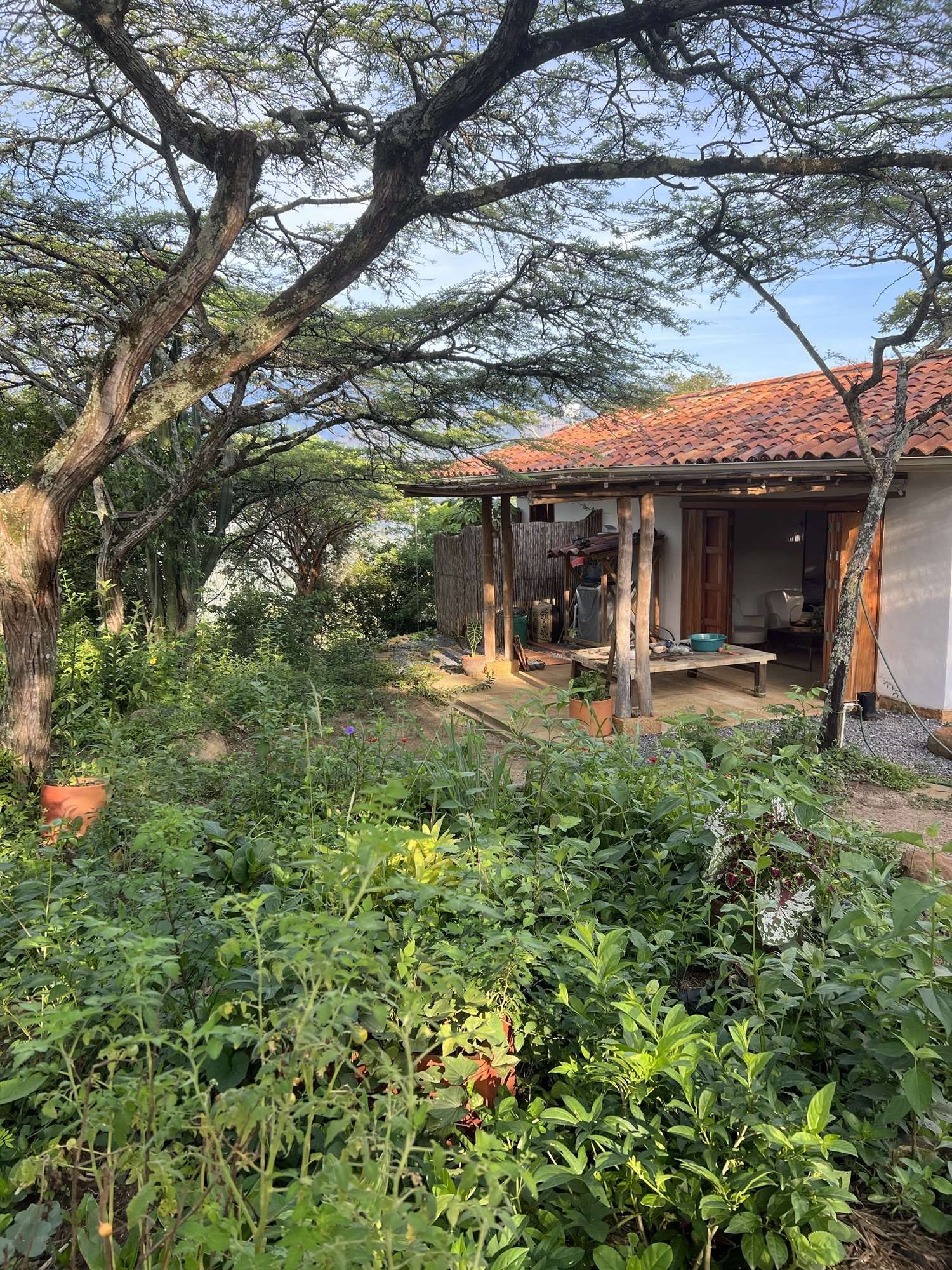
In May this year, Daniel started coming every week to advise and help us with the work. He is very knowledgeable and completely aligned with what we wish to do here, so it’s been a blessing. That’s really when the garden and food forest started, so it’s only been about five months of focused work.
In April, Fundación Guayacanal came and planted close to 2000 native trees of twenty different varieties in the more arid and degraded areas of the land. This is also a blessing and the first part of hopefully several more phases of plantings.
More recently, we installed a rainwater catchment system for the small house, and the big house is almost ready and will have its own rainwater catchment system.
THE NEAR FUTURE
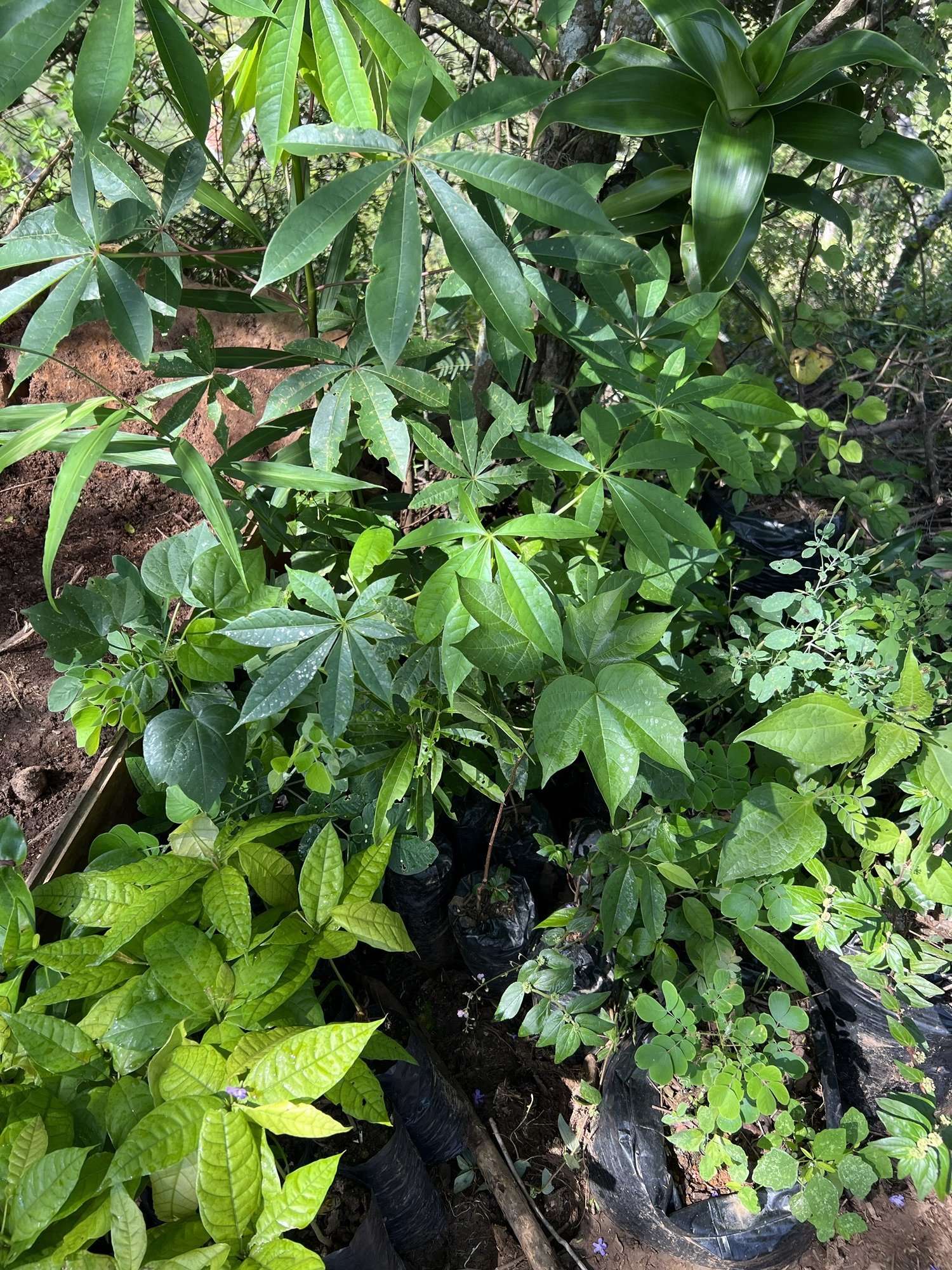
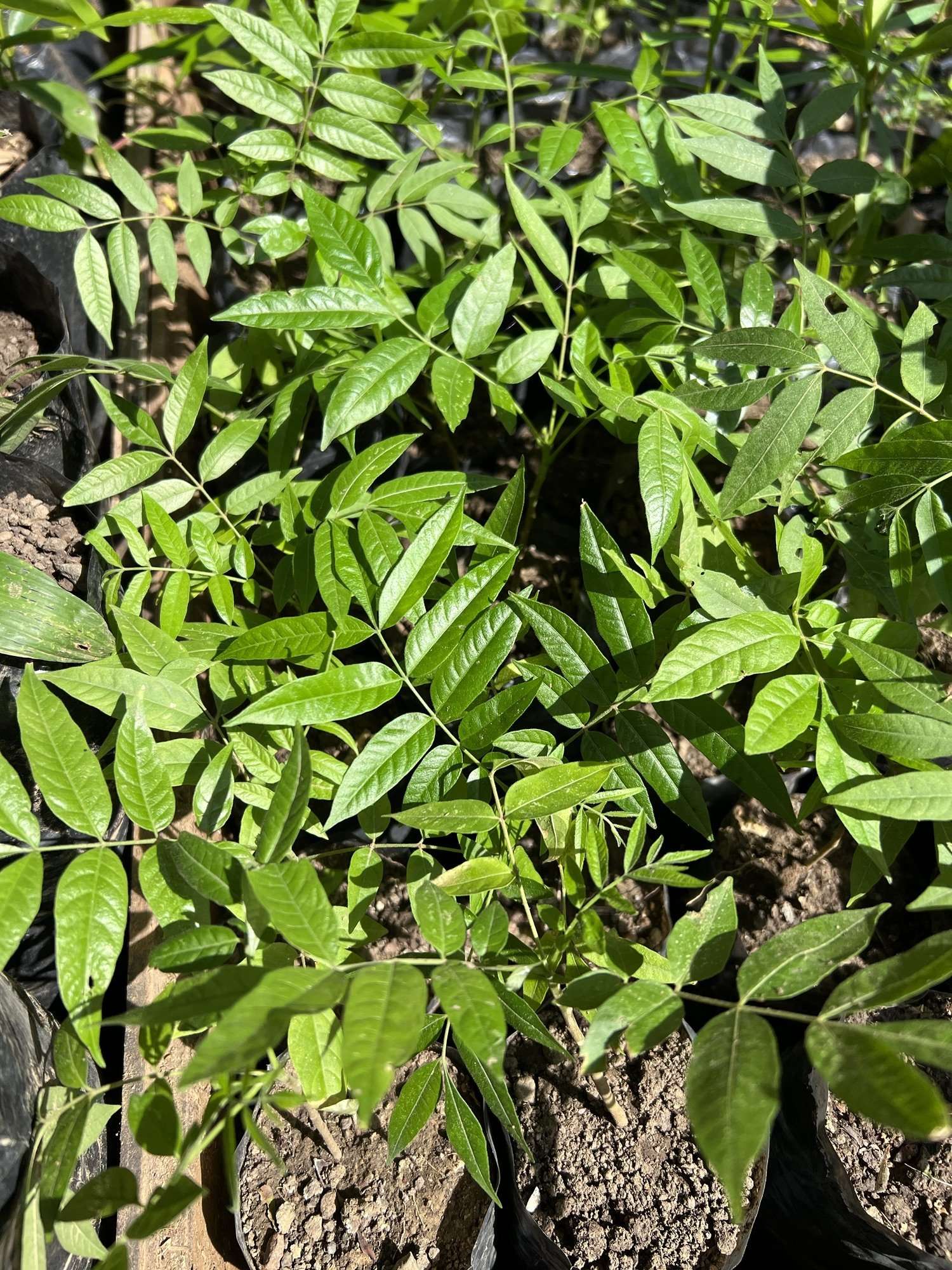
As for the rest of the year, we plan on continuing to develop the food forest around the houses. We have a nursery with maybe a few hundred saplings ready to go out.
I assume Fundación Guayacanal will continue planting when the rain returns in April or May next year, and we will hopefully also have a variety of native food-producing saplings ready to go out further away from the houses, close enough so it’s easy to harvest and far enough away so we won’t water them.
PERMACULTURE ZONES
Here is how it looks in terms of Permaculture zones:
Zone 0: House. We may move the toilet and shower away from the house and install a dry toilet.
Zone 1: Kitchen garden. We have herbs interplanted with other plants and may dedicate one area for herbs.
Zone 2: Larger plants and orchards. This is where the main focus has been so far in developing the food forest around and between the houses.
Zone 3: Main crops that require less attention. We are moving into this zone and I suspect this will be a focus for the rest of the year and next year.
Zone 4: Semi-wild areas. I want to plant more native food-producing trees in this area. That may happen to some extent next year, but I suspect the focus here will happen in a couple of years.
Zone 5: This is where Fundación Guayacanal is planting their mix of natives, including food-producing trees.
A FEW PHOTOS


This is the area around the house in December 2022, just after the house was finished. There are some native trees here (acacia) and a few other pioneers (uña de gato) but mostly bare and compacted soil with almost no organic content.
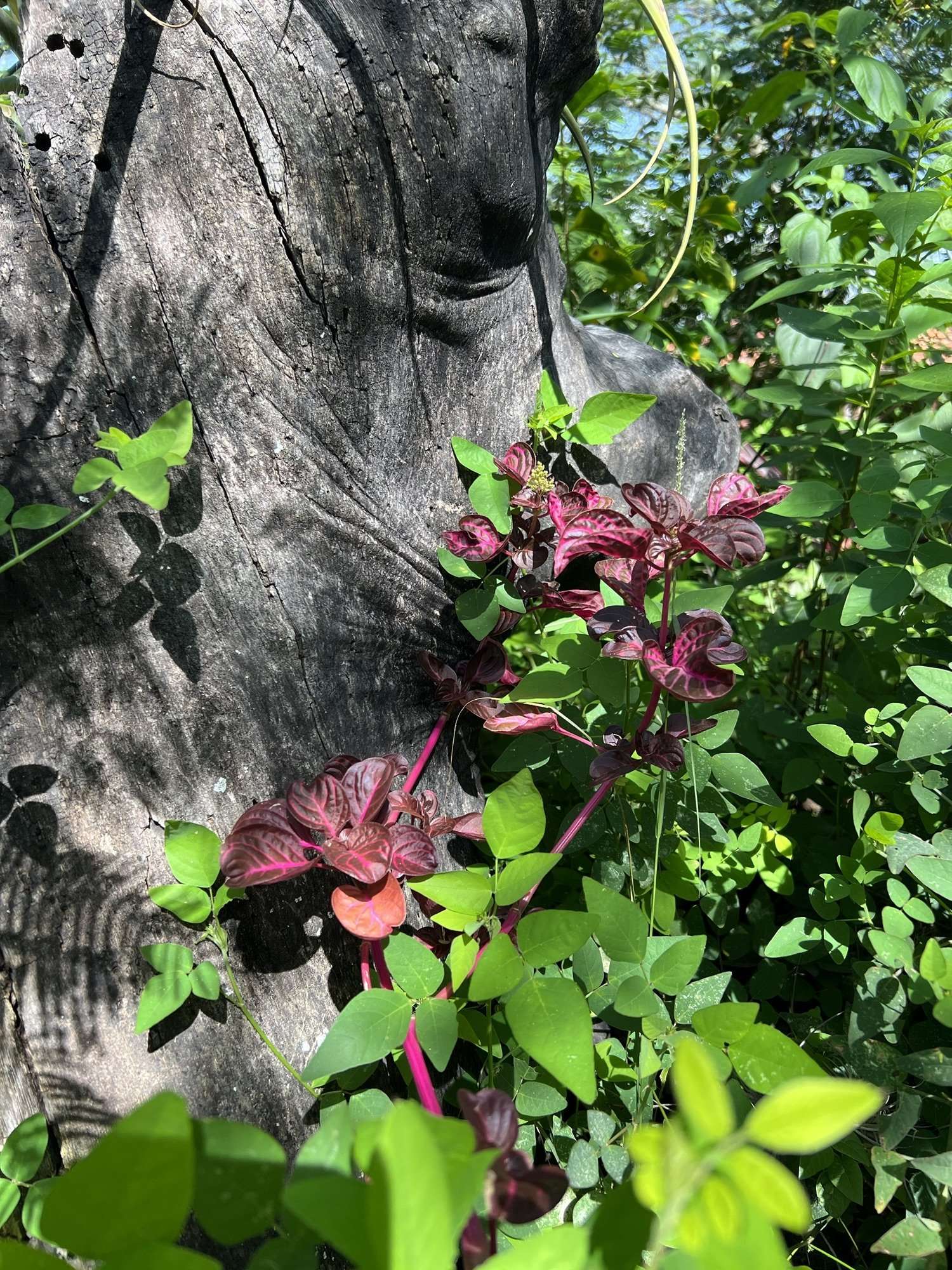
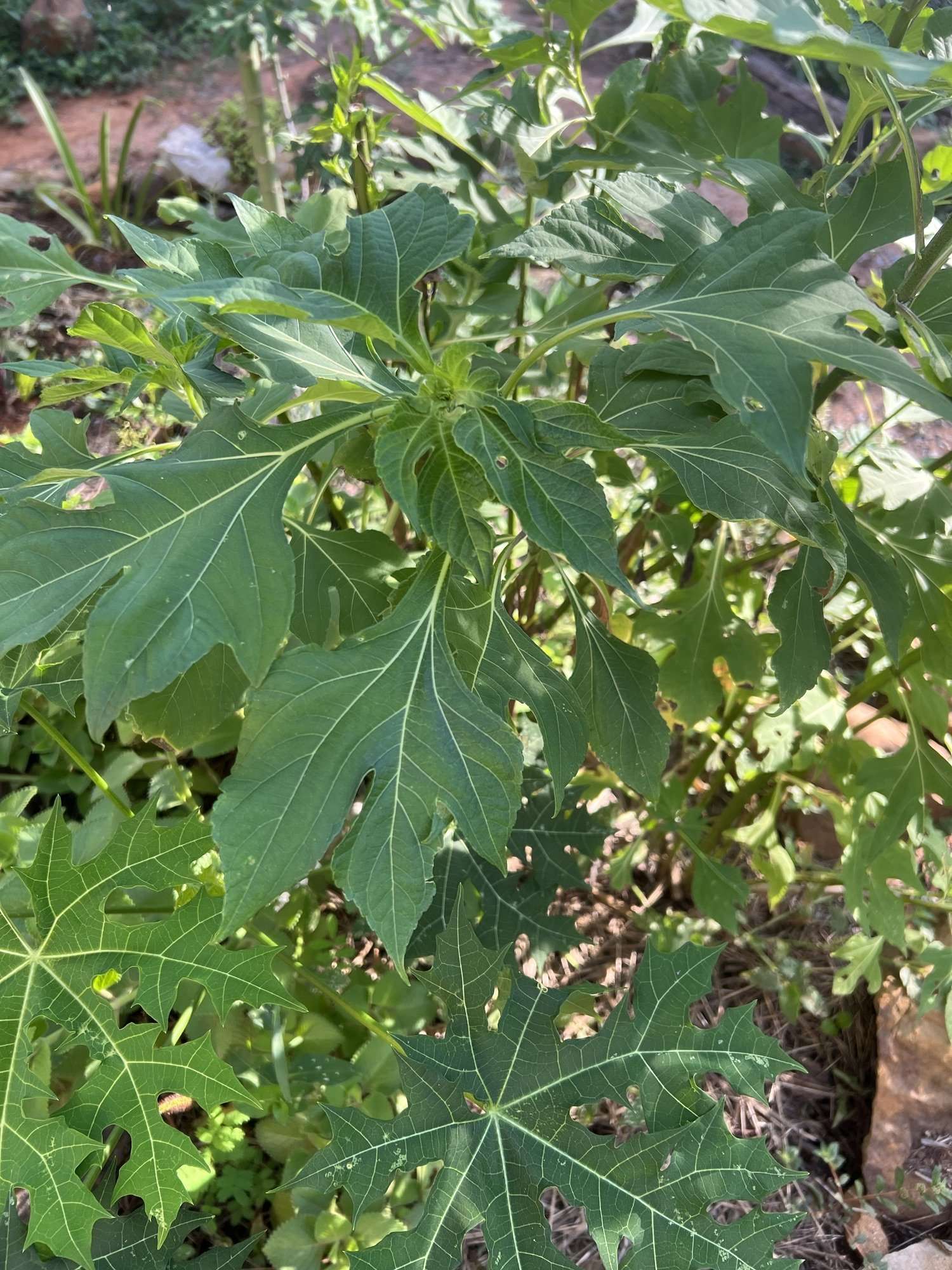
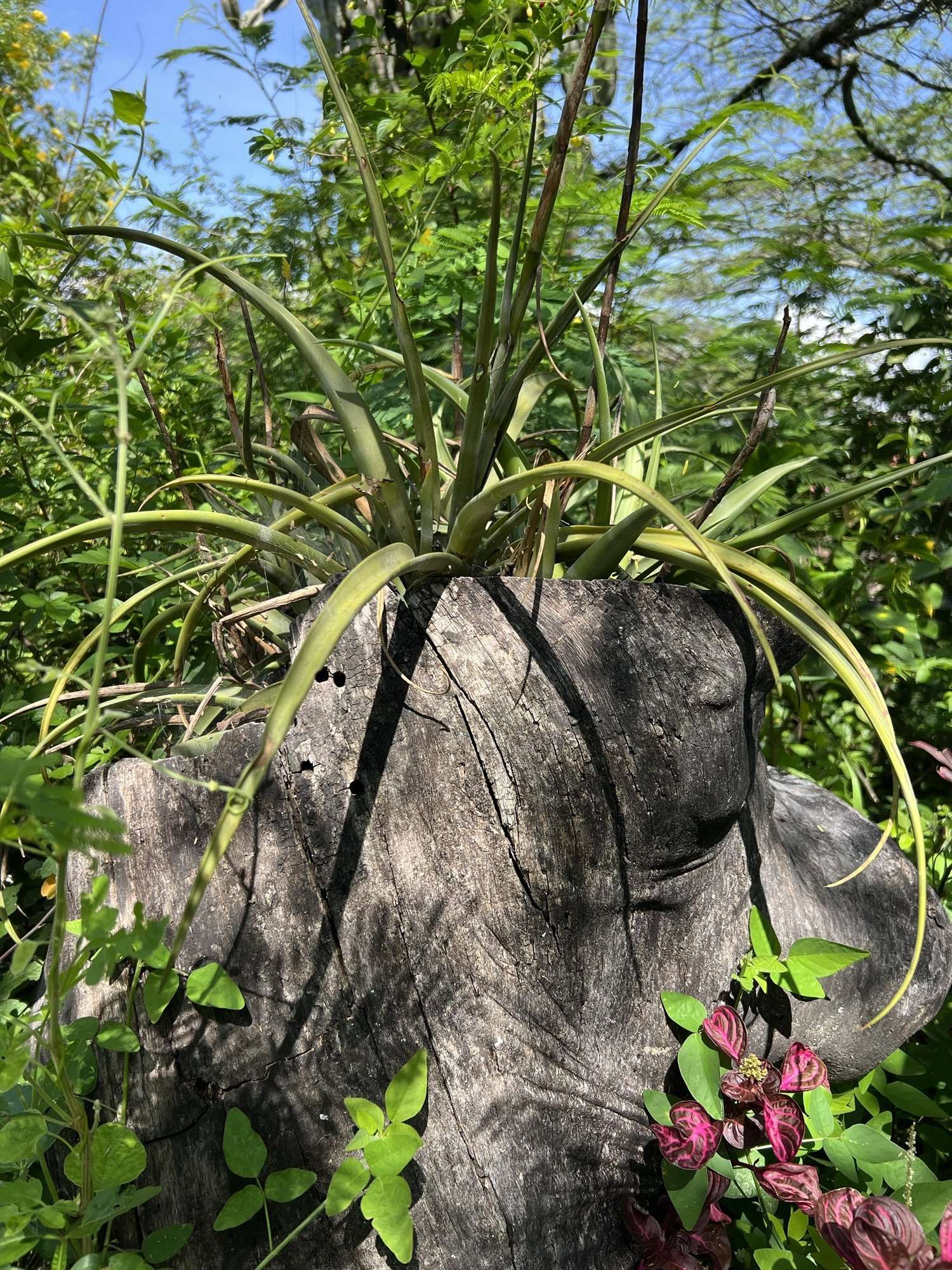
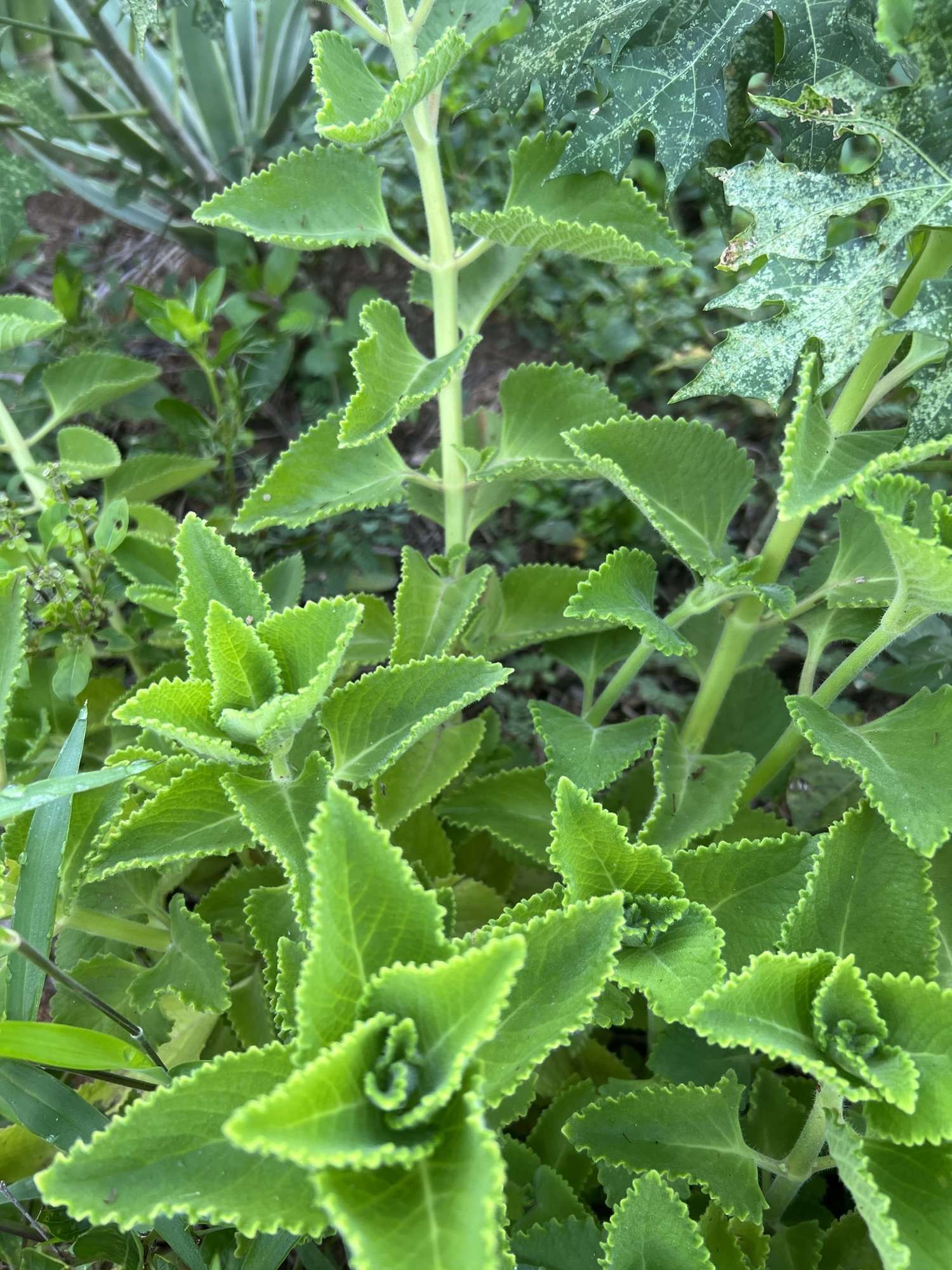
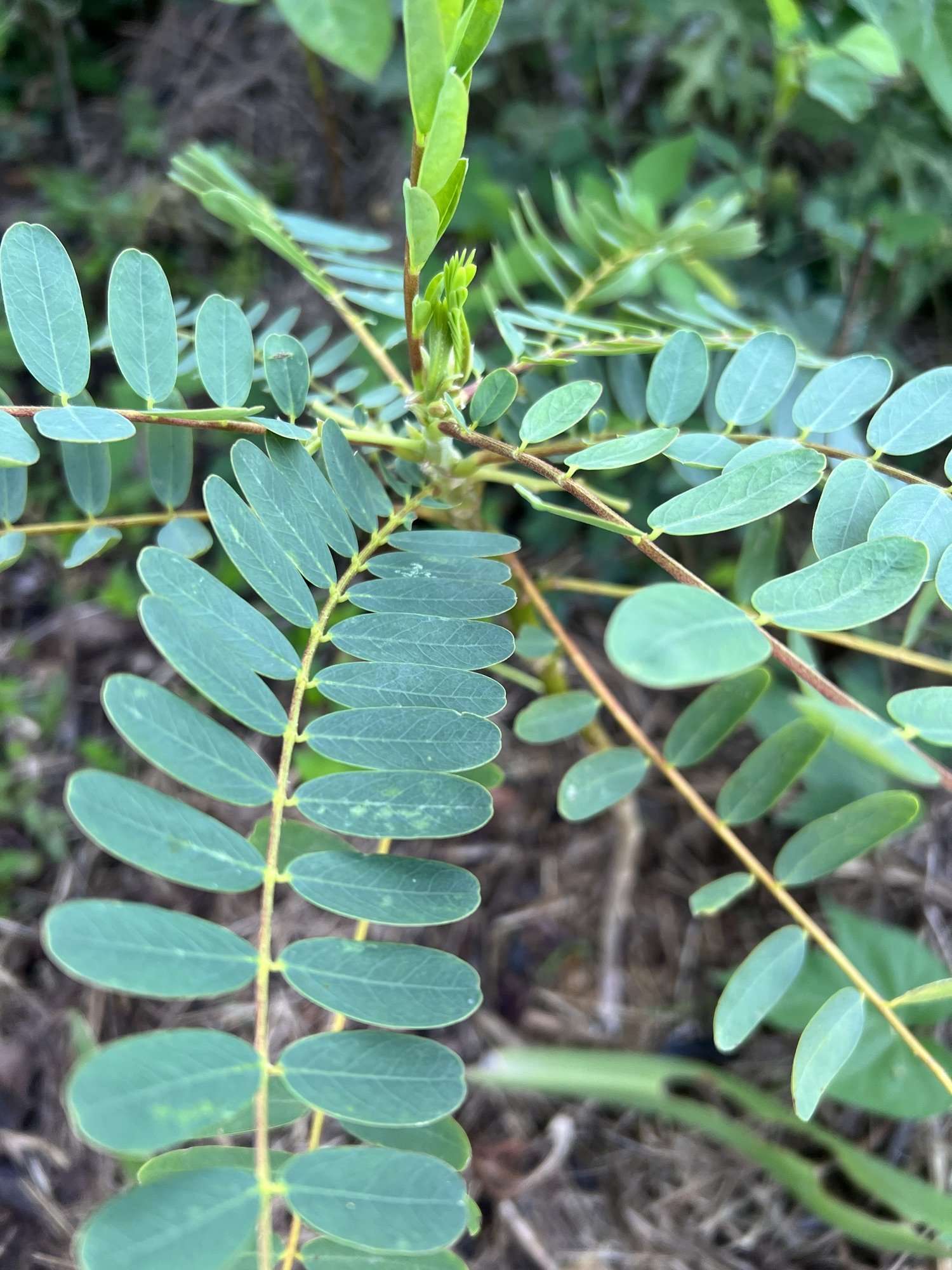
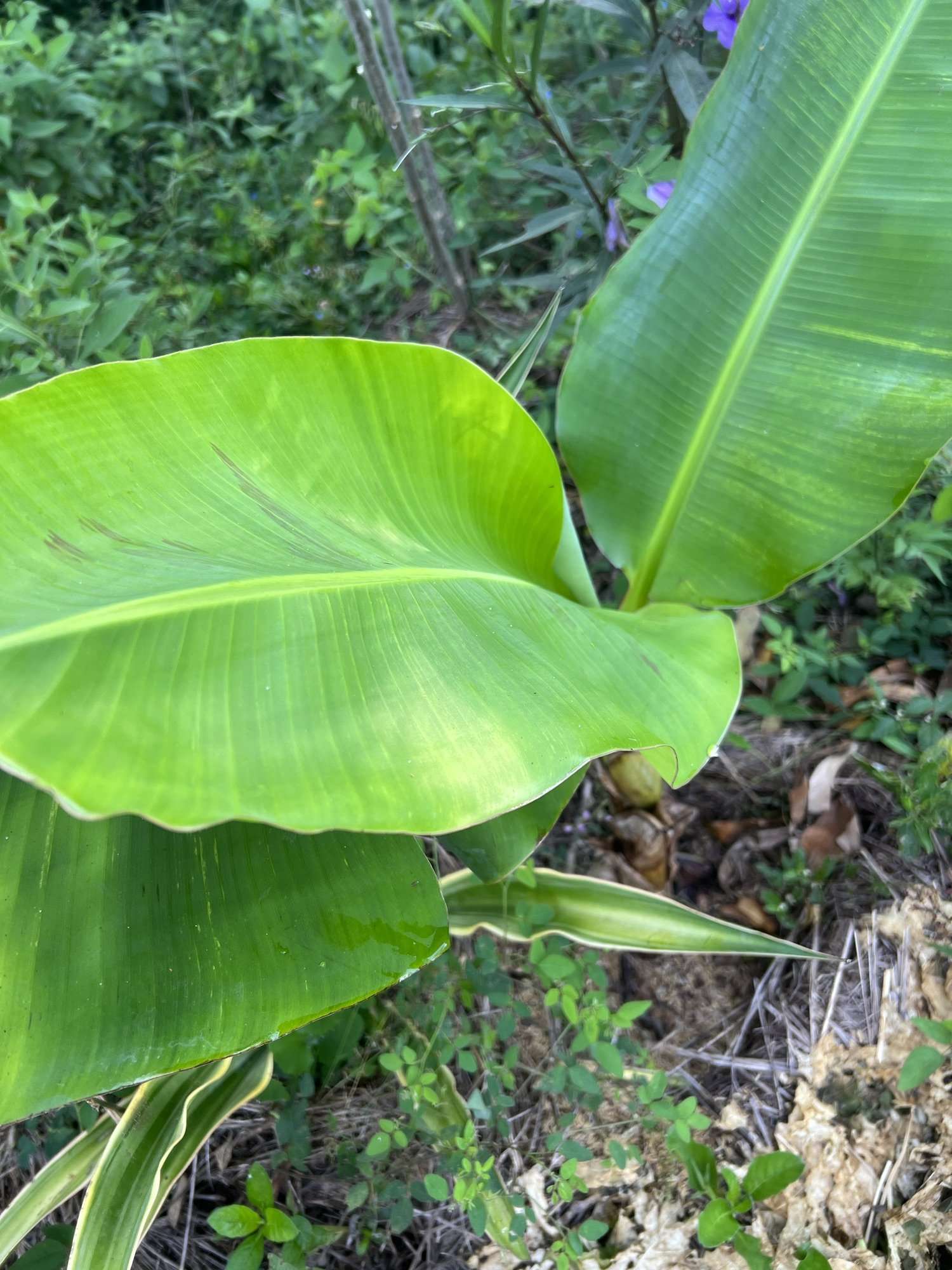
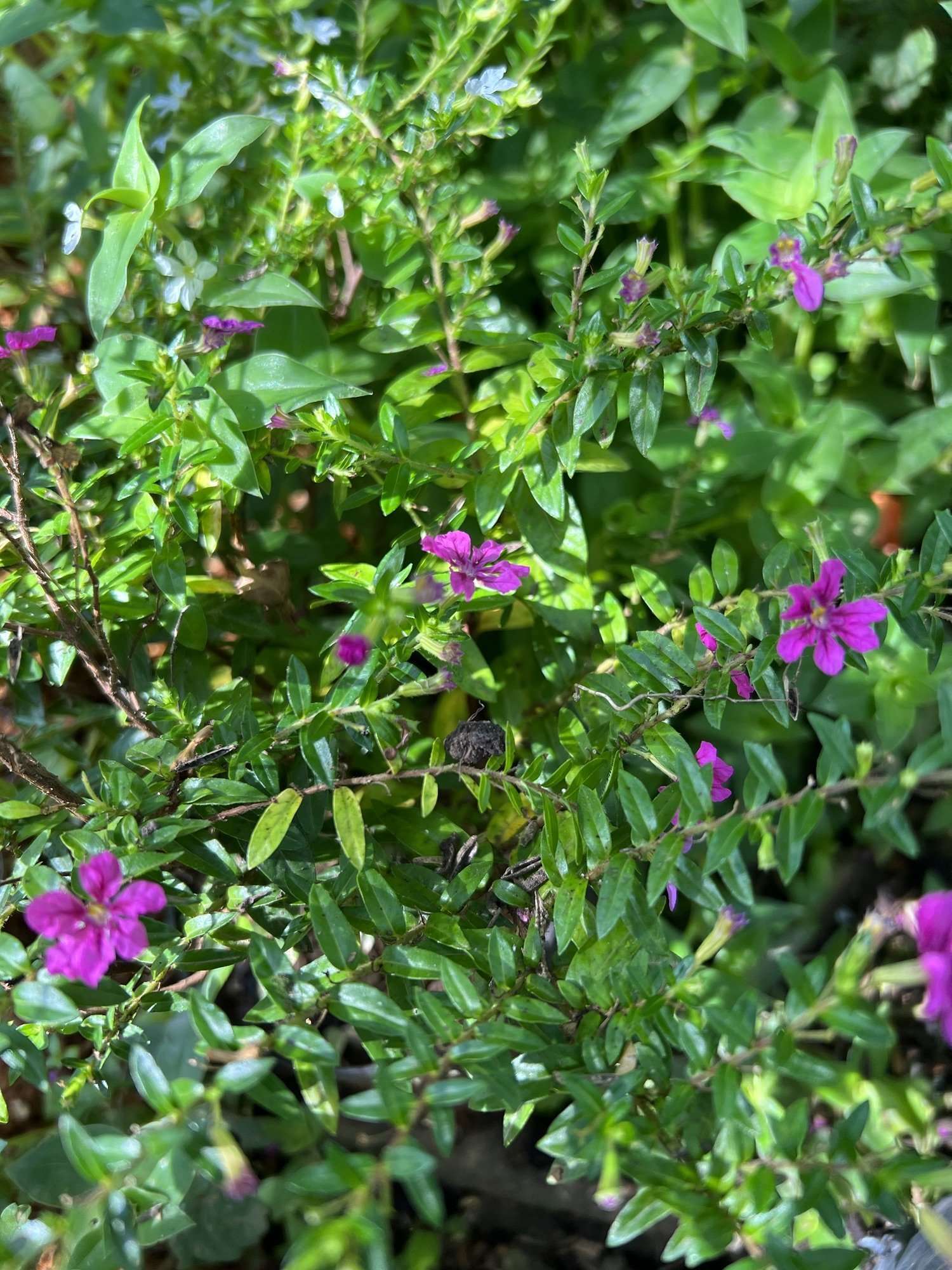
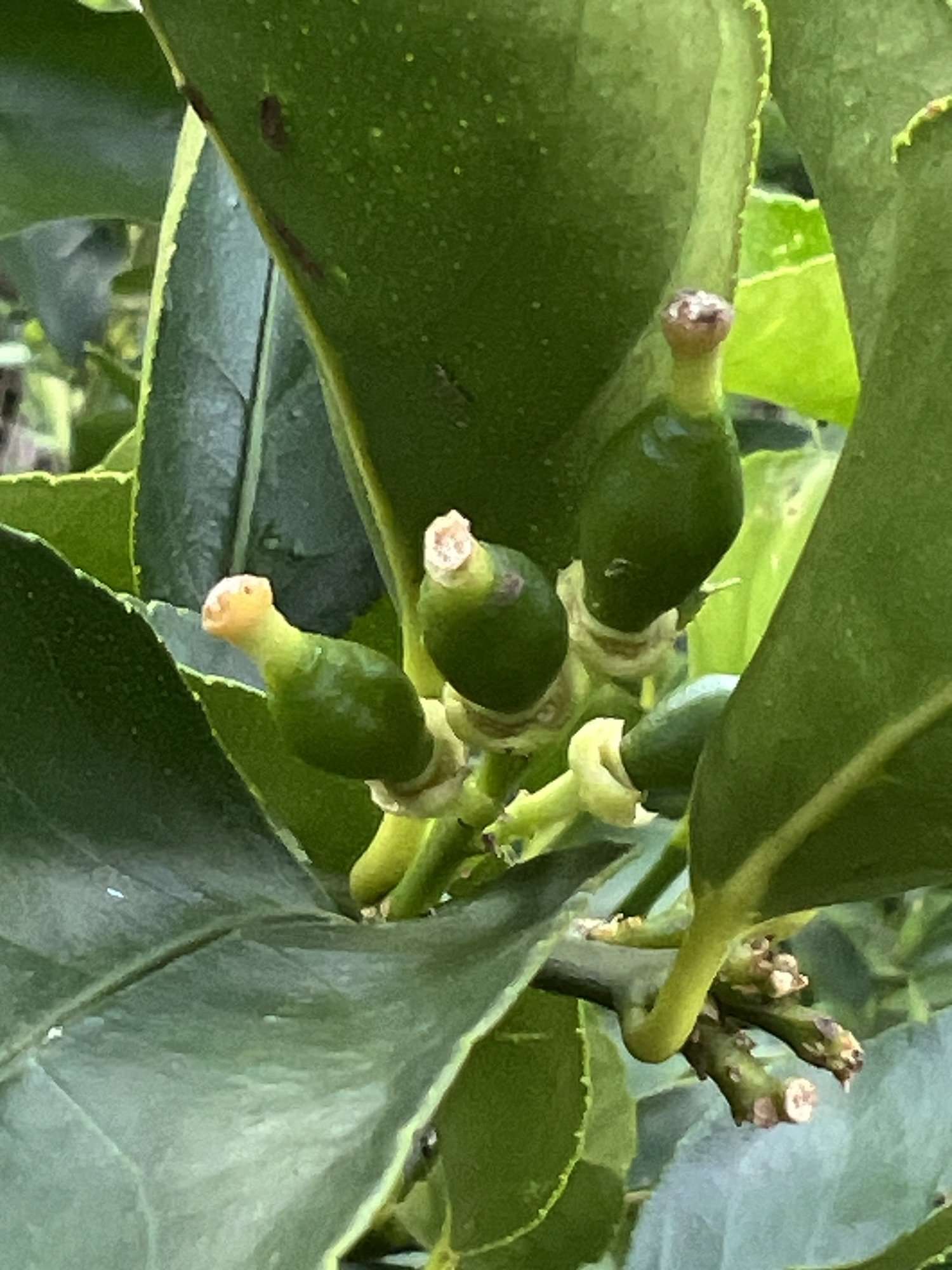
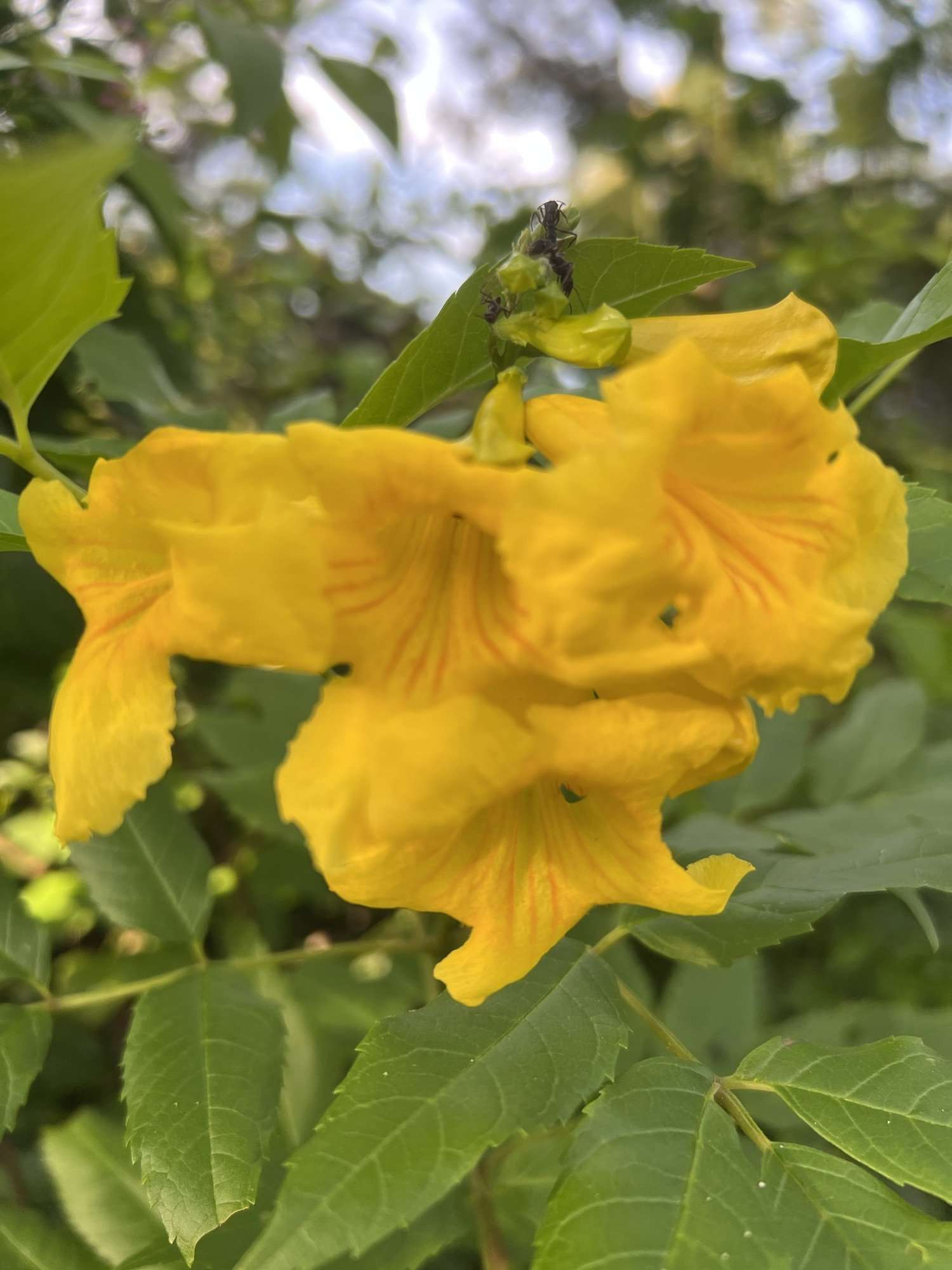
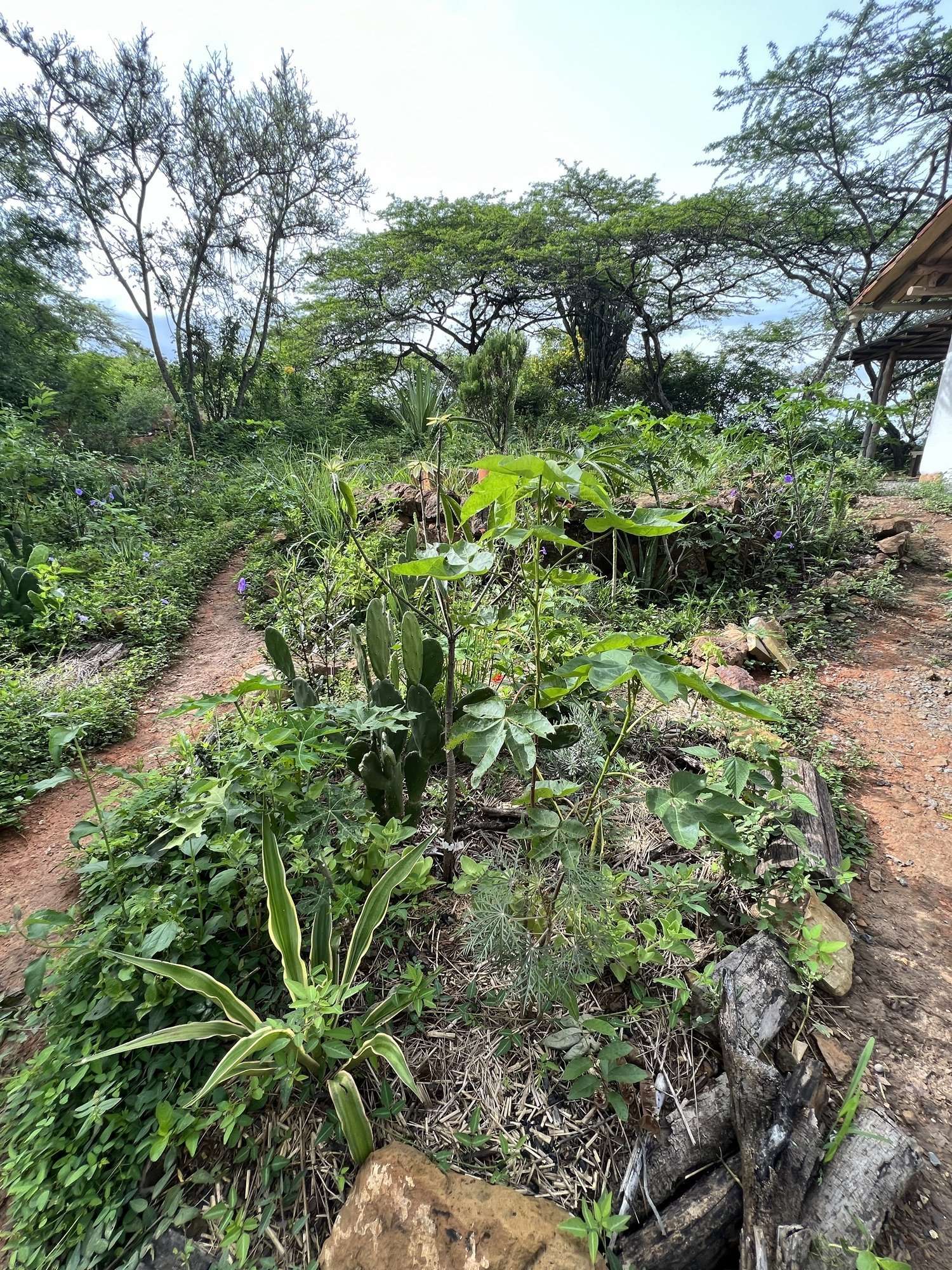
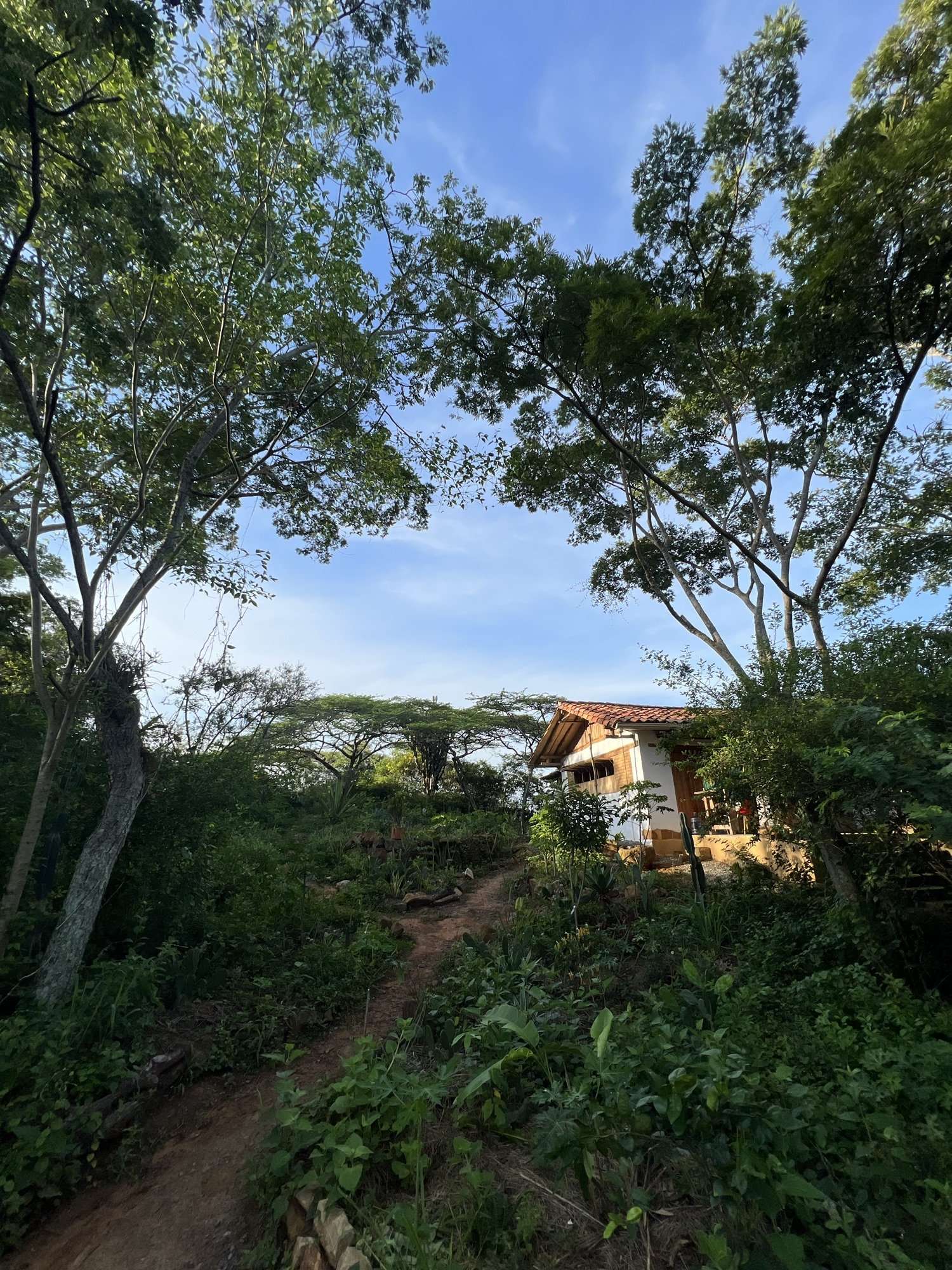
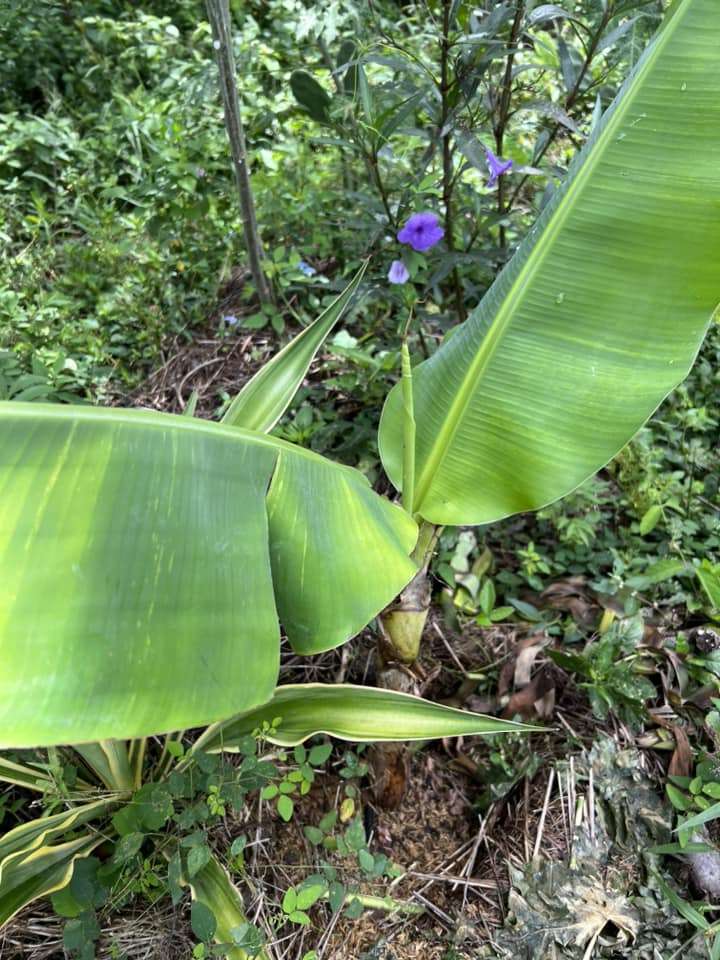
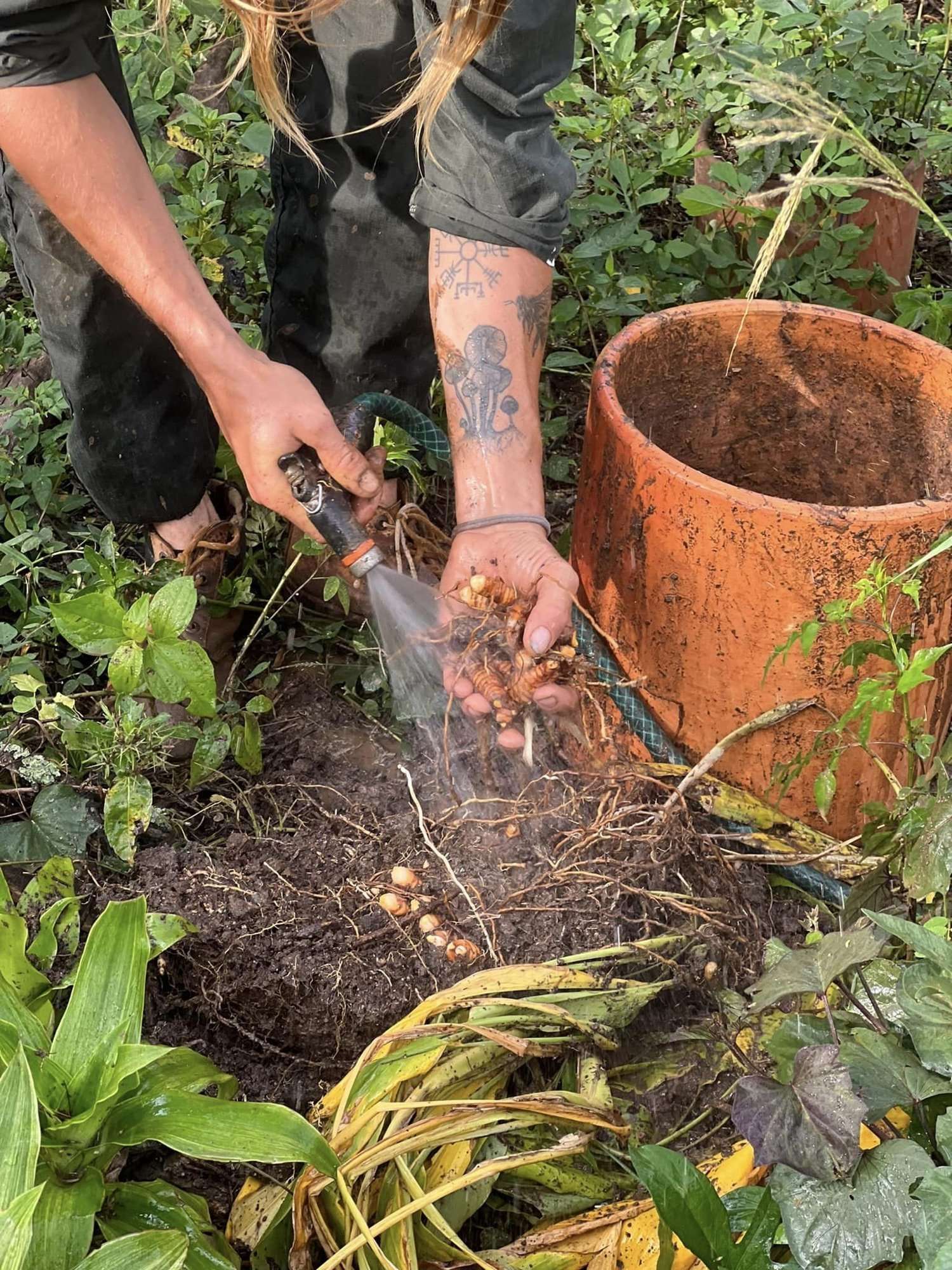
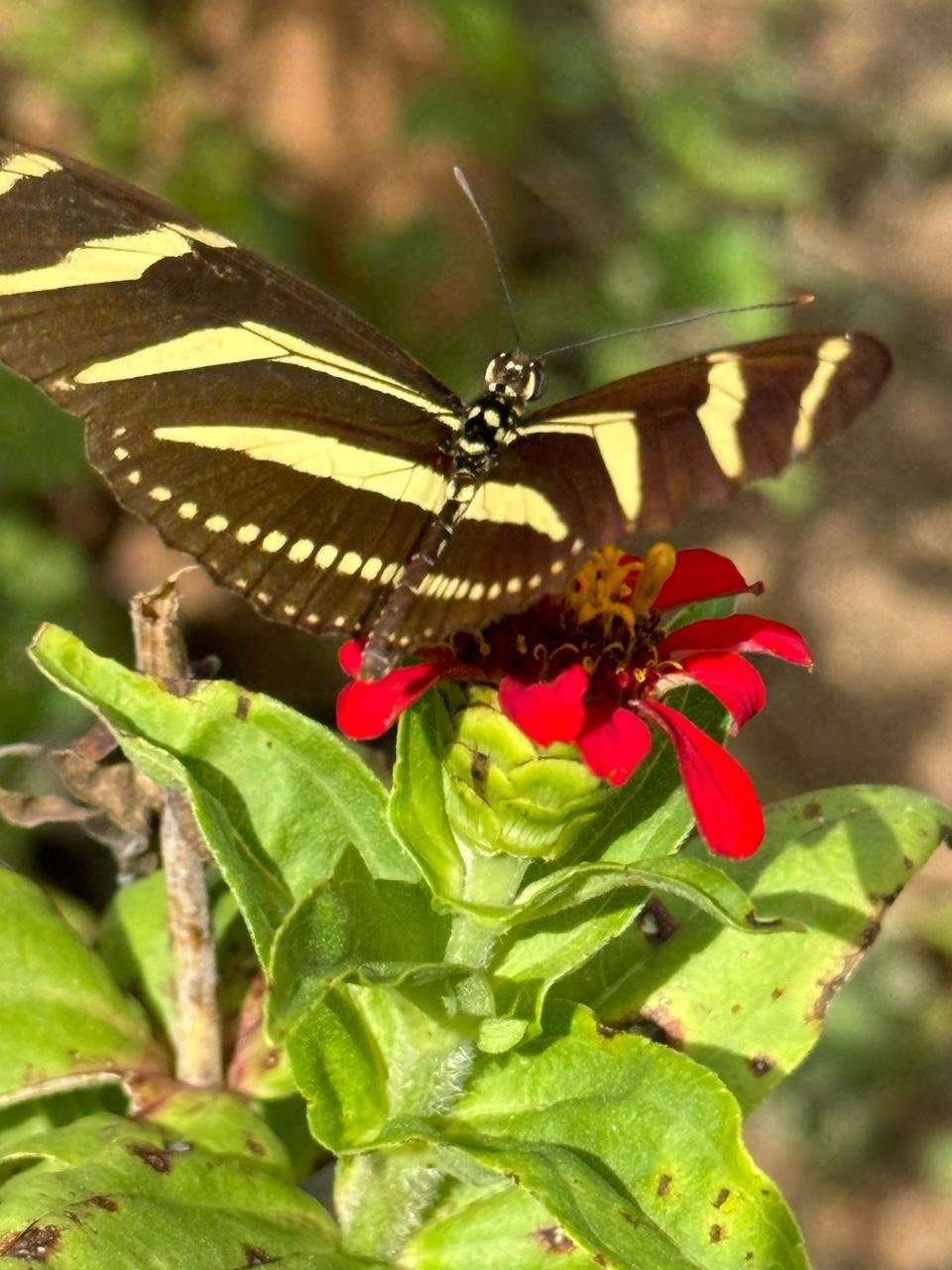
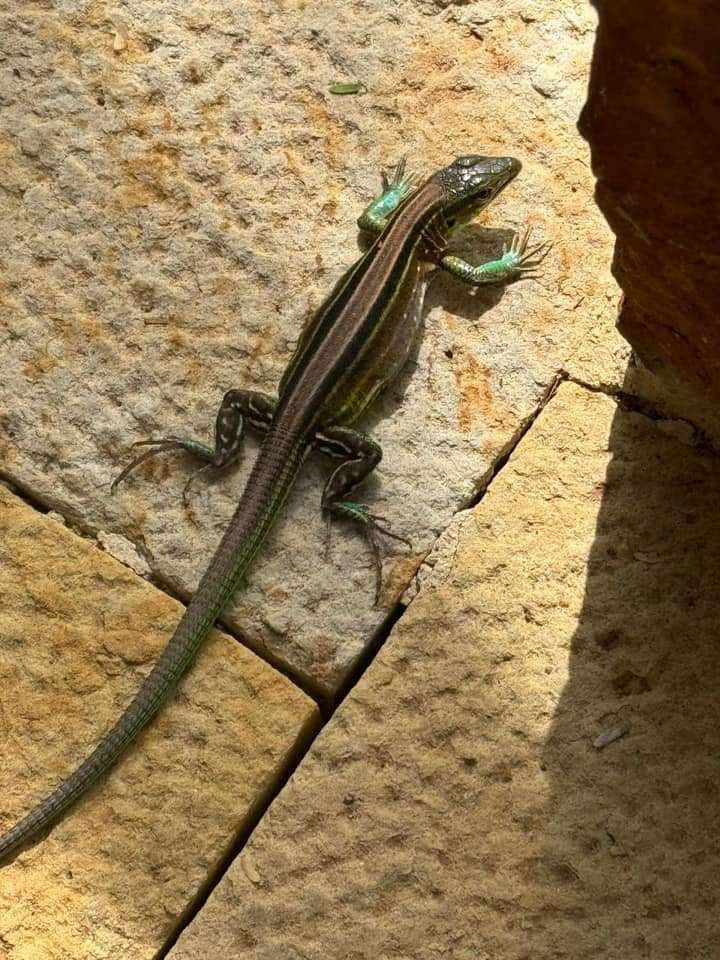
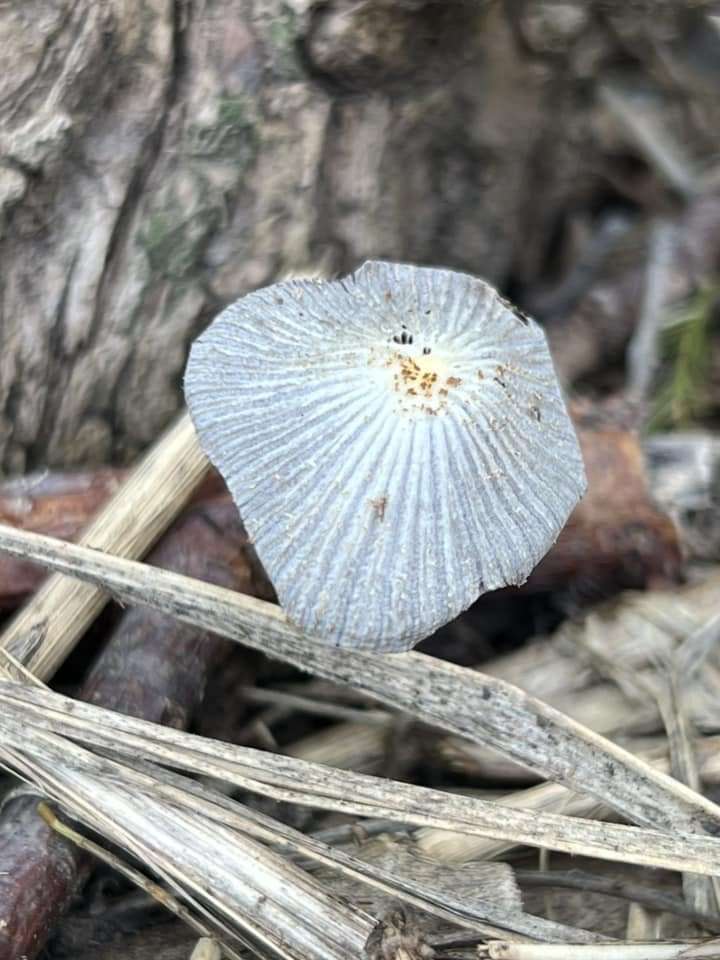
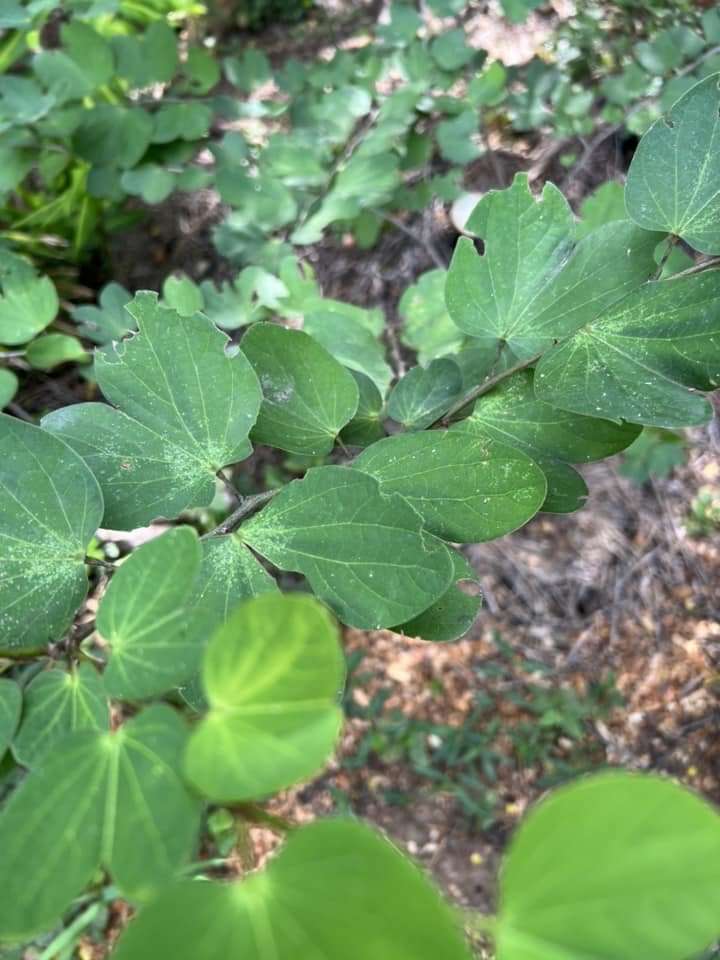
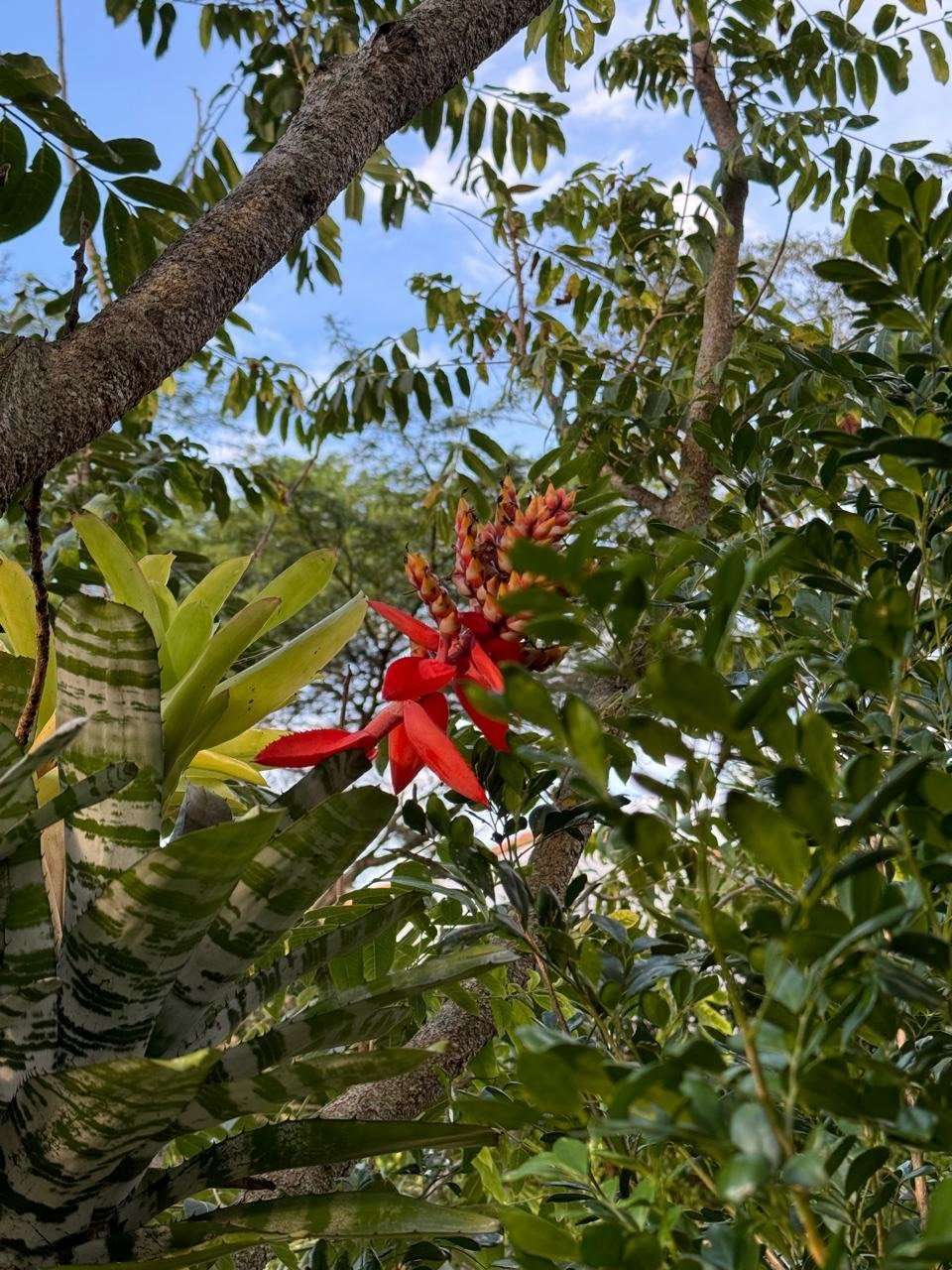
The photos at the beginning of this article are from these days, October 2024, almost two years later. As mentioned above, we did some of the work in 2023 although the vast majority is from the last six or so months.
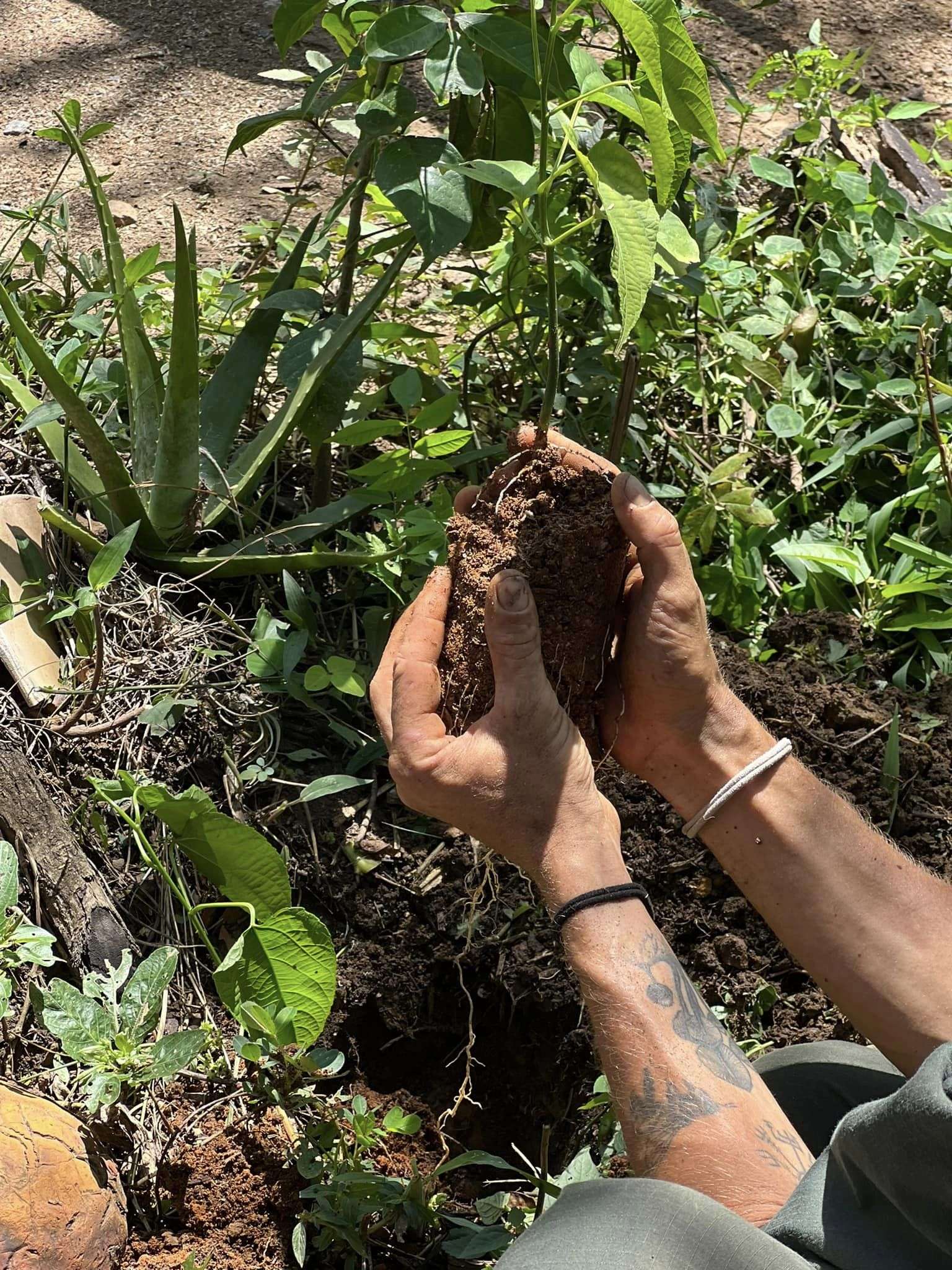
A few photos from our nursery and our most recent plant delivery (108 trees from Santi and his family). The nursery has a few hundred plants right now, some grown by us from seeds and some from other growers in the area. It’s a mix of native and non-native food-producing plants. The non-natives are non-invasive and generally well-suited to this climate.
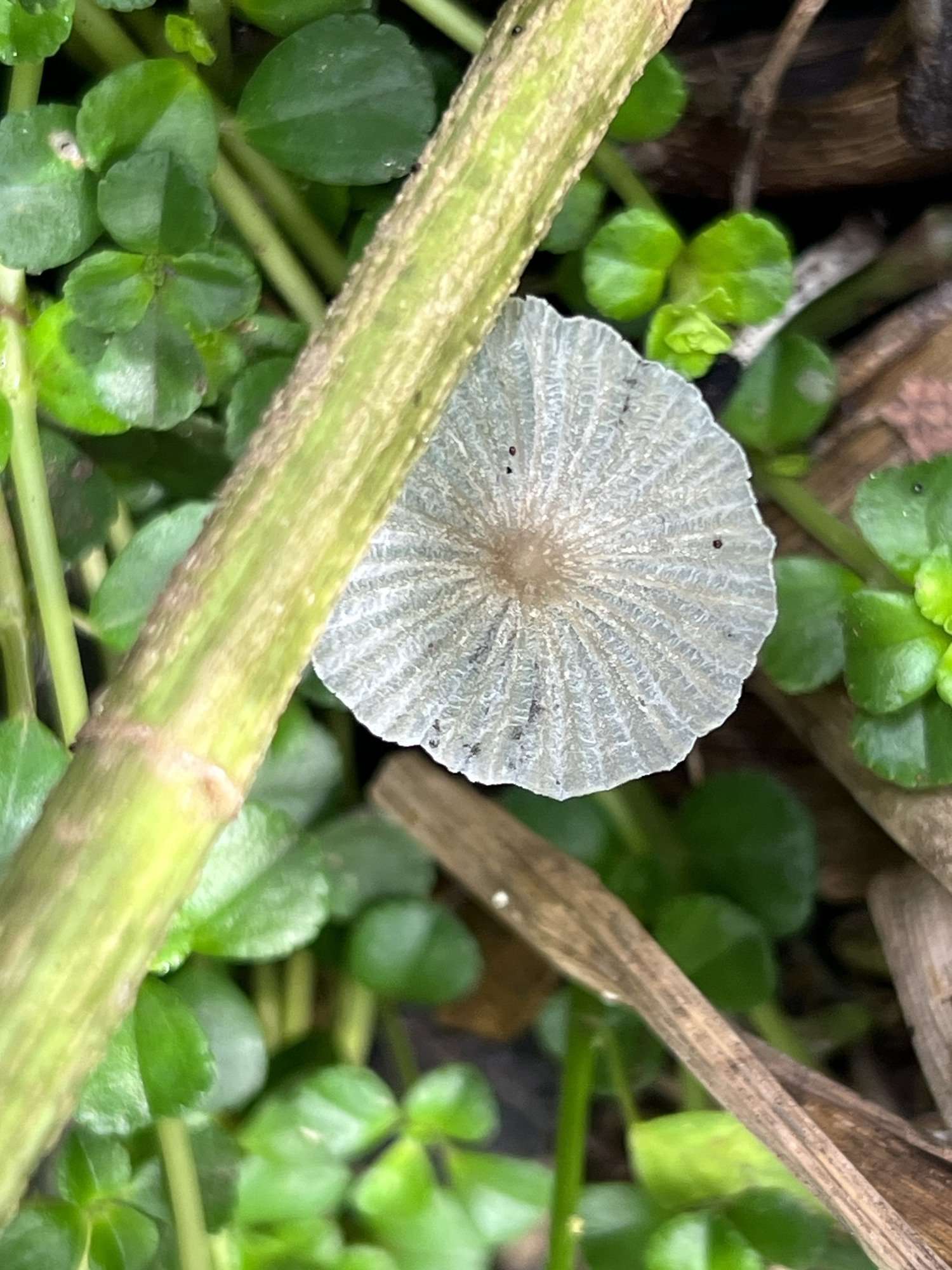


When we came, the soil around the house was too barren and dry for mushrooms. These days, we find mushrooms everywhere in the garden/food forest. It’s a sign that the microclimate is changing with the soil building, mulching, and wide diversity of young plant life. (The last one is from the main path and close to the big house.)
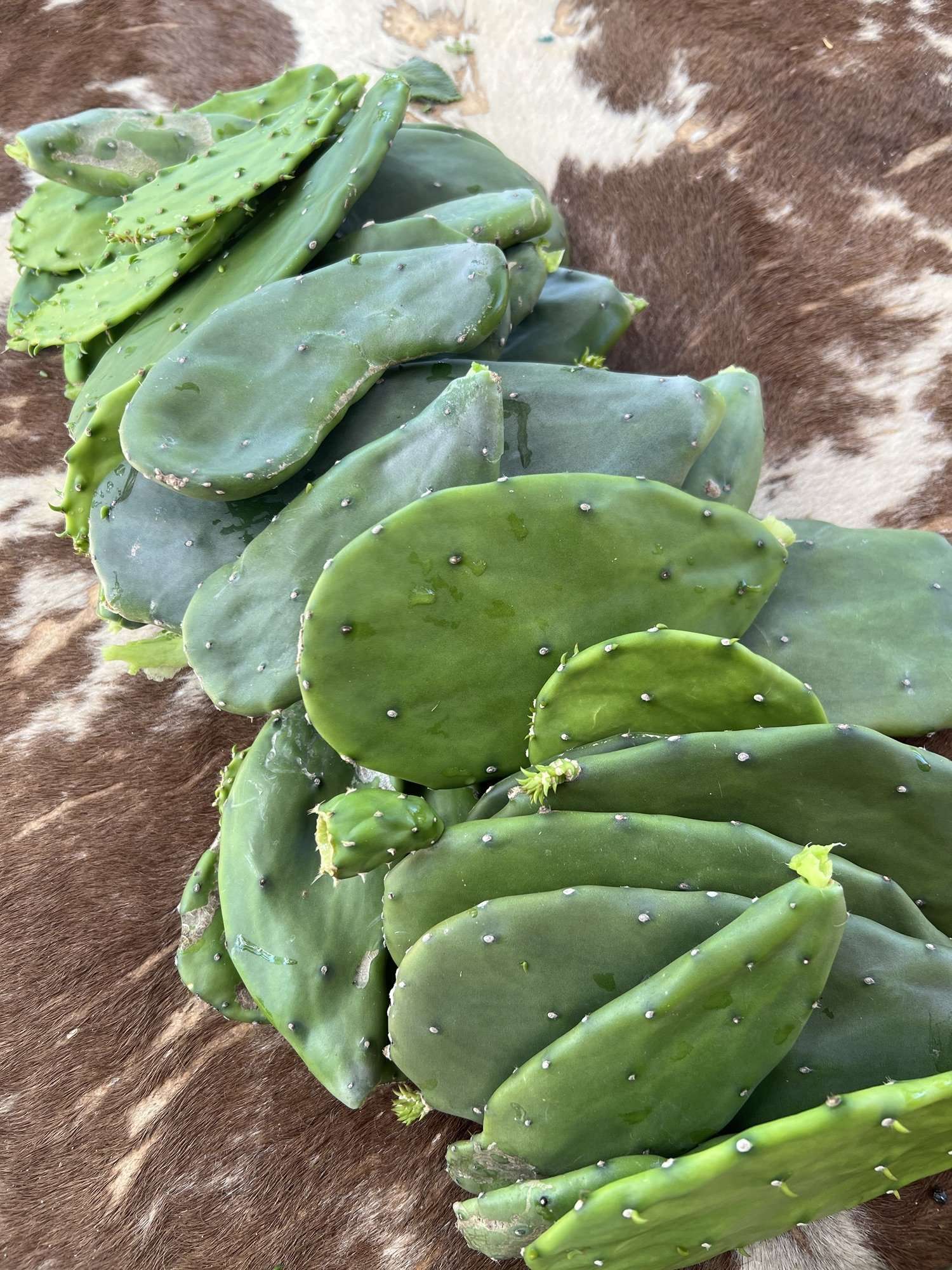
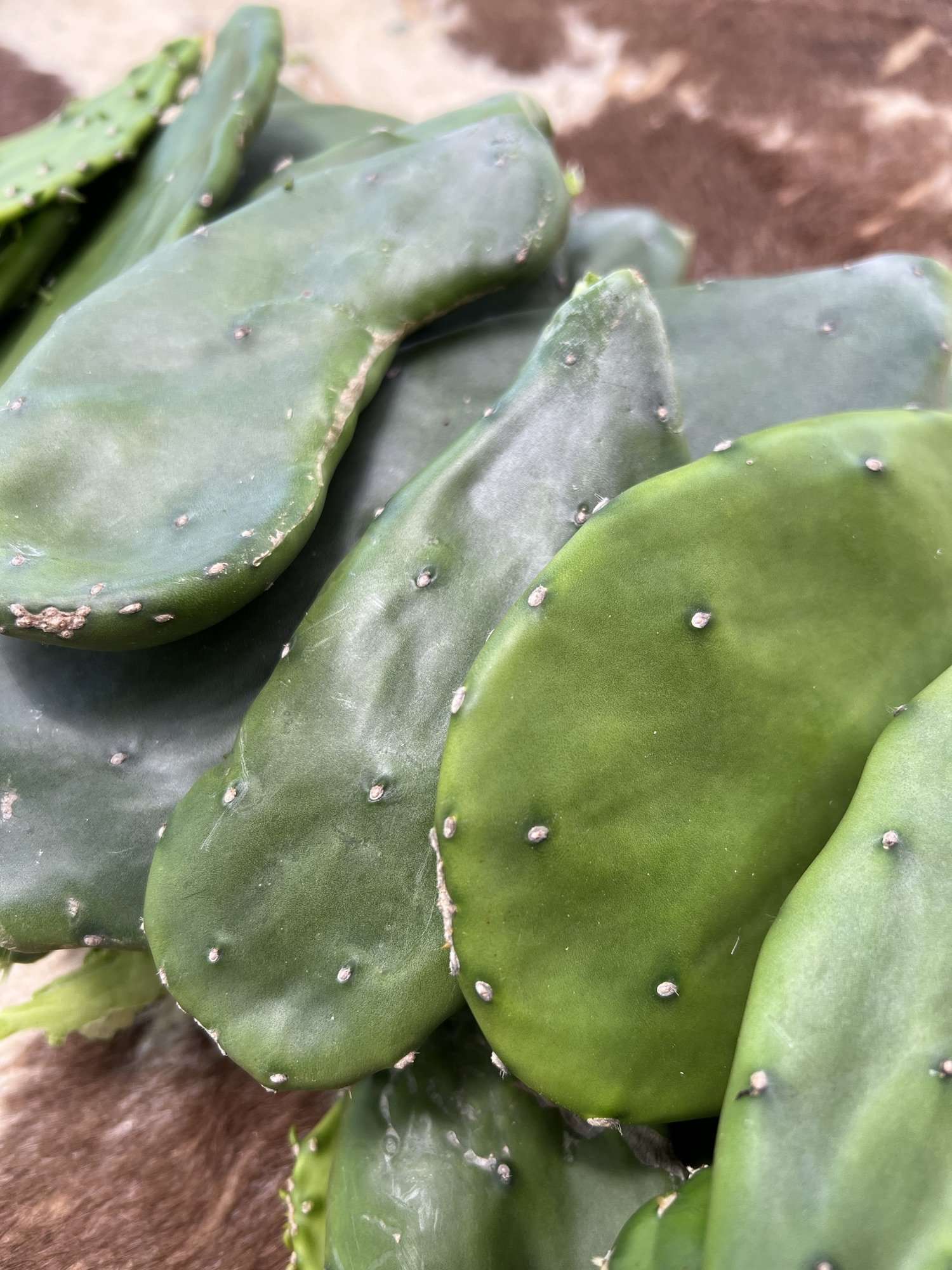

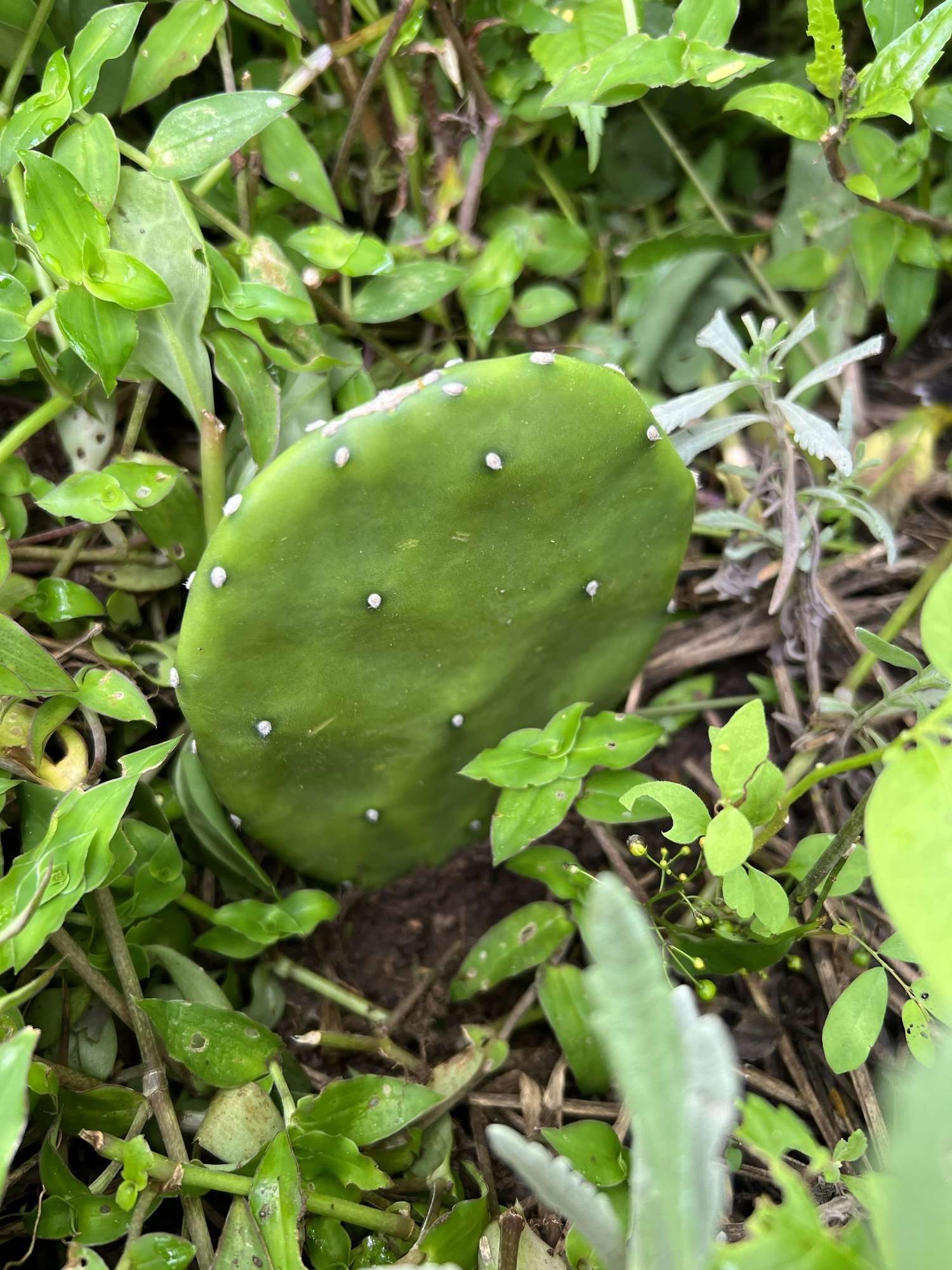
We found nopal (prickly pear) in town, close to Casa Común, and brought a couple (?) of pads here. Now, we have maybe 30 or 40 nopals growing here. As they grow more pads, we take them and plant them in more areas of the food forest. They are a good food source and also help the soil and ecosystem. This is very likely a Mexican variety used for food.


We have planted a few moringa trees, and I want to plant more. They are nutritious and medicinal.
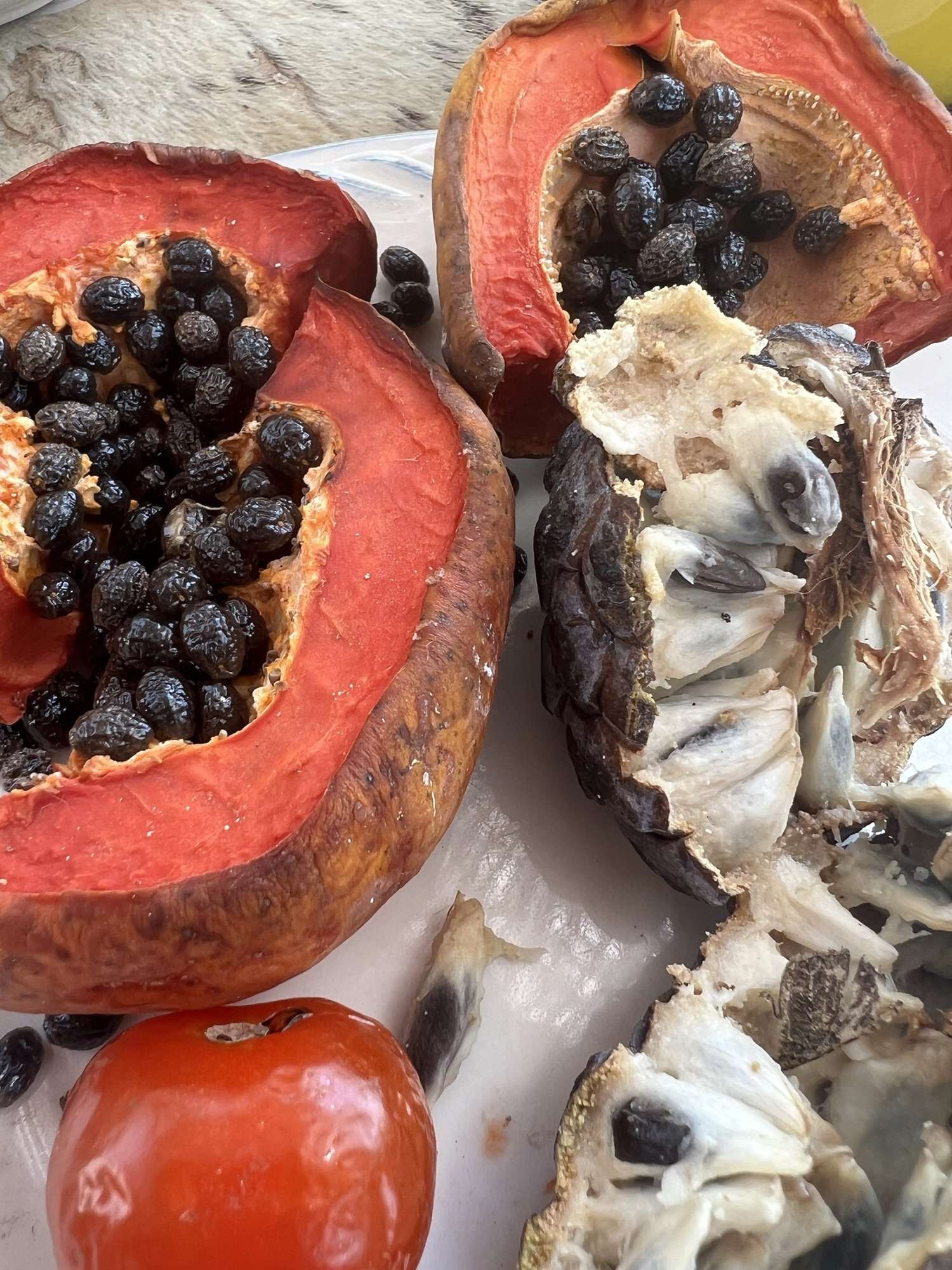
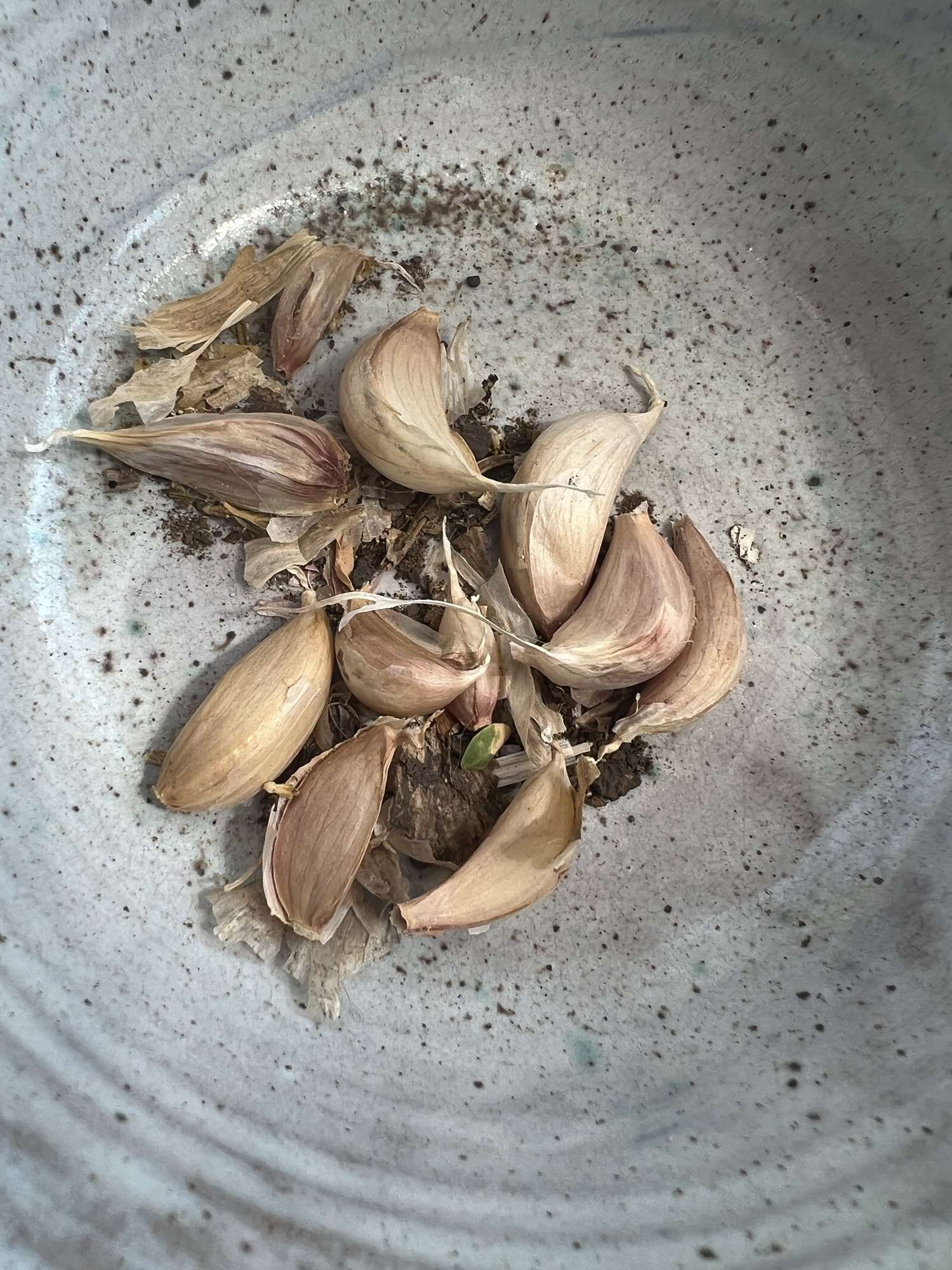
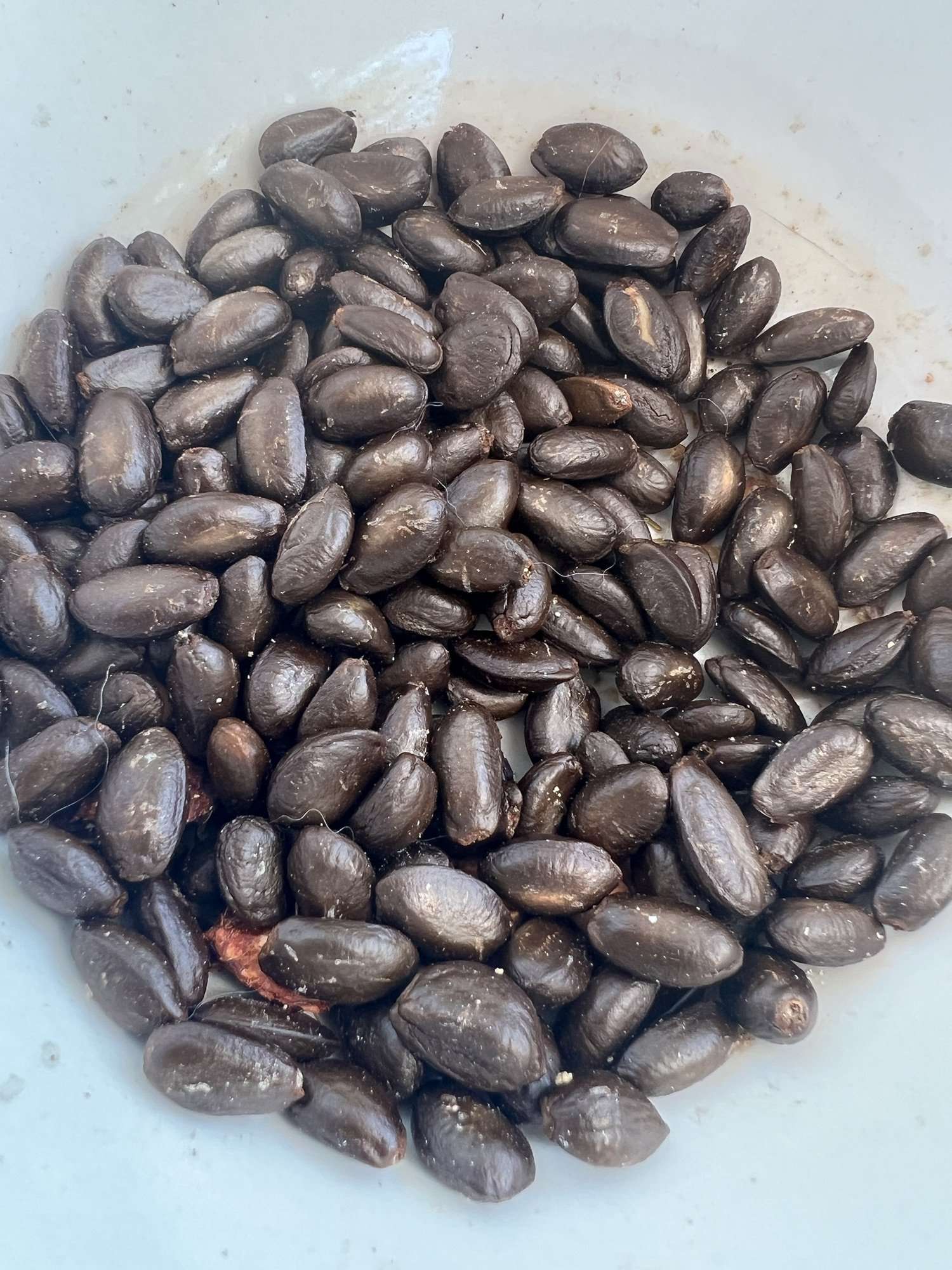
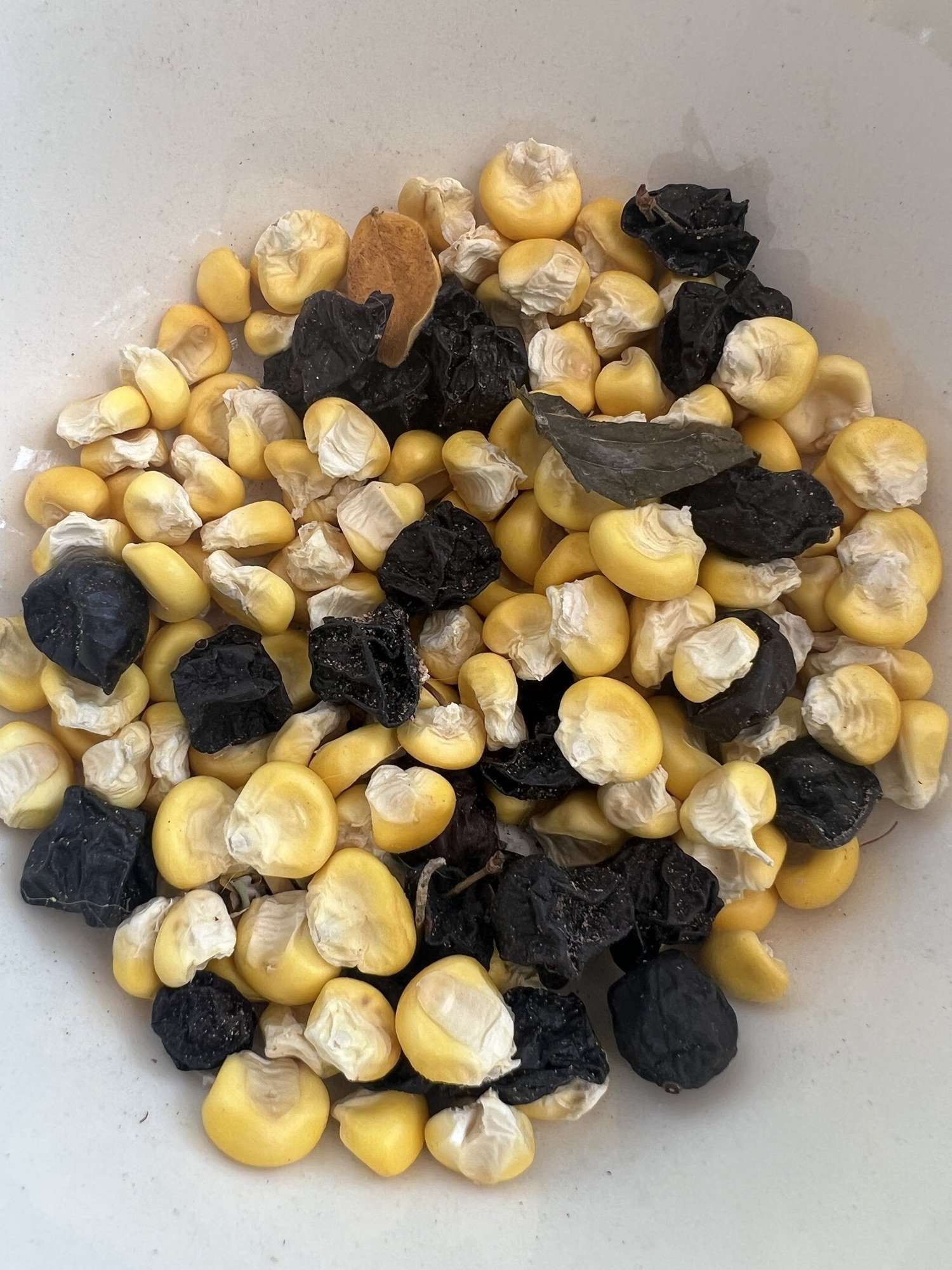
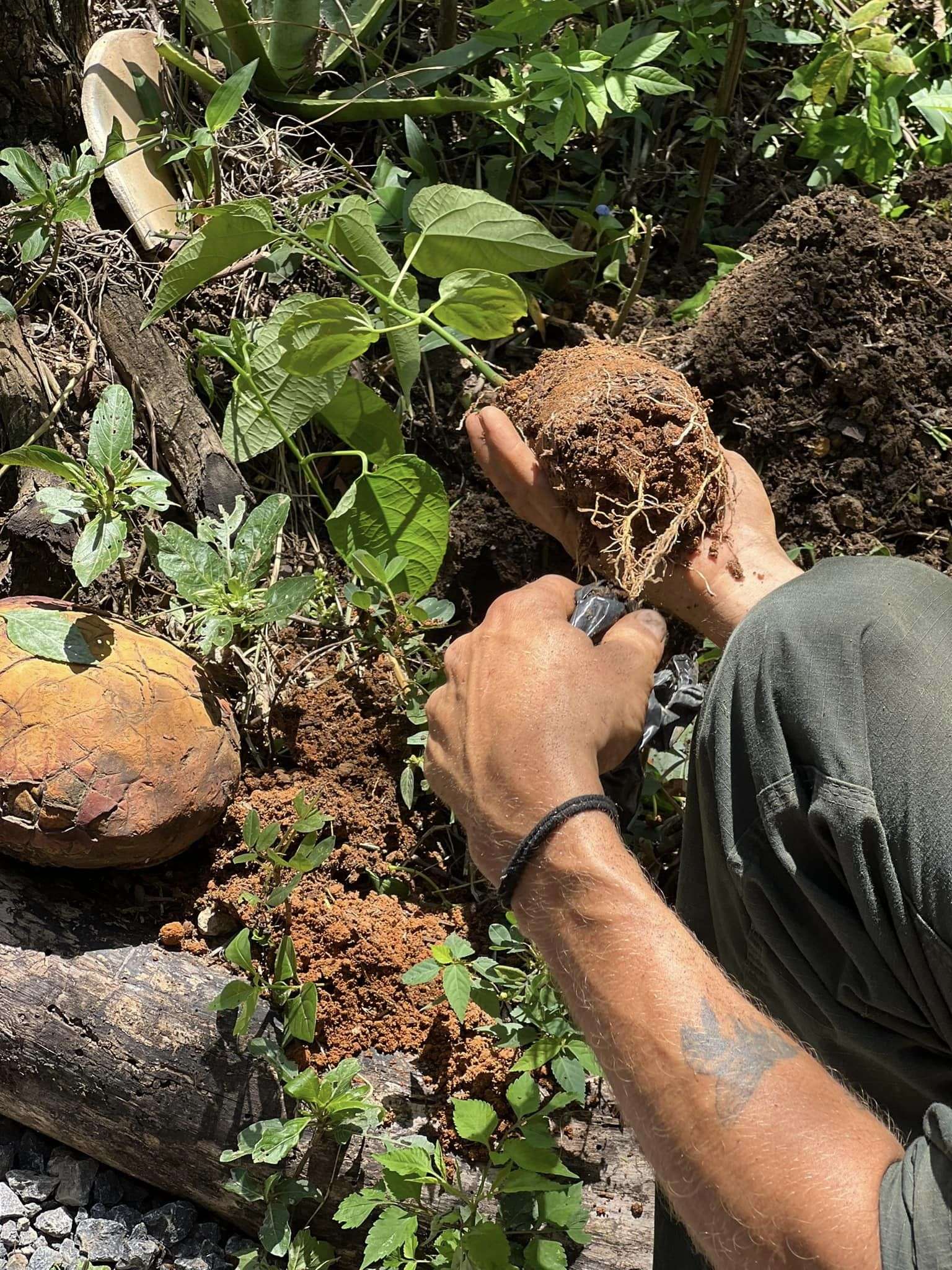
We save seeds from the food we are eating and plant them in the food forest. If we want to give them a good chance of survival, we plant them in the nursery first and then in the ground. If it’s a plant we already have several of, we may plant the seeds directly in the ground.
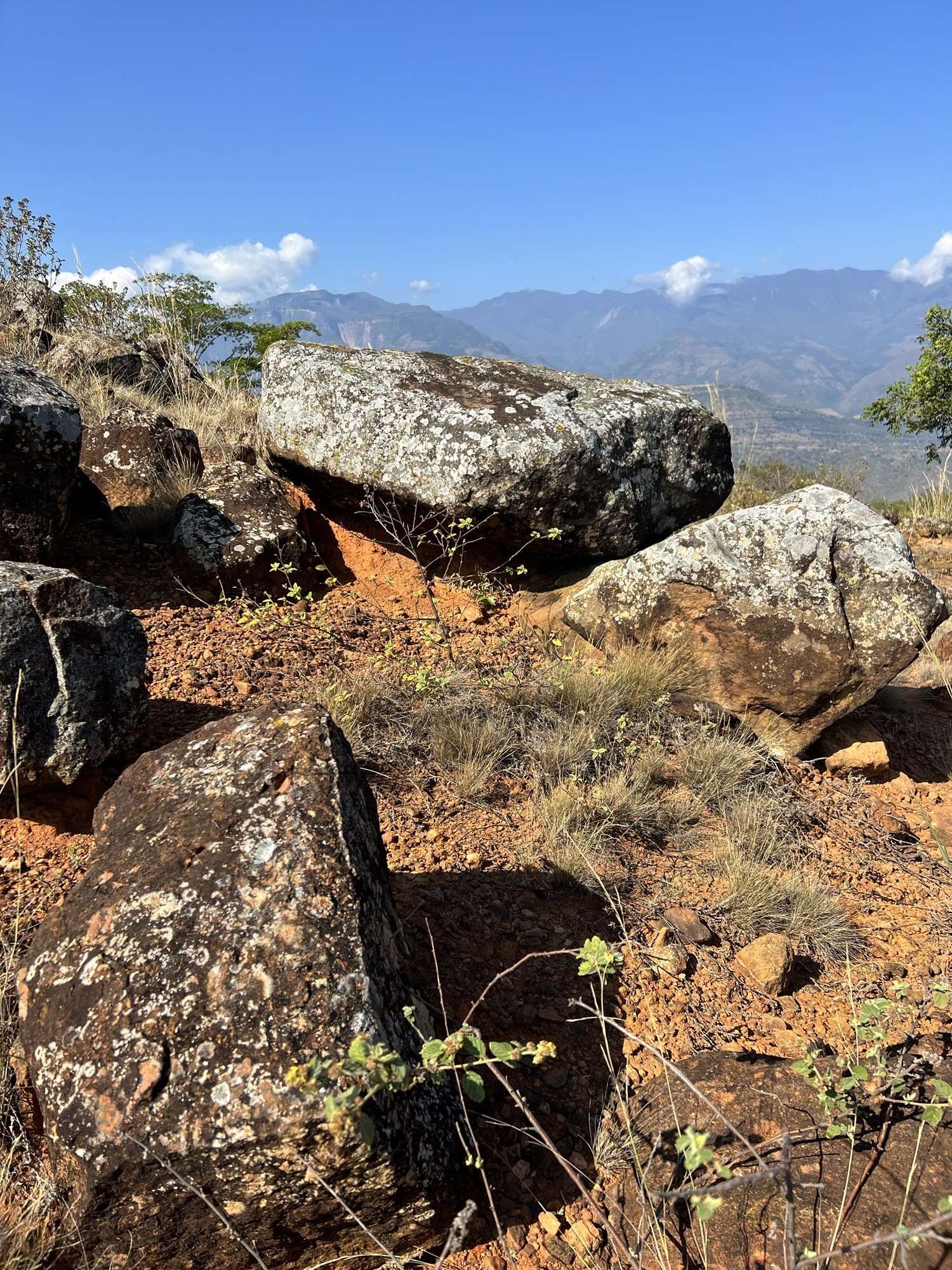
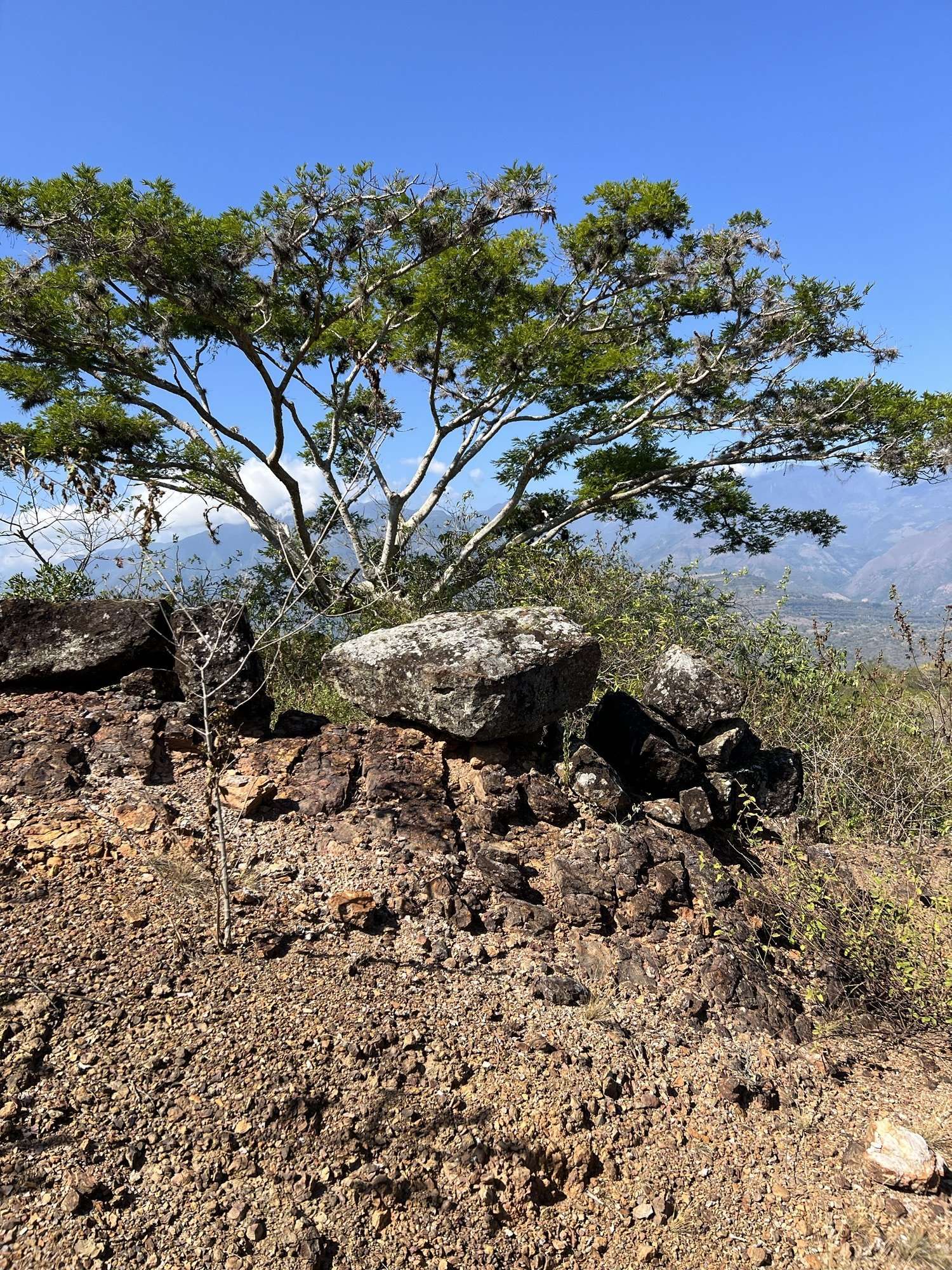
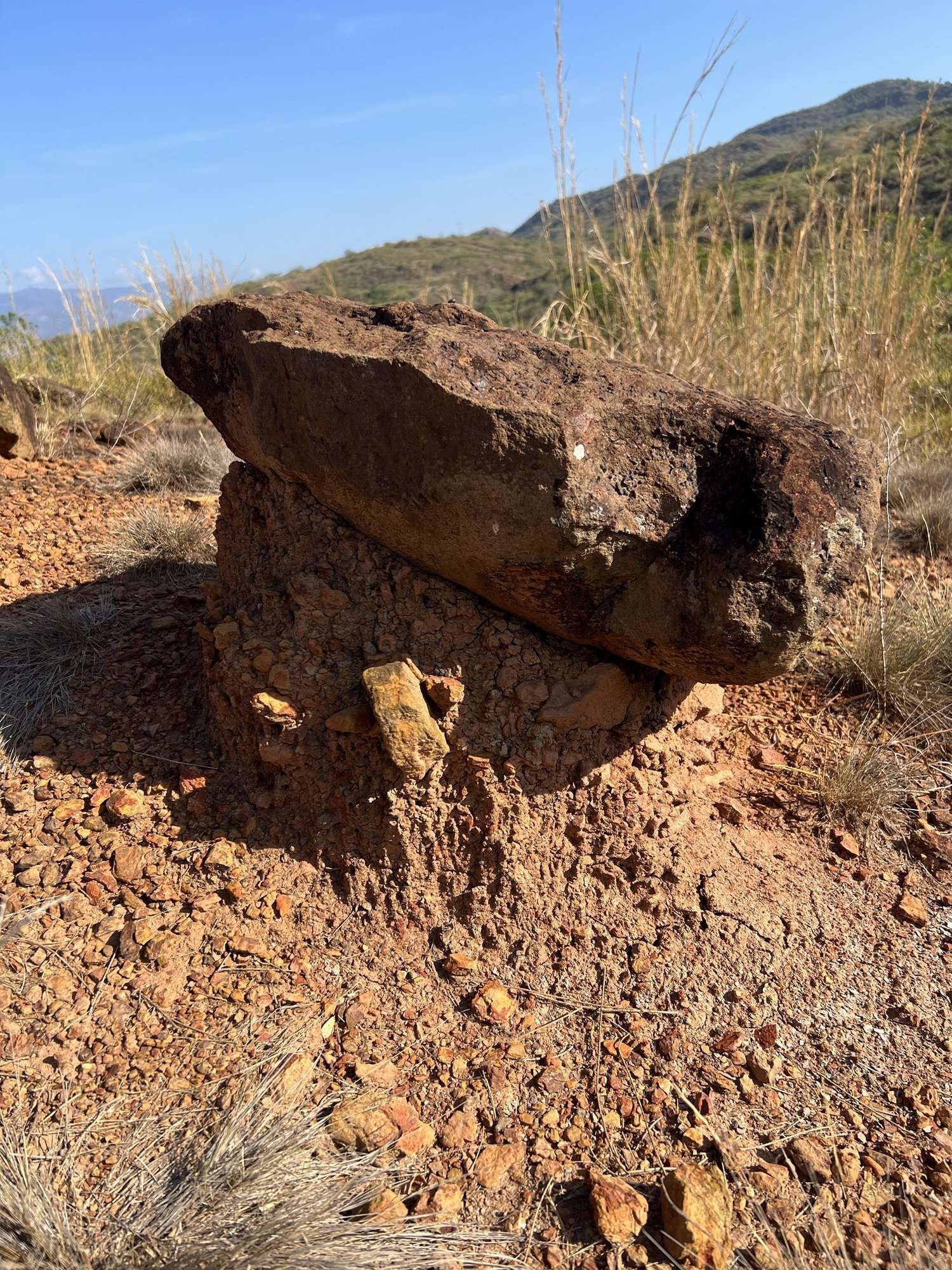
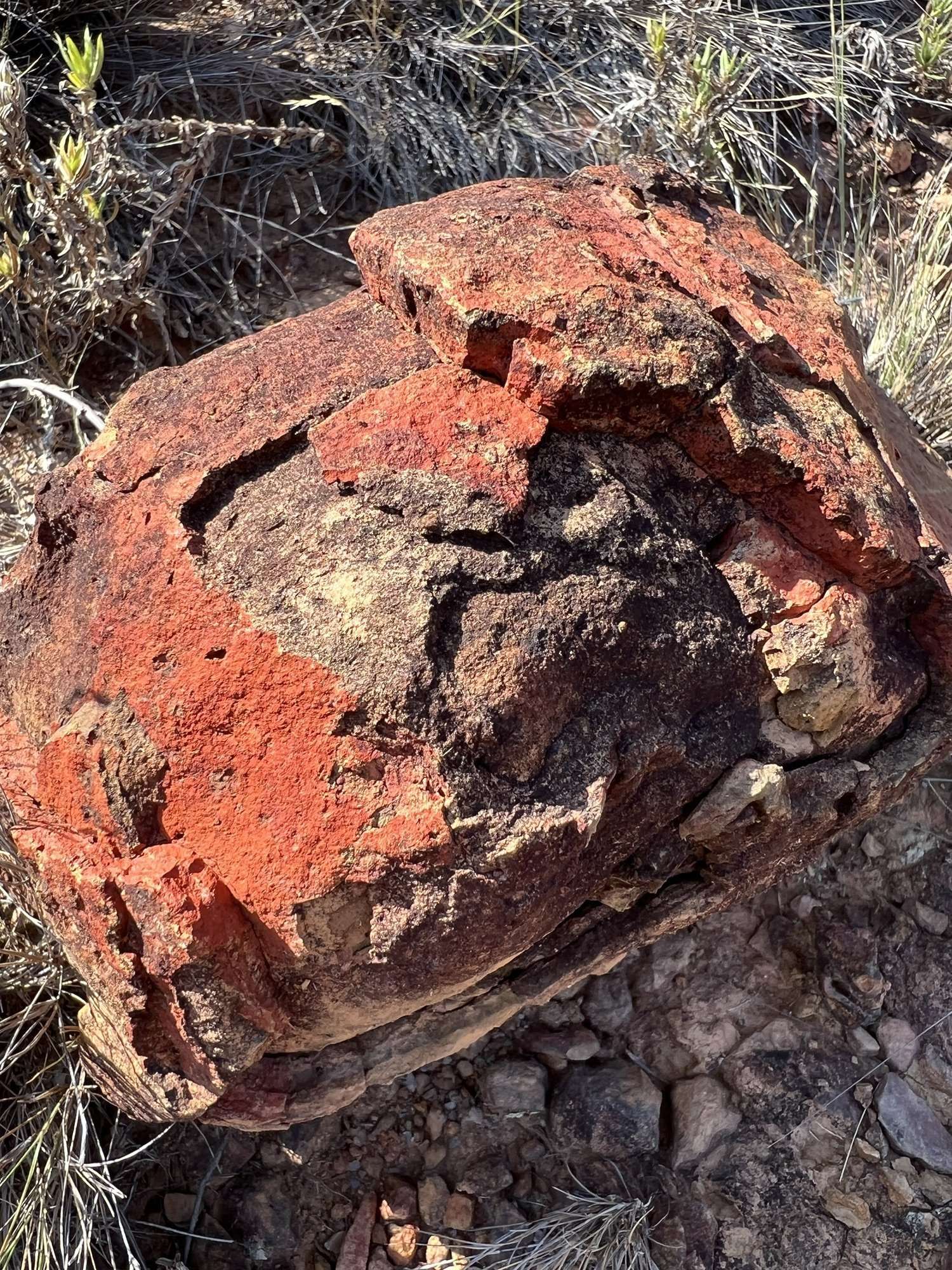
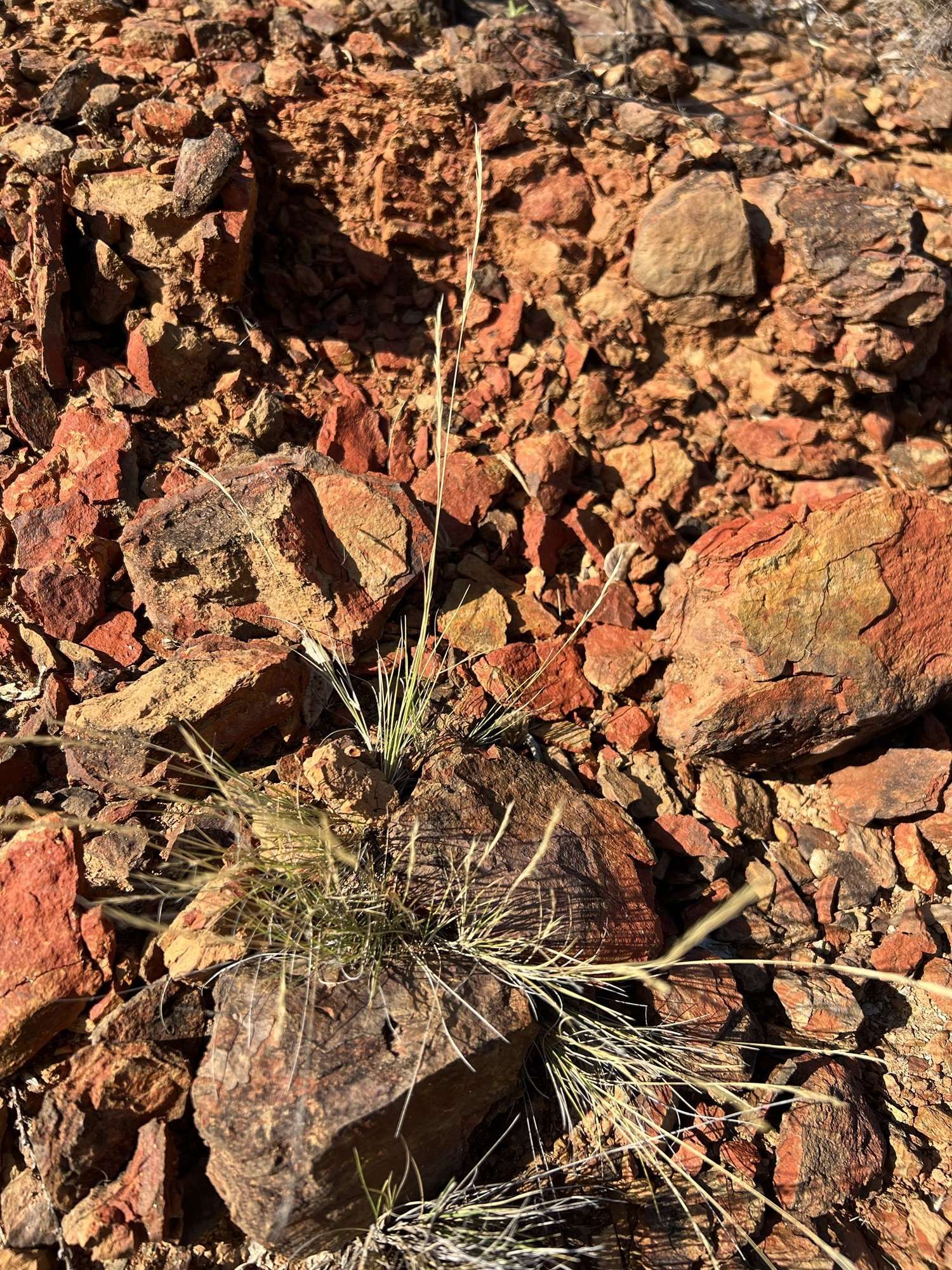

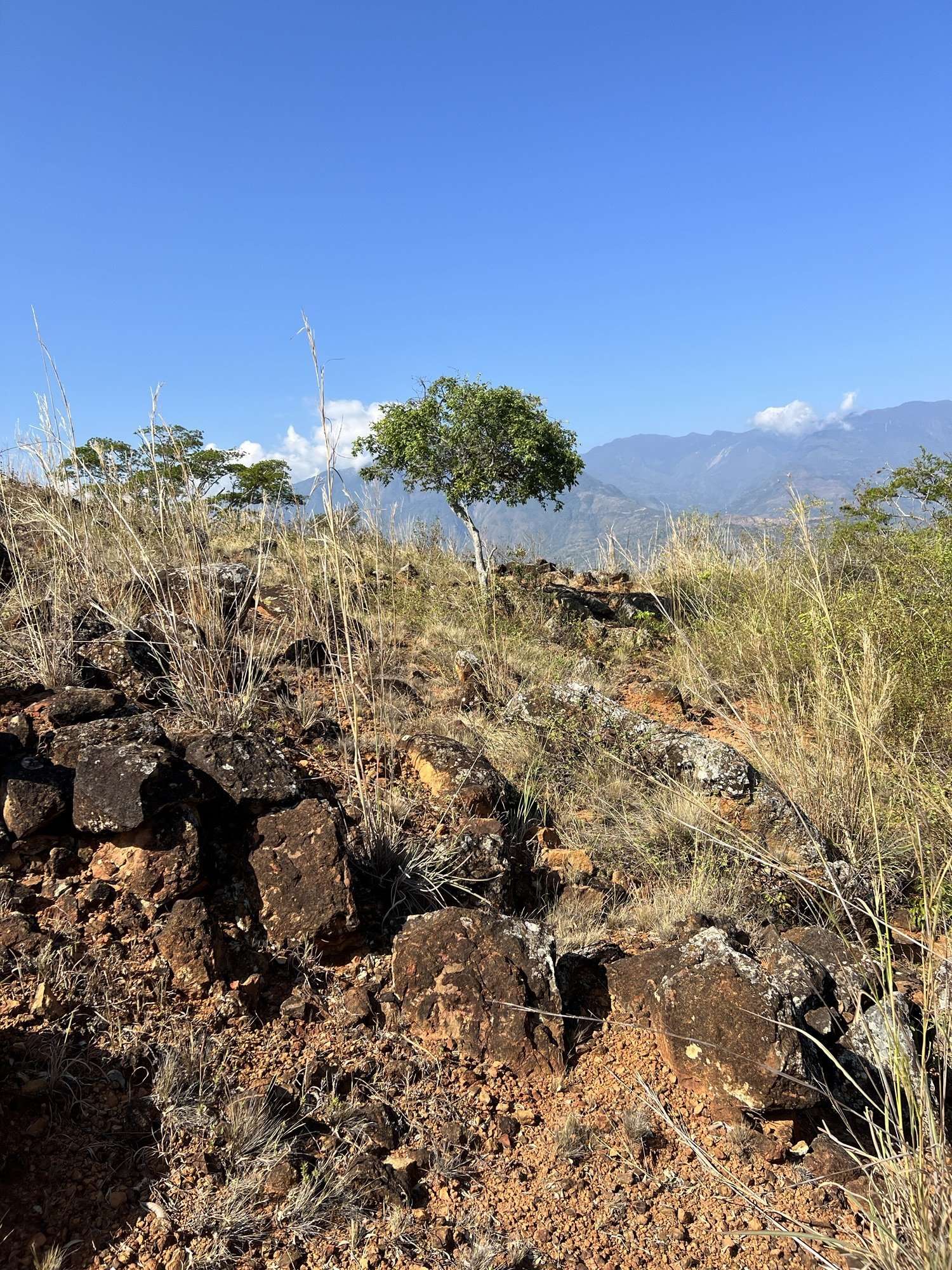
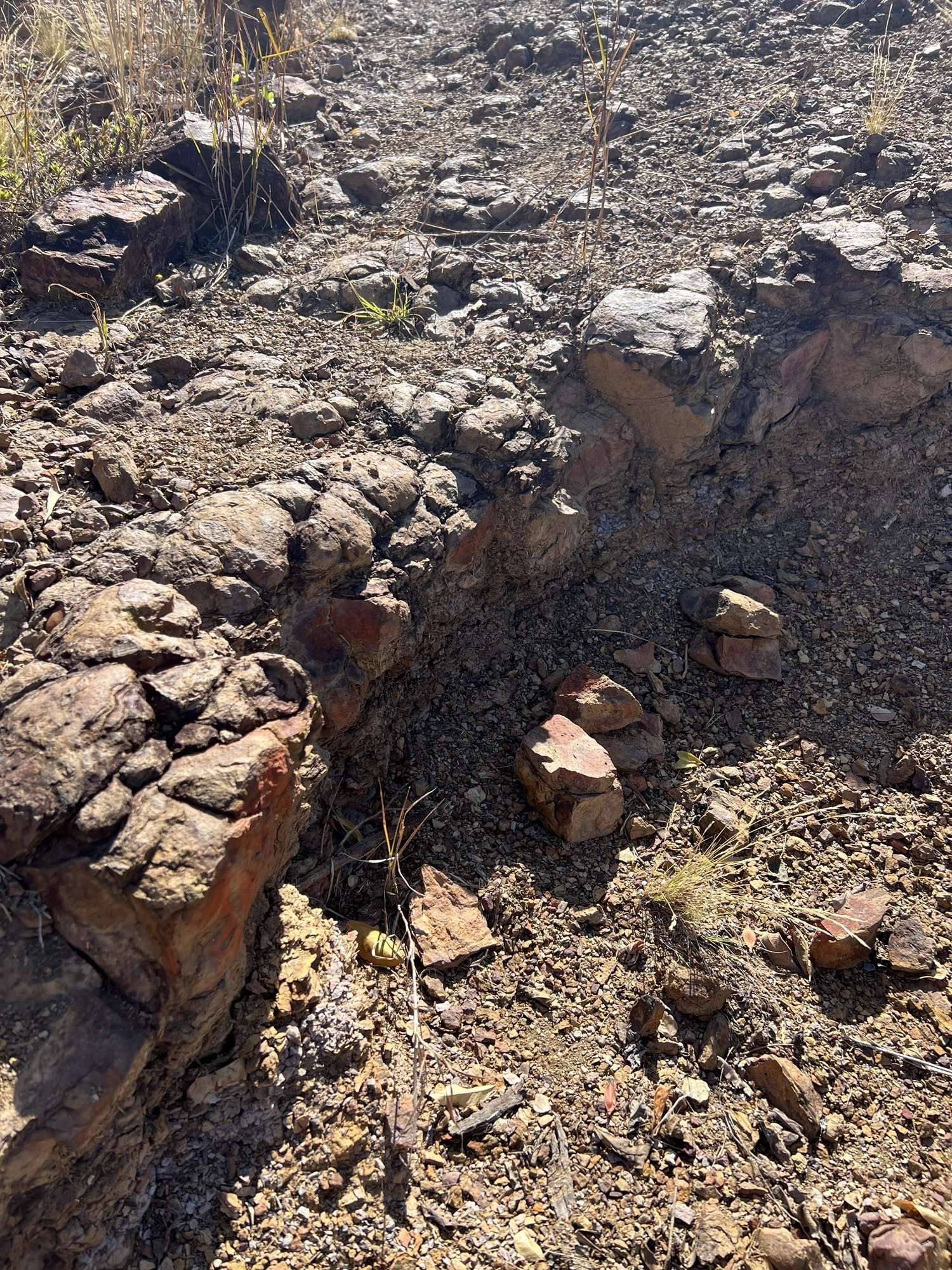
Some photos from January 2024 from the more arid and eroded area of Milagros. This is along the ridge and close to the peak. Other areas of the land have more vegetation, although often mostly pioneers.

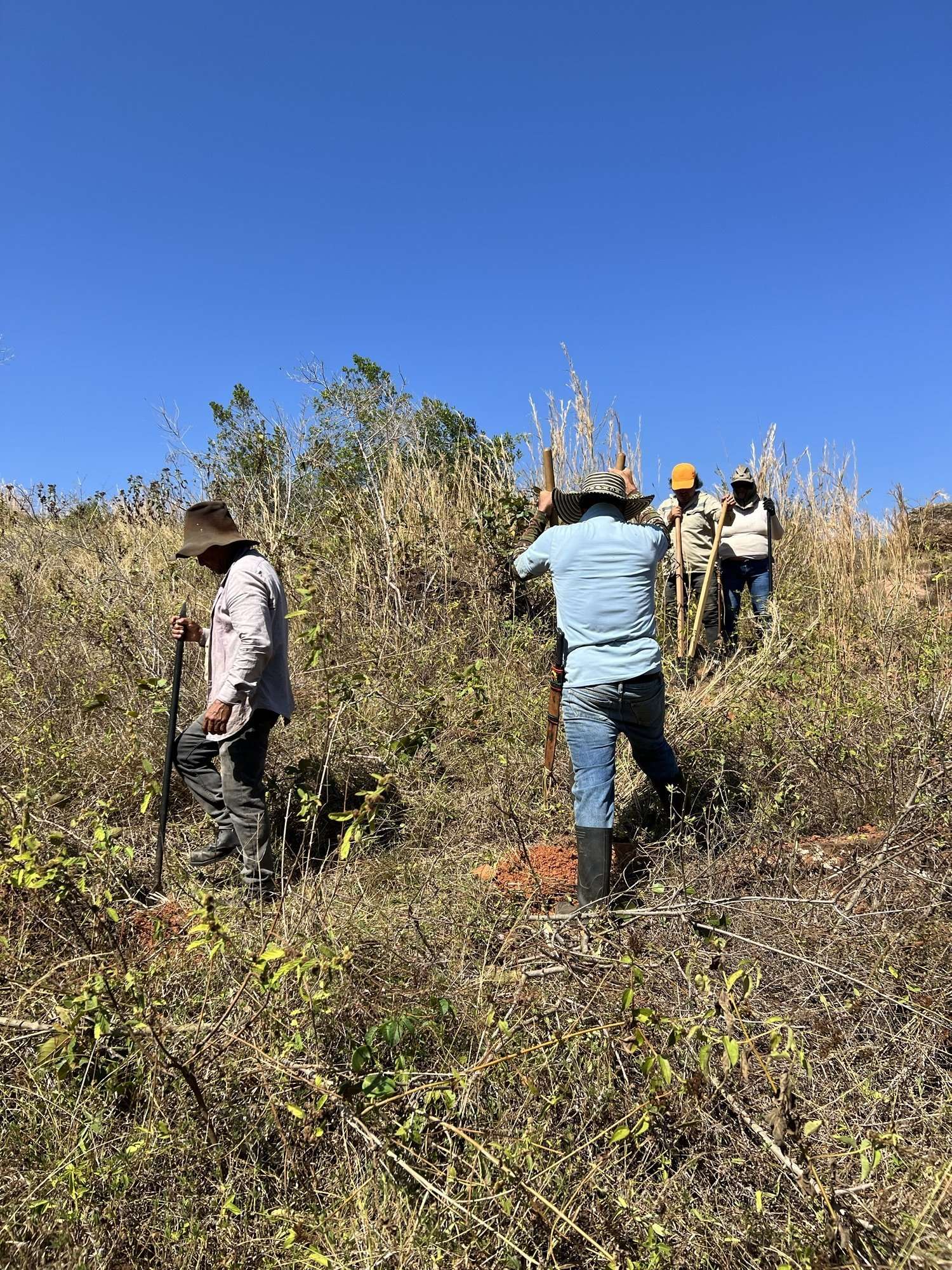
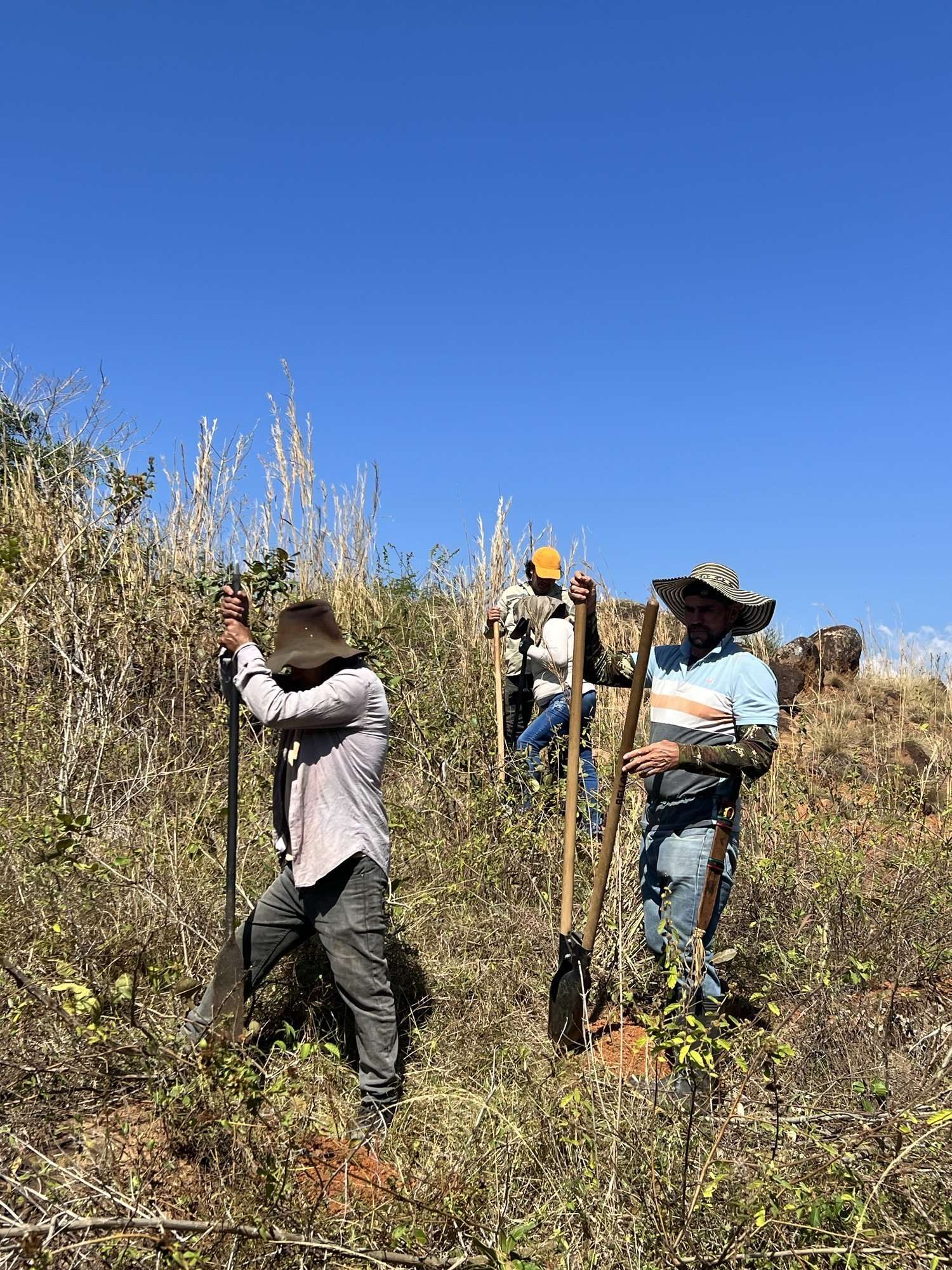
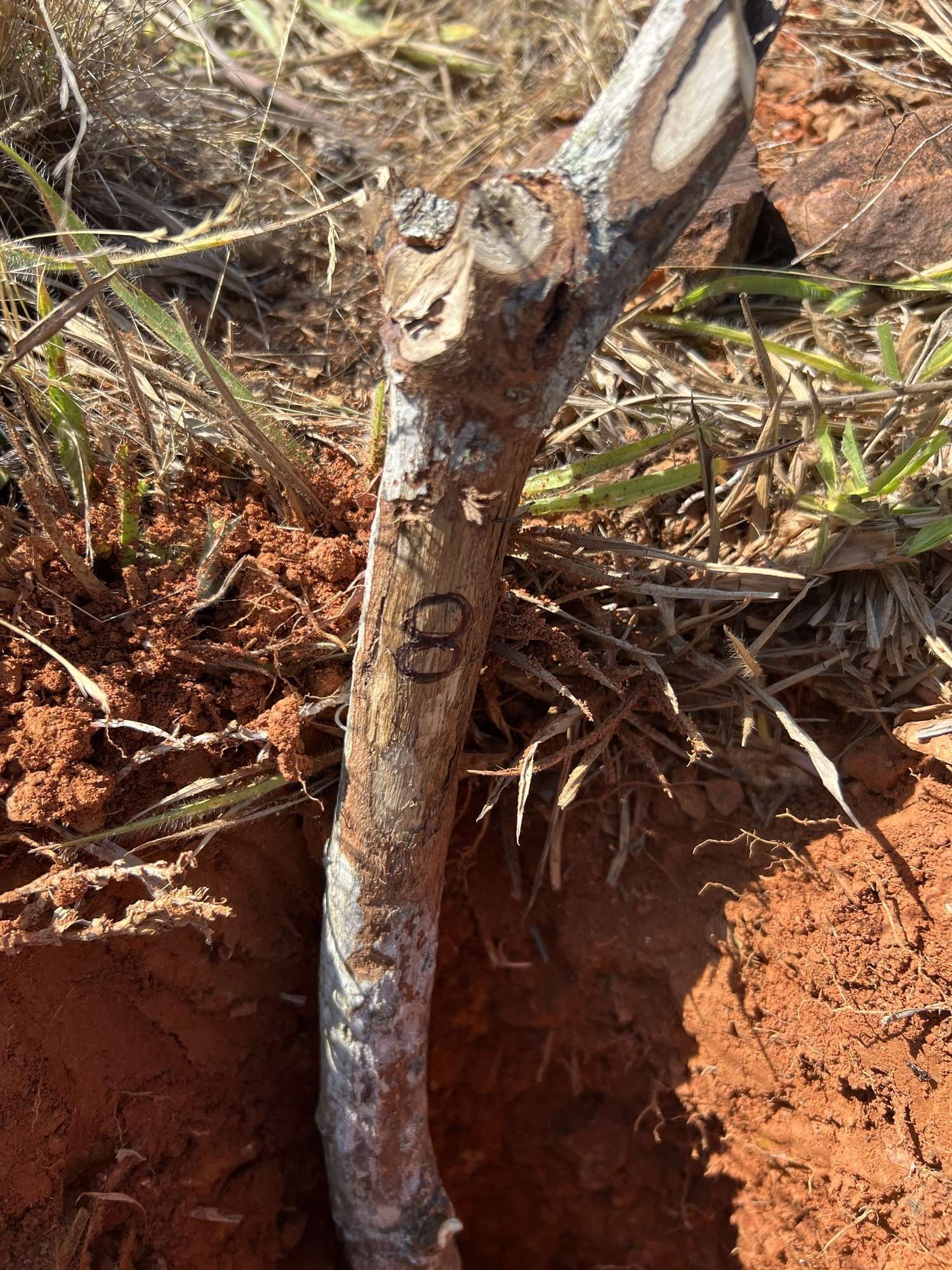
A crew working with Fundación Guayacanal dig holes for later planting, on January 16, 2024.
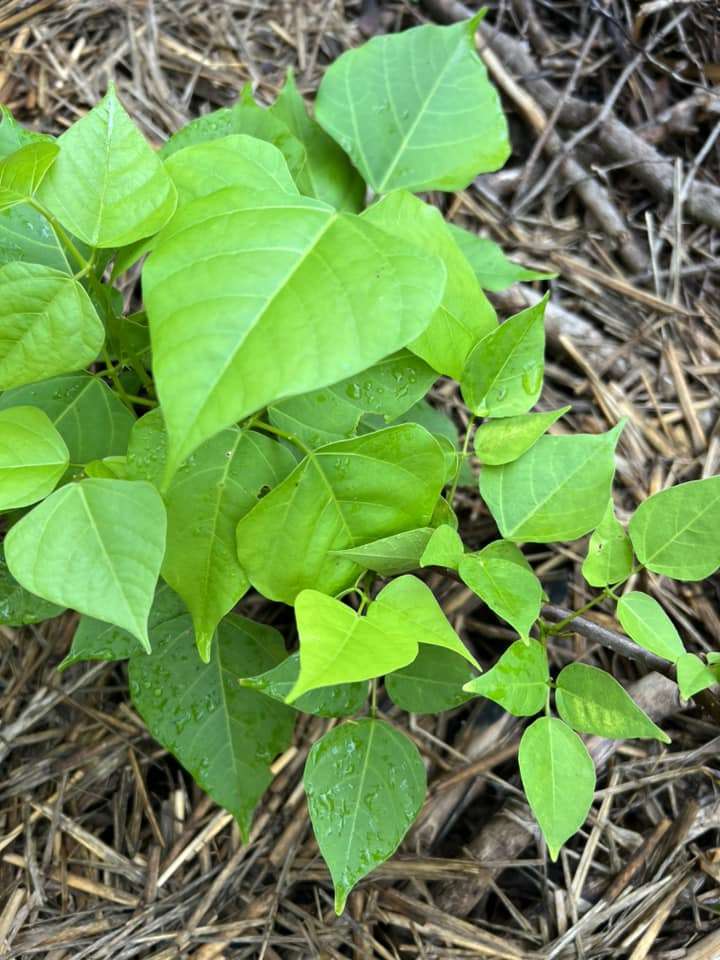
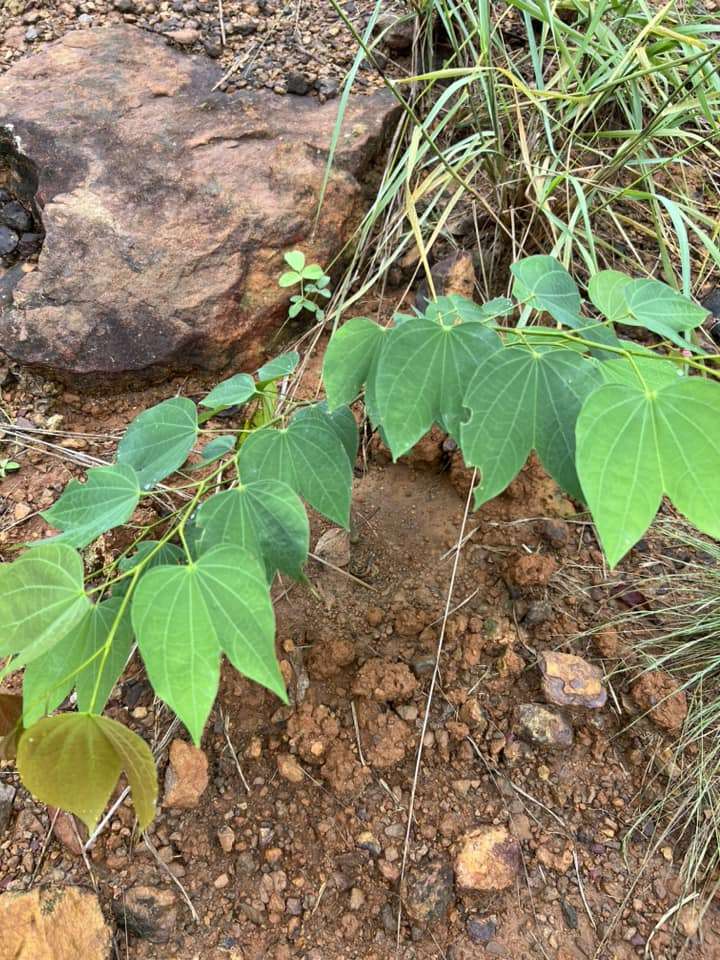
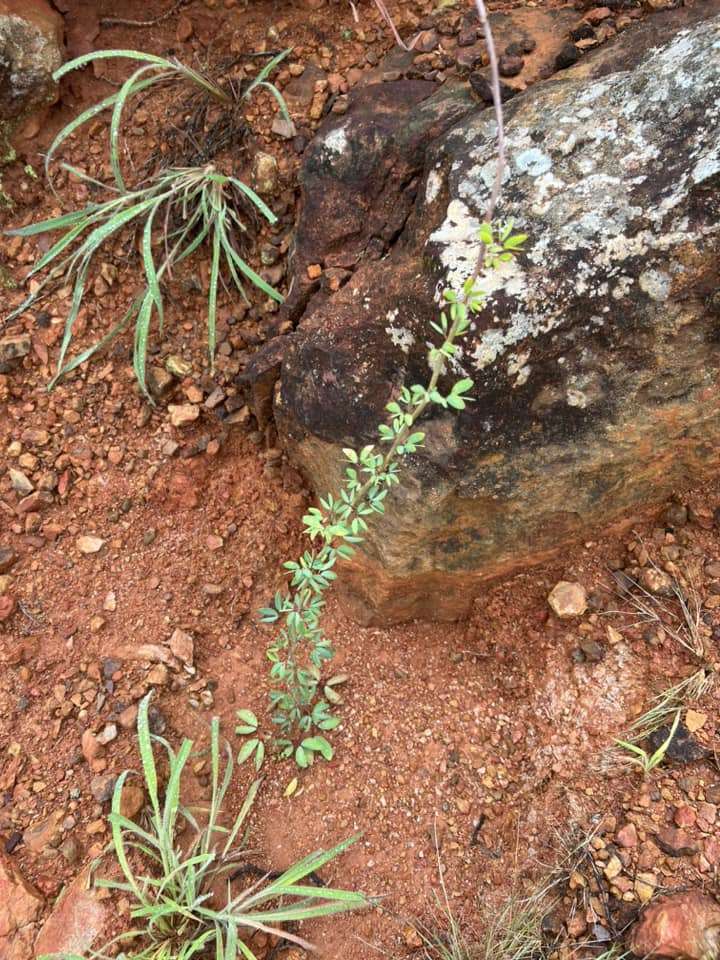
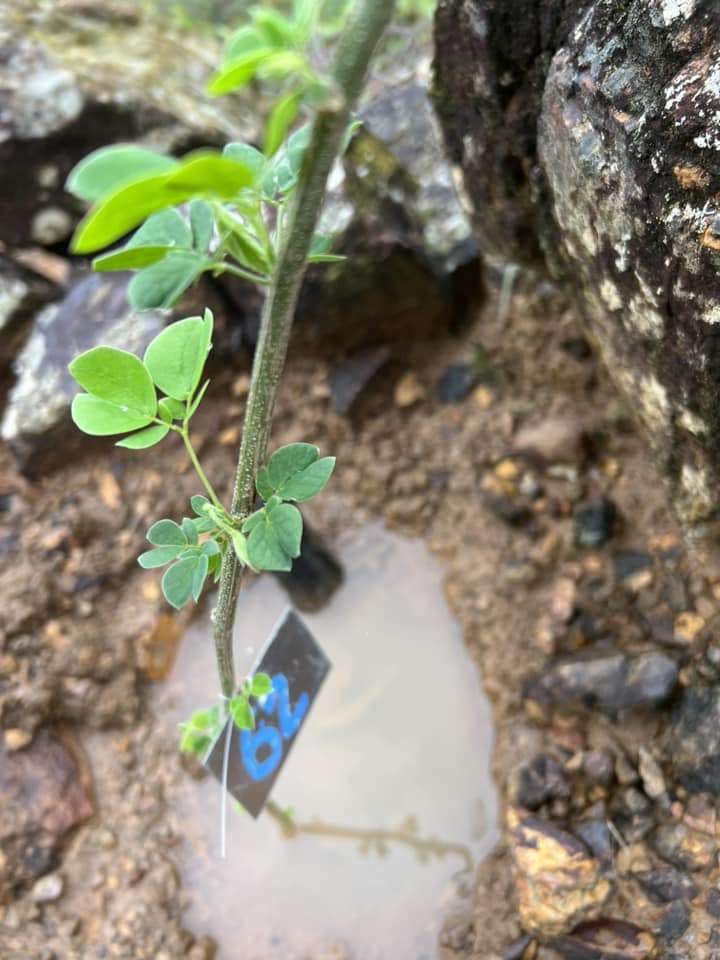
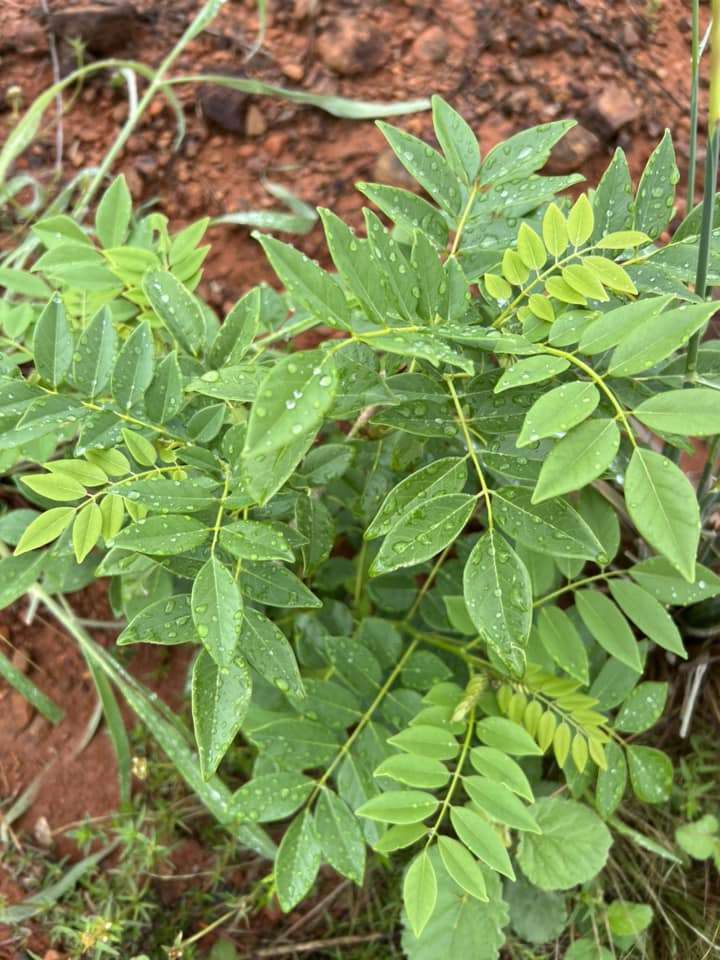
Some of the two thousand trees planted by Fundación Guayacanal in April 2024. The photos are from early October. I went to the areas with the most difficult conditions and got the very unscientific impression that about a third didn’t make it, a third were alive and small, and a third were larger and thriving. It is to be expected that some don’t make it, especially in these conditions, and we also had a few weeks without rain between April and now.
The photos were taken after a night of rain. Poor soil like this, with mostly sand, silt, and clay, is difficult for the plants in several ways. It lacks nutrients. It lacks a mulch layer to keep the moisture in the ground. Because of the compacted and hard soil, rainwater runs off and causes erosion instead of draining into the ground, and the roots have trouble penetrating the hard soil.
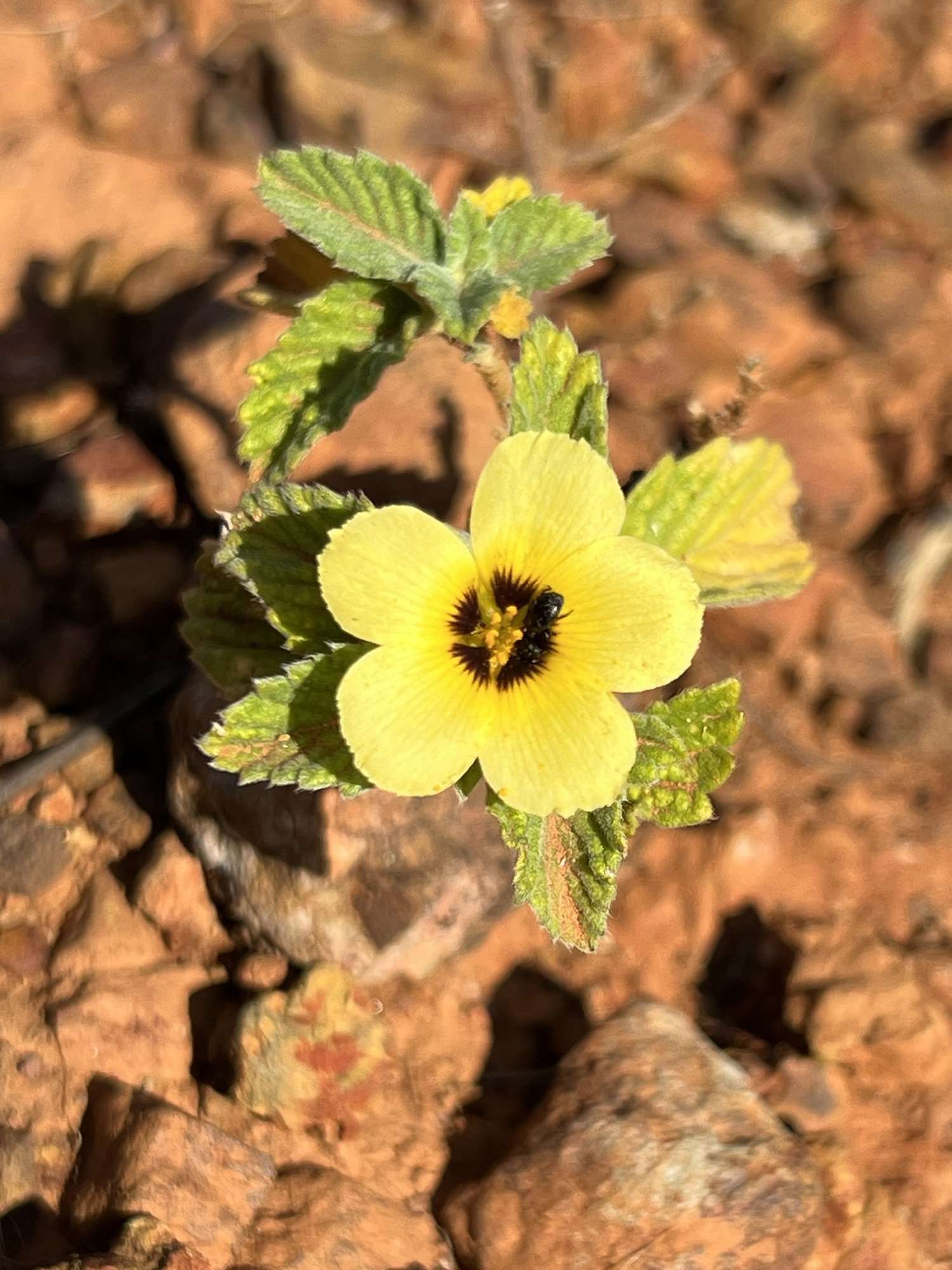
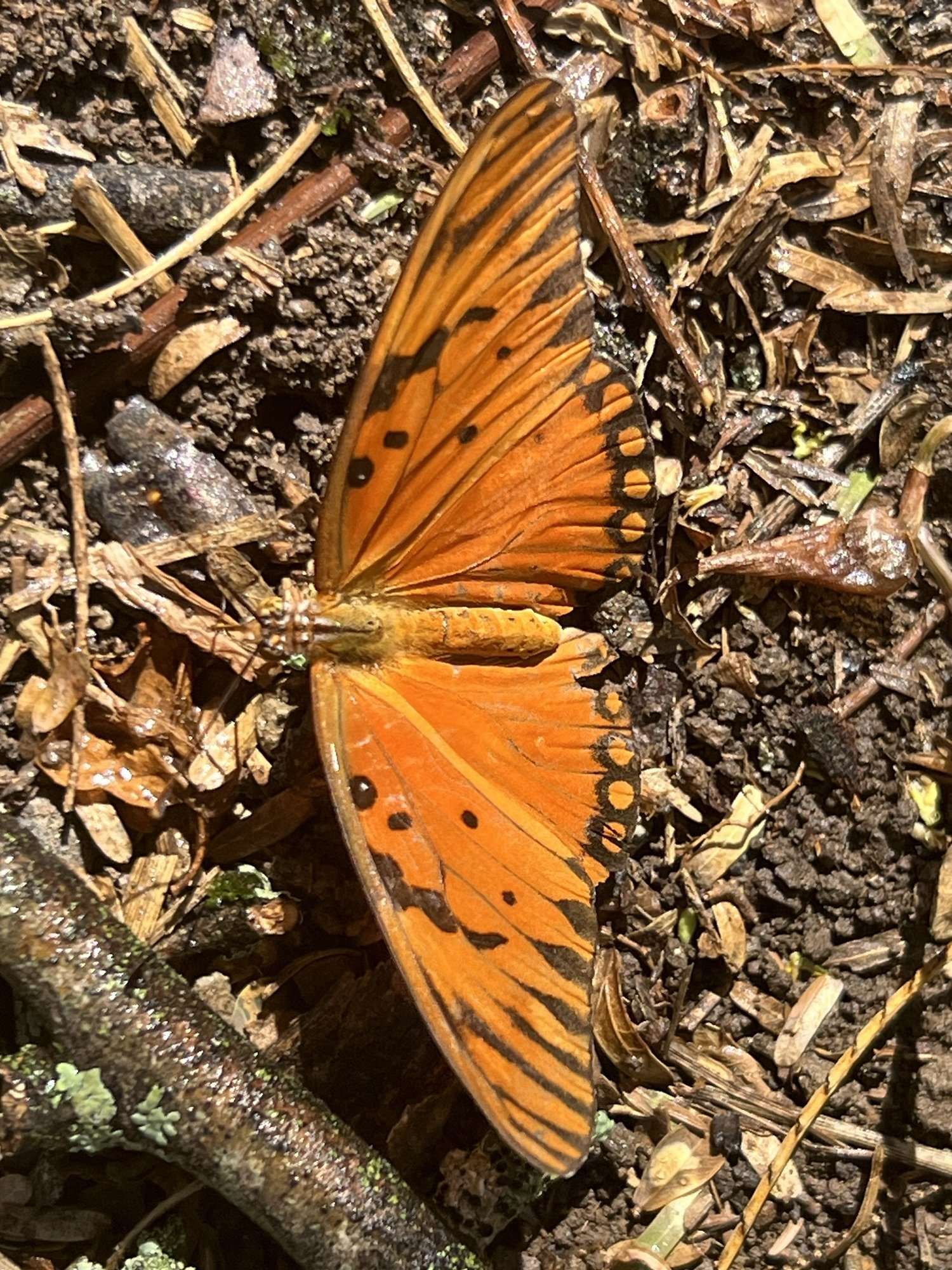
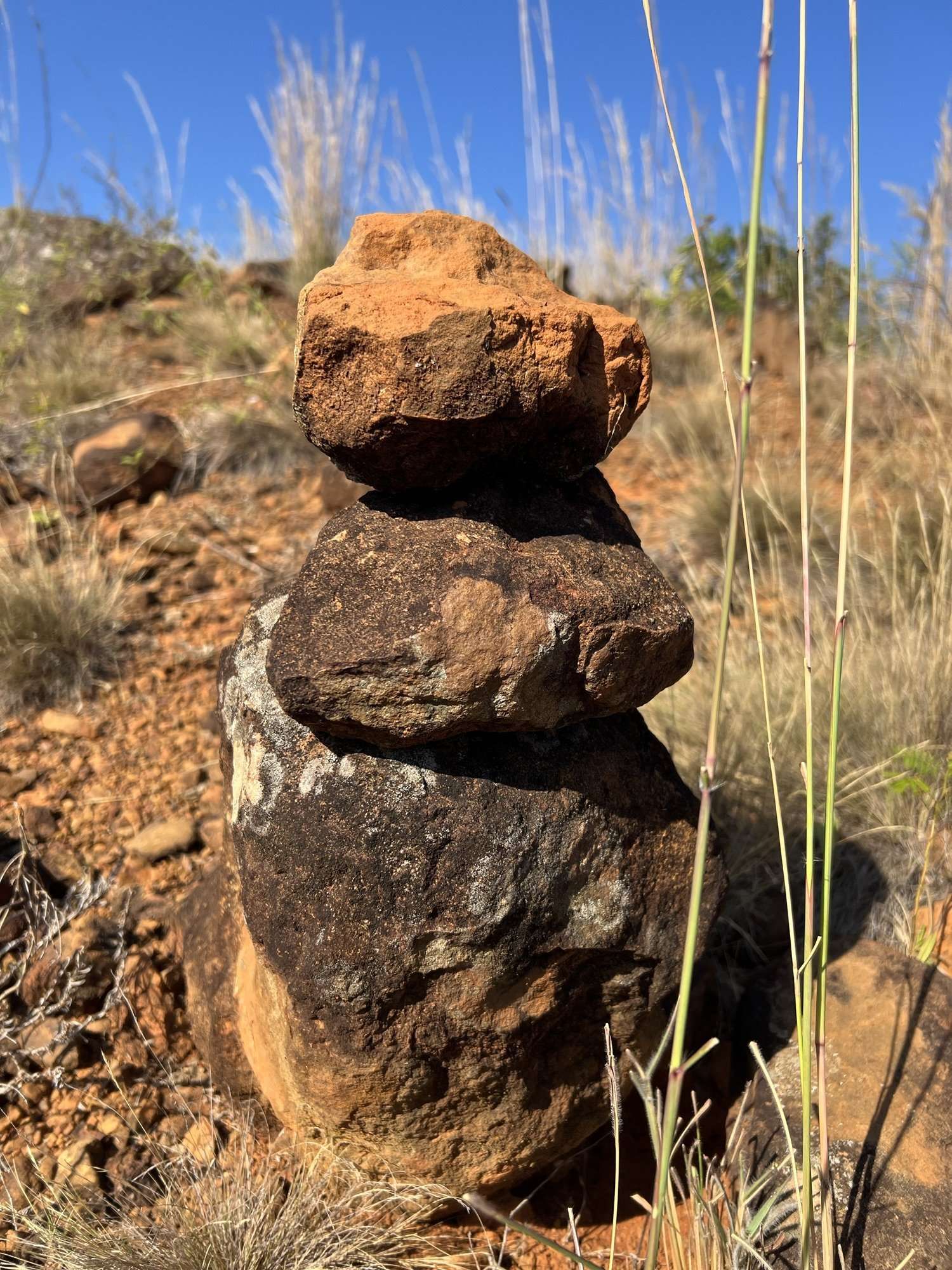
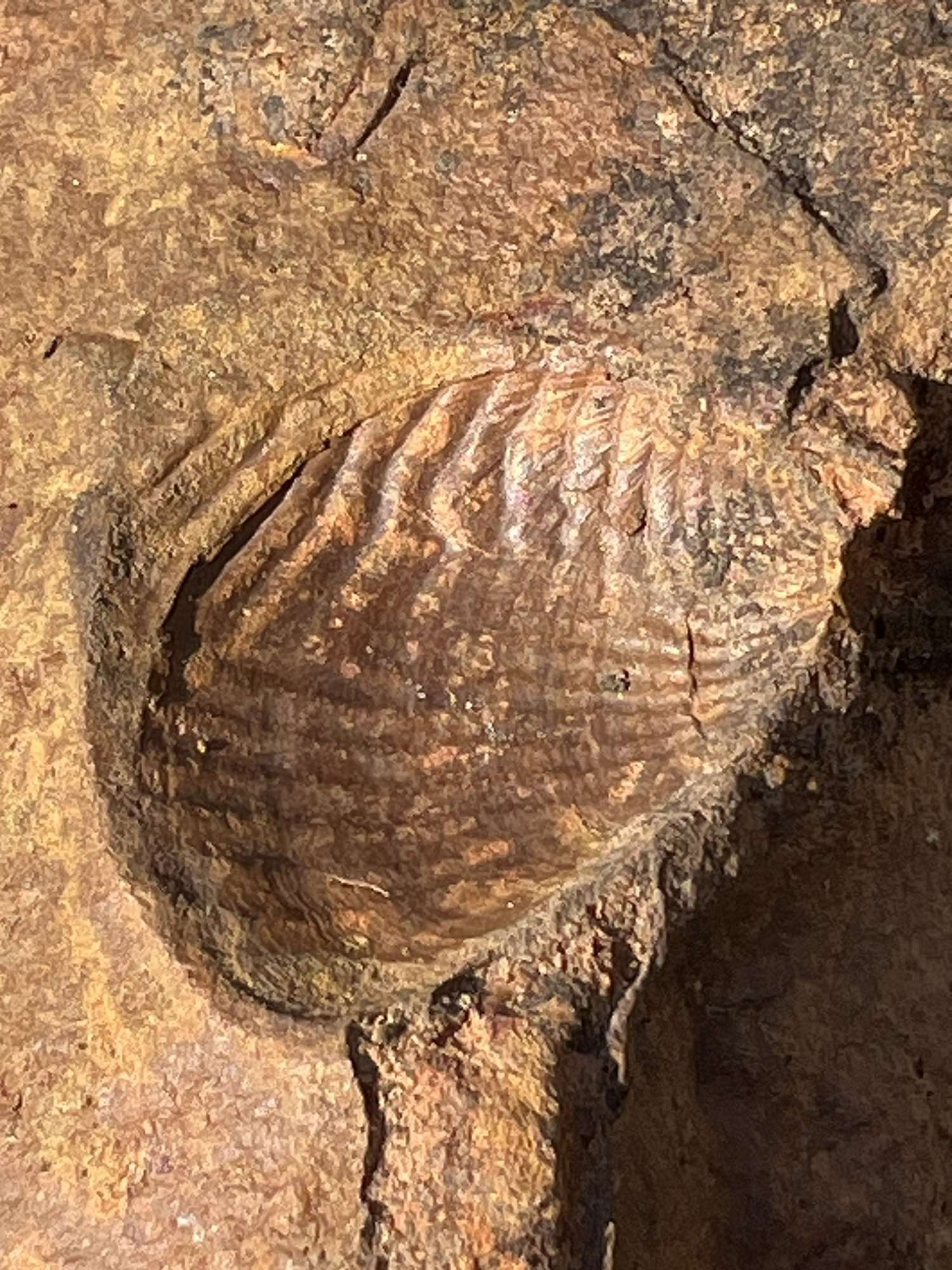
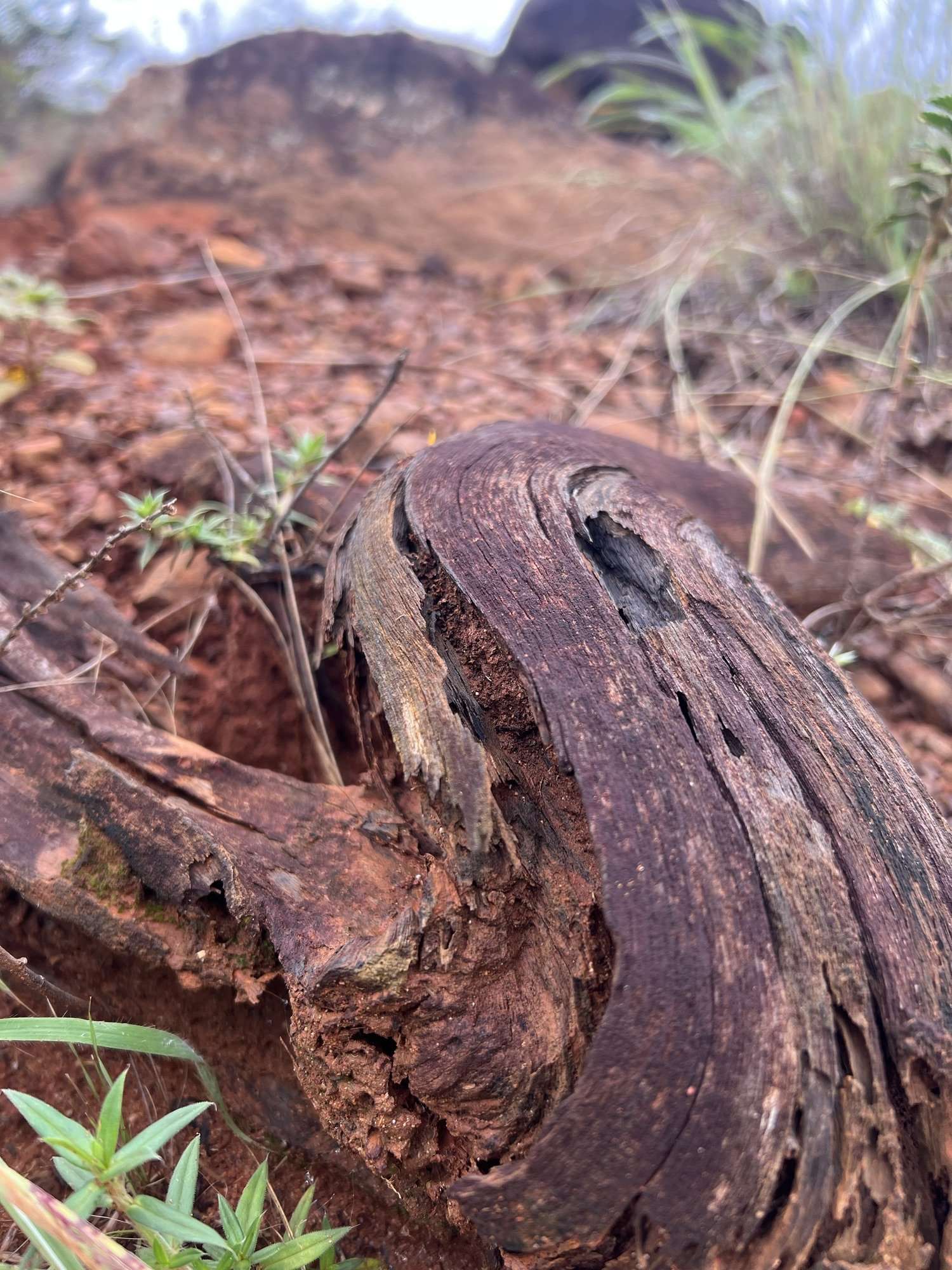
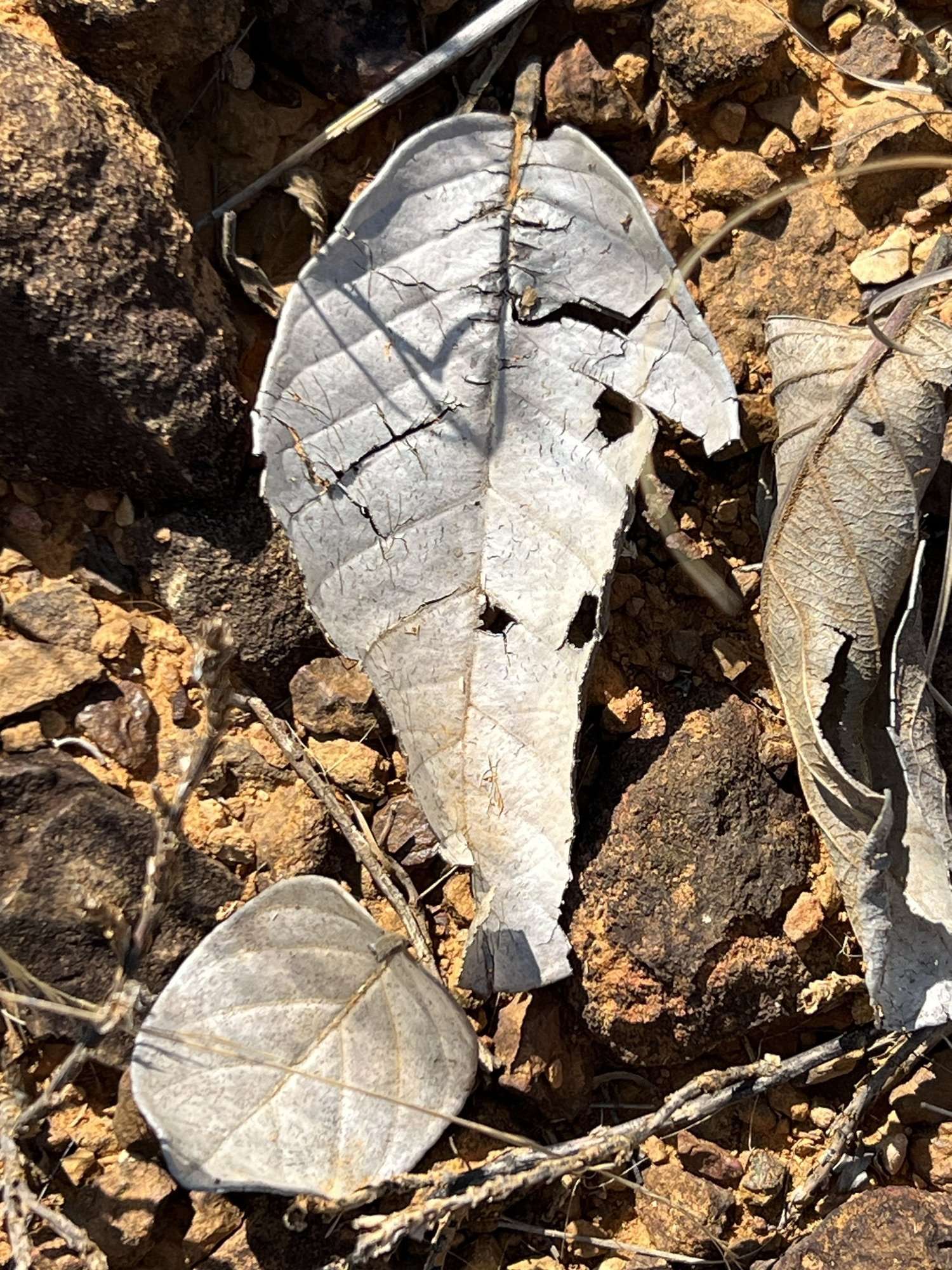
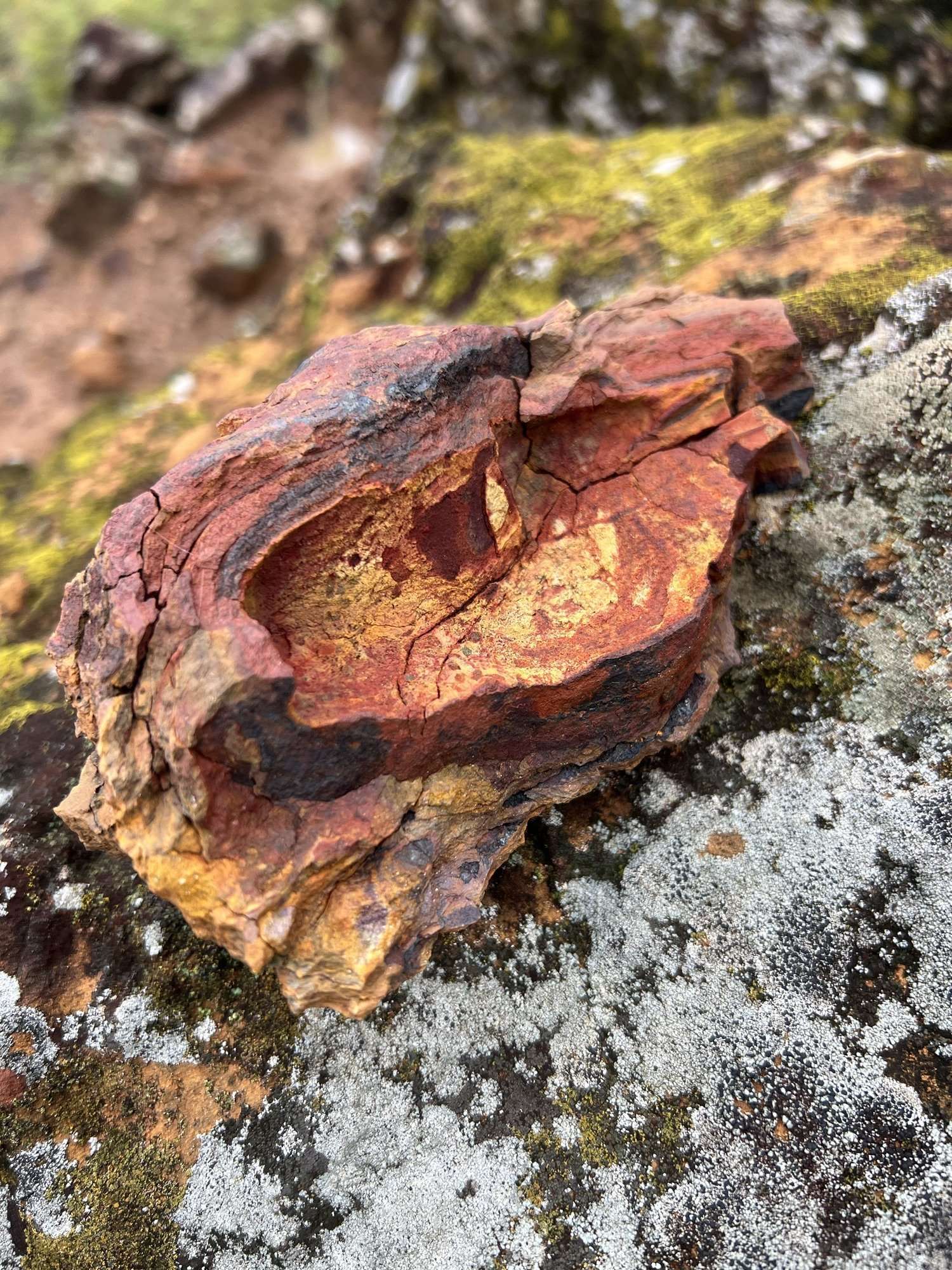
A few more photos from the arid and eroded zone. It has its own fleeting beauty. If all goes well, this will again be a forested area.
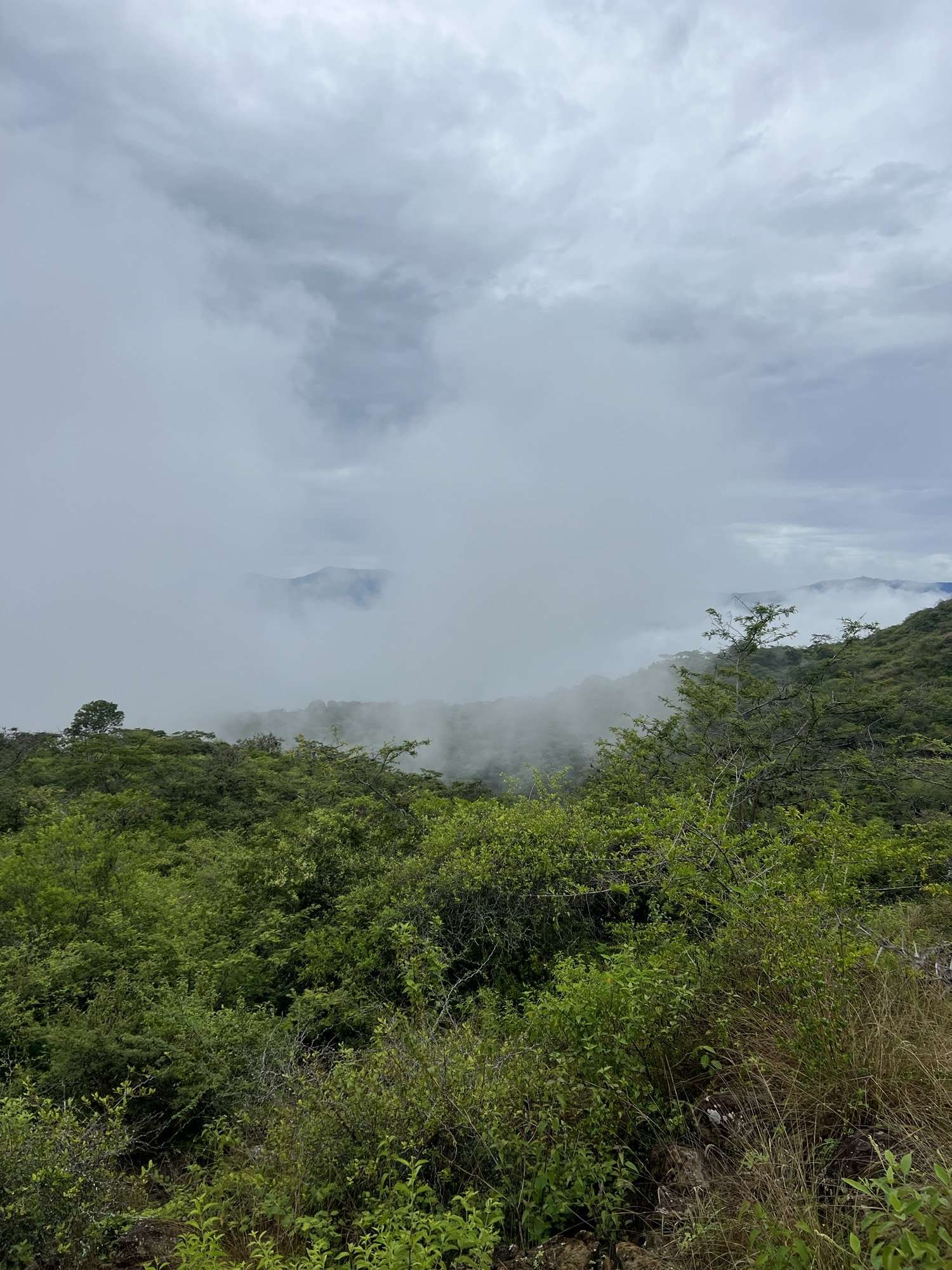
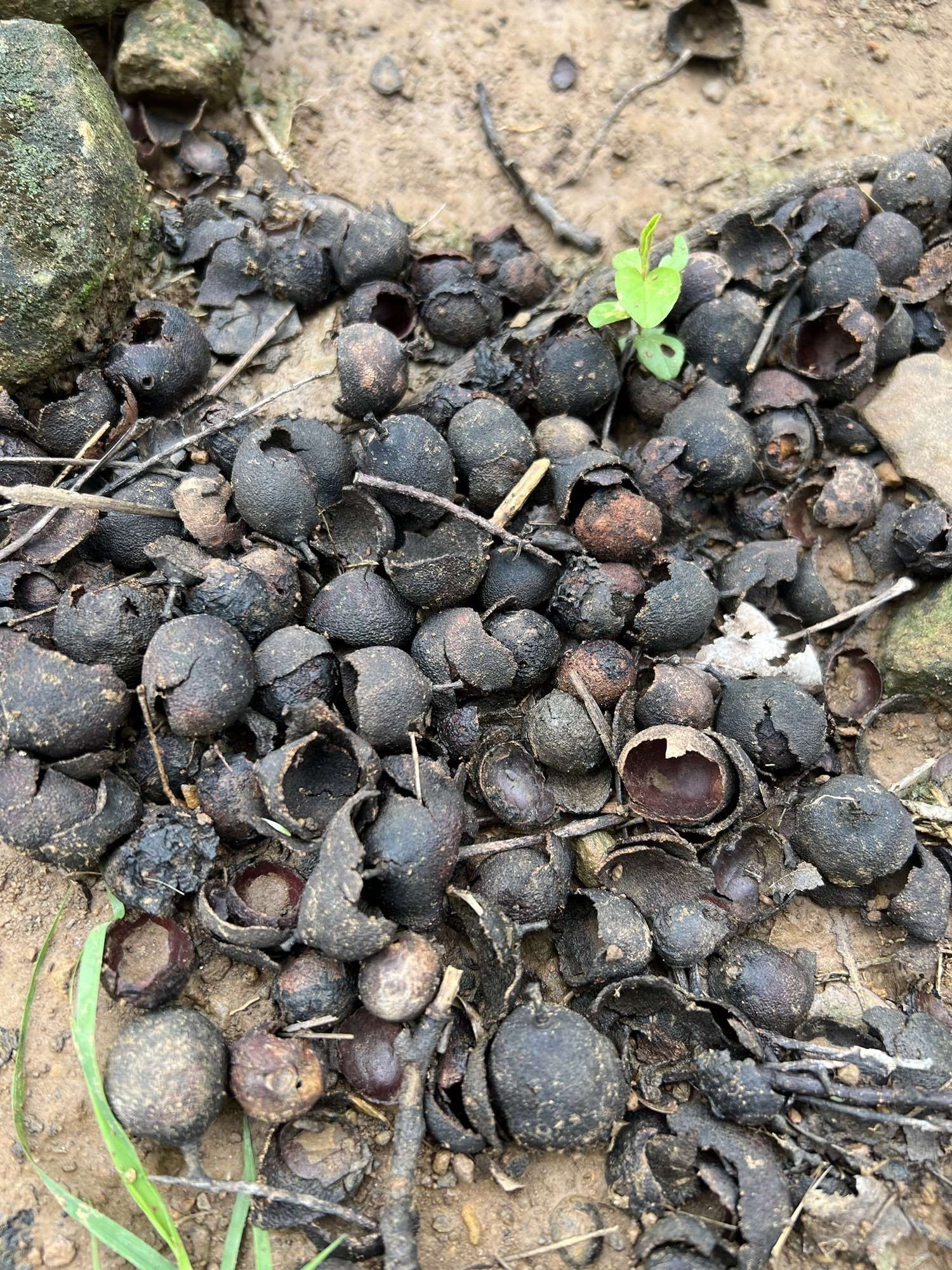
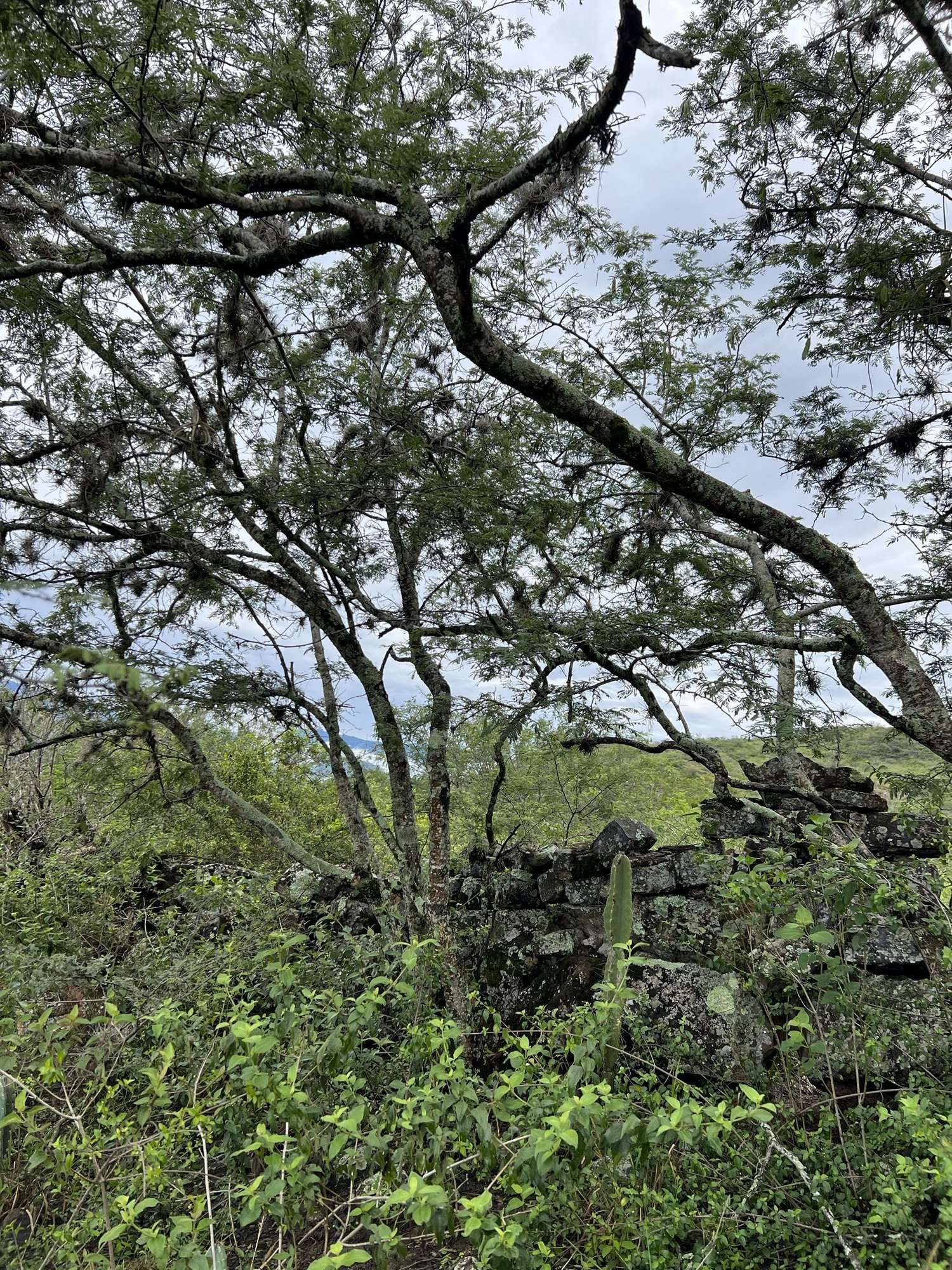
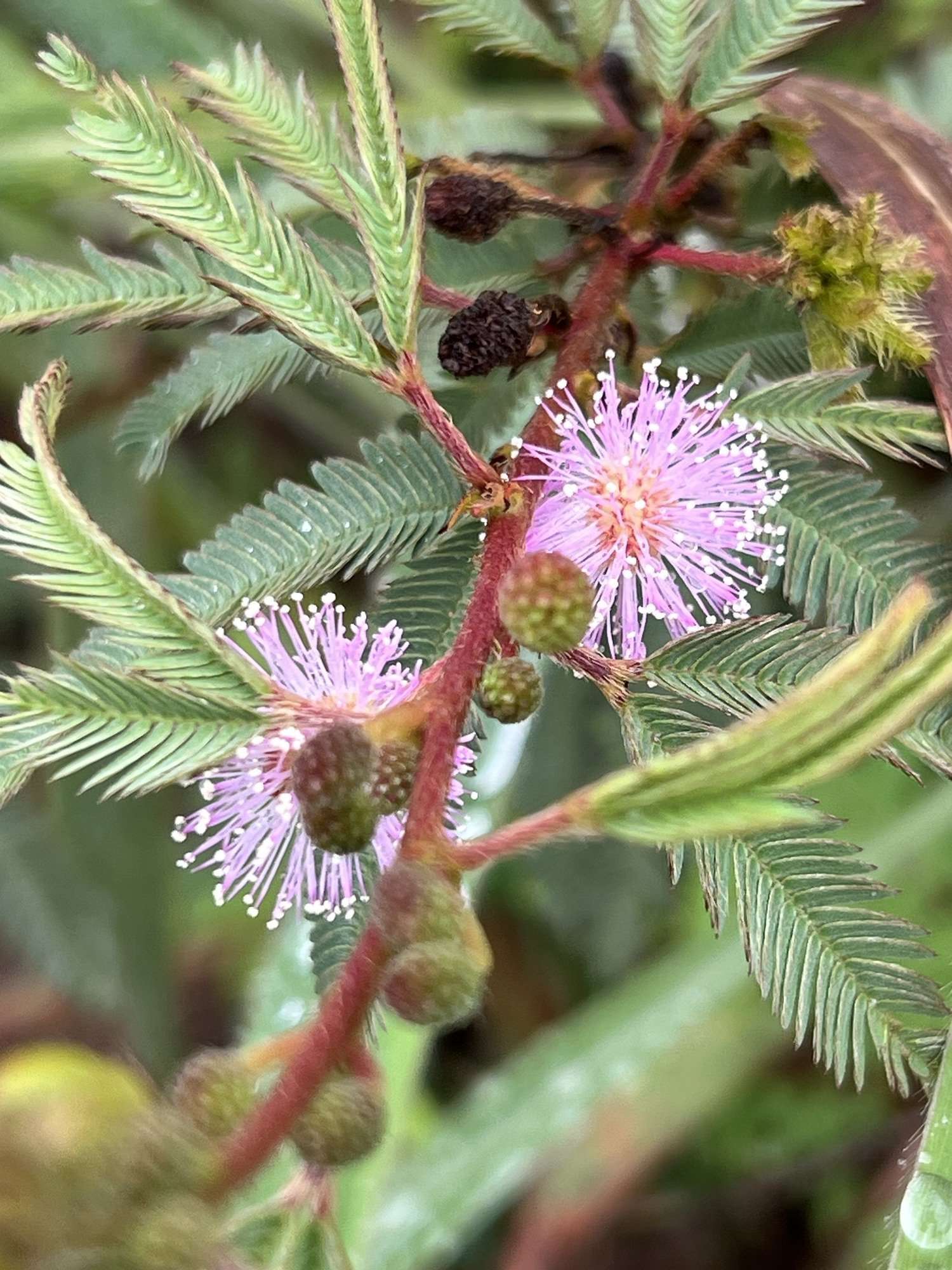


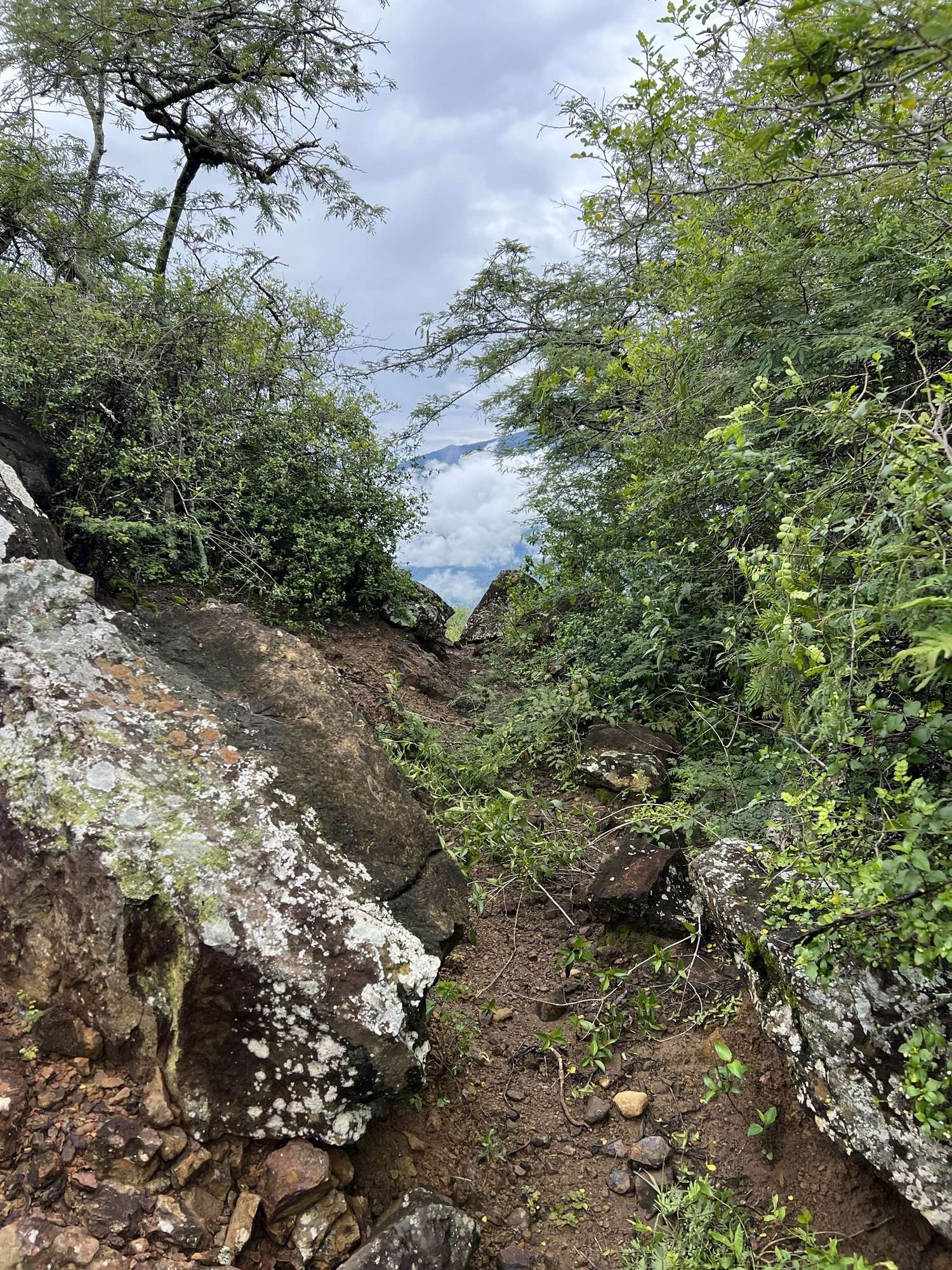

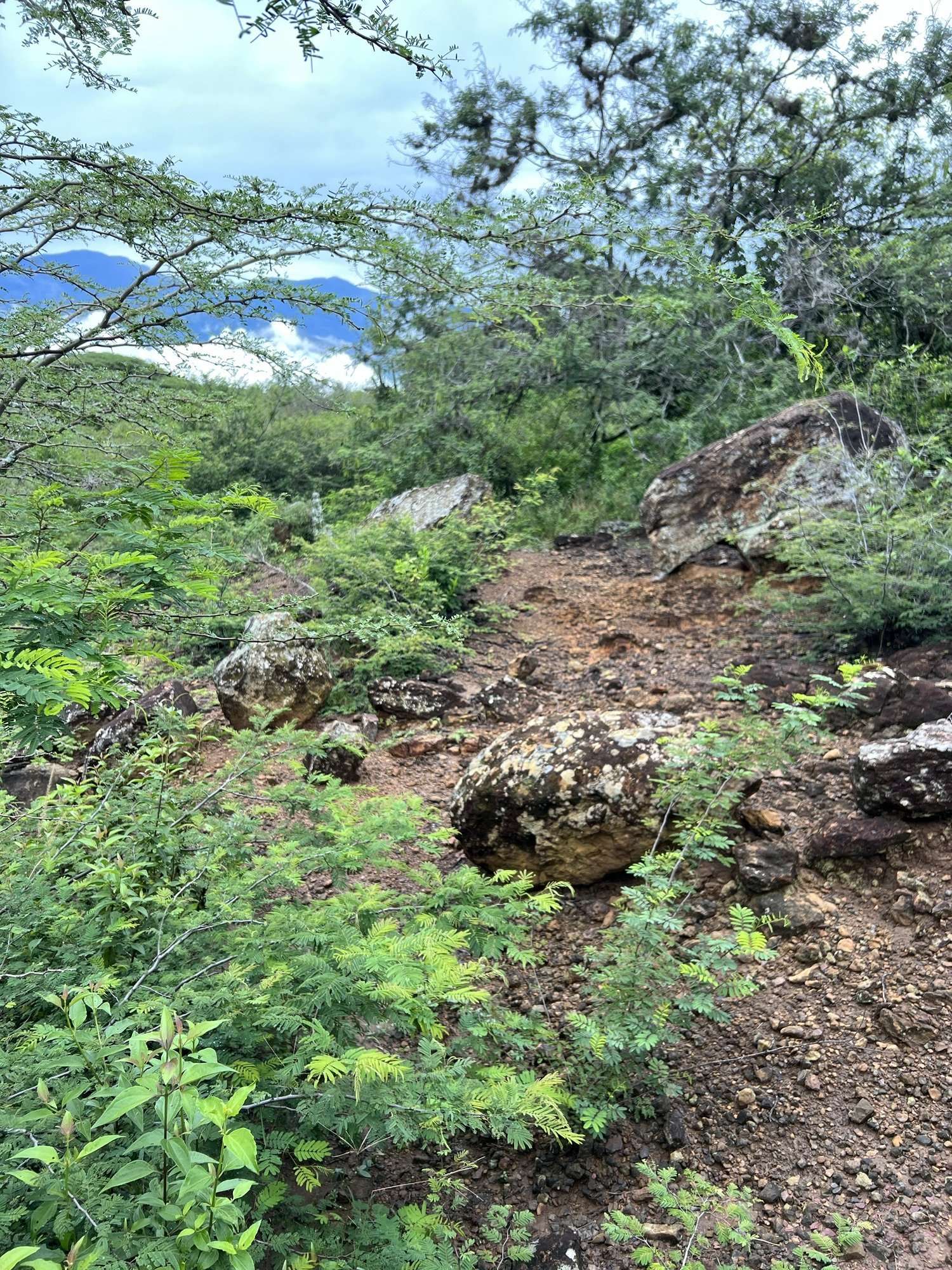
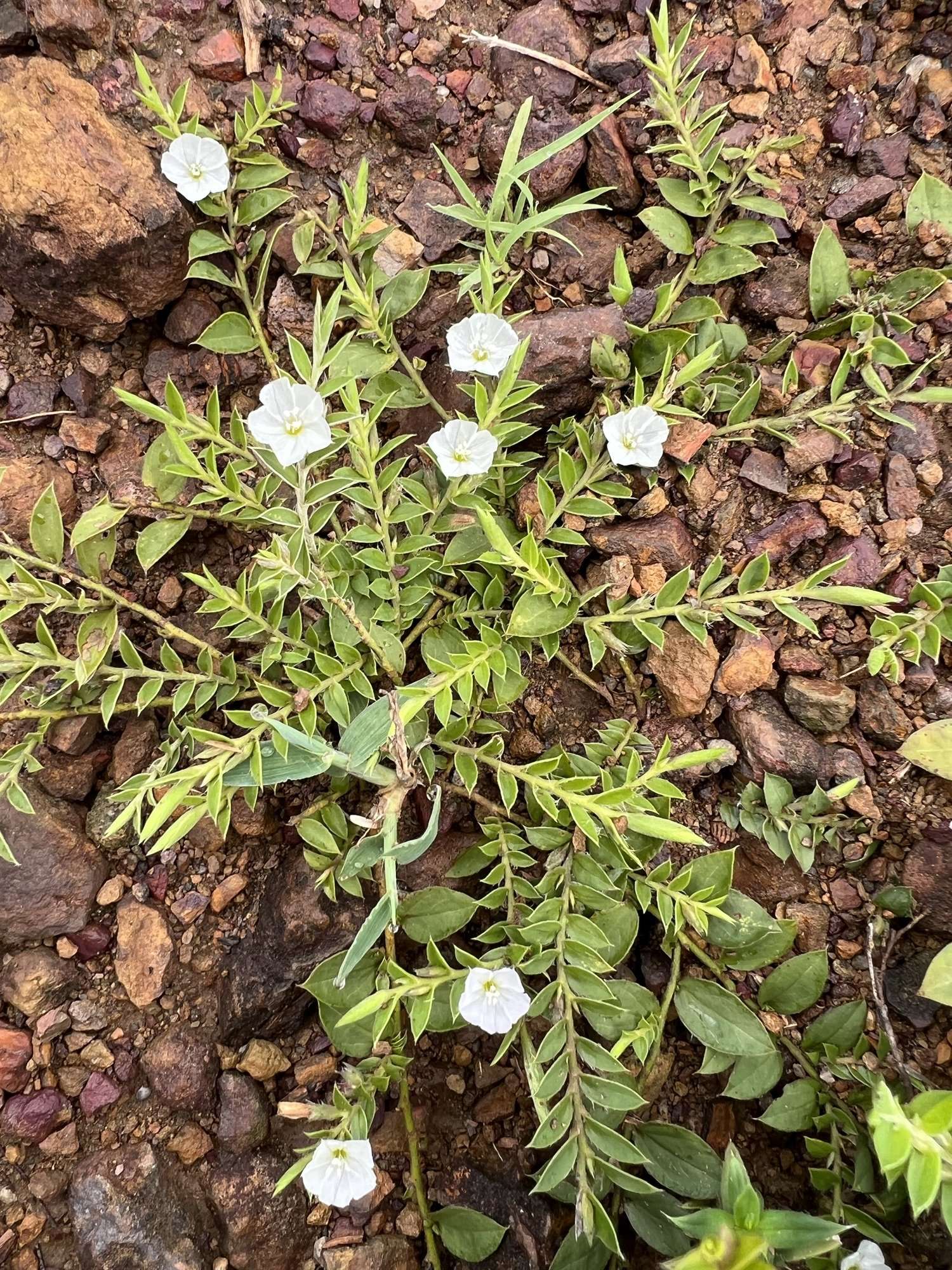


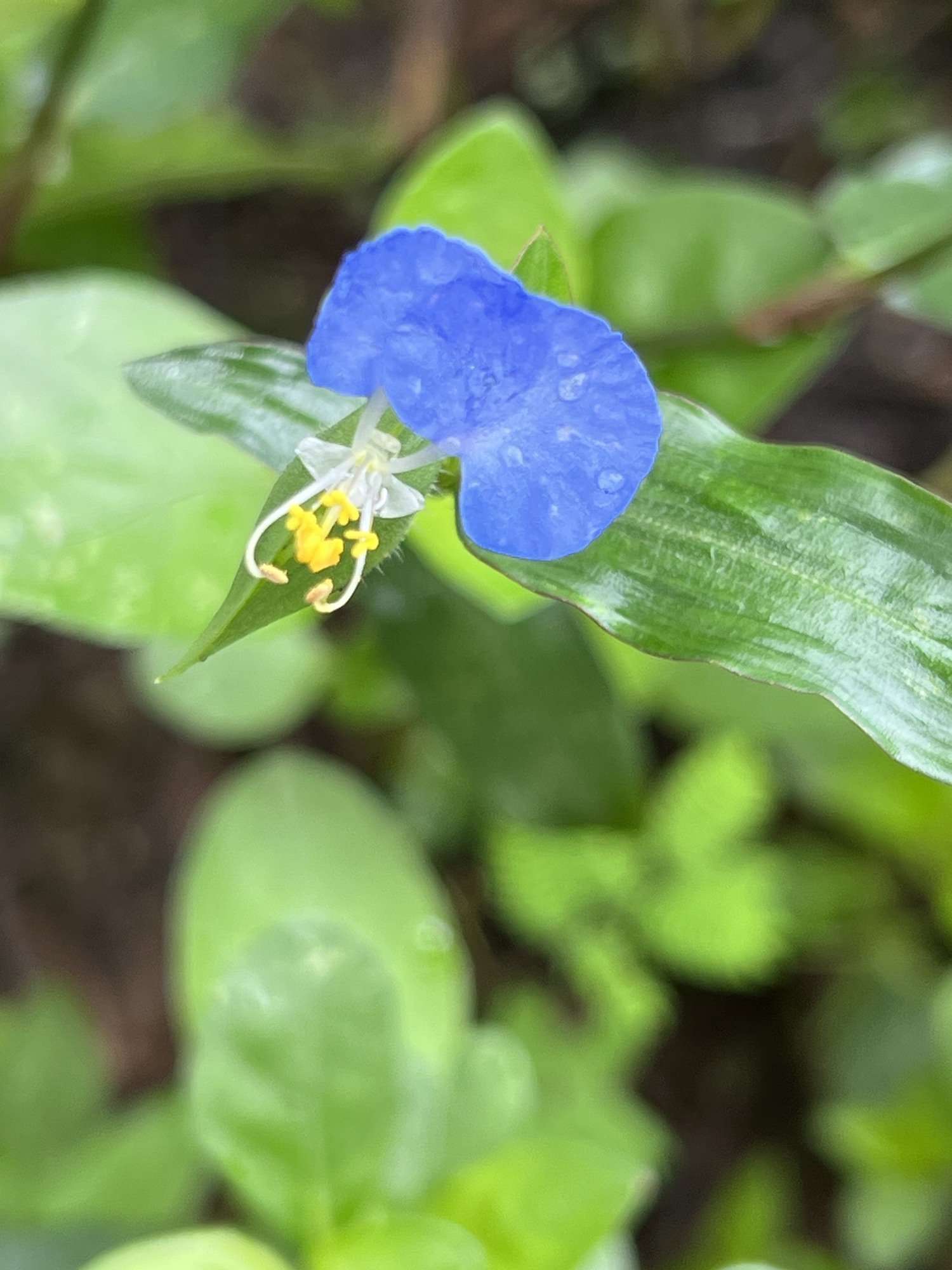
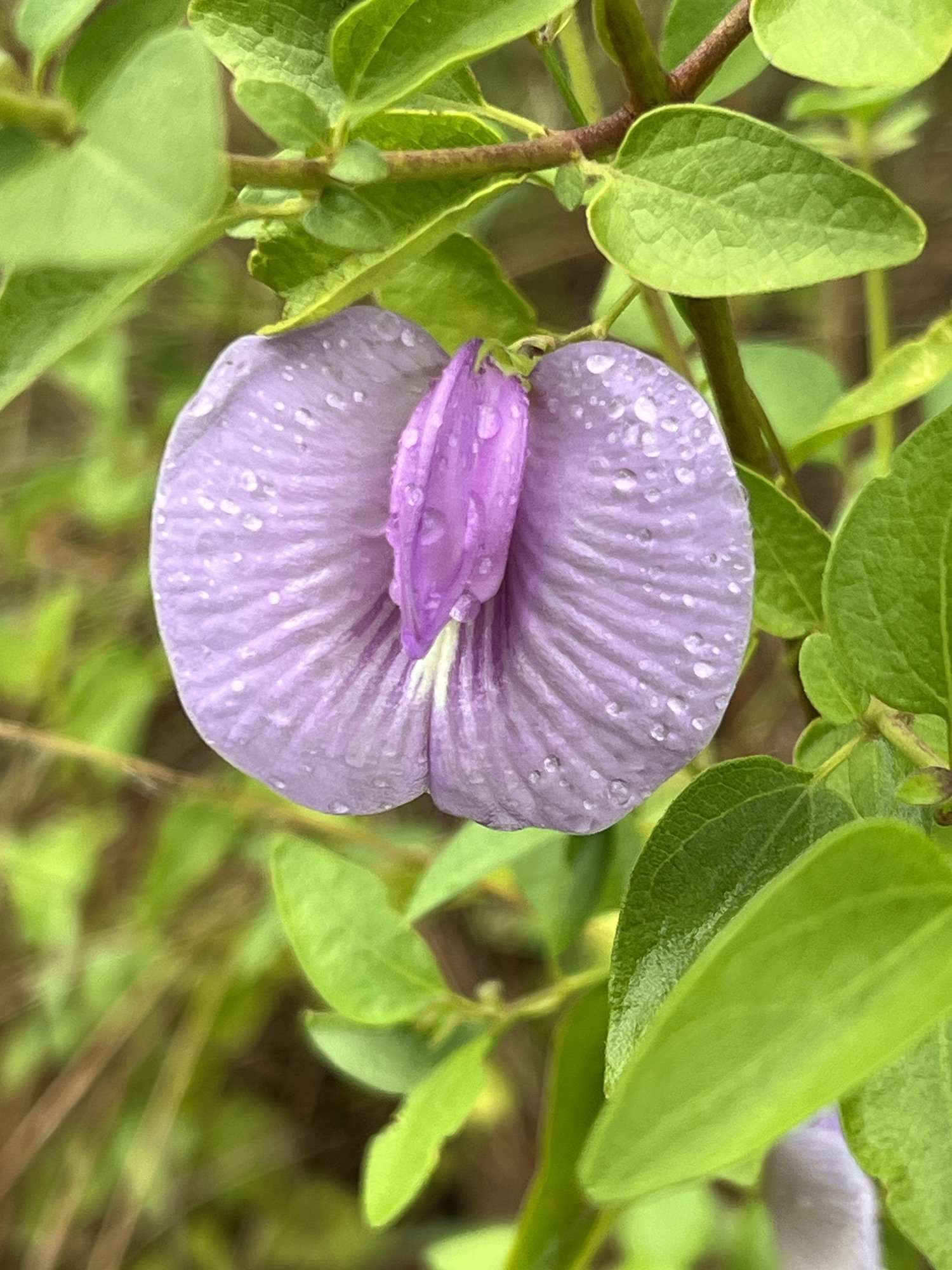


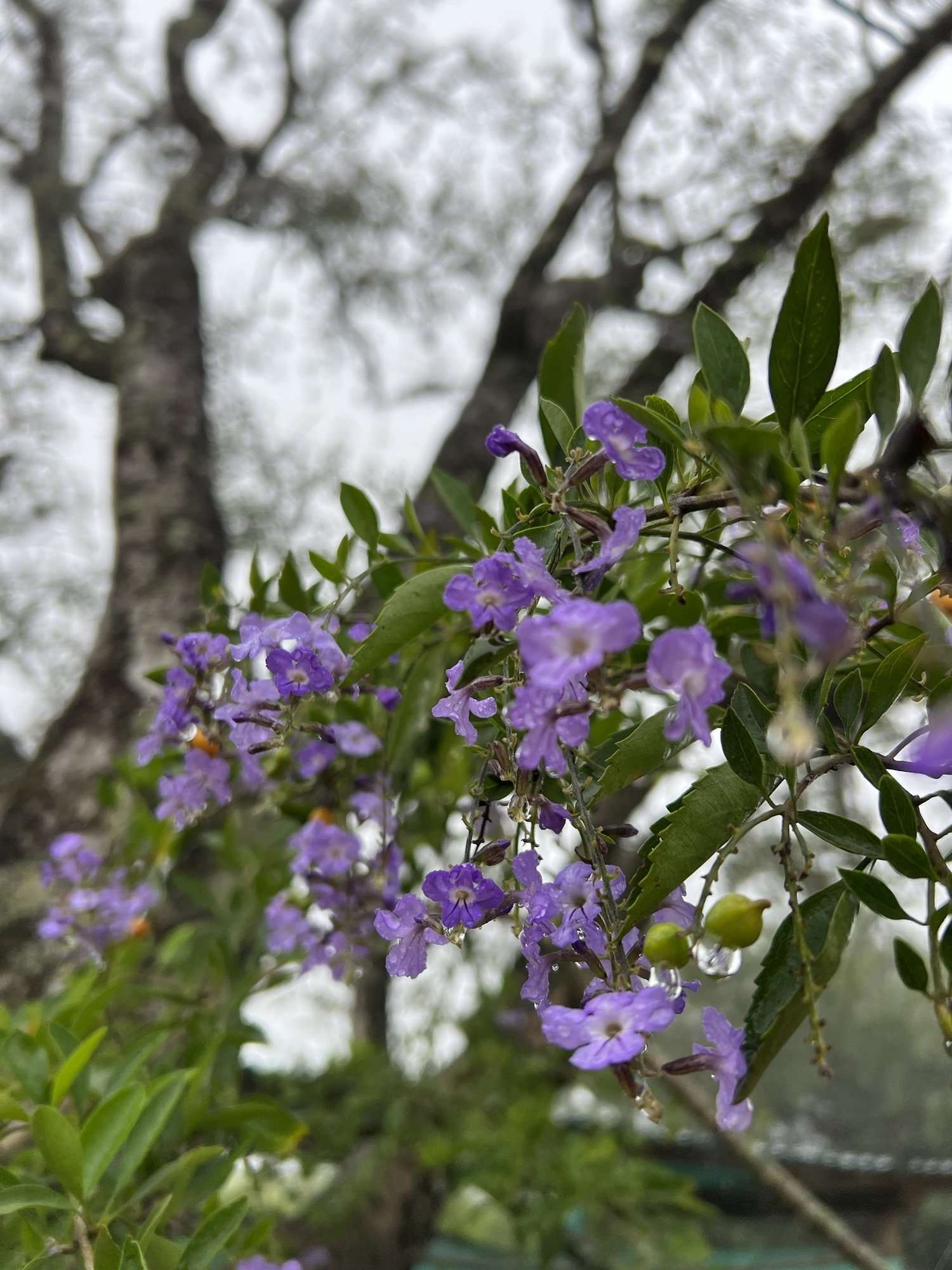
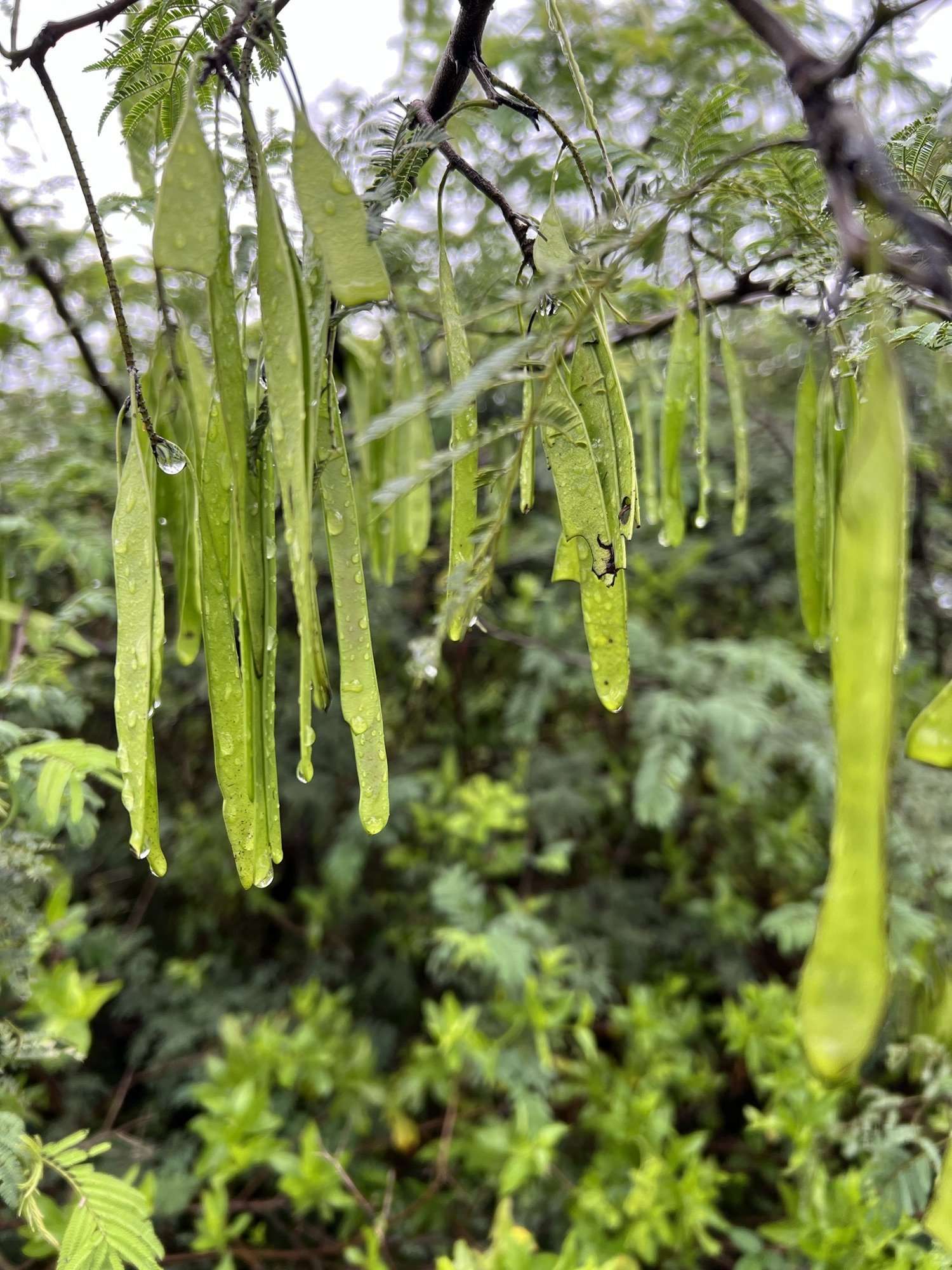
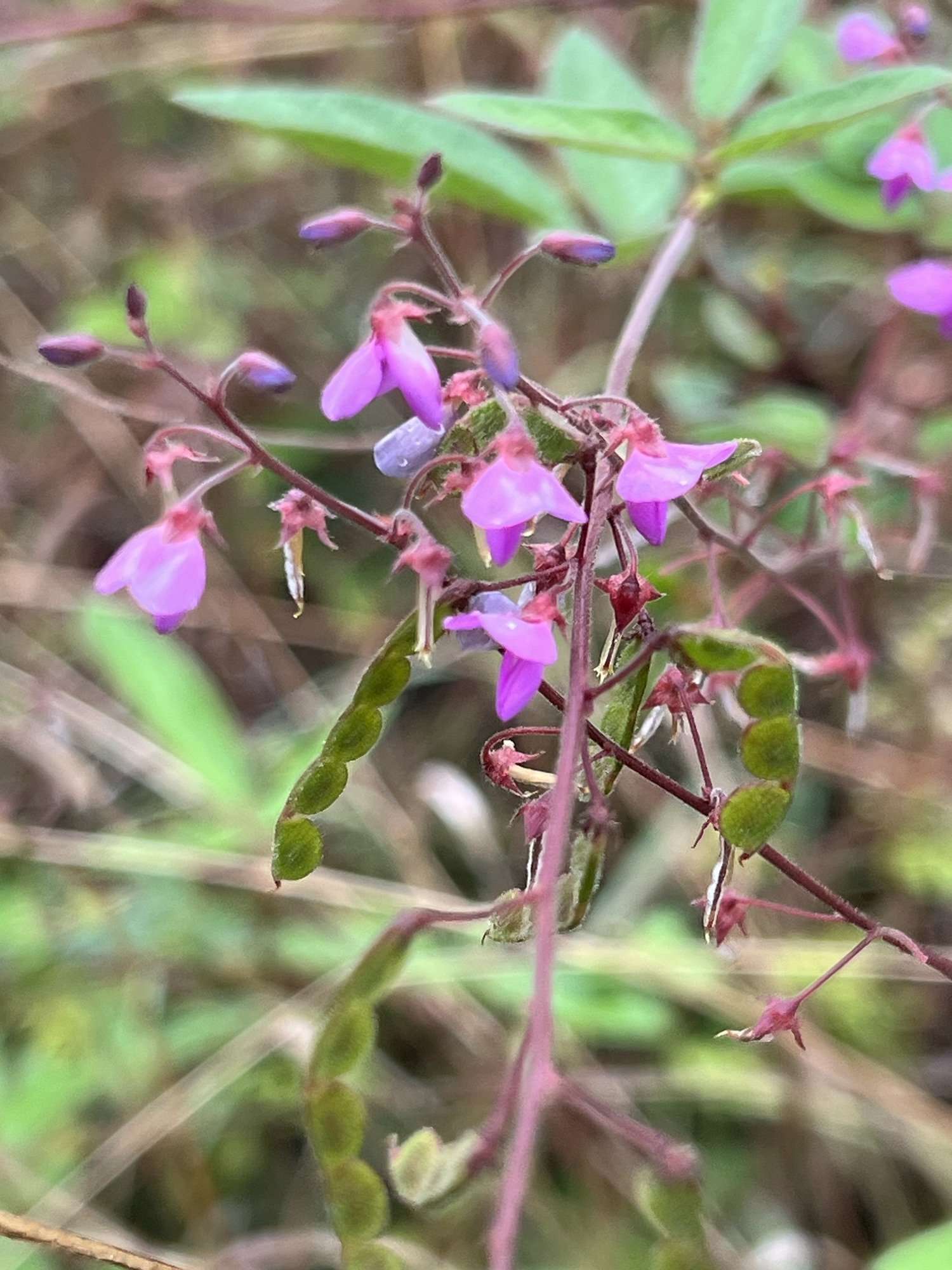
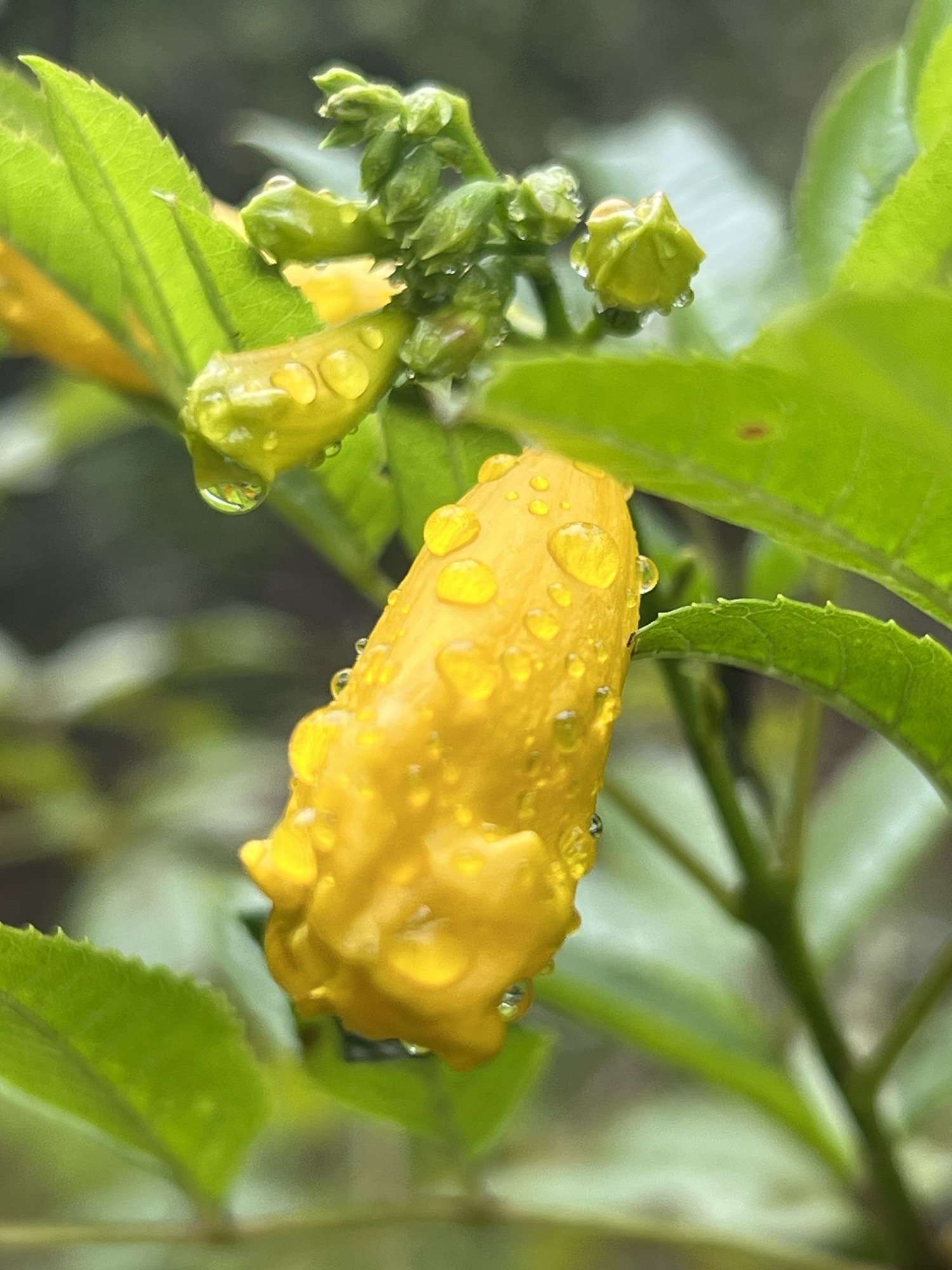

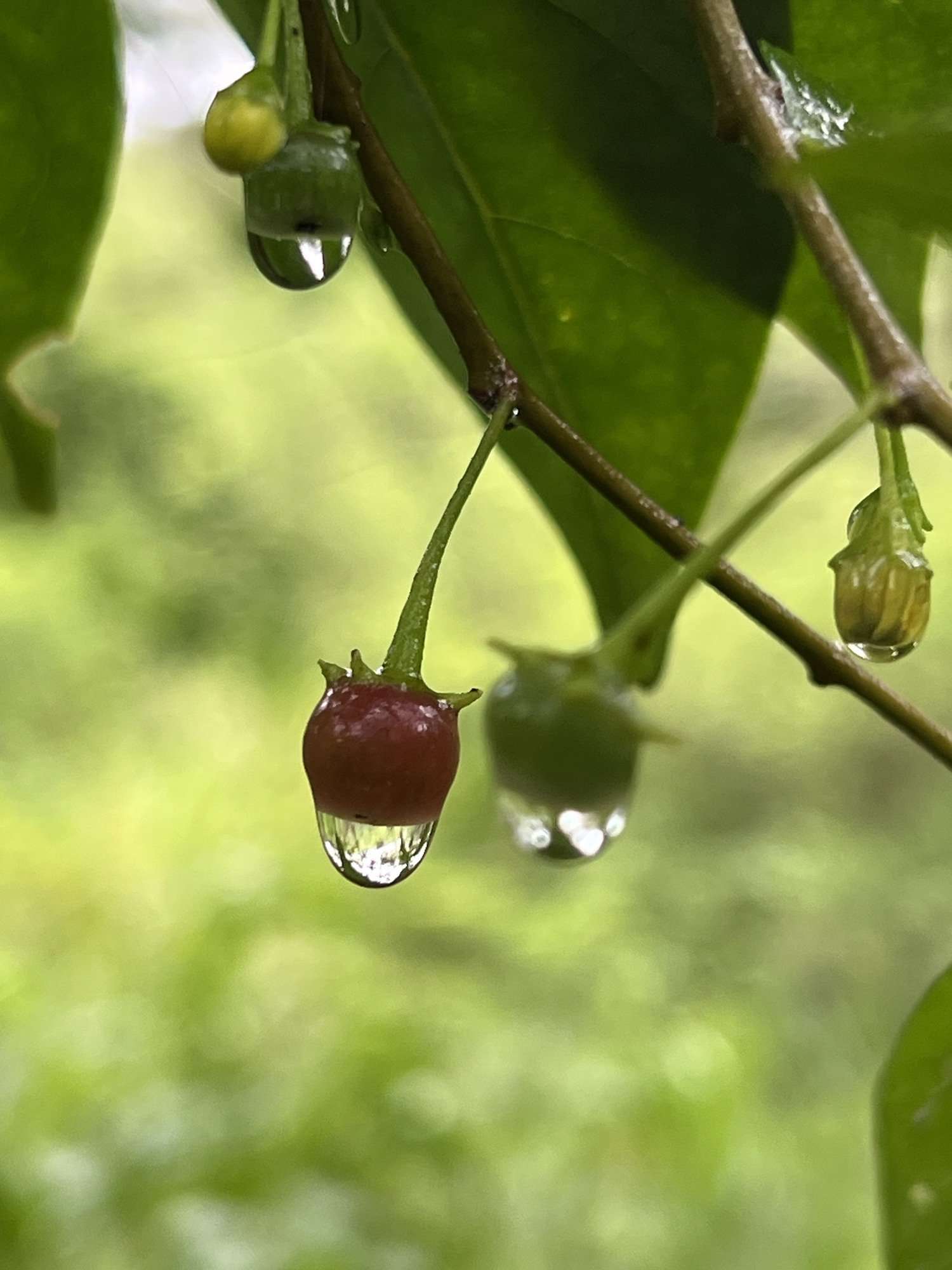
These are from along the main path through Milagros. The path largely follows the ridge so it is along the more eroded areas, although it’s not as arid and eroded as the peak area in the other photos. The photos are from earlier this month after a night of rain. The second photo is what’s left of the fruits from the mamón (Spanish Lime), which is one of the native fruit trees here.