Porous dams in the river
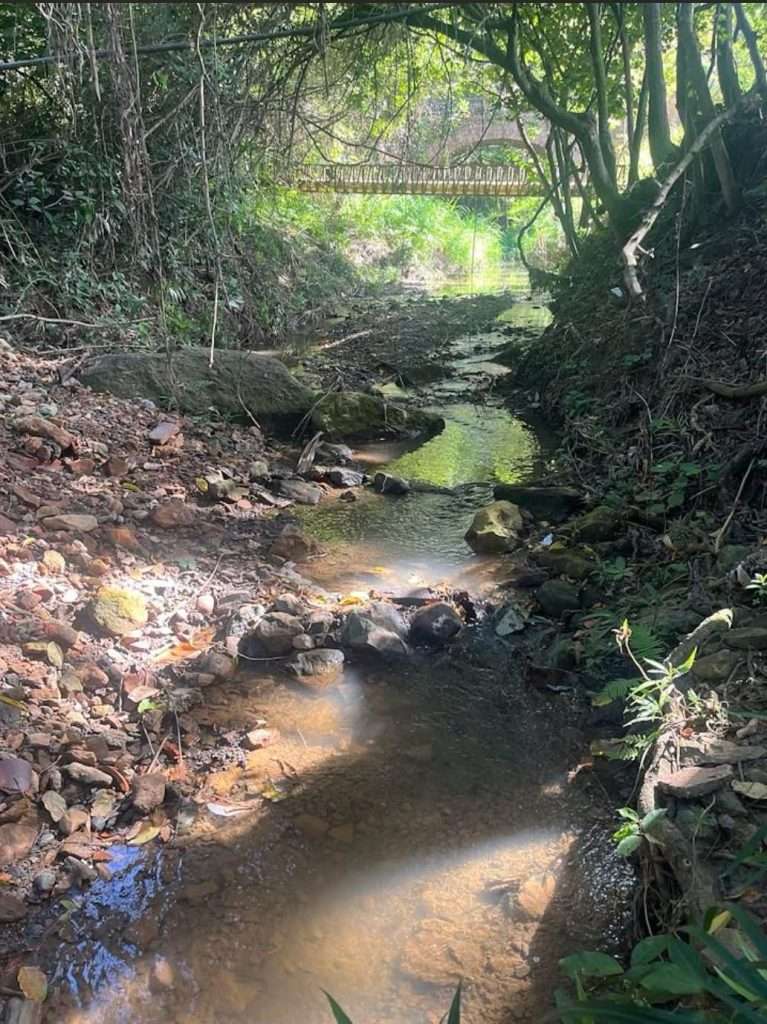
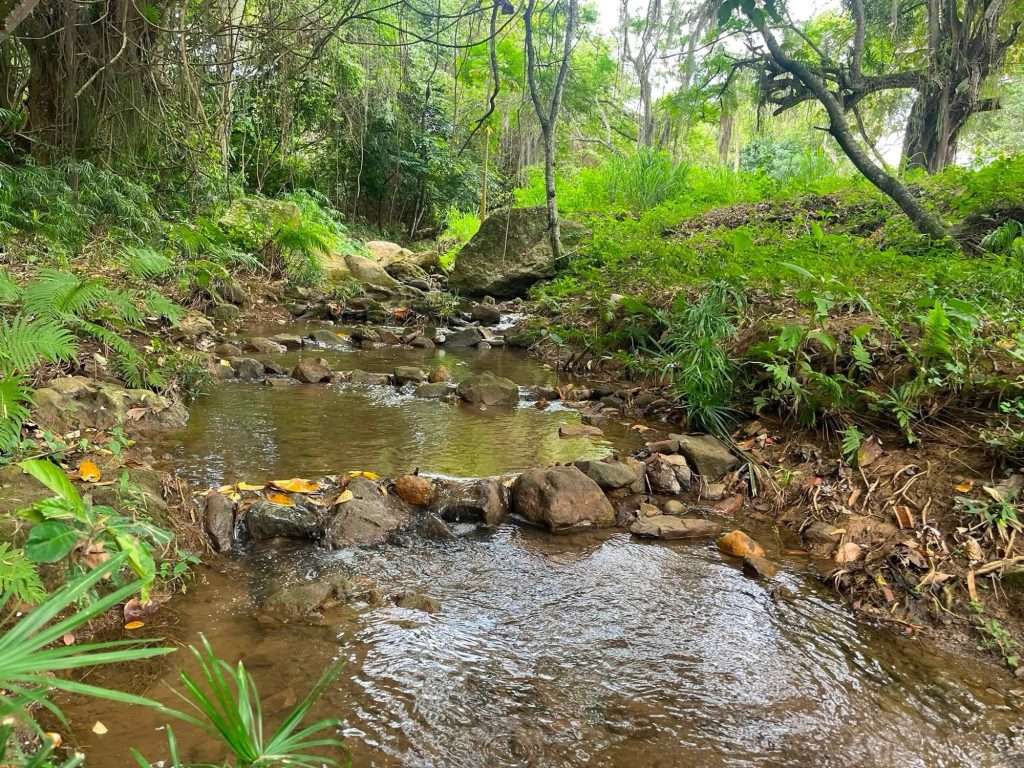
I asked one of the people working for us to start a new project today. It’s a series of porous dams in the river that runs through the finca. The river is mostly dry. When it rains, it has a good amount of water, although it runs through swiftly and is gone. The dams will help slow down the water so it can infiltrate into the ground.
This will bring moisture into the ground which will help the vegetation along the river, it and it will provide water for longer for the animals in the area. Until about twenty years ago, there was a spring near the river, not too far from our current houses. These dams may help bring that spring back, especially in combination with more trees and improved soil. (The spring likely went dry because of grazing and deforestation.)
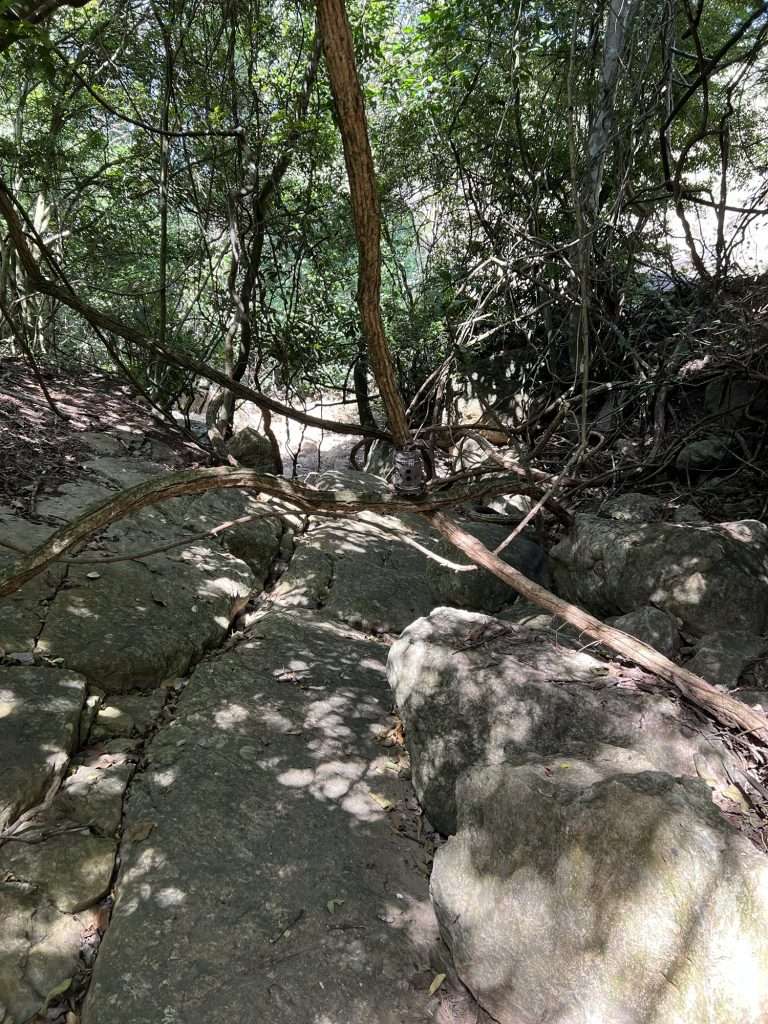
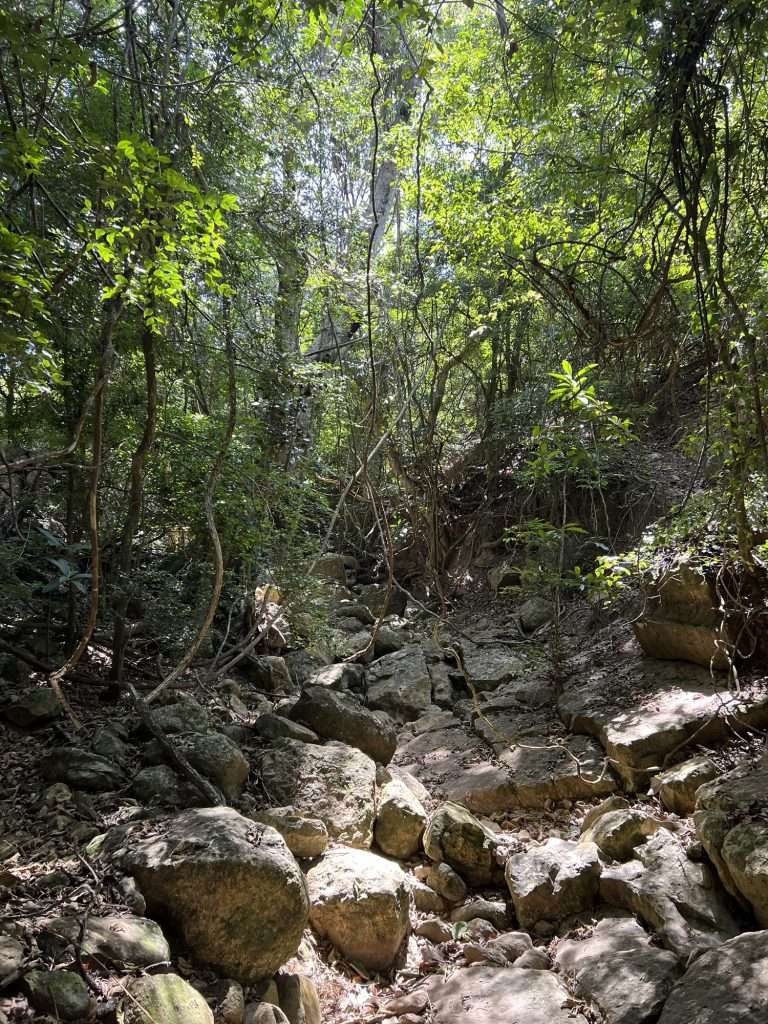
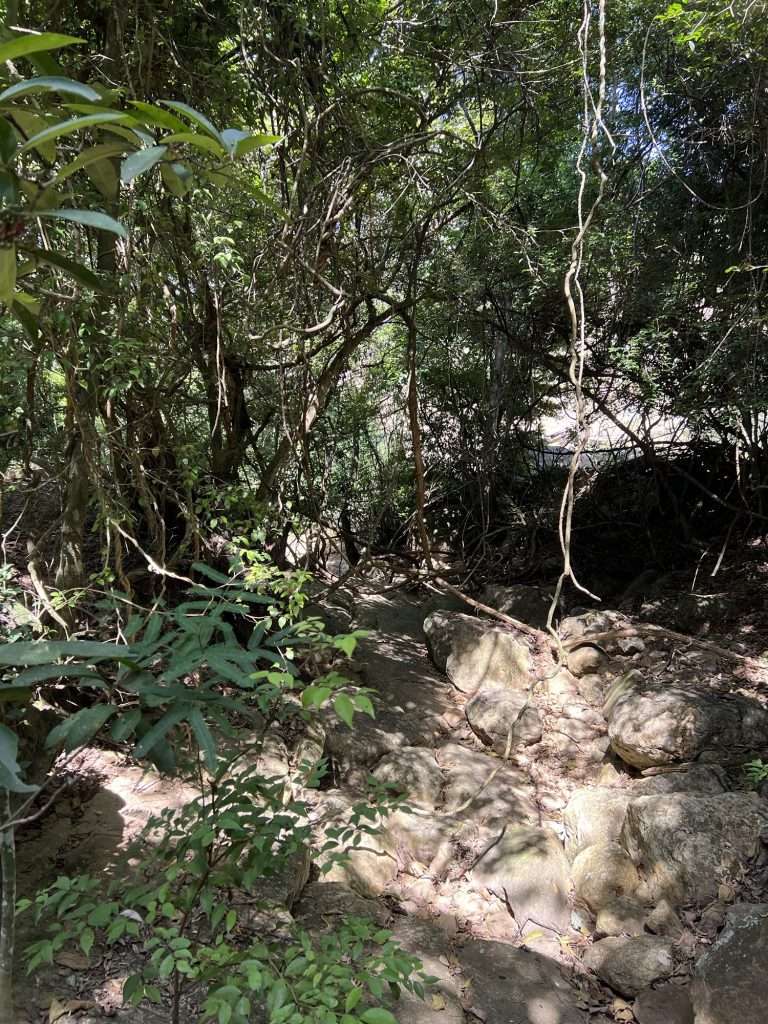
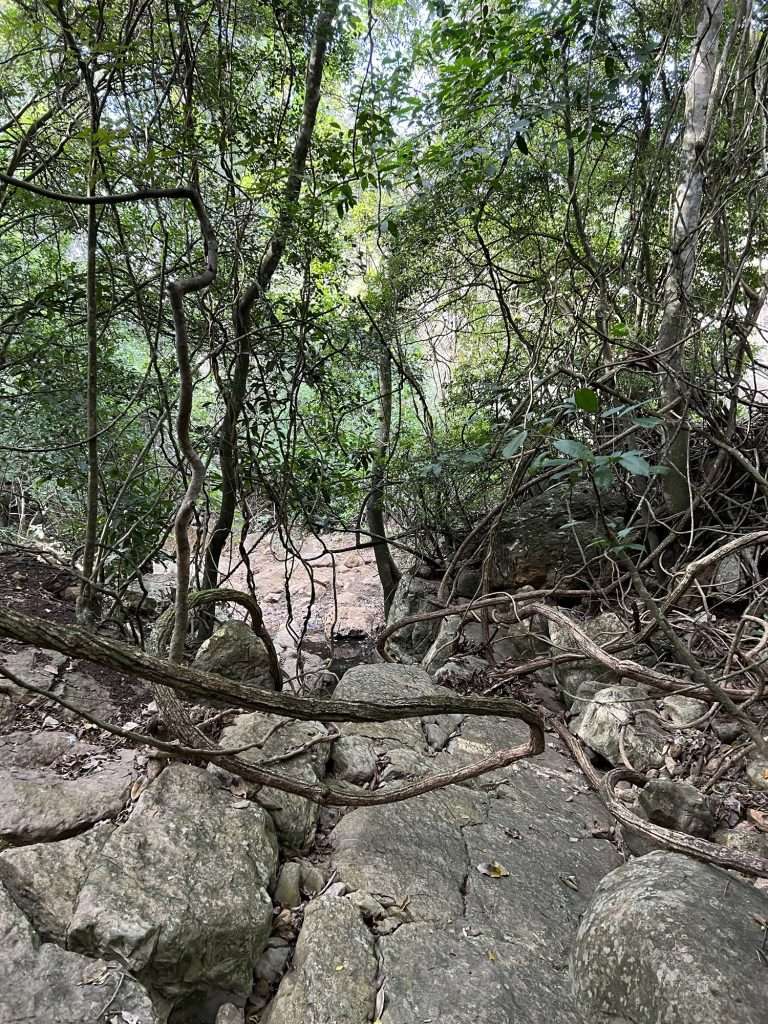
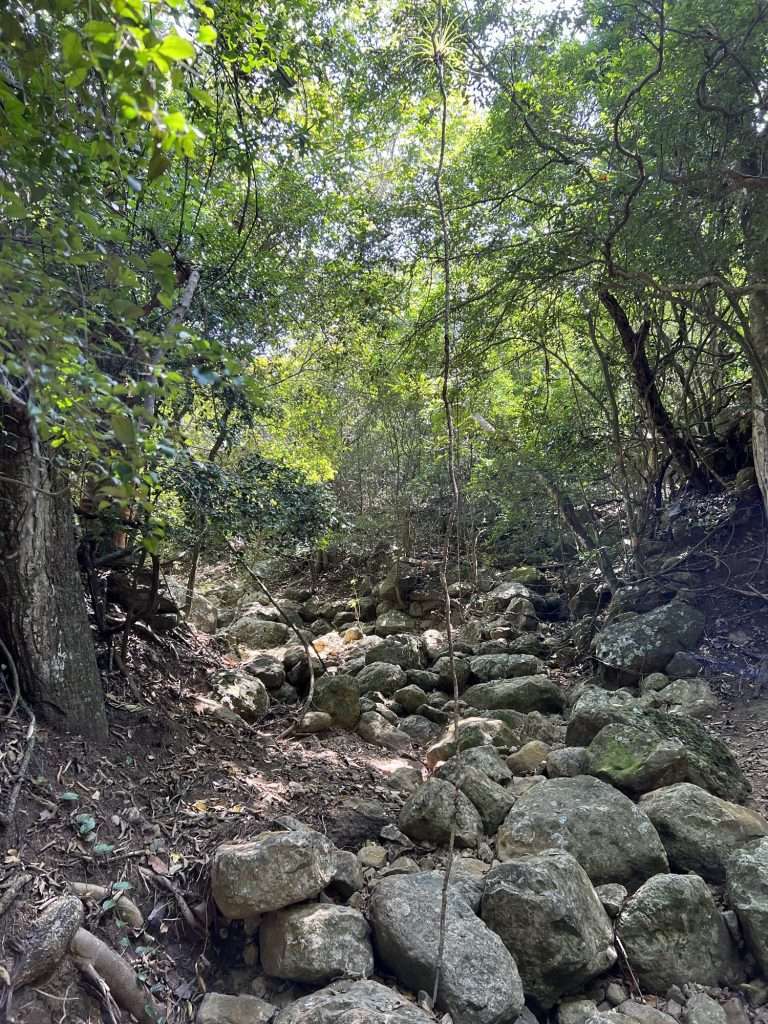
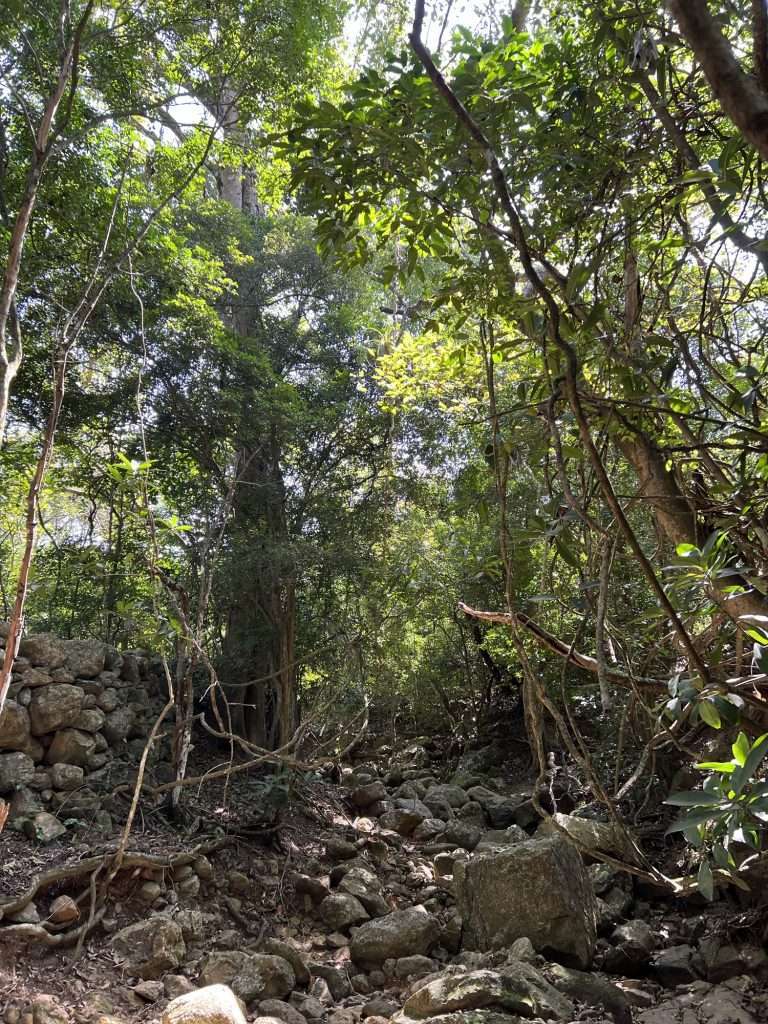
The top series of photos are from the river from a couple of years ago and I assume it looks similar now. The two photos below show dams from a similar project in the area (not my photos).
Dam construction and spacing
We have two small rivers meeting on our land. I checked the distances and elevation differences on Google Earth. The longer section is about 280 meters with 25 meter elevation difference. The shorter is about 70 meters with 8 meter elevation difference. That’s a slope of 5-7 degrees. This is straight line, and the river meanders a bit, so the actual slope will be a little less.
I suspect low dams about 5 meters apart may be ideal. Maybe 3-4 meters where it’s steeper, and 5-6 meters apart where it’s less steep. The distances are just a very rough guidelines, and it’s important to follow the terrain and make use of what’s already there. For instance, there may be large boulders we can use as part of the dams.
The dams should be low so they are less likely to be damaged from strong flows during heavy rain. We will use larger stones as anchors and smaller stones to fill in between the larger ones. The dams should be slightly lower in the middle to center the water flow in the channel.
There is no need to make the dams perfect. They can be rustic as long as they are stable. The purpose is just to slow the flow of the water.
It’s best to start at the downhill side of the river since the water flow is stronger there.
The dams should be inspected after the first heavy rains to see how they hold up.
Reservoirs?
In time, we can also create one or more natural reservoirs next the river, and channel some of the river water into these. We would use simple natural filtration, and a small channel or pipe to bring the water into the reservoirs. It’s also important to channel any overflow back into the river (or into a second reservoir).
This water can be used for watering plants, for the houses, as a swimming pool, and so on. They will also allow more water to infiltrate into the ground and recharge the groundwater.
If several are located uphill from and in the vicinity of the now-dry natural spring, they may also, in the best case, help bring the spring back. I will ask the previous owners to show us where the spring used to be. It will help us plan where to focus the regeneration work and where to locate the reservoirs.